
25 Anti-Inflammatory Teas to Drink Every Day
25 Anti-Inflammatory Teas to Drink Every Day
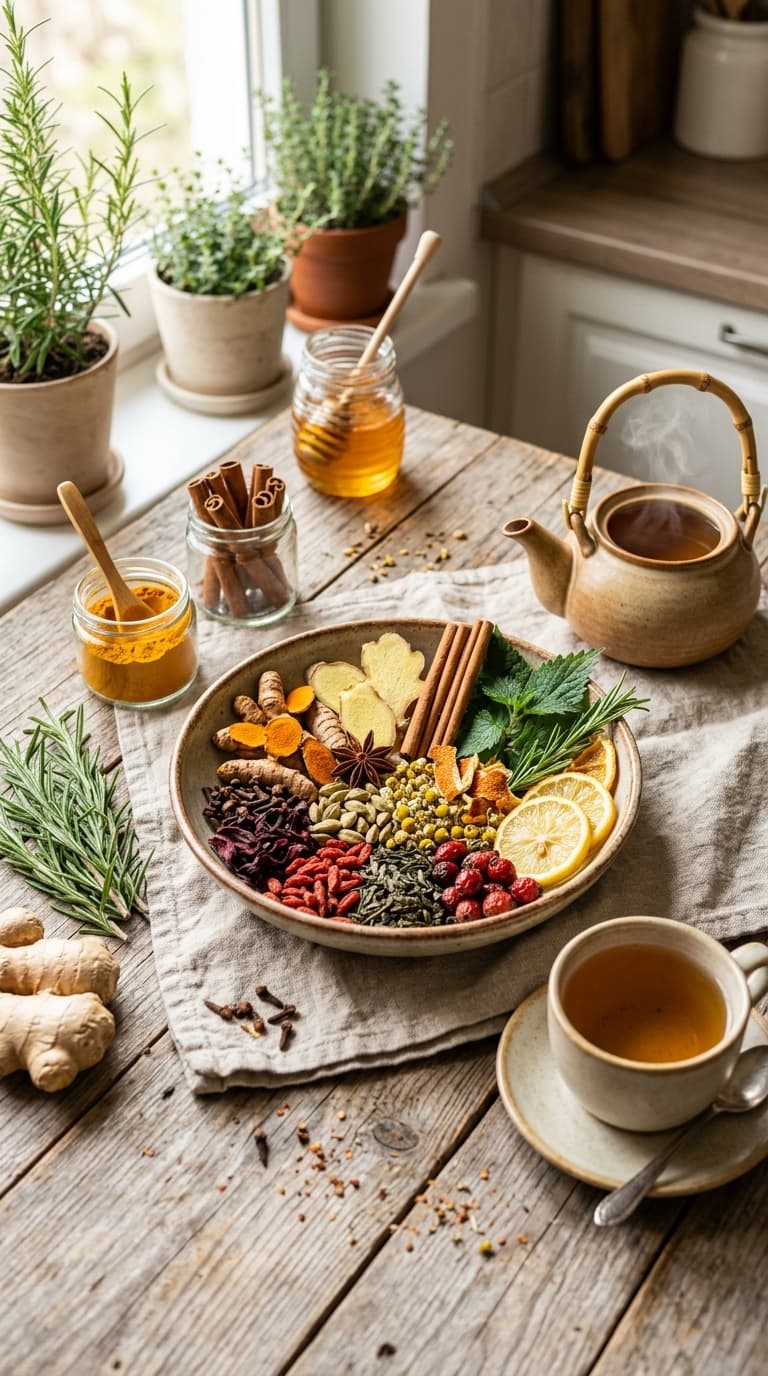
Your body is fighting inflammation right now — and your tea kettle might be your best weapon against it.
I started drinking anti-inflammatory teas a few years back when my joints were constantly achy and my energy was basically nonexistent. A friend suggested I swap my third cup of coffee for turmeric tea, and honestly? I was skeptical. But a few weeks in, I noticed a real difference. Less puffiness, better sleep, and my knees stopped complaining every time I climbed stairs. Now I’m a full-on tea evangelist — sorry, not sorry.
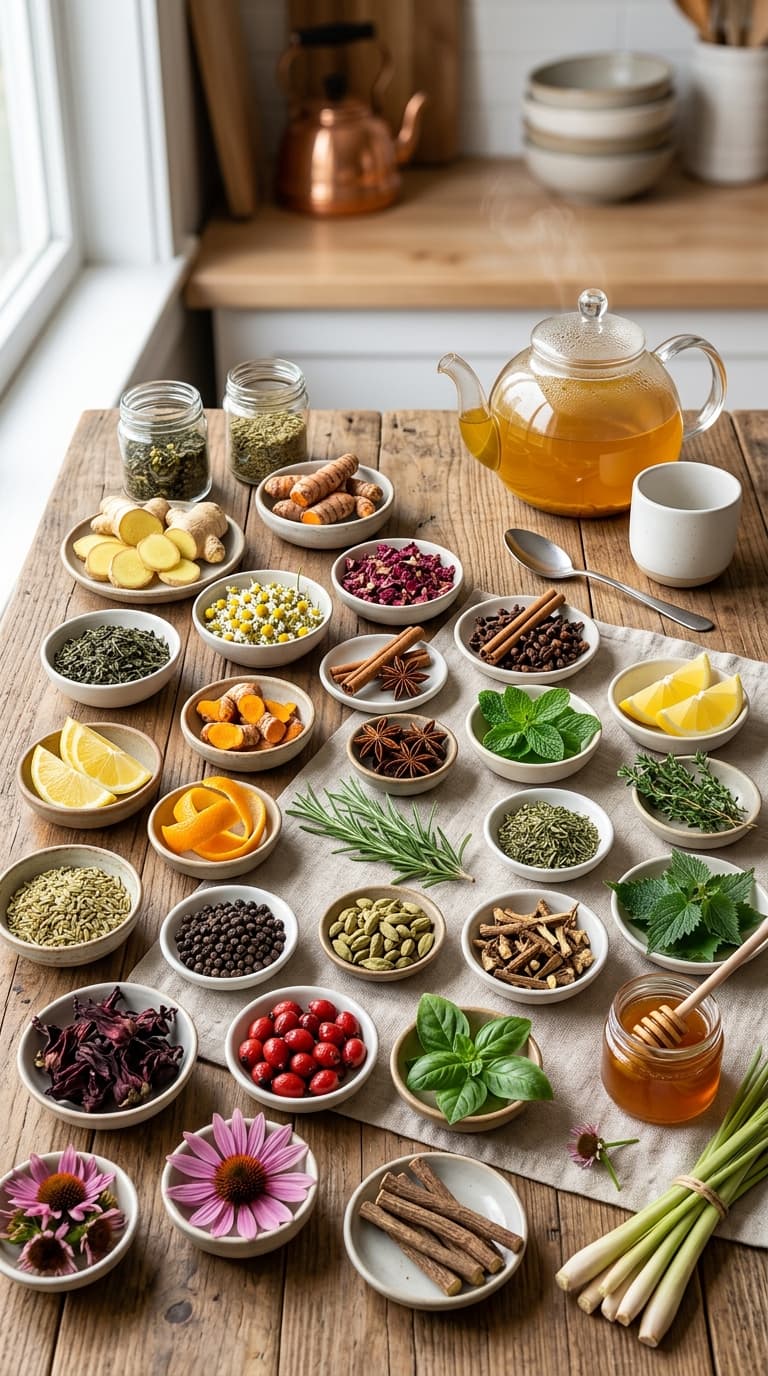
Whether you’re dealing with chronic inflammation, random aches, or you just want to be proactive about your health, this list is for you. Here are 25 anti-inflammatory teas worth adding to your daily routine.
1. Turmeric Tea
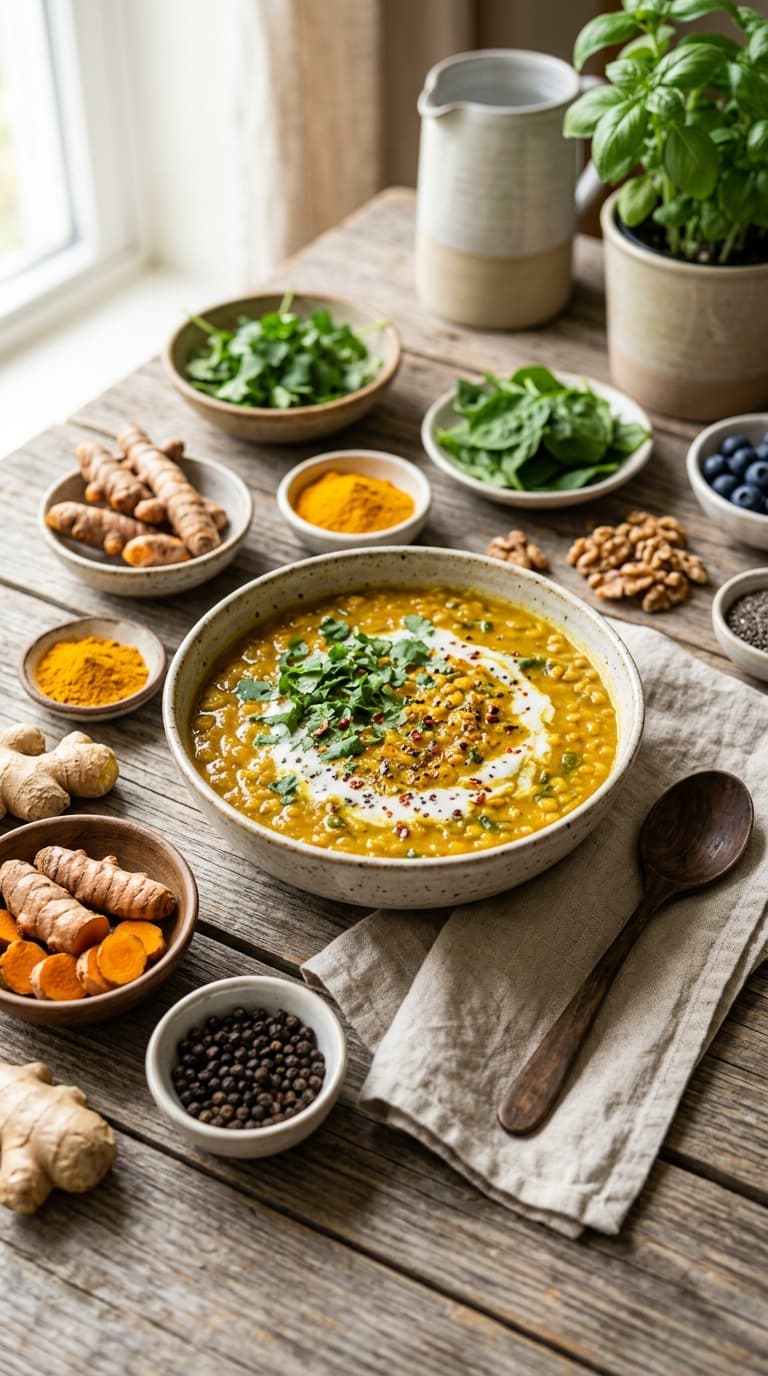
Turmeric tea is basically the MVP of the anti-inflammatory world. The active compound, curcumin, is one of the most studied natural anti-inflammatory agents out there. It blocks inflammatory pathways at a molecular level — which sounds fancy, but really just means it tells your body to chill out.
Pair it with black pepper when you make it at home. The piperine in black pepper boosts curcumin absorption by up to 2,000%. That’s not a typo.
2. Ginger Tea
Ginger tea is sharp, warming, and genuinely powerful. Gingerols and shogaols — the compounds responsible for ginger’s spicy kick — actively suppress inflammatory markers in the body. Studies have linked regular ginger consumption to reduced muscle pain and lower levels of CRP (C-reactive protein), a key inflammation indicator.
I make mine by slicing fresh ginger root and steeping it in hot water for about 10 minutes. Add a squeeze of lemon and you’ve got yourself a morning ritual worth waking up for.
3. Green Tea
Green tea is the reliable classic that never lets you down. It’s loaded with EGCG (epigallocatechin gallate), a catechin that researchers have studied extensively for its anti-inflammatory and antioxidant effects. Regular green tea drinkers tend to show lower levels of inflammatory markers — and that’s backed by solid science, not just wishful thinking.
If you’re curious about herbal tea benefits you might not know about, green tea is a great starting point.
4. Chamomile Tea
Chamomile gets pigeonholed as a sleepy-time tea — which, fair, it does help with sleep. But it’s also a legitimate anti-inflammatory powerhouse. Apigenin, the key flavonoid in chamomile, inhibits the production of inflammatory cytokines and has even shown potential in reducing symptoms of conditions like IBS and arthritis.
So yes, it’s calming AND it fights inflammation. Double win. 🙂
5. Peppermint Tea
Peppermint tea works particularly well for gut inflammation. The menthol in peppermint relaxes smooth muscle in the digestive tract, which reduces spasms and discomfort. If you’ve ever had a bloated, grumpy stomach after a heavy meal, you already know this tea is your friend.
For more options that target gut health specifically, check out these herbal teas for better digestion.
6. Rosehip Tea
Rosehip tea flies under the radar, and that’s a shame. Rosehips are packed with vitamin C — more than oranges, actually — along with galactolipids, which have demonstrated anti-inflammatory effects, especially for joint conditions like osteoarthritis. Some small studies show measurable reductions in joint pain and stiffness with regular rosehip consumption.
It has a tart, fruity taste that makes it genuinely enjoyable to drink, not just medicinal-feeling.
7. White Tea
White tea is the least processed of all traditional teas, which means it retains a seriously high concentration of antioxidants. Catechins and polyphenols in white tea combat oxidative stress — one of the main drivers of chronic inflammation. It’s also lower in caffeine than green or black tea, making it a great afternoon option.
IMO, white tea is criminally underappreciated. Go find a good loose-leaf version and thank me later.
8. Black Tea
Yes, black tea counts. It’s often dismissed in wellness circles because it’s so common, but theaflavins and thearubigins — the antioxidants formed during black tea’s oxidation process — actively reduce inflammatory markers. Research has linked regular black tea consumption to improved gut microbiome health, which directly ties to systemic inflammation.
9. Echinacea Tea
Echinacea is famous for immune support, but its anti-inflammatory properties deserve equal billing. Echinacoside and chicoric acid in echinacea plants modulate the immune response and reduce inflammation, particularly in the upper respiratory tract. This one’s great to keep on rotation during cold and flu season.
Speaking of immune support, these teas to boost your immune system are worth bookmarking for year-round reference.
10. Licorice Root Tea
Licorice root tea has a naturally sweet, distinctive flavor — you either love it or you really don’t. But if you can get on board with the taste, glycyrrhizin (the main bioactive compound) has notable anti-inflammatory and antiviral properties. It’s particularly useful for soothing inflamed mucous membranes and digestive discomfort.
Just don’t go overboard. High doses of licorice root over long periods can cause side effects, so moderation matters here.
11. Hibiscus Tea
Hibiscus tea is one of the richest sources of anthocyanins — the same pigments that make blueberries and red cabbage so nutritionally impressive. These compounds reduce inflammation and oxidative stress, and studies have shown hibiscus tea can lower blood pressure and LDL cholesterol too. It also happens to taste like a tart, floral punch — in the best possible way.
12. Moringa Tea
Moringa is having a well-deserved moment. The leaves of the moringa tree contain over 90 different nutrients, including isothiocyanates — compounds that directly inhibit inflammatory enzymes. It also delivers iron, calcium, and amino acids in one cup, which is genuinely remarkable for a plant-based source.
13. Lemon Balm Tea
Lemon balm tea is gentle, calming, and quietly effective. Rosmarinic acid, its main anti-inflammatory compound, inhibits the COX-2 enzyme — the same target that many over-the-counter anti-inflammatory medications work on. That’s pretty impressive for something that just looks like a leafy herb.
14. Holy Basil (Tulsi) Tea
Holy basil, or tulsi, has been used in Ayurvedic medicine for centuries. Eugenol, rosmarinic acid, and ursolic acid work together in this herb to suppress inflammatory pathways, reduce cortisol levels, and support immune function. It’s an adaptogen, meaning it also helps your body respond to stress more effectively — because stress and inflammation are basically best friends (the toxic kind).
15. Cinnamon Tea
Cinnamon tea is cozy, warming, and loaded with cinnamaldehyde and polyphenols that fight inflammation at the cellular level. Research shows it can reduce markers like TNF-alpha and IL-6, which are key players in chronic inflammatory conditions. It also helps regulate blood sugar, which indirectly reduces inflammation caused by glucose spikes.
16. Nettle Tea
Stinging nettle sounds terrifying, but the tea is nothing but beneficial. Nettle leaf contains quercetin, kaempferol, and beta-sitosterol — all compounds that inhibit inflammatory pathways. It’s particularly popular among people with seasonal allergies and joint pain, and the research supports that reputation.
17. Rooibos Tea
Rooibos is naturally caffeine-free and South African in origin, and it brings aspalathin and nothofagin to the table — two unique antioxidants almost exclusive to this plant. These compounds reduce oxidative stress and suppress inflammatory signals. It has a smooth, slightly sweet taste that makes it a fantastic evening tea.
For a curated list of relaxing options, these herbal tea blends for relaxation and sleep are worth exploring alongside rooibos.
18. Dandelion Tea
Your lawn’s nemesis is actually a wellness goldmine. Dandelion root and leaf tea are rich in polyphenols like chicoric acid and luteolin, which actively suppress inflammatory responses. Dandelion also supports liver function, and a healthy liver is crucial for clearing inflammatory compounds from the body. Ever thought a weed would be this useful? 🙂
19. Ashwagandha Tea
Ashwagandha is primarily known as a stress-reducing adaptogen, but withanolides — its key active compounds — also demonstrate significant anti-inflammatory activity. Chronic stress drives chronic inflammation, so tackling both simultaneously makes ashwagandha tea a smart daily choice.
20. Cat’s Claw Tea
Cat’s claw is a woody vine from the Amazon rainforest, and its bark contains oxindole alkaloids that modulate immune response and reduce inflammation. It’s particularly studied for arthritis and has shown results in reducing joint swelling and pain in clinical settings. Not the most glamorous name for a tea, but the benefits are real.
21. Sage Tea
Sage tea is warming, earthy, and exceptionally high in rosmarinic acid and carnosic acid — both of which inhibit inflammatory enzymes. It’s also been studied for cognitive benefits, which makes sense given that neuroinflammation is a growing area of concern in brain health research.
22. Lavender Tea
Lavender is mostly associated with bath products and candles, but the tea is genuinely worth your time. Linalool and linalyl acetate in lavender have documented anti-inflammatory and anxiolytic effects. It calms the nervous system, which in turn dials down the cortisol-inflammation feedback loop. Think of it as inflammation relief from the inside out.
23. Lemongrass Tea
Lemongrass has a bright, citrusy flavor and citral and isoorientin as its key anti-inflammatory agents. Research has shown these compounds inhibit COX-2 activity and reduce inflammatory cytokines — similar to the mechanism of common NSAIDs, but without the side effects on your stomach lining. Pair it with ginger for a genuinely powerful anti-inflammatory blend.
24. Oolong Tea
Oolong sits between green and black tea in terms of oxidation, and it captures benefits from both ends of the spectrum. Theaflavins from oxidation combine with EGCG from minimal processing to create a broad antioxidant and anti-inflammatory profile. Regular oolong drinkers show improved gut flora diversity, which reduces systemic inflammation over time.
25. Fennel Tea
Fennel tea rounds out this list with a mild, anise-like flavor and anethole as its star compound. Anethole directly inhibits NF-kB signaling — one of the central molecular pathways in chronic inflammation. Fennel also soothes the digestive tract, reduces bloating, and supports healthy estrogen levels, which play a role in inflammation too.
If fennel isn’t your thing on its own, it pairs beautifully in a blend. Check out some anti-inflammatory tea blends for better health that might incorporate it alongside other herbs on this list.
A Few Practical Tips Before You Start
Not all teas are created equal, and preparation matters more than most people realize. Here’s what actually makes a difference:
- Use filtered water — chlorine and minerals in tap water can dull the flavor and affect extraction
- Mind your steeping times — over-steeping green or white tea makes it bitter; under-steeping turmeric or ginger leaves benefits behind
- Fresh beats bagged — loose-leaf and fresh-root preparations are almost always more potent than tea bags
- Consistency is the game — one cup occasionally won’t move the needle; daily use over weeks is where the benefits compound
FYI, if you want to get serious about your brewing technique, these tea steeping tips to avoid bitter flavors are genuinely game-changing.
How to Build a Daily Anti-Inflammatory Tea Routine
You don’t need to drink all 25. Realistically, rotating through 4-5 teas that you actually enjoy is far more sustainable than forcing yourself through a lineup that tastes like lawn clippings. Here’s a simple framework:
- Morning — Green tea or turmeric tea with black pepper to start the day with a metabolic and anti-inflammatory boost
- Midday — Ginger or peppermint to support digestion after lunch
- Afternoon — White tea or oolong for a gentle caffeine lift without the coffee jitters
- Evening — Chamomile, rooibos, or lavender to wind down and let the body recover overnight
For pairing ideas that make your tea breaks feel more intentional, these best tea and snack pairings for afternoon breaks are genuinely fun to try.
Wrapping It Up
Anti-inflammatory teas work — not as a magic fix, but as a consistent, low-effort habit that supports your body over time. The 25 options on this list cover everything from classic green tea to more obscure picks like cat’s claw and moringa, so there’s genuinely something here for every palate and lifestyle.
The best tea is the one you’ll actually drink every day. So find your favorites, brew them well, and let the cumulative effect do its thing. Your future self — with less joint pain, better gut health, and calmer inflammation — will thank you.
Now go put the kettle on. You’ve earned it.