21 Anti-Inflammatory Foods on a Budget — What to Buy
21 Anti-Inflammatory Foods on a Budget — What to Buy
Inflammation is sneaky. One day you’re fine, and the next your joints ache, your energy tanks, and your gut feels like it’s staging a protest. The good news? You don’t need a fancy wellness subscription or a $300 supplement stack to fight back. Some of the most powerful anti-inflammatory foods on the planet cost less than a dollar per serving — and you’ve probably walked past them at the grocery store a hundred times.
I’ve spent a lot of time figuring out how to eat well without hemorrhaging money at the checkout line, and this list is the result of that. Let’s get into it.
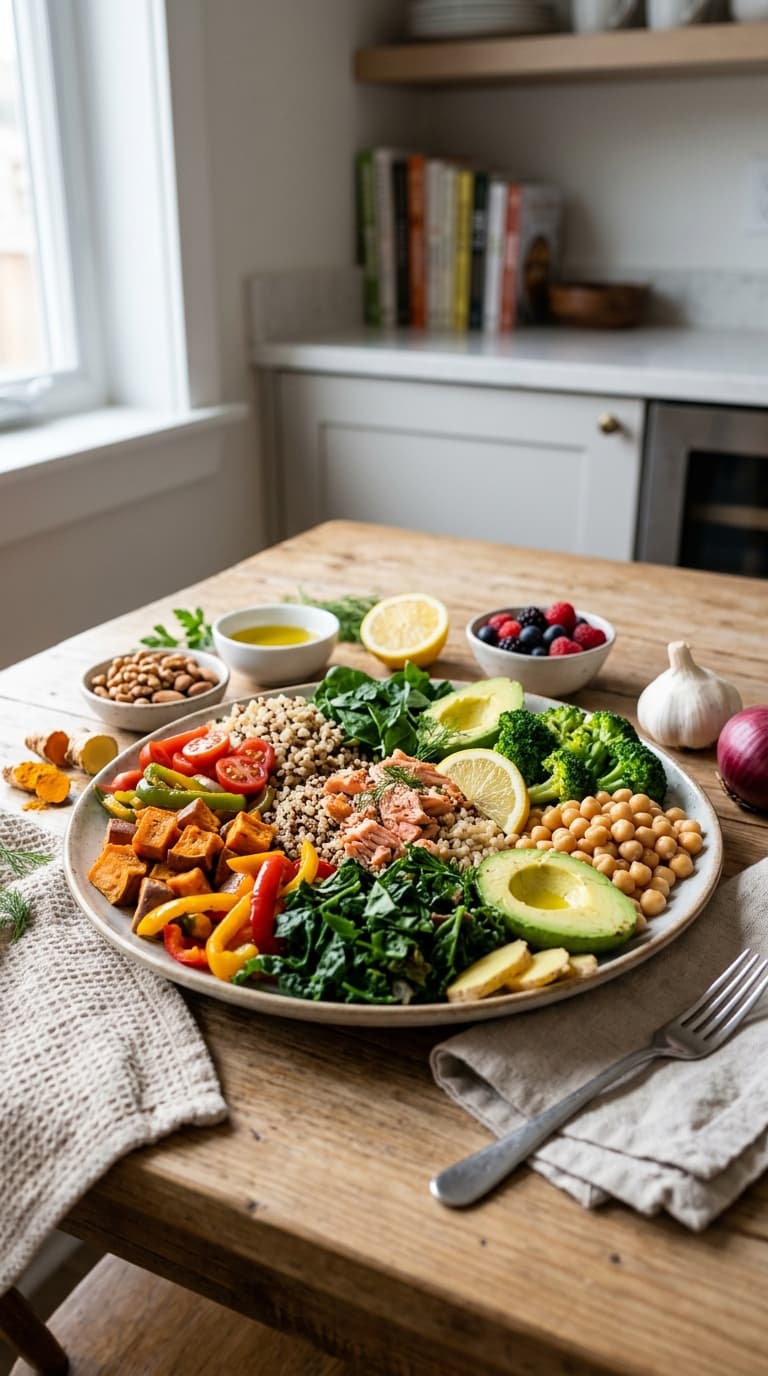
Why Anti-Inflammatory Eating Matters (Without the Science Lecture)
Chronic inflammation is linked to everything from heart disease and diabetes to brain fog and stubborn weight gain. It’s not a villain you can see — it just quietly does damage over time. The fix isn’t complicated, though. What you eat every day either fuels inflammation or fights it. That’s really the whole story.
You don’t need exotic superfoods. You need consistency with the right basics. And the right basics? Surprisingly affordable.
The 21 Best Anti-Inflammatory Foods That Won’t Wreck Your Budget
1. Turmeric
Turmeric is the MVP of anti-inflammatory spices — and a jar costs about $3 at most grocery stores. The active compound, curcumin, blocks inflammatory pathways at a cellular level. Always pair it with black pepper, which boosts curcumin absorption by up to 2,000%. Yes, really.
Add it to scrambled eggs, soups, or golden milk. It’s versatile, cheap, and actually works.
2. Ginger
Fresh ginger root is dirt cheap and packs a serious punch. Gingerols and shogaols — the active compounds in ginger — actively suppress inflammatory signals in the body. A small knob of fresh ginger costs pennies and lasts a week in your fridge.
Brew it into tea, grate it into stir-fries, or blend it into smoothies. If you want a deeper look at making anti-inflammatory teas at home, these anti-inflammatory tea blends are worth bookmarking.
3. Leafy Greens (Spinach, Kale, Swiss Chard)
Bags of frozen spinach? Cheap. Heads of kale at the farmers market? Also cheap. Dark leafy greens are loaded with vitamin K, folate, and antioxidants that directly combat oxidative stress — one of inflammation’s best friends.
Frozen is just as nutritious as fresh, FYI, so don’t let anyone guilt you into buying the pricier option.
4. Blueberries
Okay, fresh blueberries can get pricey. But frozen blueberries are almost always under $4 a bag and have the same (sometimes higher) antioxidant content. Anthocyanins — the compounds that make blueberries blue — are some of the most powerful anti-inflammatory agents in the plant world.
Throw them in oatmeal, smoothies, or just eat them straight from the bag. No judgment here.
5. Olive Oil
Extra virgin olive oil contains oleocanthal, a compound that functions similarly to ibuprofen in the body. A good bottle costs $8–$12 and lasts weeks. That’s a pretty solid investment for something you’re using daily anyway.
Use it as your default cooking fat and drizzle it on everything from roasted vegetables to salads.
6. Canned Sardines
Stay with me here. Sardines are one of the richest sources of omega-3 fatty acids on the planet, and a can costs about $1.50. Omega-3s are clinically proven to reduce inflammatory markers like CRP and IL-6.
They’re also incredibly convenient — crack open a can, put them on crackers or toast, add some lemon and hot sauce, and you’re done. If sardines aren’t your thing :/, canned salmon works just as well.
7. Walnuts
Among all nuts, walnuts have the highest omega-3 content — specifically alpha-linolenic acid (ALA). A bag of walnuts from the bulk section or a store brand costs a fraction of specialty nut brands and does the same job.
A small handful daily is all you need. Toss them into oatmeal, salads, or eat them with an apple.
8. Garlic
A whole head of garlic costs less than a dollar and lasts a couple of weeks. Allicin, the compound released when you crush or chop garlic, has strong anti-inflammatory and antimicrobial properties. It also makes everything taste better, which is a bonus.
Use it liberally in cooking. Roast whole heads of it and spread the caramelized cloves on bread. Life-changing.
9. Green Tea
If you’re still buying expensive supplements for antioxidants, let me introduce you to green tea. Epigallocatechin gallate (EGCG) — the main catechin in green tea — is one of the most studied anti-inflammatory compounds in existence. A box of 100 bags costs around $5.
Swap your afternoon coffee for green tea a few times a week and you’ll feel the difference. And if you want to explore other options in that space, herbal teas that help with digestion are a great complement.
10. Oats
Steel-cut or rolled oats contain beta-glucan, a soluble fiber that reduces inflammatory markers and feeds your gut’s beneficial bacteria. A large container of rolled oats costs about $3 and lasts weeks.
The key is keeping it plain and adding your own toppings — walnuts, blueberries, a drizzle of honey. No $9 flavored packets needed.
11. Sweet Potatoes
Sweet potatoes are loaded with beta-carotene, vitamin C, and manganese — all of which play a role in reducing systemic inflammation. They’re also genuinely filling, which makes them a budget win on multiple levels.
Roast them, mash them, or slice them thin and bake them into chips. They’re about as versatile as vegetables get.
12. Beets
Beets contain betalains, a group of pigments with impressive anti-inflammatory and antioxidant activity. Fresh beets are cheap, but canned or jarred beets are even more convenient and equally nutritious.
Slice them onto salads, blend them into smoothies, or roast them with olive oil and garlic. Simple and effective.
13. Lentils
Here’s a staple that deserves way more credit. Lentils are high in polyphenols and fiber, both of which work together to reduce inflammatory responses — especially in the gut. A pound of dry lentils costs around $2 and makes enough for multiple meals.
They cook fast (no soaking needed), absorb any flavor you throw at them, and keep you full for hours. IMO, lentils are the most underrated food on this entire list.
14. Broccoli
Broccoli contains sulforaphane, a compound that actively neutralizes inflammation at the cellular level. It’s also rich in vitamins C and K. A head of broccoli or a bag of frozen florets costs about $2–$3.
Roast it at high heat until the edges get crispy. That’s the move. You can thank me later.
15. Flaxseeds
Ground flaxseeds are one of the best plant-based sources of omega-3 fatty acids you’ll find. A bag costs around $3–$5 and lasts a long time because you only need a tablespoon or two per day. Store them in the freezer to keep them fresh.
Stir them into yogurt, oatmeal, or smoothies. Easy and affordable.
16. Black Beans
Black beans are an excellent source of anthocyanins — the same anti-inflammatory compounds found in blueberries. Canned black beans cost about $1 per can and are ready to eat in minutes. Dry beans are even cheaper.
Add them to rice, soups, salads, or mash them into a simple side dish with garlic and cumin.
17. Apples
“An apple a day” sounds like a cliché, but quercetin — one of the main flavonoids in apple skin — has well-documented anti-inflammatory effects. Apples are cheap, portable, and naturally sweet.
Always eat the skin. That’s where the quercetin lives. And pairing apples with walnuts gives you a genuinely powerful anti-inflammatory snack combo.
18. Tomatoes
Cooked tomatoes are actually higher in lycopene than raw ones, and lycopene is a potent anti-inflammatory antioxidant. Canned tomatoes are ridiculously affordable — often under $1 per can — and form the base of dozens of meals.
Use crushed tomatoes in soups, stews, pasta sauces, and curries. Canned is your best friend here.
19. Brown Rice
Brown rice is rich in lignans and selenium, both of which help regulate inflammatory responses. It’s one of the cheapest whole-grain options you’ll find, and it pairs with basically every protein and vegetable on this list.
Cook a big batch at the beginning of the week and use it as a base throughout. Meal prep doesn’t get simpler.
20. Yogurt (Plain, Full-Fat)
Probiotic-rich yogurt supports gut health, and a healthy gut is central to keeping inflammation in check. Full-fat plain yogurt is less processed than low-fat versions and usually costs about $4–$5 for a large tub.
Skip the flavored stuff — it’s mostly sugar. Add your own fruit, honey, or a spoonful of flaxseeds instead.
21. Pumpkin Seeds
Pumpkin seeds — also called pepitas — are packed with zinc and magnesium, two minerals that directly regulate inflammatory processes. A bag from the bulk bin is genuinely affordable, and they add a satisfying crunch to salads, oatmeal, or just eaten as a snack.
Lightly toast them in a dry pan with a pinch of salt and you’ve got something that tastes way fancier than it is 🙂
How to Actually Shop for These Foods Without Overspending
Knowing the list is one thing. Getting through the checkout line without wincing is another. Here are a few practical moves that make a real difference:
- Buy frozen when fresh is pricey. Frozen blueberries, spinach, and broccoli are just as nutritious and significantly cheaper.
- Stock your pantry with dry goods. Lentils, oats, brown rice, and canned beans and tomatoes have long shelf lives and low price tags.
- Buy in bulk where it makes sense. Walnuts, flaxseeds, and pumpkin seeds are significantly cheaper from bulk bins.
- Use store brands. Canned sardines, olive oil, and turmeric from store-brand lines are nutritionally identical to their pricier counterparts.
- Plan meals around what’s on sale. Sweet potatoes and leafy greens cycle through discounts regularly — work with the sales instead of fighting them.
Building Anti-Inflammatory Habits Without Overthinking It
The biggest mistake people make is trying to overhaul everything at once. You don’t need to eat all 21 of these foods every single day. Consistency over perfection is what actually moves the needle.
Start by swapping one or two things. Replace refined oils with olive oil. Add a handful of walnuts to your morning oatmeal. Brew a cup of herbal tea for better sleep instead of reaching for another coffee at night. Small, consistent shifts add up faster than you’d think.
If you’re also looking to support your metabolism alongside your anti-inflammatory diet, pairing these foods with metabolism-boosting drinks and recipes can be a smart complement to your overall routine.
What to Prioritize When You’re on a Really Tight Budget
If you genuinely have to pick and choose, here’s where I’d focus first:
- Turmeric + black pepper — absurdly cheap, absurdly effective
- Frozen blueberries — cost-effective and antioxidant-dense
- Canned sardines or salmon — unbeatable omega-3s for the price
- Lentils and black beans — fiber, polyphenols, and protein in one
- Oats — your daily gut-health foundation for pennies per serving
These five alone can make a meaningful difference in your inflammatory markers over time. Add more from the list as your budget allows.
The Bottom Line
Eating to fight inflammation doesn’t have to be expensive, complicated, or boring. The 21 foods on this list prove that your most powerful health tools are sitting in the produce aisle, the canned goods section, and the bulk bins — not in a wellness boutique charging $45 for a supplement.
Pick five of these foods this week. Add them to your cart. Cook with them. Notice how you feel after a few weeks of consistency. That’s really all it takes to get started.
Chronic inflammation took time to build up, and it’ll take time to address — but every meal is a chance to steer things in a better direction. And the fact that doing it on a budget is completely possible? That’s genuinely good news worth acting on.