23 Anti-Inflammatory Foods for Brain Health and Focus
23 Anti-Inflammatory Foods for Brain Health and Focus
Your brain is literally on fire — and not in the good way. Chronic inflammation quietly chips away at your memory, focus, and mental clarity every single day. The good news? Your grocery list is one of the most powerful tools you have to fight back.
I started paying attention to anti-inflammatory eating after hitting a wall with brain fog that no amount of coffee could fix. (Well, almost no amount — more on that later.) What I found genuinely surprised me, and I think it’ll surprise you too.
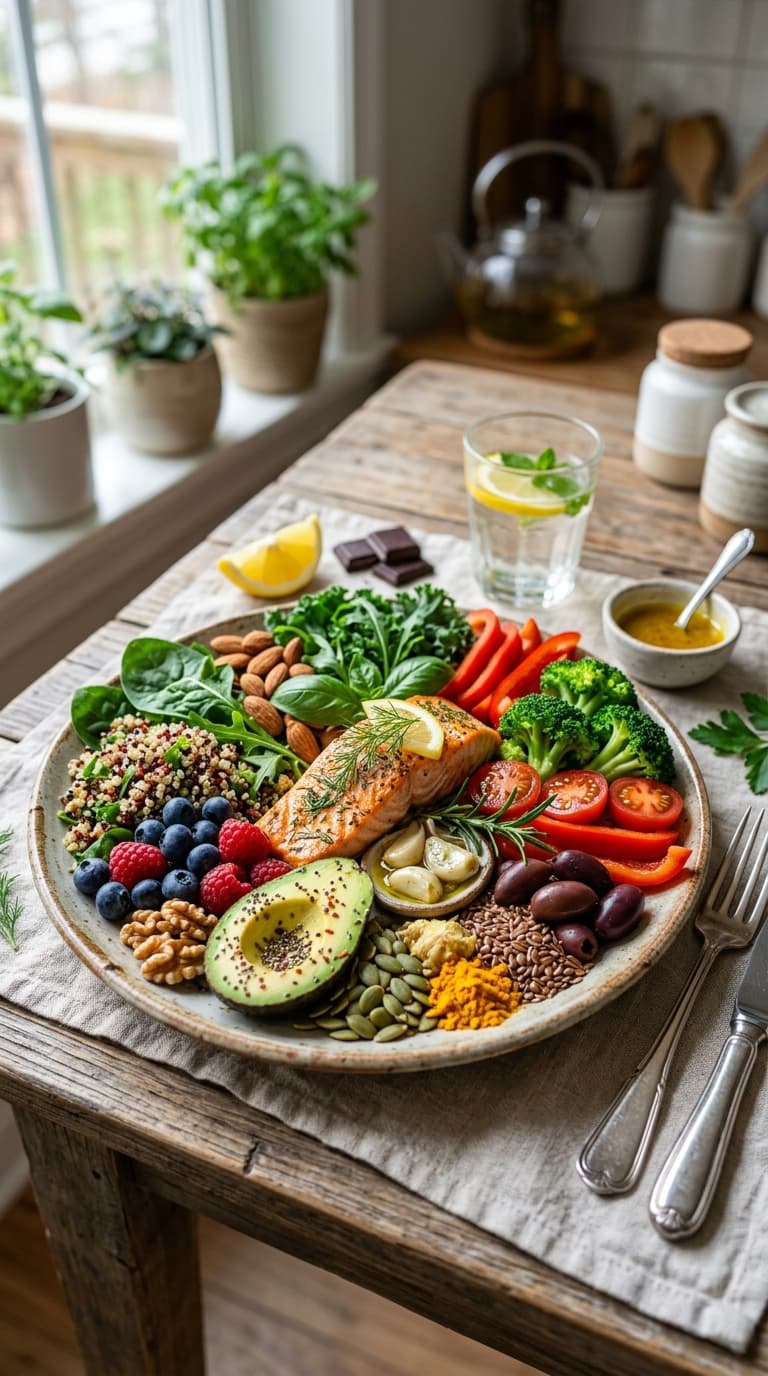
Why Inflammation Is Wrecking Your Brain
Before we get to the good stuff, let’s talk about what’s actually happening up there. Neuroinflammation is your brain’s immune response going into overdrive. It can slow neural communication, damage brain cells, and tank your ability to concentrate.
The typical Western diet — packed with processed foods, refined sugars, and industrial seed oils — practically feeds that fire. Meanwhile, a whole category of foods does the exact opposite. They calm the immune response, protect neurons, and actively support cognitive function.
Ready to stock that pantry? Here we go.
The Power Players: Omega-3 Rich Foods
1. Fatty Fish
Salmon, sardines, mackerel, and herring are basically brain food in the most literal sense. They’re loaded with DHA and EPA — the omega-3 fatty acids your brain uses to build and repair cell membranes.
DHA alone makes up about 40% of the polyunsaturated fats in your brain. If you’re not eating fatty fish at least twice a week, your brain is probably running on fumes. Aim for wild-caught when you can; it tends to carry a higher omega-3 profile than farmed varieties.
2. Walnuts
Here’s a fun little detail — walnuts literally look like a brain. Coincidence? Maybe. But their anti-inflammatory credentials are real. They’re one of the few plant sources of ALA (alpha-linolenic acid), a precursor to the omega-3s your brain craves.
A small handful daily is enough to make a difference. I throw them into oatmeal, salads, or just eat them straight from the bag like the very sophisticated person I am. 🙂
3. Flaxseeds
Ground flaxseeds pack a serious omega-3 punch alongside lignans that help regulate inflammation at the cellular level. Always grind them — whole flaxseeds pass right through your digestive system without releasing their nutrients.
Sprinkle them on yogurt, blend them into smoothies, or add them to baked goods. They have a mild, nutty flavor that plays well with almost everything.
Berries: Small But Mighty
4. Blueberries
If there’s one food that earns the “superfood” label without embarrassment, it’s blueberries. They’re rich in anthocyanins — the pigments that give them their deep blue color and also happen to be powerful anti-inflammatory compounds.
Research consistently links regular blueberry consumption to better memory, faster processing speed, and reduced cognitive decline. Fresh or frozen, it genuinely doesn’t matter much — frozen blueberries often retain more nutrients than “fresh” ones that have been sitting in transit for days.
5. Strawberries
Strawberries deliver a hefty dose of vitamin C and quercetin, both of which suppress inflammatory pathways in the brain. They also support the production of serotonin, which means they’re doing double duty for your mood and your focus.
Pair them with walnuts for a snack that’s basically a mini brain-health protocol. You’re welcome.
6. Blackberries and Raspberries
Don’t sleep on the dark berries. Blackberries and raspberries are rich in polyphenols and ellagic acid, compounds that actively reduce oxidative stress in neural tissue. They’re also high in fiber, which supports the gut-brain axis — a connection that’s getting more research attention every year.
Greens That Do the Heavy Lifting
7. Spinach
Spinach contains lutein, folate, beta-carotene, and vitamin K — a lineup that reads like a brain health supplement label. Folate in particular plays a critical role in neurotransmitter synthesis, meaning it directly affects how well your brain communicates with itself.
Toss a handful into a morning smoothie and you won’t even taste it. That’s genuinely one of the easiest nutrition upgrades you can make.
8. Kale
Kale has had its moment in the cultural spotlight (and yes, the kale chip trend was a bit much), but the nutritional case for it is solid. It’s one of the most nutrient-dense foods on the planet, offering vitamin C, vitamin K, and glucosinolates that support the liver’s ability to clear inflammatory compounds from the bloodstream.
Raw, sautéed, or massaged with a little olive oil — all good options.
9. Broccoli
Broccoli contains sulforaphane, a compound that activates the Nrf2 pathway — your body’s master switch for antioxidant defense. It also provides choline, which your brain uses to build acetylcholine, a neurotransmitter essential for learning and memory.
Steam it lightly rather than boiling it to death. Overcooking destroys the enzymes needed to produce sulforaphane. Slightly crunchy broccoli isn’t a texture problem — it’s a nutritional strategy.
Herbs and Spices That Punch Above Their Weight
10. Turmeric
Curcumin, the active compound in turmeric, is one of the most studied anti-inflammatory molecules in nutritional science. It crosses the blood-brain barrier, reduces amyloid plaques (linked to Alzheimer’s), and supports the production of BDNF — brain-derived neurotrophic factor, which is essentially fertilizer for new neurons.
The catch? Curcumin has poor bioavailability on its own. Always combine it with black pepper (piperine) and a healthy fat to maximize absorption. A golden milk latte or a turmeric-spiced soup works perfectly.
11. Ginger
Ginger contains gingerols and shogaols — compounds that inhibit inflammatory enzymes similarly to how ibuprofen works, but without the side effects. It’s also a circulatory booster, meaning it helps deliver oxygen-rich blood to your brain more efficiently.
Fresh ginger in hot water with lemon is one of my favorite morning rituals. It’s sharp, warming, and genuinely wakes up your brain before the coffee even kicks in.
12. Rosemary
Rosemary contains rosmarinic acid and carnosic acid, both of which protect neurons from oxidative damage. There’s also solid evidence that simply inhaling rosemary aroma improves memory performance — which is either fascinating science or the best excuse to cook with it constantly.
Add it to roasted vegetables, olive oil dips, or herbal teas. If you’re into anti-inflammatory tea blends, rosemary pairs beautifully with other brain-supportive herbs.
Healthy Fats for Cognitive Function
13. Extra Virgin Olive Oil
Extra virgin olive oil (EVOO) is the cornerstone of the Mediterranean diet for a reason. It’s packed with oleocanthal, a natural anti-inflammatory compound that works through the same pathways as ibuprofen — except you’re drizzling it on your salad instead of popping a pill. IMO, that’s a much better deal.
Use it cold for maximum benefit: on salads, on bread, as a finishing drizzle on soups. When you cook with it at high heat, some of those delicate polyphenols degrade.
14. Avocado
Avocados give you monounsaturated fats, vitamin E, and folate in one creamy package. The healthy fats support myelin — the protective sheath around your nerve fibers — and folate keeps homocysteine levels in check (elevated homocysteine is linked to cognitive decline).
Half an avocado a day is a reasonable, sustainable target. On toast, in a smoothie, sliced next to eggs — it all counts.
Fermented and Gut-Brain Foods
15. Yogurt (with Live Cultures)
Your gut and brain are in constant conversation via the vagus nerve, and the state of your gut microbiome directly influences brain inflammation. Probiotic-rich foods like yogurt help maintain a diverse, healthy microbiome that keeps inflammatory signals in check.
Go for plain, full-fat yogurt with live cultures. The flavored varieties usually come loaded with sugar, which is the opposite of what we’re going for here.
16. Kimchi and Sauerkraut
Fermented vegetables deliver both probiotics and prebiotic fiber, creating a double benefit for gut health. They also contain GABA-producing bacteria strains that may support a calmer, more focused mental state.
Start slow if you’re new to fermented foods — your digestive system needs time to adjust. A tablespoon or two with meals is plenty.
Drinks and Beverages That Support Brain Health
17. Green Tea
Green tea contains L-theanine and EGCG (epigallocatechin gallate) — a combination that produces a state of calm, alert focus that’s distinctly different from the jittery buzz of coffee. L-theanine modulates alpha brain waves, and EGCG is one of the most potent antioxidants found in any beverage.
If you’re exploring teas specifically for mental clarity, these tea recipes to make you feel calm and focused are worth bookmarking. Also, herbal teas for better digestion can complement your brain health routine from the gut side up.
18. Coffee (Yes, Really)
Coffee gets a complicated reputation, but the research on caffeinated coffee and brain health is actually pretty encouraging. It reduces neuroinflammation, lowers the risk of neurodegenerative diseases, and the polyphenols in coffee beans act as antioxidants.
The key is how you take it. Black or with a clean fat like coconut milk keeps it in brain-friendly territory. If you’re experimenting with different preparations, healthy coffee recipes with nut milks and natural sweeteners give you options that keep the benefits intact. For a metabolism boost alongside mental focus, coffee recipes to boost metabolism naturally is a solid read.
Seeds, Nuts, and Other Essentials
19. Pumpkin Seeds
Pumpkin seeds are one of the best dietary sources of zinc, magnesium, iron, and copper — all minerals directly involved in neurological function. Zinc alone plays a role in nerve signaling and memory formation.
A small handful as a snack or scattered over a salad covers your bases without a lot of effort.
20. Dark Chocolate (70%+)
FYI — this one might be the most enthusiastically received item on this list. Dark chocolate contains flavonoids, specifically epicatechin, which increases blood flow to the brain and reduces inflammatory markers. It also triggers the release of endorphins and supports dopamine pathways.
The threshold matters though. Stick to 70% cacao or higher. Milk chocolate doesn’t carry the same benefits and usually contains enough sugar to cancel them out anyway.
21. Beets
Beets contain betalains — pigments with impressive anti-inflammatory properties — and dietary nitrates that convert to nitric oxide in your body. Nitric oxide relaxes blood vessels and improves cerebral blood flow, which translates directly to better oxygen delivery to your brain.
Roasted beets, beet juice, or even pickled beets all work. Just be aware that your urine might turn pink afterward — that’s normal, not alarming. :/
Bonus Foods Worth Mentioning
22. Eggs
Eggs are one of the best sources of choline, which your body uses to produce acetylcholine — the neurotransmitter central to attention, learning, and memory consolidation. They also contain lutein, which, as we covered with spinach, supports cognitive function.
Whole eggs, not just whites. The choline lives in the yolk. Scrambled, poached, boiled — doesn’t matter much. Just eat the whole thing.
23. Green Tea Matcha
Matcha deserves its own mention separate from regular green tea because it delivers a much higher concentration of L-theanine and EGCG. You’re consuming the entire ground leaf rather than just the steeped water, so the nutrient density is on a different level.
A matcha latte in the afternoon hits differently than coffee for sustained focus — less spike, longer plateau, no crash. If you haven’t tried it yet, start there.
How to Actually Build This Into Your Life
Knowing the list is one thing. Actually eating these foods consistently is the real challenge. Here’s how I approach it practically:
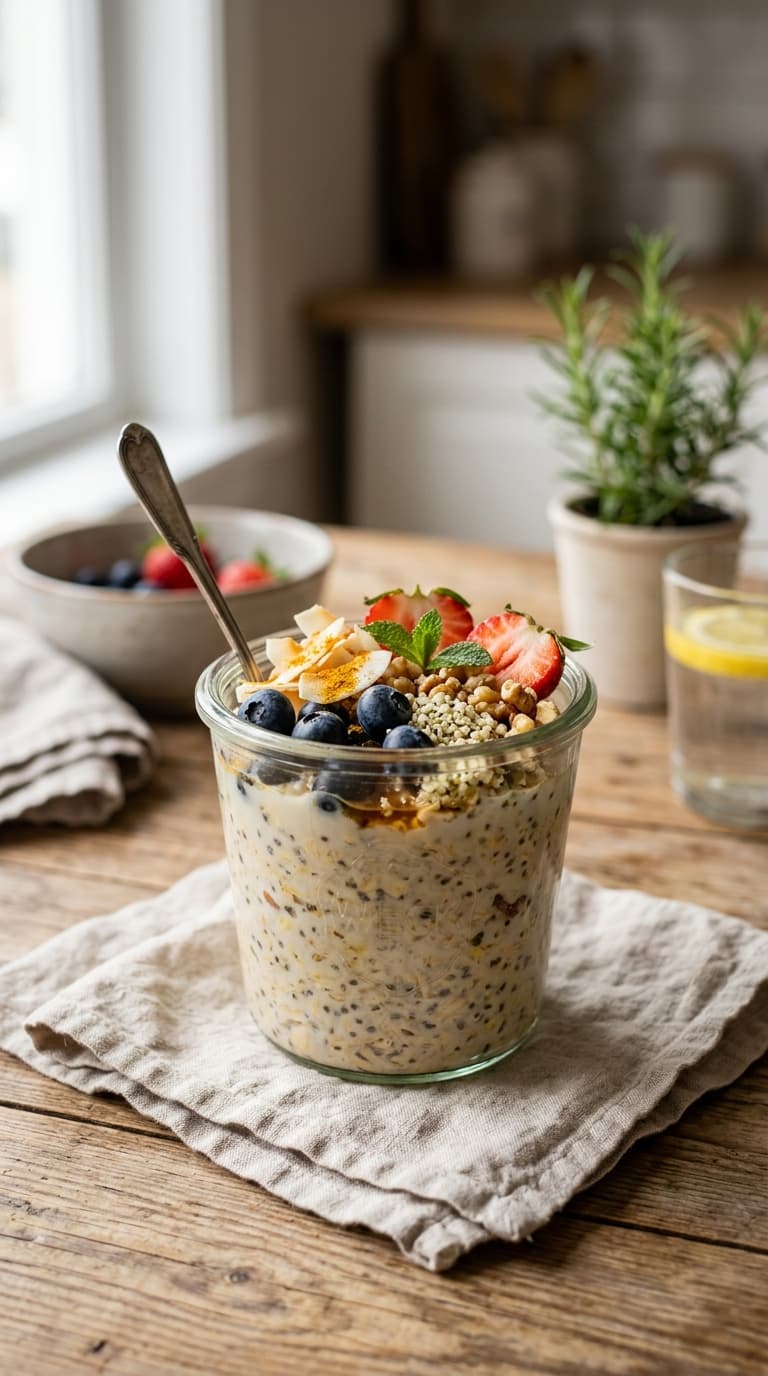
- Breakfast: Greek yogurt with blueberries, ground flaxseed, and walnuts — done in two minutes
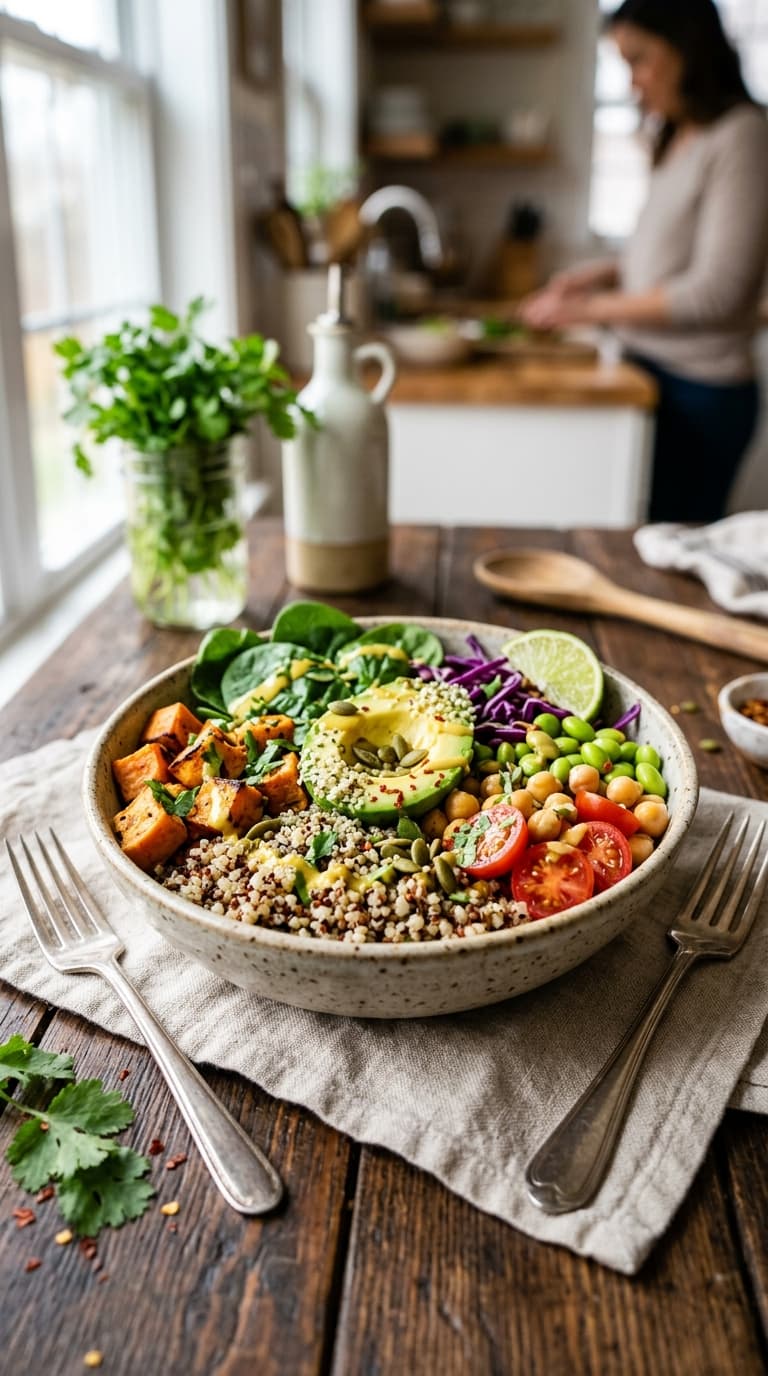
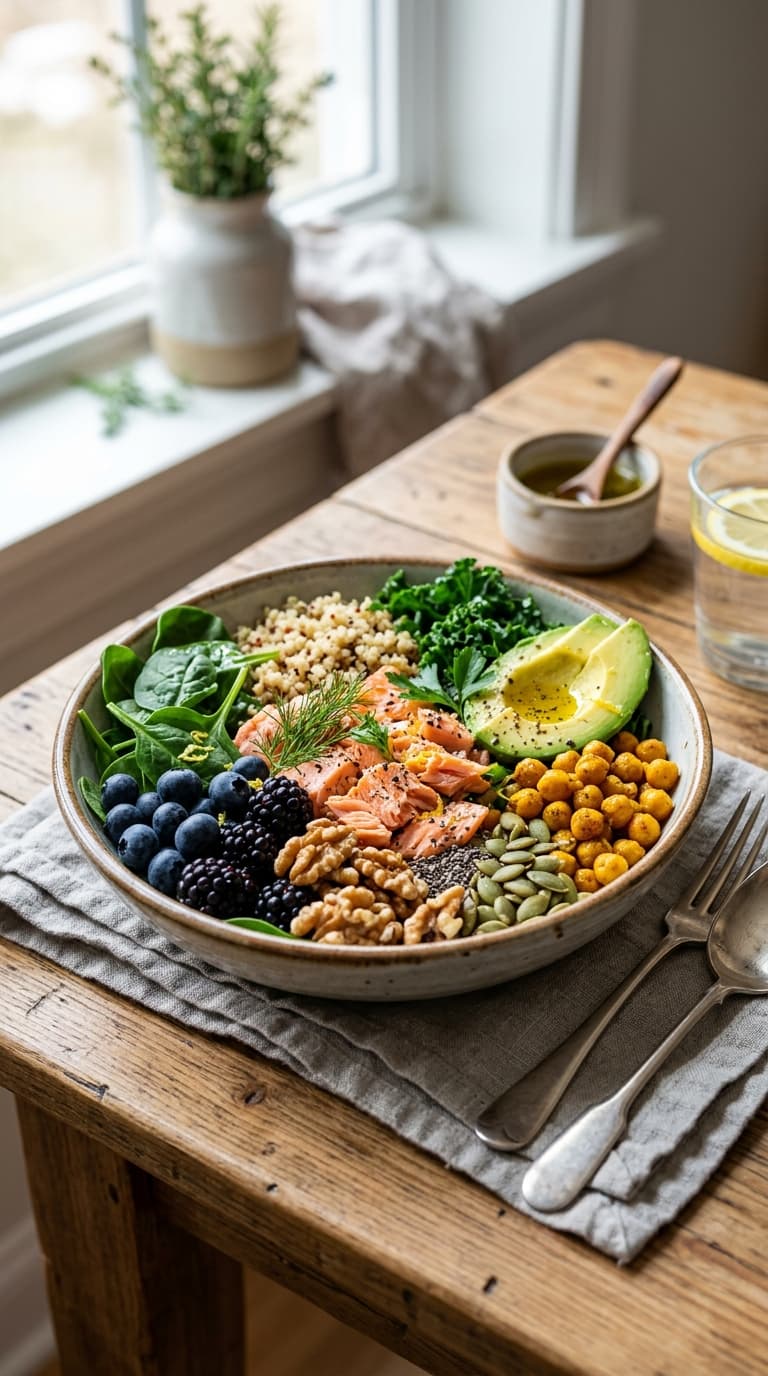
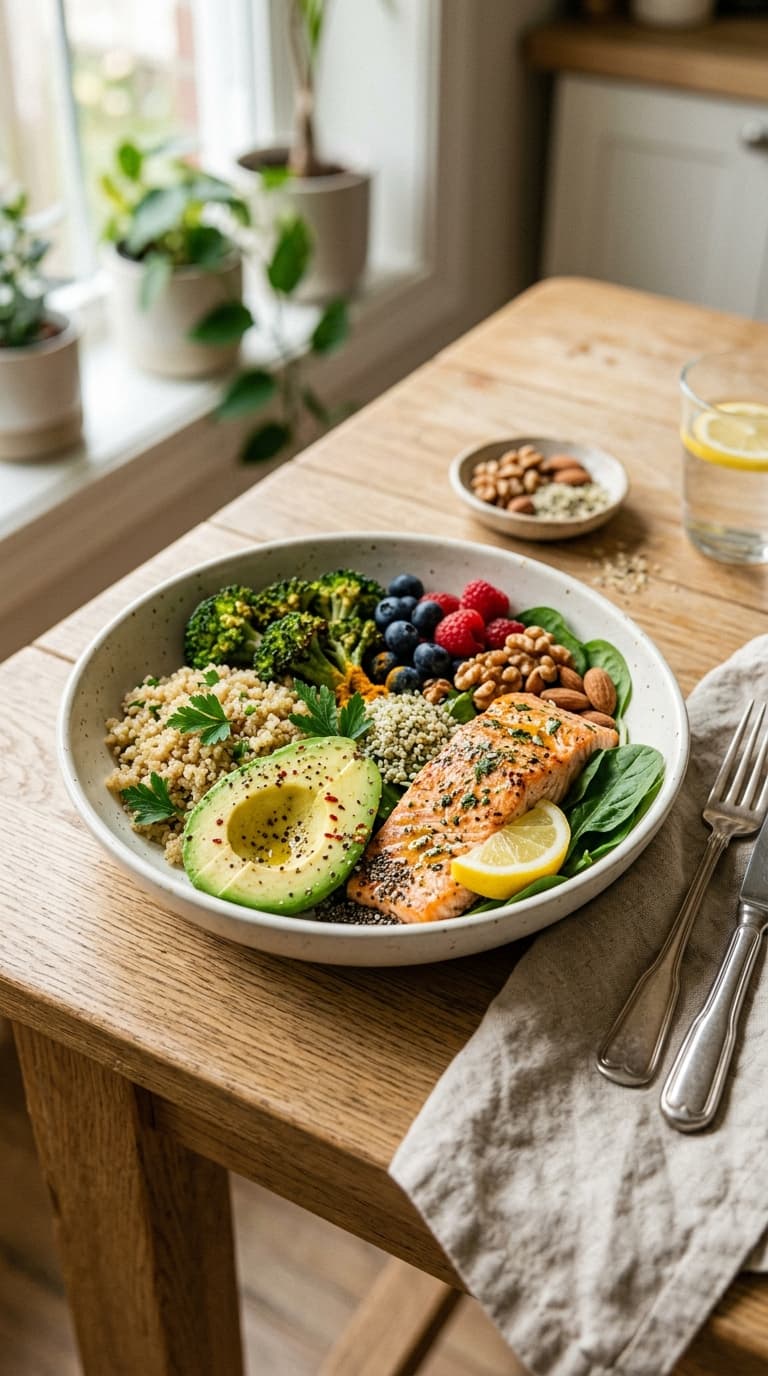
- Lunch: Big leafy green salad with salmon, avocado, and an olive oil dressing
- Snack: Dark chocolate and pumpkin seeds, or a matcha latte
- Dinner: Fatty fish or eggs with roasted broccoli or beets, turmeric-spiced
You don’t need to overhaul everything overnight. Adding two or three of these foods per week, consistently, builds momentum. Within a few weeks, you’ll probably notice the difference in your focus and energy before you even consciously register what changed.
One Final Thought
Your brain is running your entire life — probably worth feeding it something better than whatever you grabbed from the vending machine at 3 PM. These 23 foods aren’t a magic fix, but they’re a genuinely powerful, research-backed foundation.
Start with the ones you actually enjoy eating. Blueberries on your oatmeal, a cup of green tea instead of a third coffee, a drizzle of good olive oil on your lunch — small swaps, compounding results. Your future self (with the sharp memory and clear head) will appreciate the effort your current self put in today.