25 Anti-Inflammatory Superfoods Ranked by Effectiveness
25 Anti-Inflammatory Superfoods Ranked by Effectiveness
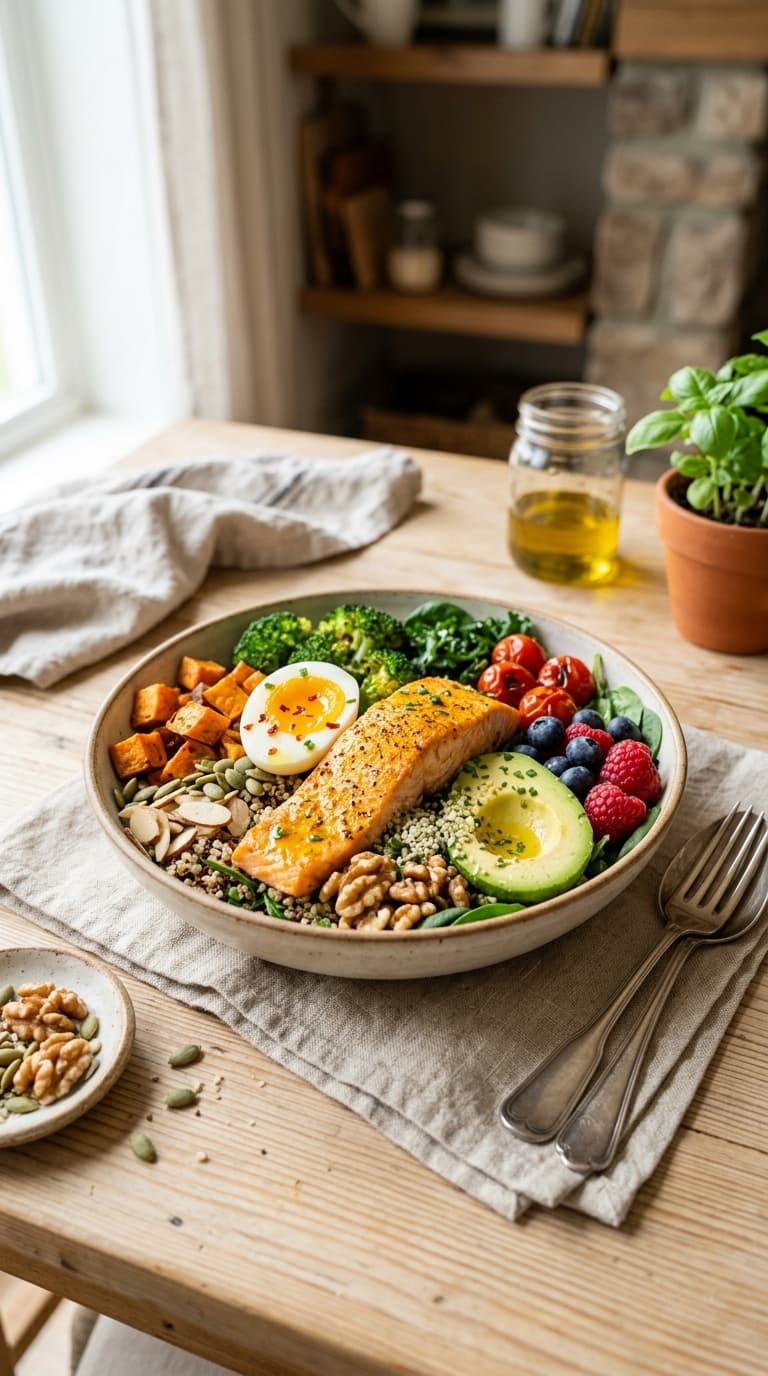
Let’s be real — chronic inflammation is basically that one houseguest who shows up uninvited, refuses to leave, and slowly wrecks the place. It’s behind everything from joint pain and brain fog to serious conditions like heart disease and diabetes. The good news? Your grocery list might be your most powerful weapon against it.
I’ve spent a lot of time digging into the research (and yes, eating a lot of very colorful food) to put together this ranked list of the 25 best anti-inflammatory superfoods. These aren’t just foods that sound healthy — they’re backed by real science and have genuinely changed the way I feel day to day. Ready to eat your way to less inflammation? Let’s go.
Why Food-Based Inflammation Fighters Actually Work
Before we rank anything, here’s the quick science: inflammation is your immune system’s natural response to stress, injury, or toxins. Short-term? Totally necessary. Long-term? That’s where the damage happens.
Certain foods contain phytonutrients, antioxidants, and healthy fats that tell your body to calm down at a cellular level. They block inflammatory pathways, neutralize free radicals, and support gut health — all of which reduce that chronic, low-grade inflammation. So no, this isn’t woo-woo wellness talk. It’s biochemistry with flavor. 🙂
The Top Tier: Powerhouse Anti-Inflammatory Foods
1. Fatty Fish (Salmon, Sardines, Mackerel)
Omega-3 fatty acids are the gold standard of natural inflammation fighters, and fatty fish deliver them in the highest concentrations. EPA and DHA — the two omega-3s in fish — directly inhibit the production of inflammatory molecules called cytokines and eicosanoids.
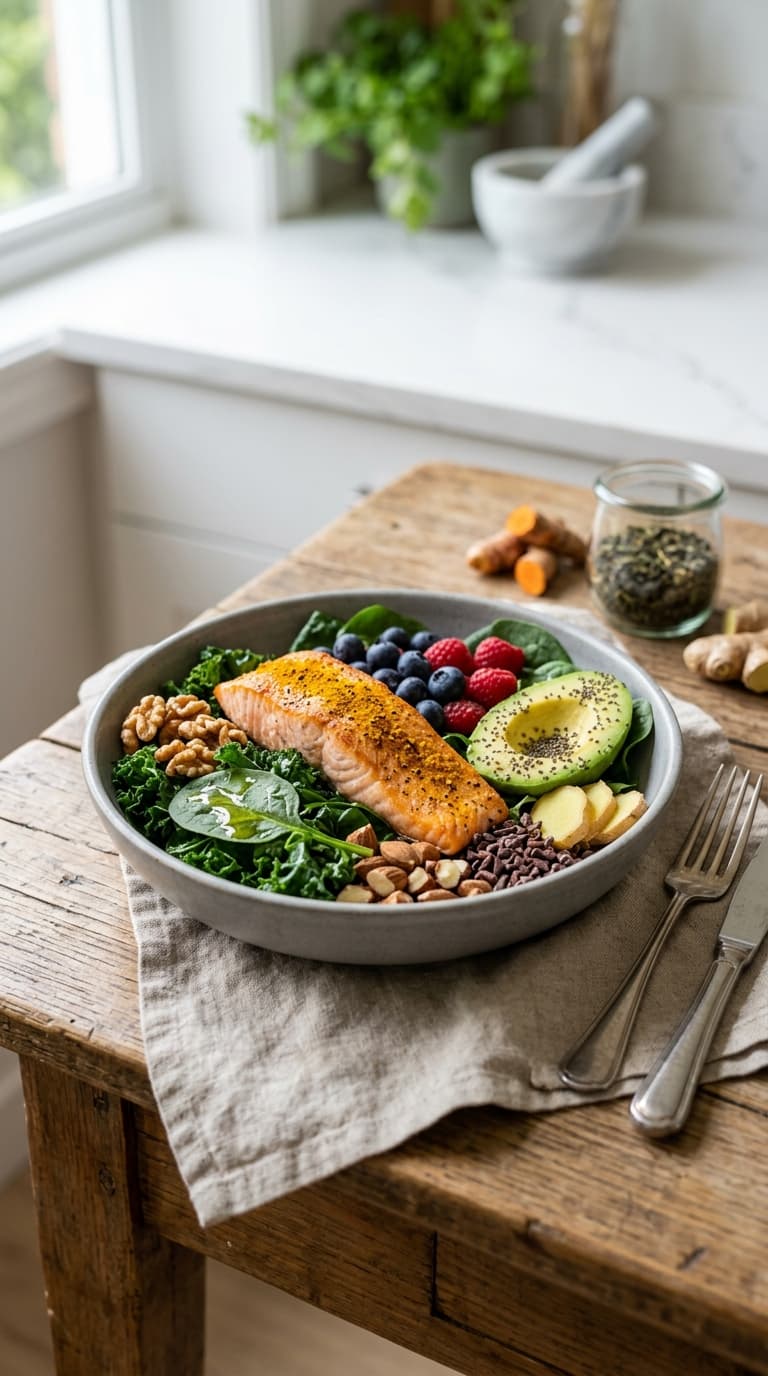
Aim for at least two servings per week. Wild-caught salmon is my personal go-to. If you haven’t tried it pan-seared with a little turmeric crust, you’re genuinely missing out.
2. Extra Virgin Olive Oil
Arguably the most well-studied anti-inflammatory food on the planet. Oleocanthal, the compound in high-quality extra virgin olive oil, works similarly to ibuprofen in blocking inflammatory enzymes. That’s not a metaphor — it literally hits the same pathways.
Use it as a dressing, drizzle it on roasted vegetables, or just… don’t skimp on it. Quality matters here. Look for cold-pressed, dark-bottled varieties.
3. Turmeric
Turmeric earns its hype. Its active compound curcumin is one of the most potent natural anti-inflammatories studied to date. It blocks NF-kB, a molecule that switches on inflammation-related genes. Studies have shown it can match the effectiveness of some anti-inflammatory drugs — without the side effects.
The catch? Curcumin has poor bioavailability on its own. Always pair it with black pepper (which contains piperine) to boost absorption by up to 2,000%. I add both to scrambled eggs, soups, and even anti-inflammatory tea blends.
4. Blueberries
Don’t let their small size fool you. Blueberries are absolutely loaded with anthocyanins — the pigments that give them their deep blue color and also happen to be extraordinarily powerful antioxidants. They reduce oxidative stress and inflammatory markers like IL-6 and CRP.
Fresh or frozen, they deliver the same benefits. Toss them into smoothies, oatmeal, or eat them by the handful. IMO, they’re one of the easiest anti-inflammatory upgrades you can make right now.
5. Ginger
Ginger contains gingerols and shogaols, compounds that inhibit the synthesis of pro-inflammatory prostaglandins. Clinical trials have shown meaningful reductions in muscle soreness, joint pain, and inflammatory blood markers in people who consume ginger regularly.
Fresh is best. Slice it into hot water for a simple anti-inflammatory tea — or check out some of these detox tea recipes you can make in 10 minutes for more creative ways to use it.
Tier Two: Seriously Effective and Wildly Underrated
6. Dark Leafy Greens (Kale, Spinach, Swiss Chard)
These greens pack vitamin K, vitamin C, and flavonoids that consistently lower CRP levels in the blood. Kale in particular contains quercetin and kaempferol, two flavonoids shown to suppress inflammatory signaling.
The key is variety — rotate between kale, spinach, and chard to get a full spectrum of nutrients. A simple sauté with olive oil and garlic hits different when you know it’s actively fighting inflammation.
7. Walnuts
Walnuts are the only common tree nut with a significant amount of plant-based omega-3s (ALA). They also contain ellagic acid and polyphenols that reduce oxidative damage and lower inflammatory markers.
A small handful daily is all you need. They make a great addition to salads or oatmeal, and they’re one of those foods that genuinely taste indulgent while being incredibly good for you.
8. Green Tea
Green tea contains EGCG (epigallocatechin gallate), one of the most powerful antioxidants known to science. It suppresses the production of pro-inflammatory cytokines and has been shown to reduce the risk of inflammatory diseases including arthritis and cardiovascular disease.
Brew it properly — don’t use boiling water or you’ll destroy the catechins. Around 170–180°F is ideal. For more inspiration, the herbal tea benefits you didn’t know about guide is worth a read.
9. Avocado
Beyond the millennial stereotype, avocados contain monounsaturated fats, vitamin E, and carotenoids that genuinely reduce inflammation. They also contain tocopherols and phytosterols that lower oxidative stress markers.
One study found that eating avocado with a hamburger significantly reduced the spike in inflammatory markers compared to eating the burger alone. Science giving us permission to add more avocado? Don’t mind if I do.
10. Broccoli
Broccoli and other cruciferous vegetables contain sulforaphane, a sulfur compound that activates pathways in the body responsible for neutralizing free radicals and reducing NF-kB activity. It’s genuinely one of the more impressive food compounds in nutritional science.
Lightly steam it rather than boiling — you preserve far more of the sulforaphane that way.
11. Beets
Betalains — the pigments that make beets red — are potent anti-inflammatory and antioxidant compounds. Beets also contain nitrates that improve blood flow and reduce inflammation in vascular tissue.
Roasted beets are incredible. Beet juice is effective but, fair warning, it tastes like drinking earthy ambition. Worth it though.
12. Tomatoes
Cooked tomatoes are a lycopene powerhouse. Lycopene is a carotenoid that actively reduces pro-inflammatory cytokines, and cooking actually increases the bioavailability of lycopene significantly compared to raw tomatoes.
Tomato paste and sauce are your best bets. Pair them with a little olive oil to maximize absorption.
Tier Three: Solid Performers Worth Adding to Your Routine
13. Tart Cherries
Tart cherries — particularly Montmorency cherries — contain high levels of anthocyanins and melatonin. They’re especially effective at reducing exercise-induced inflammation and muscle soreness. Athletes swear by tart cherry juice post-workout, and the research backs them up.
14. Garlic
Allicin, the compound released when you crush or chop garlic, has demonstrated strong anti-inflammatory effects in multiple studies. It inhibits inflammatory enzymes and reduces levels of inflammatory markers in the blood. Plus, it makes everything taste better. Win-win.
15. Chia Seeds
Chia seeds are exceptionally high in ALA omega-3s and fiber, both of which support a healthy gut microbiome — and gut health is deeply connected to systemic inflammation. Two tablespoons daily in smoothies, yogurt, or overnight oats is easy to maintain.
16. Pomegranate
Pomegranate seeds contain punicalagins — antioxidants so powerful they’re being studied for their potential to reduce inflammation in cancer and Alzheimer’s research. Pomegranate juice is one of the most antioxidant-dense beverages you can consume.
17. Flaxseeds
Similar to chia, flaxseeds deliver plant-based omega-3s and lignans that reduce inflammatory markers. Ground flaxseeds are better absorbed than whole ones — add them to oatmeal or smoothies.
18. Mushrooms (Especially Shiitake and Reishi)
Certain mushrooms contain beta-glucans and ergothioneine — compounds that modulate the immune system and reduce inflammatory responses. Reishi mushrooms in particular have been used in traditional medicine for their anti-inflammatory properties, and modern research is catching up.
19. Black Beans and Legumes
Legumes are rich in fiber, folate, and polyphenols. A healthy gut microbiome thrives on fiber, and a balanced microbiome produces short-chain fatty acids that actively suppress inflammation throughout the body.
20. Pineapple
Pineapple contains bromelain, a proteolytic enzyme with significant anti-inflammatory effects — particularly for joint inflammation and post-surgical swelling. It’s also delicious, which is a nice bonus when your medicine tastes tropical.
The Supporting Cast: Still Worth Your Attention
21. Dark Chocolate (70%+ Cacao)
Flavanols in dark chocolate reduce inflammatory cytokines and improve endothelial function. This is real science — not an excuse to eat a whole bar. Stick to 1–2 squares of high-quality dark chocolate daily and let the antioxidants do their thing.
22. Peppers (Bell and Chili)
Bell peppers contain more vitamin C than oranges and are rich in quercetin, a flavonoid that reduces histamine release and inflammatory signaling. Chili peppers add capsaicin to the mix, which has well-documented pain-reducing and anti-inflammatory effects.
23. Bone Broth
Collagen, gelatin, glycine, and proline in bone broth support gut lining integrity — and a healthy gut lining means fewer inflammatory compounds leaking into the bloodstream. It’s an old-school remedy that modern research is finally validating. FYI, making your own is far cheaper and more effective than most supplements.
24. Fermented Foods (Yogurt, Kefir, Kimchi, Sauerkraut)
A healthy gut is an anti-inflammatory gut. Probiotics in fermented foods diversify the microbiome and reduce systemic inflammation. Studies show that people who consume fermented foods regularly have lower levels of inflammatory proteins in their blood.
25. Matcha
Matcha is concentrated green tea — meaning you get significantly more EGCG per serving than a regular cup of green tea. It’s having a well-deserved moment, and unlike some wellness trends, the science actually holds up. Try it as a latte using these vegan coffee creamer ideas as inspiration for dairy-free pairings.
How to Actually Build an Anti-Inflammatory Diet
Knowing the foods is one thing — building them into your life consistently is where the real work happens. Here’s what’s worked for me:
- Start with breakfast: Add blueberries, ground flaxseed, and walnuts to oatmeal. You’ve already hit three top-25 superfoods before 9am.
- Use olive oil as your default fat: Swap butter and vegetable oils for extra virgin olive oil in most applications.
- Add color to every plate: More colors = more phytonutrients = less inflammation. It’s that simple.
- Drink strategically: Green tea, turmeric-ginger drinks, and herbal teas for better digestion can replace sugary drinks while actively fighting inflammation.
- Reduce the obvious culprits: Sugar, refined carbs, processed seed oils, and alcohol all drive inflammation. The superfoods work best when you’re not constantly undoing their benefits.
The Bottom Line
Anti-inflammatory eating isn’t a fad diet or a detox cleanse — it’s a long-term lifestyle shift that genuinely pays off. The foods on this list aren’t exotic or expensive; most of them are probably at your local grocery store right now.
The key is consistency over perfection. You don’t need all 25 foods every day. Start with the top 10, build habits around them, and let the results speak for themselves. Your joints, brain, heart, and gut will all thank you — probably more eloquently than I just did. 🙂
So next time you’re standing in the produce section wondering whether to grab the blueberries or the beets — grab both. Your future self is already less inflamed just thinking about it.