25 Anti-Inflammatory Pantry Staples to Always Have on Hand
25 Anti-Inflammatory Pantry Staples to Always Have on Hand
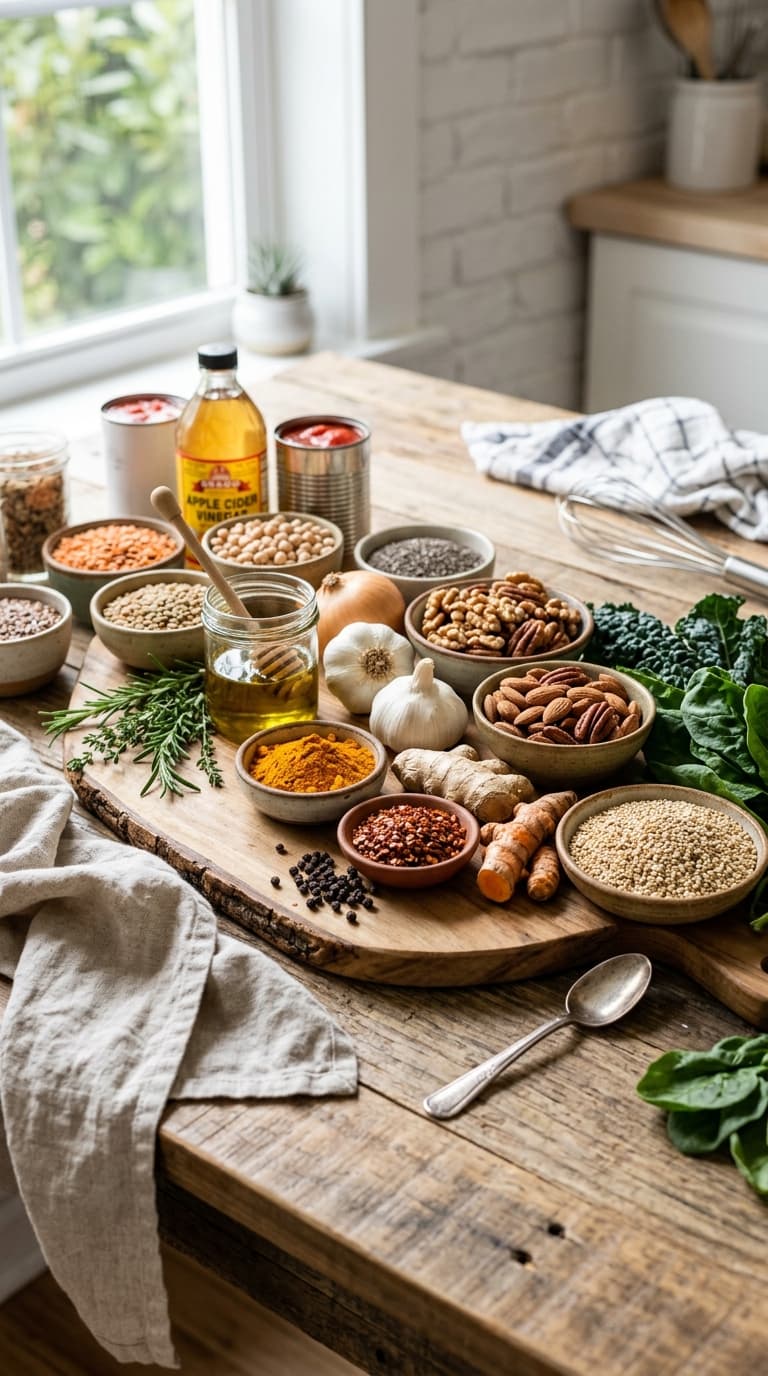
Your joints are achy, your energy is dragging, and somehow your body feels like it’s staging a quiet protest against you. Sound familiar? Here’s the thing — what you stock in your pantry has a massive impact on how much internal inflammation your body deals with every day. And no, you don’t need to overhaul your entire life or spend a fortune at a specialty health store. You just need the right staples within arm’s reach.
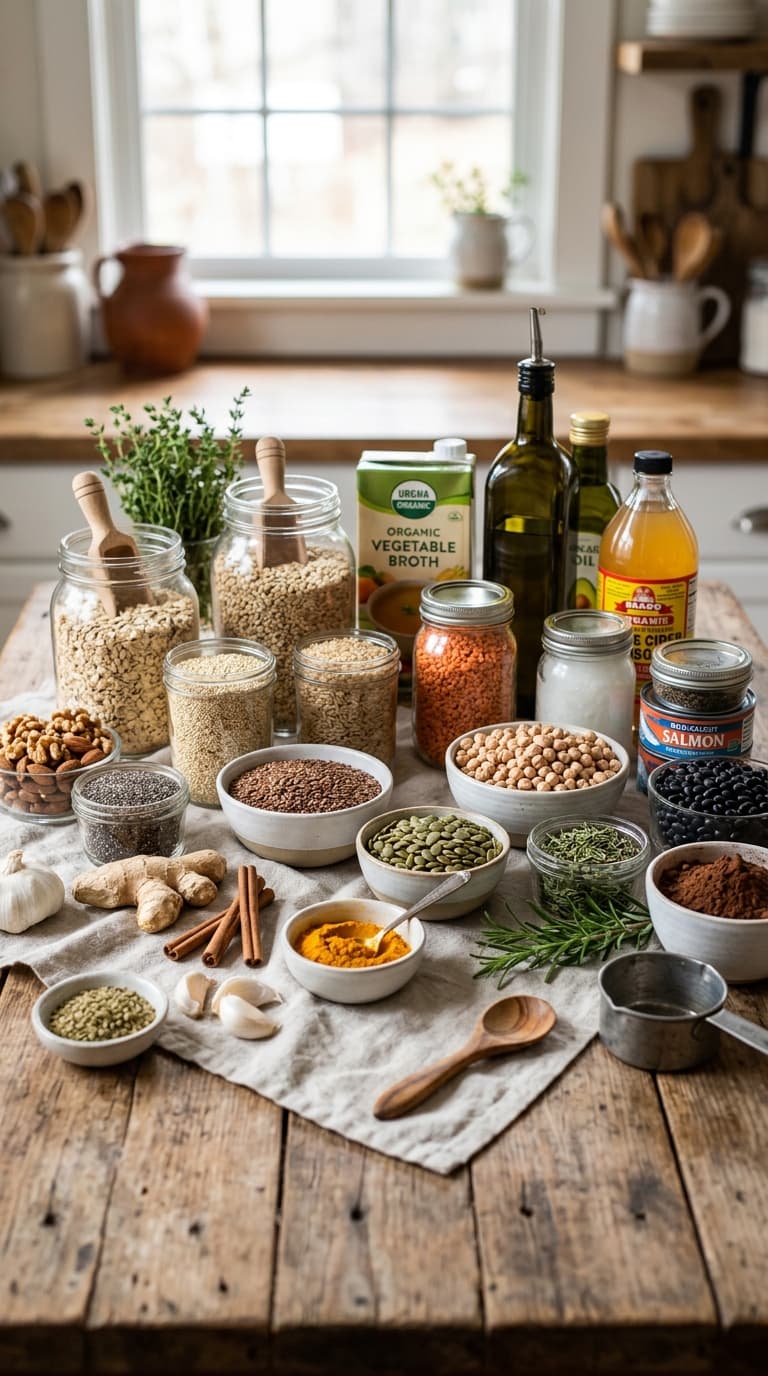
I’ve spent years tweaking my kitchen setup, and once I started treating my pantry like a first line of defense, everything shifted. Let me walk you through the 25 anti-inflammatory pantry staples that genuinely earn their shelf space.
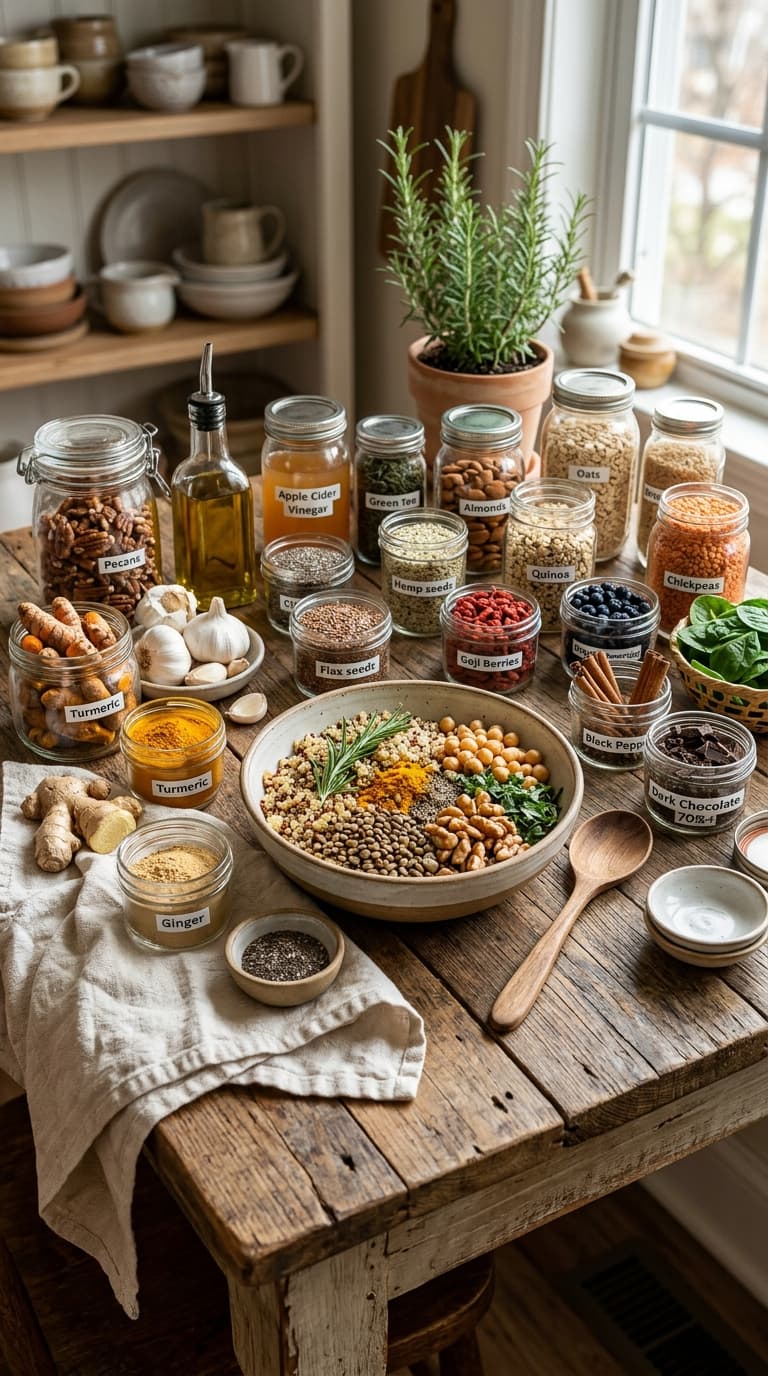
1. Extra Virgin Olive Oil
Extra virgin olive oil (EVOO) is basically the MVP of anti-inflammatory cooking. It contains oleocanthal, a compound that works similarly to ibuprofen in blocking inflammatory enzymes. Not a bad deal for something you’re already drizzling on everything.
Go for cold-pressed, dark-bottled EVOO. The good stuff actually has a slightly peppery finish — that’s the oleocanthal doing its thing.
2. Turmeric
If anti-inflammatory eating had a mascot, turmeric would win by a landslide. The active compound curcumin is one of the most studied natural anti-inflammatories out there. The catch? Your body absorbs it poorly on its own.
Always pair turmeric with black pepper — piperine in black pepper boosts curcumin absorption by up to 2,000%. Yeah, that number is wild. Stir it into golden milk, soups, or rice dishes.
3. Ginger
Fresh or dried, ginger is a powerhouse. Gingerols and shogaols are the compounds responsible for its anti-inflammatory punch, and they’ve been linked to reducing muscle pain and oxidative stress.
I keep both fresh ginger root in the fridge and ground ginger in the spice cabinet. It’s incredibly versatile — toss it into stir-fries, smoothies, or even your morning tea. Speaking of which, if you want ideas for sipping your way to less inflammation, check out these anti-inflammatory tea blends for better health — they pair perfectly with ginger.
4. Garlic
Garlic contains allicin, which has potent anti-inflammatory and antimicrobial properties. It also supports immune function, which ties directly into keeping chronic inflammation in check.
Raw garlic is most potent, but cooked garlic still delivers real benefits. IMO, there’s no such thing as too much garlic in a recipe. Your immune system will thank you even if your breath doesn’t. :/
5. Canned Wild-Caught Salmon
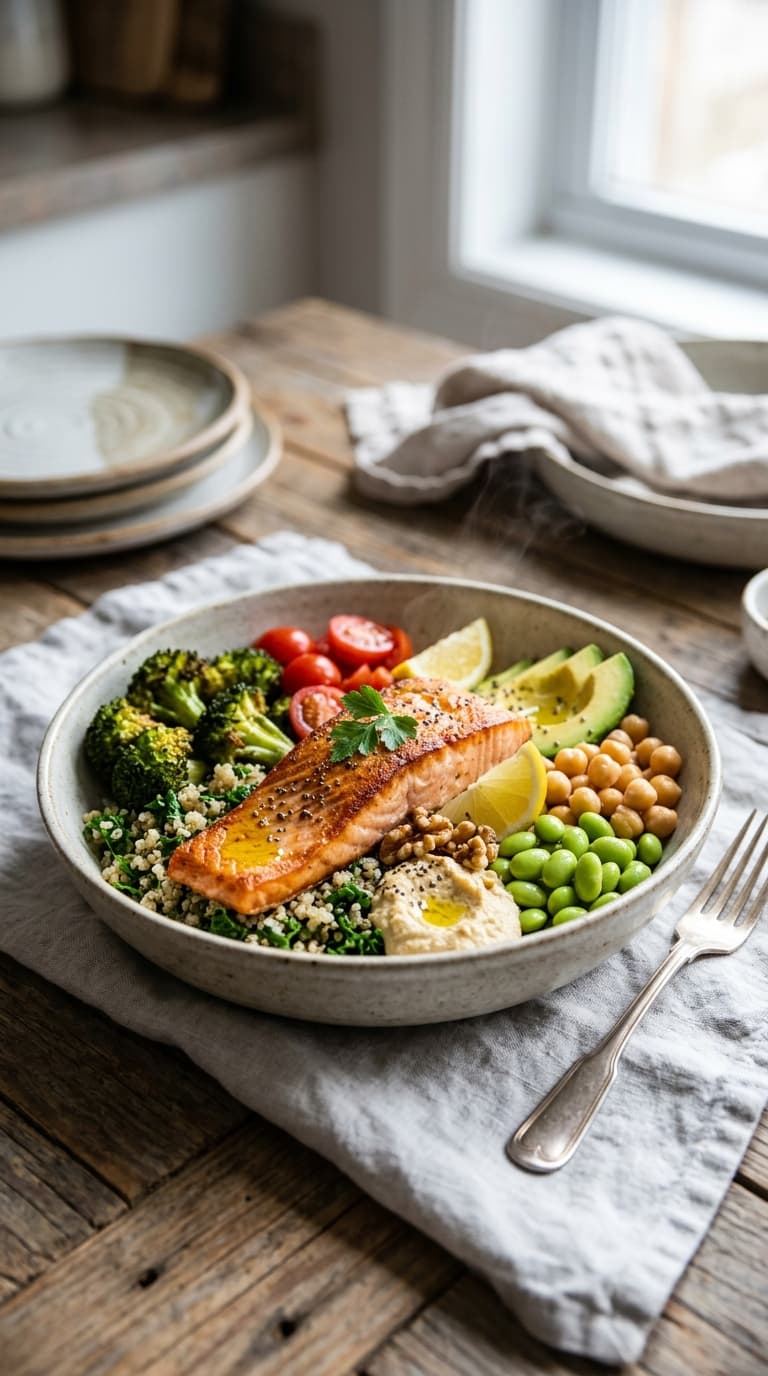
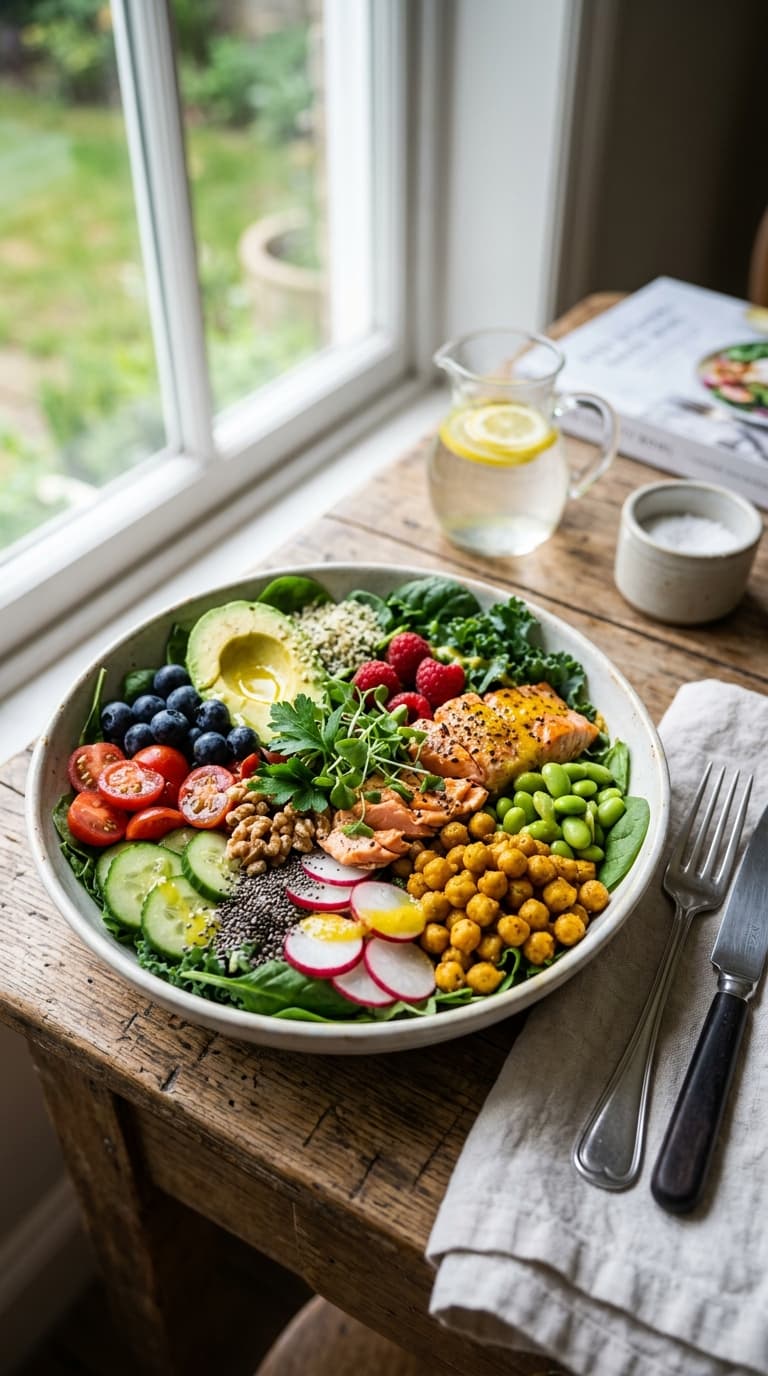
Omega-3 fatty acids are among the most powerful anti-inflammatory nutrients known to science, and wild-caught salmon delivers them in spades. Canned versions make this totally pantry-friendly without sacrificing quality.
Look for BPA-free cans and salmon labeled “wild-caught” rather than farmed. A quick salmon salad or grain bowl becomes a genuinely therapeutic meal.
6. Canned Sardines
Sardines are criminally underrated. They’re loaded with EPA and DHA omega-3s, plus vitamin D and calcium — all of which support reducing systemic inflammation. They’re also budget-friendly, which is a very underrated quality in a health food. Try them on whole-grain crackers with a squeeze of lemon.
7. Walnuts
Of all the nuts, walnuts stand out for their exceptionally high plant-based omega-3 content (ALA). They also contain ellagic acid, an antioxidant that helps fight oxidative stress. A small handful daily is genuinely meaningful for your inflammatory markers.
Keep them in an airtight container — walnuts go rancid faster than most nuts because of their fat content.
8. Flaxseeds (Ground)
Ground flaxseeds are one of the richest plant sources of omega-3 ALA and contain lignans — powerful antioxidants that help reduce inflammation. Whole flaxseeds mostly pass through undigested, so always go for ground.
Stir them into oatmeal, yogurt, or smoothies. One tablespoon a day is enough to start making a difference.
9. Chia Seeds
Chia seeds pack a serious nutritional punch in a tiny package. They contain omega-3 ALA, fiber, and quercetin — all contributors to lower inflammatory activity in the body.
They also form a gel when soaked, which makes them brilliant for puddings, smoothies, and even as an egg substitute in baking. Easy wins all around.
10. Apple Cider Vinegar
Raw, unfiltered apple cider vinegar with “the mother” contains beneficial bacteria and enzymes that support gut health. Since so much inflammation originates in the gut, keeping your microbiome happy is non-negotiable.
Use it in dressings, marinades, or diluted in water before meals. A little goes a long way — this isn’t a “chug it straight” situation.
11. Green Tea (Loose Leaf or Bagged)
Green tea is packed with EGCG (epigallocatechin gallate), one of the most potent antioxidant compounds studied for its anti-inflammatory effects. Regular green tea drinkers consistently show lower inflammatory biomarkers in research.
If you want to explore beyond basic green tea, there are some incredible herbal tea blends for relaxation and sleep that complement an anti-inflammatory lifestyle beautifully.
12. Dark Chocolate (85%+ Cacao)
Yes, really. Dark chocolate with at least 85% cacao contains flavonoids that actively reduce inflammation and support cardiovascular health. This is probably the most welcome item on this list.
The key is quality and quantity — a square or two of high-quality dark chocolate is therapeutic. Half a chocolate bar as a “snack” is a different story. You know who you are. 🙂
13. Canned or Dried Lentils
Lentils are loaded with polyphenols and fiber, both of which support a healthy gut microbiome and reduce chronic inflammation. They’re also one of the most affordable protein sources on the planet.
Red lentils cook in 15 minutes without soaking. There’s genuinely no excuse not to have them on hand.
14. Black Beans
Like lentils, black beans bring a powerful combination of fiber, antioxidants, and protein that works against inflammation. Their deep color signals high anthocyanin content — the same anti-inflammatory pigment found in blueberries.
Canned black beans are perfectly nutritious. Just rinse them well to reduce sodium.
15. Canned Tomatoes
Cooked tomatoes are actually more bioavailable in lycopene — a major antioxidant — than raw ones. Heat processing breaks down cell walls and makes lycopene easier for your body to absorb. So canned tomatoes are a legitimate nutritional win.
Use them as the base of soups, stews, and sauces. San Marzano varieties tend to have the best flavor and fewest additives.
16. Coconut Aminos
This is a soy sauce alternative made from coconut sap, and it’s worth keeping around. Coconut aminos are lower in sodium than soy sauce and don’t carry the potential inflammatory issues that heavily processed soy products can for some people.
It works in stir-fries, dressings, and marinades. The flavor is slightly sweeter and milder than soy sauce — honestly, it grows on you fast.
17. Raw Honey (Manuka or Local)
Raw honey contains flavonoids and phenolic acids that give it measurable anti-inflammatory properties. Manuka honey, in particular, has impressive research behind it for both internal and topical inflammation.
FYI — regular processed honey loses most of these benefits during pasteurization. Always reach for raw.
18. Cinnamon
Ceylon cinnamon (true cinnamon, not Cassia) contains cinnamaldehyde, which actively inhibits inflammatory pathways in the body. It also helps regulate blood sugar, which indirectly reduces inflammation caused by glucose spikes.
Add it to oatmeal, smoothies, or even your coffee. It pairs beautifully with turmeric in golden latte recipes — and if you’re into exploring warming drinks, these chai tea recipes to warm your soul make excellent use of both.
19. Bone Broth
Bone broth is rich in collagen, glycine, and proline — amino acids that directly support gut lining integrity and reduce systemic inflammation. A leaky or irritated gut is one of the biggest drivers of chronic inflammation.
Keep a few cartons in the pantry and use it instead of water when cooking grains, soups, or sauces. It adds depth of flavor while doing quiet good in the background.
20. Oats (Rolled or Steel-Cut)
Oats contain beta-glucan, a soluble fiber that feeds beneficial gut bacteria and has been shown to lower inflammatory markers like C-reactive protein. Steel-cut oats have a lower glycemic impact than instant oats, making them the better long-term choice.
They’re also incredibly filling, which helps you avoid reaching for inflammatory junk food mid-morning. Win-win.
21. Avocado Oil
Where EVOO shines at lower temperatures and in dressings, avocado oil handles high-heat cooking without breaking down into harmful compounds. It’s rich in oleic acid and vitamin E, both of which support anti-inflammatory activity.
Keep both EVOO and avocado oil in your pantry — they serve different functions and genuinely complement each other.
22. Dried Herbs: Oregano, Rosemary & Thyme
These three herbs deserve serious respect. Oregano contains carvacrol, rosemary has rosmarinic acid, and thyme delivers thymol — all potent natural anti-inflammatory compounds. Fresh is great, but dried versions are highly concentrated and completely pantry-stable.
Use them generously in cooking. There’s no real reason to be timid with dried herbs.
23. Nutritional Yeast
This one surprises people. Nutritional yeast contains beta-glucans and a full profile of B vitamins, including B12 in fortified versions. It supports immune regulation, which directly influences how much inflammation your body produces.
It has a nutty, cheesy flavor that works brilliantly sprinkled over roasted vegetables, pasta, or popcorn. It also makes a genuinely good dairy-free cheese sauce base.
24. Pomegranate Molasses or Juice
Pomegranates are among the most antioxidant-dense foods on Earth, with punicalagins that are uniquely powerful at fighting inflammation. Pomegranate molasses or 100% juice is a convenient way to keep this in the pantry year-round.
Add it to salad dressings, drizzle over roasted vegetables, or stir it into marinades. It brings a beautiful tartness that elevates almost anything savory.
25. Quinoa
Quinoa is a complete protein — meaning it contains all nine essential amino acids — and it’s rich in quercetin and kaempferol, two flavonoids with documented anti-inflammatory effects. It’s also gluten-free, which makes it a solid option if gluten sensitivity is part of your inflammation picture.
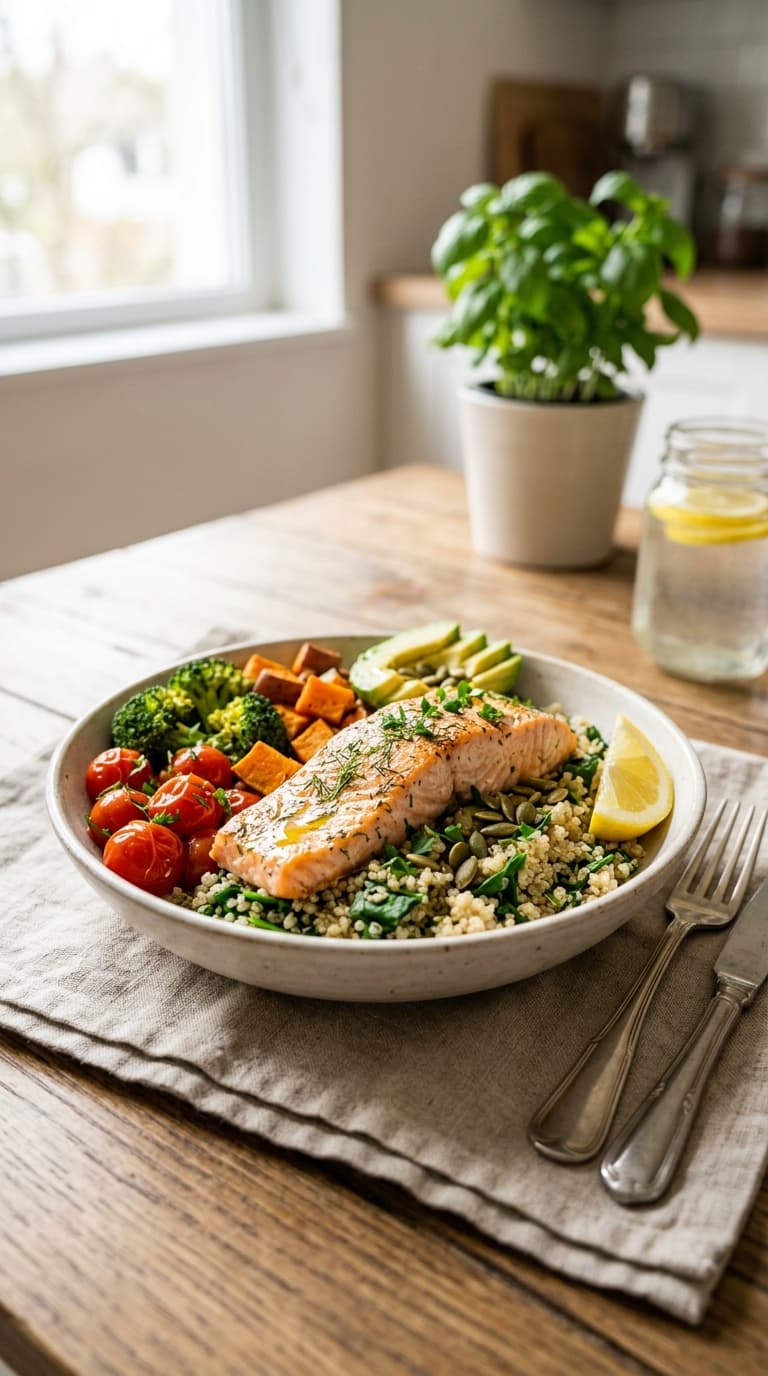
Cook a big batch at the start of the week and use it as a base for bowls, salads, and sides. It keeps well in the fridge for four to five days.
A Few Quick Tips for Stocking Your Anti-Inflammatory Pantry
Before you go reorganizing every shelf, here’s what I’d suggest keeping in mind:
- Diversity matters — rotate your staples and don’t rely on just two or three items
- Quality over quantity — one bottle of good EVOO beats three bottles of refined vegetable oil
- Pair strategically — turmeric with black pepper, fat-soluble nutrients with healthy fats
- Gut health is the foundation — fiber-rich foods and fermented items work behind the scenes constantly
- Consistency beats perfection — having these staples available means you’ll use them regularly without thinking
The Bigger Picture
Here’s the honest truth: no single food is a magic fix. Chronic inflammation is a system-wide issue that responds to consistent dietary patterns over time, not one miracle ingredient. But when you fill your pantry with these 25 staples, you’re essentially setting yourself up for success by default.
Every time you cook from this list, you’re making a quiet investment in less pain, more energy, and a body that works with you instead of against you. And honestly, it’s a lot more enjoyable than any supplement routine I’ve ever tried.
So the next time you’re at the grocery store, run through this list. Stock up gradually if budget is a concern — start with turmeric, olive oil, lentils, and green tea, and build from there. Your future self will genuinely appreciate the effort you put in today.