19 Anti-Inflammatory Breakfast Foods to Start Your Day Right
19 Anti-Inflammatory Breakfast Foods to Start Your Day Right
You wake up, your joints feel stiff, your energy is already running low before the day even starts, and your body is basically staging a quiet protest. Sound familiar? What if your breakfast could actually fight back against that morning inflammation instead of making it worse?
Here’s the thing — chronic inflammation is sneaky. It doesn’t always show up as obvious pain or swelling. Sometimes it’s the brain fog, the sluggish digestion, the skin that just won’t cooperate. And your first meal of the day plays a bigger role in all of this than most people realize. So let’s talk about the 19 anti-inflammatory breakfast foods you should seriously consider adding to your morning routine. No fluff, just real foods that actually work.
1. Wild Blueberries
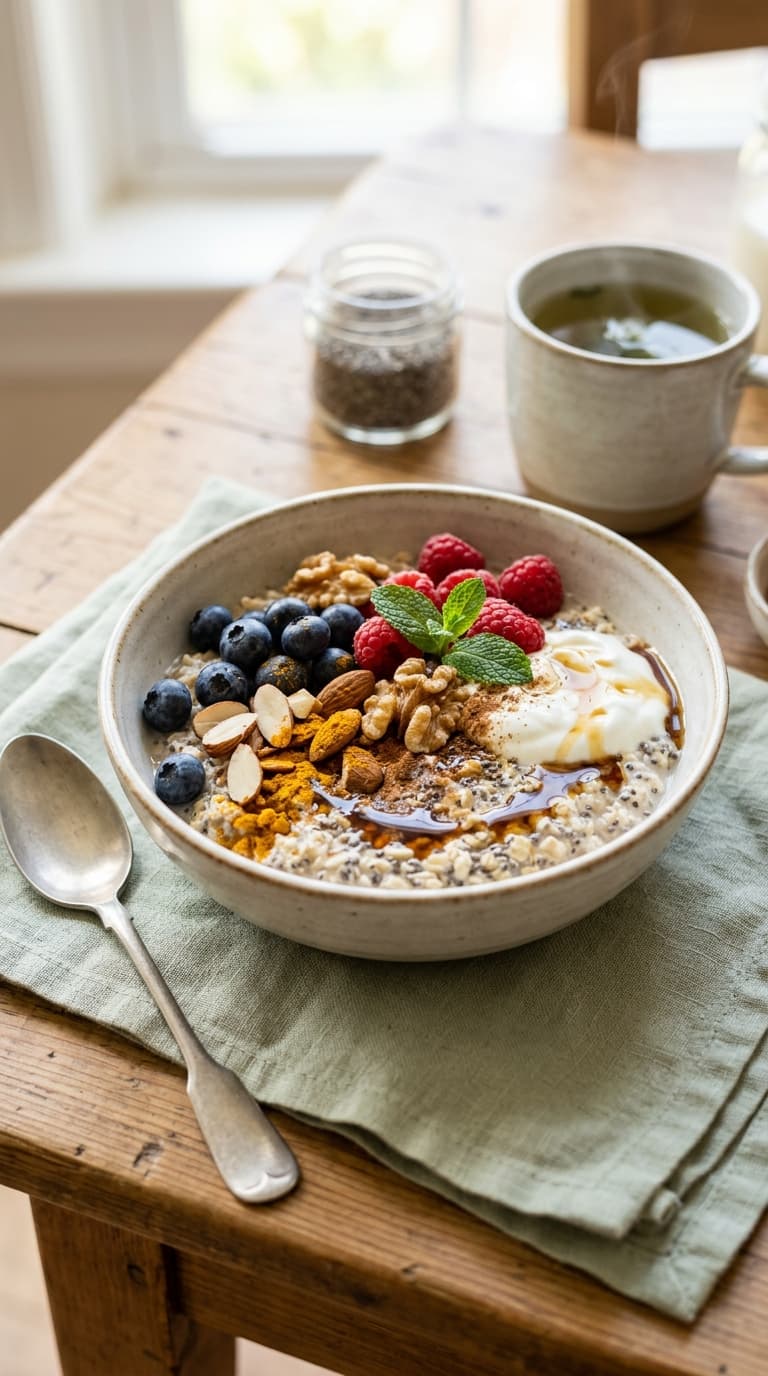
Wild blueberries aren’t just regular blueberries wearing a fancier label. They contain significantly higher concentrations of anthocyanins — the antioxidant compounds that actively fight oxidative stress and inflammation in your body.
Toss them in oatmeal, blend them into a smoothie, or honestly just eat them by the handful. They’re one of the easiest anti-inflammatory wins you can get before 9 AM.
2. Turmeric (Yes, Even at Breakfast)
I know what you’re thinking — turmeric at breakfast? But hear me out. Curcumin, the active compound in turmeric, is one of the most well-studied natural anti-inflammatory agents on the planet.
Add a pinch to your scrambled eggs, stir it into oatmeal with honey, or blend it into a morning smoothie. Pair it with black pepper to boost absorption by up to 2,000%. That little detail makes a huge difference.
3. Fatty Fish (Smoked Salmon, We’re Looking at You)
Okay, smoked salmon on breakfast toast sounds a little fancy for a Tuesday morning, but bear with me. Omega-3 fatty acids — found abundantly in fatty fish like salmon, mackerel, and sardines — directly suppress inflammatory pathways in the body.
If you’re not a morning fish person (no judgment), you can take fish oil capsules or opt for flaxseeds instead. But smoked salmon on a whole grain cracker with avocado? That’s a breakfast that’s also doing something good for your body.
4. Walnuts
Walnuts are genuinely underrated as a breakfast food. Most people reach for almonds or cashews, but walnuts carry a notably higher ratio of omega-3 to omega-6 fatty acids, which makes them particularly effective at dialing down inflammation.
Stir them into yogurt, sprinkle them on oatmeal, or just grab a small handful on your way out. They’re also great for brain health, which — let’s be real — we could all use a little more of in the morning.
5. Avocado
Avocado deserves its reputation. Oleocanthal, a compound found in the healthy monounsaturated fats in avocado, works in a similar way to ibuprofen when it comes to reducing inflammation. Not identical, but in the same neighborhood.
Mash it on whole grain toast, slice it over eggs, or blend it into a smoothie for creaminess without dairy. It’s one of those foods where the taste and the health benefits both show up equally hard.
6. Ginger
Fresh ginger in the morning is a move more people should try. Gingerols and shogaols — the bioactive compounds in ginger — have demonstrated real anti-inflammatory and antioxidant effects in research.
Grate fresh ginger into hot water with lemon for a simple morning tonic, blend it into a smoothie, or stir it into oatmeal. If you’re already a tea drinker in the mornings, check out these anti-inflammatory tea blends for better health that pair beautifully with a ginger-forward morning routine.
7. Oats (The Real Kind)
Here’s a quick PSA: rolled oats and steel-cut oats are not the same as those flavored instant packets drowning in sugar. Real oats contain beta-glucan, a type of soluble fiber that reduces inflammatory markers like C-reactive protein.
Cook them properly, top them with berries and walnuts, and suddenly you have a breakfast that’s actively calming your immune system. It takes maybe 10 minutes. You have 10 minutes.
8. Chia Seeds
Tiny but mighty — chia seeds pack an impressive amount of omega-3 fatty acids, fiber, and antioxidants into a very small package. They’re also incredibly easy to add to anything: smoothies, oatmeal, yogurt, or overnight chia pudding prepped the night before.
IMO, overnight chia pudding is one of the best breakfast hacks for busy mornings. You prep it the night before, and your anti-inflammatory breakfast is just sitting there waiting for you.
9. Green Tea
If you’re starting your morning with a sugary drink, swapping it for green tea is one of the highest-impact changes you can make. EGCG (epigallocatechin gallate) is a potent antioxidant in green tea that actively reduces inflammation and protects cells from oxidative damage.
And no, you don’t have to give up your coffee entirely. But maybe rotate in a cup of green tea a few mornings a week. For more inspiration on making tea a proper morning ritual, these tea recipes to make you feel calm and focused are worth a look.
10. Eggs (Pasture-Raised When Possible)
Eggs get a bad rap from time to time, but pasture-raised eggs contain higher levels of omega-3 fatty acids and vitamin D compared to conventional eggs — both of which support an anti-inflammatory response in the body.
Scrambled, poached, over easy — it doesn’t matter much. What matters is that eggs provide high-quality protein and essential nutrients that support your body’s ability to regulate inflammation throughout the day.
11. Spinach
Spinach at breakfast sounds aggressive until you realize you can barely taste it in a smoothie. And in terms of anti-inflammatory nutrition, spinach delivers vitamin K, folate, and a stack of antioxidants that work together to reduce inflammatory signaling.
Throw two big handfuls into a morning smoothie with banana, blueberries, and almond milk. You get all the benefits and none of the “I feel like I’m eating a salad at 7 AM” experience.
12. Flaxseeds (Ground)
Ground flaxseeds are one of the best plant-based sources of alpha-linolenic acid (ALA), an omega-3 fatty acid that the body partially converts to EPA and DHA. Key word: ground. Your body can’t absorb whole flaxseeds efficiently, so always grind them first or buy pre-ground.
Stir a tablespoon into oatmeal or a smoothie and you’re done. Easy. No excuses. 🙂
13. Tart Cherries
Tart cherries — either fresh, frozen, or as 100% tart cherry juice — contain high concentrations of anthocyanins and quercetin, both powerful anti-inflammatory compounds. They’re particularly popular with athletes for reducing muscle soreness and joint pain.
Blend frozen tart cherries into a smoothie or mix tart cherry juice (unsweetened) with sparkling water for a morning drink that feels indulgent but isn’t.
14. Extra Virgin Olive Oil
Most people don’t think about using olive oil at breakfast, but it’s worth reconsidering. High-quality extra virgin olive oil contains oleocanthal and oleacein, both of which inhibit inflammatory enzymes in a way that mirrors the mechanism of NSAIDs.
Use it to cook your eggs, drizzle it over avocado toast, or blend a small amount into a savory morning smoothie bowl. The key is using the real stuff — cold-pressed, extra virgin, from a reputable source.
15. Pumpkin Seeds
Pumpkin seeds (also called pepitas) are a breakfast topping that pulls serious weight nutritionally. They’re rich in magnesium, zinc, and omega-3 fatty acids, all of which play roles in managing the body’s inflammatory response.
Sprinkle them over yogurt, oatmeal, or a smoothie bowl. Magnesium deficiency — which is actually more common than most people think — is linked to increased inflammation, so this little addition matters more than it might seem.
16. Kefir or Plain Greek Yogurt
Your gut health and your inflammatory response are closely connected — way more than most people appreciate. Kefir in particular is a fermented dairy product loaded with probiotics that support a healthy gut microbiome, which in turn helps regulate systemic inflammation.
Plain Greek yogurt is a solid second choice, offering probiotics along with high-quality protein. Just skip the flavored versions — they tend to carry enough sugar to undo a lot of the benefit.
17. Beets
Okay, beets at breakfast is a commitment. But if you’re serious about anti-inflammatory eating, beets deserve a regular spot in your rotation. They contain betalains — pigment compounds with demonstrated anti-inflammatory and antioxidant properties.
The easiest approach is to add frozen beet chunks to a morning smoothie. They blend well with berries, ginger, and a squeeze of lemon. FYI, your smoothie will turn an impressive shade of purple — which is honestly kind of fun.
18. Pomegranate Seeds (Arils)
Pomegranate seeds are a little fiddly to prep fresh, but buying them pre-packed makes this breakfast addition effortless. Punicalagins and punicic acid — compounds unique to pomegranates — are potent antioxidants that significantly reduce inflammatory markers in clinical studies.
Scatter a handful over yogurt or oatmeal. They add a bright, slightly tart flavor and a satisfying little crunch. It’s one of those toppings that makes your breakfast feel a lot more intentional.
19. Dark Chocolate (Yes, Really)
Before you get too excited, we’re talking about dark chocolate with 70% cacao or higher — not a Snickers bar, sorry. Real dark chocolate contains flavonoids, particularly epicatechin, which reduces oxidative stress and inflammatory markers in the cardiovascular system.
A square or two stirred into oatmeal, chopped over a smoothie bowl, or blended into a morning coffee smoothie is a genuinely effective way to work this into your morning without going overboard. Sometimes the best anti-inflammatory foods are also the most enjoyable ones. Funny how that works :/
How to Actually Build an Anti-Inflammatory Breakfast
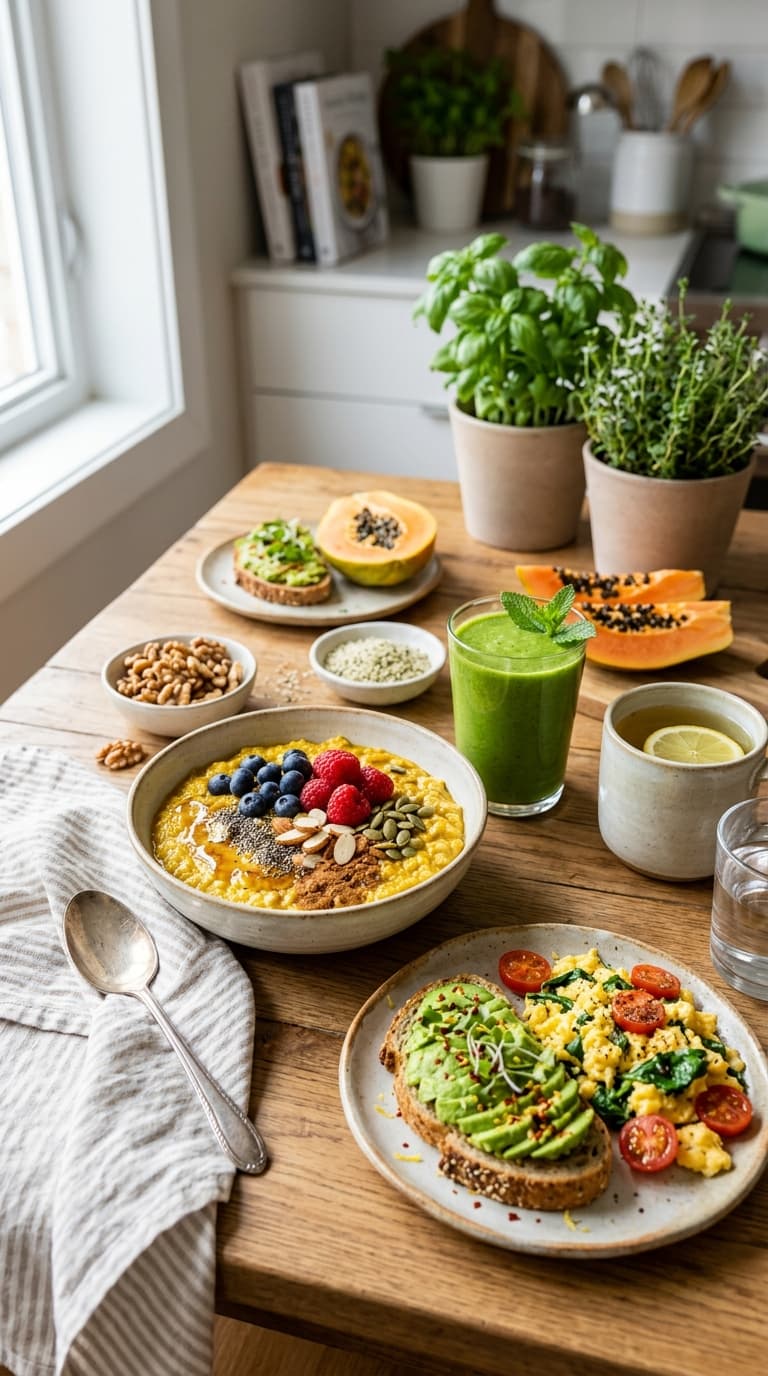
Knowing which foods fight inflammation is one thing. Building them into a realistic morning routine is another. Here’s a simple framework:
- Pick a base: oats, eggs, Greek yogurt, or a smoothie
- Add one omega-3 source: walnuts, chia seeds, flaxseeds, or smoked salmon
- Add one colorful fruit or vegetable: blueberries, spinach, beets, or pomegranate
- Add a flavor booster with benefits: ginger, turmeric, or dark chocolate
- Use a good fat: avocado or extra virgin olive oil
Mix and match from these categories and you’ll cover your anti-inflammatory bases without needing to overthink it. Want to pair your breakfast with something great to sip? These coffee and breakfast pairings for busy mornings and herbal teas for better digestion are worth bookmarking.
What to Avoid if You’re Eating for Lower Inflammation
Since we’re here — the breakfast foods that actively promote inflammation are just as worth knowing about:
- Refined sugars (sweetened yogurts, sugary cereals, flavored instant oats)
- Refined carbohydrates (white bread, pastries with no fiber)
- Processed meats (most conventional bacon and sausage)
- Vegetable oils high in omega-6 (soybean oil, corn oil, sunflower oil in large amounts)
- Artificial additives and preservatives found in packaged breakfast foods
Swapping even one or two of these out makes a measurable difference over time.
The Bottom Line
Anti-inflammatory eating at breakfast doesn’t have to be complicated or miserable. The 19 foods on this list — blueberries, turmeric, fatty fish, walnuts, avocado, ginger, oats, chia seeds, green tea, eggs, spinach, flaxseeds, tart cherries, olive oil, pumpkin seeds, kefir, beets, pomegranate, and dark chocolate — give you a genuinely powerful toolkit to work with.
You don’t need to eat all 19 every morning. That would be exhausting and slightly chaotic. But building a rotation that pulls from this list regularly? That’s where the long-term benefits show up — in your energy, your joints, your skin, your gut, and your mental clarity.
Start with what sounds good to you. Add one new food this week. Then another next week. Small, consistent changes in what you eat for breakfast have a compounding effect that’s honestly hard to overstate. Your future self will thank your present self for not hitting snooze on this one.