23 Foods That Fight Inflammation Better Than Any Supplement
23 Foods That Fight Inflammation Better Than Any Supplement
Let’s be real — you’ve probably spent more money on supplement bottles than you’d like to admit. Turmeric capsules, fish oil softgels, vitamin C megadoses… the wellness industry loves selling you the idea that healing comes in a pill. But here’s the thing: your kitchen is already stocked with some of the most powerful anti-inflammatory tools on the planet. You just might not know it yet.
I started paying attention to inflammation after dealing with chronic joint stiffness that made mornings feel like a personal grudge match with my own body. No dramatic diagnosis, just persistent low-grade misery. And slowly, by shifting what I put on my plate, things genuinely changed. So let me walk you through the 23 foods that actually move the needle.
What Even Is Inflammation, Anyway?
Before we get into the list, quick context. Inflammation isn’t always the enemy — acute inflammation helps you heal a cut or fight off a cold. The problem is chronic inflammation, the kind that quietly simmers in the background and links to heart disease, diabetes, arthritis, and even depression.
The good news? Food can either fan those flames or put them out. Science backs this up solidly, and IMO, food-first approaches beat popping supplements most of the time.
The Big Hitters — Foods That Do the Heavy Lifting
1. Fatty Fish
Salmon, sardines, mackerel, and herring are loaded with omega-3 fatty acids (EPA and DHA). These directly suppress inflammatory pathways in the body. Aim for two to three servings a week, and you’re giving your system a serious advantage. Wild-caught salmon especially earns its reputation here.
2. Turmeric (The Real Thing, Not a Capsule)
Curcumin — turmeric’s active compound — blocks NF-kB, a key molecular driver of chronic inflammation. But here’s what supplement brands don’t shout about: curcumin absorbs dramatically better when paired with black pepper and a fat source. So fresh turmeric in a golden milk latte or curry with black pepper? Way more effective than a plain capsule.
3. Ginger
Fresh ginger contains gingerols and shogaols, compounds that inhibit inflammatory enzymes. It works similarly to ibuprofen, just without the stomach lining drama. I grate it into stir-fries, steep it in hot water, and honestly just chew a small piece when I’m feeling off.
4. Extra Virgin Olive Oil
Cold-pressed, high-quality EVOO contains oleocanthal, a compound that functions almost identically to ibuprofen at a molecular level. That slight peppery throat burn you get with good olive oil? That’s the oleocanthal doing its thing. Don’t heat it to smoking point — drizzle it fresh over salads, roasted veggies, or bread.
5. Blueberries
Small but savage. Blueberries pack anthocyanins, powerful antioxidants that reduce oxidative stress and inflammatory markers like CRP (C-reactive protein). Fresh or frozen, they both work. I throw a handful into smoothies, oatmeal, or just eat them straight from the bowl.
Your Gut Is Running the Show
Chronic inflammation often starts in the gut. Feed it right, and your whole inflammatory response calms down. These foods work directly on your microbiome.
6. Fermented Foods
Kimchi, sauerkraut, kefir, yogurt, and miso all introduce beneficial bacteria that crowd out the inflammatory kind. A 2021 Stanford study found that a high-fermented-food diet significantly reduced inflammatory markers compared to a high-fiber diet alone. That’s a pretty compelling result.
7. Garlic
Raw garlic is genuinely unpleasant to eat straight. But it’s also genuinely powerful — allicin (released when you crush or chop garlic) modulates immune responses and reduces pro-inflammatory cytokines. Let it sit for 10 minutes after chopping before cooking to maximize allicin production.
8. Onions
Onions contain quercetin, a flavonoid with well-documented anti-inflammatory effects. Red onions carry more than white. Eat them raw in salads or lightly cooked — heavy heat degrades the quercetin content more than a quick sauté does.
9. Leafy Greens
Spinach, kale, Swiss chard, arugula — all rich in vitamin K, magnesium, and flavonoids that dial down inflammatory signals. Kale smoothies aren’t just a cliché at this point; they’re actually a decent delivery system for a solid anti-inflammatory punch.
Spice Up Your Life (Seriously)
Your spice rack is an anti-inflammatory pharmacy. And unlike a supplement shelf, it’s actually affordable. 🙂
10. Black Pepper
On its own, black pepper contains piperine, which has measurable anti-inflammatory effects. But its superpower is enhancing bioavailability of other compounds — especially curcumin. Always pair it with turmeric. Always.
11. Cinnamon
Ceylon cinnamon (not the cheaper cassia variety) lowers inflammatory markers and stabilizes blood sugar, which indirectly reduces inflammation caused by glucose spikes. Stir it into oatmeal, add it to anti-inflammatory tea blends, or mix it into your morning coffee.
12. Cloves
One of the highest antioxidant-rated spices on the planet. Cloves contain eugenol, which actively inhibits COX-2 enzymes — the same enzymes that NSAIDs like aspirin target. Ground cloves in baked goods or herbal teas give you surprising benefits without you even noticing.
Drinks That Fight Inflammation (Yes, Really)
What you drink matters as much as what you eat. Some beverages actively reduce inflammatory markers.
13. Green Tea
EGCG (epigallocatechin gallate) in green tea is one of the most studied anti-inflammatory compounds in the world. It modulates NF-kB signaling and reduces oxidative stress. Two to three cups daily is the sweet spot. If you want to explore beyond plain green tea, there are herbal tea benefits you probably didn’t know about worth looking into.
14. Tart Cherry Juice
This one surprises people. Tart cherries are packed with anthocyanins and have specific evidence behind them for reducing exercise-induced inflammation and muscle soreness. Athletes have been quietly using this for years. Not the sweet cherry juice — you want the tart variety, unsweetened.
15. Coffee (Yes, Really)
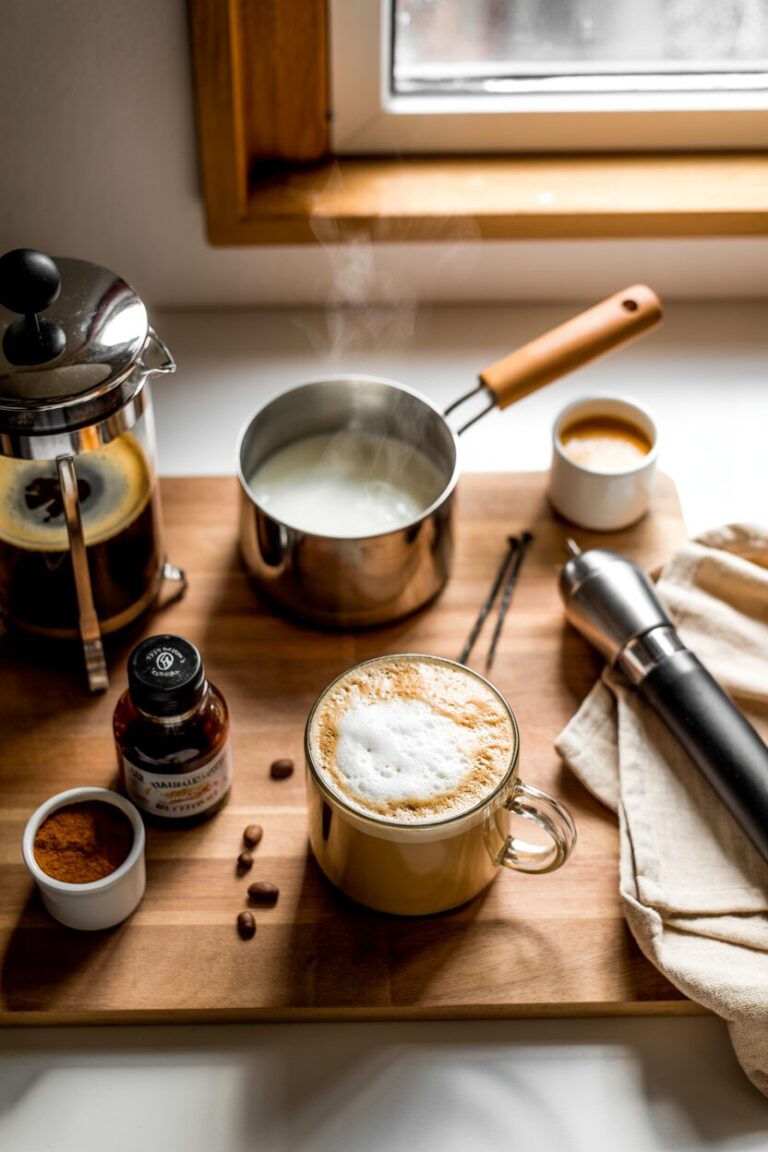
Coffee contains chlorogenic acids and other polyphenols with genuine anti-inflammatory properties. Regular coffee consumption links to lower levels of inflammatory markers in multiple large studies. If you want to optimize your morning cup for health as well as taste, these healthy coffee recipes to boost your metabolism are worth bookmarking.
Nuts, Seeds, and Healthy Fats
16. Walnuts
Walnuts are the only tree nut with a meaningful amount of ALA omega-3s. They also contain ellagic acid, a polyphenol that reduces inflammatory markers. A small handful daily is enough — they’re calorie-dense, but the payoff is real.
17. Flaxseeds
Ground flaxseeds deliver ALA omega-3s plus lignans, which have anti-inflammatory and antioxidant properties. Buy them whole and grind them yourself — pre-ground flax oxidizes quickly. Add them to smoothies, oatmeal, or yogurt.
18. Chia Seeds
Similar ALA profile to flax, plus a solid dose of fiber that feeds your gut bacteria. The gel they form when soaked also slows digestion and reduces blood sugar spikes — another inflammation trigger knocked down.
19. Avocado
Avocados are rich in oleic acid (same anti-inflammatory fatty acid as in olive oil), plus vitamin E and carotenoids. They also contain phytosterols that directly inhibit inflammatory compounds. And honestly, they taste incredible. FYI — the dark green flesh right under the skin has the highest concentration of antioxidants, so scrape it close.
The Surprising Anti-Inflammatory Foods You’re Probably Ignoring
20. Dark Chocolate (70%+ Cacao)
Flavanols in dark chocolate reduce inflammation by protecting cells from oxidative damage and improving blood vessel function. The higher the cacao percentage, the better. The sugar in milk chocolate largely cancels out the benefits, so stick to 70% or above. One or two squares daily is plenty.
21. Tomatoes (Cooked)
Raw tomatoes are fine, but cooking tomatoes actually increases lycopene bioavailability significantly. Lycopene is a powerful antioxidant linked to reduced inflammatory markers. Tomato sauce, roasted tomatoes, and tomato paste all deliver more active lycopene than raw slices. Counterintuitive, but the research is clear on this.
22. Broccoli and Cruciferous Vegetables
Broccoli, Brussels sprouts, cauliflower, and cabbage all contain sulforaphane, a compound that activates the body’s own antioxidant defense systems. Sulforaphane essentially tells your cells to produce more of their own protective enzymes. Lightly steam broccoli rather than boiling it — boiling destroys the myrosinase enzyme needed to form sulforaphane.
23. Pomegranate
Pomegranate is one of the most antioxidant-dense fruits on the planet, with punicalagins and punicic acid that have anti-inflammatory effects on par with drugs in some preliminary research. The seeds (arils) and the juice both work well. Throw the arils over salads, mix the juice into sparkling water, or pair it with a detox tea recipe for a real anti-inflammatory combination.
How to Actually Build This Into Your Life
Here’s the thing — knowing the list and actually eating these foods consistently are two very different achievements. Most people read a health article, feel inspired for approximately 48 hours, and then go back to whatever they were doing before. Sound familiar? :/
The approach that actually worked for me was stacking small changes rather than overhauling everything at once:
- Week 1: Add one anti-inflammatory food to every meal you already eat
- Week 2: Swap one processed snack for walnuts, blueberries, or dark chocolate
- Week 3: Replace one daily drink with green tea or tart cherry juice
- Week 4: Upgrade your cooking oil to genuine extra virgin olive oil
You’re not rebuilding your diet from scratch. You’re layering in upgrades. That’s sustainable.
Also worth knowing: the foods that fight inflammation also tend to support other health goals — weight management, blood sugar stability, heart health, cognitive function. You’re not just solving one problem; you’re investing across multiple systems simultaneously.
The Anti-Inflammatory Plate Formula
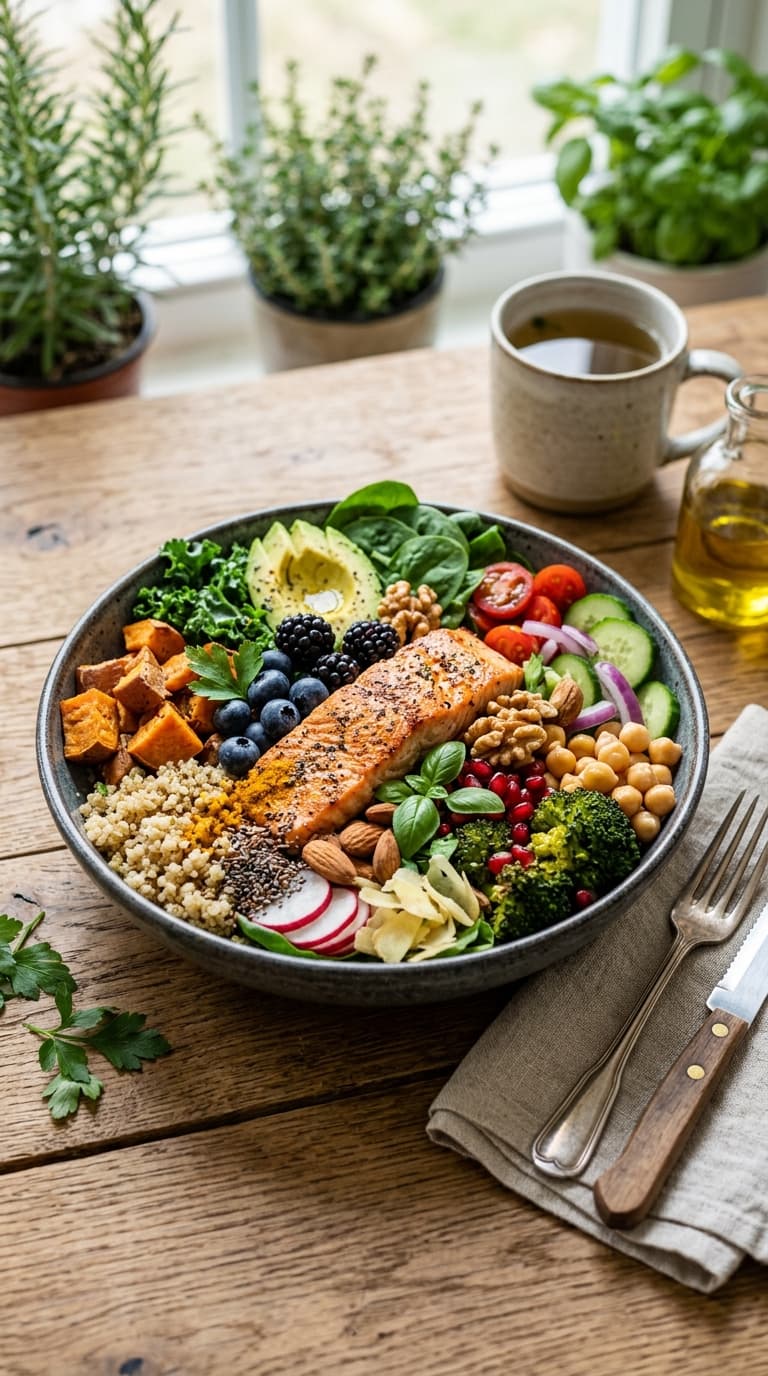
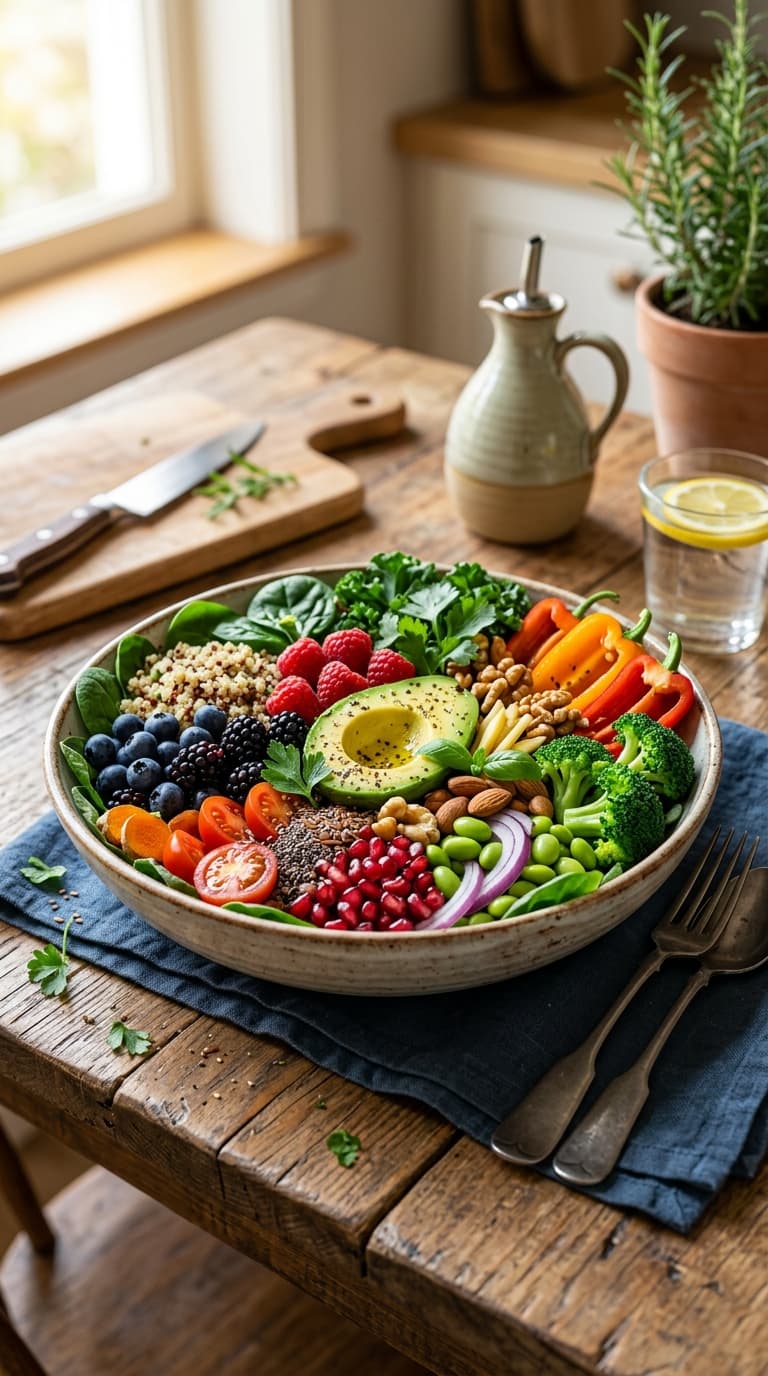
You don’t need to track macros or count anything to do this right. Just aim to hit these markers most days:
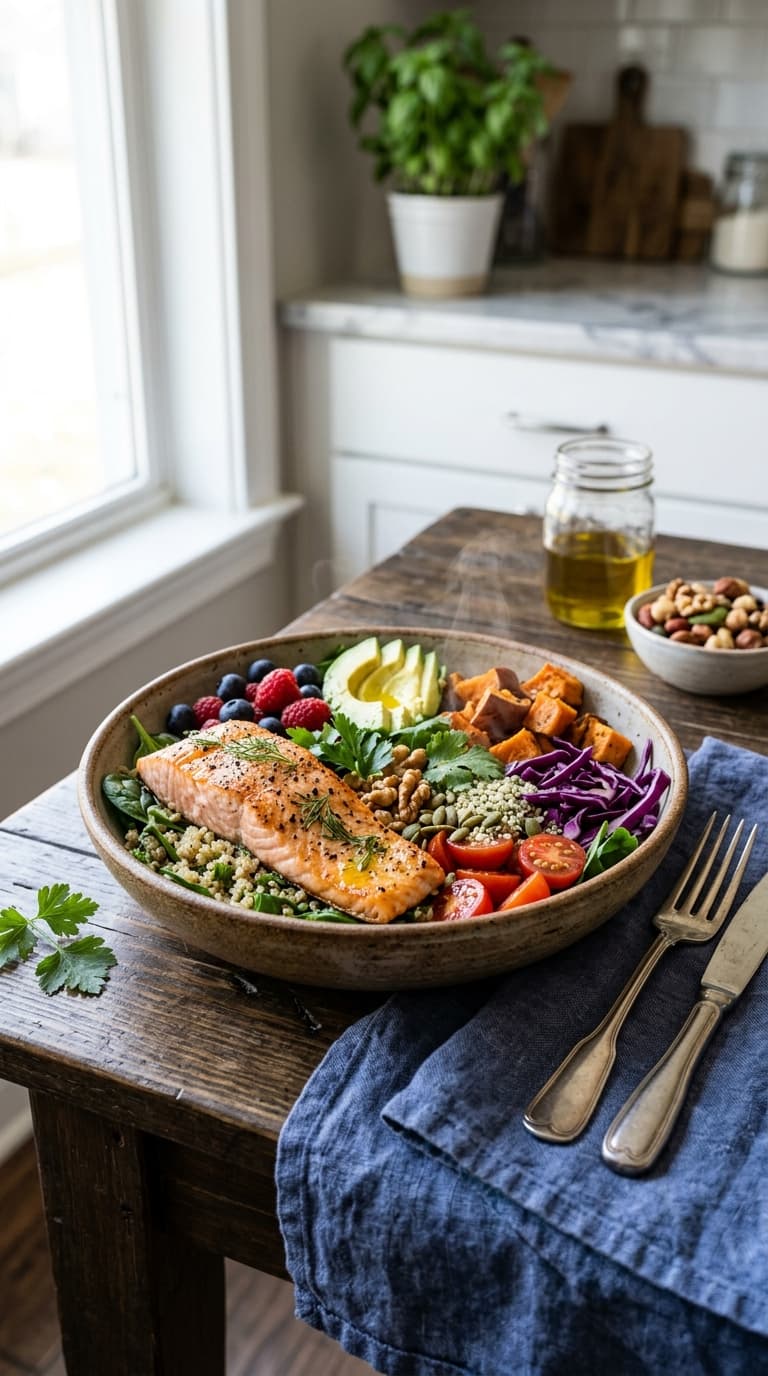
- At least one fatty fish serving or plant omega-3 source (walnuts, flax, chia)
- A handful of colorful berries or pomegranate
- At least two servings of leafy greens or cruciferous vegetables
- A drizzle of quality EVOO over something
- One fermented food (even just a tablespoon of kimchi or a small yogurt counts)
- Two to three cups of green tea or another antioxidant-rich beverage
- Fresh garlic, ginger, or turmeric in your cooking
Hit most of those most days, and you’re doing more for your inflammation levels than most supplement protocols could ever achieve.
One Last Thing
Supplements have their place. If you’re severely deficient in something, targeted supplementation makes sense. But whole foods deliver anti-inflammatory compounds in combinations and ratios that your body evolved to process — along with fiber, water content, and other co-factors that no capsule can replicate.
The supplement industry has done a masterful job of convincing us that isolating compounds and pressing them into pills is somehow more powerful than eating actual food. In most cases, it isn’t.
So before you add another bottle to your Amazon cart, look at your fridge. Chances are the most powerful anti-inflammatory protocol you’ve never tried is already within reach — it just tastes a lot better than a capsule and costs significantly less per serving.
Start with two or three foods from this list that you actually enjoy. Build from there. Your future self, with less joint stiffness and more energy, will appreciate the effort.