21 Curcumin Foods — Turmeric and Inflammation Explained
21 Curcumin Foods — Turmeric and Inflammation Explained
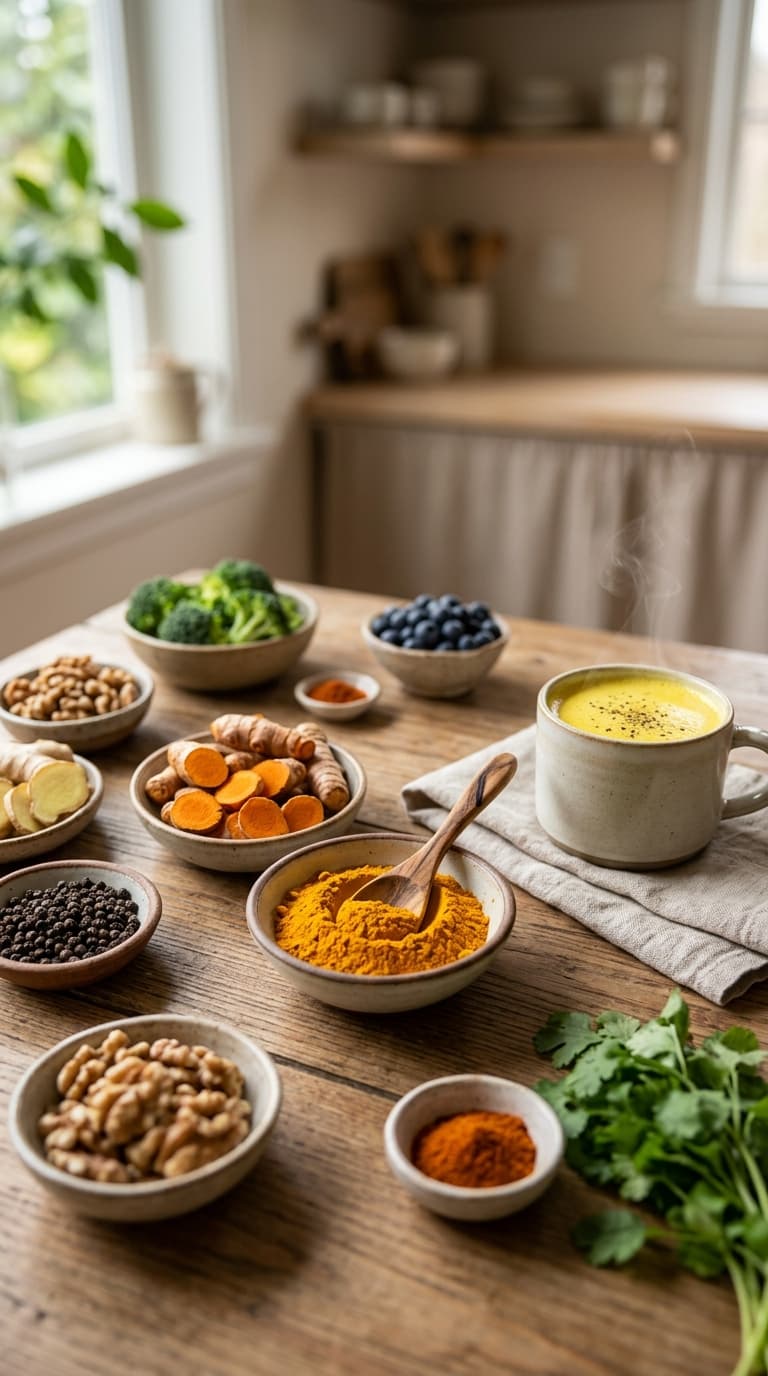
You’ve probably heard someone rave about turmeric like it’s the cure for everything short of a Monday morning. And honestly? They’re not entirely wrong. Curcumin — the active compound in turmeric — is one of the most researched natural anti-inflammatory agents on the planet. But here’s the thing most people miss: turmeric isn’t the only food that delivers it.
Whether you’re dealing with chronic joint pain, post-workout soreness, or just trying to eat smarter, knowing which foods contain curcumin (and how to actually absorb it) can genuinely change the way you feel. Let’s break it all down.
What Is Curcumin, Really?
Before we get to the food list, let’s get one thing straight. Curcumin is a polyphenol — a naturally occurring plant compound found primarily in turmeric root. It’s what gives turmeric that bold, golden-yellow color, and it’s responsible for most of the spice’s celebrated health benefits.
Here’s the slightly annoying catch: curcumin has poor bioavailability on its own. Your body doesn’t absorb it super efficiently unless you pair it with black pepper (which contains piperine) or a healthy fat. More on that in a bit.
Why Does Inflammation Even Matter?
Inflammation isn’t your enemy — at least not in small doses. Acute inflammation is your body’s natural healing response to injury or infection. The real problem is chronic inflammation, which quietly damages tissues, joints, and organs over time.
Chronic inflammation links to conditions like heart disease, diabetes, arthritis, and even depression. So yeah, keeping it in check is kind of a big deal. That’s exactly why curcumin-rich foods deserve a spot on your plate regularly.
The Bioavailability Problem (And How to Solve It)
IMO, this is the most overlooked part of the entire curcumin conversation. You can eat all the turmeric in the world and absorb barely any curcumin if you’re not pairing it correctly.
Here’s what actually helps:
- Black pepper: Piperine boosts curcumin absorption by up to 2,000%
- Healthy fats: Curcumin is fat-soluble, so pairing it with olive oil, coconut oil, or avocado dramatically improves uptake
- Heat: Cooking turmeric slightly increases curcumin’s solubility
So when you’re making a golden latte or a turmeric soup, always crack some black pepper in there. It’s such a small step with a massive payoff.
21 Curcumin Foods You Should Know About
1. Fresh Turmeric Root
This is the mothership. Fresh turmeric root contains the highest concentration of curcumin of any food — typically around 2–5% by weight. You can grate it into smoothies, teas, or stir-fries. It has a slightly earthier, more intense flavor than the powder.
2. Turmeric Powder
The dried, ground version is what most people use daily. It’s incredibly versatile — stir it into soups, curries, rice, eggs, or even your morning coffee. About 1 teaspoon of turmeric powder delivers roughly 200mg of curcumin. Always remember the black pepper trick here.
3. Golden Milk (Turmeric Latte)
Okay, technically this is a preparation rather than a raw food, but it absolutely counts. Golden milk combines turmeric with warm milk, black pepper, and often cinnamon or ginger — making it one of the most bioavailable ways to consume curcumin. If you want to try making your own, these cozy warming drinks are a great starting point for inspiration.
4. Curry Powder
Turmeric is the main event in most curry powder blends. Every time you cook a curry, you’re getting a solid dose of curcumin. Homemade curry powder lets you control the turmeric ratio and skip fillers that commercial blends sometimes sneak in.
5. Mango (Yellow Varieties)
Here’s one that surprises people. Certain yellow-fleshed mangoes contain trace amounts of curcuminoids, though significantly less than turmeric itself. They’re more of a supportive anti-inflammatory food than a direct curcumin source — but paired with turmeric in a smoothie? That’s a power move.
6. Ginger Root
Ginger doesn’t contain curcumin directly, but it works synergistically with it. Gingerols and shogaols in ginger have their own anti-inflammatory properties that complement curcumin beautifully. Together, they’re like the dynamic duo of the spice world. Chai-based recipes that combine both are worth exploring.
7. Turmeric Tea
Straight turmeric steeped in hot water with lemon and honey is one of the simplest ways to get your daily curcumin. Turmeric tea is especially popular as an anti-inflammatory drink and takes all of five minutes to make.
8. Black Pepper
Technically a curcumin enhancer rather than a source, but it earns its spot on this list because without piperine, you’re leaving most of your curcumin on the table (metaphorically speaking). Never skip the pepper.
9. Turmeric Hummus
Blending turmeric into your hummus is a sneaky way to eat more curcumin without even thinking about it. The olive oil in hummus also boosts absorption because curcumin needs fat to do its thing. Win-win.
10. Egg Yolks (Turmeric-Fed Chickens)
Some specialty eggs from pasture-raised or turmeric-fed hens contain measurable curcumin in the yolk. The curcumin transfers from feed to egg, giving you a subtle bonus in your morning scramble. Worth looking for at farmer’s markets.
11. Turmeric Rice
Tossing a teaspoon of turmeric into your rice water is one of the easiest cooking habits you can build. It turns your rice golden, adds a gentle earthy flavor, and delivers a consistent daily dose of curcumin. Pair it with a drizzle of olive oil and black pepper for full absorption.
12. Turmeric Smoothies
Blending fresh or powdered turmeric into a smoothie with coconut milk, banana, and a pinch of pepper is both delicious and genuinely effective. The fat in coconut milk makes this one of the better absorption methods. These breakfast smoothie ideas can inspire some seriously good morning routines.
13. Mustard
Yes, your humble yellow mustard. Turmeric gives mustard its signature yellow color, and many commercial mustard brands contain meaningful amounts of curcumin. Not the most concentrated source, but every little bit adds up.
14. Pickled Turmeric
A popular condiment in South Asian cuisine, pickled turmeric slices offer curcumin in a fermented, gut-friendly form. Fermentation can improve the bioavailability of curcumin while also supporting your digestive microbiome. Double bonus 🙂
15. Turmeric Supplements (Whole Food Form)
Some whole food supplements use actual turmeric powder rather than isolated curcumin extract. These tend to include the full spectrum of curcuminoids plus supporting compounds from the whole root, which may work better than isolated extracts for some people.
16. Bone Broth with Turmeric
Adding turmeric to homemade bone broth creates a potent anti-inflammatory drink that’s also rich in collagen and minerals. The gelatin from the bones may even further enhance nutrient absorption. Sip it like a warm beverage on cold evenings — it’s basically self-care in a mug.
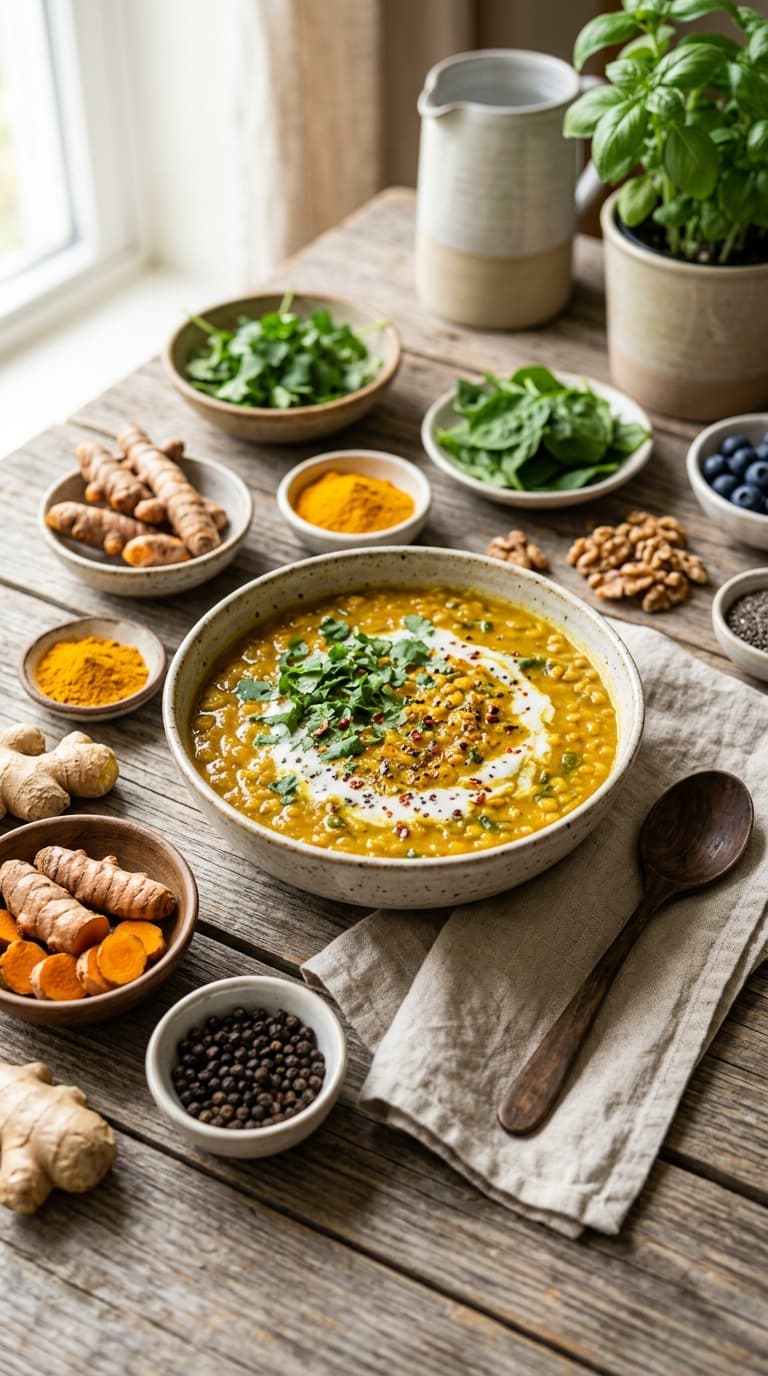
17. Turmeric-Spiced Lentils (Dal)
Dal is one of the great curcumin delivery vehicles in traditional cooking. Lentils cooked with turmeric, black pepper, and a fat like ghee or coconut oil check every single bioavailability box. Cheap, filling, and genuinely good for you — what a concept.
18. Turmeric Salad Dressings
Whisking turmeric into olive oil, lemon juice, and mustard makes a simple anti-inflammatory dressing that works on everything. The olive oil base makes this one of the most absorption-friendly ways to eat curcumin raw. I make a big batch and keep it in the fridge all week.
19. Turmeric Roasted Vegetables
Tossing cauliflower, sweet potato, or chickpeas in turmeric and olive oil before roasting is one of my favorite cooking habits. Roasting concentrates the flavors and the heat improves curcumin solubility. Plus it just tastes incredible.
20. Turmeric Infused Oils
Some artisan producers infuse olive or coconut oil with turmeric, creating a product where curcumin is already dissolved into fat and ready for maximum absorption. This is arguably the smartest delivery format for curcumin short of a supplement. Drizzle it on literally anything.
21. Turmeric Dark Chocolate
Yes, this is real and yes, it’s as good as it sounds. High-cacao dark chocolate with turmeric and black pepper combines the anti-inflammatory compounds of both foods. The fat content in cocoa butter further supports absorption. FYI, this one is absolutely a legitimate excuse to eat chocolate.
How Much Curcumin Do You Actually Need?
Most research on curcumin benefits uses doses between 500mg to 2,000mg per day of curcumin — which translates to roughly 1–3 teaspoons of turmeric powder daily (assuming about 3–5% curcumin content). That’s totally achievable through food if you’re intentional about it.
However, if you’re targeting specific health outcomes like joint inflammation or metabolic support, a whole-food supplement standardized to curcumin content might be worth discussing with your healthcare provider alongside a food-first approach.
Curcumin and Inflammation: The Science Behind It
So why does curcumin actually reduce inflammation? It works through several mechanisms:
- Inhibits NF-kB — a key molecular pathway that drives chronic inflammation
- Reduces pro-inflammatory cytokines like TNF-alpha and interleukin-6
- Acts as a powerful antioxidant, neutralizing free radicals that damage cells
- Supports gut health, which has a direct link to systemic inflammation
The research is genuinely impressive — hundreds of studies support curcumin’s role in reducing markers of inflammation. It’s not hype; it’s biology.
Best Ways to Add Curcumin Foods to Your Daily Routine
You don’t need a complete diet overhaul. Small consistent habits are where the magic happens:
- Add ½ teaspoon of turmeric and a pinch of black pepper to your morning smoothie
- Swap regular tea for an anti-inflammatory herbal blend a few times a week
- Make a weekly batch of turmeric salad dressing
- Season your roasted veggies with turmeric every single time
- Try a turmeric latte in the evening instead of a second coffee — your sleep might actually thank you
The goal is consistency over intensity. A small dose of curcumin every day beats a massive dose once a week.
A Word on Curcumin Supplements vs. Food
Should you supplement or just eat more turmeric? Honestly, both approaches have merit. Food-based curcumin comes packaged with other beneficial compounds from the whole plant, while supplements can deliver precise, higher doses.
If you’re dealing with active inflammation or specific health challenges, supplements standardized to 95% curcuminoids with added piperine or a lipid delivery system may offer faster, more measurable results. But for general wellness and prevention? Getting curcumin through real food is completely viable and honestly more enjoyable.
Pairing Curcumin With Other Anti-Inflammatory Habits
Curcumin works best as part of a broader anti-inflammatory lifestyle. Combining it with detox and cleansing teas and immune-supporting herbal blends creates a layered approach to managing inflammation. Think of curcumin as one player on a solid team — not the entire roster.
Regular movement, quality sleep, stress management, and a diet rich in colorful plants all work together with curcumin to keep chronic inflammation at bay.
Final Thoughts
Curcumin is one of the most well-supported natural anti-inflammatory compounds we know of — and turmeric is just the beginning when it comes to getting it into your diet. From golden milk and dal to turmeric chocolate and infused oils, there are genuinely delicious ways to make this a daily habit.
Start small. Pick two or three items from this list and commit to them this week. Add black pepper every time. Use a fat-based cooking method when you can. Let consistency do the work.
Your joints, your gut, and your future self will probably be pretty grateful you did. 🙂