20 Coffeehouse Drinks You Can Recreate at Home
You know that feeling when your bank account starts side-eyeing you because of your daily coffee shop habit? Yeah, me too. But here’s the thing—most of those fancy drinks you’re shelling out six bucks for aren’t actually that complicated to make at home.
I spent years thinking I needed some barista certification to whip up a decent latte. Turns out, all I really needed was the right knowledge and maybe a milk frother that doesn’t break after two uses. Let me walk you through how to recreate those coffeehouse favorites without the premium price tag or the judgmental looks when you order a drink with five modifications.
The best part about making coffee at home isn’t just the money you save—it’s the freedom to experiment. Want to add an extra shot? Go for it. Prefer oat milk over almond? Nobody’s charging you extra. Feel like making a pumpkin spice latte in July? Your kitchen, your rules.

Why Homemade Coffee Drinks Are Worth the Effort
Before we dive into the recipes, let’s talk about why this matters. I’m not just trying to save you money here—though that’s definitely a bonus. Making coffee at home gives you control over every single ingredient that goes into your cup.
Most coffee shops use syrups loaded with artificial flavors and enough sugar to fuel a small army. When you’re making drinks yourself, you can swap in natural sweeteners, adjust the strength, and even experiment with dairy-free alternatives that actually taste good. Speaking of which, if you’re curious about plant-based options, I’ve had great results using almond milk and oat milk in most recipes—oat milk especially froths like a dream.
According to Harvard Health Publishing, the way you brew your coffee actually impacts its health benefits. Filtered coffee, for instance, contains fewer compounds that can raise cholesterol compared to unfiltered methods like French press. Not that I’m saying ditch your French press—just something to keep in mind if you’re watching your numbers.
Pro Tip: Invest in a decent burr grinder and grind your beans fresh each morning. The difference in flavor is honestly night and day, and you’ll wonder why you waited so long.
Classic Espresso-Based Drinks
1. Cappuccino
Let’s start with the foundation. A proper cappuccino is equal parts espresso, steamed milk, and milk foam. The key here is getting that foam texture right—you want it airy but not dry, creamy but not too wet.
I use a handheld milk frother for this because I’m not ready to commit counter space to a full espresso machine. Heat your milk to about 150°F (not boiling, trust me on this), then froth until you get that velvety microfoam. Pour your espresso first, then add your steamed milk, and top with that gorgeous foam. If you’re feeling ambitious, try your hand at latte art—YouTube is your friend here.
2. Caffe Latte
The latte is basically a cappuccino’s chill cousin. Same espresso base, but you’re using more steamed milk and just a thin layer of foam on top. This is where flavored syrups really shine if that’s your thing.
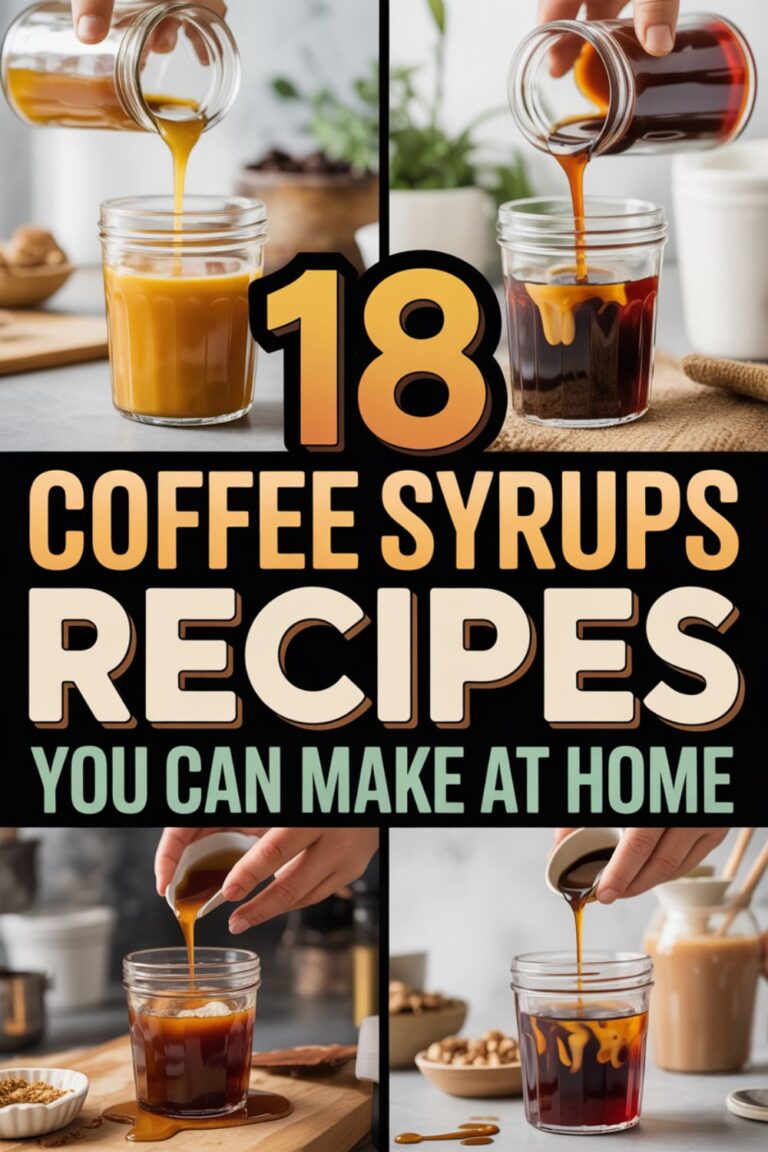
For a healthier twist, skip the store-bought syrups and make your own. Vanilla extract, a touch of maple syrup, and a pinch of cinnamon can create magic. You can check out some creative coffee syrup recipes that’ll blow your mind without the artificial junk.
3. Flat White
Here’s where coffee snobs get particular, but I’ll break it down simply: a flat white is a double shot of espresso with steamed milk and a very thin layer of microfoam. It’s stronger than a latte but smoother than a cappuccino.
The trick is in the milk texture—you want it glossy and integrated, not separated into layers. When I first tried making these, I kept ending up with something that looked more like a sad latte. The game-changer was learning to position the steam wand correctly. A quality milk thermometer helps you nail the temperature every single time.
4. Macchiato
A traditional macchiato is just espresso “marked” with a dollop of foamed milk. It’s strong, it’s bold, and it’s not the giant caramel-drizzled dessert some chains try to pass off as a macchiato.
Pull your shot, add a spoonful of foam on top, and you’re done. Simple, classic, and perfect when you need that coffee hit without diluting it too much.
5. Mocha
Now we’re getting into dessert territory. A mocha combines espresso, steamed milk, and chocolate—usually cocoa powder or chocolate syrup. It’s basically a latte’s fun alter ego.
I prefer using quality cocoa powder and a touch of vanilla extract over those syrupy chocolate sauces. Mix your cocoa with a tiny bit of hot water first to make a paste, then add your espresso and milk. Top with whipped cream if you’re feeling indulgent. For more coffee and dessert combinations, you might love these coffee and dessert pairings.
If you’re building your home coffee setup and want to skip the espresso machine route entirely, I’ve found that these latte recipes without a machine work surprisingly well. You’d be amazed what you can do with a French press and some creativity.
Iced Coffee Variations
6. Classic Iced Coffee
Here’s where most people mess up: they brew regular hot coffee and pour it over ice, then wonder why it tastes watered down and bitter. The secret is brewing your coffee stronger than usual or making coffee ice cubes.
Brew a pot of coffee at double strength, let it cool, then pour it over regular ice. Or better yet, freeze leftover coffee in an ice cube tray. Game changer. I keep a dedicated silicone ice cube tray just for this purpose. For more creative ways to keep your drinks cool without diluting them, check out these unique coffee ice cube ideas.
7. Cold Brew
Cold brew isn’t just iced coffee made cold—it’s a completely different beast. You steep coarse coffee grounds in cold water for 12-24 hours, resulting in a smooth, less acidic concentrate that’s absolutely incredible.
Research shows that cold brew coffee is significantly less acidic than hot-brewed coffee, making it easier on sensitive stomachs. I use a ratio of 1:4 coffee to water for the concentrate, then dilute it with water or milk when I’m ready to drink. A cold brew coffee maker with a built-in filter makes this ridiculously easy, but honestly, a large jar and a fine-mesh strainer work just fine.
Want to take your cold brew game to the next level? Try these cold brew variations that are perfect for warmer months.
Quick Win: Make a big batch of cold brew concentrate on Sunday night and store it in the fridge. You’ll thank yourself all week when you can pour a perfect iced coffee in under 30 seconds.
8. Iced Latte
An iced latte is simply espresso poured over ice and topped with cold milk. The ratio is important here—you want about one part espresso to three parts milk, give or take based on your preference.
I like to use a tall glass so I can see the layers before I stir it all together. There’s something oddly satisfying about watching the espresso swirl through the milk. Add flavored syrups before the milk if you want, or keep it simple with just a splash of vanilla.
9. Iced Americano
This one’s for the purists. Espresso shots over ice, topped with cold water. It’s clean, it’s strong, and it lets the coffee flavor really shine through.
The beauty of an iced Americano is its simplicity. You can adjust the strength by playing with the water-to-espresso ratio. I usually do two shots with about six ounces of water, but you do you.
10. Frappuccino-Style Blended Coffee
Okay, so we’re getting into blended drink territory. These are basically coffee milkshakes, and I’m not going to pretend they’re healthy—but they’re delicious and you can make them for a fraction of what you’d pay at a coffee shop.
Blend ice, cold coffee or espresso, milk, and your sweetener of choice until smooth. A high-powered blender makes all the difference here—you want that slushy consistency without chunks of ice. Top with whipped cream and whatever else your heart desires. Caramel drizzle? Go for it. Chocolate shavings? Why not.
Specialty and Seasonal Drinks
11. Pumpkin Spice Latte
Look, I know pumpkin spice gets a bad rap, but there’s a reason it’s popular. The good news is you can make a version that doesn’t taste like artificial pumpkin and actually contains real spices.
Mix cinnamon, nutmeg, ginger, and cloves with your espresso, add steamed milk, and a touch of real pumpkin puree if you want authenticity. Sweeten with maple syrup instead of sugar for depth. Make this in the fall and feel superior to everyone still paying seven dollars for theirs. For more seasonal inspiration, browse through these cozy fall morning coffee recipes.
12. Chai Latte
Technically this isn’t coffee, but it deserves a spot because it’s a coffeehouse staple and stupid easy to make at home. Brew strong black tea with warming spices—cardamom, cinnamon, ginger, cloves—and mix with steamed milk and honey.
I keep a jar of homemade chai concentrate in my fridge that I can mix with hot milk whenever the mood strikes. A tea infuser makes the brewing process cleaner, but you can absolutely just strain it through a fine-mesh sieve.
Speaking of homemade drinks, you’ll find some amazing easy homemade coffee recipes that go beyond the basics and really let you flex your creativity. Get Full Recipe for step-by-step instructions.
13. Caramel Macchiato
The upside-down cousin of the regular macchiato. Pour vanilla-flavored steamed milk over ice or into a cup, add your espresso shots, then drizzle with caramel sauce. The espresso creates beautiful layers if you pour it slowly.
Store-bought caramel sauce works fine, but if you want to impress yourself, make your own by carefully melting sugar until it’s amber, then whisking in cream. Just be careful—hot sugar is no joke. I learned that lesson the hard way.
14. Honey Lavender Latte
This one sounds fancy but it’s actually ridiculously simple. Steep dried lavender in hot milk for a few minutes, strain it out, froth the milk, and pour over espresso sweetened with honey.
The key is not going overboard with the lavender—you want a subtle floral note, not something that tastes like your grandmother’s soap drawer. A culinary lavender sachet makes the steeping process easier and prevents any stray flowers from ending up in your drink.
15. Affogato
This is technically a dessert but I’m including it because it’s brilliant and simple. Scoop vanilla ice cream into a cup, pour a shot of hot espresso over it. That’s it. That’s the whole recipe.
The hot espresso melts the ice cream slightly, creating this incredible coffee-cream hybrid that hits all the right notes. Have it after dinner or whenever you need proof that life is worth living.
Kitchen Tools That Make Coffee Magic Happen
Look, I’m not about to tell you that you need a thousand-dollar espresso machine. But a few well-chosen tools can seriously upgrade your home coffee game. Here’s what I actually use and recommend:
Physical Products:
- Burr Coffee Grinder – Honestly changed my whole coffee experience. Consistent grind size matters more than you think.
- Electric Milk Frother – Way better than the handheld ones I started with. Creates actual microfoam that looks professional.
- Pour Over Coffee Maker Set – If you’re only buying one thing, make it this. Simple, foolproof, and makes incredible coffee.
Digital Resources:
- Coffee Brewing Masterclass – Online course that finally taught me how to dial in my espresso shots properly.
- Latte Art Video Tutorial Bundle – Because making pretty foam hearts is oddly satisfying once you get the hang of it.
- Flavor Pairing Guide eBook – Helps you understand which flavors work together so you can create your own signature drinks.
Creative Coffee Smoothies and Shakes
16. Coffee Protein Smoothie
This is breakfast and coffee combined, which is basically the dream, right? Blend cold brew or espresso with a frozen banana, protein powder, and your milk of choice. Add a handful of ice if you want it thicker.
The banana adds natural sweetness and creates a creamy texture without needing actual ice cream. I throw in a tablespoon of almond butter sometimes for healthy fats and extra protein. Keeps me full until lunch and tastes like a coffee milkshake. Win-win. You can find tons of variations in these coffee smoothie recipes.
17. Mocha Banana Shake
Similar to the protein smoothie but leaning harder into dessert territory. Blend coffee, frozen banana, cocoa powder, a splash of vanilla, and milk. The result tastes shockingly similar to a chocolate milkshake but with caffeine.
If you’re feeling extra, add a scoop of chocolate protein powder and pretend it’s a health food. I won’t tell.
18. Vietnamese Iced Coffee
Strong coffee dripped through a traditional Vietnamese coffee filter over sweetened condensed milk and ice. The result is sweet, rich, and absolutely addictive.
You can approximate this without the special filter by using strong French press coffee. Pour it over a few tablespoons of sweetened condensed milk and ice, stir, and prepare to understand why this is a staple in Vietnamese coffee culture. A Vietnamese coffee filter set is pretty cheap though, and honestly worth it if you make this regularly.
Low-Calorie and Health-Conscious Options
19. Skinny Vanilla Latte
All the flavor, fewer calories. Make a regular latte but use skim milk or unsweetened almond milk, and swap the vanilla syrup for vanilla extract and a touch of stevia or monk fruit sweetener.
The trick is not expecting it to taste exactly like the full-fat, full-sugar version. It won’t. But it’s still delicious in its own right and won’t derail your diet. For more ideas along these lines, check out these coffee drinks under 100 calories.
20. Bulletproof Coffee
Love it or hate it, bulletproof coffee has its fans. The concept is simple: blend coffee with grass-fed butter and MCT oil or coconut oil until it’s frothy. It’s supposed to give you sustained energy and mental clarity.
I was skeptical at first because, honestly, butter in coffee sounds weird. But if you’re doing keto or just want a filling morning drink, it’s worth trying. The immersion blender is key here—you need to emulsify everything properly or you’ll just have greasy coffee, which is as unappealing as it sounds.
Research from Bulletproof suggests that the brewing method and quality of beans significantly impact coffee’s health benefits, particularly the antioxidant and polyphenol content.
Pro Tip: If you’re watching your calorie intake but miss creamy coffee drinks, try using a milk frother on unsweetened almond or oat milk. The froth adds volume and makes it feel more indulgent without adding calories.
Want more healthy options without sacrificing flavor? These healthy coffee recipes with nut milks might be exactly what you’re looking for. Also, if you’re trying to boost your metabolism naturally, there are some metabolism-boosting coffee recipes worth exploring.
Tips for Perfecting Your Home Coffee Game
After making countless coffee drinks at home, I’ve picked up a few things that consistently make a difference. First, water quality matters more than you think. If your tap water tastes off, your coffee will too. I use filtered water and it makes a noticeable difference.
Second, don’t underestimate the importance of cleaning your equipment. Coffee oils build up fast and can make even the best beans taste rancid. Rinse your French press or espresso machine after every use, and do a deep clean weekly. A coffee equipment cleaning kit with the right brushes and cleaners makes this way less annoying.
Third, experiment with ratios. The standard recipes are just starting points. If you like your coffee stronger, use more grounds. If you prefer it sweeter, add more sweetener. The whole point of making coffee at home is customization, so don’t be afraid to adjust things to your taste.
Finally, batch prep when you can. Make simple syrup in bulk, brew extra cold brew concentrate, freeze coffee in ice cube trays. Future you will be grateful when you can make a complicated drink in five minutes on a busy morning. These quick 5-minute coffee drinks are perfect for those rushed mornings.
Understanding Coffee Bean Selection
Here’s something I wish someone had told me earlier: the beans you choose dramatically affect your final drink. Arabica beans tend to be smoother and slightly sweet, while Robusta beans pack more caffeine and have a stronger, more bitter flavor.
Roast level matters too. Light roasts retain more of the bean’s original flavor and have higher acidity. Medium roasts are balanced and versatile. Dark roasts are bold and often have chocolate or nutty notes, but they’ve lost some of the bean’s original character.
For espresso-based drinks, I generally prefer medium to dark roasts because they hold up well to milk. For pour-over or drip coffee, a light to medium roast lets you appreciate the bean’s unique characteristics. And please, buy whole beans and grind them yourself. Pre-ground coffee starts losing flavor within 15 minutes of grinding.
Making Your Own Flavored Syrups
Store-bought syrups are convenient, but they’re also loaded with artificial flavors and way too much sugar. Making your own is stupidly simple and lets you control exactly what goes in.
The basic ratio is 1:1 sugar to water. Heat them together until the sugar dissolves, add your flavoring (vanilla extract, cinnamon sticks, lavender, whatever), simmer for a few minutes, then strain and store in the fridge. These keep for about a month.
I keep vanilla, caramel, and seasonal flavors on rotation. A glass bottle set with pour spouts makes storage and pouring easy. You’ll find detailed instructions in these creative coffee syrup recipes that cover everything from basics to wild flavor combinations.
The Importance of Milk Temperature and Technique
Getting your milk right is honestly half the battle with espresso drinks. You want it heated to between 140-160°F. Any hotter and you’re scalding it, which breaks down the proteins and makes it taste burnt. Any cooler and it won’t integrate properly with the espresso.
When frothing, start with the steam wand just below the surface to incorporate air, then lower it deeper to create that velvety microfoam texture. The milk should be glossy and pour smoothly, not in separate layers of liquid and foam.
Different milks froth differently. Whole milk gives the creamiest results. Oat milk froths remarkably well and is my go-to dairy alternative. Almond milk can be tricky—look for barista-blend versions that are formulated to froth better.
Frequently Asked Questions
Do I really need an espresso machine to make coffeehouse drinks at home?
Nope. While an espresso machine is nice to have, you can make incredibly good coffee drinks with simpler equipment. A Moka pot creates strong coffee that works well in place of espresso, and a French press can make concentrated coffee for lattes and other milk-based drinks. I made drinks for months with just a French press and a milk frother before upgrading.
How do I make my coffee less bitter?
Bitterness usually comes from over-extraction, which happens when your grind is too fine, your water is too hot, or you’re brewing too long. Try coarsening your grind slightly, making sure your water is between 195-205°F (not boiling), and reducing brew time. Also, lighter roast beans tend to be less bitter than dark roasts. Some people find that adding a pinch of salt reduces perceived bitterness too—sounds weird but it actually works.
What’s the difference between cold brew and iced coffee?
Iced coffee is regular hot-brewed coffee that’s cooled and poured over ice. Cold brew is made by steeping coarsely ground coffee in cold water for 12-24 hours, creating a concentrate that’s naturally smoother and less acidic. Cold brew has a completely different flavor profile—less bright and acidic, more chocolatey and smooth. It’s also more forgiving if you accidentally leave it brewing too long.
Can I use regular coffee instead of espresso in latte recipes?
Absolutely. Just brew your coffee stronger than usual—double the amount of grounds you’d normally use. The flavor won’t be identical to an espresso-based latte, but it’ll still be delicious. French press works particularly well for this because you can control the strength easily. I actually prefer this method for iced lattes since I make cold brew concentrate anyway.
How long do homemade coffee syrups last?
Stored in a clean glass bottle in the refrigerator, homemade simple syrups will last about a month. The sugar acts as a preservative, but since there are no artificial preservatives like store-bought versions, they won’t keep forever. If you notice any cloudiness, off smells, or mold, toss it and make a fresh batch. I date mine with masking tape so I know when to use them by.
Final Thoughts
Making coffeehouse drinks at home isn’t about achieving perfection or replicating exactly what you get at your local cafe. It’s about having the freedom to experiment, customize, and enjoy good coffee without the premium price tag or the commute.
Start with one or two drinks from this list that appeal to you. Master those, then branch out. You’ll find your favorites, develop your own techniques, and probably create a few signature drinks along the way. The best part is that even your “mistakes” will likely still be drinkable—and way cheaper than buying them out.
Your kitchen doesn’t need to look like a professional coffee shop, and you don’t need barista certification. You just need decent beans, some basic equipment, and the willingness to experiment. The rest is just practice and preference.
For breakfast pairings that complement your coffee perfectly, don’t miss these best coffee pairings with breakfast foods. And if you’re building out a complete home coffee setup, these coffee bar essentials will help you create a space you’ll actually want to use every morning.
Now go make yourself something delicious. Your wallet and your taste buds will thank you.