
10 Must-Try Cold Brew Coffee Variations for Summer
Hot coffee in July feels like punishment. You’re already sweating through your shirt by 9 AM, and somebody expects you to drink a steaming mug of caffeine? That’s when cold brew becomes non-negotiable survival equipment. But here’s what took me way too long to figure out: plain cold brew gets boring fast when you’re drinking it daily for three straight months of summer heat.
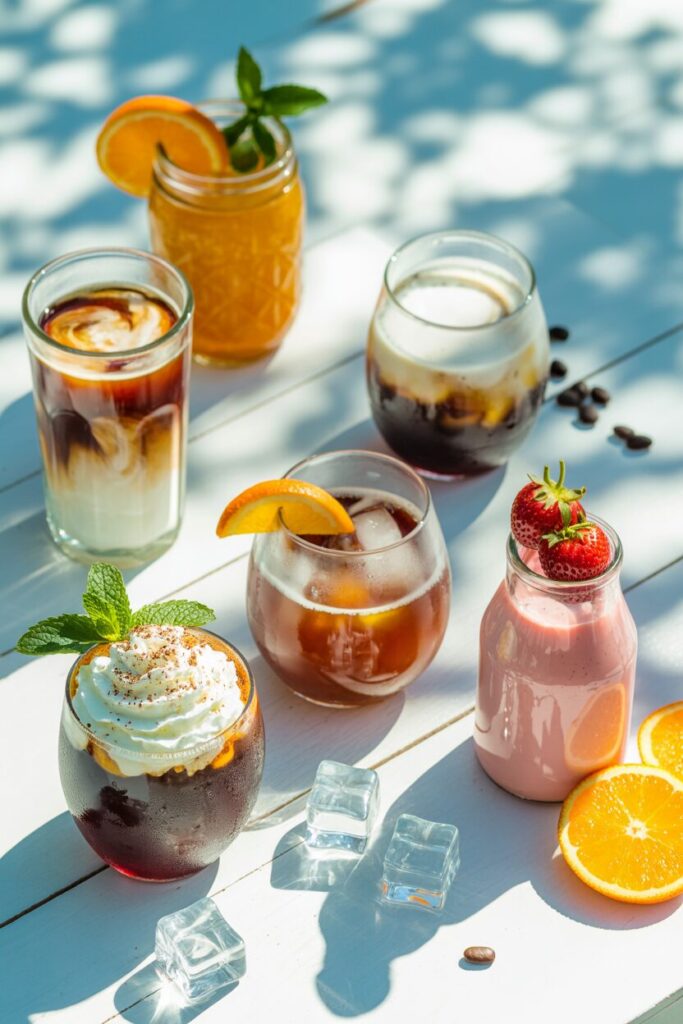
These 10 variations transformed cold brew from functional caffeine delivery into something I actually look forward to making. Some are creamy and indulgent, others are bright and refreshing, and a few are just weird enough to be interesting. The beauty of cold brew is that its smooth, low-acid base works with almost any flavor you throw at it—sweet, spicy, fruity, herbal, whatever.
The best part? Cold brew concentrate sits in your fridge for two weeks, meaning you’re always ten seconds away from an excellent iced coffee. Make a batch on Sunday, experiment with different variations throughout the week, and never again suffer through lukewarm coffee or pay seven dollars for ice with a splash of coffee at a shop. Summer drinking just got significantly better.
Why Cold Brew Beats Regular Iced Coffee
Let’s clear something up before we get into recipes: cold brew and iced coffee are completely different animals. Iced coffee is just hot coffee poured over ice—which means it gets watery as ice melts and often tastes bitter or sour from the hot extraction process. Cold brew is coffee grounds steeped in cold water for 12-24 hours, creating concentrated, smooth coffee with 67% less acidity than hot-brewed coffee.
The low acidity matters more than you’d think. Cold brew doesn’t create that acidic bite or stomach discomfort that hot coffee sometimes causes. It tastes naturally sweeter, smoother, and more chocolatey without any bitterness. This makes it the perfect base for variations because you’re not fighting against harsh flavors—you’re enhancing naturally pleasant ones.
Cold brew concentrate also lasts forever in the fridge. I make a batch every Sunday using my cold brew maker with built-in filter, and it stays fresh for two full weeks. That’s 14 days of instant coffee gratification with zero morning prep time beyond mixing concentrate with water or milk. According to research on cold brew from Healthline, this brewing method also preserves more antioxidants and beneficial compounds than hot brewing.
The concentrate system is genius for summer drinking. Keep it strong in the fridge, then dilute it however you want—1:1 with water for strong coffee, 1:2 for medium, 1:3 with milk for creamy drinks. Each variation in this article starts with the same cold brew base, which means you can try all ten without making ten different batches of coffee.
Making Perfect Cold Brew Concentrate
Before we jump into variations, you need excellent cold brew to start with. The basic ratio is simple: one part coarsely ground coffee to four parts cold filtered water. This creates concentrate that you’ll dilute later—never drink concentrate straight unless you want your heart to explode.
The Basic Method
Use coarse-ground coffee—the texture should look like coarse sea salt, not fine powder. Too fine and you get bitter, muddy coffee. I grind beans fresh using a burr grinder set to coarse, but pre-ground coarse works fine if you buy from somewhere with decent turnover.
Combine coffee and cold water in any container—I use a large glass pitcher with lid because I can see what’s happening. Stir well to ensure all grounds get wet, then cover and refrigerate for 12-18 hours. Longer brewing extracts more flavor but can introduce bitterness after 24 hours. I aim for 16 hours as the sweet spot.
Strain through a fine-mesh filter or coffee filter in a pour-over setup. This removes all grounds and sediment, leaving clear, smooth concentrate. Store in the fridge in a sealed container for up to two weeks. The concentrate should be dark, rich, and smell intensely of coffee without any sour notes.
Coffee Bean Selection Matters
Medium to dark roasts work best for cold brew. Light roasts often taste thin and overly acidic when cold-brewed—they’re designed for hot extraction. I prefer medium roasts with chocolate and caramel notes, which become even more pronounced through cold brewing. Single-origin beans from Central or South America typically create smooth, sweet cold brew with minimal bitterness.
Buy whole beans and grind them yourself if possible. Pre-ground coffee loses flavor quickly, and cold brew requires a lot of coffee—you’ll taste the difference between fresh-ground and stale pre-ground. It’s one of those upgrades that seems minor but significantly impacts the final result.
1. Vanilla Sweet Cream Cold Brew
This is the gold standard cold brew variation—the one that convinced coffee shops to put cold brew on permanent menus. Make vanilla sweet cream by mixing heavy cream, whole milk, vanilla extract, and a touch of sugar until combined. The ratio I use is two parts cream to one part milk with a tablespoon of sugar and half a teaspoon of vanilla per cup of sweet cream.
Pour cold brew concentrate over ice, dilute with a splash of water to desired strength, then add vanilla sweet cream. Watch it cascade through the coffee like a delicious science experiment. The cream should swirl and gradually mix, creating this mesmerizing pattern before eventually integrating completely. Get Full Recipe.
The vanilla sweet cream balances cold brew’s natural intensity while adding richness without heaviness. It’s indulgent without being a dessert drink, which is perfect for summer mornings when you want something satisfying but not overwhelming. I make sweet cream in batches and keep it refrigerated for up to a week, which makes morning assembly literally ten seconds.
2. Coconut Cold Brew
Replace water with coconut water when diluting your concentrate, then add a splash of coconut milk or cream. The coconut water adds subtle sweetness and electrolytes—yes, your morning coffee now hydrates you, which feels like cheating but works. Top with coconut cream for extra richness.
This variation tastes tropical without being overwhelmingly coconutty. The coconut notes complement coffee’s natural chocolate flavors rather than competing with them. It’s refreshing, slightly sweet, and somehow makes you feel like you’re on vacation even if you’re just sitting at your kitchen counter. Add a pinch of cinnamon or cardamom for extra complexity.
For more tropical-inspired recipes, you might enjoy these coconut smoothie bowls or these tropical breakfast ideas that use similar island-inspired flavors.
3. Salted Caramel Cold Brew
Make salted caramel sauce by cooking sugar until it caramelizes, adding heavy cream and butter, then finishing with sea salt. Or buy quality caramel sauce and add salt yourself—I’m not judging shortcuts. Drizzle caramel around the inside of your glass before adding ice, then pour in diluted cold brew and milk.
The salt is crucial here—it cuts through caramel’s sweetness and enhances both the caramel and coffee flavors. Without salt, this is just a sweet drink. With salt, it’s a complex, layered experience where each sip tastes slightly different as the caramel distributes. Top with whipped cream and extra caramel drizzle if you’re feeling fancy.
This is definitely a dessert coffee, not a functional morning drink. I save it for afternoon treats when I want something indulgent. The sweetness level is high, but that’s the point—sometimes you want your coffee to feel like a reward rather than just caffeine. Get Full Recipe.
4. Orange Vanilla Cold Brew
This sounds weird until you try it, then you can’t stop making it. Add a teaspoon of vanilla extract and the zest of half an orange to your cold brew. The orange doesn’t make it taste like orange juice coffee—it adds bright citrus notes that wake up your palate while vanilla rounds everything out.
I make orange vanilla syrup by simmering orange peel with vanilla bean and sugar, then straining. Add a tablespoon to diluted cold brew with a splash of cream. The combination creates something that tastes like a creamsicle but is definitely still coffee. It’s refreshing, slightly sweet, and works particularly well on brutally hot mornings when regular coffee feels too heavy.
Garnish with an orange slice if you’re serving to other people and want to look impressive. The visual appeal makes this feel special even though it takes two minutes to assemble. Pro tip: use a citrus zester instead of a regular grater for finer orange zest that disperses better.
5. Maple Cinnamon Cold Brew
Real maple syrup and cold brew are natural partners—both have complex, slightly sweet flavors that enhance each other. Add two tablespoons of grade A dark maple syrup to your diluted cold brew, then dust with cinnamon. The maple’s caramel notes complement coffee’s natural sweetness while cinnamon adds warming spice that’s somehow still refreshing when cold.
This variation tastes cozy despite being iced, which is perfect for summer mornings that start cool. I sometimes add a splash of oat milk, which brings its own subtle sweetness and creates amazing texture. The whole thing tastes like breakfast in a glass—satisfying, comforting, and energizing without heaviness.
Make cinnamon maple syrup in advance by gently heating maple syrup with cinnamon sticks for ten minutes, then removing the sticks. The infused syrup stores indefinitely in the fridge and intensifies the cinnamon flavor without leaving sediment in your drink. One batch lasts me about two weeks of daily maple cinnamon cold brews.
6. Mint Chocolate Cold Brew
Mix chocolate syrup or cocoa powder with your cold brew concentrate before diluting—this prevents clumping and ensures even chocolate distribution. Add crushed fresh mint leaves or peppermint extract, then dilute with milk instead of water. Top with whipped cream and chocolate shavings if you’re going full dessert mode.
The mint should be subtle enough to refresh without overpowering the chocolate and coffee. I use about five fresh mint leaves muddled in the bottom of the glass, which releases just enough mint oil. Too much and you’re drinking toothpaste-flavored coffee, which is as terrible as it sounds. Get Full Recipe.
This tastes like a liquid mint chocolate chip ice cream, which some mornings is exactly what you need. It’s definitely on the indulgent end of the spectrum, but summer is for enjoying things, not restricting yourself to functional beverages only. I make this on weekends when I have time to appreciate it rather than rushing out the door.
If you’re into chocolate-mint combinations, these healthy chocolate smoothies and mint protein shakes use similar flavor profiles for different situations.
7. Honey Lavender Cold Brew
Infuse honey with dried culinary lavender by warming them gently together, then straining. Add a tablespoon of lavender honey to diluted cold brew with a splash of cream. The lavender adds floral complexity without being overwhelming—when done right, it’s sophisticated and interesting. When done wrong, it tastes like perfume.
Start with less lavender than you think you need. You can always add more, but you can’t remove floral overload. I use about a tablespoon of dried lavender per cup of honey, let it infuse for 30 minutes over low heat, then strain immediately. This creates subtle lavender presence that enhances rather than dominates.
Honey lavender cold brew feels fancy despite being simple to make. It’s the kind of drink you serve when friends come over and you want them to think you’re a sophisticated coffee person. The reality is that it takes maybe three minutes to assemble, but they don’t need to know that.
8. Toasted Coconut Cold Brew
Toast shredded coconut in a dry pan until golden and fragrant—this intensifies the coconut flavor and adds nutty complexity. Steep the toasted coconut in your cold brew concentrate for an hour, then strain. Dilute with coconut milk and add a touch of vanilla.
The toasted coconut creates depth that regular coconut milk lacks. It’s nuttier, richer, more complex. The vanilla ties everything together and enhances the coconut’s natural sweetness. This is IMO the superior coconut cold brew method because toasting transforms coconut from one-dimensional tropical flavor to something more sophisticated.
I keep toasted coconut in a sealed glass jar in the pantry and add it to various drinks throughout summer. It stays good for weeks and eliminates the need to toast coconut every time you want this drink. Batch preparation makes experimentation sustainable rather than exhausting.
9. Strawberry Basil Cold Brew
Muddle fresh strawberries with basil leaves and a touch of simple syrup. Strain to remove solids, keeping only the flavored syrup. Add this to diluted cold brew over ice. The strawberry provides fruity sweetness while basil adds herbal notes that prevent it from tasting like a fruit smoothie with coffee in it.
This variation is refreshing in a way that most coffee drinks aren’t. The strawberry doesn’t overpower the coffee—instead, it creates this interesting interplay between fruit, herb, and roasted coffee flavors. It’s bright, complex, and perfect for those mornings when regular coffee feels too heavy or boring.
Use ripe strawberries for best results—underripe ones taste sour and require more added sugar to balance. I make strawberry basil syrup in batches during peak strawberry season and freeze it in ice cube trays for use throughout summer. Pop two cubes into your cold brew and you’re done.
10. Spiced Cardamom Cold Brew
Crush green cardamom pods and add them to your coffee grounds before brewing—this infuses the cold brew with intense cardamom flavor during the extraction process. Alternatively, make cardamom syrup by simmering crushed cardamom with sugar and water. Dilute your cardamom-infused cold brew with milk and add a pinch of cinnamon.
Cardamom and coffee are traditional partners in Middle Eastern and Scandinavian coffee cultures for good reason—the spice’s citrusy, floral notes enhance coffee’s natural complexity. The combination is aromatic, slightly exotic, and genuinely delicious. It’s the kind of flavor that makes people ask what you’re drinking because it smells amazing.
This variation skews toward aromatic rather than sweet, which I appreciate when I want coffee that’s interesting without being dessert-like. The cardamom provides all the flavor complexity you need without requiring additional sweeteners, though a small amount of honey or maple syrup works well if you prefer slightly sweet drinks.
Pro Tips for Summer Cold Brew Success
After a few summers of obsessive cold brew experimentation, I’ve learned some tricks that significantly improve results. These aren’t revolutionary, but they make the difference between good cold brew and excellent cold brew.
Use Coffee Ice Cubes
Freeze leftover cold brew in ice cube trays. Regular ice cubes dilute your drink as they melt, turning carefully crafted coffee into watery disappointment. Coffee ice cubes melt into more coffee, maintaining strength and flavor from first sip to last. This is especially crucial for slow drinkers or if you’re making drinks to consume over time.
Temperature Matters for Extraction
Cold brew at refrigerator temperature, not room temperature. Room temperature brewing extracts faster but can develop off flavors and bitter notes. Fridge temperature takes longer but creates smoother, sweeter coffee. The patience pays off in cleaner, more balanced results.
Water Quality Impacts Flavor
Use filtered water for brewing. Tap water’s chlorine and mineral content affect coffee flavor more than you’d think. I use a water filter pitcher specifically for coffee brewing, and the difference is noticeable. Cold brew is mostly water, so water quality matters significantly.
Ratios Are Guidelines, Not Rules
The standard 1:4 coffee-to-water ratio creates strong concentrate, but adjust based on your beans and preferences. Some coffees are more intense and need 1:5 dilution; others are milder and work better at 1:3. Experiment with your specific beans and find what tastes right to you. Coffee brewing is subjective—the “right” ratio is whatever you prefer.
Storage Extends Freshness
Store cold brew concentrate in airtight containers. Exposure to air oxidizes coffee and degrades flavor. I use glass bottles with rubber seal lids that keep concentrate fresh for the full two weeks. Never store in containers that previously held other beverages—coffee absorbs flavors and odors easily.
Troubleshooting Common Cold Brew Problems
Even simple processes go wrong sometimes. Here’s how to fix the most common cold brew issues based on my own caffeinated failures.
Too Bitter or Harsh
You’ve over-extracted. Either your grind is too fine, brewing time is too long, or both. Coarsen your grind and reduce brewing time to 12-14 hours. Cold brew should taste smooth and sweet, never harsh or bitter. If it tastes like regular hot coffee served cold, something went wrong.
Too Weak or Watery
Increase your coffee-to-water ratio or brew longer. Weak cold brew usually means insufficient extraction—not enough time or not enough coffee. Try 1:3.5 ratio instead of 1:4, or extend brewing to 18-20 hours. Remember that you can always dilute strong coffee, but you can’t strengthen weak coffee.
Sour or Acidic
Your beans might be too light-roasted for cold brew, or your water is too cold. Room temperature brewing (which I don’t recommend generally) can sometimes fix sour cold brew if you’re stuck with light-roast beans. Better solution: switch to medium or dark roasts designed for cold brewing.
Sediment in Final Product
Strain more thoroughly. Run your cold brew through a coffee filter after the initial straining to catch fine particles. Some sediment is normal, but if your coffee looks muddy, you need better filtration. Double-straining eliminates nearly all sediment.
Making Cold Brew a Summer Staple
The financial argument for making cold brew at home is compelling. Coffee shops charge five to seven dollars for cold brew drinks. Making it at home costs maybe seventy-five cents per serving—fifty cents for coffee, twenty-five cents for milk and flavorings. If you buy cold brew daily during a three-month summer, you’re spending roughly $600. Making it at home drops that to under $70.
Beyond money, cold brew at home means variety. Coffee shops offer maybe three cold brew variations. At home, you can try all ten recipes in this article plus infinite other combinations. You’re not limited to what’s on a menu—you experiment freely based on what sounds good that particular morning.
The convenience factor matters too. FYI, having cold brew concentrate ready in your fridge means excellent coffee drinks in thirty seconds flat. That’s faster than driving to a coffee shop, definitely faster than waiting in line, and way faster than brewing hot coffee and waiting for it to cool. Summer mornings are about minimizing heat and effort—cold brew delivers both.
Start by making basic cold brew concentrate this weekend. Try the vanilla sweet cream variation first since it’s most universally appealing. Once you’re comfortable with the process, branch out into more adventurous flavors. By mid-summer, you’ll have a rotation of favorite variations that make waking up actually enjoyable despite the heat.
Final Thoughts
Cold brew transforms summer coffee drinking from a sweaty, uncomfortable necessity into something genuinely enjoyable. These 10 variations prove that cold coffee doesn’t have to be boring or one-dimensional—it can be as interesting and complex as any hot coffee drink while being infinitely more refreshing when temperatures climb.
The beauty of cold brew variations is their flexibility. Start with the same base concentrate, then customize based on your mood, dietary preferences, or whatever ingredients you have available. Feeling indulgent? Make the salted caramel version. Want something light? Try the orange vanilla. Need functional caffeine? Stick with classic cold brew. The concentrate accommodates everything.
Make a batch of cold brew concentrate this weekend and experiment with at least three variations before summer ends. You’ll discover which flavors resonate with you, develop preferences you didn’t know you had, and probably save enough money to justify buying that fancy coffee gadget you’ve been eyeing. Most importantly, you’ll have excellent cold coffee ready whenever heat makes the idea of hot coffee physically impossible to contemplate. That’s what summer coffee should be—effortless, refreshing, and something you actually want to drink rather than something you endure for the caffeine.