
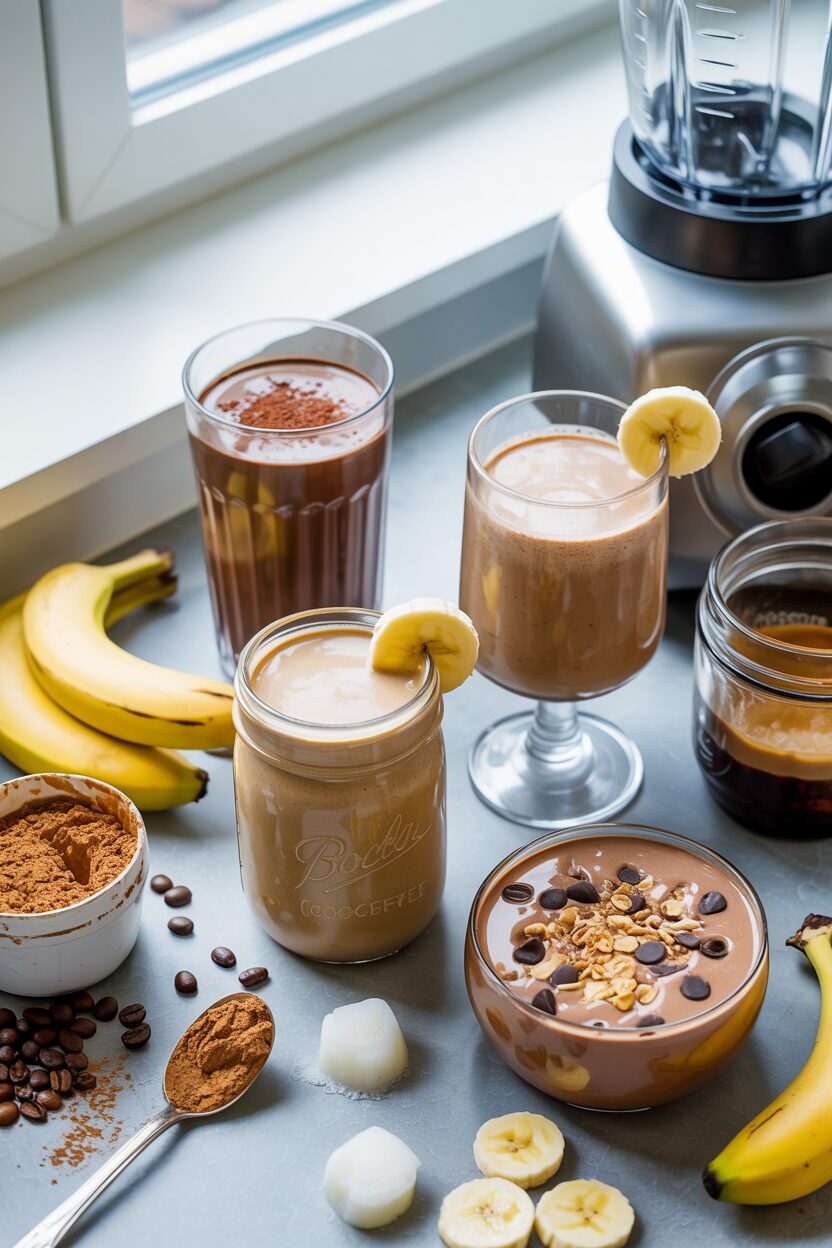
18 Delicious Coffee Smoothies for Breakfast or Energy Boost
Here’s the problem with choosing between coffee and breakfast: you need both, but mornings are chaos and something always gets sacrificed. I spent years grabbing coffee and skipping actual food, then wondering why I crashed by 10 AM. Turns out, blending them together into coffee smoothies solves everything—you get caffeine, nutrition, and sustenance in a single cup you can drink while doing literally anything else.
Coffee smoothies aren’t just coffee-flavored milkshakes pretending to be healthy. Done right, they’re legitimate meals packed with protein, healthy fats, fiber, and actual nutrients alongside your caffeine fix. They taste like dessert but fuel you like a proper breakfast, which feels like cheating the system but absolutely works.
These 18 recipes range from simple three-ingredient combinations to more complex flavor profiles that’ll make you forget you’re drinking something nutritious. Some are creamy and indulgent, others are light and refreshing, and a few are just caffeinated enough to make 6 AM feel survivable. The best part? Most take under five minutes to make, which means you can actually drink them before your coffee gets cold.
Why Coffee Smoothies Beat Regular Breakfast
Let’s address the obvious question: why blend your coffee into breakfast instead of just drinking coffee with breakfast? Because combining them creates something more convenient, more nutritious, and frankly more satisfying than either component alone.
Regular breakfast takes time—cooking eggs, toasting bread, sitting down to eat. Coffee smoothies take two minutes to blend and you can drink them anywhere. This matters on rushed mornings when you’d otherwise skip meals entirely. A smoothie you actually consume beats a perfect breakfast you don’t have time to eat.
The nutritional profile is legitimately impressive when done right. Add protein powder, nut butter, oats, or Greek yogurt and you’ve got 20-30 grams of protein. Throw in banana, berries, or spinach for vitamins and fiber. The coffee provides antioxidants and caffeine. According to research on protein smoothies from Healthline, well-balanced smoothies can support sustained energy levels and satiety better than many traditional breakfast options.
Coffee smoothies also solve the temperature problem—hot coffee in summer feels miserable, but iced coffee alone doesn’t satisfy hunger. Blending cold coffee with frozen fruit and protein creates something refreshing that actually fills you up. It’s the perfect compromise between morning caffeine needs and actual nutritional requirements.
Essential Ingredients and Equipment
Making excellent coffee smoothies requires minimal equipment but specific ingredients. You can’t fake a good smoothie with bad tools or subpar components—I’ve tried, and the results are disappointing at best.
The Blender Situation
You need a powerful blender. Regular blenders leave chunks of ice and don’t fully incorporate frozen fruit, creating grainy texture that ruins the whole experience. I use a high-speed blender that pulverizes everything into silk in thirty seconds. It’s expensive but worth every penny if you’re making smoothies regularly.
If you’re not ready for that investment, a mid-range blender with at least 1000 watts works adequately. Just blend longer and add liquid gradually to help everything incorporate. The texture won’t be quite as smooth, but it’ll be drinkable.
Coffee Prep Options
Use cooled brewed coffee, cold brew concentrate, or instant espresso powder. Each creates slightly different flavor profiles. Brewed coffee offers familiar taste, cold brew adds smoothness with less acidity, and instant espresso provides concentrated coffee flavor without adding much liquid. I keep all three options available and choose based on the specific recipe.
Never add hot coffee to smoothies—it melts frozen ingredients and creates warm, thin drinks instead of thick, frosty ones. Brew your coffee the night before and refrigerate it, or keep cold brew concentrate in the fridge for instant smoothie assembly. Planning ahead makes morning execution effortless.
The Protein Question
Protein powder transforms coffee smoothies from snacks into meals. Whey protein blends smoothly and tastes neutral to slightly sweet. Plant-based proteins work well too—pea protein, hemp protein, or brown rice protein all blend successfully. I rotate between vanilla whey and chocolate plant protein depending on the recipe.
Greek yogurt adds protein without powder if you prefer whole food options. It creates thicker texture and adds tang that balances coffee’s bitterness. Nut butters also boost protein while adding healthy fats and rich flavor. The combination of protein sources creates more complete nutrition than any single option alone.
Frozen Fruit and Ice
Frozen bananas are non-negotiable for creamy texture. Peel ripe bananas, break into chunks, and freeze in freezer-safe bags. They create milkshake-like consistency without ice cream. Frozen berries, mango, or pineapple add nutrition and flavor while keeping everything cold.
Ice cubes work but dilute flavor as they melt. Coffee ice cubes maintain flavor while adding volume. Freeze leftover coffee in silicone ice cube trays specifically for smoothies—this trick changed my smoothie game completely.
Classic Coffee Smoothie Recipes
These foundational recipes are reliable, delicious, and endlessly customizable. Master these basics and you’ll never run out of breakfast ideas.
1. Basic Coffee Protein Smoothie
Blend one cup cold coffee, one frozen banana, one scoop vanilla protein powder, half cup milk of choice, and handful of ice. This creates the template that all other recipes build on—creamy, sweet enough without added sugar, caffeinated, and protein-packed. It’s my default on mornings when I want something good without thinking too hard. Get Full Recipe.
2. Mocha Smoothie
Add two tablespoons cocoa powder to the basic recipe for instant mocha flavor. The chocolate complements coffee perfectly while adding antioxidants. Use chocolate protein powder instead of vanilla for double chocolate intensity. This tastes like a milkshake but delivers 25 grams of protein and serious nutritional value.
3. Vanilla Coffee Smoothie
Blend coffee with frozen banana, vanilla protein powder, vanilla extract, and almond milk. The double vanilla creates bakery-like flavor without actual baked goods. Add a pinch of cinnamon for warmth. This is IMO the most universally appealing coffee smoothie—everyone likes vanilla, nobody complains about the flavor.
4. Peanut Butter Coffee Smoothie
Add two tablespoons peanut butter to your basic coffee smoothie. The combination of coffee and peanut butter sounds weird until you try it, then you can’t stop making it. The peanut butter adds healthy fats, protein, and rich flavor that makes the smoothie incredibly satisfying. It keeps you full for hours. Get Full Recipe.
5. Almond Coffee Smoothie
Use almond milk and almond butter instead of peanut butter for lighter, nuttier flavor. Add a quarter teaspoon almond extract for enhanced almond presence. This version is slightly less heavy than peanut butter but equally satisfying. The almond flavor pairs beautifully with coffee’s natural notes.
If you’re into nut butter smoothies, you might also enjoy these high-protein breakfast bowls or these almond butter energy balls that use similar ingredients for different meal situations.
Indulgent Coffee Smoothie Recipes
These recipes lean toward dessert territory while still providing solid nutrition. They’re perfect for mornings when you need motivation to get out of bed—sometimes breakfast needs to taste like a reward.
6. Cookies and Cream Coffee Smoothie
Blend coffee, frozen banana, vanilla protein powder, milk, and three crushed chocolate sandwich cookies. Yes, actual cookies in your breakfast. The cookies add texture and nostalgic flavor while the rest of the smoothie provides real nutrition. It’s balanced enough to count as breakfast but indulgent enough to feel special.
7. Caramel Macchiato Smoothie
Mix coffee with frozen banana, vanilla protein powder, caramel sauce, and milk. Drizzle extra caramel inside your glass before pouring for that coffee shop aesthetic. The caramel sweetness balances coffee’s bitterness perfectly. This tastes exactly like a frozen caramel macchiato but costs about a tenth of the price.
8. Nutella Coffee Smoothie
Blend coffee, frozen banana, chocolate protein powder, two tablespoons Nutella, and milk. The hazelnut-chocolate combination with coffee creates something ridiculously delicious. It’s definitely on the indulgent end but still provides protein and nutrition. Save this one for days when regular healthy eating feels impossible. Get Full Recipe.
9. Birthday Cake Coffee Smoothie
Use cake batter-flavored protein powder with coffee, frozen banana, vanilla extract, and sprinkles on top. This sounds absurd but tastes amazing. The cake batter flavor transforms basic coffee smoothie into something festive and fun. It’s perfect for mornings when you need extra motivation or just want breakfast to feel celebratory.
10. Coconut Mocha Smoothie
Blend coffee with coconut milk, frozen banana, cocoa powder, shredded coconut, and chocolate protein powder. The coconut adds tropical richness while chocolate and coffee create familiar mocha flavor. Top with toasted coconut flakes for texture. This is like a healthier version of those coconut chocolate candy bars.
Healthy Coffee Smoothie Recipes
These recipes focus on whole foods, natural ingredients, and maximum nutrition without sacrificing taste. They’re perfect for clean eating phases or when you want to feel virtuous about breakfast.
11. Green Coffee Smoothie
Blend coffee with frozen banana, handful of spinach, vanilla protein powder, and almond milk. The spinach adds vitamins and fiber without affecting taste—coffee and banana mask any vegetable flavor. The result is surprisingly delicious and genuinely nutritious. You’re drinking vegetables for breakfast and you can’t even tell.
12. Berry Coffee Smoothie
Mix coffee with frozen mixed berries, banana, vanilla protein powder, and Greek yogurt. The berries add antioxidants and create beautiful purple color. They’re also lower in sugar than many fruits while providing more fiber. This is tangy, refreshing, and packed with nutrients.
13. Oatmeal Coffee Smoothie
Blend coffee, frozen banana, quarter cup rolled oats, cinnamon, vanilla protein powder, and milk. The oats add fiber and create incredibly thick texture—this is almost spoon-able. It’s basically drinkable oatmeal with coffee, which sounds weird but works perfectly. The oats make it more filling than fruit-based smoothies. Get Full Recipe.
14. Avocado Coffee Smoothie
Add half an avocado to your basic coffee smoothie. Before you make that face, try it—avocado creates silky texture without adding any avocado flavor. The healthy fats keep you satisfied for hours. This is the creamiest smoothie possible without using ice cream or excessive amounts of nut butter.
15. Cinnamon Roll Coffee Smoothie
Blend coffee with frozen banana, vanilla protein powder, quarter cup oats, cinnamon, nutmeg, and a touch of maple syrup. This tastes exactly like cinnamon rolls in liquid form but is actually healthy. The spices add warmth and complexity while oats provide substance. Top with a sprinkle of cinnamon for the full experience.
For more cinnamon-spiced breakfast ideas, check out these cinnamon protein smoothies and these maple cinnamon overnight oats that use similar warming spices.
Unique Coffee Smoothie Combinations
These recipes push boundaries with unexpected flavors that actually work. They’re for adventurous mornings when standard smoothies feel boring.
16. Maple Pecan Coffee Smoothie
Blend coffee with frozen banana, quarter cup pecans, maple syrup, vanilla protein powder, and milk. The pecans add buttery richness while maple provides complex sweetness. This tastes like autumn in a glass—warm, cozy, and sophisticated despite being blended in two minutes.
17. Cardamom Coffee Smoothie
Add ground cardamom to coffee, frozen banana, dates for sweetness, and cashew milk. Cardamom and coffee are traditional partners in Middle Eastern coffee culture, and the combination translates beautifully to smoothies. The cardamom adds aromatic complexity that makes basic smoothies feel exotic and interesting.
18. Mint Chocolate Chip Coffee Smoothie
Blend coffee with frozen banana, chocolate protein powder, fresh mint leaves, and add dark chocolate chips after blending. The mint should be subtle—too much creates toothpaste flavor, but the right amount adds refreshing coolness. This is like drinking mint chocolate chip ice cream for breakfast, which feels scandalous but is surprisingly balanced.
Making Coffee Smoothies Work for Your Schedule
The difference between coffee smoothies you actually drink and ones you abandon after a week is convenience. If making them requires twenty minutes of morning effort, you’ll stop. These strategies make daily smoothies sustainable rather than aspirational.
Prep Smoothie Packs
Portion dry ingredients into freezer bags on Sunday—frozen banana chunks, berries, protein powder, oats, whatever the recipe calls for. In the morning, dump one bag into your blender with coffee and liquid. This cuts morning assembly to literally thirty seconds. I prep five packs every weekend and never run out of grab-and-go breakfast options.
Make Coffee Ice Cubes
Freeze leftover coffee in ice cube trays. Pop 3-4 cubes into smoothies instead of regular ice for concentrated coffee flavor without dilution. This also means you don’t need to remember to cool coffee the night before—frozen coffee cubes work immediately. Keep multiple trays filled so you always have caffeinated ice ready.
Invest in Portable Cups
Get insulated travel cups with secure lids that fit in your blender base. Blend directly in the cup, snap on the lid, and go. This eliminates transferring between containers and reduces cleanup to rinsing one cup. The insulation keeps smoothies cold for hours, which matters if you’re drinking slowly or bringing it to work.
Rotate Recipes to Avoid Boredom
Don’t make the same smoothie daily—you’ll get sick of it and quit. Rotate between 3-4 favorite recipes throughout the week. Keep ingredients for multiple variations so you can choose based on what sounds appealing that morning. Variety sustains the habit better than perfection.
Common Coffee Smoothie Mistakes
I’ve made every possible smoothie error, so let me save you from caffeinated disappointment. These mistakes seem minor but significantly impact results.
Too Much Liquid
Start with less liquid than you think you need. You can always add more, but you can’t remove it once you’ve created coffee-flavored soup. Thick smoothies are satisfying; thin ones feel like drinking flavored water. I add liquid in quarter-cup increments until I reach the right consistency.
Not Enough Sweetness
Coffee is bitter. Frozen fruit provides some sweetness, but often not enough to balance coffee’s intensity. Add dates, maple syrup, honey, or stevia to taste. The smoothie should taste pleasant, not like coffee-flavored medicine. According to nutritional research from the National Institutes of Health, natural sweeteners like dates provide fiber and nutrients alongside sweetness.
Skipping Frozen Banana
Fresh bananas don’t create the same creamy texture. You need frozen fruit to achieve thick, milkshake-like consistency. FYI, this is the single most important textural element—frozen banana is what makes smoothies feel substantial rather than like drinking cold liquid.
Using Weak Coffee
Smoothie ingredients dilute coffee flavor. Use strong coffee or double your usual amount. The coffee taste should be clearly present, not a vague hint in the background. I make coffee at twice the normal strength specifically for smoothies, or use cold brew concentrate which is naturally more intense.
Blending in Wrong Order
Add liquid first, then soft ingredients like banana and nut butter, then frozen fruit and ice last. This order ensures everything blends smoothly without getting stuck. Starting with frozen ingredients creates air pockets that prevent proper blending, leaving you with chunky smoothies and frustrated mornings.
Nutrition and Energy Benefits
Coffee smoothies provide legitimate nutritional advantages beyond just combining caffeine with food. The specific combination of ingredients creates sustained energy that regular breakfast or plain coffee doesn’t deliver alone.
Protein for Satiety
Twenty to thirty grams of protein keeps you full for 3-4 hours, preventing mid-morning snack attacks. This is particularly important when you’re drinking breakfast instead of chewing it—liquid meals digest faster, so adequate protein prevents early hunger. The combination of protein powder, nut butter, and Greek yogurt creates complete protein with all essential amino acids.
Healthy Fats for Brain Function
Nut butters and avocado add healthy fats that support cognitive function and hormone production. These fats also slow sugar absorption, preventing blood sugar spikes and crashes. Your energy stays stable for hours instead of peaking immediately then plummeting.
Fiber for Digestive Health
Oats, fruits, and vegetables provide fiber that regular coffee drinks lack entirely. This supports digestive health and further stabilizes blood sugar. The combination of soluble and insoluble fiber from multiple sources creates better outcomes than any single fiber source.
Caffeine Plus Nutrients
Coffee provides antioxidants and caffeine, but on an empty stomach it can cause jitters and anxiety. Consuming caffeine with protein, fat, and complex carbs moderates absorption and prevents negative side effects. You get sustained alertness without the crash or shakiness that black coffee sometimes causes.
Customizing Recipes to Your Needs
These recipes are starting points, not rigid formulas. Adjust them based on dietary restrictions, preferences, or whatever ingredients you actually have in your kitchen.
Dairy-Free Modifications
Replace milk with almond, oat, coconut, or cashew milk. Swap Greek yogurt for coconut yogurt or additional nut butter. Use plant-based protein powder instead of whey. Every recipe in this article works perfectly dairy-free with simple substitutions that don’t compromise taste or texture.
Low-Sugar Options
Use unsweetened almond milk, skip added sweeteners, and rely on frozen banana’s natural sweetness. Choose berries over tropical fruits—they’re lower in sugar while providing more antioxidants. Add stevia or monk fruit if you need extra sweetness without sugar.
High-Protein Variations
Double the protein powder, add Greek yogurt, include two types of nut butter. Some mornings require extra protein—post-workout, during heavy training, or when you know lunch will be delayed. These modifications easily push protein content to 40+ grams per smoothie.
Energy Boosters
Add maca powder for sustained energy, chia seeds for omega-3s, or matcha powder for additional caffeine. These superfoods enhance nutritional profile without significantly changing taste. Start with small amounts—a teaspoon of maca or half teaspoon of chia—then adjust based on preference.
Final Thoughts
Coffee smoothies solve the eternal morning dilemma of choosing between caffeine and actual nutrition. These 18 recipes prove you don’t have to sacrifice one for the other—you can have both in a single convenient, delicious drink that takes under five minutes to make.
Start with the basic coffee protein smoothie to understand the fundamental technique, then branch out into variations that appeal to your taste preferences and nutritional needs. Some recipes will become daily staples, others will be occasional treats, and a few might not work for you at all—that’s fine. The goal is finding 3-4 variations you genuinely enjoy and can make consistently.
The real value of coffee smoothies isn’t just convenience or nutrition—it’s sustainability. They’re easy enough to make daily, satisfying enough to keep you full, and varied enough to prevent boredom. After a few weeks, they become automatic rather than aspirational, which is when healthy habits actually stick. Your future self will thank you for figuring out breakfast in a way that doesn’t require choosing between coffee, nutrition, or extra sleep. That’s the kind of optimization that makes mornings genuinely better instead of just differently complicated.