7 Day Anti-Inflammatory Meal Plan for Endometriosis
7 Day Anti-Inflammatory Meal Plan for Endometriosis
Let’s be real — living with endometriosis is exhausting. The pain, the bloating, the fatigue that hits you out of nowhere… it’s a lot. And while no meal plan is going to magically make endometriosis disappear (wouldn’t that be nice? :/), eating an anti-inflammatory diet can genuinely reduce flare-ups, ease symptoms, and help your body feel more like yours again. I’ve spent a lot of time researching this, talking to people who’ve been through it, and testing out what actually works in real life — not just on paper.
So here’s a practical, real-world 7-day anti-inflammatory meal plan designed specifically for endometriosis. No fancy ingredients you can’t pronounce, no meals that take three hours to prep. Just nourishing, feel-good food that fights inflammation from the inside out.
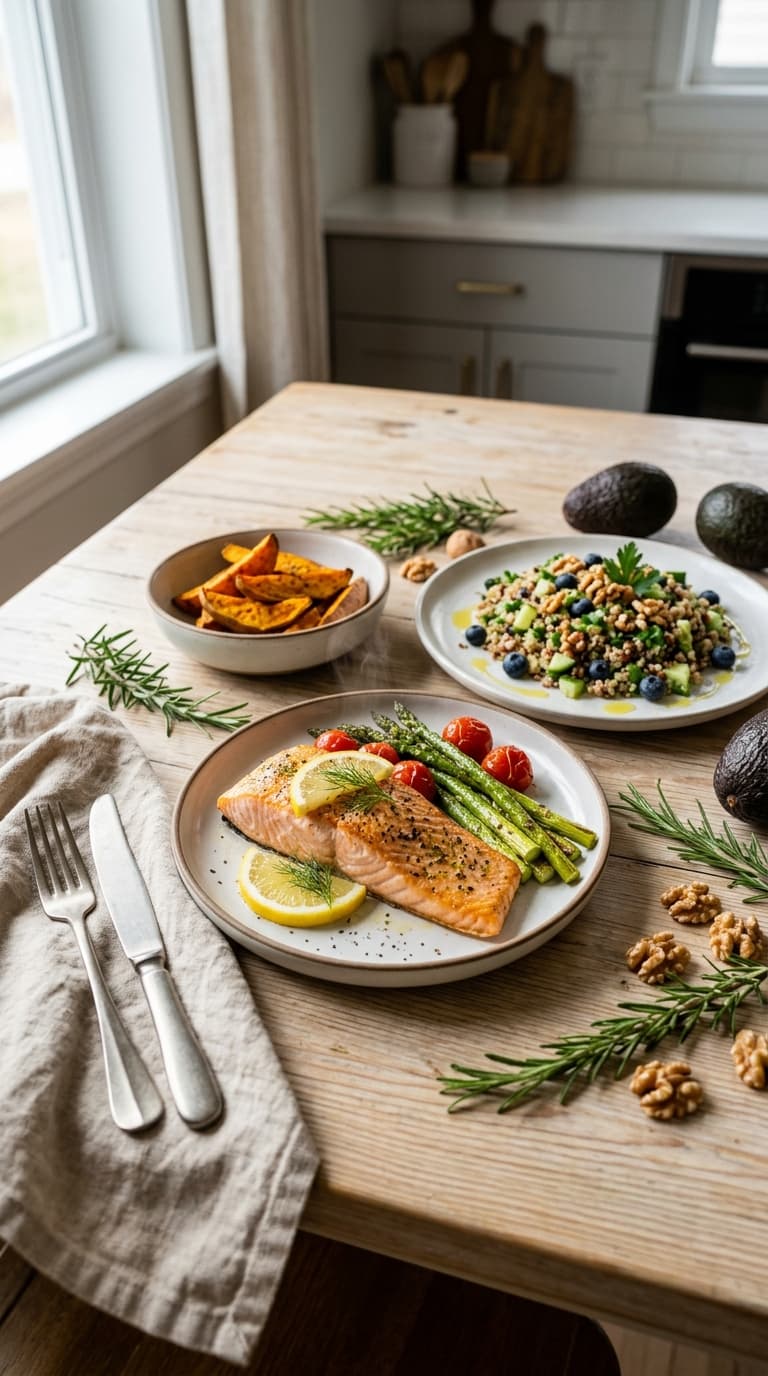
Why Diet Matters for Endometriosis
Before we get into the plan, let’s talk about why food even matters here. Endometriosis is fundamentally an inflammatory condition. Your immune system, your hormones, and your gut are all tangled up together — and what you eat directly influences all three.
Certain foods trigger inflammation, while others actively calm it down. Research consistently points to omega-3 fatty acids, antioxidants, fiber, and phytonutrients as key players in reducing endometriosis-related pain. On the flip side, processed foods, refined sugars, red meat, and alcohol tend to make things worse.
This isn’t about being perfect. It’s about making small, consistent shifts that your body actually thanks you for.
Foods to Embrace (and Foods to Ditch)
Anti-Inflammatory Foods to Load Up On
- Fatty fish (salmon, sardines, mackerel) — rich in omega-3s
- Leafy greens (spinach, kale, arugula) — packed with magnesium and antioxidants
- Berries (blueberries, strawberries, raspberries) — high in polyphenols
- Turmeric and ginger — natural inflammation fighters
- Cruciferous vegetables (broccoli, cauliflower, Brussels sprouts) — support estrogen metabolism
- Legumes and lentils — great fiber sources for gut health
- Olive oil — healthy fat with powerful anti-inflammatory properties
- Seeds (flaxseeds, chia seeds) — hormone-balancing omega-3s
Foods to Minimize or Avoid
- Processed and packaged foods
- Refined sugars and white flour products
- Red meat and processed meats
- Alcohol (yes, I know :/)
- Dairy — controversial, but many endo sufferers report feeling better without it
- Trans fats and vegetable oils high in omega-6s
The 7-Day Anti-Inflammatory Meal Plan
Day 1 — Reset and Refresh
Breakfast: Smoothie bowl with frozen blueberries, spinach, chia seeds, and unsweetened almond milk. Top with sliced banana and a sprinkle of hemp seeds.
Lunch: Big leafy salad with arugula, roasted chickpeas, cucumber, avocado, and a lemon-tahini dressing. Simple. Filling. Done.
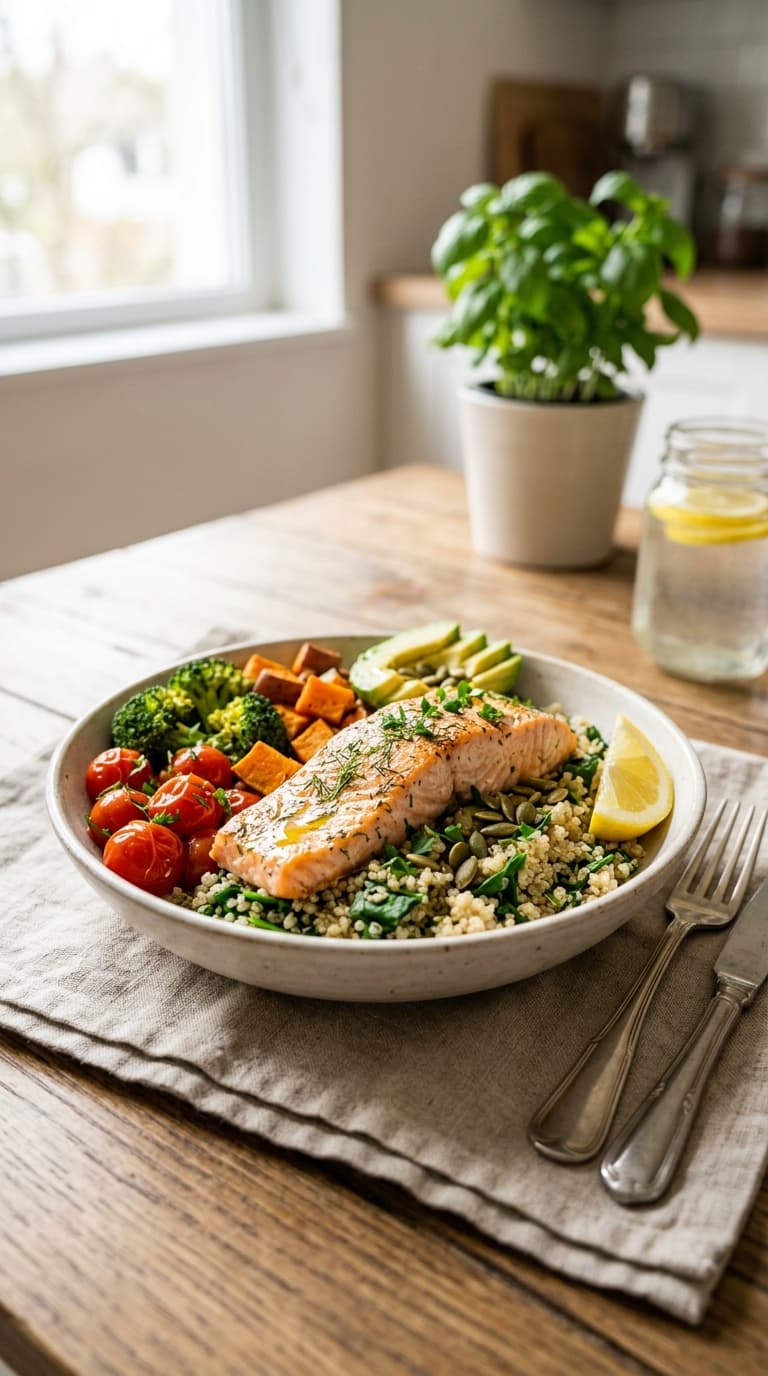
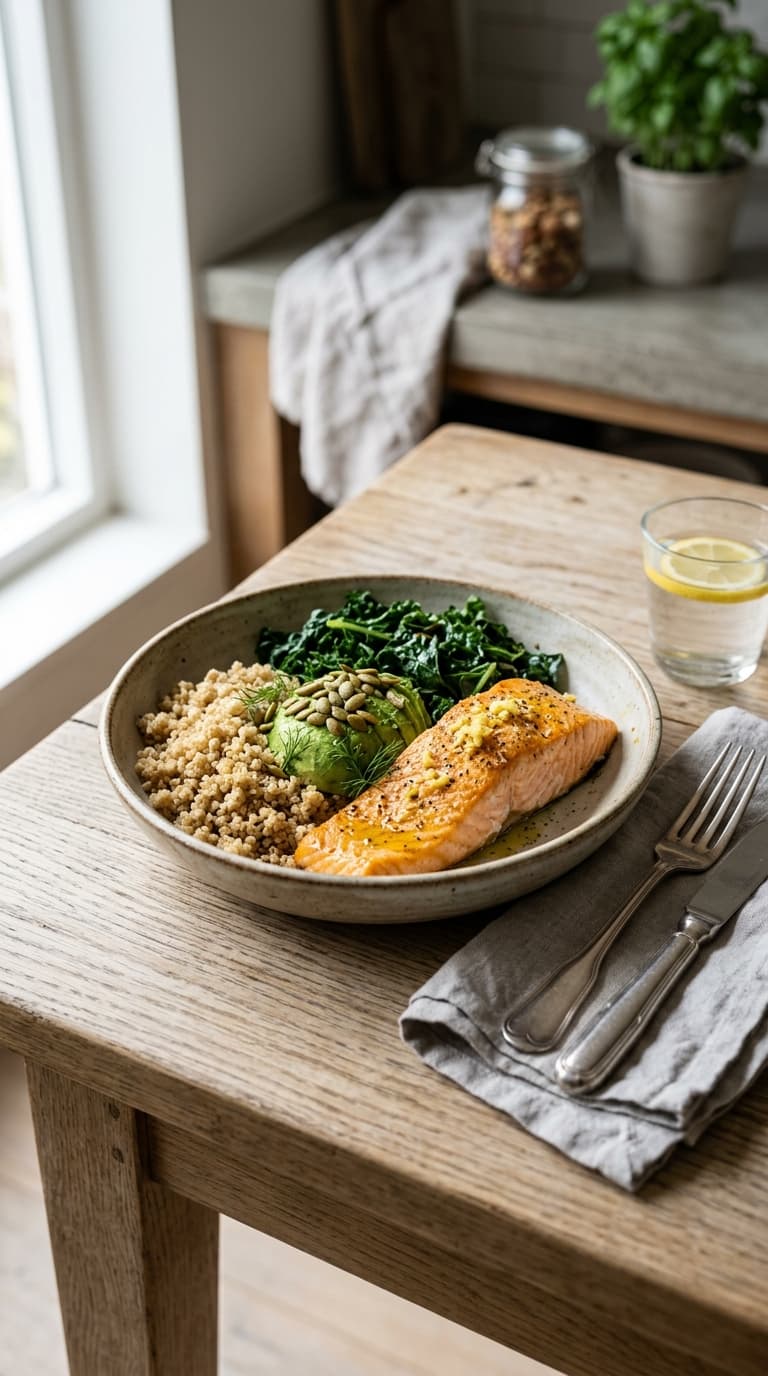
Dinner: Baked salmon with roasted broccoli and quinoa. Drizzle with olive oil and fresh lemon juice.
Snack: A handful of walnuts and a small bowl of mixed berries.
Starting the week with clean, whole foods helps your gut reset — especially if the weekend involved anything less than ideal. No judgment here.
Day 2 — Warm and Grounding
Breakfast: Overnight oats made with oat milk, flaxseeds, cinnamon, and topped with sliced pears.
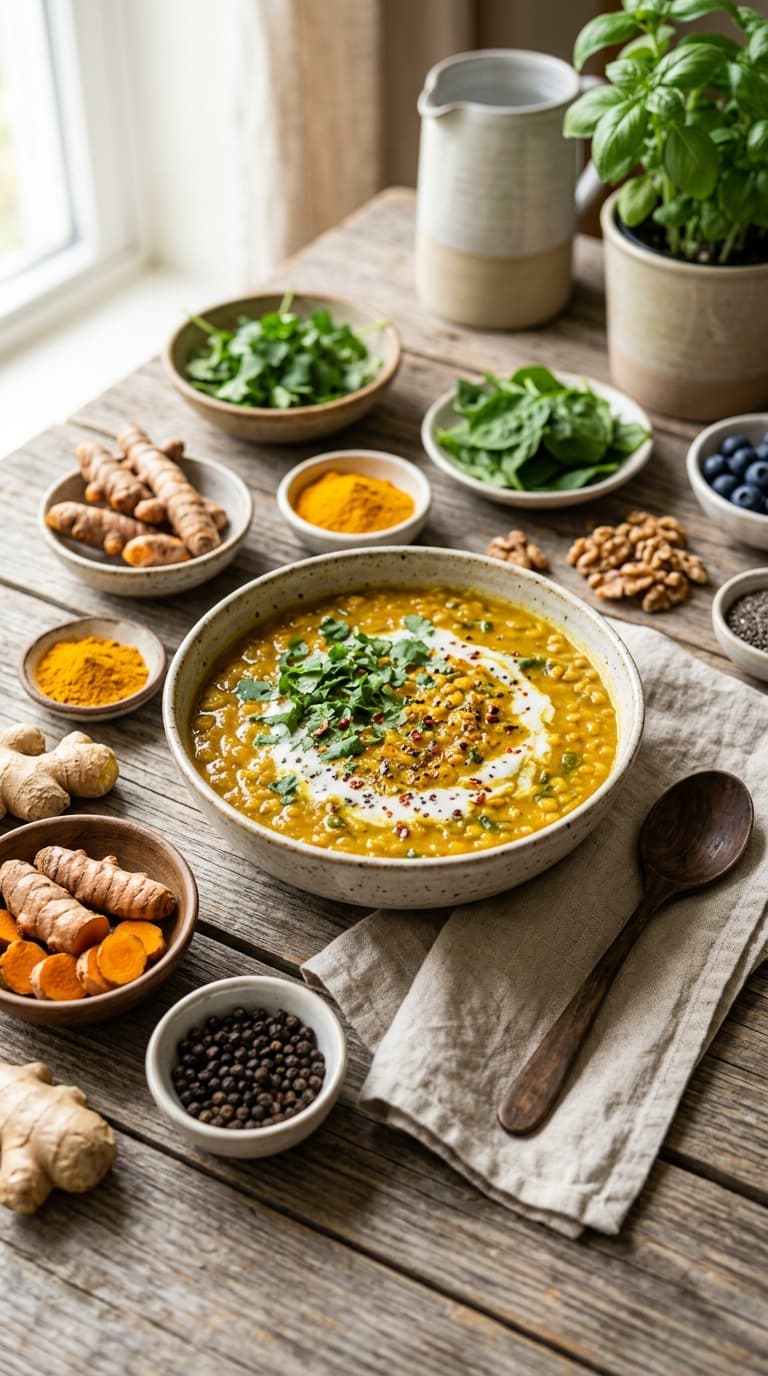
Lunch: Lentil soup with turmeric, ginger, garlic, and a squeeze of lemon. Serve with a slice of sourdough (go for whole grain if you can).
Dinner: Stir-fried tofu with bok choy, bell peppers, sesame oil, and brown rice.
Snack: Sliced apple with almond butter.
FYI — turmeric is one of those ingredients that sounds like a wellness cliché but genuinely earns its reputation. Pair it with black pepper to boost absorption by up to 2,000%. Yes, really.
Day 3 — Midweek Momentum
Breakfast: Two-egg scramble with spinach, cherry tomatoes, and a side of avocado on whole grain toast.
Lunch: Grain bowl with farro, roasted sweet potato, kale, pumpkin seeds, and a ginger-miso dressing.
Dinner: Baked cod with steamed asparagus and a cauliflower mash (use olive oil instead of butter).
Snack: Homemade trail mix — almonds, dried cherries, dark chocolate chips (70% or higher).
By midweek, you might be tempted to reach for something quick and processed. Plan ahead and keep snacks ready so you’re not making decisions when you’re hungry and tired. That never ends well for anyone.
Day 4 — Plant Power Day
Breakfast: Turmeric golden oatmeal — oats cooked with turmeric, cinnamon, a pinch of black pepper, and topped with mango and coconut flakes.
Lunch: Black bean tacos in lettuce cups with pico de gallo, shredded cabbage, and a lime-avocado crema.
Dinner: Chickpea and spinach curry with coconut milk, served over brown basmati rice.
Snack: Celery sticks with hummus and a few olives.
Going plant-heavy even a couple of days a week makes a real difference. Plants are loaded with fiber, which supports estrogen clearance through the gut — a major win for hormonal balance.
Day 5 — Comfort Without Compromise
Breakfast: Chia pudding made with coconut milk, vanilla, and topped with kiwi and pomegranate seeds.
Lunch: Roasted vegetable and quinoa stuffed peppers with herbs and a drizzle of olive oil.
Dinner: Turkey and zucchini meatballs (turkey is lower in saturated fat than beef) in a tomato-herb sauce over zucchini noodles or whole wheat pasta.
Snack: A warm mug of anti-inflammatory turmeric tea — honestly one of the most underrated additions to an endo-friendly routine.
Day 6 — Weekend Ease
Breakfast: Veggie-packed frittata with eggs, kale, mushrooms, and sun-dried tomatoes. Make a big one — you’ll thank yourself later.
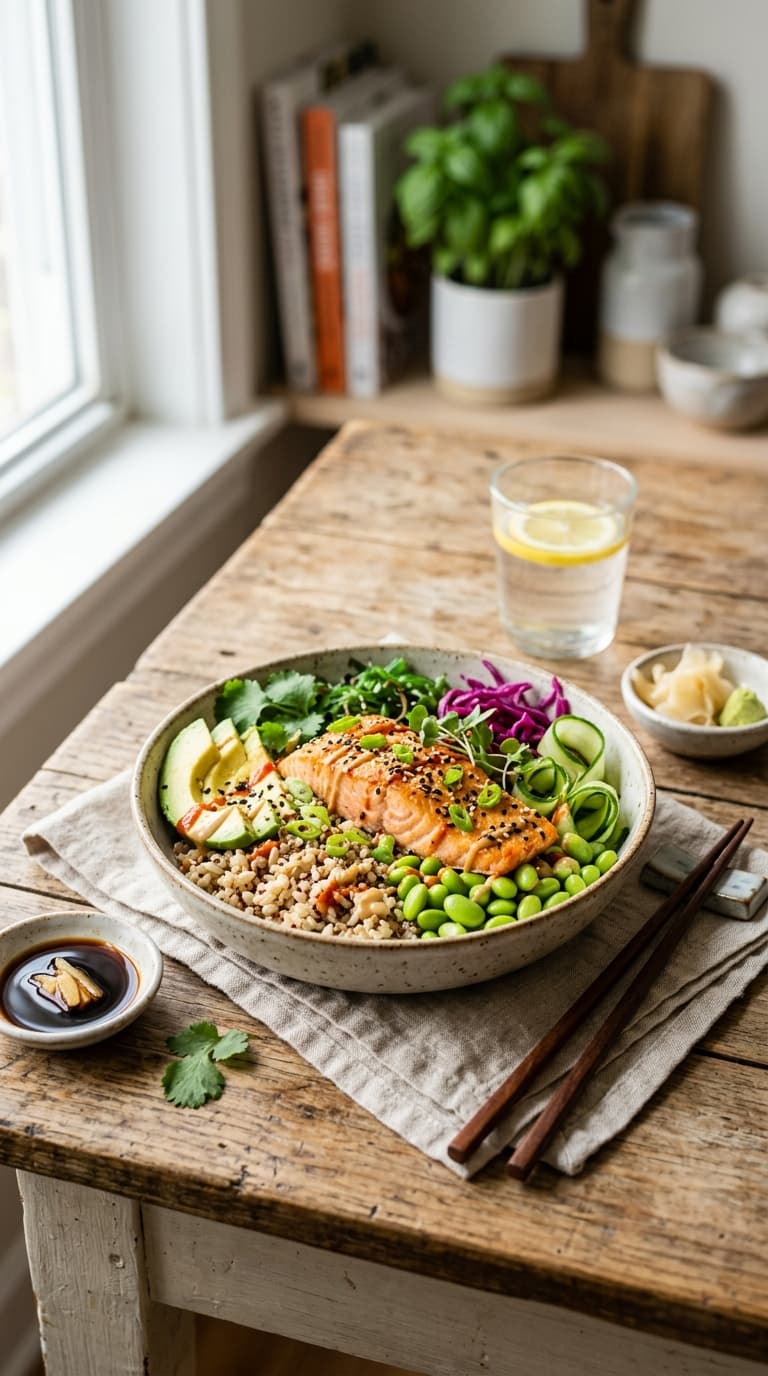
Lunch: Wild salmon and avocado sushi bowls with cucumber, edamame, pickled ginger, and brown rice.
Dinner: Slow-roasted chicken thighs (skin removed) with roasted root vegetables — carrots, parsnips, and sweet potato — seasoned with rosemary and thyme.
Snack: Dark chocolate (just a square or two) and herbal tea. You deserve a little treat.
Weekends are when meal prep becomes your best friend. Batch cook your grains, roast a tray of veggies, and prep your snacks ahead of time. Future you will be very grateful.
Day 7 — Wrap It Up Strong
Breakfast: Smoothie with frozen mango, pineapple, fresh ginger, turmeric, and coconut water. Vibrant, tropical, and packed with anti-inflammatory compounds.
Lunch: White bean and vegetable soup with leeks, celery, carrots, and fresh thyme. Warming and deeply nourishing.
Dinner: Pan-seared trout with a walnut and herb crust, served with steamed green beans and roasted cherry tomatoes.
Snack: Fresh fruit platter — whatever’s in season — with a small bowl of mixed seeds.
End the week feeling good. Not perfect, not Instagram-worthy — just genuinely better.
Drinks That Support Your Plan
What you drink matters just as much as what you eat. Hydration directly affects inflammation levels, so keeping fluids up is non-negotiable.
Here’s what to keep on rotation:
- Water — yes, obvious, but most of us don’t drink enough
- Ginger or turmeric tea — sip it hot or iced for a daily anti-inflammatory boost. If you want to explore options, herbal tea blends for relaxation and better health are worth browsing
- Green tea — rich in EGCG, a potent antioxidant
- Bone broth — supports gut lining and reduces systemic inflammation
- Tart cherry juice — studies link it to reduced inflammation markers
If you’re a coffee drinker and not ready to give it up — don’t stress. IMO, a cup or two of quality coffee isn’t going to undo your whole anti-inflammatory plan. Just skip the sugary syrups and opt for healthier coffee recipes with nut milks and natural sweeteners instead. Small swaps, big difference.
Supplements Worth Talking to Your Doctor About
A few supplements have solid research behind them for endometriosis:
- Omega-3 fatty acids (fish oil) — reduces prostaglandins linked to cramping
- Magnesium — helps with pain and muscle tension
- Vitamin D — many endo sufferers are deficient; low levels link to increased inflammation
- N-acetyl cysteine (NAC) — emerging research shows promise for endo tissue reduction
- Probiotics — supports gut microbiome, which is deeply connected to immune regulation
Always check with your healthcare provider before starting anything new. These are tools to complement your diet, not replace it.
Meal Prep Tips to Make This Actually Happen
Let’s address the elephant in the room — this all sounds great, but life gets busy. Here’s how to make it stick:
- Batch cook on Sundays. Grains, legumes, and roasted veggies keep well for 4–5 days.
- Keep your freezer stocked. Frozen salmon portions, edamame, and berries are lifesavers.
- Prep your snacks in advance. Portion out nuts, cut up veggies, and make your chia pudding the night before.
- Keep it simple on hard days. A bowl of lentil soup from a carton, a handful of walnuts, and some fruit is still a solid anti-inflammatory meal.
Don’t let perfect be the enemy of good. Some weeks you’ll nail it; other weeks you’ll be eating canned salmon over greens at 9pm and calling it a win. Both count.
One More Thing About Gut Health
Your gut and your hormones are basically in a long-term relationship — what affects one affects the other. A healthy gut microbiome helps your body clear excess estrogen, which is a key factor in endometriosis progression.
To keep your gut happy:
- Eat a wide variety of plant foods (aim for 30+ different plants per week)
- Include fermented foods — kimchi, sauerkraut, kefir (if you tolerate dairy), or kombucha
- Minimize antibiotics unless absolutely necessary
- Manage stress — easier said than done, but chronic stress tanks your gut health fast
If digestion is a real issue for you, herbal teas for better digestion can be a gentle, natural way to support your gut alongside dietary changes.
Final Thoughts
Living with endometriosis is genuinely hard, and anyone who tells you that just eating more vegetables will fix everything is oversimplifying it. But here’s the truth — the food you eat every day either feeds inflammation or fights it. And when you’re already dealing with a condition that causes so much pain, giving your body the nutrients it needs to calm down is one of the most powerful things you can do for yourself.
This 7-day meal plan isn’t a cure. It’s a starting point. Try it for a week, notice how you feel, and adjust from there. Keep what works, swap what doesn’t, and be patient with yourself.
Your body is working hard. Feed it like you mean it. 🙂