7 Day Anti-Inflammatory Meal Plan for IBS and Gut Issues
7 Day Anti-Inflammatory Meal Plan for IBS and Gut Issues
Your gut has been staging a full-blown protest lately, hasn’t it? The bloating, the cramping, the general sense that your digestive system is working against you — it’s exhausting. I’ve been there, and trust me, eating your way out of the chaos is way more doable than it sounds.
This 7-day anti-inflammatory meal plan is built specifically for people dealing with IBS and chronic gut issues. It’s not a miracle cure (sorry, we’re not doing that today), but it is a genuinely practical, delicious roadmap to calming down inflammation and giving your gut some breathing room. Let’s get into it.
Why Anti-Inflammatory Eating Actually Matters for IBS
Here’s the thing — IBS and inflammation are deeply connected. While IBS isn’t classified as a purely inflammatory condition, research consistently shows that low-grade gut inflammation plays a massive role in symptom flares. What you eat either pours gasoline on that fire or helps put it out.
Anti-inflammatory foods work by reducing oxidative stress, supporting the gut microbiome, and calming the immune response in your intestinal lining. Think of it as giving your gut a spa day, every single day.
The key players in an anti-inflammatory diet include:
- Omega-3 fatty acids (fatty fish, flaxseeds, walnuts)
- Polyphenol-rich fruits and vegetables
- Fermented foods that support beneficial gut bacteria
- Whole grains that are low in FODMAPs
- Anti-inflammatory spices like turmeric and ginger
And the stuff to ditch? Processed foods, refined sugars, artificial sweeteners, and anything fried. Your gut already knows this — it’s been sending you memos for months.
Before You Start: A Few Ground Rules
Before we jump into the actual meal plan, let me be real with you. This plan works best when you’re also paying attention to your individual triggers. IBS is deeply personal — what wrecks one person’s gut might be totally fine for another.
This plan follows low-FODMAP principles and anti-inflammatory guidelines, which is a pretty powerful combo. But if you know certain foods are specific triggers for you, swap them out without guilt. Think of this as a template, not a prison sentence.
Also — hydration matters enormously here. Drink water throughout the day, and if you’re a tea person, certain herbal teas for better digestion can be incredibly supportive for IBS symptoms. Peppermint and ginger tea especially deserve a permanent spot in your routine.
Day 1: Ease In Gently
Breakfast
Oatmeal with blueberries and a drizzle of maple syrup. Rolled oats are a fantastic source of soluble fiber that feeds good gut bacteria. Blueberries bring in powerful antioxidants without triggering IBS symptoms for most people. Top with a sprinkle of ground flaxseed for those omega-3s.
Lunch
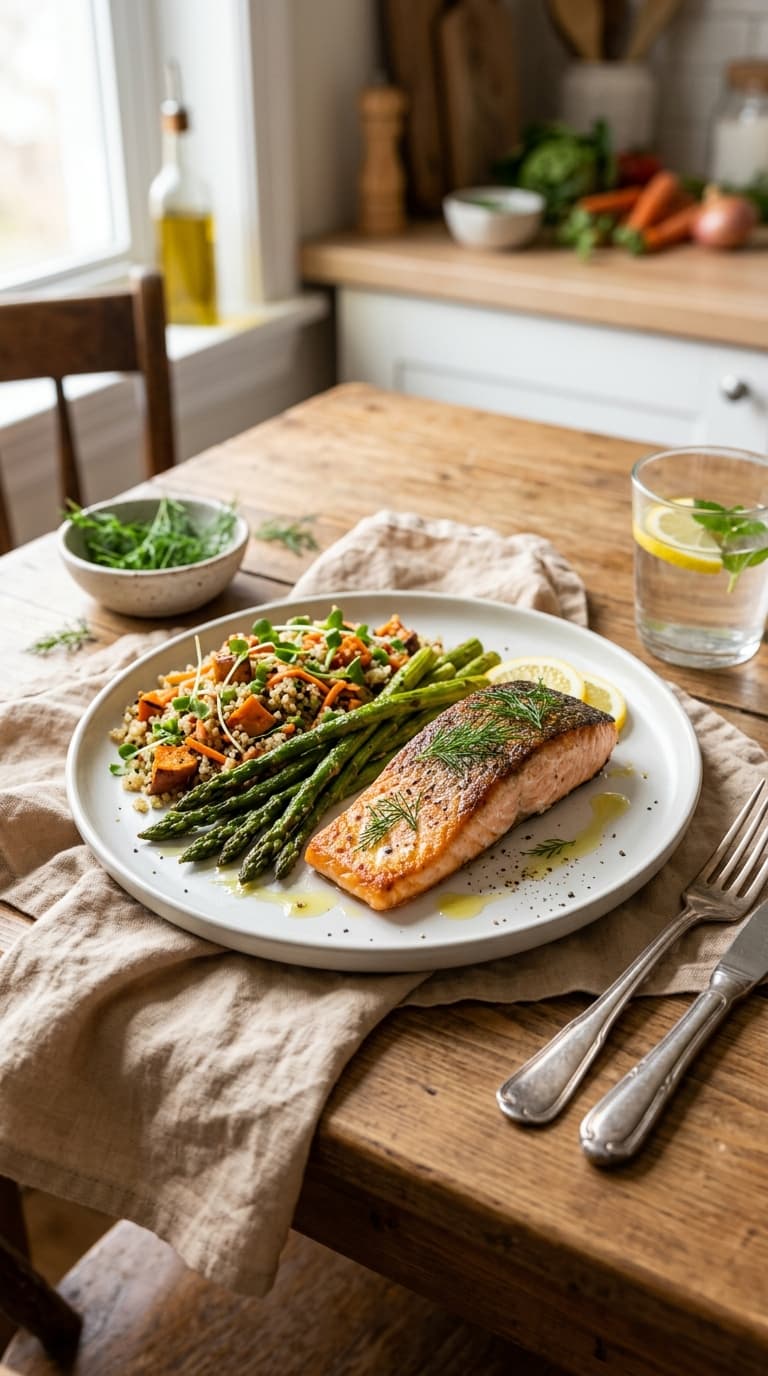
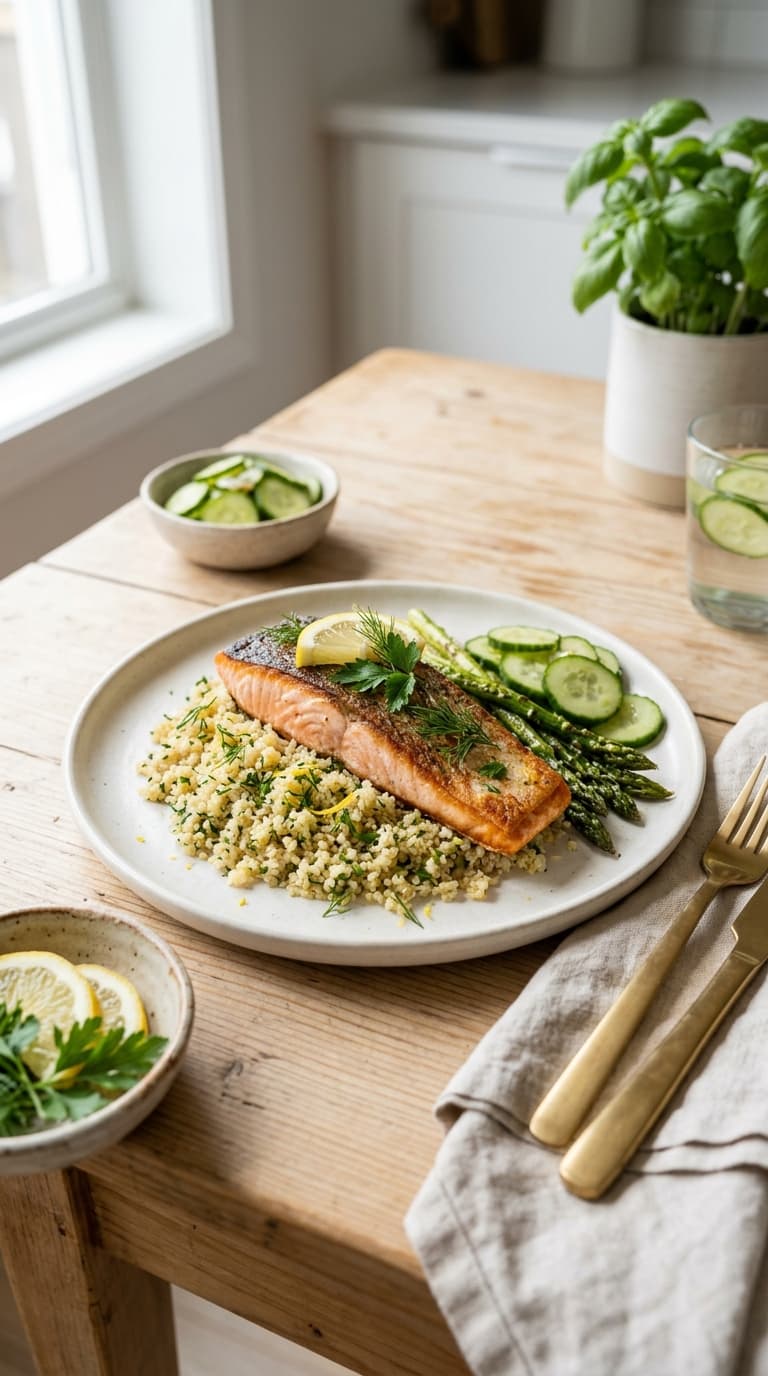
Grilled salmon over a simple arugula and cucumber salad with olive oil and lemon. Salmon is one of the best anti-inflammatory foods on the planet. Full stop. The olive oil adds polyphenols and the lemon brightens everything up without adding any gut irritants.
Dinner
Baked chicken thighs with roasted zucchini and a side of white rice. White rice is your gut’s best friend during flares — easy to digest, gentle, and comforting. Keep the seasoning simple: olive oil, salt, pepper, and a little turmeric.
Snack
A small handful of walnuts and a few strawberries.
Day 2: Building Anti-Inflammatory Momentum
Breakfast
Smoothie with spinach, frozen banana (ripe), almond milk, and a tablespoon of chia seeds. Ripe bananas are low-FODMAP and provide resistant starch that feeds beneficial gut bacteria. The chia seeds add fiber and omega-3s without overwhelming your system.
Lunch
Lentil soup with carrots, celery, and a generous pinch of turmeric and cumin. Lentils might raise eyebrows for IBS folks, but in small portions and well-cooked, they’re actually brilliant — packed with polyphenols and fiber that supports gut health.
Dinner
Baked cod with steamed broccoli (just the florets — avoid the stems if you’re sensitive) and quinoa. Cod is a lean, anti-inflammatory protein, and quinoa provides complete amino acids plus a good dose of gut-loving fiber.
Snack
Rice cakes with a thin spread of almond butter.
Day 3: The Midweek Gut Reset
Wednesday is when most people fall off meal plans. You’re tired, you’re busy, and pizza is calling your name. I get it :/ But stick with me here — today’s meals are genuinely easy.
Breakfast
Two scrambled eggs with a handful of baby spinach cooked in olive oil, served with a slice of sourdough toast. Sourdough fermentation breaks down much of the gluten and reduces FODMAP content compared to regular bread. Eggs are one of the most gut-neutral proteins you can eat.
Lunch
Chicken and vegetable broth-based soup with carrots, parsnips, and fresh ginger. Homemade broth is gut gold. The ginger is a natural anti-inflammatory superstar — it actively reduces intestinal cramping and bloating.
Dinner
Stir-fried tofu with bok choy, bell peppers, and brown rice, dressed with tamari (gluten-free soy sauce) and sesame oil.
Important: Use firm tofu in small portions if you’re FODMAP-sensitive — tofu in modest amounts is generally well-tolerated. Bell peppers and bok choy are excellent anti-inflammatory vegetables with minimal gut drama.
Snack
A small bowl of lactose-free Greek yogurt with a drizzle of honey. The live cultures in yogurt actively support your gut microbiome.
Day 4: Focus on Fermented Foods
Breakfast
Low-FODMAP overnight oats with kiwi slices. Kiwi is genuinely remarkable for gut health — research suggests it reliably improves bowel frequency and reduces IBS symptoms. Make the oats the night before with oat milk and chia seeds for an effortless morning.
Lunch
Rice bowl with pickled cucumber, shredded carrots, avocado (keep it to ⅛ of a whole avocado to stay low-FODMAP), and grilled prawns.
Pickled vegetables are a fantastic fermented food that supports microbiome diversity. FYI — the fermentation process isn’t just trendy health-food stuff. It actively produces short-chain fatty acids that repair your gut lining.
Dinner
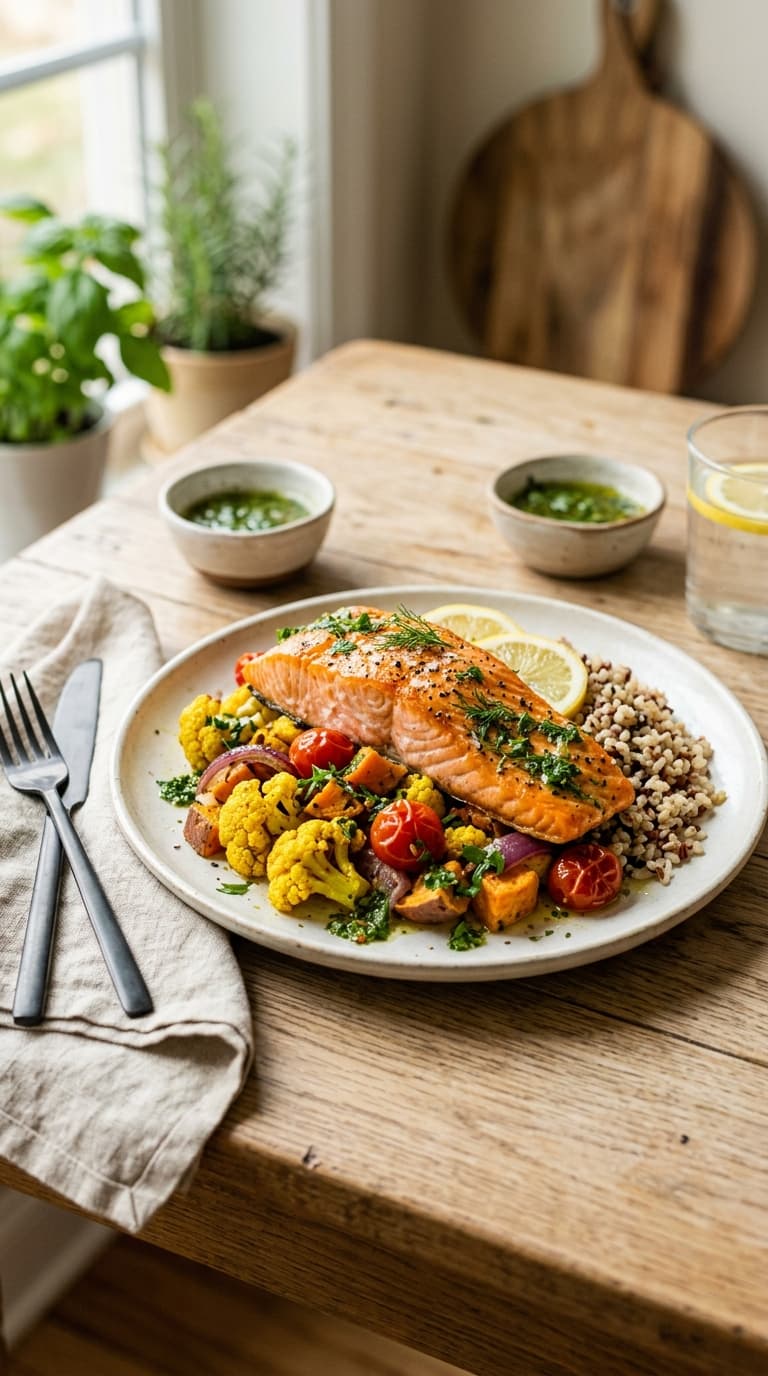
Herb-crusted baked salmon with roasted sweet potato and a side of kimchi. Kimchi brings in powerful probiotics and polyphenols. The sweet potato provides beta-carotene and gentle fiber. This dinner does a lot of heavy lifting for your gut in one sitting.
Snack
A small glass of plain kefir if you tolerate dairy, or a coconut-based kefir alternative.
Day 5: Anti-Inflammatory Spice Day
Breakfast
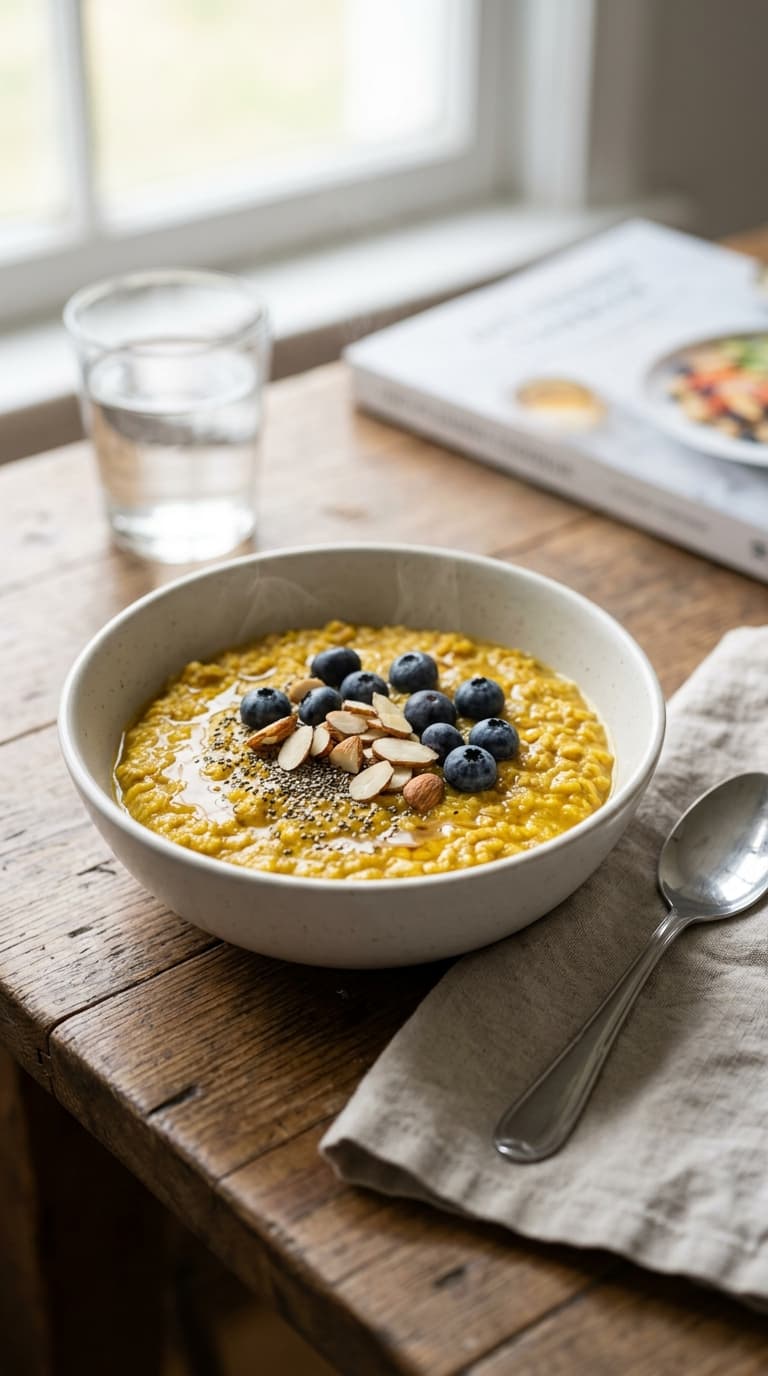
Golden milk oatmeal — oats cooked with oat milk, turmeric, cinnamon, and a pinch of black pepper. The black pepper activates curcumin in turmeric by up to 2000% (yes, really). This combination is one of the most powerful anti-inflammatory breakfasts you can eat.
Lunch
Turkey and rice lettuce wraps with grated ginger, shredded carrots, and a drizzle of tahini dressing. Turkey is a low-inflammation protein that won’t spike any IBS symptoms. Lettuce wraps skip the bread entirely — no gut drama, just clean flavors.
Dinner
Turmeric and ginger poached chicken with steamed jasmine rice and sautéed kale. This meal practically heals you from the inside as you eat it. The poaching keeps the chicken incredibly tender and the broth becomes a light anti-inflammatory sauce.
Snack
Sliced cucumber with hummus (stick to a 2-tablespoon portion to keep it low-FODMAP).
Day 6: Weekend Treat — Still Gut-Friendly
Weekends shouldn’t feel like a culinary punishment. IMO, a sustainable gut-health plan has to include meals you actually want to eat on a Saturday morning.
Breakfast
Banana oat pancakes — just ripe banana, eggs, and oats blended together, cooked in coconut oil. These are legitimately delicious and contain zero ingredients that will irritate your gut. Top with fresh blueberries and a small drizzle of maple syrup.
Lunch
Grilled chicken Caesar salad (dairy-free version) with romaine, anchovies, capers, and a lemon-olive oil dressing. Anchovies are sneakily one of the best omega-3 sources around and they add incredible umami depth to the salad.
Dinner
Baked sea bass with roasted fennel and cherry tomatoes, drizzled with good quality olive oil and fresh herbs.
Fennel is genuinely one of the best vegetables for IBS — it actively reduces bloating and gas, which is a gift after a whole week of eating. Cherry tomatoes bring lycopene, a powerful anti-inflammatory antioxidant.
Snack
A small pot of coconut yogurt with a tablespoon of mixed seeds.
Day 7: Rest, Restore, and Reflect
Breakfast
Smoked salmon on rice cakes with sliced cucumber, capers, and a squeeze of lemon. Omega-3s for breakfast — your gut and your brain will both thank you. This takes about three minutes to assemble, which is ideal for a lazy Sunday morning.
Lunch
Warming bone broth soup with rice noodles, bok choy, poached egg, and fresh ginger. Bone broth contains collagen and gelatin that literally repair the gut lining. This is the ultimate gut-healing bowl to close out your week.
Dinner
Herb-roasted chicken thighs with roasted carrots, parsnips, and a side of mashed butternut squash.
Round off a strong week with something genuinely comforting. Butternut squash is rich in anti-inflammatory carotenoids and provides a gentle, easily digestible carbohydrate source.
Snack
Herbal tea with a small piece of dark chocolate (70%+ cocoa). Dark chocolate is rich in polyphenols that support gut bacteria — and yes, this is your official permission slip to end your week with chocolate. You’re welcome.
Speaking of teas — if you want to really double down on the gut support, explore some anti-inflammatory tea blends for better health to pair with your meals throughout the week. Certain blends specifically target gut inflammation and they taste amazing.
Foods to Keep on Your Anti-Inflammatory IBS Shopping List
Let’s make this practical. Here’s what to keep stocked in your kitchen all week:
Proteins:
- Wild-caught salmon, cod, sea bass
- Chicken thighs and turkey breast
- Eggs
- Firm tofu (in moderation)
Vegetables:
- Zucchini, bok choy, carrots, fennel, cucumber
- Kale, spinach, arugula
- Bell peppers, sweet potatoes
Fruits:
- Blueberries, strawberries, kiwi
- Ripe bananas
Grains & Starches:
- Rolled oats, white rice, quinoa, rice noodles
- Sourdough bread (in moderation)
Gut-Supporting Extras:
- Bone broth
- Fermented foods: kimchi, kefir, lactose-free Greek yogurt
- Olive oil, coconut oil
- Turmeric, ginger, cinnamon
What to Avoid During Your 7-Day Plan
Just as important as what you eat is what you skip. These are the main culprits that drive gut inflammation and IBS flares:
- Refined sugar and artificial sweeteners (especially sorbitol and xylitol — brutal for IBS)
- Fried and processed foods
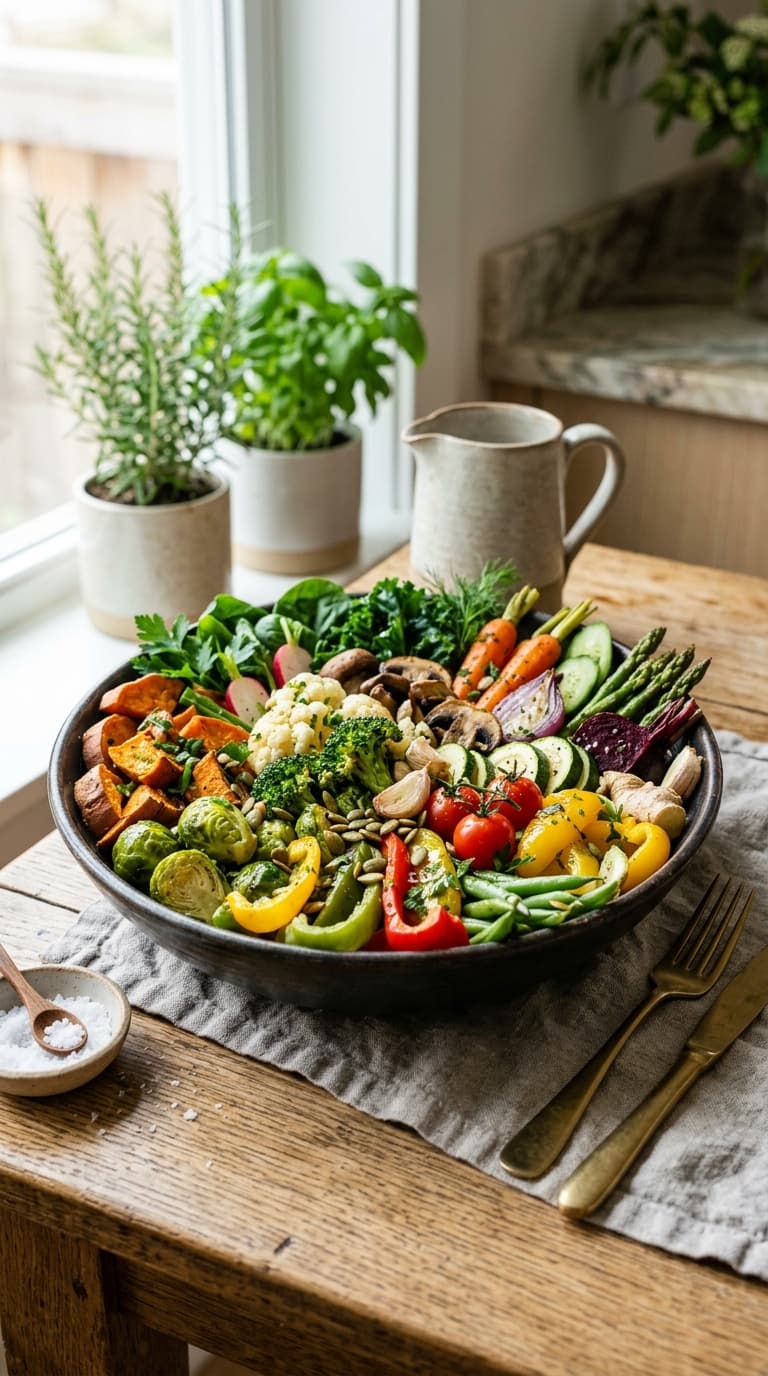
- High-FODMAP vegetables in large amounts: onion, garlic, cauliflower, mushrooms
- Gluten-heavy foods if you’re sensitive
- Alcohol and excessive caffeine
If coffee is non-negotiable in your life (same, honestly), keep it to one cup and skip the milk-based creamers. A gentle caffeine-free tea alternative on some mornings can make a noticeable difference in how your gut behaves throughout the day.
The Gut-Healing Drinks That Pair Perfectly With This Plan
Meals are only half the equation. What you drink throughout the day matters enormously for gut health. Warm water with lemon first thing in the morning gets digestion moving gently. Ginger tea before meals reduces cramping. Bone broth mid-afternoon supports gut lining repair.
If you want to explore more targeted options, herbal teas that help with digestion are worth bookmarking — there are some genuinely brilliant combinations that go way beyond basic peppermint.
Final Thoughts: Your Gut Will Thank You
Seven days sounds short, but it’s genuinely enough time to start noticing real changes. Less bloating. Better energy. Fewer unpredictable gut moments. The anti-inflammatory eating style isn’t about restriction — it’s about choosing foods that actively support your body instead of fighting against it.
The best part? Most of these meals are simple, affordable, and actually taste good. You’re not grinding through a week of bland misery here.
Start Day 1 tomorrow. Keep it simple, pay attention to how you feel after each meal, and adjust as needed. Your gut has been working overtime — give it some backup. 🙂