7 Day Anti-Inflammatory Meal Plan for Chronic Fatigue
7 Day Anti-Inflammatory Meal Plan for Chronic Fatigue
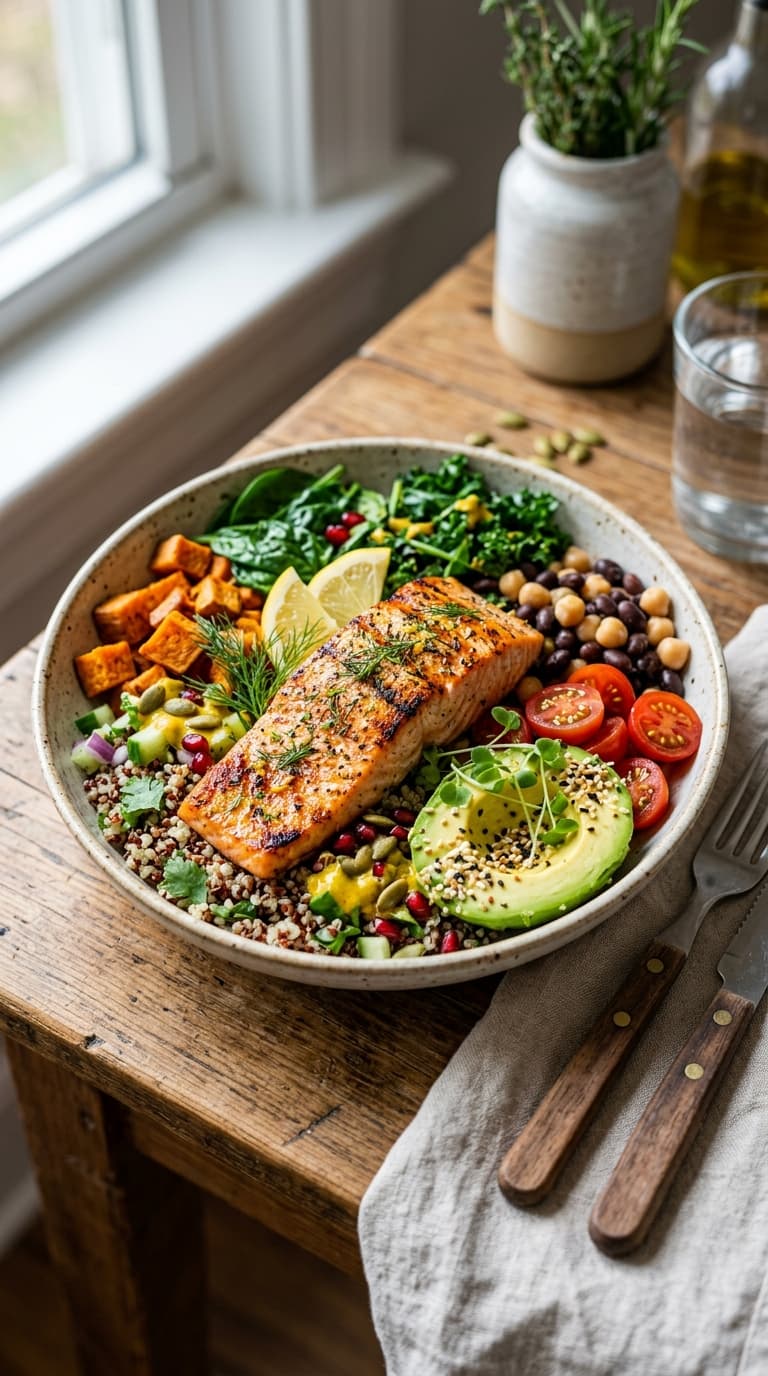
If you’re waking up exhausted no matter how much you sleep, dragging yourself through the day on willpower alone, and wondering why your body feels like it’s constantly fighting itself — yeah, I’ve been there. Chronic fatigue isn’t just tiredness. It’s a full-body rebellion, and what you eat plays a massive role in either calming that rebellion or fueling it. So let’s talk about a 7 day anti-inflammatory meal plan that actually helps.
No fancy supplements. No $40 powders. Just real food, real strategy, and a plan you can actually stick to.
Why Inflammation Is Wrecking Your Energy
Here’s the thing most people miss — chronic fatigue and inflammation are best friends. When your body stays in a low-grade inflammatory state (which can happen from stress, poor sleep, processed food, or underlying conditions), your immune system keeps burning energy around the clock. That’s why you feel wiped out even after a full night’s rest.
The good news? Anti-inflammatory foods can genuinely shift this. Studies consistently show that diets rich in omega-3s, antioxidants, and polyphenols reduce inflammatory markers like CRP and IL-6. And when inflammation dials down, energy often comes back up.
Think of food as your first line of defense — not an afterthought.
What to Eat (and What to Ditch)
Before we get to the actual meal plan, let’s set the foundation. You want to know what’s working for you and what’s quietly sabotaging your mornings.
Foods That Fight Inflammation
- Fatty fish (salmon, sardines, mackerel) — loaded with EPA and DHA omega-3s
- Leafy greens (spinach, kale, arugula) — packed with vitamins K, C, and magnesium
- Berries (blueberries, strawberries, cherries) — antioxidant powerhouses
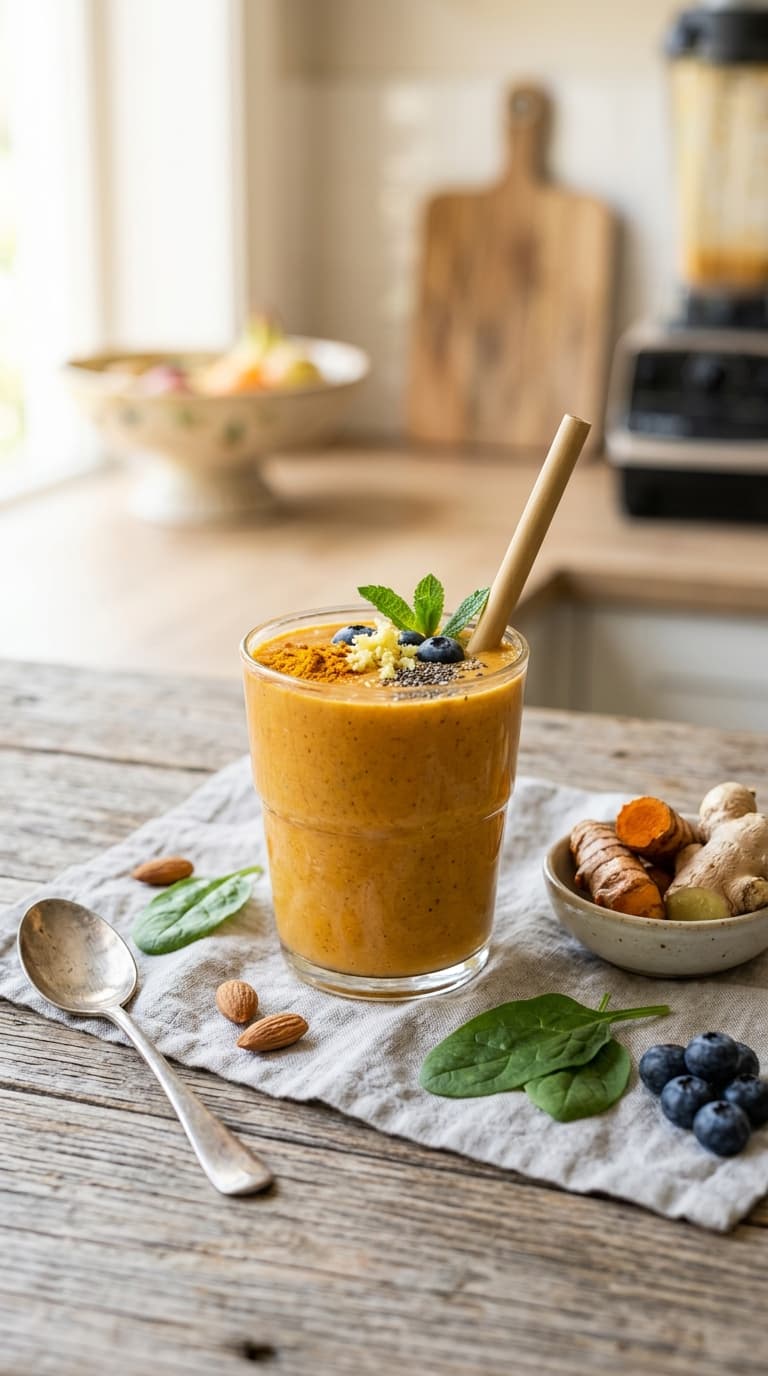
- Turmeric and ginger — natural anti-inflammatory compounds that actually work
- Extra virgin olive oil — oleocanthal has effects similar to ibuprofen (seriously)
- Walnuts and flaxseeds — plant-based omega-3s
- Legumes — fiber-rich, stabilize blood sugar, reduce inflammatory spikes
Foods That Crank Up Inflammation
- Refined sugar and white flour — spike insulin, promote inflammatory cytokines
- Processed vegetable oils (canola, soybean) — high in omega-6s that tip the inflammatory balance
- Ultra-processed snacks — you know the ones :/
- Alcohol — disrupts gut lining and sleep quality, both of which feed fatigue
- Excess red meat — especially processed meats like hot dogs and deli slices
IMO, cleaning up your diet isn’t about being perfect — it’s about tipping the scales in the right direction, one meal at a time.
The 7 Day Anti-Inflammatory Meal Plan
Let’s get into it. Each day is built around whole foods that calm inflammation, support gut health, and give your mitochondria what they need to actually produce energy.
Day 1: Reset and Rebuild
Breakfast: Turmeric golden oatmeal with walnuts, blueberries, and a drizzle of raw honey. Add a pinch of black pepper — it boosts curcumin absorption by up to 2000%.
Lunch: Big leafy green salad with canned wild salmon, cherry tomatoes, cucumber, avocado, and lemon-olive oil dressing.
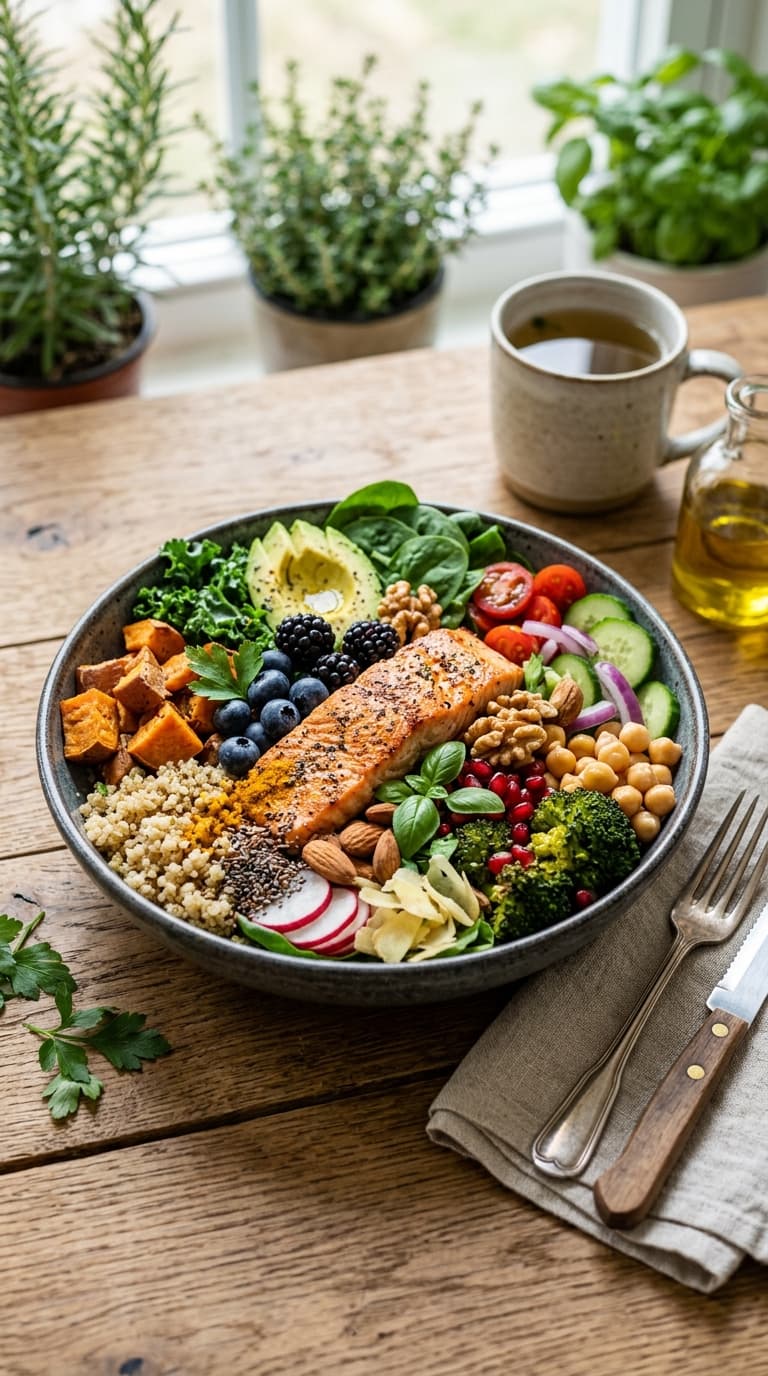
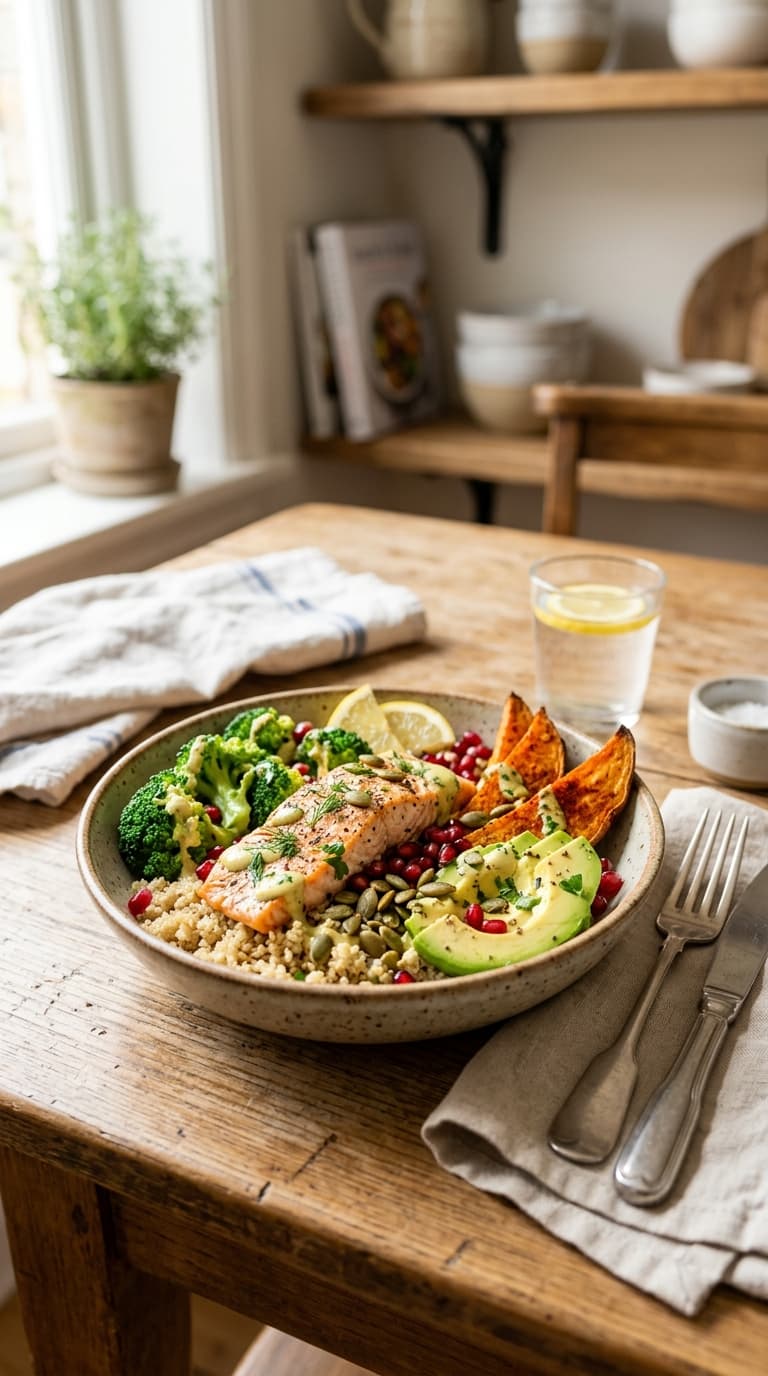
Dinner: Baked salmon with roasted sweet potato and steamed broccoli. Simple, satisfying, and genuinely healing.
Snack: A small handful of walnuts + a cup of anti-inflammatory herbal tea — ginger, turmeric, or hibiscus work beautifully here.
Day 2: Gut Health Focus
Breakfast: Greek yogurt (unsweetened) with mixed berries, ground flaxseed, and a sprinkle of pumpkin seeds.
Lunch: Lentil soup with carrots, celery, garlic, cumin, and a squeeze of lemon. Make a big pot — you’ll want leftovers.
Dinner: Stir-fried tofu with bok choy, broccoli, ginger, garlic, and a tamari-sesame sauce over brown rice.
Snack: Sliced apple with almond butter.
Your gut microbiome has a direct line to your energy levels — ever noticed how a bad gut day tanks everything else? That’s the gut-brain-energy axis at work. Feed it well.
Day 3: Omega-3 Overload (The Good Kind)
Breakfast: Chia pudding made with unsweetened almond milk, topped with sliced kiwi, strawberries, and a tablespoon of hemp seeds.
Lunch: Sardine toast on whole grain sourdough with sliced avocado, red onion, capers, and fresh dill. Don’t knock it until you try it — it’s genuinely delicious.
Dinner: Baked mackerel with roasted beets, steamed green beans, and a tahini-lemon drizzle.
Snack: A cup of herbal tea for digestion like peppermint or fennel, paired with a small square of dark chocolate (70%+ cacao).
Day 4: Plant-Powered Day
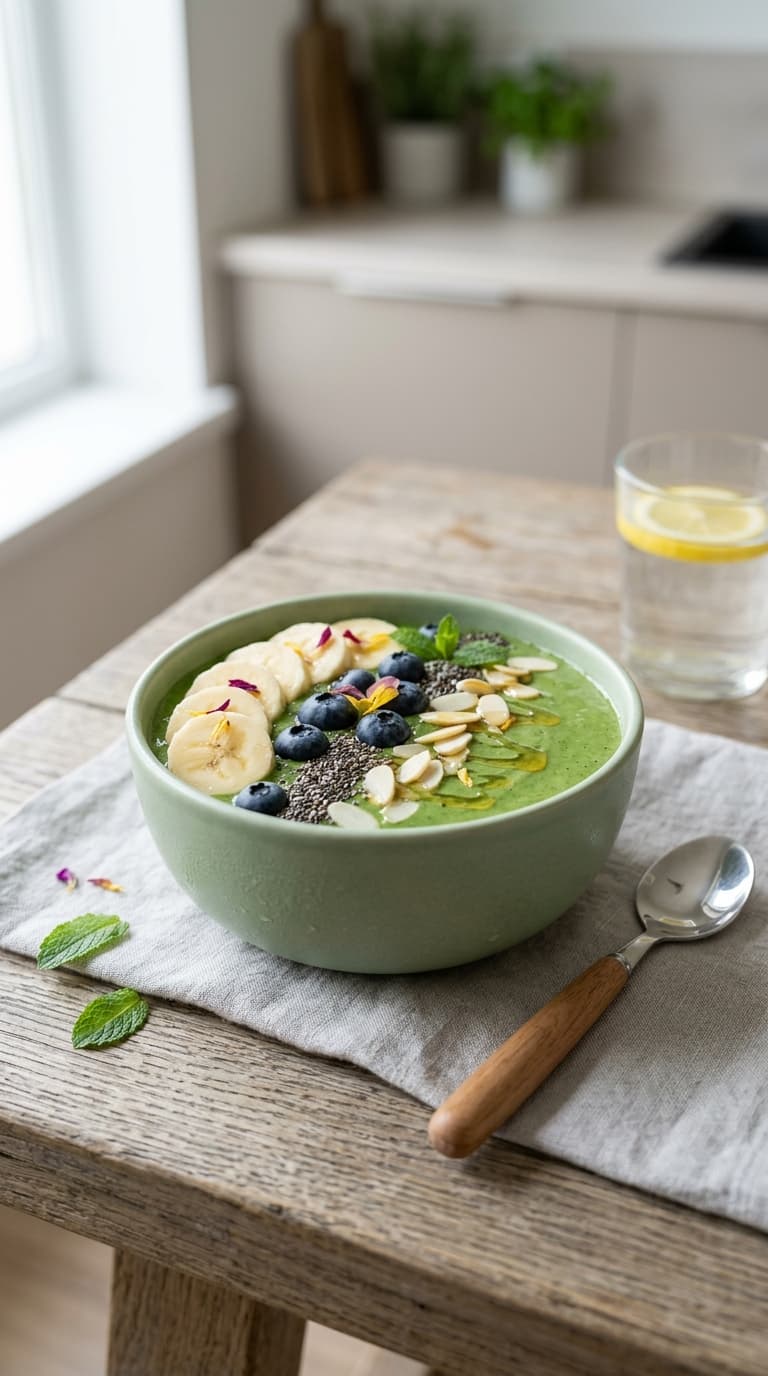
Breakfast: Smoothie bowl with frozen mango, spinach, banana, ginger, and coconut water. Top with granola, chia seeds, and fresh berries.
Lunch: Chickpea and roasted vegetable bowl with quinoa, roasted red peppers, zucchini, and a generous drizzle of olive oil and za’atar.
Dinner: Black bean tacos in corn tortillas with shredded purple cabbage, mango salsa, cilantro, and lime crema made from cashews.
Snack: Hummus with carrot sticks and sliced cucumber.
FYI — going plant-forward a few days a week doesn’t mean you’re missing protein. Legumes, seeds, and whole grains together cover your amino acid bases just fine.
Day 5: Warming and Healing
Breakfast: Savory turmeric scrambled eggs with sautéed spinach, cherry tomatoes, and a slice of whole grain toast.
Lunch: Golden lentil soup with coconut milk, curry spices, sweet potato, and kale. Warming, filling, and deeply anti-inflammatory.
Dinner: Slow-roasted chicken thighs (bone-in) with garlic, rosemary, lemon, and olive oil over a bed of roasted cauliflower and carrots.
Snack: A mug of warm herbal tea — chai with cinnamon and ginger hits different when you’re trying to calm your system down.
Cinnamon alone has shown real promise in reducing fasting blood sugar and inflammatory markers. Small things, big impact.
Day 6: Mediterranean Vibes
Breakfast: Whole grain toast with olive oil, sliced tomato, fresh basil, and a poached egg. Mediterranean breakfast culture is something the rest of the world should adopt immediately.
Lunch: Greek-style quinoa bowl with kalamata olives, roasted red peppers, cherry tomatoes, cucumber, feta (in moderation), and a lemon-herb vinaigrette.
Dinner: Baked cod with a walnut-herb crust, served with roasted asparagus and a simple arugula salad dressed with lemon and olive oil.
Snack: A small bowl of mixed berries or a metabolism-supporting herbal tea like green tea or dandelion.
The Mediterranean diet consistently ranks as one of the top dietary patterns for reducing inflammation and supporting long-term energy. It’s not a trend — it’s decades of research backing it up.
Day 7: Celebrate and Sustain
Breakfast: Smoked salmon and avocado bowl with soft-boiled eggs, cucumber ribbons, pickled red onion, and everything bagel seasoning on a bed of mixed greens.
Lunch: Big batch grain bowl with farro, roasted beets, arugula, walnuts, goat cheese, and a pomegranate-balsamic glaze.
Dinner: Herb-marinated grilled salmon with a fresh mango-avocado salsa, roasted sweet potato wedges, and sautéed garlic kale.
Snack: A cup of calming herbal tea like chamomile or passionflower — your nervous system will thank you at bedtime.
You made it through the week. How do you feel? 🙂
Drinks That Support the Plan
What you drink matters as much as what you eat. Hydration directly affects energy production at the cellular level — dehydration alone causes measurable fatigue.
Here’s what to sip on throughout the week:
- Water — at least 8 cups daily, more if you’re active
- Green tea — contains EGCG, a potent anti-inflammatory catechin
- Ginger tea — reduces prostaglandins and supports digestion
- Tart cherry juice — shown to reduce muscle soreness and improve sleep quality
- Bone broth — gut-healing glycine and collagen support
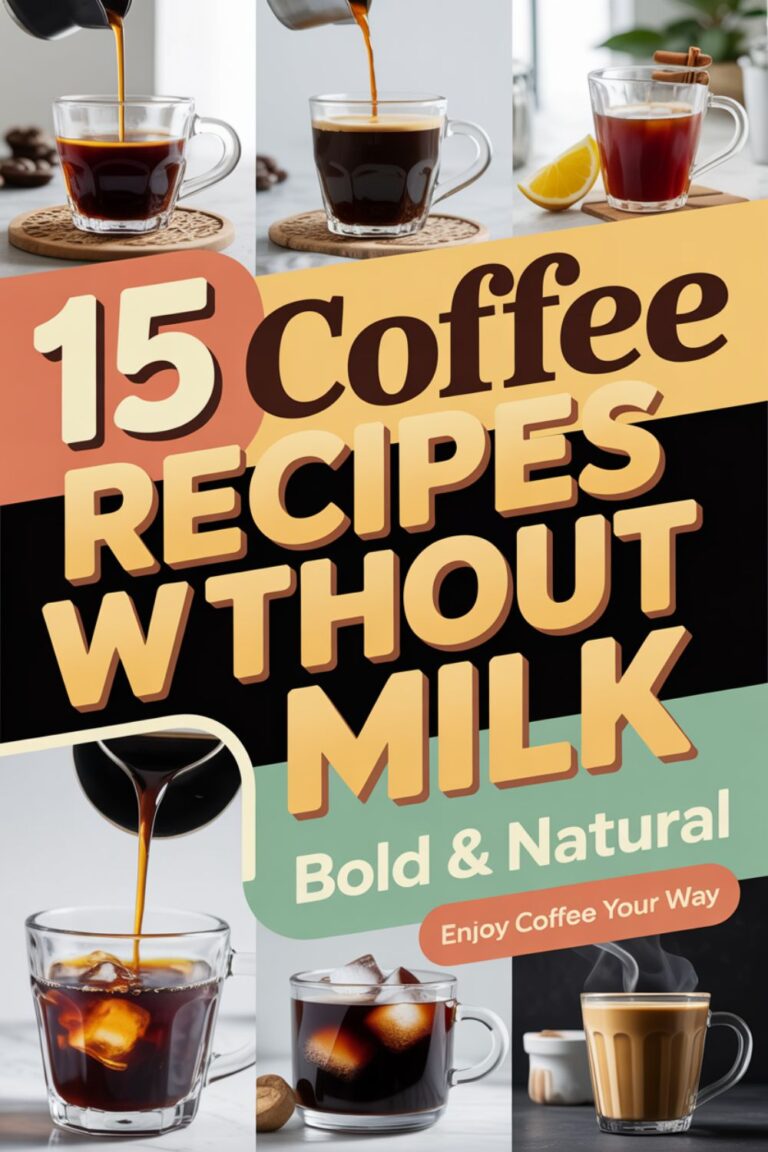
If you’re someone who leans on coffee for morning energy, consider pairing it with some of these healthy coffee recipes that actually support your metabolism rather than sending your cortisol on a rollercoaster. Timing and quality matter more than most people realize.
Meal Prep Tips to Make This Week Actually Happen
Let’s be real — the plan sounds great, but life gets in the way. Here’s how to set yourself up so you don’t bail by Tuesday:
- Batch cook grains on Sunday — quinoa, farro, or brown rice in a big pot covers you all week
- Roast a big tray of vegetables — they keep 4-5 days and go with everything
- Pre-make your salad dressings — lemon-olive oil and tahini-lemon take 2 minutes and last all week
- Keep frozen berries and fish on hand — frozen wild salmon and frozen blueberries are budget-friendly and just as nutritious as fresh
- Prep overnight chia pudding or oats the night before so breakfast is zero effort
Batch cooking is genuinely the biggest game changer here. An hour on Sunday buys you freedom all week long.
Key Nutrients to Watch for Chronic Fatigue
If you have chronic fatigue, a few specific nutrients deserve your attention:
- Magnesium — involved in 300+ enzymatic reactions; deficiency is directly linked to fatigue. Find it in leafy greens, pumpkin seeds, and dark chocolate.
- Iron — low iron tanks oxygen delivery to cells. Lentils, spinach, and pumpkin seeds help; pair with vitamin C for absorption.
- Vitamin D — deficiency correlates strongly with fatigue and depression. Fatty fish and sunlight are your main sources.
- B vitamins — especially B12 and folate, which drive energy metabolism. Eggs, leafy greens, and legumes cover most of this.
- CoQ10 — an antioxidant your mitochondria need to produce ATP. Found in organ meats, fatty fish, and whole grains.
Getting these from food first, then considering supplementation if blood tests show deficiency, is the smartest approach.
A Note on What This Plan Won’t Do
Here’s some honest talk — this meal plan won’t cure a diagnosed condition overnight. Chronic fatigue syndrome (ME/CFS), fibromyalgia, hypothyroidism, and autoimmune diseases all require medical management alongside dietary changes.
What this plan will do is reduce the inflammatory burden your body carries, stabilize your blood sugar, support your gut microbiome, and give your cells better fuel. That’s not nothing — for many people, those changes alone make a meaningful difference in how they feel day to day.
If fatigue is severe and persistent, please talk to your doctor about bloodwork. Ruling out thyroid issues, iron deficiency, celiac disease, and sleep disorders is important before assuming diet is the only lever.
Wrapping It Up
Chronic fatigue and inflammation are deeply connected, and your diet gives you a real tool to interrupt that cycle. This 7 day anti-inflammatory meal plan isn’t about restriction or perfection — it’s about consistently choosing foods that work with your body instead of against it.
Stick to the omega-3-rich proteins, load up on colorful vegetables, lean on herbs and spices like turmeric and ginger, and hydrate thoughtfully. After a week, most people notice their energy feels a bit more stable, their digestion improves, and that constant low-grade fog starts to lift.
Start Sunday, do your batch prep, give it a full week, and then see how you feel. Your body’s been waiting for this kind of backup.