14 Day Anti-Inflammatory Meal Plan for Rheumatoid Arthritis
14 Day Anti-Inflammatory Meal Plan for Rheumatoid Arthritis
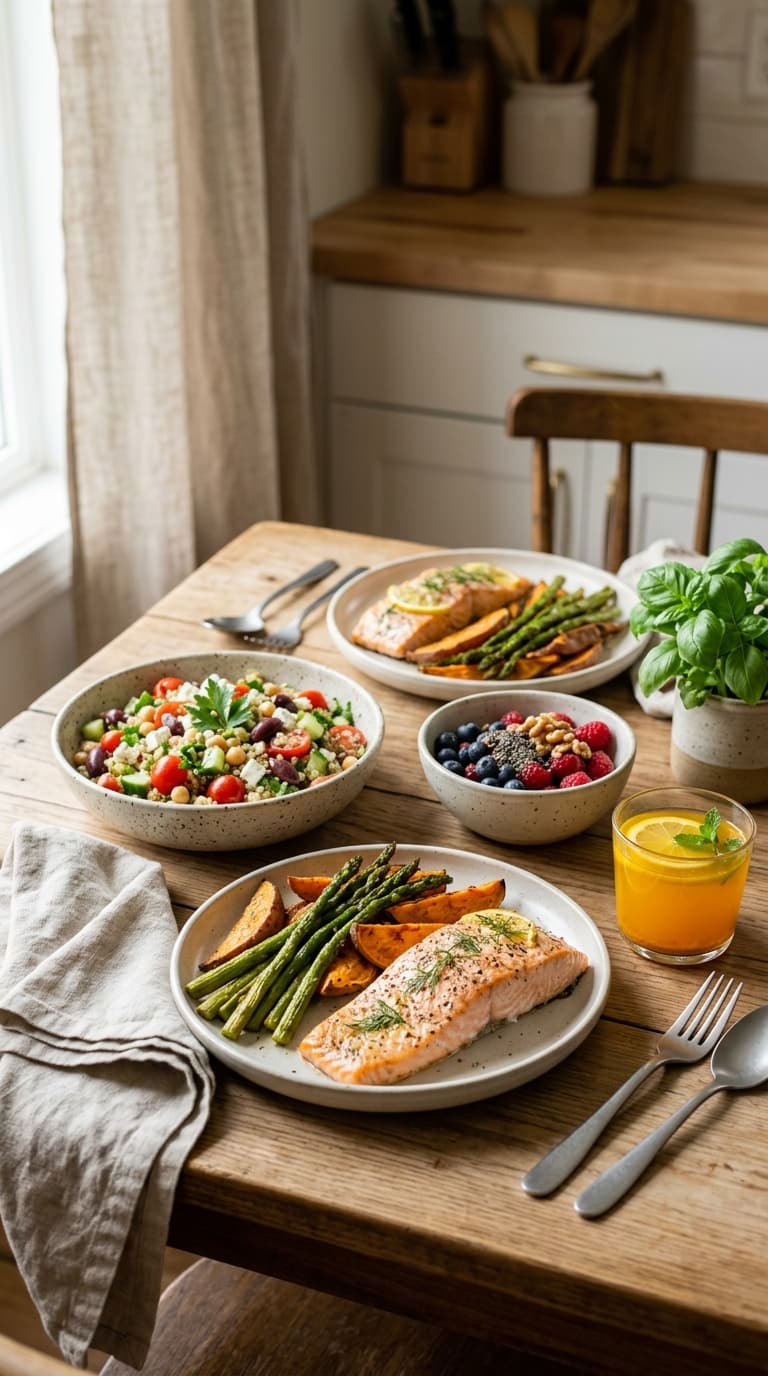
If your joints are staging a full-on revolt every morning, you’re not imagining it — and you’re definitely not alone. Rheumatoid arthritis (RA) doesn’t just affect your joints; it affects your whole life. But here’s something most people overlook: what you eat every single day plays a massive role in how much inflammation your body holds onto. I’ve spent a lot of time researching, testing, and eating my way through anti-inflammatory eating, and honestly? The results surprised even me. This 14-day meal plan is my way of sharing what actually works — no fluff, no miracle claims, just real food that loves your body back.
Why Food Matters More Than You Think for RA
Let’s be real — food isn’t a cure for rheumatoid arthritis. Anyone who tells you otherwise is selling something. But food is one of the most powerful tools you have to manage inflammation, and that’s backed by solid science.
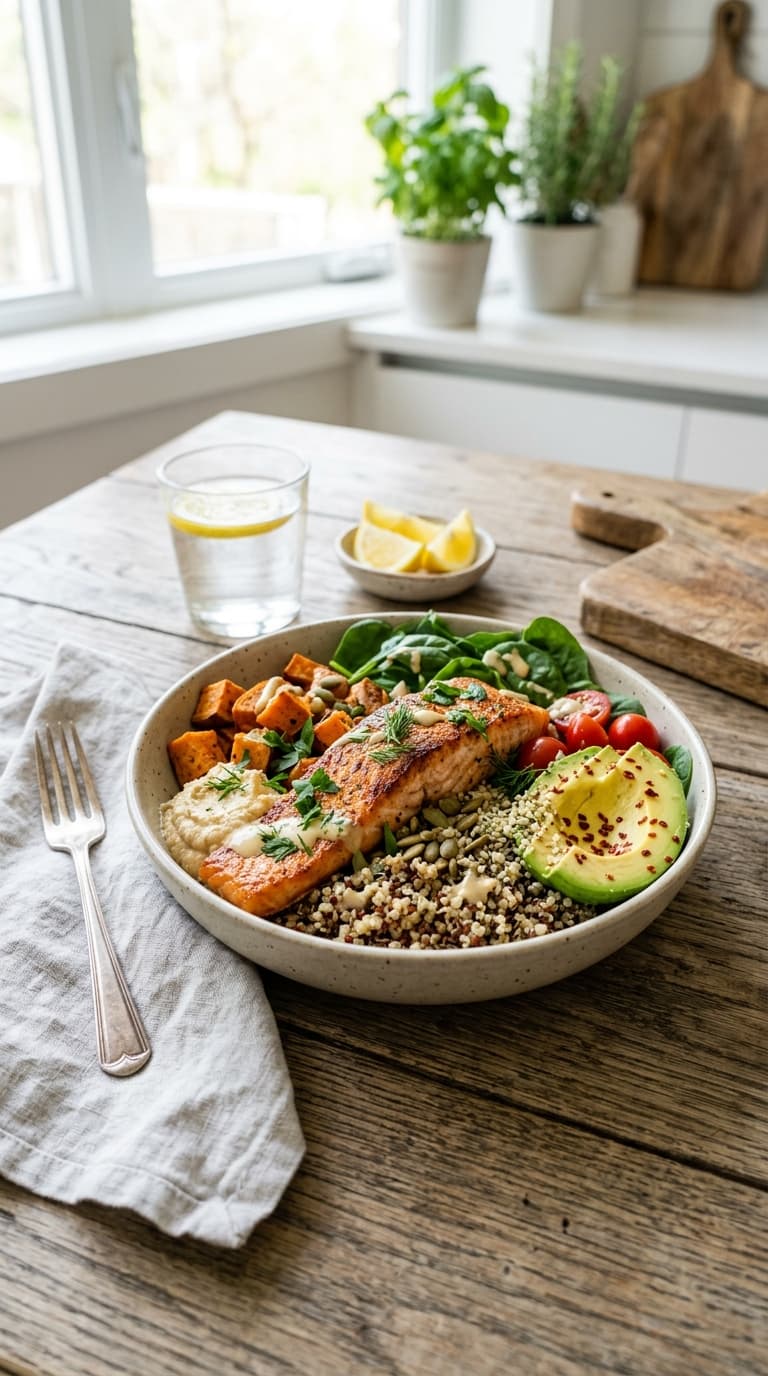
Certain foods actively trigger inflammatory responses in the body. Others help calm them down. The goal of an anti-inflammatory diet isn’t to restrict joy — it’s to crowd out the foods causing harm with ones that genuinely help.
Think of it like this: your immune system is already working overtime. Why keep throwing fuel on the fire?
What to Eat (and What to Ditch)
Before we get into the actual meal plan, let’s talk foundations. Anti-inflammatory eating for RA centers around a few key food groups:
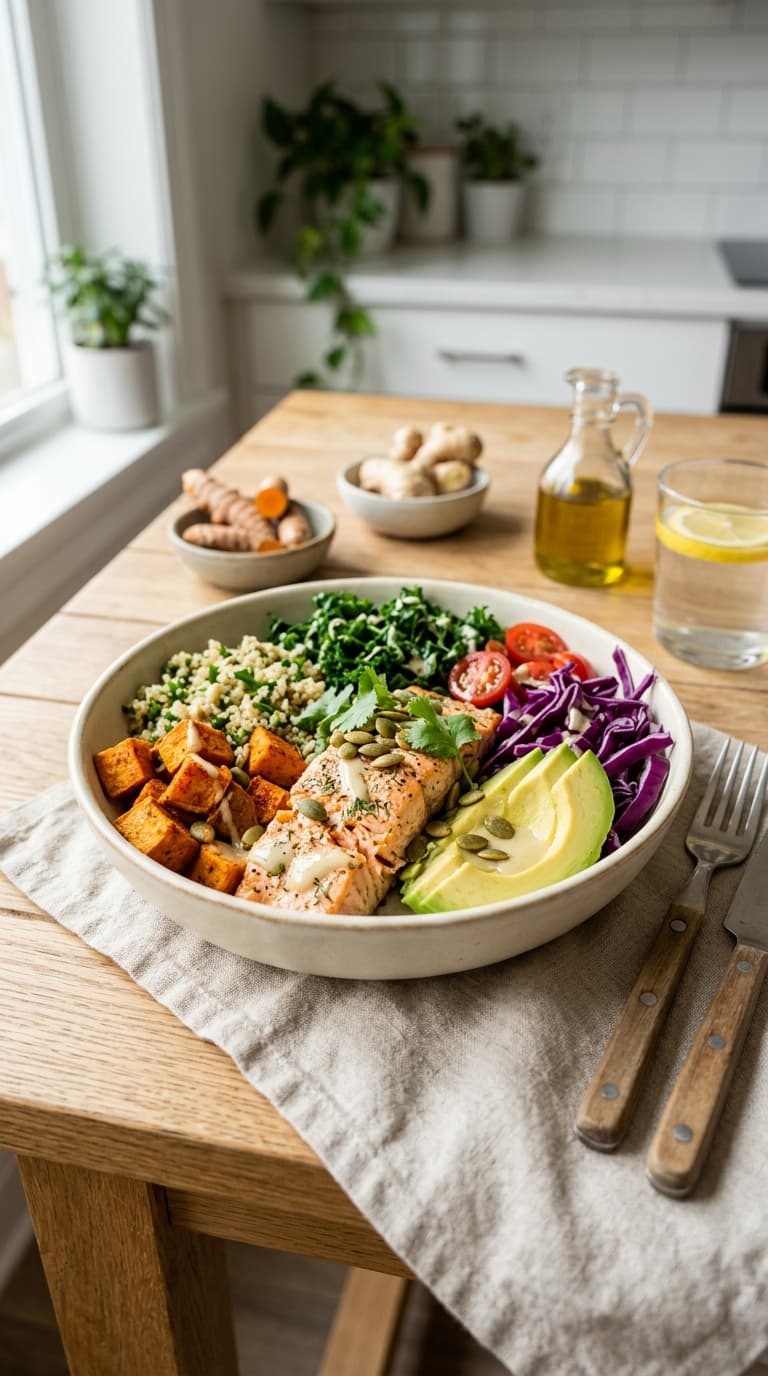
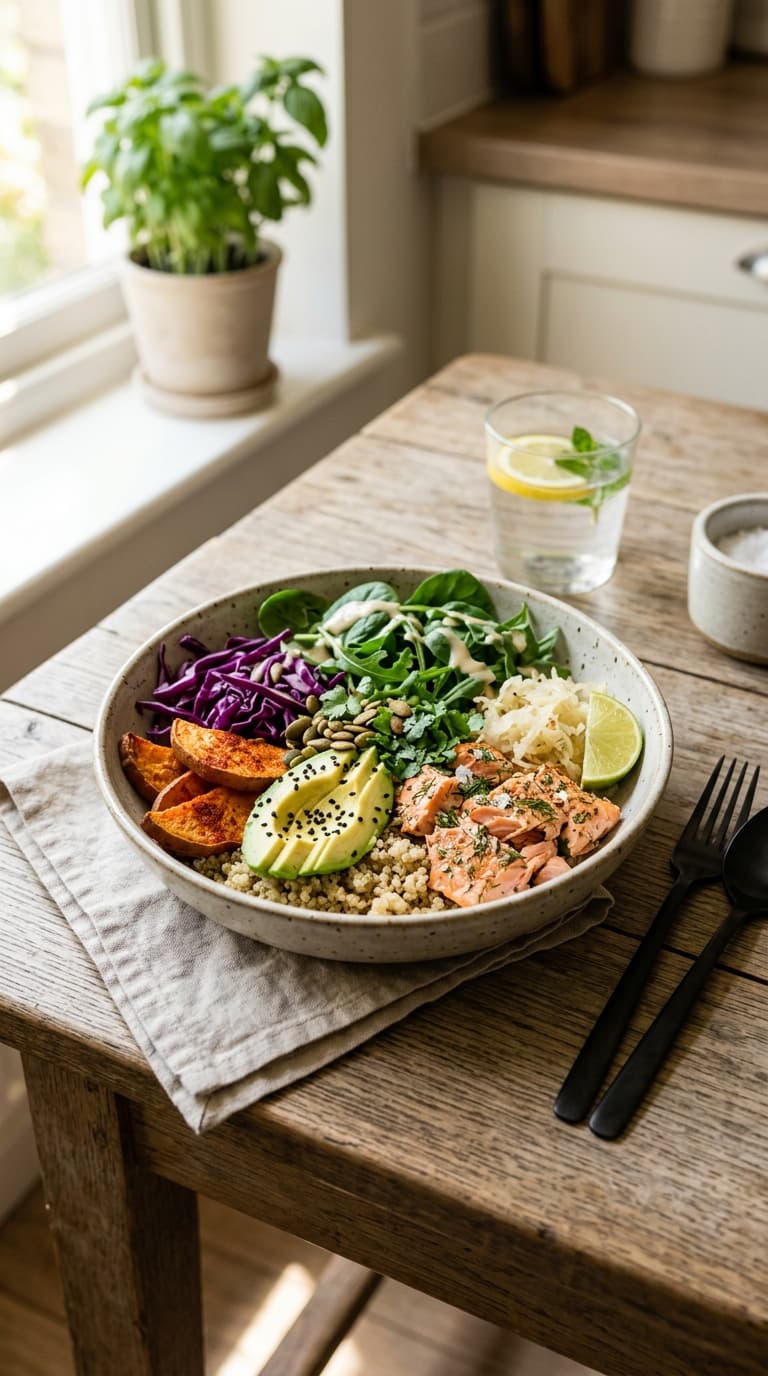
- Fatty fish (salmon, mackerel, sardines) — rich in omega-3s that actively reduce joint inflammation
- Leafy greens (spinach, kale, arugula) — packed with antioxidants that fight oxidative stress
- Berries (blueberries, strawberries, cherries) — loaded with flavonoids and vitamin C
- Olive oil — oleocanthal in extra virgin olive oil mimics ibuprofen’s anti-inflammatory effect
- Turmeric and ginger — these two are basically nature’s anti-inflammatory dream team
- Whole grains (quinoa, oats, brown rice) — lower glycemic index means less inflammatory response
- Nuts and seeds (walnuts, flaxseeds, chia seeds) — excellent plant-based omega-3 sources
And the foods to minimize or eliminate?
- Processed sugars and refined carbs
- Red meat and processed meats
- Fried foods and trans fats
- Alcohol (sorry :/)
- Vegetable oils high in omega-6 (corn oil, sunflower oil)
The 14-Day Anti-Inflammatory Meal Plan
Let’s get into it. This plan isn’t about counting every calorie — it’s about building consistent, inflammation-fighting habits over two weeks. Each day focuses on variety, flavor, and real nourishment.
Week 1: Building the Foundation
Day 1
- Breakfast: Overnight oats with blueberries, chia seeds, and a drizzle of raw honey
- Lunch: Grilled salmon salad with arugula, cucumber, cherry tomatoes, and olive oil dressing
- Dinner: Baked turmeric chicken thighs with roasted sweet potatoes and steamed broccoli
- Snack: A small handful of walnuts and fresh cherries
Day 2
- Breakfast: Green smoothie with spinach, frozen mango, ginger, flaxseeds, and almond milk
- Lunch: Lentil soup with kale, carrots, and cumin
- Dinner: Wild-caught sardines on whole grain toast with avocado and lemon
- Snack: Apple slices with almond butter
Day 3
- Breakfast: Scrambled eggs with sautéed spinach, turmeric, and a slice of whole grain toast
- Lunch: Quinoa bowl with roasted chickpeas, cucumber, red onion, parsley, and tahini
- Dinner: Baked mackerel with a side of brown rice and garlicky green beans
- Snack: A small bowl of mixed berries
Day 4
- Breakfast: Chia pudding made with coconut milk, topped with sliced strawberries and walnuts
- Lunch: Roasted vegetable wrap in a whole grain tortilla with hummus and baby spinach
- Dinner: Slow-cooked turkey and vegetable stew with ginger and black pepper
- Snack: Celery sticks with guacamole
Day 5
- Breakfast: Oatmeal topped with sliced banana, flaxseeds, cinnamon, and a tablespoon of peanut butter
- Lunch: Mediterranean-style tuna salad with olives, tomatoes, red onion, and olive oil
- Dinner: Baked salmon with roasted asparagus and quinoa
- Snack: Dark chocolate (70%+) with a small handful of almonds
Day 6
- Breakfast: Smoothie bowl with acai, frozen berries, spinach, topped with granola and chia seeds
- Lunch: Black bean and sweet potato tacos on corn tortillas with salsa and avocado
- Dinner: Ginger-garlic shrimp stir fry with bok choy and brown rice
- Snack: A handful of pumpkin seeds and a cup of green tea
Day 7
- Breakfast: Whole grain pancakes with fresh blueberries and a drizzle of maple syrup
- Lunch: Leftover stir fry from last night (meal prep wins :))
- Dinner: Herb-roasted chicken breast with roasted root vegetables and olive oil
- Snack: Rice cakes with almond butter and sliced banana
Week 2: Deepening the Habit
By week two, your body is starting to adjust. Some people notice reduced morning stiffness and slightly better energy levels by day 8 or 9. Don’t panic if you don’t — everyone’s inflammation levels are different, and two weeks is just the beginning of a longer journey.
Day 8
- Breakfast: Turmeric golden milk oatmeal with chopped dates and slivered almonds
- Lunch: Grilled chicken and kale Caesar salad (light dressing, no croutons)
- Dinner: Baked cod with lemon, capers, and a side of roasted zucchini and quinoa
- Snack: Fresh orange segments and a small handful of cashews
Day 9
- Breakfast: Two poached eggs on whole grain toast with smashed avocado and red pepper flakes
- Lunch: Spiced lentil and tomato soup with a slice of sourdough
- Dinner: Wild salmon with mango salsa, black beans, and steamed kale
- Snack: Sliced bell peppers with hummus
Day 10
- Breakfast: Berry protein smoothie with mixed berries, Greek yogurt, flaxseeds, and almond milk
- Lunch: Stuffed bell peppers with ground turkey, quinoa, diced tomatoes, and herbs
- Dinner: Baked chicken with roasted cauliflower, turmeric, and olive oil
- Snack: A small bowl of walnuts and dried cranberries (no added sugar)
Day 11
- Breakfast: Overnight oats with raspberries, hemp seeds, and a pinch of cinnamon
- Lunch: Grilled mackerel with a cucumber and tomato salad dressed in apple cider vinegar and olive oil
- Dinner: Vegetable and chickpea curry with brown rice (use turmeric and ginger generously)
- Snack: A banana and a small square of dark chocolate
Day 12
- Breakfast: Veggie omelet with mushrooms, spinach, bell peppers, and a sprinkle of feta
- Lunch: Turkey and avocado wrap in a whole grain tortilla with mixed greens
- Dinner: Baked trout with roasted beets, arugula salad, and walnuts
- Snack: Green tea with a handful of pumpkin seeds
Day 13
- Breakfast: Chia pudding with coconut milk, topped with kiwi and sliced almonds
- Lunch: Roasted red pepper and lentil soup with a whole grain roll
- Dinner: Grilled salmon with sweet potato mash and sautéed Brussels sprouts
- Snack: Apple with a tablespoon of tahini
Day 14
- Breakfast: Celebration smoothie — blend mixed berries, spinach, banana, ginger, and almond milk
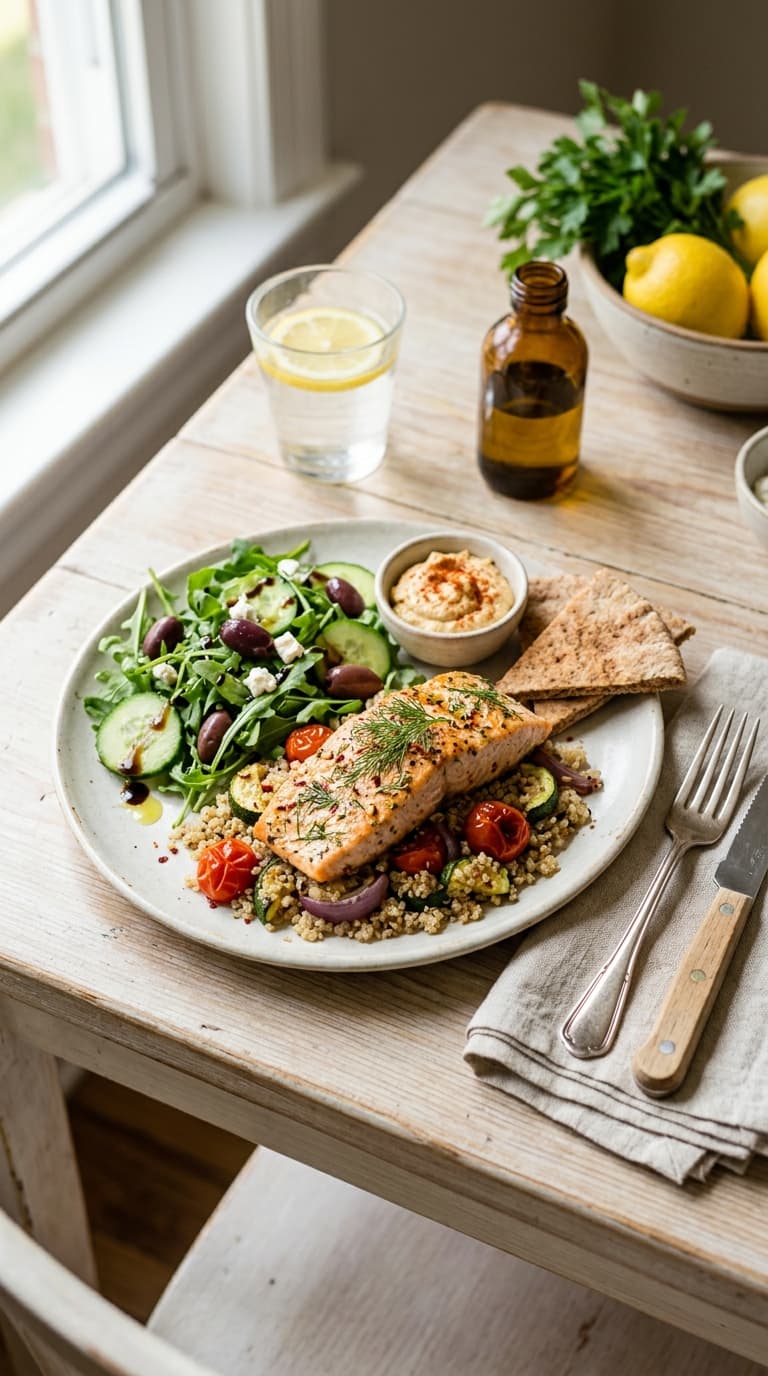
- Lunch: Big Mediterranean grain bowl with quinoa, roasted veggies, olives, feta, and lemon-herb dressing
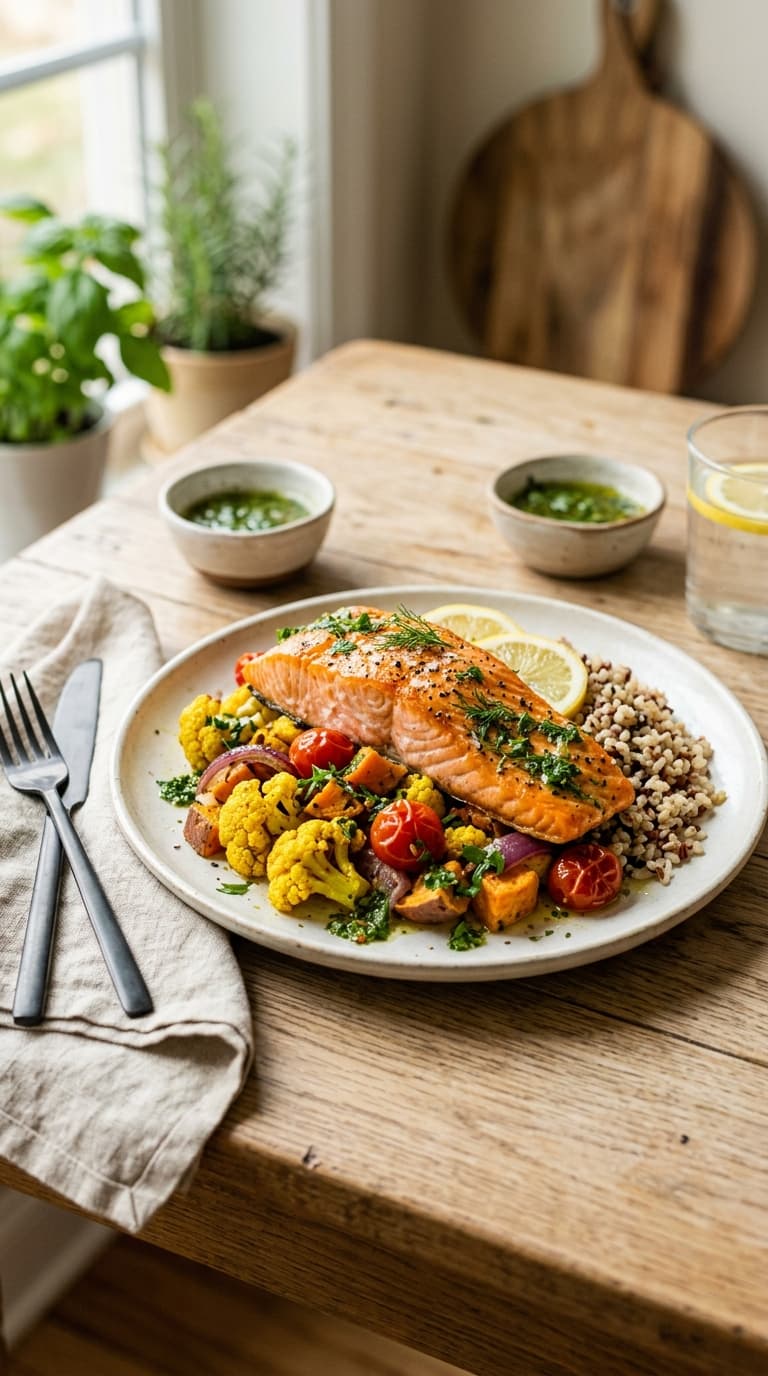
- Dinner: Herb-crusted baked salmon with roasted garlic green beans and wild rice
- Snack: A small plate of fresh fruit and a handful of walnuts
The Drinks That Support Your Plan
FYI — what you drink matters just as much as what you eat. Hydration affects joint lubrication, and certain beverages actively fight inflammation.
Green tea is your best friend here. It’s loaded with EGCG, a powerful antioxidant that’s been studied specifically for its effects on RA. If you want more options, exploring anti-inflammatory tea blends can seriously upgrade your daily routine.
Ginger and turmeric teas are also fantastic — and if you want to support your gut alongside your joints, herbal teas for better digestion are worth adding to your rotation. Speaking of supporting your body from the inside out, some people find that herbal teas for sleep help reduce nighttime inflammation discomfort too.
Avoid sugary sodas, fruit juices with added sugar, and alcohol — these actively work against what you’re trying to achieve.
Tips to Actually Stick to This Plan
Let’s talk about the elephant in the room: meal plans look great on paper and then life happens. Here’s what genuinely helps:
- Meal prep on Sundays. Cook a big batch of quinoa, roast a tray of veggies, and portion out your snacks for the week. Future-you will be grateful.
- Keep your pantry stocked with the basics. Olive oil, canned salmon or sardines, canned chickpeas, oats, and frozen berries should always be on hand.
- Don’t aim for perfection. If you eat something “off plan,” just get back on track at the next meal. One pizza slice doesn’t undo a week of good choices.
- Track how you feel, not just what you eat. Keep a simple journal noting your pain levels, energy, and sleep quality. Over 14 days, patterns emerge.
- Batch cook soups and stews. They freeze beautifully and make life so much easier on flare days when cooking feels impossible.
The Role of Gut Health in RA
Here’s something that often gets overlooked: your gut microbiome and your immune system are deeply connected. Research increasingly links gut dysbiosis (an imbalance of gut bacteria) to autoimmune flares in RA. This is why the anti-inflammatory eating pattern above emphasizes fiber-rich foods, fermented options like Greek yogurt, and plenty of plant diversity.
IMO, focusing on gut health is one of the most underrated strategies for managing RA long-term. Probiotics from food sources (not just supplements) make a real difference.
What to Expect After 14 Days
Two weeks won’t reverse years of inflammation overnight — let’s be honest about that. But many people with RA report noticeable improvements after consistently following an anti-inflammatory diet:
- Reduced morning stiffness in joints
- Lower overall pain levels on good days
- Improved energy and mood (less brain fog)
- Better sleep quality
- Reduced reliance on NSAIDs on lower-pain days (always discuss medication changes with your doctor)
The real magic happens when these two weeks become a lifestyle, not just an experiment. Think of this as your launchpad, not your finish line.
A Note on Coffee and RA
Ever wondered whether your morning coffee is helping or hurting? The research on coffee and RA is actually mixed — some studies suggest moderate coffee consumption has anti-inflammatory benefits thanks to its polyphenol content, while others flag it as a potential trigger for certain people.
If you tolerate coffee well, keeping it moderate (1-2 cups daily) is generally fine. If you’re curious about making your coffee work harder for your health, healthy coffee recipes with nut milks and natural sweeteners are a smart way to keep the ritual without the inflammatory add-ons like processed creamers or excessive sugar. You might also appreciate low-calorie coffee drinks that skip the sugar overload entirely.
Final Thoughts
You didn’t ask for rheumatoid arthritis, and managing it is genuinely hard work. But the fact that you’re here, reading about how food can support your body, tells me everything I need to know about your commitment to feeling better.
This 14-day anti-inflammatory meal plan isn’t about deprivation — it’s about choosing foods that fight for you instead of against you. Start with week one, track how you feel, and build from there. Small, consistent shifts in what you eat create real, lasting change in how you feel.
Give your body two weeks of real nourishment. I think you’ll be surprised at what it gives you back. 🙂