21 Anti-Inflammatory Seeds and Nuts to Snack On Daily
21 Anti-Inflammatory Seeds and Nuts to Snack On Daily
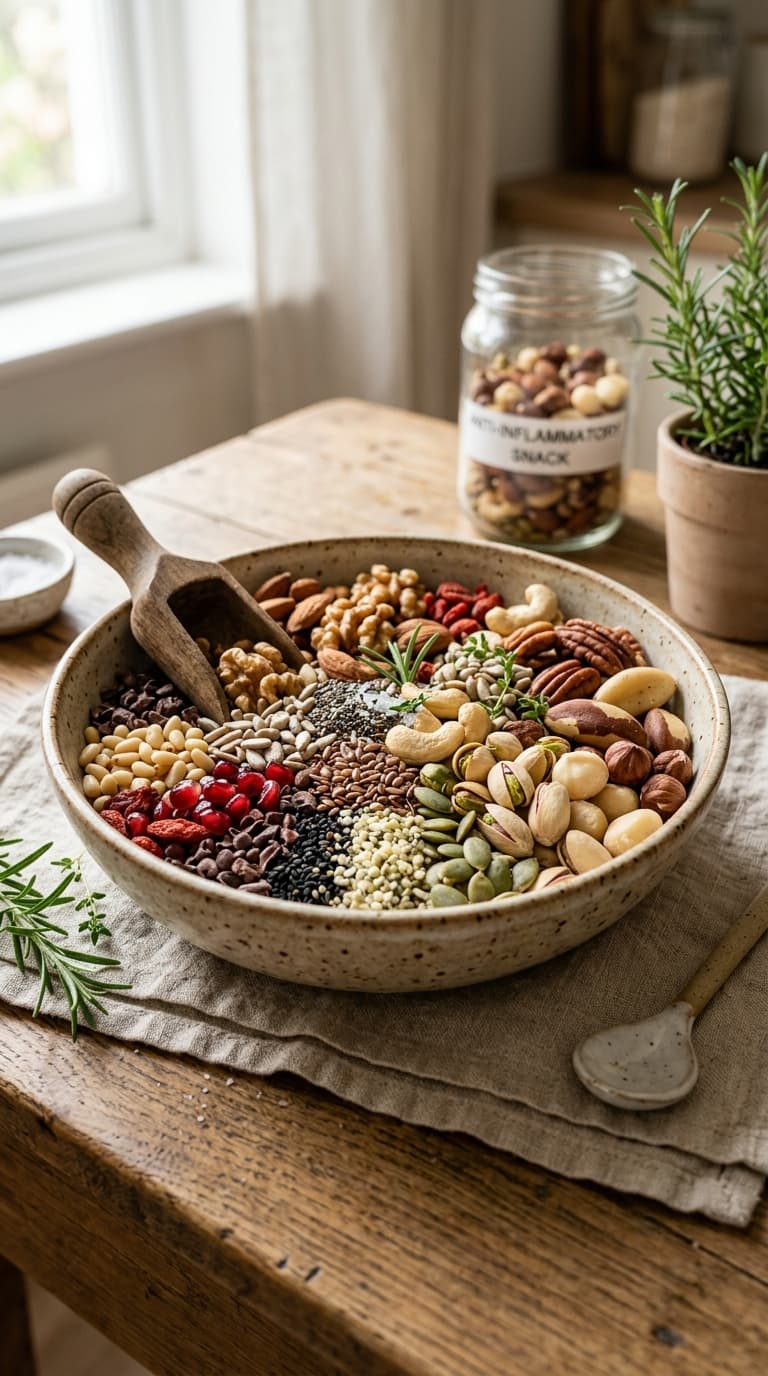
Let’s be honest — most of us snack on autopilot. A handful of chips here, a cookie there, and suddenly your body is running on inflammation fuel. But what if your snacks actually fought inflammation instead of feeding it? That’s where seeds and nuts come in, and trust me, once you start, you won’t look back.
I started adding these to my daily routine about two years ago after noticing my joints felt stiff every morning. The difference was genuinely surprising. So grab a seat, because we’re about to go through 21 anti-inflammatory seeds and nuts you should absolutely be snacking on — starting today.
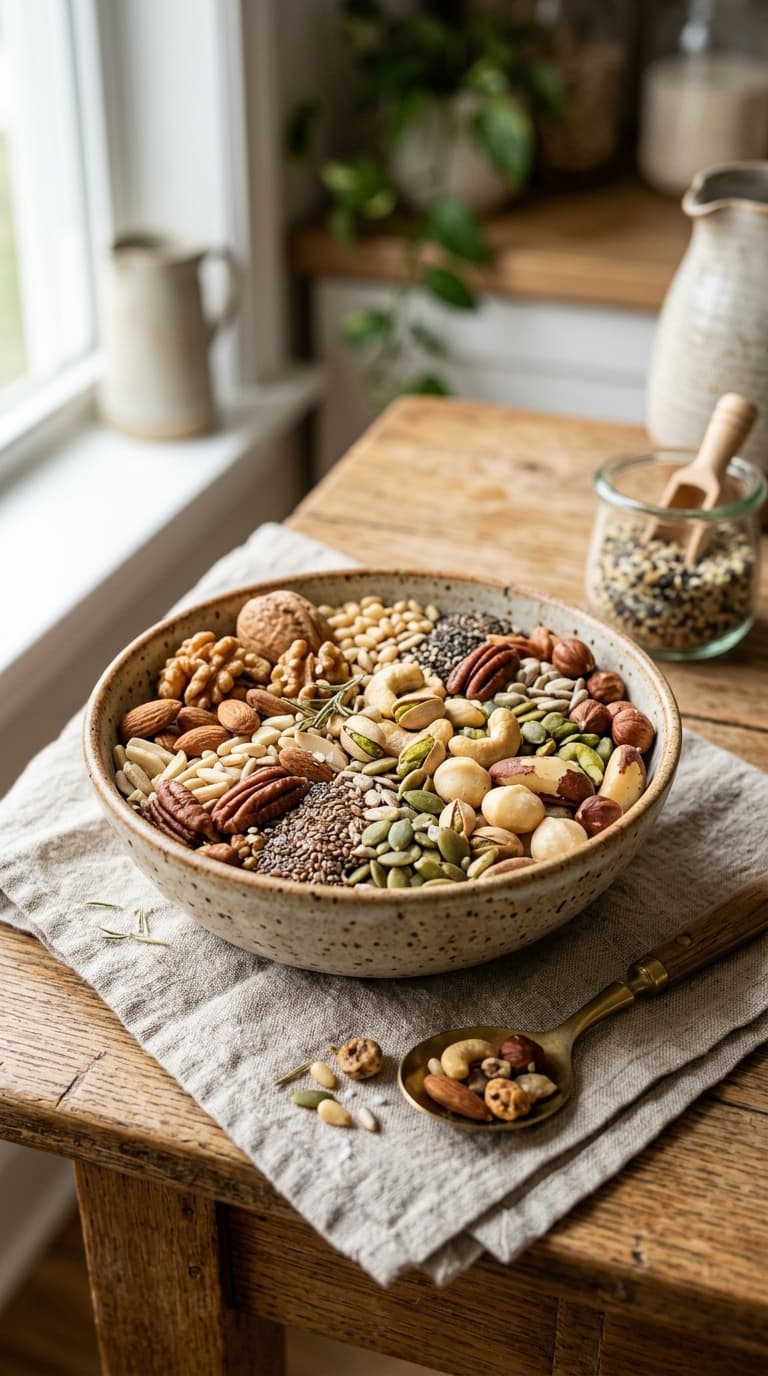
Why Anti-Inflammatory Snacking Actually Matters
Before we get into the list, let’s quickly talk about why inflammation is such a big deal. Chronic inflammation sits at the root of so many health problems — think heart disease, arthritis, and even cognitive decline. Your diet plays a massive role in either calming or triggering that inflammatory response.
Seeds and nuts are loaded with omega-3 fatty acids, antioxidants, polyphenols, and minerals that work together to cool inflammation down. They’re also incredibly easy to add to your routine — no cooking required, no fancy equipment needed. Just grab and go.
The Nut Side of the Squad
1. Walnuts
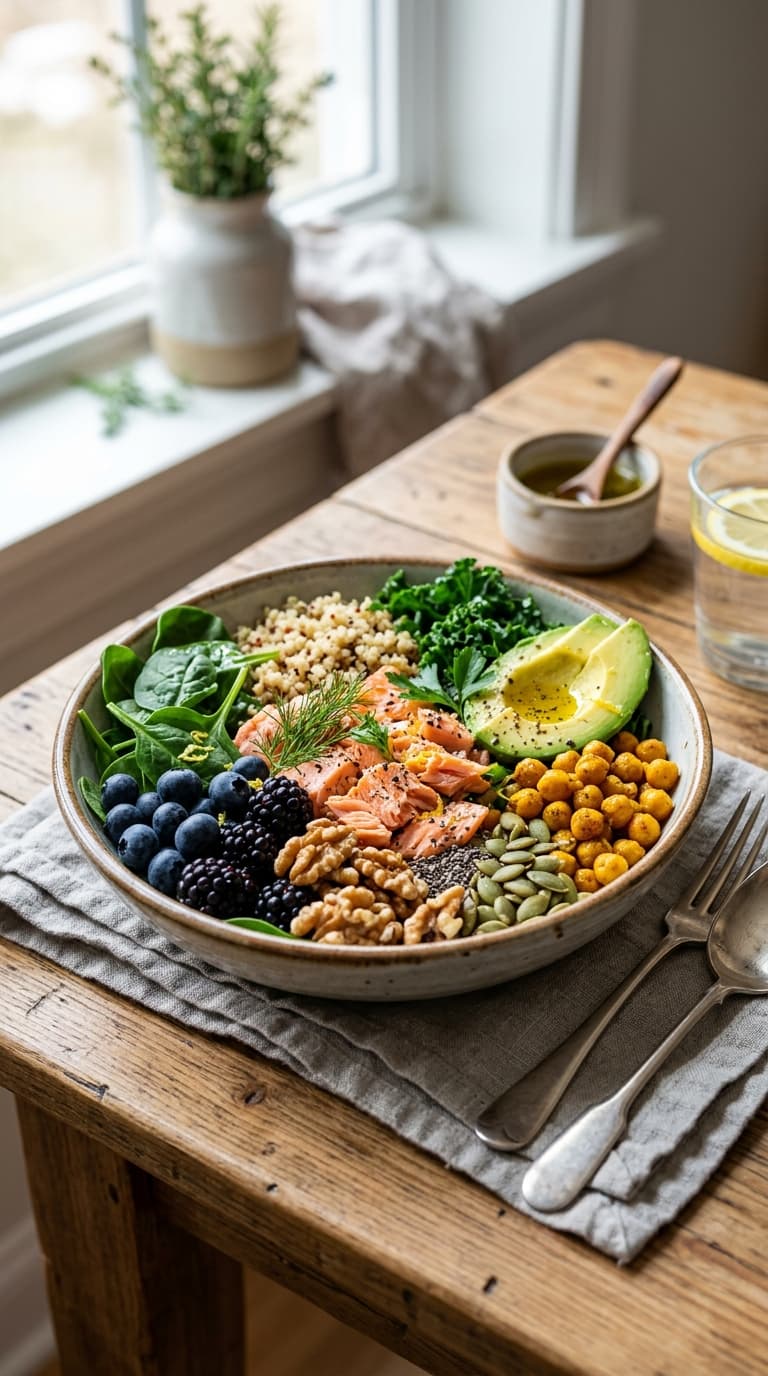
Walnuts are the undisputed champions of anti-inflammatory nuts. They pack more omega-3 fatty acids than any other tree nut, and that ALA content directly helps reduce inflammatory markers in the body. I keep a small jar on my desk and snack on a small handful every afternoon.
- Rich in alpha-linolenic acid (ALA)
- High in polyphenols that fight oxidative stress
- Support brain and heart health simultaneously
2. Almonds
Almonds give you a solid hit of vitamin E, which acts as a powerful antioxidant and helps suppress inflammatory pathways. They’re also high in magnesium — a mineral that a large chunk of people are actually deficient in, which can worsen inflammation. IMO, almonds are the most underrated nut on this list.
3. Cashews
Cashews often get a bad rap because of their fat content, but their fat profile is actually quite healthy. They’re rich in monounsaturated fats and zinc, both of which support immune regulation. Zinc specifically helps modulate the inflammatory response — pretty important stuff.
4. Pistachios
Pistachios contain lutein, zeaxanthin, and gamma-tocopherol — compounds that don’t exactly roll off the tongue but work hard to protect your cells from oxidative damage. They also have a surprisingly favorable effect on cholesterol levels, which ties directly into systemic inflammation.
5. Macadamia Nuts
Macadamia nuts are insanely high in palmitoleic acid, a rare omega-7 fatty acid that supports metabolic health and reduces markers of inflammation. They’re also buttery and delicious, which — let’s face it — matters when you’re trying to stick to a habit 🙂
6. Brazil Nuts
Just one or two Brazil nuts per day gives you your entire recommended intake of selenium. Selenium is a critical mineral for thyroid function and acts as a cofactor for antioxidant enzymes that fight inflammation. Seriously — one or two. Don’t go overboard here.
7. Hazelnuts
Hazelnuts are rich in proanthocyanidins, a class of plant compounds that have strong anti-inflammatory and antioxidant effects. They also contain folate and vitamin E, making them a solid all-rounder for overall cellular health.
8. Pecans
Pecans rank among the highest-antioxidant foods out there, period. They contain ellagic acid, catechins, and beta-sitosterol, which collectively help reduce LDL oxidation and fight chronic inflammation. Pair them with a warm drink — maybe something from this list of healthy coffee recipes to boost your metabolism — and you’ve got a pretty great snack moment.
9. Pine Nuts
Pine nuts contain pinolenic acid, a polyunsaturated fatty acid that shows anti-inflammatory properties and may also help regulate appetite. They’re small but mighty, and they work beautifully sprinkled over salads or eaten straight from the bag.
10. Peanuts (Yes, They Count)
Technically a legume, but we’ll let it slide — peanuts contain resveratrol, the same anti-inflammatory compound found in red wine. They’re also affordable and accessible, which makes them a genuinely practical anti-inflammatory snack for everyday life.
The Seed Side of the Squad
11. Flaxseeds
Flaxseeds are probably the most researched seeds when it comes to inflammation. They’re absolutely packed with ALA omega-3s and lignans, which have both antioxidant and anti-estrogenic properties. One thing to note: grind them before eating. Your body can’t break down the hull of whole flaxseeds properly, so you’ll miss most of the benefits. Use a cheap coffee grinder — easy fix.
12. Chia Seeds
Chia seeds are a nutritional overachiever. They give you omega-3s, fiber, calcium, and antioxidants all in a single tablespoon. They absorb water like crazy and form a gel that also supports gut health — and since gut health is deeply tied to inflammation, this is a win-win. Stir them into your morning drink or soak them overnight.
13. Hemp Seeds
Hemp seeds contain an ideal ratio of omega-6 to omega-3 fatty acids (around 3:1), which is considered the sweet spot for reducing inflammation. They’re also a complete plant protein, which is rare among seeds. Sprinkle them on literally anything — yogurt, oatmeal, salads.
14. Pumpkin Seeds
Pumpkin seeds — also called pepitas — are one of the best plant-based sources of zinc and magnesium. Both minerals play a direct role in regulating inflammatory processes. They also contain cucurbitacins, compounds with known anti-inflammatory activity. Roast them lightly with a pinch of sea salt and you’ve got a snack that actually tastes good, too.
15. Sunflower Seeds
Sunflower seeds are loaded with vitamin E and selenium, two nutrients that work together to neutralize free radicals and reduce oxidative stress. They’re also high in linoleic acid, which the body uses to produce anti-inflammatory compounds. A small handful goes a long way.
16. Sesame Seeds
Sesame seeds contain sesamin and sesamolin, two lignans with strong anti-inflammatory and antioxidant effects. They’re also rich in copper, which supports joint function — great news if inflammation is showing up in your knees or fingers. Tahini, made from ground sesame seeds, is an easy way to sneak these into your diet without even thinking about it.
If you enjoy pairing your snacks with something soothing, these anti-inflammatory tea blends for better health make a brilliant match — especially alongside sesame-based snacks in the afternoon.
17. Black Seeds (Nigella Sativa)
Black seeds — also known as black cumin — have been used medicinally for centuries, and modern research is finally catching up. Thymoquinone, their primary active compound, shows impressive anti-inflammatory, antioxidant, and even antimicrobial properties. You can find them at most Middle Eastern grocery stores and sprinkle them over bread, salads, or yogurt.
18. Pomegranate Seeds
Okay, yes — pomegranate seeds are technically a fruit seed, but they deserve a spot here. They’re loaded with punicalagins and anthocyanins, which are among the most potent antioxidants found in any food. Studies show they can reduce inflammatory markers like CRP and interleukin-6. They’re also genuinely delicious, which helps.
19. Grape Seeds (or Grape Seed Extract)
Grape seeds contain oligomeric proanthocyanidin complexes (OPCs) — fancy words for extremely powerful antioxidants that reduce inflammation and support cardiovascular health. Whole grape seeds can be eaten directly, or you can supplement with grape seed extract if you prefer.
20. Sacha Inchi Seeds
This one might be new to you, and that’s fair — sacha inchi is still flying under the radar. These seeds from Peru contain a remarkably high amount of omega-3 fatty acids — even more than flaxseeds by some measures. They have a mild, slightly nutty flavor and work well as a snack on their own or mixed into trail mixes. FYI, they’re worth tracking down at health food stores.
21. Watermelon Seeds
Yes, you read that right. Dried watermelon seeds are a surprisingly rich source of magnesium, iron, and zinc, all of which contribute to a well-regulated immune and inflammatory response. Roasted watermelon seeds are popular in several Asian and African cuisines and are finally making their way into Western health food circles. Give them a try before you judge :/ — you might actually enjoy them.
How to Build a Daily Anti-Inflammatory Snack Habit
Knowing what to eat is one thing. Actually eating it consistently is another. Here’s what works for me — and what might work for you too:
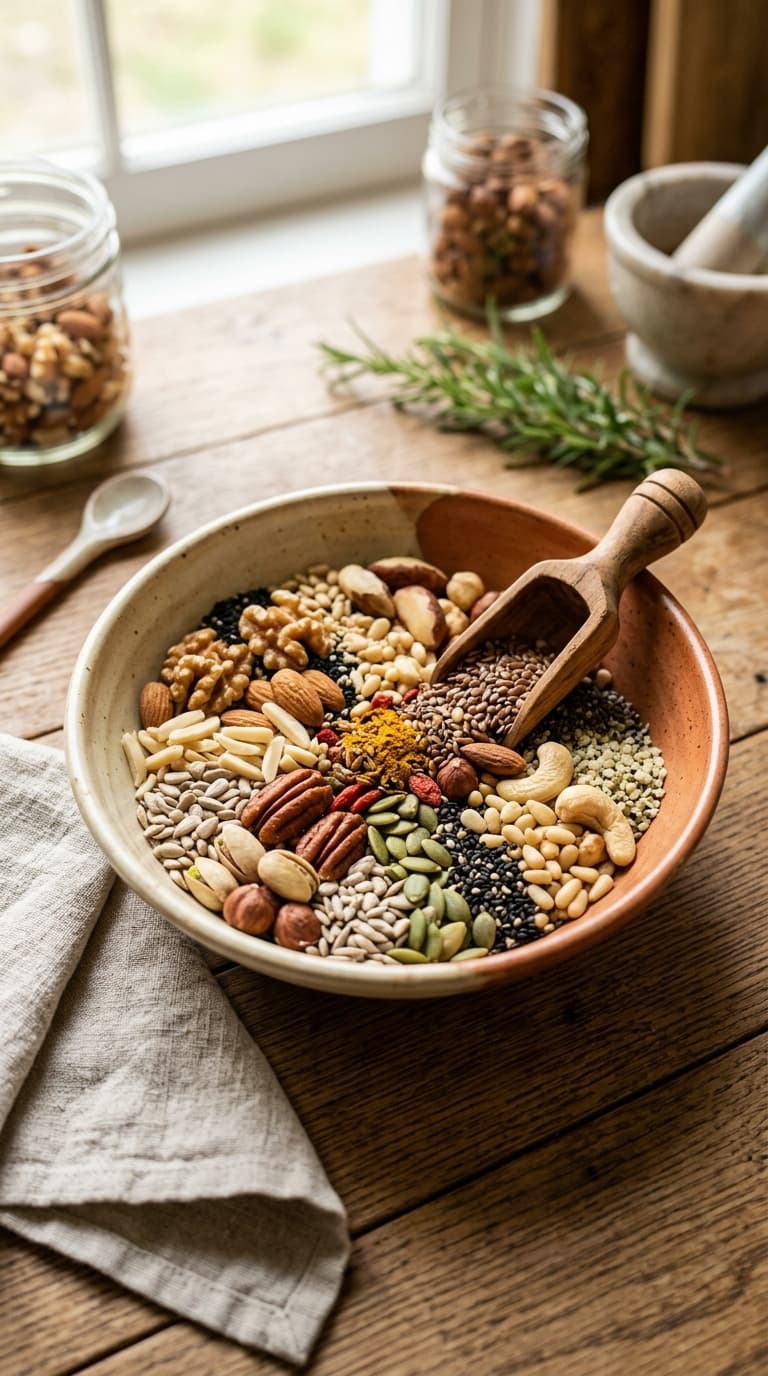
- Prep a weekly snack mix using 4–5 of your favorites from this list. Store it in a glass jar and portion it into small bags so you can grab one on your way out the door.
- Add seeds to existing meals — chia on your oatmeal, hemp on your salad, flaxseed in your smoothie. Zero extra effort required.
- Pair your nuts with something anti-inflammatory — think a cup of tea. These herbal tea blends for relaxation and sleep actually pair brilliantly with a handful of walnuts or almonds as an evening wind-down snack.
- Watch your portions. Nuts and seeds are calorie-dense. A small handful (roughly 28g or 1 oz) is the sweet spot for most of these.
A Quick Word on Quality
Not all nuts and seeds are created equal. Here’s what to look for when buying:
- Raw or dry-roasted over oil-roasted (oil-roasted often uses inflammatory vegetable oils)
- Unsalted or lightly salted to keep sodium intake in check
- Organic when possible, especially for seeds like flax and chia that may have higher pesticide residues
- Stored in airtight containers away from heat and light to prevent the healthy fats from going rancid
And speaking of pairing things well — if you like a good morning routine, try having your nut or seed snack alongside one of these coffee drinks you can make in under 5 minutes. A handful of walnuts with a well-made cup of coffee is genuinely a great start to the day.
Wrapping It All Up
Here’s the bottom line: anti-inflammatory eating doesn’t have to be complicated or expensive. You don’t need to overhaul your entire diet. Just start with your snacks. Swap out the processed stuff for a handful of walnuts, a sprinkle of chia, or a small bag of pumpkin seeds — and do it consistently.
Your joints, your heart, your brain, and honestly your entire future self will thank you for it. Start with two or three from this list, rotate through others as you get comfortable, and build from there. Small, consistent changes beat dramatic overhauls every single time.
So — which one are you trying first? If you’re like me, you’ll probably start with walnuts and never look back. And that’s a perfectly great place to begin.