23 Anti-Inflammatory Foods That Are Also High in Protein
23 Anti-Inflammatory Foods That Are Also High in Protein
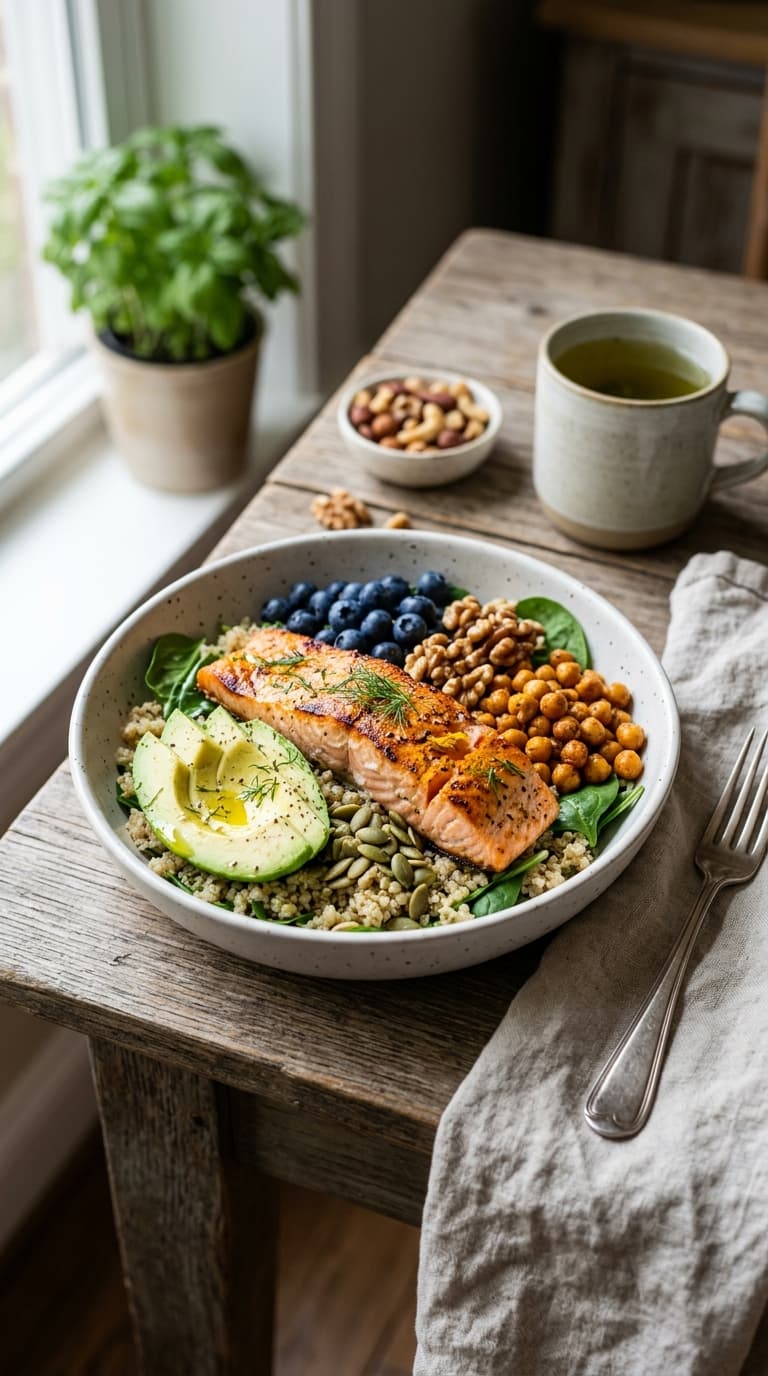
Your joints ache, your energy crashes by 2 PM, and somehow your body feels like it’s running a slow-burning fire on the inside. Sound familiar? Chronic inflammation is sneaky like that — it quietly messes with your health while you go about your day. The good news? You can fight back with your fork.
Here’s the thing most people miss: you don’t need to choose between anti-inflammatory eating and hitting your protein goals. The best foods do both jobs at once. I’ve spent a lot of time nerding out over nutrition labels and research, and I’m excited to share this list with you. These 23 foods are genuinely powerful, and most of them are probably already sitting in your kitchen. Let’s get into it.
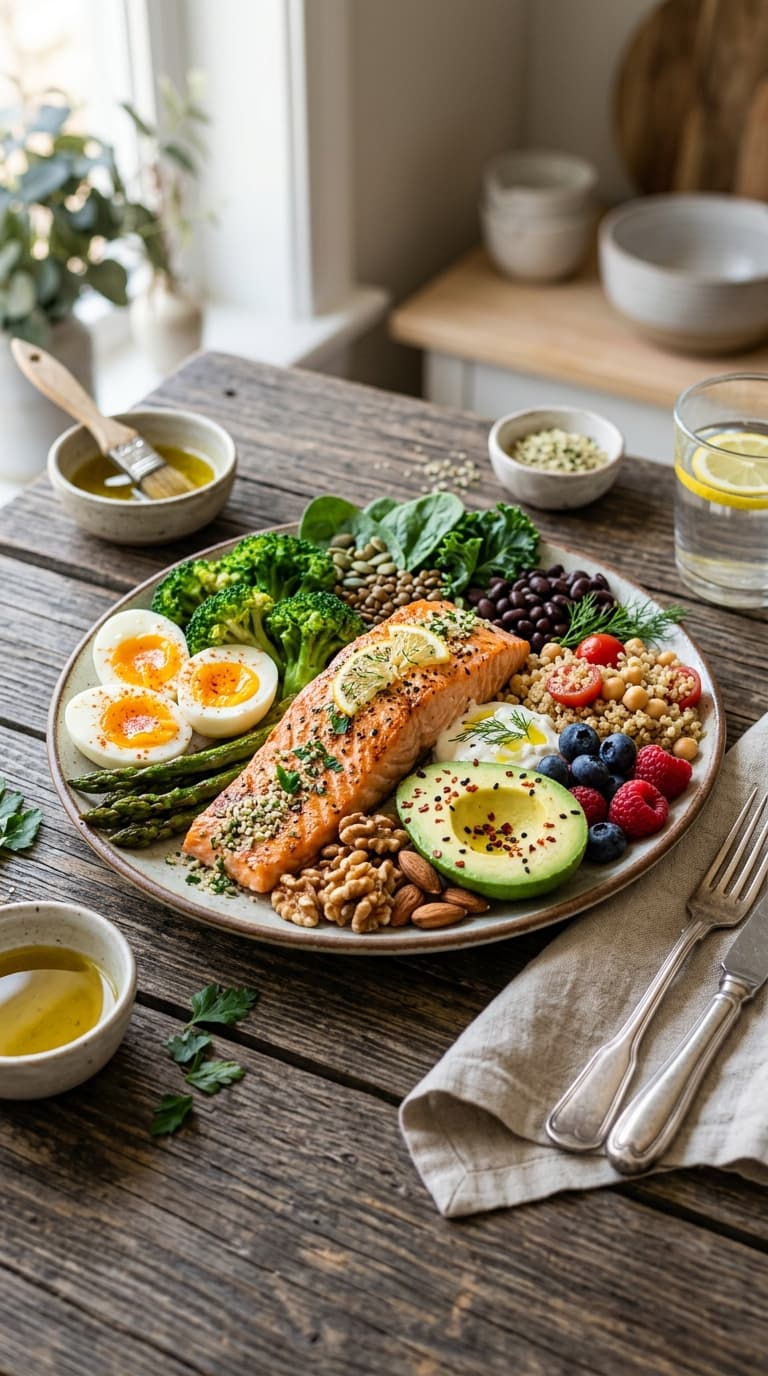
Why Anti-Inflammatory Protein Sources Actually Matter
Before we hit the list, let’s talk about why this combination is such a big deal. Inflammation is your immune system’s response to stress, injury, or invaders. Short-term? Totally fine. Chronic? That’s where the trouble starts — think heart disease, diabetes, and joint problems.
Protein, on the other hand, repairs tissues, supports muscle, and keeps you full. When you pair high-protein foods with anti-inflammatory compounds like omega-3s, polyphenols, and antioxidants, you’re essentially giving your body a two-for-one deal. You’re rebuilding AND calming at the same time. That’s not just smart eating — it’s strategic.
If you’re also working on your overall wellness routine, pairing these foods with something like anti-inflammatory tea blends can seriously level up your results.
The Big List: 23 Anti-Inflammatory High-Protein Foods
1. Wild-Caught Salmon
This one’s basically the poster child of anti-inflammatory eating, and for good reason. Wild salmon packs roughly 22–25g of protein per 3.5oz serving, plus it’s loaded with omega-3 fatty acids — specifically EPA and DHA — which are among the most well-studied anti-inflammatory compounds on the planet.
IMO, salmon is one of those rare foods that actually lives up to the hype. Grill it, bake it, throw it on a salad — it works every single time.
2. Sardines
I know, I know. Sardines get no respect. But hear me out — these little guys are one of the most nutrient-dense, anti-inflammatory protein sources you can find, and they’re incredibly cheap. A single can delivers around 23g of protein and a massive hit of omega-3s.
They’re also low in mercury compared to larger fish, which is a genuine win. Mash them on whole-grain toast with lemon and you’ve got a meal that would make a nutritionist smile.
3. Mackerel
Another omega-3 powerhouse that doesn’t get nearly enough love. Mackerel offers around 20g of protein per serving along with vitamin D and selenium — both of which play roles in reducing inflammatory markers.
If you haven’t tried smoked mackerel, you’re missing out. It’s rich, satisfying, and genuinely delicious in a way that makes healthy eating feel less like a chore.
4. Eggs
Eggs are one of those foods that went from villain to hero pretty quickly once the research caught up. Two large eggs give you about 12g of protein, plus lutein, zeaxanthin, and choline — all compounds with notable anti-inflammatory properties.
The yolk is where the good stuff lives, so please don’t throw it away. Whole eggs, people. Always whole eggs.
5. Greek Yogurt
Plain Greek yogurt is a nutritional workhorse. A single cup can deliver 15–20g of protein, plus probiotics that support gut health — and a healthy gut is a major player in controlling systemic inflammation.
Go for full-fat or 2% over the fat-free versions. The fat helps with satiety, and many fat-free versions compensate with added sugar, which is the last thing you want when you’re trying to cool inflammation down.
6. Lentils
Plant-based folks, this one’s for you. Lentils are absolutely stacked with protein — about 18g per cooked cup — and they’re rich in fiber, folate, and polyphenols that actively reduce inflammation.
They’re also crazy versatile. Soups, curries, salads, grain bowls — lentils do it all. If you’re sleeping on lentils, it’s time to wake up.
7. Chickpeas
Chickpeas are right up there with lentils in the plant-based protein hall of fame. One cup of cooked chickpeas delivers roughly 15g of protein, plus a solid dose of fiber and flavonoids.
Roast them for a crunchy snack, blend them into hummus, or toss them into a stew. They’re practically begging to be eaten.
8. Black Beans
Black beans offer around 15g of protein per cup, along with anthocyanins — the same antioxidants found in blueberries — which have strong anti-inflammatory effects. They’re filling, affordable, and endlessly adaptable in the kitchen.
A black bean taco situation with avocado and salsa? That’s not just dinner — that’s self-care.
9. Edamame
Edamame is basically the snack that every gym-goer should have on rotation. A cup of shelled edamame gives you about 17g of protein, plus isoflavones that research links to reduced inflammation, particularly in joint tissue.
Steam them, salt them, eat them straight from the pod. It’s one of the easiest high-protein snacks out there.
10. Tofu
Tofu gets a bad reputation for being “bland,” but that’s a cooking problem, not a tofu problem. Firm tofu packs about 10g of protein per half cup and contains isoflavones and selenium with measurable anti-inflammatory effects.
Marinate it, press it, crisp it up in a pan — tofu absorbs flavor like a sponge and gets genuinely delicious when you treat it right.
11. Tempeh
Think of tempeh as tofu’s more grown-up, fermented cousin. It offers about 15–19g of protein per half cup and, because it’s fermented, it also delivers probiotics that help keep gut inflammation in check.
It has a nutty, earthy flavor that holds up really well to bold sauces and marinades. Slice it thin, pan-fry until golden, and thank me later.
12. Hemp Seeds
These tiny seeds are genuinely impressive. Three tablespoons of hemp seeds deliver around 10g of complete protein, meaning they contain all nine essential amino acids — which is rare for a plant food.
They’re also rich in gamma-linolenic acid (GLA), a fatty acid with well-documented anti-inflammatory properties. Sprinkle them on smoothie bowls, yogurt, or coffee smoothies for a quick protein boost.
13. Chia Seeds
Chia seeds are tiny but mighty. Two tablespoons give you about 4–5g of protein along with a hefty dose of alpha-linolenic acid (ALA), a plant-based omega-3 that your body converts into anti-inflammatory compounds.
They also absorb liquid and expand, which means they keep you full for hours. Overnight chia pudding made with almond milk is one of my personal go-to breakfasts.
14. Almonds
A one-ounce serving of almonds delivers about 6g of protein, plus vitamin E and healthy monounsaturated fats that help reduce inflammatory markers like C-reactive protein (CRP).
They’re the perfect grab-and-go snack. Raw or dry-roasted are your best bets — skip the honey-roasted ones that are basically just candy in disguise. 🙂
15. Walnuts
Walnuts are the nut world’s omega-3 champion. One ounce provides about 4g of protein along with ALA and polyphenols that studies consistently link to lower inflammation.
I keep a small bag of walnuts on my desk because they’re genuinely one of the easiest ways to sneak more anti-inflammatory goodness into your day without any extra effort.
16. Pumpkin Seeds
Also called pepitas, pumpkin seeds pack about 9g of protein per ounce along with zinc and magnesium — two minerals that play significant roles in regulating immune response and inflammation.
They’re incredible when toasted with a little olive oil and sea salt. Toss them on soups, grain bowls, or salads for crunch and nutrition in one move.
17. Quinoa
Quinoa is one of the few plant foods that qualifies as a complete protein, providing about 8g per cooked cup. It’s also rich in quercetin and kaempferol — plant antioxidants with strong anti-inflammatory and antioxidant activity.
It cooks in under 15 minutes and works as a base for basically any meal. If you’re not already using quinoa as your go-to grain, that changes now.
18. Chicken Breast
Lean chicken breast is a classic for a reason. A 3.5oz serving provides roughly 31g of protein — one of the highest concentrations on this entire list. It also contains selenium and the amino acid tryptophan, both of which support immune regulation.
Here’s where quality matters: pasture-raised chickens produce meat with a slightly better omega-3 to omega-6 ratio, which nudges the inflammation profile in a better direction. Worth looking for when you can find it.
19. Turkey
Turkey isn’t just for Thanksgiving — it deserves a spot in your weekly rotation year-round. A 3.5oz serving of lean turkey provides around 29g of protein and contains selenium, zinc, and B vitamins that all help regulate inflammatory pathways.
Ground turkey is especially useful — it works in pretty much everything from tacos to meatballs to stir-fries.
20. Tuna
Canned tuna is one of the best budget-friendly, high-protein, anti-inflammatory foods you can buy. A 3oz can gives you about 22g of protein plus a solid serving of omega-3s.
Go for skipjack over albacore when possible — it’s lower in mercury and still delivers the omega-3s you’re after. FYI, chunk light tuna is usually skipjack, so that’s your shorthand at the grocery store.
21. Cottage Cheese
Cottage cheese had a serious comeback in recent years, and honestly, it earned it. One cup of low-fat cottage cheese provides around 25g of protein, plus casein — a slow-digesting protein that keeps inflammation-related hunger spikes in check.
It’s mild enough to pair with both sweet and savory things. I like mine with sliced tomatoes and cracked black pepper, but berries and a drizzle of honey work just as well.
22. Green Peas
Don’t underestimate the humble pea. One cup of cooked green peas delivers about 8g of protein along with vitamins C and K, plus flavonoids like catechins and epicatechins — the same compounds found in green tea — that actively fight inflammation.
Add them to soups, stir them into rice, or just eat them straight as a side dish. They’re sweet, satisfying, and seriously underrated.
23. Spirulina
Okay, spirulina is the wild card on this list, but it absolutely deserves its spot. Just two tablespoons of spirulina powder pack about 8g of protein, plus phycocyanin — a pigment unique to spirulina that has some of the most potent anti-inflammatory effects of anything on this list.
It tastes a bit like the ocean :/ but blended into a smoothie with banana and mango, you genuinely can’t taste it. Start with a small amount and work up from there.
How to Actually Eat These Foods Together
Knowing the list is one thing — building meals around it is where the magic happens. The good news is that most of these foods pair naturally with each other, making it easy to stack up multiple anti-inflammatory benefits in a single meal.
Here are a few simple combos that work really well:
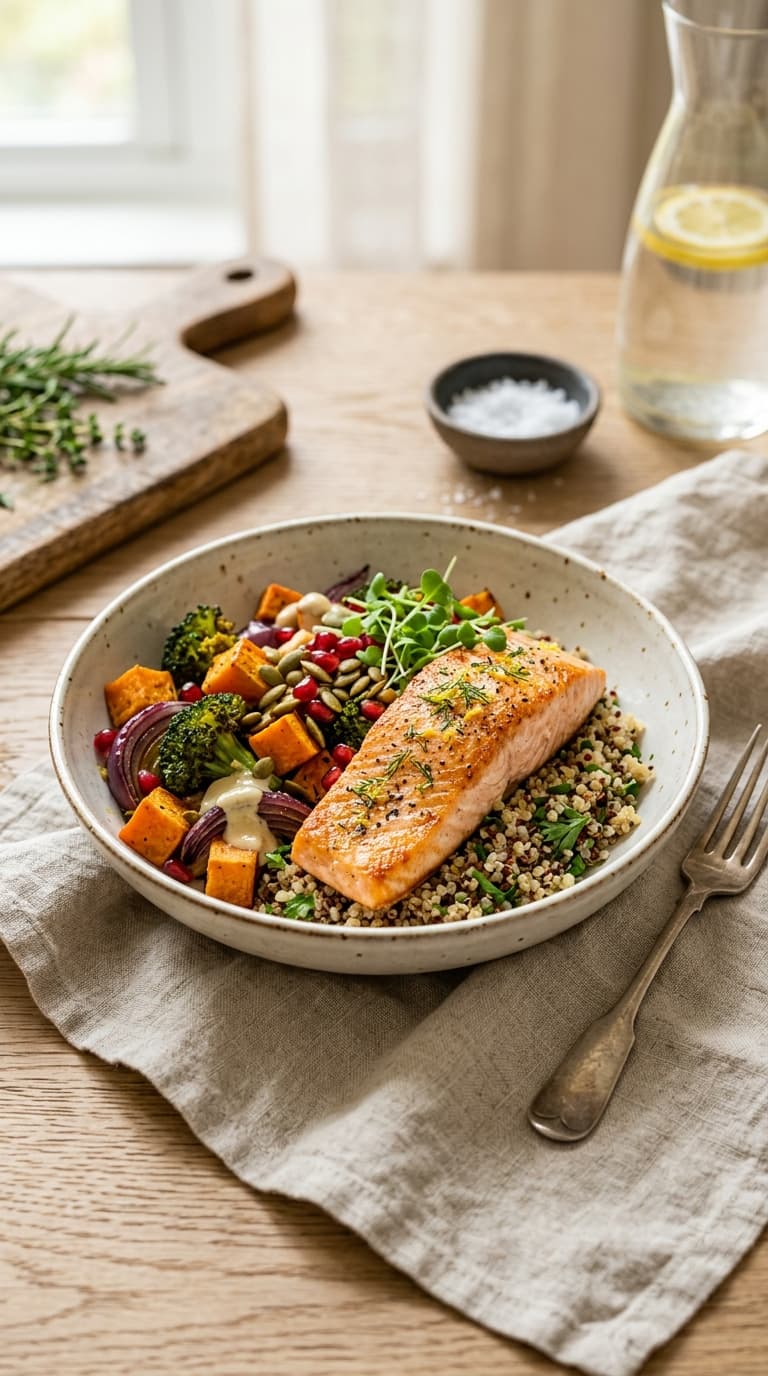
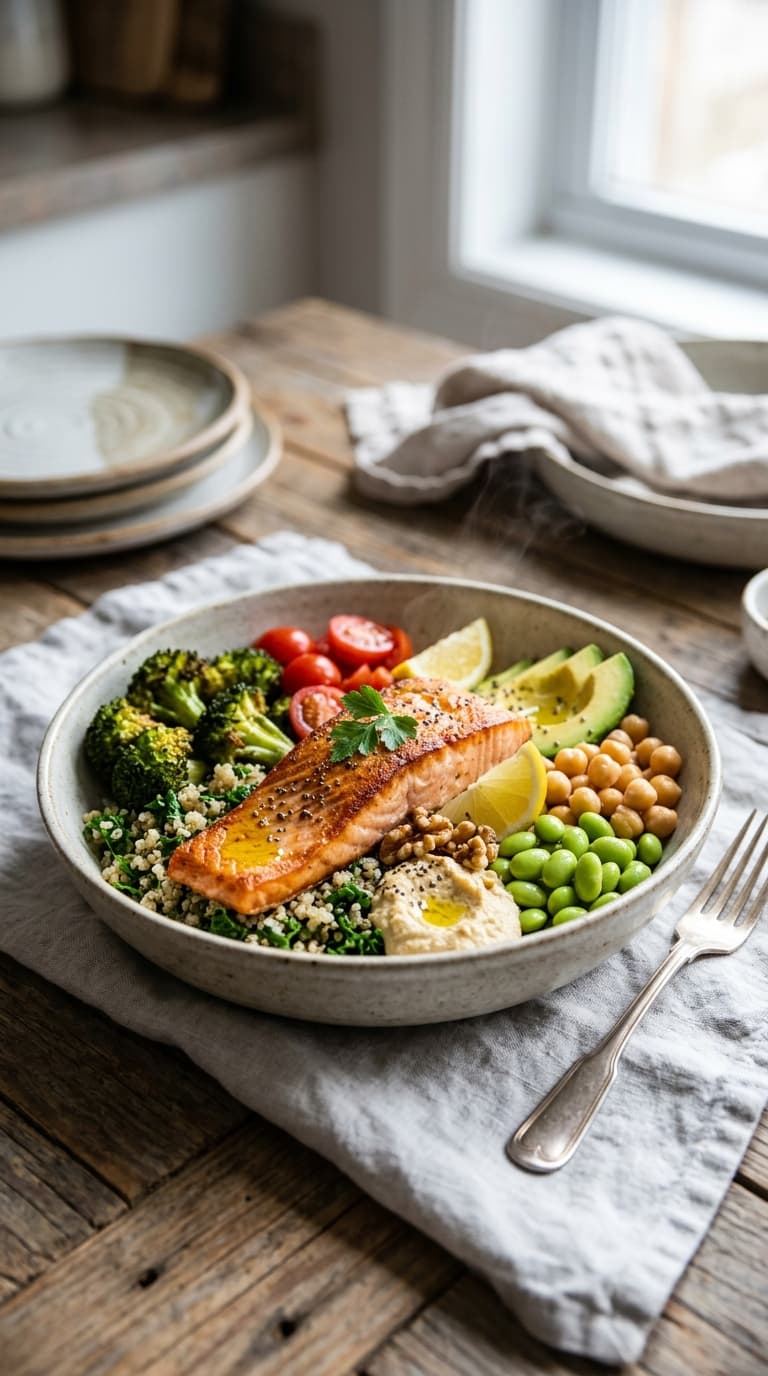
- Salmon + quinoa + edamame — omega-3s, complete protein, and plant antioxidants all in one bowl
- Greek yogurt + hemp seeds + walnuts — a breakfast that fights inflammation before you’ve even had your morning coffee
- Lentil soup with turmeric + pumpkin seeds — deeply anti-inflammatory and genuinely filling
- Tuna + chickpeas + olive oil on greens — a no-cook lunch that takes five minutes and delivers big
If you want to round out your anti-inflammatory routine with what you drink, take a look at some herbal teas that support digestion — the combination of anti-inflammatory foods and the right teas can do a lot for your overall gut health.
A Quick Word on What to Avoid
Building an anti-inflammatory plate isn’t just about what you add — it’s also about what you reduce. Processed meats, refined sugars, seed oils high in omega-6s, and ultra-processed snack foods all drive the inflammatory response that the foods above are trying to calm down.
You don’t need to be perfect. Aim for progress, not perfection. If you can replace even a few of your regular protein sources with ones from this list, you’ll start to notice a difference — in energy, in how your joints feel, and in how your body recovers from exercise and stress.
The Bottom Line
So there you have it — 23 foods that fight inflammation and fuel your body with protein at the same time. From wild salmon to spirulina, these aren’t exotic or expensive choices (well, most of them). They’re real foods that you can find at any grocery store and build into meals you’ll actually enjoy eating.
The relationship between diet and inflammation is one of the most researched areas in nutrition right now, and the verdict is pretty clear: what you eat has a direct, measurable impact on how inflamed your body is. So why not use that to your advantage?
Start small. Swap one meal. Add one new food from this list each week. Your body is keeping score even when you’re not, and those small, consistent choices add up to something significant over time. You’ve got this. 💪