43 Anti-Inflammatory Foods to Eat Every Single Week
43 Anti-Inflammatory Foods to Eat Every Single Week
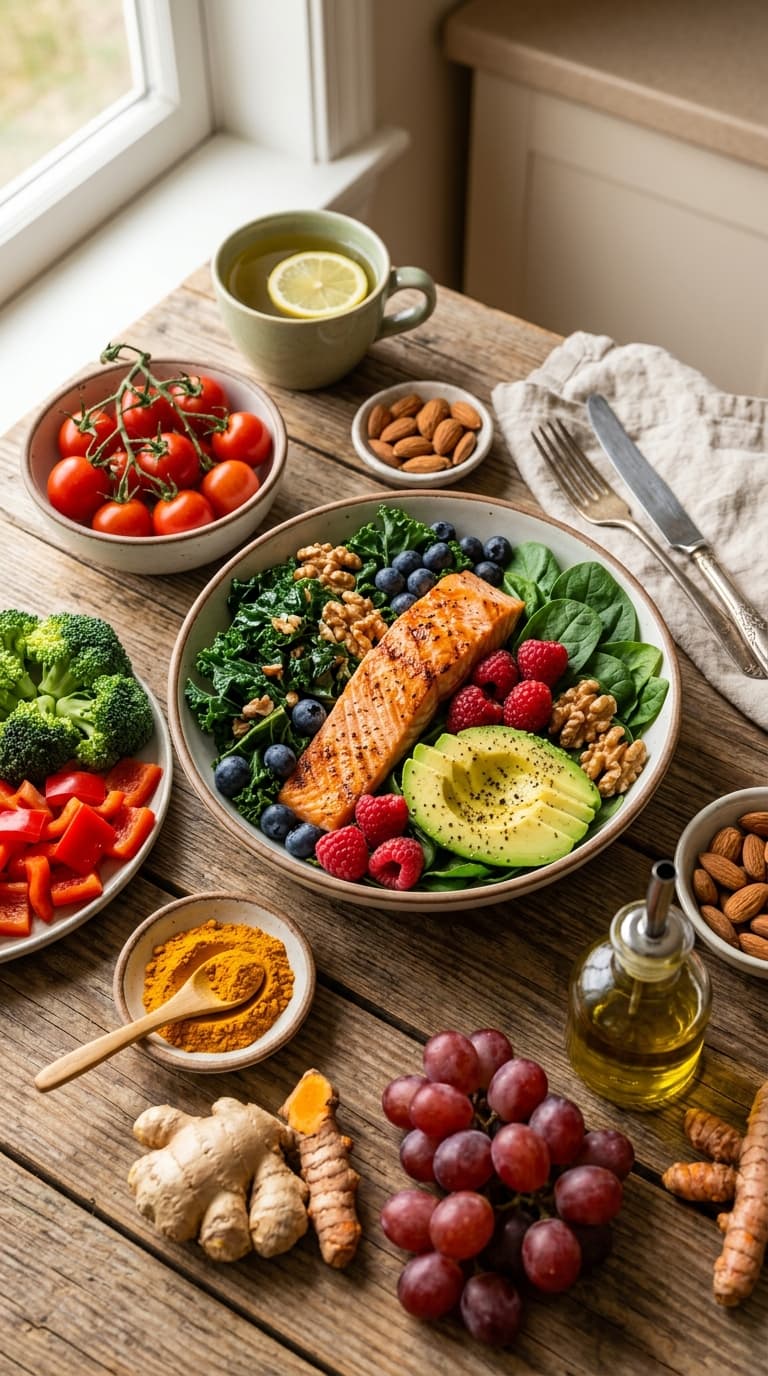
Your joints ache. Your energy crashes by 2 PM. Your gut feels like it’s staging a quiet rebellion. Sound familiar? Chronic inflammation is sneaky — it doesn’t always show up as redness or swelling. Sometimes it’s just that low-grade “blah” feeling you can’t shake. The good news? Your grocery cart can do a lot of the heavy lifting here.
I started paying attention to anti-inflammatory foods a few years back when my knees started complaining after runs. Not injury-level pain, just that persistent, annoying inflammation that wouldn’t quit. Changing what I ate made a genuine, noticeable difference — faster than I expected. So let me walk you through 43 foods worth putting in your weekly rotation.
Why Inflammation Deserves Your Attention
Before we get into the list, let’s be clear about what we’re dealing with. Acute inflammation is your body being a hero — it rushes to fight infections and heal injuries. But chronic, low-grade inflammation is a different beast entirely. It’s linked to heart disease, diabetes, arthritis, and even depression.
The food you eat either pours fuel on that fire or helps put it out. IMO, that’s one of the most empowering nutrition facts out there. You literally eat multiple times a day — every meal is a chance to either calm things down or stir them up.
The Produce Section Is Your Best Friend
1. Blueberries
Honestly, blueberries are the rockstars of the anti-inflammatory world. They’re loaded with anthocyanins — the compounds that give them their deep blue color and their serious inflammation-fighting credentials. A handful on your oatmeal each morning adds up to big benefits over time.
2. Strawberries
Strawberries bring vitamin C and quercetin to the table, both of which suppress inflammatory markers. They’re also delicious, which helps. Eat them fresh, toss them in a smoothie, or just eat them straight out of the container — no judgment here.
3. Cherries (Especially Tart Cherries)
Tart cherries have a cult following among athletes for a reason. They reduce muscle soreness and lower uric acid, which is a major driver of gout-related inflammation. If you can find tart cherry juice, even better.
4. Oranges
Vitamin C is a powerful antioxidant, and oranges deliver it in spades. Regular citrus consumption is associated with lower levels of C-reactive protein (CRP) — one of the key markers doctors use to measure inflammation in the body.
5. Tomatoes
Cooked tomatoes are particularly potent because heating them increases lycopene bioavailability. Lycopene is a carotenoid with strong anti-inflammatory effects. So that pasta sauce? Officially health food. You’re welcome.
6. Leafy Greens (Spinach, Kale, Swiss Chard)
These are non-negotiable. Dark leafy greens are rich in vitamin K, magnesium, and polyphenols — all of which play a role in reducing inflammatory signaling. I try to get at least one serving in every single day, even if it’s just blended into something.
7. Broccoli
Broccoli contains sulforaphane, a compound that scientists keep getting more excited about. It blocks enzymes linked to inflammation and joint destruction. Steam it lightly to preserve the good stuff.
8. Brussels Sprouts
Yes, they’re polarizing. But brussels sprouts are loaded with antioxidants and glucosinolates that support the body’s own detox and anti-inflammatory systems. Roast them with olive oil until crispy and tell me you still hate them.
9. Avocados
Avocados are basically nature’s butter, but better. They contain oleocanthal (also found in olive oil), which works similarly to ibuprofen at a molecular level. Plus, their healthy monounsaturated fats help your body absorb fat-soluble anti-inflammatory nutrients from other foods.
10. Bell Peppers
Red, yellow, and orange bell peppers are absolutely stacked with vitamin C and quercetin. They’re also one of the most versatile vegetables out there — eat them raw, roasted, stuffed, or in stir-fries.
11. Mushrooms
Mushrooms are having a well-deserved moment right now. Varieties like shiitake, oyster, and maitake contain beta-glucans and ergothioneine, compounds that modulate the immune system and dial down inflammatory responses. Sauté them in a bit of garlic and olive oil — done.
12. Garlic
Speaking of garlic — it deserves its own slot. Allicin, the active compound in garlic, has been shown to suppress inflammatory cytokines at a cellular level. Raw garlic is most potent, but even cooked garlic makes a meaningful difference.
13. Onions
Onions are rich in quercetin and sulfur compounds that fight inflammation. They’re also literally in everything, so this one’s easy to hit consistently.
14. Beets
Beets contain betalains, pigments with strong antioxidant and anti-inflammatory properties. They also support nitric oxide production, which improves blood flow and reduces vascular inflammation. Roast them, juice them, or eat them pickled.
Grains, Legumes, and Pantry Staples
15. Extra Virgin Olive Oil
This one earns its legendary status. High-quality EVOO contains oleocanthal, hydroxytyrosol, and oleic acid — a trifecta of anti-inflammatory compounds. Use it as your primary cooking fat and drizzle it liberally on everything.
16. Walnuts
Walnuts are the only nut with a significant amount of plant-based omega-3 fatty acids (ALA). They also contain ellagitannins, which gut bacteria convert into urolithins — compounds that fight inflammation at the cellular level. A small handful daily is plenty.
17. Almonds
Almonds deliver vitamin E, magnesium, and healthy fats that collectively reduce oxidative stress and inflammatory markers. They’re also the most convenient snack in existence. Carry a small bag. Thank me later.
18. Flaxseeds
Flaxseeds are packed with ALA omega-3s and lignans. Grind them before eating — your body can’t break down whole flaxseeds effectively. Stir ground flax into yogurt, smoothies, or oatmeal.
19. Chia Seeds
Similar to flax, chia seeds offer a solid dose of omega-3 fatty acids and fiber. The fiber matters too — gut health is deeply connected to systemic inflammation, and chia feeds your beneficial gut bacteria.
20. Hemp Seeds
Hemp seeds are quietly brilliant. They have an ideal omega-6 to omega-3 ratio and deliver all nine essential amino acids. Sprinkle them on salads, blend them into smoothies, or just eat them by the spoonful if you’re feeling committed.
21. Oats
Steel-cut or rolled oats contain beta-glucan, a soluble fiber that reduces CRP and supports the immune system. They also have avenanthramides — unique antioxidants found almost exclusively in oats. A solid breakfast foundation.
22. Quinoa
Quinoa brings complete protein and anti-inflammatory flavonoids like quercetin and kaempferol. It’s gluten-free, versatile, and honestly way underrated as a base for bowls and salads.
23. Lentils
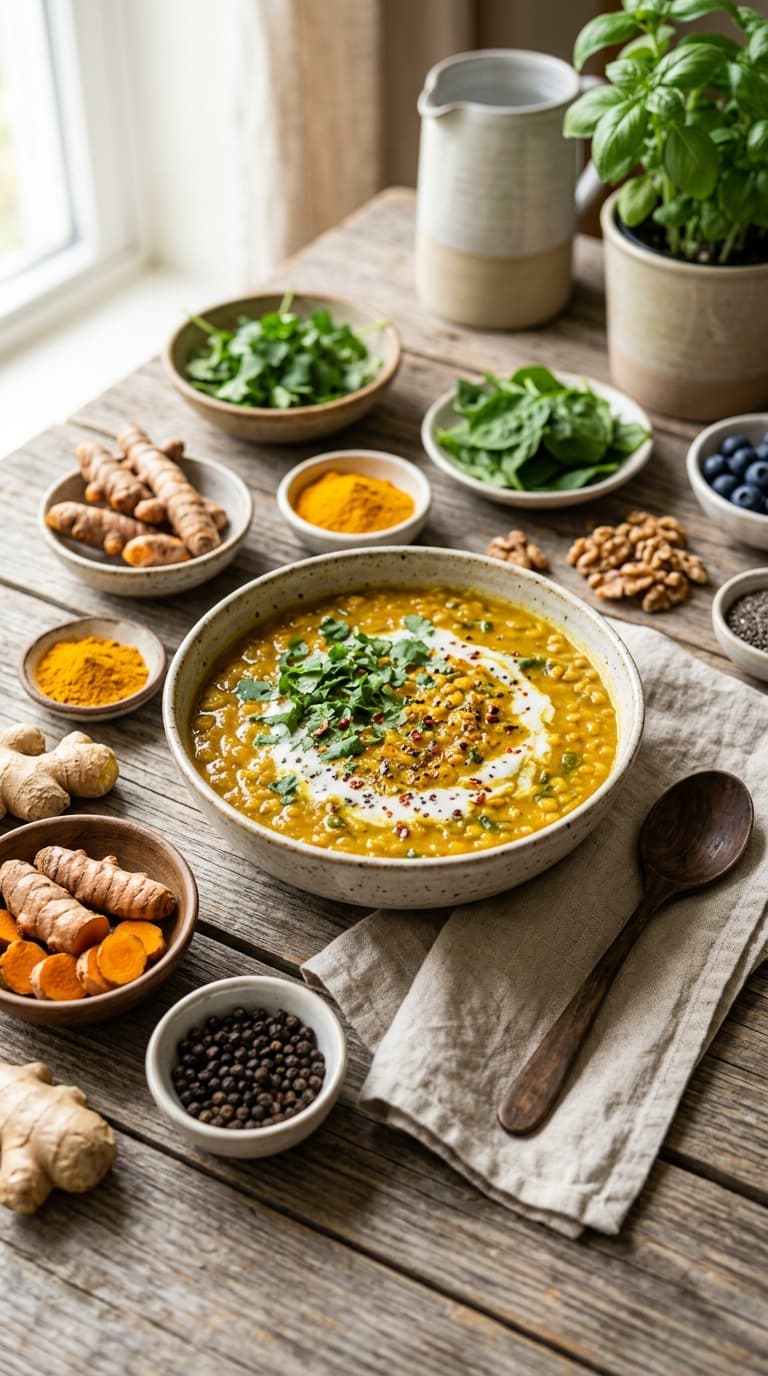
Lentils are the workhorses of plant-based nutrition. Rich in fiber, polyphenols, and plant protein, they help lower inflammatory markers and feed a diverse gut microbiome. Red lentil soup is my go-to when I need a cheap, fast, anti-inflammatory meal.
24. Black Beans
Black beans contain anthocyanins (same as blueberries) and resistant starch, which gut bacteria ferment into short-chain fatty acids — potent anti-inflammatory compounds that protect the gut lining. Eat them regularly.
25. Chickpeas
Chickpeas offer fiber, folate, and phytonutrients that collectively support lower inflammation. Roast them for a crunchy snack or blend them into hummus — both work.
Spices, Herbs, and Drinks That Pull Their Weight
26. Turmeric
You knew this was coming. Curcumin, turmeric’s active compound, is one of the most studied anti-inflammatory substances in nutrition science. Pair it with black pepper — piperine increases curcumin absorption by up to 2,000%. Add it to soups, curries, golden milk, anything.
27. Ginger
Ginger contains gingerols and shogaols, which inhibit the same inflammatory pathways as NSAIDs (but without the stomach upset). Fresh ginger in tea or stir-fries is my personal favorite delivery method. It also does wonders for digestion.
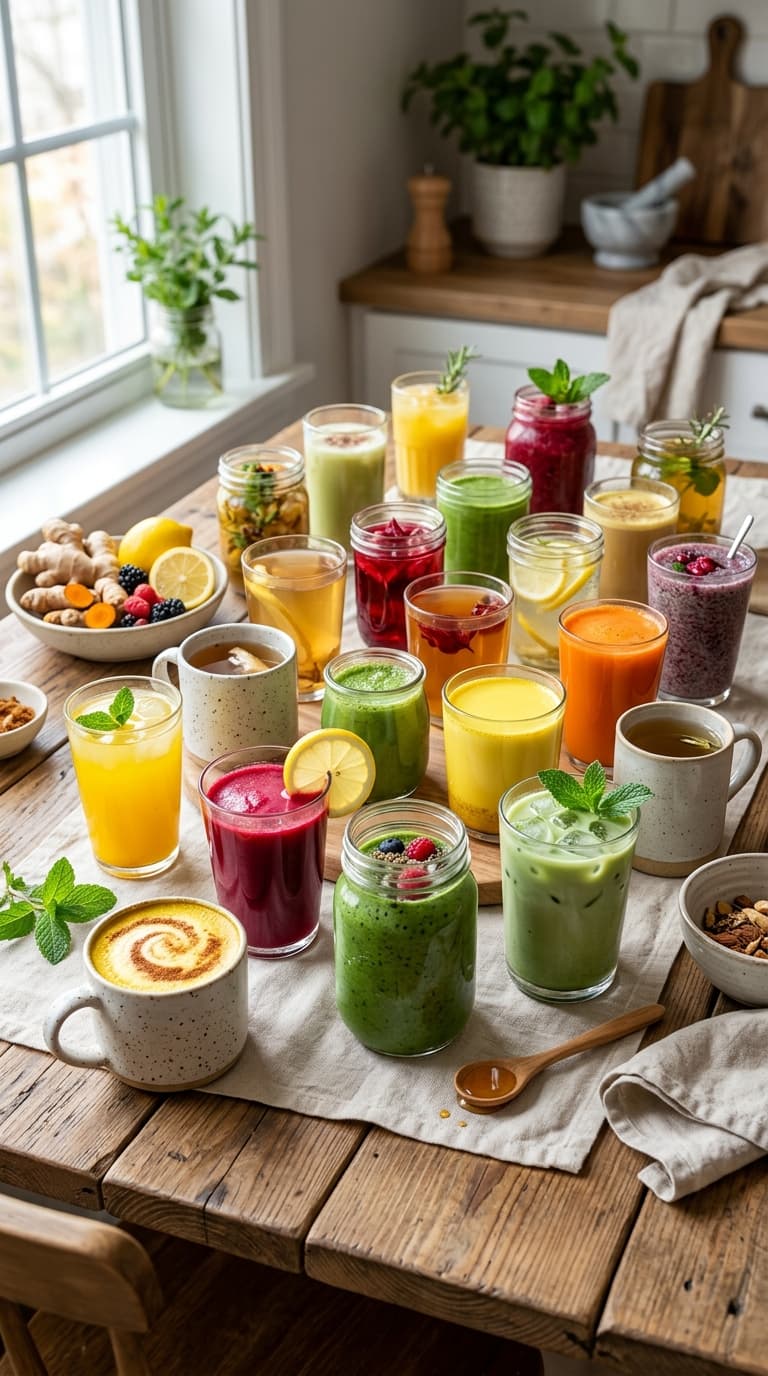
If you enjoy anti-inflammatory drinks, pairing these spices into teas is genuinely satisfying — exploring anti-inflammatory tea blends is a great next step once you’ve nailed the food side.
28. Cinnamon
Ceylon cinnamon (true cinnamon) is rich in cinnamaldehyde and polyphenols that lower blood sugar spikes and reduce inflammatory markers. Use it daily — in oatmeal, coffee, smoothies, or baked goods.
29. Rosemary
Rosemary contains rosmarinic acid and carnosic acid, which have demonstrated anti-inflammatory effects in multiple studies. It’s also delicious on roasted vegetables and meats, so this is one of the easier additions to make.
30. Green Tea
EGCG (epigallocatechin gallate), the primary catechin in green tea, is a heavy hitter in the anti-inflammatory category. It modulates inflammatory pathways and protects cells from oxidative damage. Drinking 2–3 cups daily is associated with measurable health benefits. FYI, herbal teas that help reduce inflammation can complement green tea beautifully in your routine.
31. Chamomile Tea
Chamomile is loaded with apigenin, a flavonoid with documented anti-inflammatory and calming effects. It’s particularly helpful for gut inflammation and sleep — and poor sleep is itself a driver of systemic inflammation. If you’re working on winding down, herbal teas for better sleep are worth browsing.
32. Black Coffee (In Moderation)
Here’s a pleasant surprise — coffee contains chlorogenic acids and polyphenols that reduce inflammatory markers. Multiple large studies link moderate coffee consumption to lower CRP levels. If you’re already a coffee drinker, you’re accidentally doing something right 🙂
Proteins That Fight Inflammation
33. Fatty Fish (Salmon, Mackerel, Sardines)
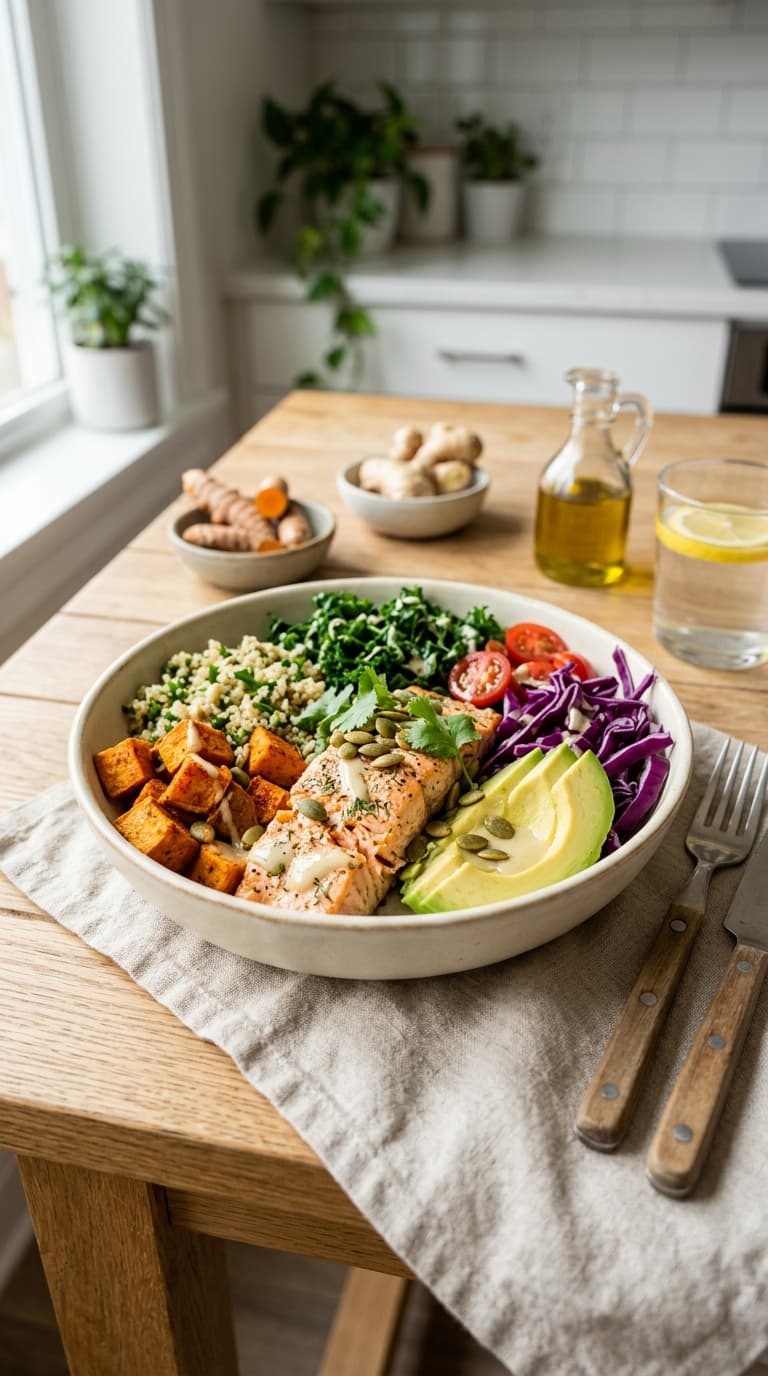
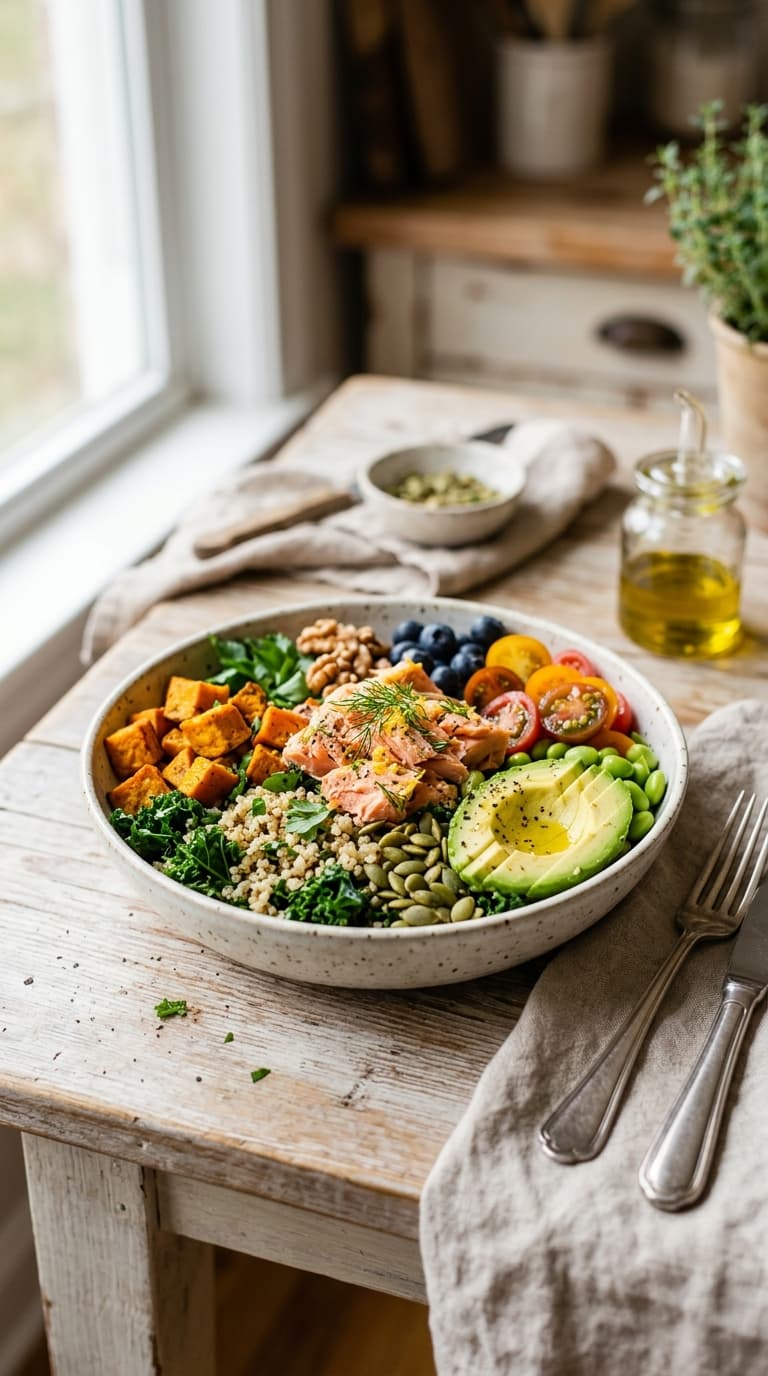
EPA and DHA — the long-chain omega-3s found in fatty fish — are the most potent anti-inflammatory fats we know of. They get converted into resolvins and protectins, compounds that actively resolve inflammation. Aim for two to three servings a week at minimum.
34. Sardines
Worth calling out separately because people underestimate them. Sardines are cheap, shelf-stable, and deliver omega-3s, vitamin D, calcium, and selenium in one small tin. They’re more nutritionally dense per dollar than almost anything else you can buy. Mash them on toast with mustard and capers — trust me on this one.
35. Eggs
Eggs from pasture-raised hens contain more omega-3s and vitamin D than standard eggs. The choline in egg yolks also supports anti-inflammatory signaling in the brain. Eat the whole egg — the yolk is where most of the nutrition lives.
36. Grass-Fed Beef (In Moderation)
Grass-fed beef has a significantly better omega-6 to omega-3 ratio than grain-fed beef, plus higher levels of conjugated linoleic acid (CLA), which has anti-inflammatory properties. Moderation matters here — a few times a week, not every day.
37. Greek Yogurt
Probiotics in fermented dairy actively reduce gut inflammation by supporting a healthy microbiome. Full-fat, plain Greek yogurt is the move — skip the flavored versions loaded with added sugar, which undoes the benefits.
A Few More Worth Adding
38. Dark Chocolate (70%+ Cacao)
Flavanols in high-quality dark chocolate reduce inflammation markers and improve endothelial function. A square or two of 70%+ dark chocolate daily is genuinely beneficial. This is the kind of nutrition advice you can fully get behind.
39. Extra Dark Cherries / Pomegranate
Pomegranate contains punicalagins and punicic acid, antioxidants so potent that pomegranate juice has been shown in clinical trials to reduce inflammation in people with metabolic syndrome. It’s also great in sparkling water if straight juice is too intense for you.
40. Edamame / Soybeans
Edamame delivers isoflavones, fiber, and complete plant protein. Isoflavones act as phytoestrogens and have well-documented anti-inflammatory effects, particularly on cardiovascular and bone health. A great snack or salad topper.
41. Seaweed / Kelp
Seaweed is criminally underused in Western diets. It contains fucoidans and other polysaccharides that actively regulate inflammatory pathways. It’s also one of the best dietary sources of iodine. Add nori to rice bowls or snack on roasted seaweed sheets.
42. Sweet Potatoes
Sweet potatoes are packed with beta-carotene, vitamin C, and manganese. Beta-carotene is a precursor to vitamin A, which plays a direct role in immune regulation and controlling inflammatory responses. Roasted, mashed, or baked — all good.
43. Bone Broth
Glycine, proline, and collagen peptides in bone broth support gut lining integrity, which is directly tied to systemic inflammation. A leaky gut drives inflammation throughout the body. Sipping bone broth or using it as a cooking base is one of the simplest ways to support gut health consistently.
How to Actually Eat These Every Week
Here’s the honest reality — nobody is eating all 43 of these foods every week right from the start. And that’s fine. The goal is consistency over perfection.
A practical approach:
- Pick 5–7 staples you genuinely enjoy and commit to those first
- Add variety gradually — try one new food per week
- Focus on patterns, not individual foods — it’s the overall diet that drives inflammation up or down
- Pair foods strategically — fat-soluble antioxidants in vegetables absorb better when you eat them with healthy fats like olive oil or avocado
If you want to make this easier on the drink side of things, building a habit around tea recipes that boost your immune system or herbal teas for better digestion can complement your food choices without any extra effort.
A Quick Word on What to Reduce
You can’t outrun a bad diet by eating blueberries :/. These 43 foods do serious work, but they work better when you’re also cutting back on:
- Refined carbohydrates and added sugars
- Industrial seed oils (vegetable, corn, soybean in processed foods)
- Processed meats high in advanced glycation end products
- Excessive alcohol
The combination of adding anti-inflammatory foods and reducing pro-inflammatory ones is where you see the most dramatic results.
Wrapping It Up
There you have it — 43 anti-inflammatory foods that genuinely earn a regular spot in your weekly meals. You don’t need to overhaul your entire diet overnight. Start small, stay consistent, and let the cumulative effect of good choices build over time.
Your body keeps score — and it responds faster to dietary changes than most people expect. Give it a few weeks of genuinely eating from this list and see how you feel. The energy, the clearer skin, the joints that complain a little less — it adds up.
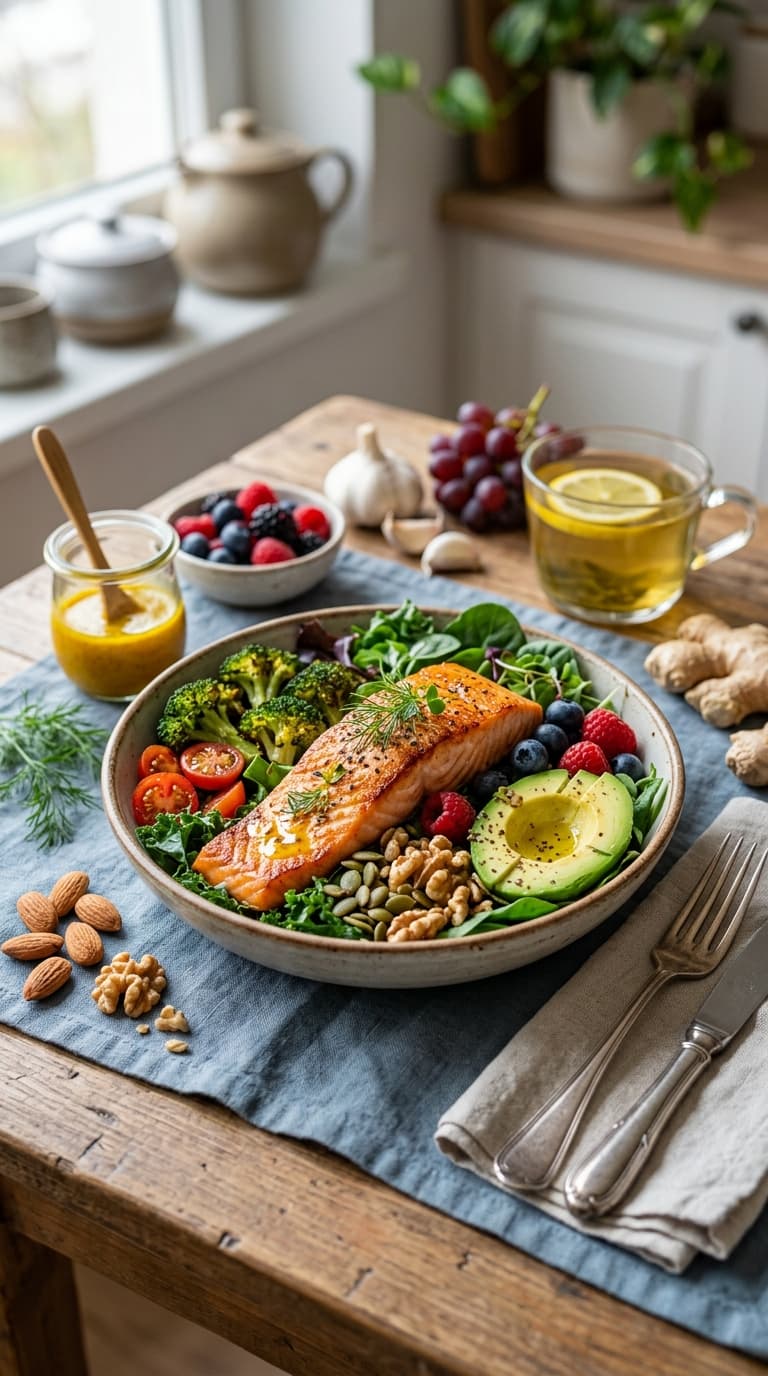
Now go make that salmon with a side of roasted broccoli and blueberries for dessert. Your immune system will quietly thank you.