19 Foods High in Omega-3 for Reducing Inflammation
19 Foods High in Omega-3 for Reducing Inflammation
Inflammation is sneaky. It hides in your joints, your gut, your skin — and half the time you don’t even realize it’s there until something starts hurting. The good news? You don’t need a pharmacy to fight back. Some of the most powerful anti-inflammatory weapons are sitting right in your kitchen (or at least in your grocery store).
I’ve spent a lot of time researching what actually works, and honestly, omega-3 fatty acids keep showing up as the real MVPs when it comes to calming inflammation naturally. So let’s talk about the 19 best foods loaded with omega-3s — and why you should probably already be eating most of them.
Why Omega-3s Matter for Inflammation
Before we get into the list, let’s quickly cover why omega-3s are such a big deal. Omega-3 fatty acids — specifically EPA, DHA, and ALA — help regulate your body’s inflammatory response. They essentially tell your immune system to chill out when it’s overreacting.
Chronic inflammation has been linked to everything from arthritis and heart disease to anxiety and gut problems. Getting enough omega-3s from food (not just supplements) is one of the most natural and effective ways to keep that inflammation in check. Ready to stock your pantry? Let’s go.
1. Salmon
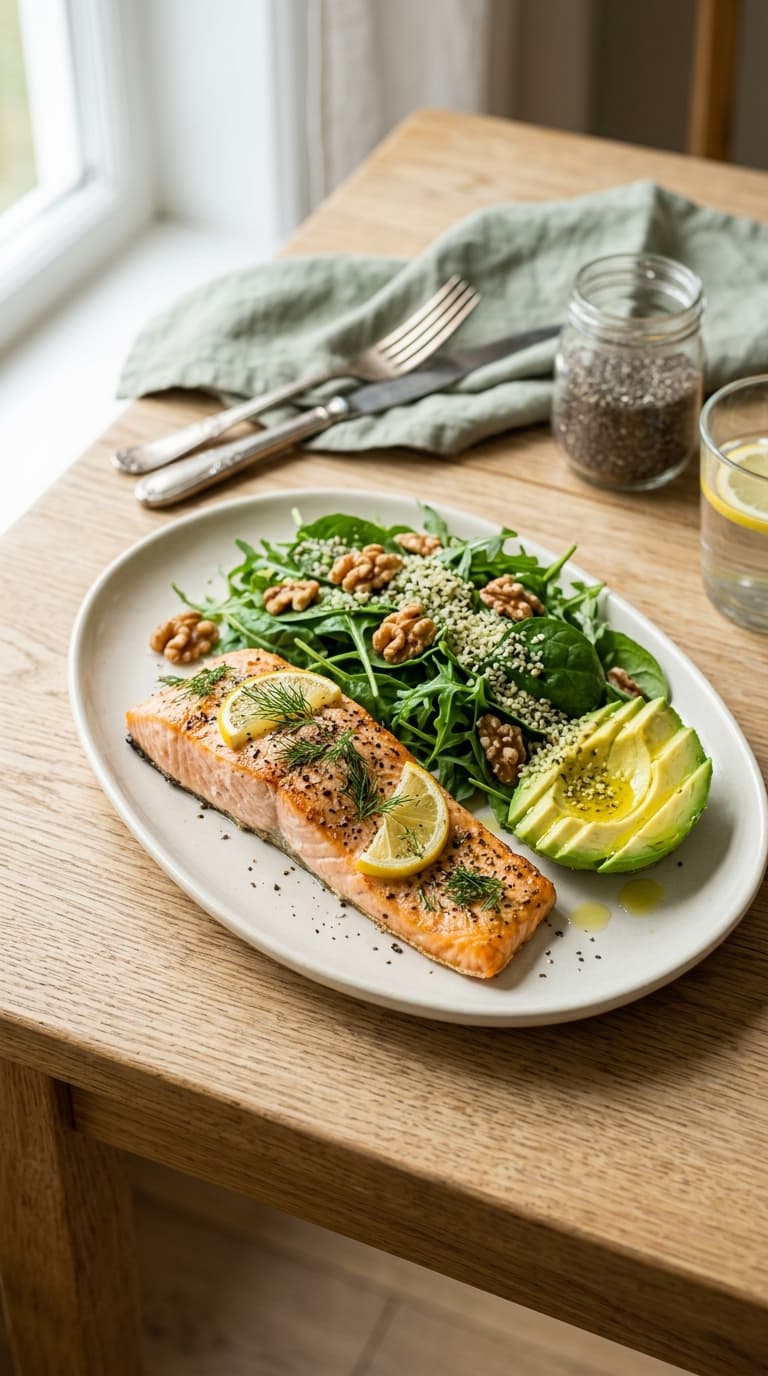
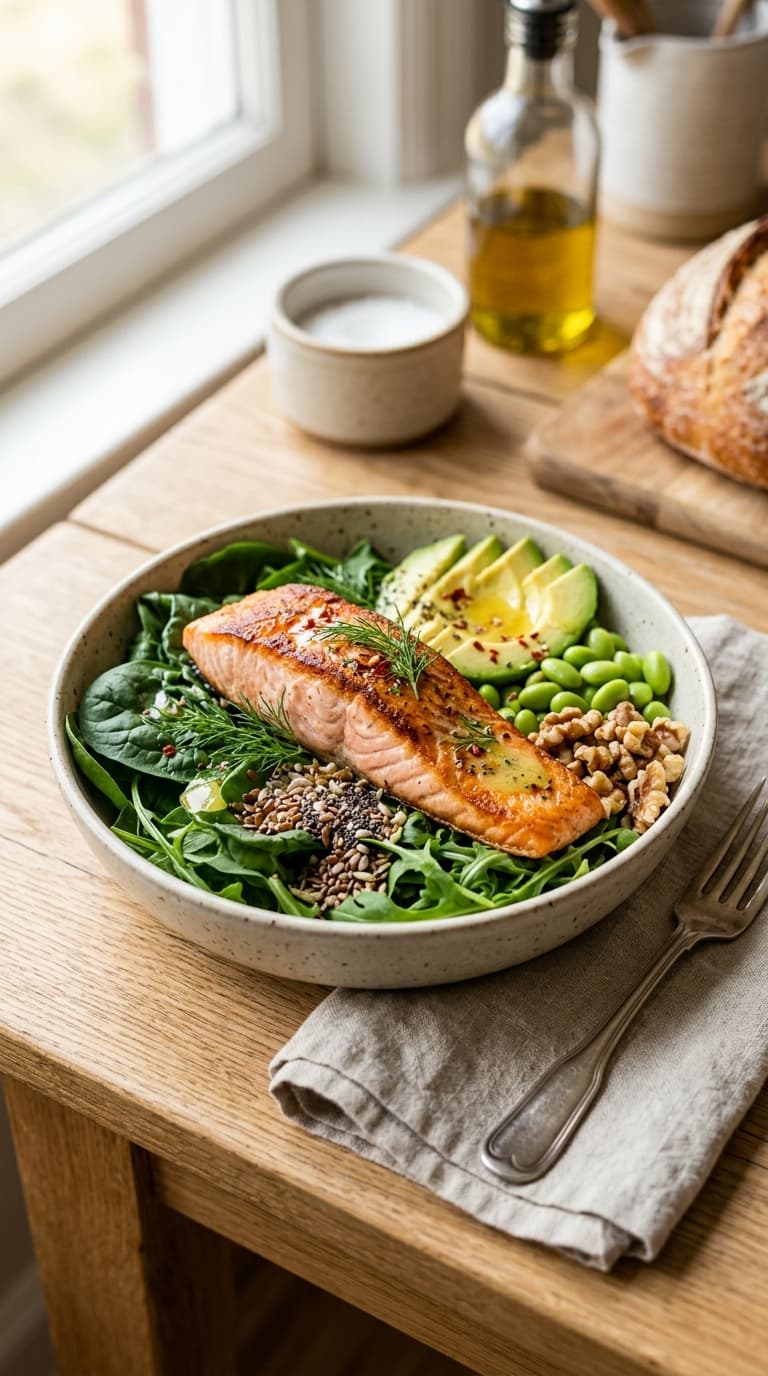
Let’s start with the obvious one. Wild-caught salmon is arguably the king of omega-3 foods, packing around 2,000–3,000 mg of EPA and DHA per 3-ounce serving. That’s a serious amount.
Wild-caught beats farmed here, FYI — it tends to have a better omega-3 to omega-6 ratio. Grill it, bake it, toss it in a salad. Salmon is one of those foods that’s hard to mess up and easy to love.
2. Mackerel
Mackerel is the underdog of the omega-3 world, and honestly, it doesn’t get nearly enough credit. A single 3-ounce serving delivers over 3,000 mg of omega-3s, making it even richer than salmon in some cases.
It’s affordable, widely available, and works great in everything from pasta to rice bowls. If you’ve never tried it, now’s the time.
3. Sardines
Sardines might get some eye-rolls (yes, the tiny fish in a tin), but these little guys are nutritional powerhouses. They’re packed with omega-3s, calcium, and vitamin D — all in one cheap, convenient package.
Eat them on whole grain crackers, toss them into pasta, or mix them into a salad. Once you get past the “tinned fish” stigma, you’ll wonder why you waited so long.
4. Herring
Herring is another fatty fish that deserves a spot on your regular rotation. It contains around 1,700–2,000 mg of omega-3s per serving and is especially popular in Scandinavian diets — and those folks are known for their health, so maybe there’s something to it. 🙂
Smoked herring is a popular way to enjoy it, and it pairs really well with eggs or rye bread at breakfast.
5. Anchovies
Tiny but mighty, anchovies are one of the most omega-3-dense fish you can eat. A small serving delivers around 400–900 mg of EPA and DHA, plus they add an incredible umami depth to any dish.
Melt them into olive oil as a base for sauces, add them to Caesar salad dressing, or layer them on pizza. They dissolve and disappear into the background — but the flavor they leave behind? Incredible.
6. Flaxseeds
Now we’re getting into plant-based territory. Flaxseeds are the richest plant source of ALA (alpha-linolenic acid), with about 6,000 mg per tablespoon of flaxseed oil or 2,300 mg per tablespoon of ground flaxseeds.
Ground flaxseeds are better absorbed than whole ones — your body simply can’t break down the outer shell. Stir them into oatmeal, blend them into smoothies, or add them to baked goods. Easy.
7. Chia Seeds
Chia seeds are low-key one of the best things to happen to nutrition. Two tablespoons deliver around 5,000 mg of ALA omega-3s — which is wild for something so small.
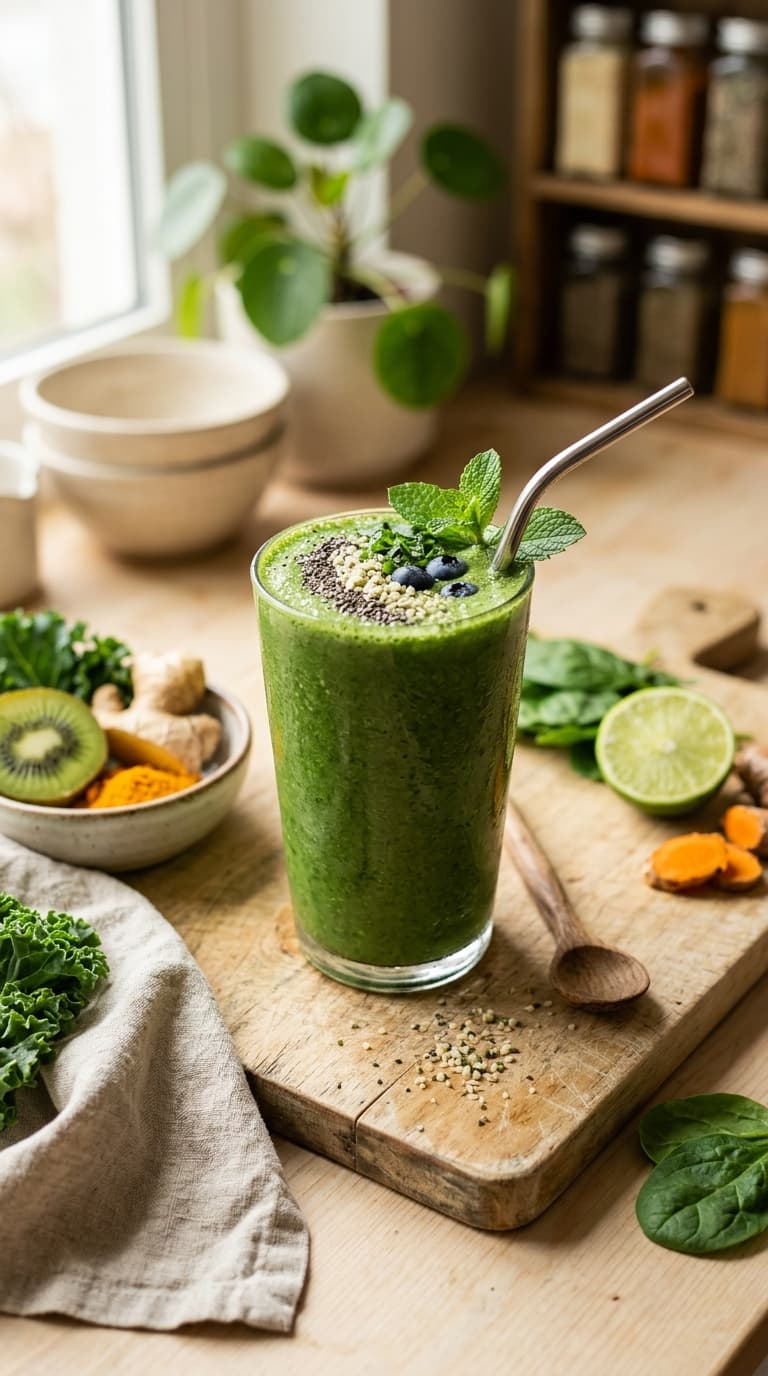
They also absorb liquid and form a gel, which makes them perfect for chia puddings, overnight oats, or just tossing into a smoothie. Speaking of smoothies — if you want to make your morning routine even more nutrient-packed, these delicious coffee smoothies for breakfast pair beautifully with an omega-3-rich morning meal.
8. Walnuts
Walnuts are the only tree nut with a significant amount of omega-3s, offering about 2,500 mg of ALA per ounce. They’re also rich in antioxidants and polyphenols that further support your body’s anti-inflammatory processes.
Snack on a small handful daily, toss them on salads, or mix them into oatmeal. They’re one of those foods where you can genuinely feel good about snacking. IMO, they’re one of the most underrated health foods out there.
9. Hemp Seeds
Hemp seeds have a beautifully balanced omega-3 to omega-6 ratio, which is important because too much omega-6 actually promotes inflammation. Three tablespoons of hemp seeds contain about 3,000 mg of ALA.
They have a mild, nutty flavor and blend seamlessly into almost anything — yogurt, smoothies, salads, or sprinkled over roasted veggies.
10. Edamame
Edamame (young soybeans) contains around 300–500 mg of ALA per half-cup serving — not enormous, but meaningful when you’re eating them regularly. They’re also high in protein, fiber, and folate.
Steam them, toss them with a little sea salt, and enjoy as a snack. Or add them to stir-fries and grain bowls. They’re one of the easiest plant-based proteins to add to your day.
11. Oysters
Here’s a fun one. Oysters are one of the best seafood sources of omega-3s, with around 500–700 mg per 3-ounce serving. They also happen to be loaded with zinc, copper, and vitamin B12 — so you’re getting a seriously impressive nutrient hit.
Fresh oysters are obviously the gold standard, but canned oysters work just as well nutritionally and cost a fraction of the price.
12. Cod Liver Oil
Okay, cod liver oil isn’t exactly a food you eat at dinner — but it’s worth mentioning because a single tablespoon delivers around 2,700 mg of EPA and DHA combined, plus a hefty dose of vitamins A and D.
If you’re not getting enough fatty fish in your diet, cod liver oil is one of the most efficient ways to bridge the gap. Just don’t overdo the vitamin A — stick to the recommended dosage.
13. Seaweed and Algae
Here’s something a lot of people don’t know: algae is actually where fish get their omega-3s in the first place. So if you’re vegan or just want to cut out the middleman, algae oil is your answer.
It contains both EPA and DHA — rare for a plant source — and delivers around 400–500 mg per serving. You can find it in supplement form or just eat seaweed regularly as a snack or in sushi and salads.
14. Brussels Sprouts
Yes, really — Brussels sprouts contain a surprising amount of ALA omega-3s, with about 135 mg per half-cup cooked serving. Not enough to be your primary source, but every bit helps.
They’re also rich in fiber, vitamin K, and vitamin C, which all support your body’s ability to manage inflammation. Roast them with olive oil and garlic and they’re genuinely delicious — I promise. :/ (Yes, even if you hated them as a kid.)
15. Spinach
Spinach contains a modest but meaningful amount of ALA, plus it’s loaded with antioxidants like vitamin E and beta-carotene that work alongside omega-3s to reduce oxidative stress and inflammation.
Raw in salads, blended into smoothies, or sautéed with garlic as a side — spinach is one of the most versatile leafy greens around and definitely worth eating daily.
16. Kidney Beans
Kidney beans offer around 300 mg of ALA per half-cup serving, along with lots of fiber and plant-based protein. They’re also a great source of magnesium and folate, which support a healthy inflammatory response.
Use them in soups, stews, chilis, or grain bowls. They’re cheap, filling, and ridiculously easy to cook with. There’s honestly no reason not to include them in your weekly meals.
17. Soybeans (Dried)
Dried soybeans are one of the most ALA-rich plant foods around, with about 1,000 mg per half-cup serving. They’re the backbone of a lot of traditional Asian cooking for a reason — nutritionally, they’re exceptional.
Pair them with anti-inflammatory tea blends as part of a broader wellness-focused eating routine. Small, consistent habits like these add up fast.
18. Canola Oil
Canola oil is one of the few cooking oils with a decent amount of ALA omega-3s, offering about 1,300 mg per tablespoon. It’s also low in saturated fat and has a high smoke point, making it practical for everyday cooking.
It’s not as exciting as some of the other foods on this list — no one’s going to get pumped about canola oil — but it’s a practical, affordable way to boost your omega-3 intake without changing your cooking habits much.
19. Mustard Oil
Mustard oil is underused in Western cooking but widely popular in South Asian cuisine, and for good reason. It contains around 900 mg of ALA per tablespoon and has notable anti-inflammatory and antimicrobial properties.
Use it for sautéing vegetables, making marinades, or adding depth to curries. If you haven’t cooked with it before, it has a bold, sharp flavor that adds something genuinely unique to dishes.
How to Get More Omega-3s Into Your Daily Routine
Knowing the foods is one thing — actually eating them consistently is another. Here are a few practical ways to make it happen:
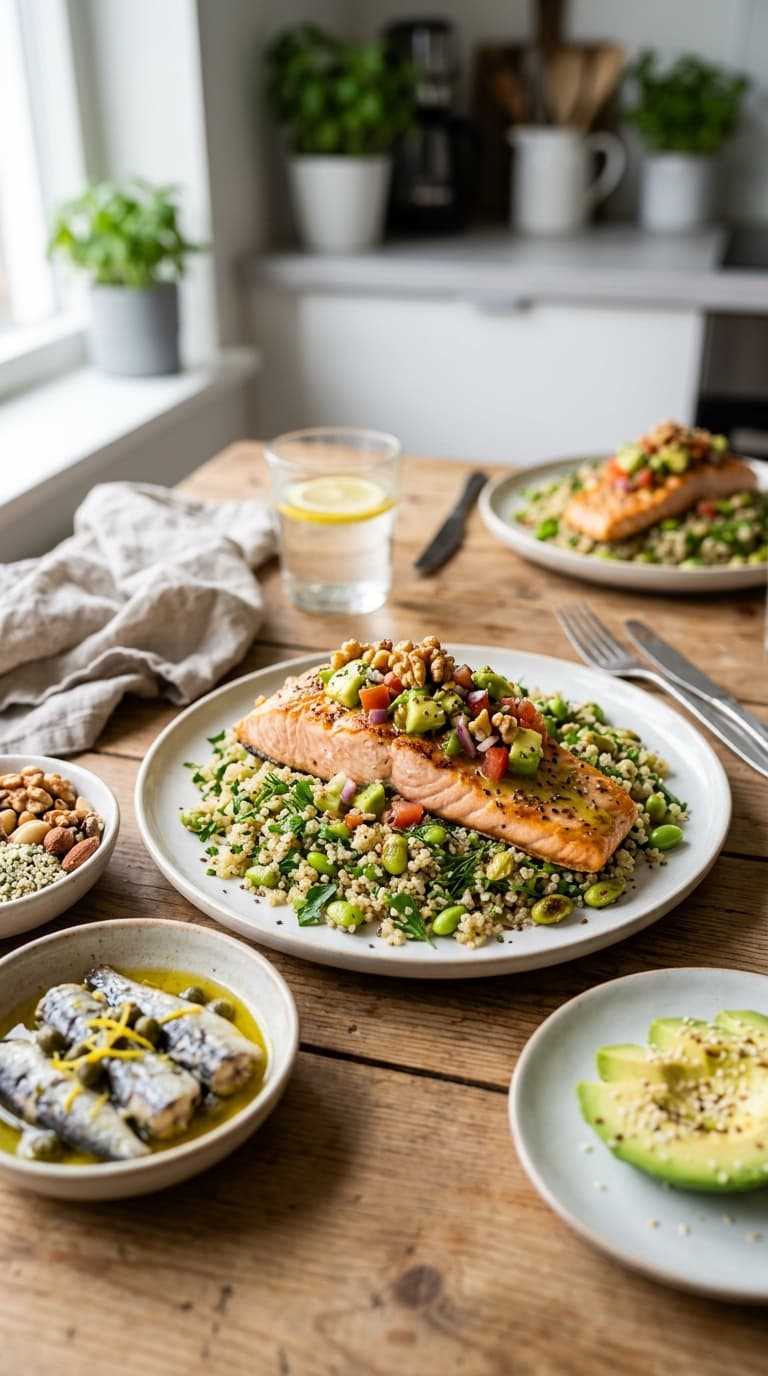
- Aim for 2–3 servings of fatty fish per week — salmon, mackerel, or sardines are the easiest choices.
- Add ground flaxseeds or chia seeds to your breakfast daily — oatmeal, yogurt, or smoothies all work great.
- Snack on walnuts instead of chips or crackers when you need something to munch on.
- Use canola or mustard oil for everyday cooking rather than oils high in omega-6s.
- Don’t skip the leafy greens — spinach and Brussels sprouts add omega-3s and a wide range of antioxidants.
It’s also worth thinking about the bigger picture here. If you’re actively managing inflammation, what you drink matters too. Some herbal tea blends designed for better health work really well alongside an omega-3-rich diet — think of it as a full anti-inflammatory strategy rather than just a list of foods to tick off.
A Quick Word on ALA vs. EPA and DHA
Not all omega-3s are created equal, and this is worth knowing. EPA and DHA — found in fatty fish and algae — are the forms your body uses most directly for fighting inflammation. ALA — found in plants like flax, chia, and walnuts — needs to be converted to EPA and DHA before your body can fully use it.
The conversion rate is actually pretty low (around 5–10%), which means if you’re relying entirely on plant sources, you may want to consider an algae oil supplement to cover your bases. This doesn’t mean plant sources aren’t valuable — they absolutely are — but it’s something to keep in mind.
Bottom Line
Omega-3s are one of the most research-backed, practical tools you have for managing chronic inflammation — and the best part is that loading up on these foods doesn’t feel like a punishment. Salmon, walnuts, chia seeds, and sardines are all genuinely delicious when you know how to use them.
Start simple: add one or two of these foods to your meals this week and build from there. Your joints, your gut, and your future self will thank you. And if you want to round out your wellness routine with something warm and soothing, check out some herbal teas that help you sleep better — because good sleep and low inflammation go hand in hand.
Now go eat some salmon. Seriously. You’ve got no more excuses. 🙂