23 Inflammatory Foods to Avoid and What to Eat Instead
23 Inflammatory Foods to Avoid and What to Eat Instead
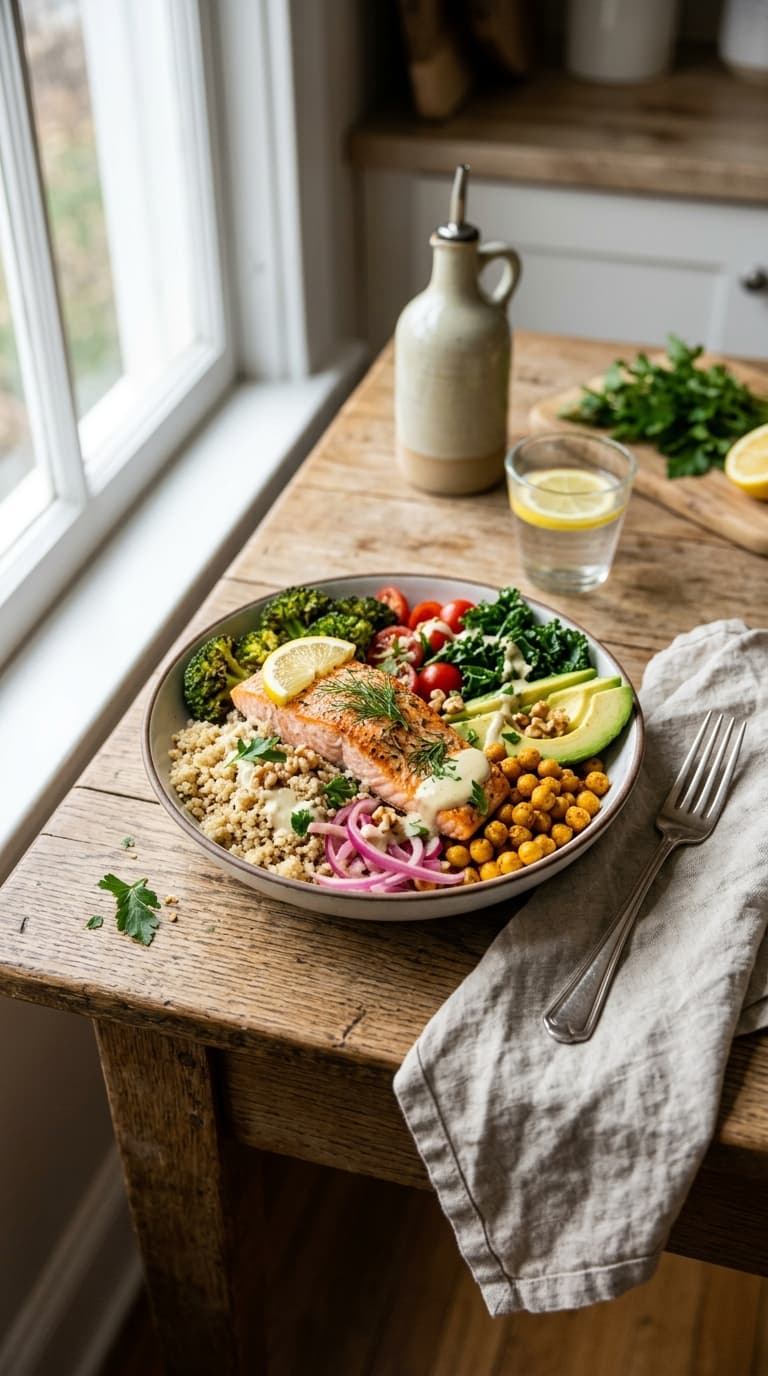
You know that sluggish, achy, brain-foggy feeling that just won’t quit? Yeah, your diet might be the culprit. Inflammation is your body’s natural defense system — but when it stays switched on because of what you eat every day, it starts working against you. The good news? You have way more control over this than you think.
I’ve spent a lot of time nerding out over nutrition, and the connection between food and inflammation genuinely blew my mind when I first started paying attention. Small swaps made a huge difference for me. So let’s talk about the 23 foods quietly fueling the fire — and what to reach for instead.
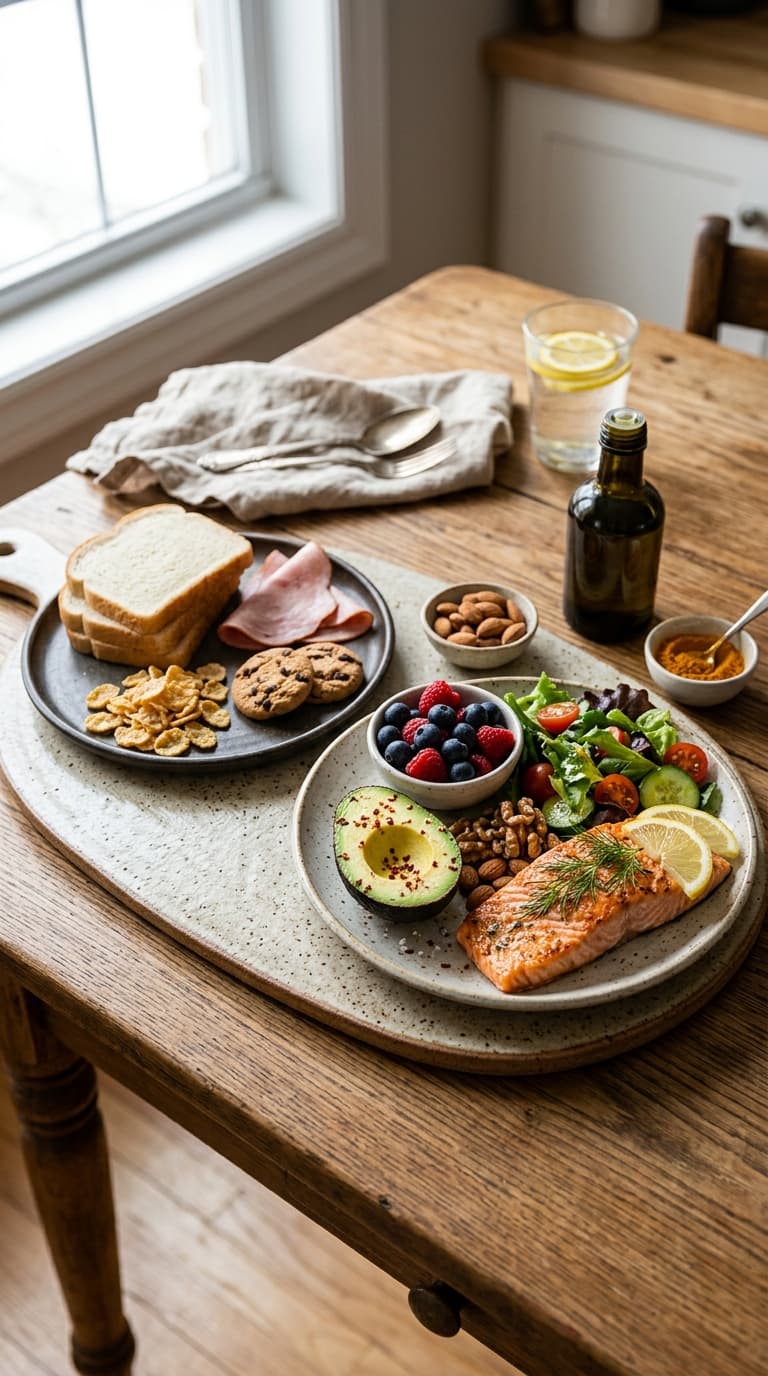
Why Inflammatory Foods Are a Big Deal
Before we get into the list, let’s quickly cover why this matters. Chronic inflammation has been linked to heart disease, diabetes, arthritis, depression, and even certain cancers. This isn’t just health blogger hype — the science is pretty solid on this one.
The tricky part is that many inflammatory foods taste amazing and hide in plain sight. We’re talking everyday staples you probably never questioned. Ready to take a closer look? Let’s go.
The 23 Inflammatory Foods You Should Cut Back On
1. Refined Sugar
Sugar is probably the biggest inflammation trigger most people deal with daily. It spikes your blood glucose, triggers insulin surges, and promotes the release of inflammatory cytokines. And yes, that afternoon cookie habit counts.
- Found in: sodas, candy, pastries, flavored yogurts, sauces
- Swap it for: raw honey, medjool dates, or just whole fruit
2. Artificial Trans Fats
Trans fats are basically engineered to wreck your cardiovascular system. They raise LDL (bad cholesterol) and lower HDL (good cholesterol) while actively promoting systemic inflammation.
- Found in: margarine, some packaged snacks, fast food
- Swap it for: avocado, real butter in moderation, or olive oil
3. Refined Carbohydrates
White bread, white rice, most crackers — these digest so fast they behave almost like sugar in your bloodstream. The fiber and nutrients have been stripped out, leaving behind a product that fuels inflammation with basically zero nutritional payoff.
- Swap it for: whole grain bread, brown rice, quinoa, oats
4. Vegetable and Seed Oils (High in Omega-6)
Here’s one most people miss. Soybean oil, corn oil, sunflower oil — these are sky-high in omega-6 fatty acids. When you eat way more omega-6 than omega-3 (which most people do), the imbalance drives inflammation hard.
- Swap it for: extra virgin olive oil, avocado oil, coconut oil in moderation
5. Processed Meats
Hot dogs, deli meats, bacon, sausage — I’m not saying never, but processed meats contain nitrates, advanced glycation end-products (AGEs), and saturated fats that all promote inflammation. These are also classified as Group 1 carcinogens by the WHO. Yikes. :/
- Swap it for: grilled chicken, wild-caught fish, legumes
6. Alcohol (Especially in Excess)
A glass of red wine here and there isn’t the end of the world. But regular heavy drinking disrupts gut bacteria, stresses the liver, and causes significant inflammatory responses throughout the body.
- Swap it for: anti-inflammatory herbal teas, kombucha, or sparkling water with citrus
7. Artificial Sweeteners
Counterintuitively, ditching sugar for artificial sweeteners isn’t always better. Research suggests that sweeteners like aspartame and saccharin can disrupt gut microbiome balance, which plays a massive role in regulating inflammation.
- Found in: diet sodas, “sugar-free” products, some protein powders
- Swap it for: small amounts of stevia or monk fruit
8. Fast Food
Fast food is basically a perfect storm of refined carbs, trans fats, processed meats, and excess sodium — all in one convenient, delicious, inflammation-causing package. IMO, the occasional indulgence won’t kill you, but making it a daily habit is a problem.
- Swap it for: quick home-cooked meals (seriously, you can make great food in under 5 minutes — and the same philosophy applies to food)
9. Dairy (For Some People)
This one’s nuanced. Some people digest dairy just fine. Others, especially those with lactose intolerance or sensitivity to casein, experience significant gut inflammation, bloating, and systemic flare-ups from dairy consumption.
- Swap it for: oat milk, almond milk, or try fermented dairy like kefir which may actually reduce inflammation
10. Gluten (For Sensitive Individuals)
Again — not everyone. But for people with celiac disease or non-celiac gluten sensitivity, gluten triggers a serious inflammatory immune response that damages the gut lining and affects the whole body.
- Swap it for: rice, quinoa, certified gluten-free oats, buckwheat
11. Conventional Corn-Fed Red Meat
Red meat itself isn’t necessarily evil, but conventionally raised, corn-fed beef is high in omega-6 fatty acids and contains fewer beneficial nutrients compared to grass-fed options. The preparation method (hello, charred barbecue) also creates inflammatory compounds.
- Swap it for: grass-fed beef in moderation, fatty fish, or plant proteins
12. Fried Foods
Frying at high temperatures creates advanced glycation end-products (AGEs) — compounds that promote oxidative stress and inflammation. French fries, fried chicken, donuts — all offenders.
- Swap it for: baked, roasted, or air-fried versions of your favorites
13. Margarine and Shortening
Old-school margarine is loaded with trans fats. Even “modern” versions can contain partially hydrogenated oils that sneak inflammation past your defenses. Don’t let the “heart-healthy” labeling fool you.
- Swap it for: real butter from grass-fed cows, or extra virgin olive oil
14. Sugary Beverages
Sodas, fruit punches, sweetened coffees, energy drinks — liquid sugar hits your bloodstream almost instantly. There’s no fiber to slow it down, so you get a massive glucose spike every single time.
- Swap it for: water, herbal tea, or healthy coffee recipes with natural sweeteners
15. Packaged Snacks and Chips
Potato chips, cheese puffs, crackers — most of these combine refined carbs with inflammatory seed oils and a shocking amount of sodium. They’re basically engineered to make you eat more. And we fall for it every time, don’t we? 🙂
- Swap it for: nuts, seeds, hummus with veggies, or air-popped popcorn
16. Soy Products (Highly Processed)
Whole, fermented soy like tempeh or miso? Probably fine. But highly processed soy products — soy protein isolate, soy oil, fake meats with soy fillers — can promote inflammation, especially in people with existing sensitivities.
- Swap it for: tempeh, edamame, lentils, or chickpeas
17. Excess Salt / High-Sodium Foods
Too much sodium triggers water retention and increases blood pressure, both of which promote inflammatory responses in blood vessels. Processed foods are the main culprit — not just the salt shaker on your table.
- Found in: canned soups, sauces, deli meats, frozen meals
- Swap it for: fresh herbs, lemon juice, spices for flavor
18. Canned Foods with BPA Lining
The food inside might be fine — but BPA (bisphenol A) from certain can linings leaches into your food and acts as an endocrine disruptor, promoting inflammation at the hormonal level.
- Swap it for: fresh or frozen vegetables, or BPA-free canned options
19. Farmed Salmon (vs. Wild-Caught)
Wild-caught salmon is one of the best anti-inflammatory foods on earth. But farmed salmon? It’s fed an unnatural diet that gives it a much less favorable omega-3 to omega-6 ratio, significantly reducing its anti-inflammatory benefits.
- Swap it for: wild-caught salmon, sardines, mackerel
20. Commercially Baked Goods
Store-bought cakes, cookies, muffins, and pastries typically pack refined flour, sugar, trans fats, and artificial additives into every delicious bite. It’s a four-for-one inflammation deal. No thanks.
- Swap it for: homemade baked goods using almond flour, oats, and natural sweeteners
21. Artificial Food Additives and Preservatives
Ingredients like carrageenan, TBHQ, BHT, and artificial colors have been linked to inflammatory responses and gut disruption. These hide in everything from salad dressings to bread.
- Swap it for: whole foods with minimal ingredients on the label
22. Coffee Creamers (Commercial Non-Dairy)
FYI — that little cup of flavored coffee creamer isn’t as innocent as it looks. Many commercial creamers contain hydrogenated oils, artificial flavors, and loads of added sugar. If coffee is part of your morning ritual, treat it kindly.
- Swap it for: homemade vegan coffee creamers or just full-fat coconut milk
23. Excessive Caffeine (From Low-Quality Sources)
Moderate coffee consumption actually has anti-inflammatory properties — the problem is excessive intake, or caffeine from low-quality, heavily processed sources mixed with all the inflammatory add-ons above. Balance is everything.
- Swap it for: quality coffee in sensible amounts, or switch some cups to herbal teas that support digestion
What to Eat Instead: Anti-Inflammatory Superstars
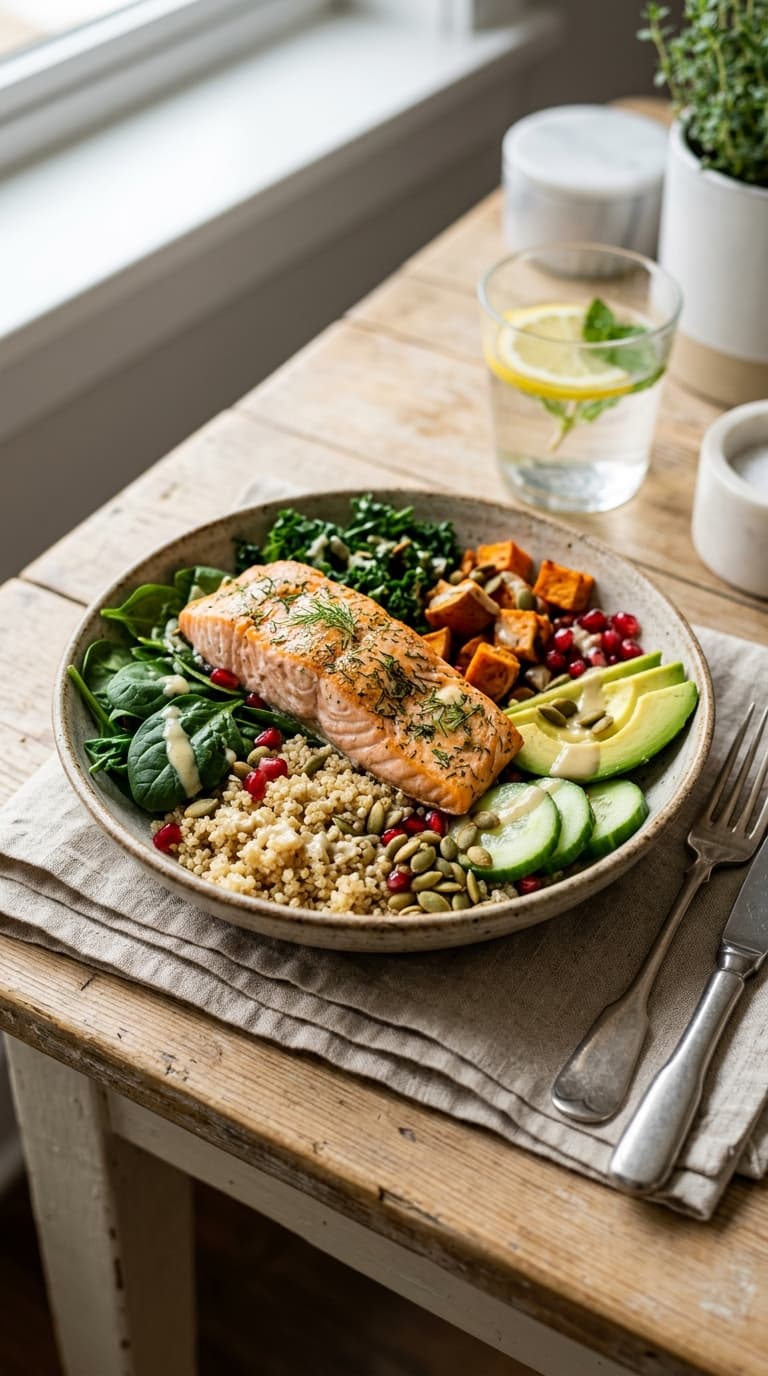
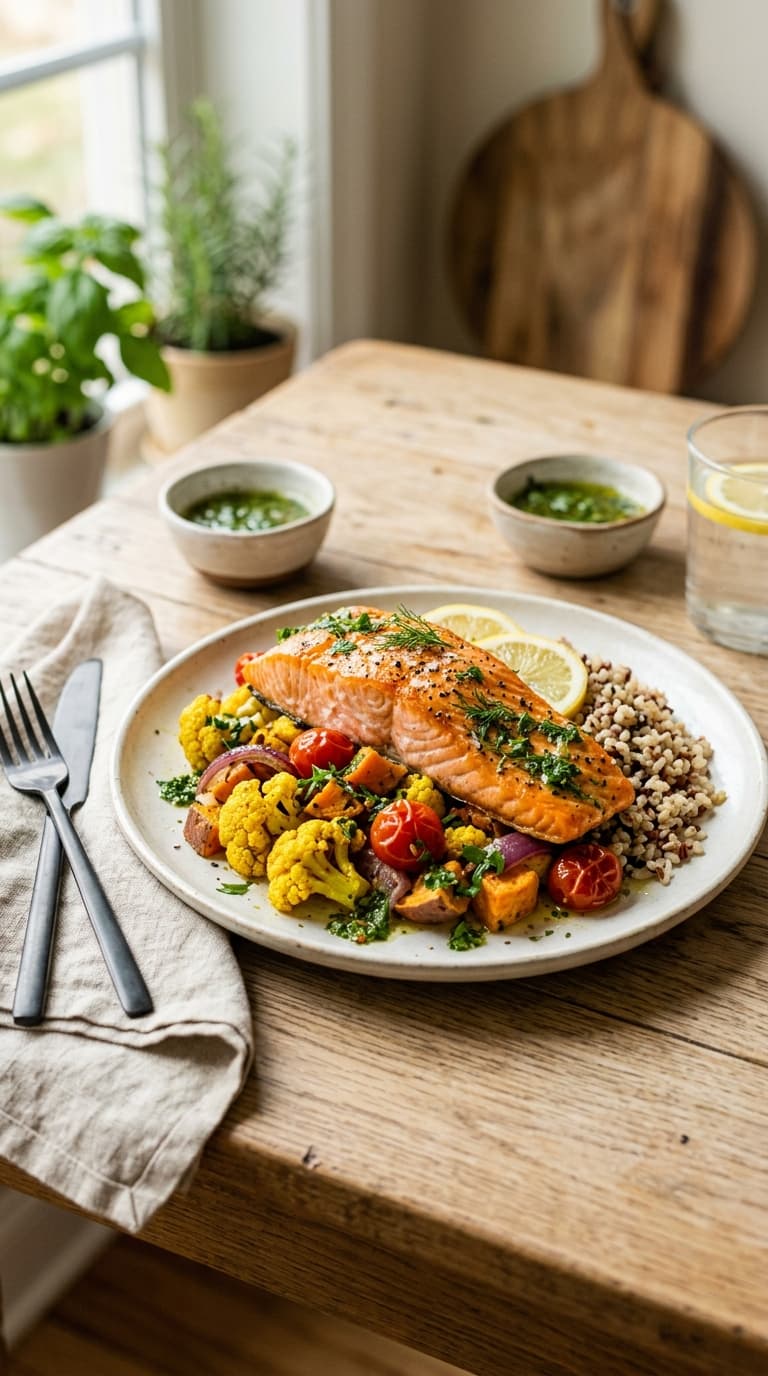
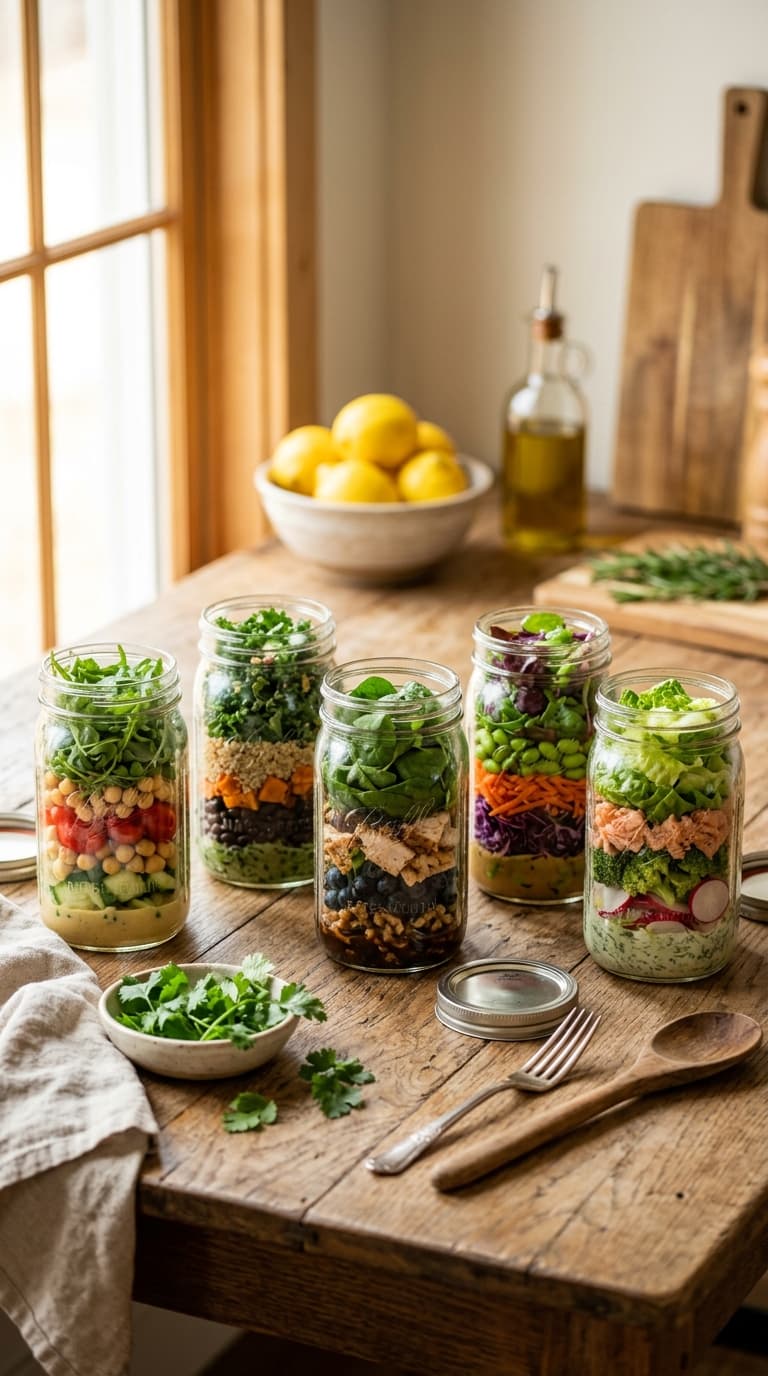
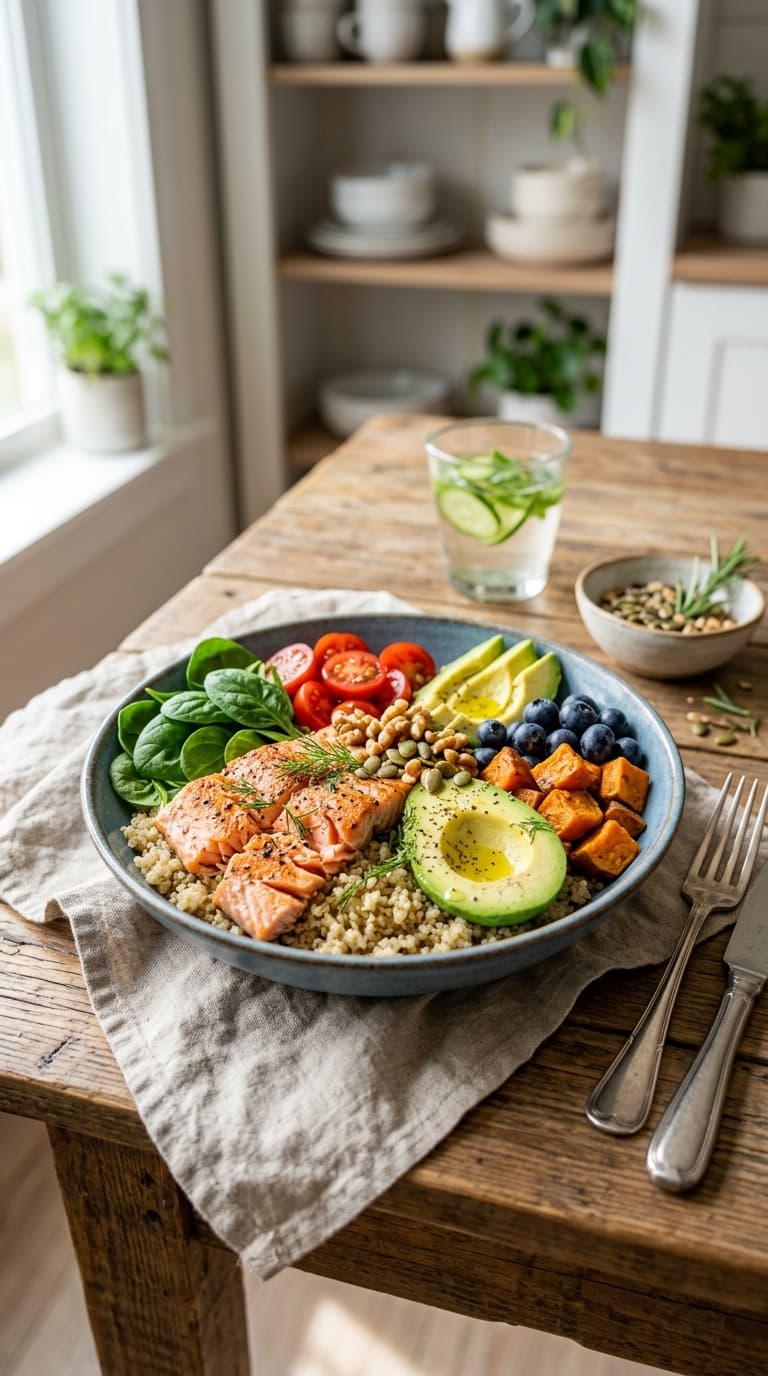
Now for the fun part. Swapping out inflammatory foods works best when you know what to load your plate with instead. Here are the heavy hitters:
Best anti-inflammatory foods:
- Fatty fish (wild salmon, sardines, mackerel) — rich in omega-3s
- Leafy greens (spinach, kale, arugula) — loaded with antioxidants
- Berries (blueberries, strawberries, cherries) — powerful flavonoid content
- Olive oil — oleocanthal has similar effects to ibuprofen
- Turmeric — curcumin is one of the most studied anti-inflammatory compounds
- Ginger — great raw, in cooking, or as tea
- Garlic — anti-inflammatory and immune-boosting
- Nuts and seeds (walnuts, flaxseeds, chia seeds) — healthy fats and fiber
- Whole grains — feed beneficial gut bacteria
- Green tea — polyphenols work hard to reduce oxidative stress
If you love your morning drink routine, pairing it with an anti-inflammatory mindset actually makes it easier to stick with. Replacing a sugary latte with something like a chai tea recipe or a detox tea blend is one of the simplest swaps with real impact.
Building an Anti-Inflammatory Lifestyle (Not Just a Diet)
Here’s the thing — this isn’t about being perfect. Nobody eats a flawless anti-inflammatory diet 24/7, and that’s okay. The goal is to shift the overall balance so that most of what you eat is working for you, not against you.
Start with one or two swaps that feel manageable. Maybe it’s replacing soda with sparkling water, or switching from commercial creamer to something cleaner. Small wins stack up fast.
Also, remember that inflammation isn’t just about food. Sleep, stress, movement, and gut health all play massive roles. But food is the lever you can pull three times a day — which makes it incredibly powerful.
A Few Simple Rules to Remember
- Read ingredient labels — if you can’t pronounce it, question it
- Cook at home more — you control exactly what goes in
- Prioritize whole foods over anything in a package
- Stay hydrated — water supports every anti-inflammatory process in your body
- Don’t demonize individual foods — patterns matter more than single meals
Wrapping It Up
Inflammation doesn’t have to be your normal. The foods on this list aren’t evil — but eating them constantly and in combination creates a low-grade inflammatory state that slowly chips away at how good you feel and function.
The swap philosophy is simple: crowd out the bad stuff by filling up on the good stuff. More omega-3s, more antioxidants, more fiber, more whole foods. Less processed junk, less refined sugar, less inflammatory seed oils.
You don’t need to overhaul everything overnight. Pick three foods from this list, make the swap this week, and notice how you feel. Your body has an incredible ability to recover when you give it the right fuel — and honestly, the right fuel tastes pretty great too.
Now go check your pantry. I dare you. 🙂