7 Day Anti-Inflammatory Meal Plan for Kids and Families
7 Day Anti-Inflammatory Meal Plan for Kids and Families
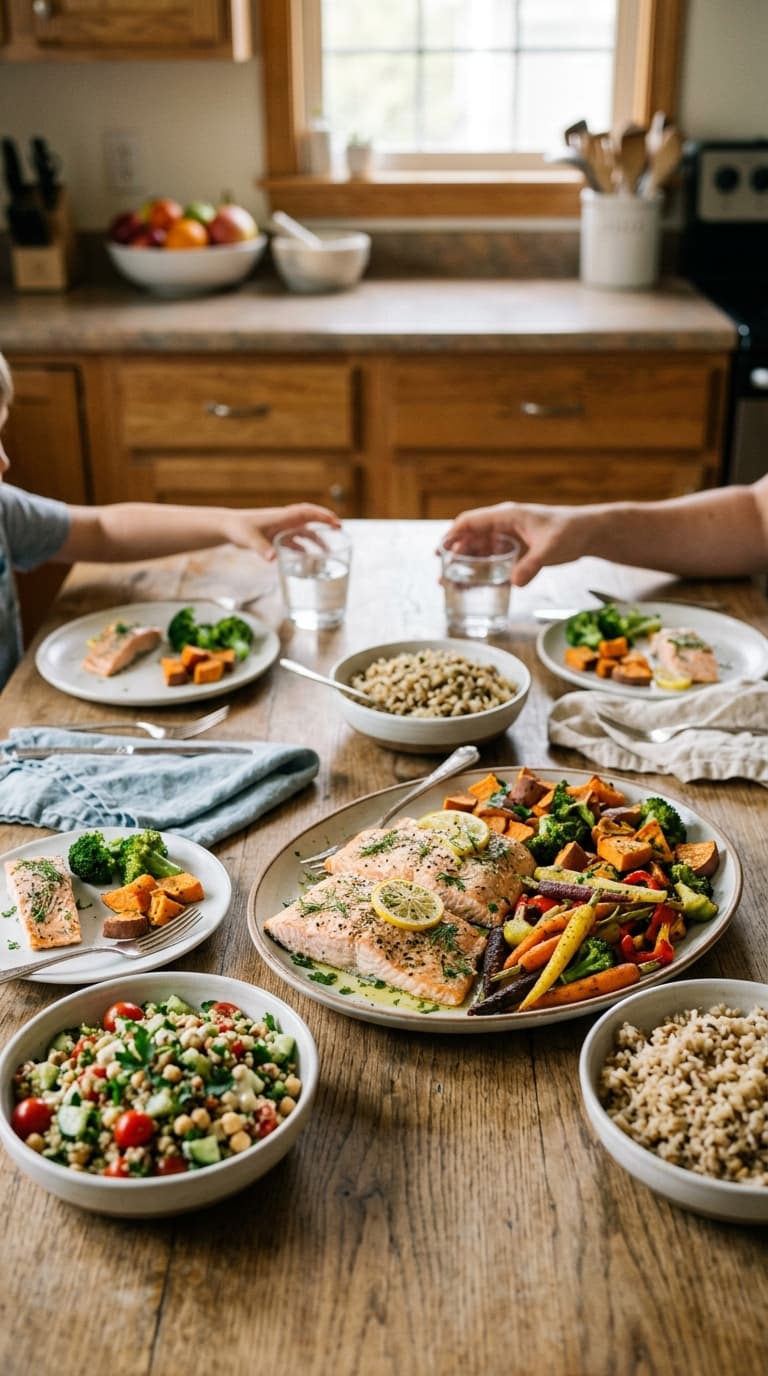
Let me be real with you — feeding kids is already a full-time job. Add “anti-inflammatory” to the mix and it sounds like a science experiment nobody signed up for. But here’s the thing: it doesn’t have to be complicated, expensive, or met with dramatic eye-rolls at the dinner table. I’ve been down this road, and I promise you, this 7-day plan is something your whole family will actually enjoy.
What Even Is an Anti-Inflammatory Diet?
Before we jump into the meal plan, let’s clear the air. An anti-inflammatory diet isn’t a fad — it’s a way of eating that focuses on whole foods your body genuinely loves. Think colorful vegetables, fatty fish, berries, nuts, and spices like turmeric and ginger. These foods help reduce chronic inflammation, which is linked to everything from joint pain and skin conditions to mood swings and fatigue.
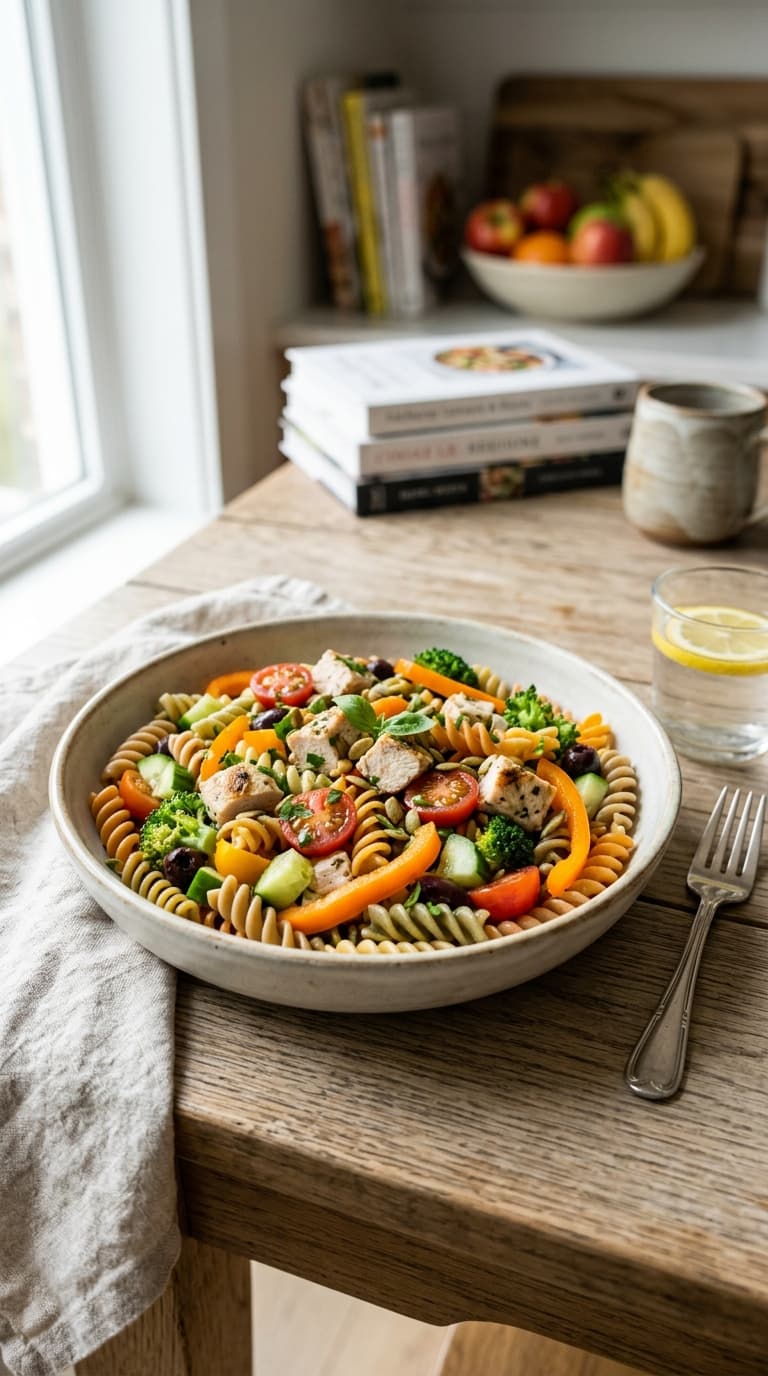
And yes, kids deal with inflammation too. Between processed snacks, sugary drinks, and the general chaos of childhood, their little bodies can use all the help they can get. IMO, getting kids on board with anti-inflammatory eating early is one of the best gifts you can give them.
The good news? Most of these foods taste great. Nobody’s forcing anyone to eat plain kale for a week. 🙂
The Anti-Inflammatory Pantry Staples You Need
Before we get to the actual plan, stock your kitchen with these essentials. Having them on hand makes the whole week go way smoother.
- Extra virgin olive oil – your go-to cooking fat
- Turmeric and ginger – anti-inflammatory powerhouses
- Wild-caught salmon or sardines – rich in omega-3 fatty acids
- Blueberries, strawberries, and cherries – loaded with antioxidants
- Leafy greens – spinach, kale, arugula
- Nuts and seeds – walnuts, chia seeds, flaxseeds
- Whole grains – quinoa, brown rice, oats
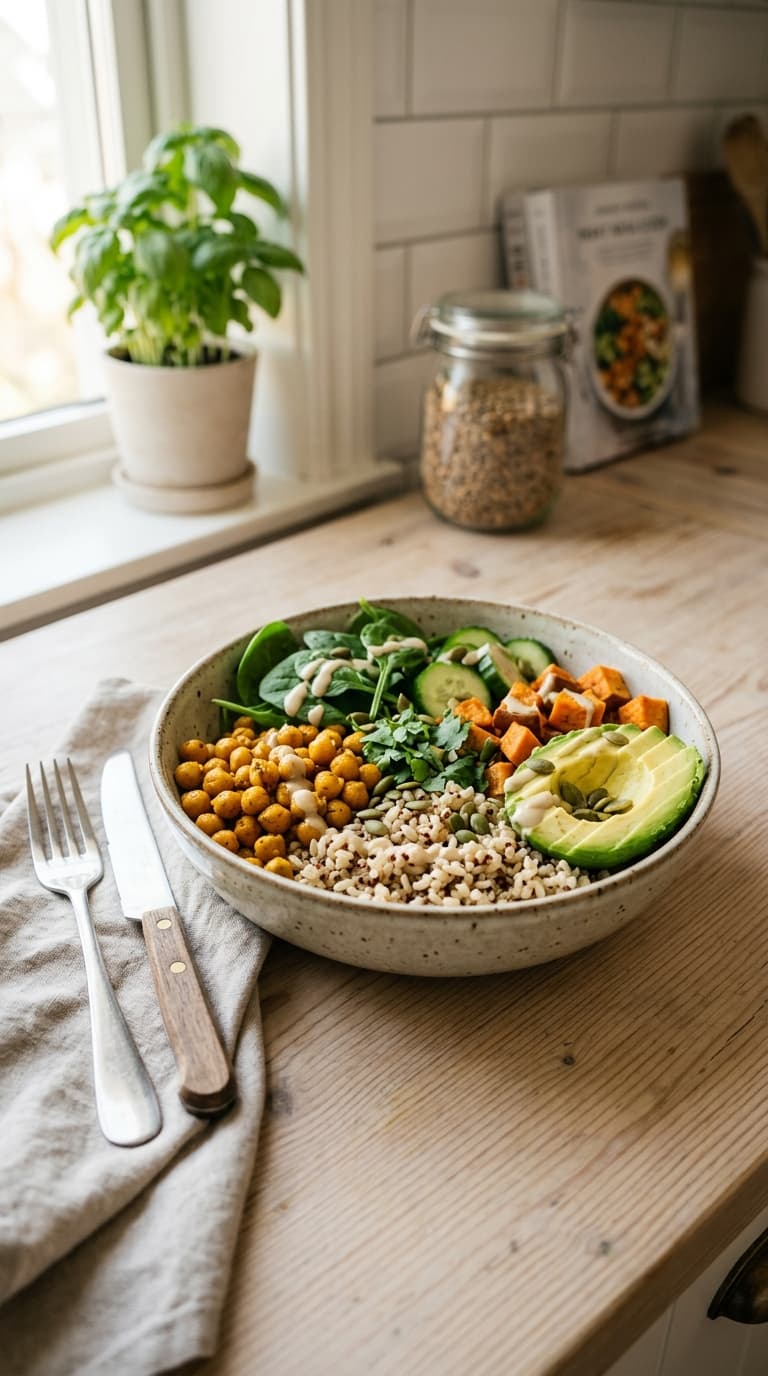
- Legumes – lentils, black beans, chickpeas
- Bone broth – great for gut health and soups
If your pantry currently holds mostly boxed mac and cheese and goldfish crackers, no judgment. We all start somewhere.
Day 1: Monday — Keep It Simple
Breakfast
Start the week with a blueberry oat smoothie bowl. Blend frozen blueberries, a banana, oats, and almond milk. Top with chia seeds and sliced strawberries. Kids love building their own toppings — it’s basically edible arts and crafts.
Lunch
Turkey and avocado lettuce wraps with cucumber slices on the side. Simple, fast, and no one complains (usually).
Dinner
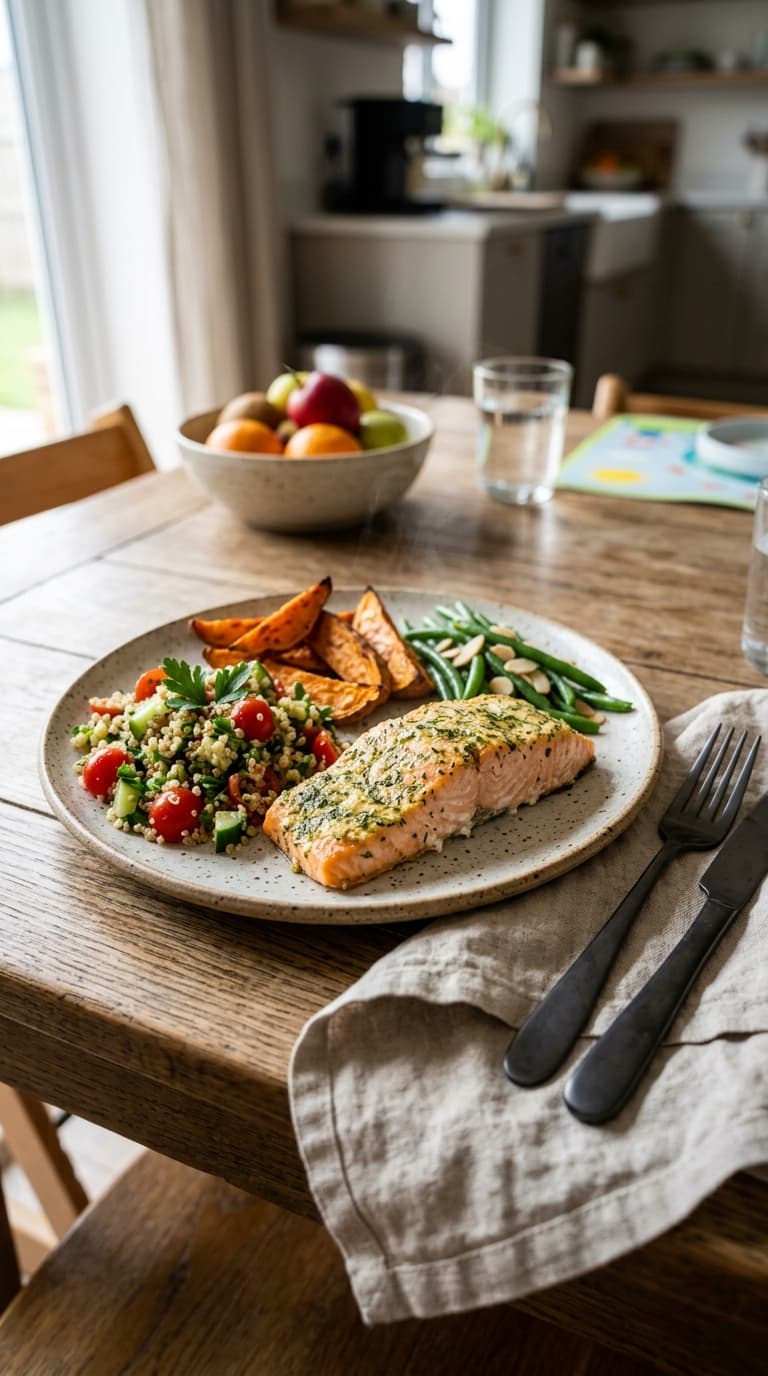
Baked salmon with roasted sweet potato and steamed broccoli. Drizzle everything in olive oil and a pinch of turmeric. This meal alone covers your omega-3s, vitamin A, and a solid dose of fiber.
Day 2: Tuesday — Sneak in the Good Stuff
Breakfast
Turmeric scrambled eggs with whole grain toast. Whisk a pinch of turmeric and black pepper into your eggs before cooking. The black pepper actually helps your body absorb the turmeric better — cool little science fact for the kids.
Lunch
Lentil soup with a side of whole grain crackers. Make a big batch — it keeps well and tastes even better the next day.
Dinner
Chicken and vegetable stir-fry with brown rice. Use ginger and garlic as your flavor base. This is where you can dump in whatever vegetables are hanging around in your fridge. Got zucchini? In it goes. Bell peppers? Absolutely.
Ever wondered why ginger keeps showing up in anti-inflammatory recipes? It contains a compound called gingerol that actively fights inflammation. So that stir-fry isn’t just dinner — it’s practically medicine. No lab coat required.
Day 3: Wednesday — Midweek Energy Boost
Breakfast
Overnight oats with walnuts, honey, and fresh cherries. Prep these the night before and mornings become way less chaotic. Walnuts are one of the best plant-based sources of omega-3s, FYI.
Lunch
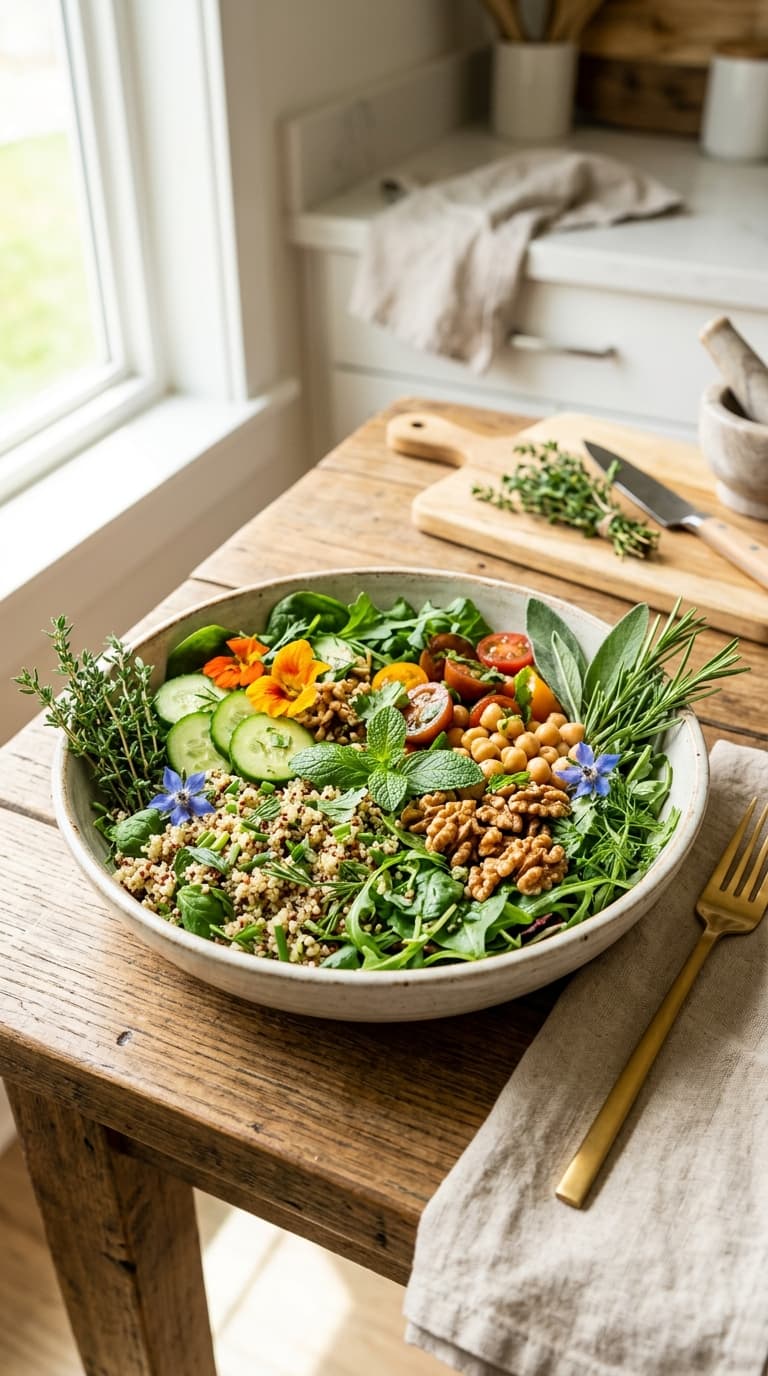
Quinoa salad with chickpeas, cucumber, cherry tomatoes, and a lemon-olive oil dressing. This one travels well in a lunchbox. Just keep the dressing separate until serving time.
Dinner
Turkey meatballs in a tomato-based sauce over zucchini noodles. Tomatoes are rich in lycopene, a potent antioxidant. Pair it with some of these anti-inflammatory tea blends for better health after dinner and you’ve basically nailed the whole anti-inflammatory evening routine.
Day 4: Thursday — Kid-Approved Favorites
Breakfast
Berry smoothie with spinach, frozen mango, Greek yogurt, and a tablespoon of flaxseed. The spinach turns it green, which either excites kids or horrifies them. There’s no middle ground.
Lunch
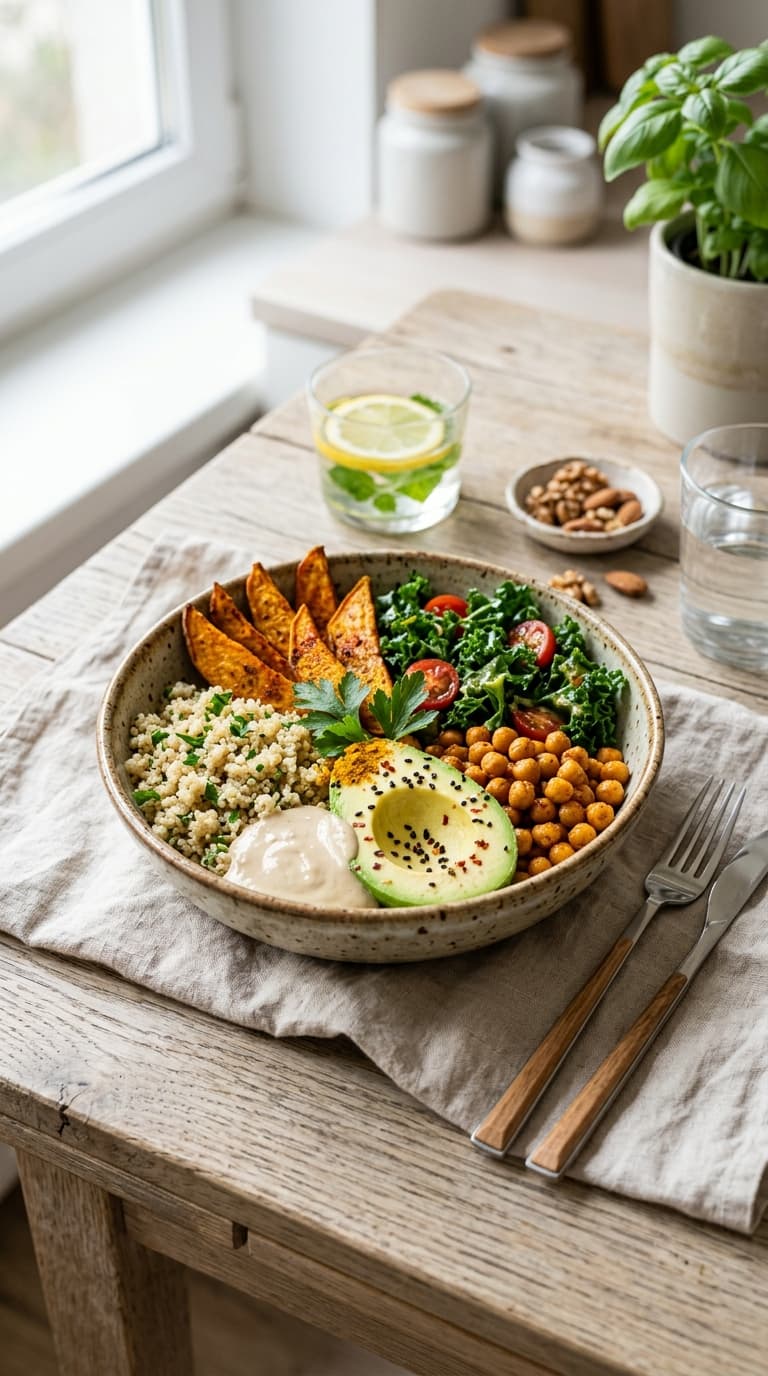
Whole grain pita with hummus, shredded carrots, and cucumber slices. Hummus is made from chickpeas, which are anti-inflammatory legends in their own right.
Dinner
Homemade beef and vegetable soup with bone broth as the base. Bone broth supports gut health, and a healthy gut means a calmer immune response. This is comfort food with a purpose.
Want to make Thursday evenings even cozier? Brew a warm cup from these herbal tea blends for relaxation and sleep after dinner. The whole family will sleep better for it.
Day 5: Friday — Fun Friday Meals
Breakfast
Banana pancakes made with oat flour, eggs, and mashed banana. No refined flour, no refined sugar, all the delicious. Top with fresh strawberries and a drizzle of raw honey.
Lunch
Black bean tacos with shredded purple cabbage, avocado, lime juice, and salsa on corn tortillas. Purple cabbage is one of those underrated anti-inflammatory heroes — it’s packed with anthocyanins.
Dinner
Sheet pan lemon herb chicken thighs with roasted vegetables. Toss everything onto one pan, pop it in the oven, and spend that extra time actually sitting down with your family instead of standing over a stove. Win-win.
Day 6: Saturday — Slow Down and Cook Together
Breakfast
Chia seed pudding bar. Set out toppings — berries, nuts, shredded coconut, banana slices — and let everyone build their own bowl. Chia seeds are loaded with omega-3s and fiber, so this breakfast pulls serious nutritional weight while feeling like a treat.
Lunch
Homemade veggie burgers on whole grain buns with sliced tomato, lettuce, and avocado. You can make these with black beans, oats, and spices. They actually taste good — I know that sounds suspicious, but trust me on this one.
Dinner
Wild-caught salmon tacos with mango salsa, cabbage slaw, and a lime crema made from plain Greek yogurt. This one gets requested repeatedly once you make it the first time. The mango adds sweetness that kids absolutely love, and the salmon delivers a massive omega-3 punch.
If the adults want to wind down after dinner, try pairing dessert with something from these herbal teas for better digestion — especially after a bigger Saturday meal.
Day 7: Sunday — Meal Prep and Reset
Breakfast
Avocado toast on whole grain sourdough with a poached egg and a sprinkle of red pepper flakes. Classic, satisfying, and full of healthy fats. Bonus: it takes less than 10 minutes.
Lunch
Big rainbow salad with mixed greens, roasted beets, walnuts, sliced apple, grilled chicken, and a balsamic vinaigrette. The more colors on that plate, the more anti-inflammatory compounds you’re getting. That’s just science doing you a favor.
Dinner
Slow cooker chicken and vegetable stew with turmeric, ginger, and coconut milk. Throw it all in on Sunday afternoon and dinner basically makes itself. Use Sunday evening to prep overnight oats, chop vegetables, and batch-cook grains for the week ahead.
Anti-Inflammatory Snack Ideas for Kids
Let’s be real — kids snack constantly. So let’s make those snacks work for them, not against them.
- Apple slices with almond butter – natural sugars, healthy fats, and protein
- Trail mix with walnuts, dark chocolate chips, and dried cherries – tastes like a treat, acts like a superfood
- Cucumber rounds with hummus – crunchy, satisfying, and surprisingly kid-approved
- Frozen blueberry “popsicles” – literally just frozen blueberries on a toothpick
- Roasted pumpkin seeds – lightly salted, full of magnesium and zinc
- Celery with nut butter – a classic that still slaps
Avoid snacks heavy in refined sugar, artificial dyes, and processed vegetable oils. These are the biggest inflammation triggers hiding in plain sight in most kids’ diets.
Tips for Getting Kids Actually On Board
Because no meal plan survives contact with a picky 7-year-old without a strategy.
Make it visual. Kids eat with their eyes first. Colorful meals get more enthusiasm than beige ones. That rainbow salad? Kids are strangely drawn to it.
Let them help. When kids participate in cooking, they’re way more likely to eat what they made. Give them jobs — washing vegetables, stirring, adding toppings. Even toddlers can mash bananas.
Rename things. “Green monster smoothie” sounds way cooler than “spinach and banana smoothie.” Same thing. Completely different reception.
Don’t make a big deal out of it. If you hype up that something is “super healthy,” some kids will immediately refuse it. Just serve it. No commentary needed. :/
Sneak it in. Blend spinach into smoothies, add turmeric to scrambled eggs, hide shredded zucchini in meatballs. You’re not lying — you’re being strategic.
Drinks That Support an Anti-Inflammatory Lifestyle
What your family drinks matters just as much as what they eat. Sugary sodas and juice boxes are inflammation fuel — try replacing them with better options throughout the week.
For the kids, think water infused with cucumber and mint, sparkling water with a splash of pomegranate juice, or homemade lemonade sweetened with raw honey. For the grown-ups, these immune-boosting tea recipes are a fantastic addition to a daily routine, especially during cold and flu season.
If you’re looking to swap out your morning coffee for something gentler on inflammation, these detox tea recipes take under 10 minutes and actually taste good. And for something more soothing at night, herbal teas that help you sleep better are a great wind-down ritual for the whole household.
What to Expect After One Week
Don’t expect a miracle in seven days — but do expect some real changes. Most families report:
- More consistent energy levels throughout the day
- Better sleep for both kids and adults
- Fewer afternoon crashes and mood swings
- Improved digestion and less bloating
- Skin that looks calmer — especially noticeable in kids with eczema or rashes
The real magic happens when this becomes a lifestyle rather than a one-week experiment. Week two gets easier. By week three, you’re just eating this way and not even thinking about it.
Final Thoughts
Look, you don’t have to be perfect. You don’t have to throw out everything in your pantry or become the person who brings spiralized vegetable dishes to every school potluck. Start with small swaps. Replace one processed snack with a real food option. Swap vegetable oil for olive oil. Add berries to breakfast.
This 7-day anti-inflammatory meal plan for kids and families is a starting point — a blueprint you can adapt, repeat, and make your own. Your family’s health is worth the effort, and honestly, the food is genuinely delicious once you get into the rhythm of it.
Give it a week. Your future self — and your kids — will thank you.