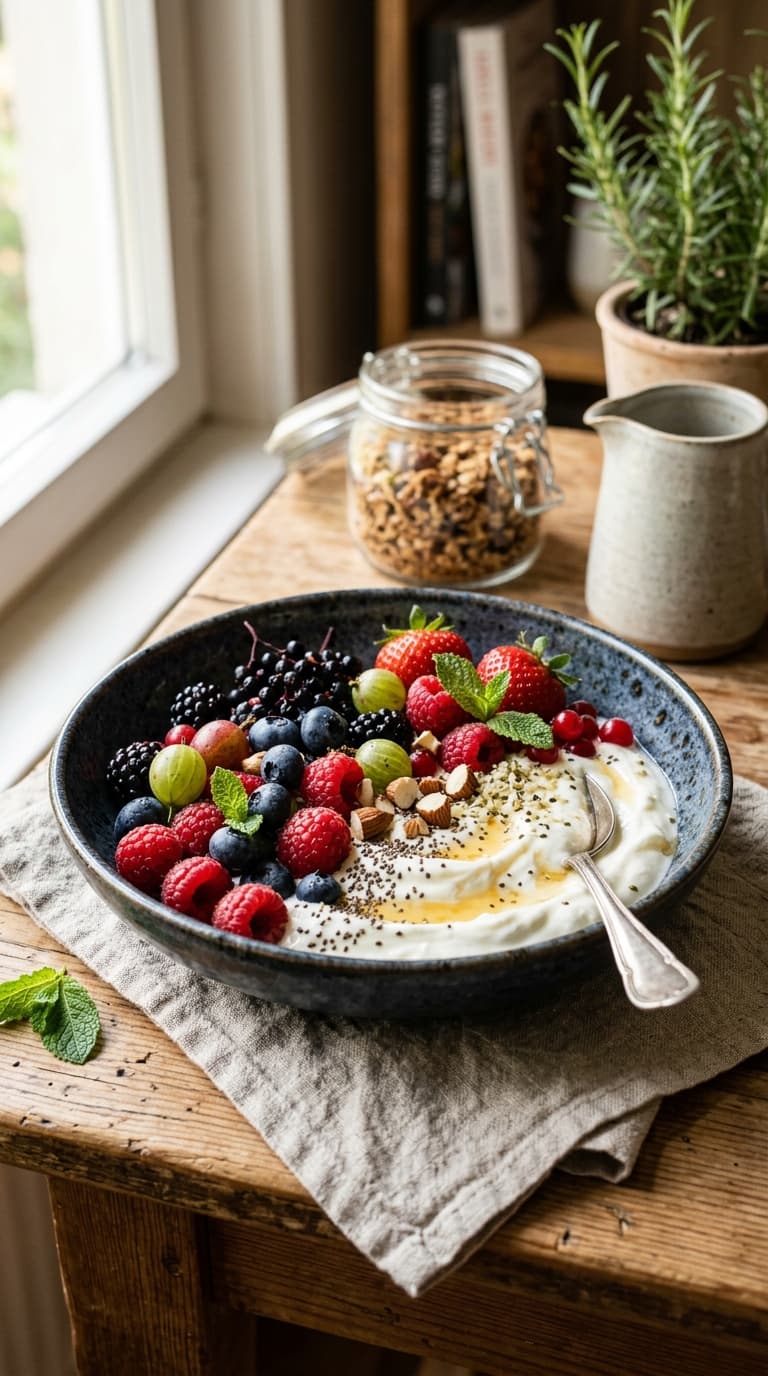
23 Anti-Inflammatory Berries and Why They Work
23 Anti-Inflammatory Berries and Why They Work
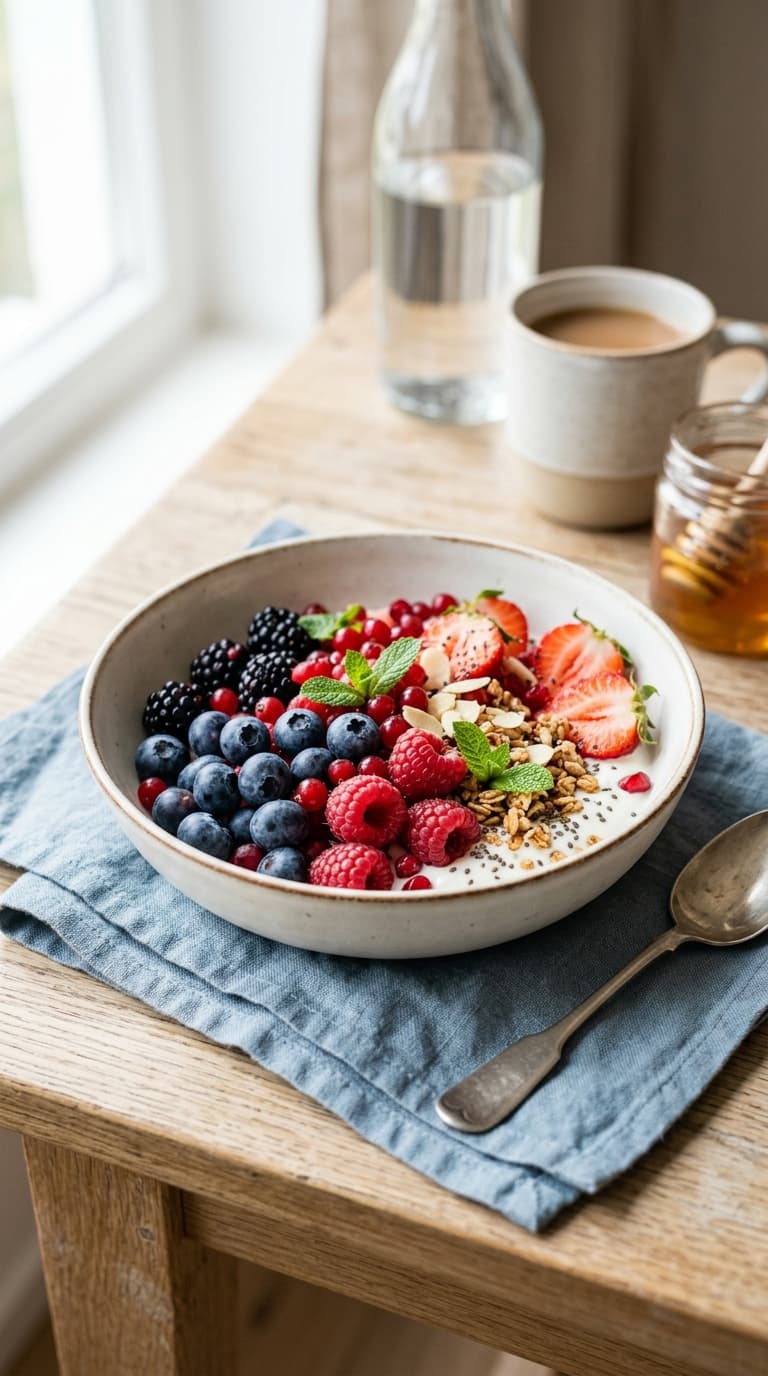
Your body is quietly fighting battles you don’t even know about — and the right berries can seriously tip the scales in your favor.
Inflammation gets a bad rap, and honestly, it deserves it. Chronic inflammation links to everything from joint pain and brain fog to heart disease and diabetes. But here’s the thing most people miss — your grocery store (or backyard) holds some of the most powerful anti-inflammatory tools on the planet, and they’re delicious. I’ve been obsessed with functional foods for years, and berries are genuinely one of the first things I point people toward. Let’s talk about 23 of them and exactly why they work.
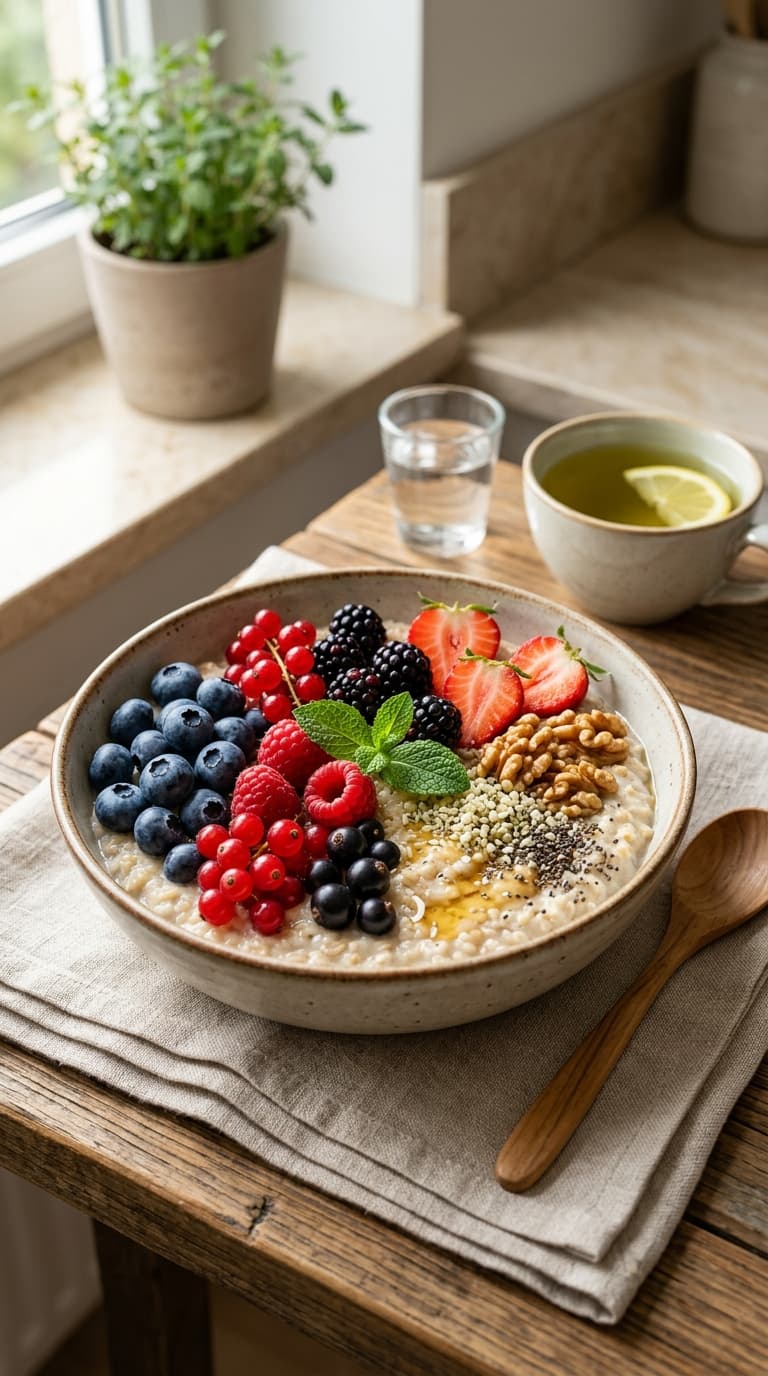
Why Berries Are Anti-Inflammatory Powerhouses
Before we get into the list, it’s worth understanding what makes berries so effective. Most berries pack polyphenols, flavonoids, and anthocyanins — plant compounds that actively reduce oxidative stress and shut down inflammatory pathways in the body. These aren’t just buzzwords. Studies consistently show that diets rich in berry consumption lower C-reactive protein (CRP), one of the key markers of systemic inflammation.
The pigments that give berries their deep reds, blues, and purples? Those are the anthocyanins doing their job. The brighter and deeper the color, generally the higher the antioxidant load. So yeah, eating a rainbow of berries is actually solid science, not just Instagram aesthetics 🙂
The 23 Best Anti-Inflammatory Berries
1. Blueberries
Blueberries are basically the poster child of anti-inflammatory eating, and they’ve earned it. They contain pterostilbene and anthocyanins in seriously impressive amounts. Research shows regular blueberry consumption reduces markers of oxidative stress and supports brain health simultaneously. Wild blueberries, IMO, outperform cultivated ones in antioxidant density — they’re smaller but pack a bigger punch.
2. Strawberries
Don’t let their sweetness fool you — strawberries are loaded with vitamin C and ellagic acid, both of which suppress inflammatory enzymes. One cup gives you more vitamin C than an orange. They also reduce LDL cholesterol oxidation, which is a fancy way of saying they help protect your heart.
3. Raspberries
Raspberries bring ellagitannins and quercetin to the table. Quercetin specifically inhibits histamine release and blocks pro-inflammatory signaling. If you deal with seasonal allergies or joint inflammation, raspberries deserve a regular spot in your diet.
4. Blackberries
Blackberries are criminally underrated. They contain cyanidin-3-glucoside, a potent anthocyanin that targets NF-kB — a protein complex that controls inflammation at the cellular level. Blocking NF-kB activity is actually a goal of many pharmaceutical anti-inflammatory drugs. Nature got there first.
5. Tart Cherries
Tart cherries — not the sweet, bright red ones you eat by the handful — are exceptional for reducing muscle soreness and joint pain. Athletes use tart cherry juice as a recovery tool because it measurably lowers uric acid levels and inflammatory markers post-exercise. If you suffer from gout, this berry is worth serious attention.
6. Acai Berries
Acai gets plenty of hype, but it’s actually justified here. Acai contains anthocyanins at levels that rival blueberries, plus oleic acid (the same healthy fat in olive oil) and plant sterols. The combination makes it uniquely effective at targeting both oxidative stress and lipid-related inflammation.
7. Goji Berries
These little red berries from Chinese medicine tradition contain zeaxanthin, polysaccharides, and beta-carotene — a lineup that supports immune regulation and reduces inflammatory cytokine production. Goji berries also support eye health by reducing oxidative damage to retinal cells.
8. Elderberries
Elderberries are perhaps the most well-known berry for immune-modulating effects. Their anthocyanin content helps block viral replication while simultaneously reducing the inflammatory response that makes infections feel so brutal. You’ve probably seen elderberry syrup at health food stores — there’s solid reasoning behind the trend. Pair your elderberry routine with some anti-inflammatory tea blends for a double dose of daily support.
9. Sea Buckthorn Berries
This one surprises people. Sea buckthorn is one of the only plant sources of omega-7 fatty acids, alongside omega-3s and omega-6s. It’s loaded with vitamin C at concentrations far exceeding citrus fruits. The combination actively reduces mucosal inflammation, making it especially helpful for gut and skin conditions.
10. Cranberries
Cranberries contain proanthocyanidins — a specific type of polyphenol that prevents bacterial adhesion in the urinary tract and reduces gut inflammation. They also lower CRP in people with metabolic syndrome. Yes, they’re tart. Yes, they’re worth it.
11. Mulberries
Mulberries contain resveratrol — the same compound famous for being in red wine, but without the wine part. Resveratrol activates sirtuins, proteins linked to longevity and reduced inflammatory signaling. Fresh mulberries also deliver significant iron and vitamin K alongside their anti-inflammatory load.
12. Bilberries
Bilberries look like blueberries but they’re a distinct species with an even denser anthocyanin profile. Bilberries have been studied specifically for eye health, vascular inflammation, and blood sugar regulation. They’re common across Europe and deserve more attention in North American diets.
13. Maqui Berries
Maqui berries from Patagonia hold some of the highest ORAC (oxygen radical absorbance capacity) scores of any known berry. They’re rich in delphinidins, a class of anthocyanins that specifically target oxidative damage in the eyes, cardiovascular system, and metabolic pathways. You’ll usually find them as a powder, which blends well into smoothies.
14. Aronia Berries (Chokeberries)
Fair warning — aronia berries are extremely astringent raw. But their anthocyanin and proanthocyanidin content is extraordinary, consistently ranking among the highest of any measured berry. Research links aronia consumption to reduced blood pressure, lower LDL oxidation, and suppressed inflammatory markers in people with metabolic disorders.
15. Gooseberries
Gooseberries are packed with vitamin C and quercetin, which work together synergistically. Vitamin C regenerates other antioxidants in the body while quercetin directly suppresses inflammatory enzyme activity. Indian gooseberry (amla) takes this even further — it’s a cornerstone of Ayurvedic medicine for reducing systemic inflammation.
16. Currants (Black and Red)
Black currants in particular are exceptional. They contain gamma-linolenic acid (GLA), an omega-6 fatty acid with documented anti-inflammatory effects — unusual in a berry. They also pack anthocyanins and vitamin C in concentrations that rival pharmaceutical-grade antioxidant supplements.
17. Boysenberries
A cross between raspberries, blackberries, and loganberries, boysenberries bring ellagic acid, anthocyanins, and folate together in one tart package. Folate specifically supports methylation pathways that regulate inflammatory gene expression. These don’t get nearly enough credit.
18. Cloudberries
Cloudberries grow in arctic and subarctic regions and contain exceptionally high levels of vitamin C and ellagitannins. They’re also a rare plant source of vitamin A and omega-3 fatty acids. Their anti-inflammatory properties make them a staple in Nordic traditional medicine.
19. Loganberries
Loganberries are another hybrid (blackberry and raspberry) with a strong profile of anthocyanins, vitamin C, and manganese. Manganese plays a direct role in the function of superoxide dismutase (SOD), one of the body’s primary antioxidant enzymes. More SOD activity means better cellular defense against inflammation.
20. Lingonberries
If you’ve ever eaten at IKEA and grabbed that sauce, you’ve met lingonberries. Beyond their culinary fame, they contain resveratrol, quercetin, and proanthocyanidins in quantities that support cardiovascular and metabolic health. Scandinavian populations that eat lingonberries regularly show lower rates of cardiovascular inflammation — and no, that’s not a coincidence.
21. Huckleberries
Huckleberries closely resemble blueberries but grow wild and remain largely uncultivated. Their anthocyanin content varies by species but generally rivals or exceeds cultivated blueberries. Native American tribes used huckleberries medicinally for centuries — turns out they were onto something, as modern research confirms their anti-inflammatory and antidiabetic properties.
22. Barberries
Barberries contain berberine, a compound that’s become enormously popular in functional medicine for its ability to regulate blood sugar, gut microbiome composition, and inflammatory cytokines. You can find berberine as an isolated supplement, but whole barberries deliver it alongside fiber and additional polyphenols for better absorption and effect.
23. Schisandra Berries
Schisandra is technically a berry (a cluster of them, actually) used in Traditional Chinese Medicine for millennia. It contains schisandrin B and other lignans that actively reduce liver inflammation, support adrenal function, and modulate the immune response. It’s one of the most sophisticated anti-inflammatory berries on this list — and one of the least talked about in Western health circles.
How to Actually Get More of These Into Your Routine
Knowing about 23 berries is great. Eating them regularly is better. Here are some practical ways to do it:
- Smoothies: Frozen mixed berries are affordable, convenient, and retain most of their polyphenol content. Try layering a few varieties together. If you’re already blending up morning drinks, check out these delicious coffee smoothies for breakfast or an energy boost — adding a handful of frozen berries to any of those takes the anti-inflammatory value to another level.
- Teas and infusions: Several berries — elderberry, goji, schisandra, barberry — make excellent teas. Combine them with herbs for a genuinely functional drink. There’s a great roundup of herbal tea benefits you probably didn’t know about that pairs well with berry-forward blends.
- Powders: Maqui, acai, and bilberry powders blend seamlessly into oatmeal, yogurt, or water.
- Fresh and frozen: Prioritize fresh when in season, frozen year-round. Both are excellent.
- Whole food first: Supplements can help, but nothing beats the synergistic effect of whole berries. The fiber, water content, and co-occurring nutrients change how the active compounds absorb.
FYI — you don’t need to eat all 23. Even rotating through 5 or 6 of these consistently can produce meaningful reductions in inflammatory markers over time.
What the Science Actually Says
Here’s the part where I want to be straight with you. Anti-inflammatory eating isn’t a magic switch. Berries work cumulatively and consistently — not overnight. Studies measuring the impact of berry consumption on CRP, IL-6, and TNF-alpha (key inflammatory markers) generally look at 4-12 week windows.
The mechanism matters too. Most berries work through multiple pathways simultaneously:
- Inhibiting pro-inflammatory enzymes (COX-2, LOX)
- Reducing NF-kB activation
- Lowering oxidative stress on cell membranes
- Supporting gut microbiome diversity, which directly influences systemic inflammation
- Improving endothelial function, reducing vascular inflammation
That multi-pathway action is actually what makes berries more interesting than many single-compound supplements. You’re not just hitting one target — you’re addressing inflammation from several angles at once. If you want to complement that with equally powerful drinks, teas that boost your immune system work beautifully alongside a berry-forward diet.
A Note on Quality and Sourcing
Not all berries are created equal. Organic matters more for thin-skinned berries like strawberries and blueberries, which rank high on pesticide residue lists. For powders, look for cold-processed options — heat degrades anthocyanins significantly.
Wild-harvested beats cultivated in almost every anti-inflammatory metric. If you can access wild blueberries, huckleberries, or lingonberries, prioritize them. Farmer’s markets are genuinely underrated for getting seasonal varieties you won’t find at major supermarkets :/
Wrapping It Up
So there you have it — 23 berries that actively work to reduce inflammation in your body, each with distinct mechanisms and strengths. From the familiar blueberry to the exotic schisandra, the plant kingdom has clearly figured out something remarkable.
The biggest takeaway? Variety wins. Different berries target different inflammatory pathways, so eating a rotation of them covers more ground than any single superfood ever could. Start with what’s accessible — blueberries, strawberries, raspberries, tart cherries — and expand from there as you get curious.
Your joints, your brain, your gut, and your cardiovascular system will all quietly thank you. And hey, eating berries beats most of the alternatives when it comes to managing inflammation. That’s a trade I’ll make every single day.