7 Day Anti-Inflammatory Meal Plan for Menopause
7 Day Anti-Inflammatory Meal Plan for Menopause
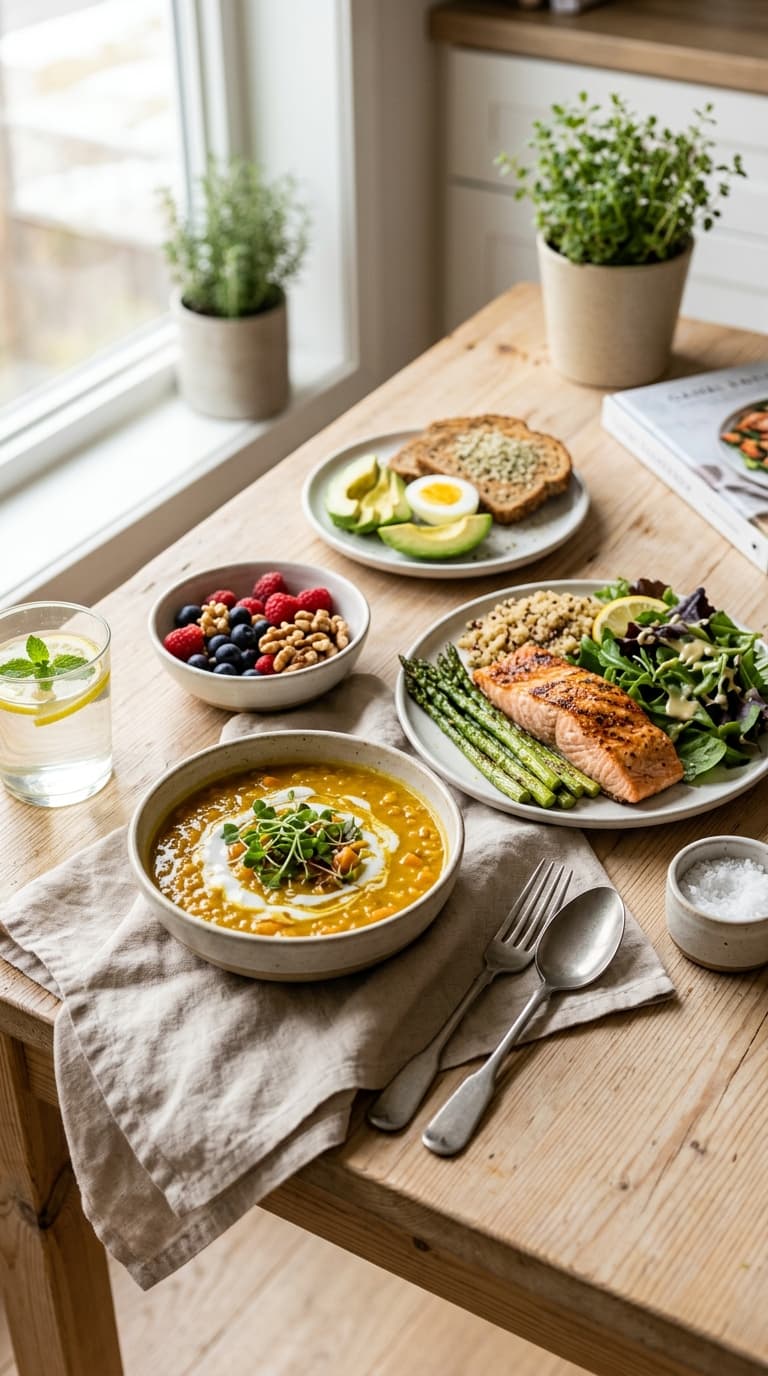
Let’s be honest — menopause doesn’t exactly come with a welcome kit. Hot flashes at 2 AM, joints that feel like they’re staging a protest, and mood swings that confuse even you. Fun times, right? :/ But here’s something nobody talks about enough: what you eat during menopause can dramatically change how you feel every single day. An anti-inflammatory diet isn’t some trendy wellness buzzword. It’s a genuinely powerful tool that works with your body during this transition, not against it.
I’ve spent a lot of time researching and experimenting with this, and I want to share a full 7-day anti-inflammatory meal plan that’s realistic, delicious, and actually doable on a busy day.
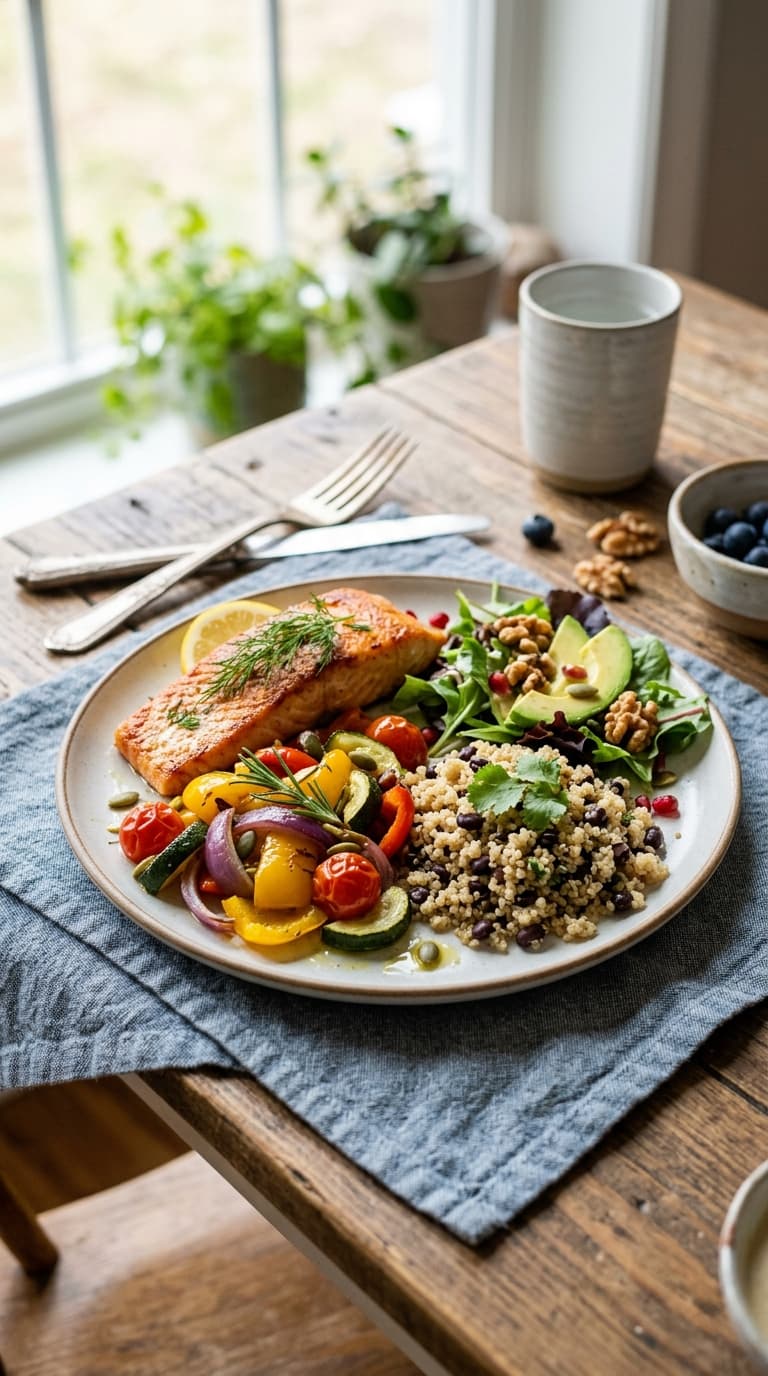
Why Inflammation and Menopause Are a Package Deal
Here’s the thing — when estrogen levels drop during menopause, your body loses one of its natural inflammation fighters. Estrogen actually helps regulate inflammatory responses, so when it dips, inflammation can quietly creep up across your entire body. That explains the joint pain, brain fog, bloating, and even the worsening of mood issues many women experience.
The good news? Food is one of the most powerful levers you can pull. Anti-inflammatory eating focuses on whole, nutrient-dense foods that calm the immune system and support hormonal balance. Think less processed junk, more colorful plants, healthy fats, and quality protein.
The Anti-Inflammatory Foundations You Need to Know
Before we get into the actual meal plan, let’s quickly cover the building blocks. These are the food groups you’ll want to lean on hard during menopause.
Foods to embrace:
- Fatty fish like salmon, sardines, and mackerel (omega-3 goldmine)
- Leafy greens — spinach, kale, arugula
- Berries — blueberries, strawberries, cherries
- Nuts and seeds — walnuts, flaxseeds, chia seeds
- Legumes — lentils, chickpeas, black beans
- Olive oil (extra virgin, always)
- Turmeric, ginger, and cinnamon
- Whole grains — quinoa, oats, brown rice
Foods to minimize or ditch:
- Refined sugar and white flour
- Processed and ultra-packaged foods
- Alcohol (yes, that evening glass of wine counts)
- Trans fats and seed oils
- Excess red meat, especially processed meats
Getting your drinks right matters too. Swapping your usual beverages for something more soothing can make a real difference. If you’re into herbal options, checking out some anti-inflammatory tea blends for better health is a great place to start.
Day 1: Reset and Refresh
Breakfast
Start your week with a turmeric golden oat bowl. Cook rolled oats in unsweetened almond milk, then stir in half a teaspoon of turmeric, a pinch of black pepper (this activates the curcumin — don’t skip it), and a tablespoon of ground flaxseeds. Top with blueberries and a drizzle of raw honey.
Lunch
A big leafy green salad with canned wild salmon, cucumber, cherry tomatoes, pumpkin seeds, and a lemon-tahini dressing. Simple, satisfying, and loaded with omega-3s and antioxidants.
Dinner
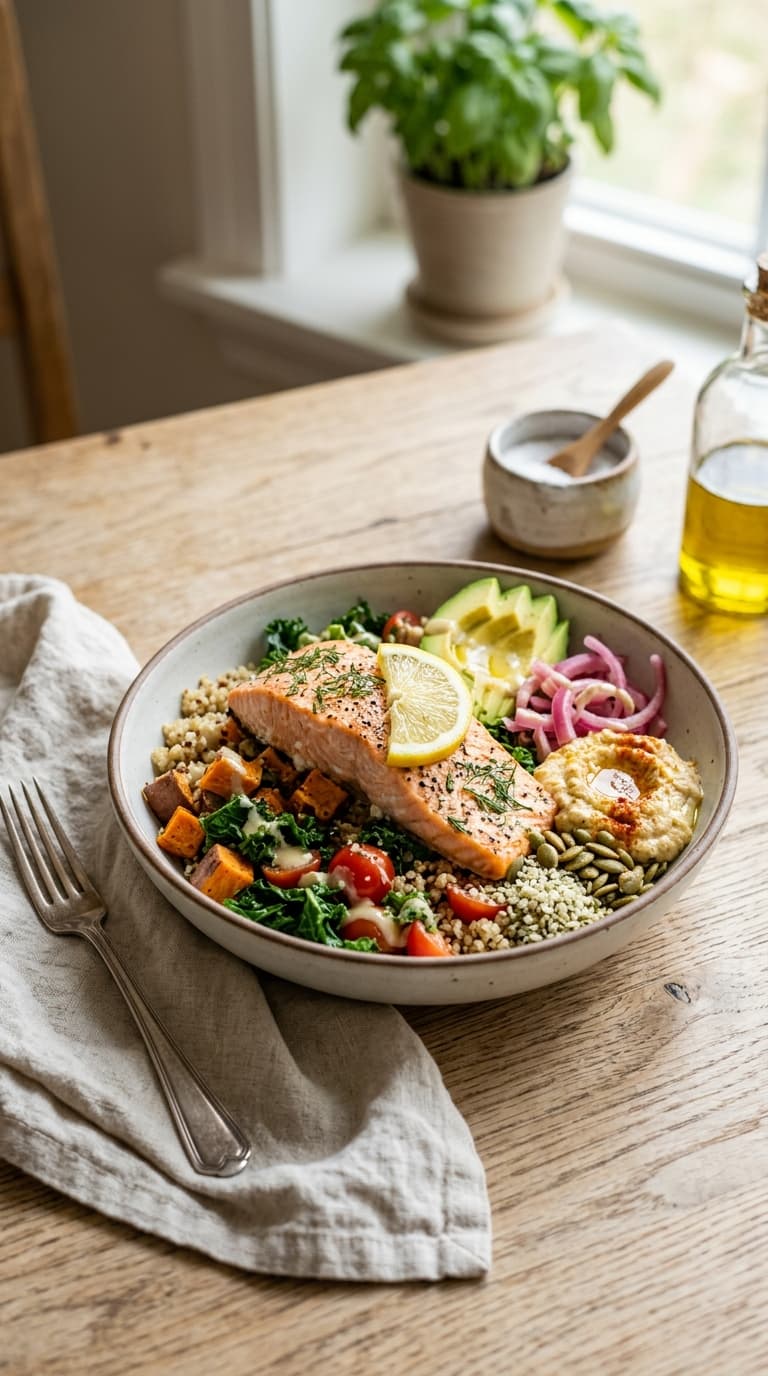
Baked salmon with roasted sweet potato and steamed broccoli drizzled with olive oil and garlic. This combo hits anti-inflammatory trifecta — omega-3s from salmon, beta-carotene from sweet potato, and sulforaphane from broccoli.
Snack
A small handful of walnuts and a few dark chocolate squares (70%+ cocoa). Yes, chocolate qualifies. You’re welcome.
Day 2: Plant Power Day
Breakfast
A smoothie bowl built on frozen cherries, banana, a handful of spinach, chia seeds, and coconut water. Top with sliced almonds and fresh berries. If you love blending your mornings, you’ll also enjoy exploring some coffee smoothies for breakfast or an energy boost to mix things up.
Lunch
Lentil and vegetable soup with a thick, hearty base of tomatoes, carrots, celery, and cumin. Lentils are a menopause superfood — they’re loaded with phytoestrogens, fiber, and plant protein.
Dinner
Stir-fried tofu with bok choy, bell peppers, and brown rice, all tossed in a ginger-tamari sauce. Tofu contains isoflavones that may help ease hot flashes — IMO, this dish alone is worth adding to your regular rotation.
Snack
Apple slices with almond butter. Classic, but it works.
Day 3: Mediterranean Vibes
Breakfast
Two-egg scramble with spinach, sun-dried tomatoes, and crumbled feta cheese. Cooked in olive oil. The Mediterranean diet consistently ranks as one of the best anti-inflammatory eating patterns in the world — for good reason.
Lunch
Chickpea and cucumber wrap using a whole grain tortilla, hummus spread, sliced red onion, kalamata olives, and fresh parsley. Pack it for work and feel smugly healthy while everyone else eats a sad desk sandwich.
Dinner
Grilled chicken thighs marinated in lemon juice, garlic, oregano, and olive oil. Serve with roasted zucchini, eggplant, and a simple tabbouleh on the side.
Snack
A small bowl of mixed olives and a few whole grain crackers. Fancy and functional.
Day 4: Gut Health Focus
Here’s something worth knowing — gut health and menopause are deeply connected. The gut microbiome actually helps metabolize estrogen, so keeping it healthy matters more than ever during this phase.
Breakfast
Plain Greek yogurt (full fat, no sugar added) topped with ground flaxseeds, a tablespoon of hemp seeds, sliced kiwi, and a sprinkle of cinnamon. This is your probiotic, fiber, and omega-3 trifecta right in one bowl.
Lunch
Miso soup with tofu, seaweed, and a side of brown rice. Miso is a fermented food that feeds your gut bacteria and packs a serious umami punch.
Dinner
Turkey and vegetable sheet pan bake with brussels sprouts, red onion, carrots, and a balsamic glaze. Roast everything together at 400°F for about 30 minutes — minimal effort, maximum payoff.
Snack
Celery sticks with tahini. Boring name, surprisingly tasty.
Day 5: Omega-3 Overload (In the Best Way)
Breakfast
Smashed avocado on whole grain toast with a sprinkle of red pepper flakes and hemp seeds. Add a soft-boiled egg on top if you want extra staying power. Avocados are rich in oleocanthal, an anti-inflammatory compound that works similarly to ibuprofen — nature’s painkiller, basically.
Lunch
Sardine and white bean salad with lemon, olive oil, fresh parsley, and capers. Sardines are genuinely one of the most underrated foods on the planet. Yes, I’m serious.
Dinner
Walnut-crusted baked cod with roasted asparagus and a side of quinoa cooked in vegetable broth. Cod is a lean white fish, and the walnut crust bumps up the omega-3 and antioxidant content significantly.
Snack
A small handful of trail mix — walnuts, dried cherries, pumpkin seeds, a few dark chocolate chips.
Day 6: Comfort Food, Reinvented
Who says anti-inflammatory eating has to feel like punishment? Today’s menu is all about comfort with a healthful twist.
Breakfast
Cinnamon banana oat pancakes — blend one ripe banana, two eggs, half a cup of oats, and a teaspoon of cinnamon. Cook like regular pancakes. Top with fresh blueberries and a drizzle of honey. Zero refined flour, all the comfort.
Lunch
Butternut squash and ginger soup with coconut milk. Creamy, warming, and bursting with beta-carotene and anti-inflammatory ginger. Pair it with a slice of whole grain bread.
Dinner
Grass-fed beef tacos using lettuce wraps instead of flour tortillas. Load them up with salsa fresca, avocado, black beans, and fresh cilantro. Grass-fed beef has a better omega-6 to omega-3 ratio than conventional beef, making it a smarter choice when you do eat red meat.
Snack
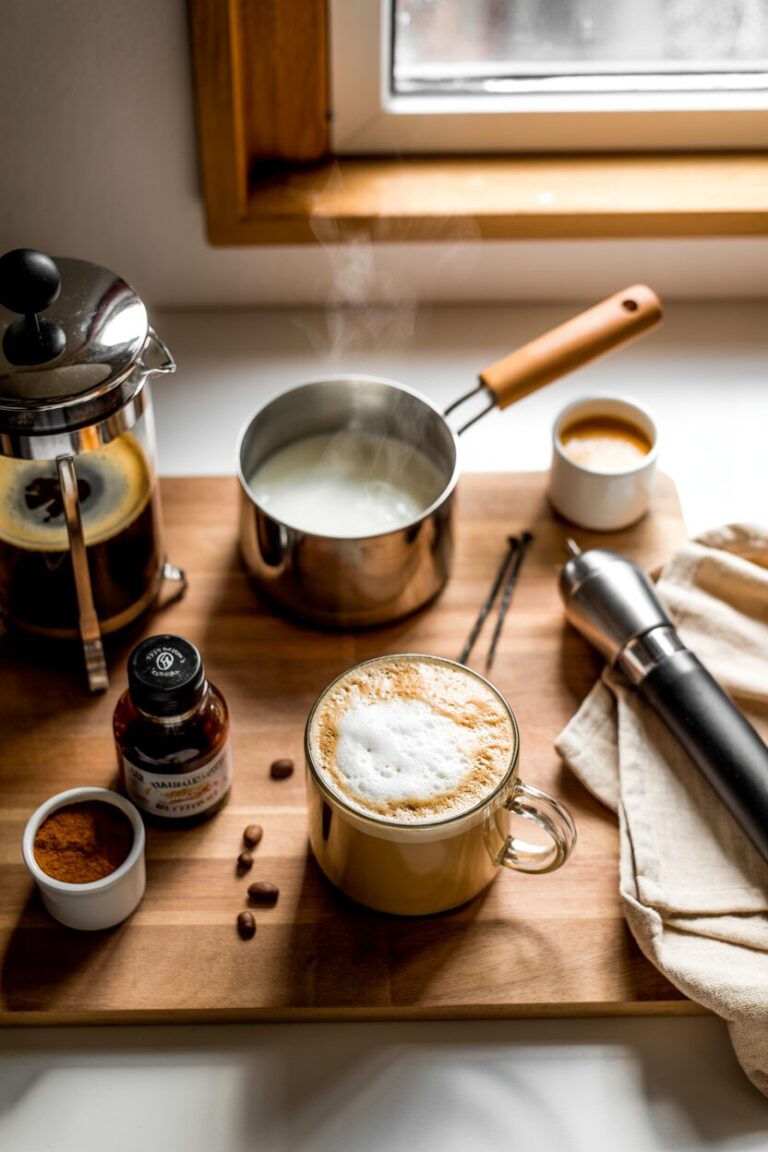
Homemade turmeric golden milk — warm up some oat milk with turmeric, ginger, cinnamon, and a pinch of black pepper. This one feels like a hug in a mug. If you enjoy evening warm drinks, herbal teas that help you sleep better are also worth having in your rotation alongside this.
Day 7: Slow Down and Nourish
The last day is intentionally slower-paced. Use today to prep for the week ahead and really tune into how your body feels after seven days of eating this way.
Breakfast
Chia seed pudding made with coconut milk, a teaspoon of vanilla, and a drizzle of maple syrup. Stir in fresh mango and kiwi. Prep it the night before for zero morning effort.
Lunch
Roasted beet and arugula salad with goat cheese, candied walnuts, and an orange vinaigrette. Beets are a powerhouse for reducing inflammation and supporting liver function — both of which get taxed during hormonal transitions.
Dinner
A big pot of anti-inflammatory chicken and vegetable stew with turmeric, ginger, garlic, sweet potatoes, kale, and chickpeas. This is a great batch-cook recipe. Make a double portion and eat it for lunch on Monday. Problem solved. 🙂
Snack
Green tea with a small piece of dark chocolate. FYI — green tea contains EGCG, one of the most studied anti-inflammatory compounds in the natural world. If you want to branch out beyond green tea, herbal teas for better digestion are worth bookmarking too.
Tips to Make This Meal Plan Actually Stick
Let’s be real — a meal plan looks great on paper until Tuesday rolls around and you’re exhausted. Here’s how to set yourself up for success:
- Batch cook on Sundays. Prepare grains, roast a big tray of vegetables, and cook a large protein. You’ll thank yourself midweek.
- Keep anti-inflammatory snacks visible. Put nuts, berries, and dark chocolate at eye level in your pantry.
- Hydrate constantly. Water and herbal teas are your best friends. Dehydration worsens inflammation.
- Don’t aim for perfection. If you eat something off-plan, just return to the plan at your next meal. One meal doesn’t undo a week of good choices.
- Read labels. Hidden sugars and refined oils sneak into “healthy” packaged foods constantly. Check before you buy.
What to Expect After 7 Days
You probably won’t feel like a completely different person after one week — let’s manage expectations here. But most women who adopt an anti-inflammatory eating pattern during menopause report reduced bloating, more stable energy, better sleep quality, and less joint stiffness within the first couple of weeks. The longer you maintain this pattern, the more pronounced the benefits become.
Inflammation doesn’t build overnight, and it doesn’t disappear overnight. But consistent, intentional eating is one of the most powerful things you can do for your body right now. This meal plan gives you a solid framework to build on.
Wrapping It All Up
Menopause is a transition, not a decline — and the way you fuel your body during this time genuinely matters. This 7-day anti-inflammatory meal plan isn’t about restriction or following a rigid diet. It’s about choosing foods that actively support your body, calm inflammation, and make you feel like yourself again.
Start with Day 1. See how you feel. Adjust where needed. Come back to this plan as often as you want.
Your body has carried you this far — it deserves to be fed well.