7 day Anti-Inflammatory Meal Plan for Heart Health
7 Day Anti-Inflammatory Meal Plan for Heart Health
Your heart works hard every single day — the least you can do is feed it well. If you’ve been feeling sluggish, dealing with nagging joint pain, or just want to give your cardiovascular system some real love, an anti-inflammatory meal plan might be exactly what you need. And no, this isn’t about eating sad salads for a week. IMO, eating for heart health is one of the most delicious decisions you’ll ever make.
I started paying attention to inflammation after my doctor casually dropped the phrase “elevated CRP levels” during a routine checkup. Nothing scary — but enough to make me rethink what I was putting on my plate. What followed was a week of intentional, colorful, genuinely satisfying eating that I now try to repeat every month. Let me walk you through it.
What Is Inflammation and Why Does It Matter for Your Heart?
Before we get to the food, let’s quickly cover the “why.” Chronic inflammation is like a slow-burning fire inside your body. Unlike acute inflammation (the kind that helps you heal a cut), chronic inflammation quietly damages blood vessels, contributes to plaque buildup in arteries, and raises your risk of heart disease over time.
The good news? What you eat can either fan that fire or help put it out. Anti-inflammatory foods are rich in antioxidants, omega-3 fatty acids, fiber, and polyphenols — all things that calm the immune system and protect your cardiovascular system. Pretty powerful stuff for something as simple as choosing salmon over a hot dog, right?
The Core Anti-Inflammatory Foods You’ll Be Eating This Week
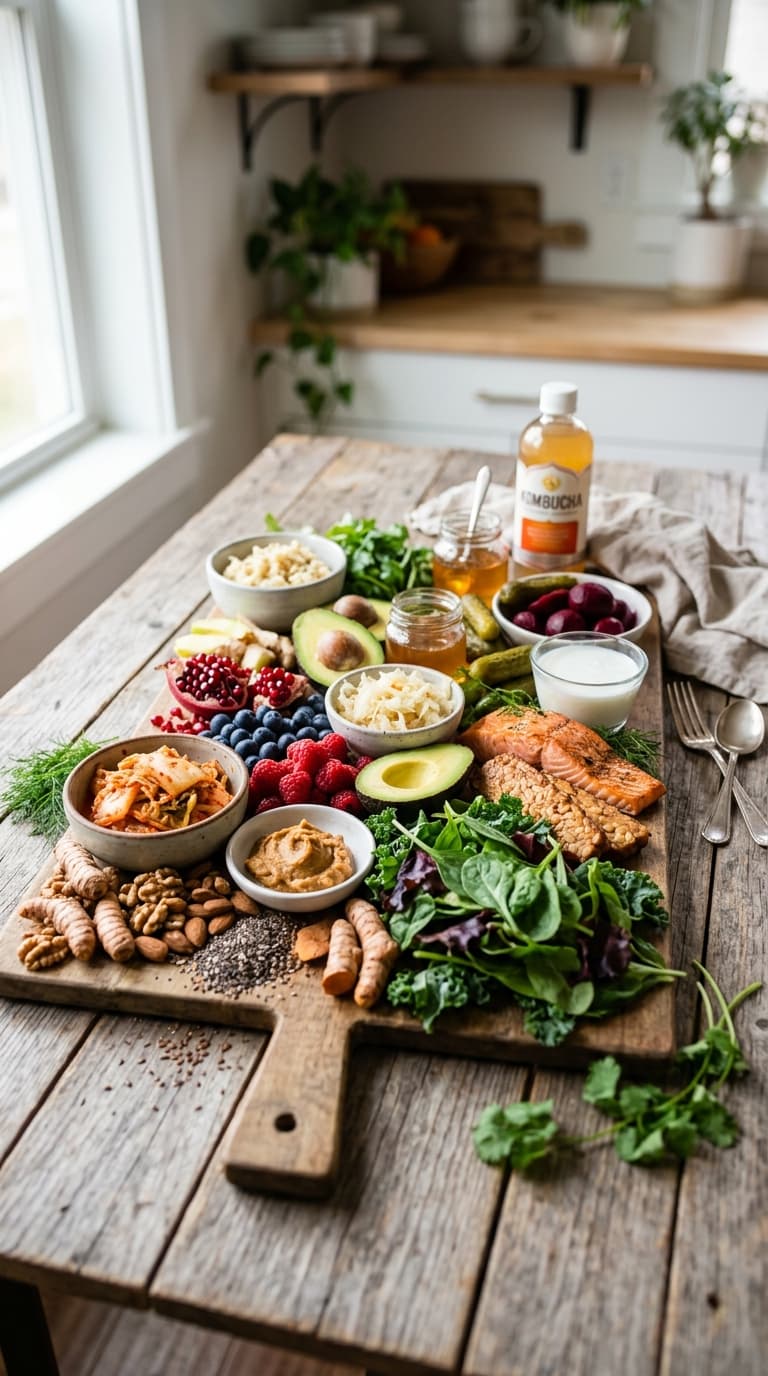
Think of this as your shopping list philosophy. You don’t need exotic ingredients — just the right ones.
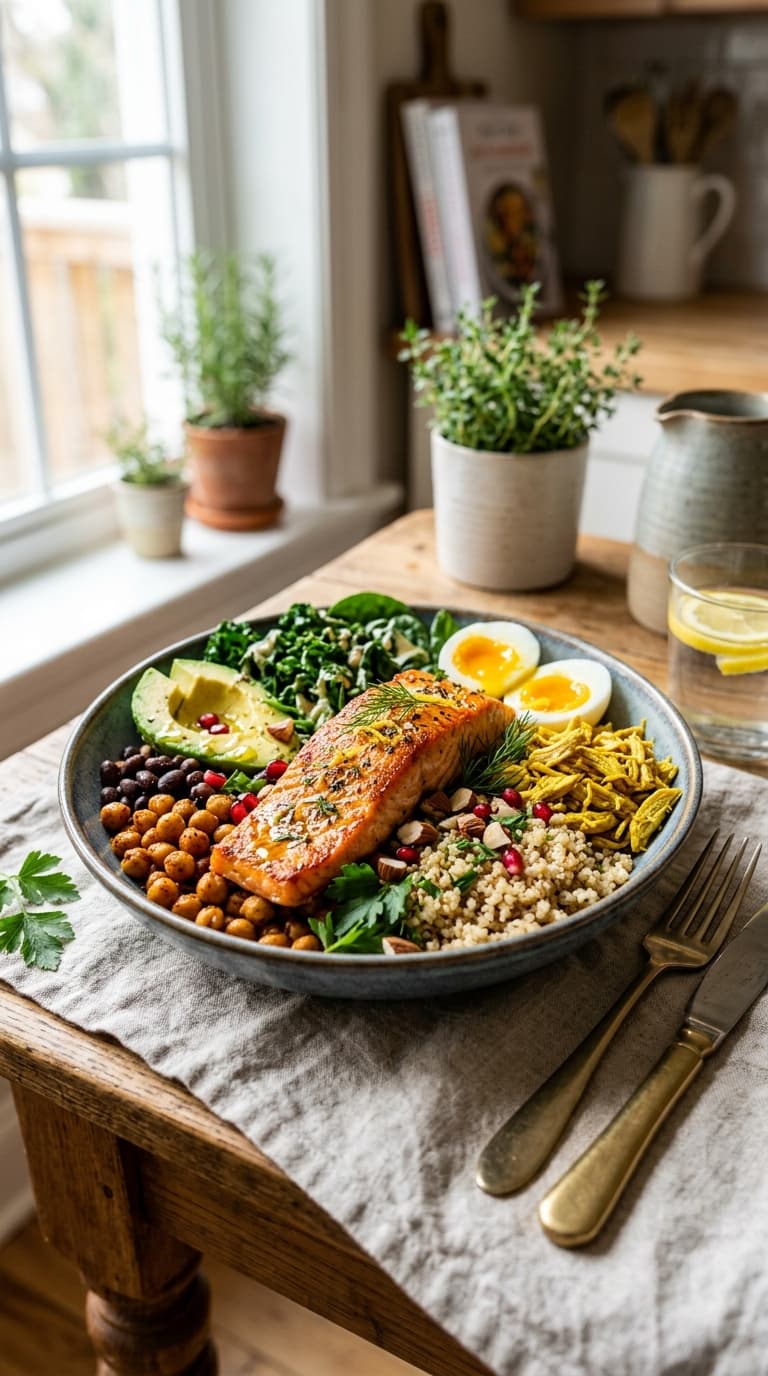
- Fatty fish (salmon, sardines, mackerel) — packed with omega-3s that actively reduce inflammation markers
- Leafy greens (spinach, kale, arugula) — loaded with vitamin K and antioxidants
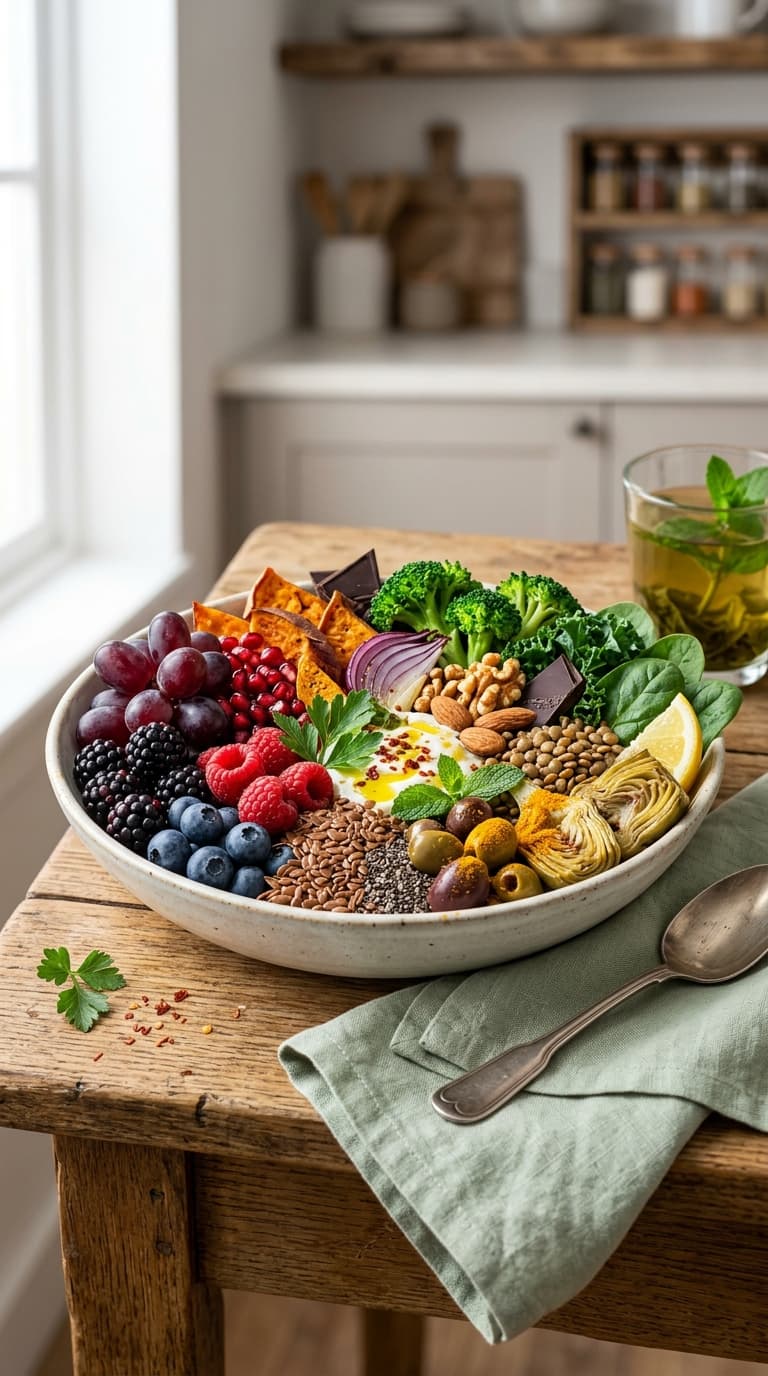
- Berries (blueberries, strawberries, raspberries) — high in anthocyanins, which protect blood vessels
- Olive oil — the heart-healthy fat that Mediterranean populations have relied on for centuries
- Nuts and seeds (walnuts, flaxseeds, chia seeds) — great sources of plant-based omega-3s and fiber
- Whole grains (oats, quinoa, brown rice) — support healthy cholesterol levels
- Turmeric and ginger — the anti-inflammatory dream team
- Legumes (lentils, chickpeas, black beans) — fiber-rich and incredibly filling
You’ll also want to avoid or minimize processed foods, refined sugars, trans fats, and excessive alcohol this week. (Yes, that means the chips. I know. I’m sorry. :/)**
Day 1: Setting the Tone
Breakfast
Start strong with overnight oats made with rolled oats, chia seeds, almond milk, and a handful of blueberries. Top with a drizzle of raw honey and a sprinkle of walnuts. It takes five minutes to prep the night before, and your morning self will genuinely thank you.
Lunch
A big lentil and spinach soup with turmeric, cumin, garlic, and a squeeze of lemon. Make a large batch — you’ll be glad you did later in the week.
Dinner
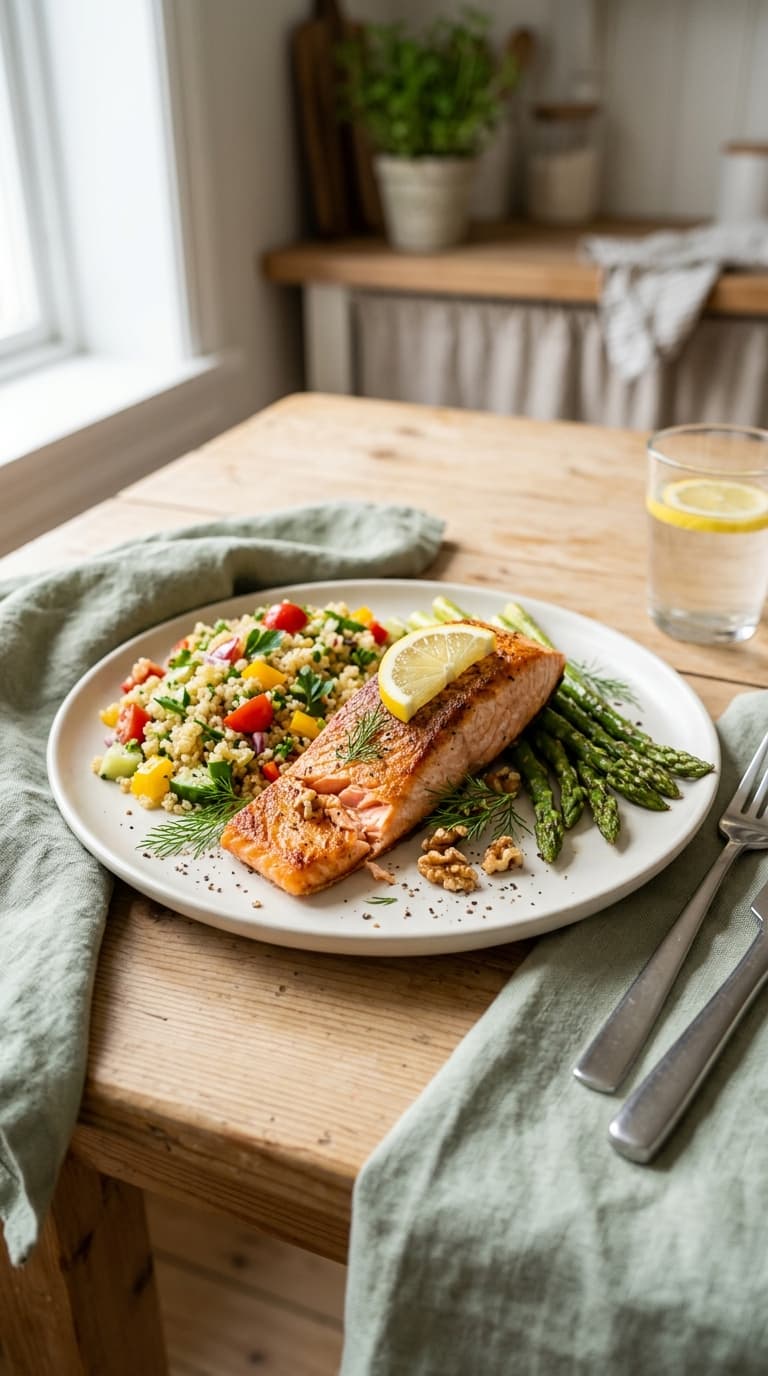
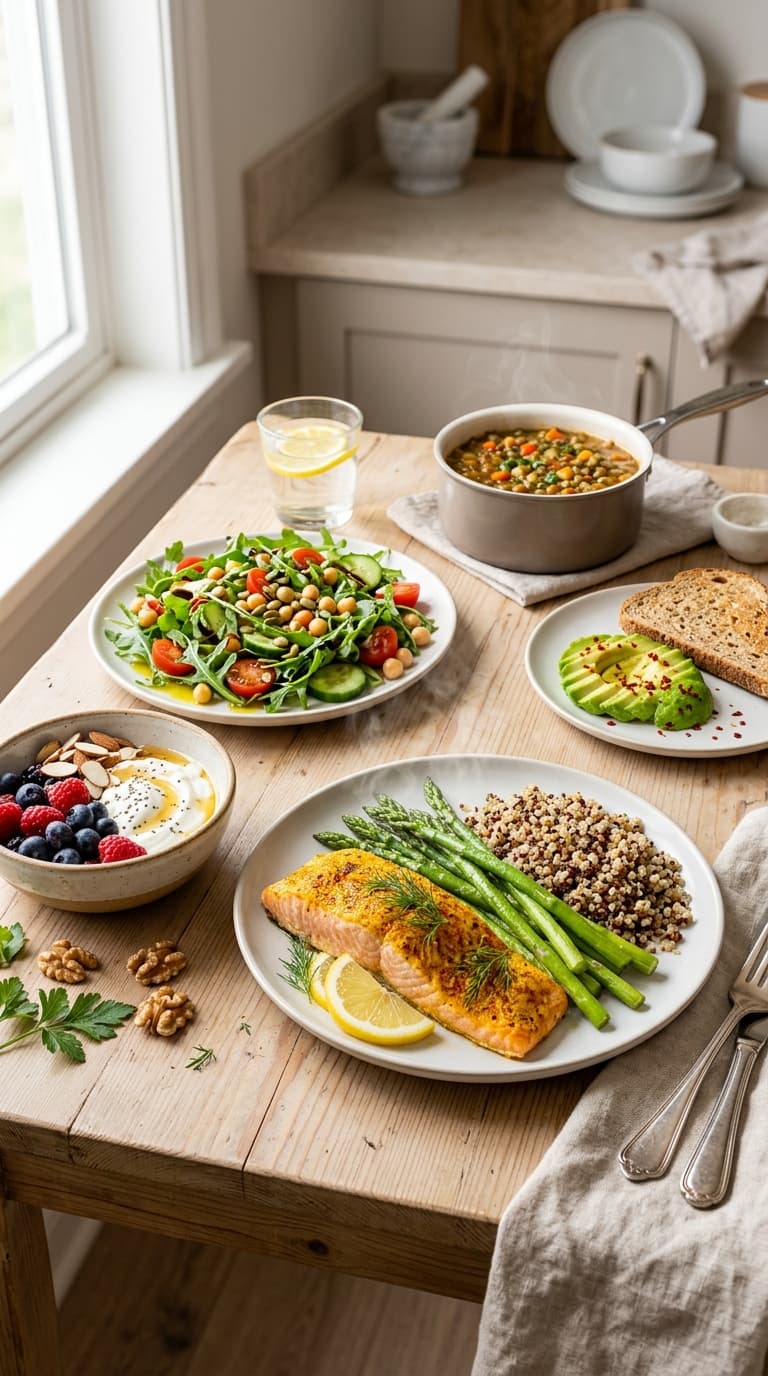
Baked salmon with roasted asparagus and a side of quinoa cooked in vegetable broth. Drizzle everything with extra-virgin olive oil and fresh herbs. Simple, beautiful, and your arteries will be doing a little happy dance.
Day 2: Getting Into the Groove
Breakfast
Smoothie time. Blend frozen strawberries, spinach, a banana, ground flaxseed, and unsweetened almond milk. It looks like something a health influencer would post, but it genuinely tastes great. If you’re the kind of person who likes to sip something warm alongside it, consider pairing it with one of these anti-inflammatory tea blends that actually support better health.
Lunch
Quinoa salad with roasted chickpeas, cherry tomatoes, cucumber, red onion, fresh parsley, and a lemon-tahini dressing. This one keeps well in the fridge, so pack extra for tomorrow.
Dinner
Ginger-garlic stir-fried tofu with broccoli, snap peas, and brown rice. Use low-sodium tamari instead of regular soy sauce and finish with a drizzle of sesame oil. Tofu gets a bad reputation, but cooked right, it absolutely delivers.
Day 3: Midweek Energy Boost
Breakfast
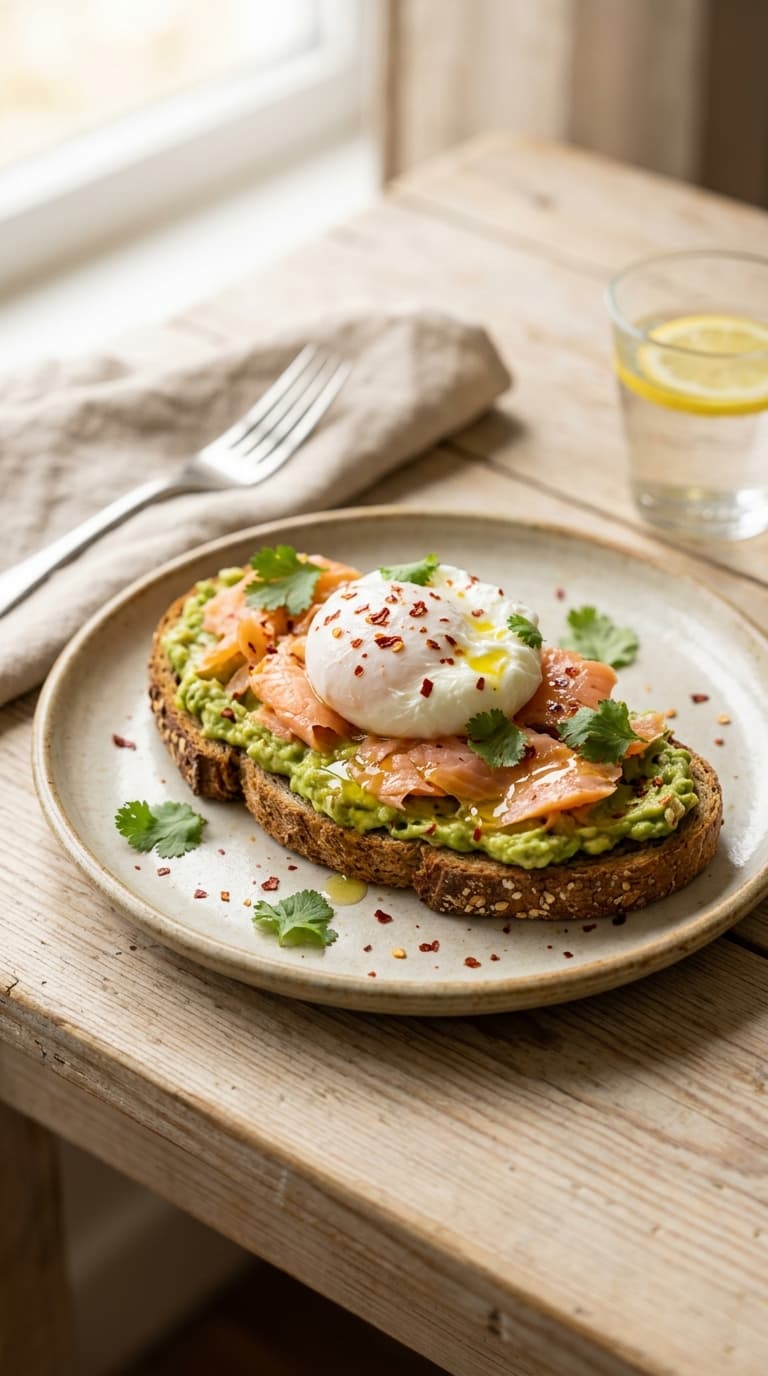
Avocado toast on whole grain bread with sliced tomatoes, a sprinkle of red pepper flakes, and two poached eggs. Add a side of mixed berries. Healthy fats from avocado, protein from eggs, and antioxidants from the berries — this is a textbook heart-healthy breakfast.
Lunch
Leftover quinoa salad from Day 2 (see, told you!), paired with a cup of warm turmeric golden milk or a simple herbal tea.
Dinner
Baked mackerel with roasted sweet potato and a simple arugula salad dressed with olive oil and lemon. Mackerel is criminally underrated — it’s cheaper than salmon, loaded with omega-3s, and absolutely delicious when seasoned well.
Day 4: Keeping It Interesting
Breakfast
Chia pudding made with coconut milk and topped with mango chunks and a handful of mixed nuts. Prep this the night before, and breakfast feels almost luxurious.
Lunch
Black bean and vegetable soup with kale, diced tomatoes, garlic, smoked paprika, and a pinch of cayenne. Serve with a slice of whole grain bread.
Dinner
Herb-crusted chicken thighs (or turkey if you prefer) with roasted Brussels sprouts and a side of farro. Use olive oil generously, and season with rosemary, thyme, and a little lemon zest. Brussels sprouts get a bad rep — cooked at high heat with olive oil, they’re genuinely addictive.
Day 5: Plant-Forward Focus
Breakfast
Smoothie bowl — blend acai, frozen banana, and almond milk until thick. Top with granola, sliced kiwi, chia seeds, and a drizzle of almond butter. FYI, this one takes maybe ten minutes and photographs beautifully if you’re into that sort of thing 🙂
Lunch
Hummus and veggie wrap using a whole grain tortilla, store-bought (or homemade) hummus, sliced bell peppers, shredded carrots, cucumber, and a handful of arugula.
Dinner
Lentil curry with coconut milk, diced tomatoes, turmeric, coriander, and garam masala. Serve over brown rice and top with fresh cilantro. This dish is warming, deeply flavorful, and hits every anti-inflammatory note perfectly. Pair it with a calming cup of something from this list of herbal teas with impressive health benefits to round out the evening.
Day 6: Weekend Vibes
Breakfast
Whole grain pancakes made with oat flour, mashed banana, and a dash of cinnamon. Top with fresh blueberries and a small drizzle of pure maple syrup. Yes, pancakes. Anti-inflammatory eating doesn’t mean joyless eating.
Lunch
Grilled sardine toast on whole grain bread with sliced tomatoes, capers, and a squeeze of lemon. Sardines might sound intimidating, but they’re one of the most affordable, omega-3-rich foods out there. Worth it.
Dinner
Sheet pan salmon and vegetables — toss salmon fillets, zucchini, bell peppers, red onion, and cherry tomatoes with olive oil, garlic, and Italian herbs. Roast at high heat for 20 minutes. One pan, minimal cleanup, maximum flavor.
Day 7: Finishing Strong
Breakfast
Savory oatmeal — yes, this is a thing. Cook oats with vegetable broth instead of water, top with a poached egg, sautéed mushrooms, fresh herbs, and a drizzle of olive oil. It sounds unusual but tastes incredible.
Lunch
Big Mediterranean bowl with farro, roasted eggplant, Kalamata olives, cucumbers, cherry tomatoes, red onion, and a generous spoonful of hummus. Drizzle with olive oil and lemon juice.
Dinner
Herb-baked trout with steamed broccoli and a warm lentil salad dressed with mustard vinaigrette. End the week feeling genuinely good — not deprived, not hungry, not bored.
Smart Snack Ideas to Get You Through the Week
You’ll inevitably need something between meals. Here are some anti-inflammatory snacks that won’t undo your progress:
- A small handful of walnuts with a square of dark chocolate (70%+ cocoa)
- Sliced apple with almond butter
- Celery sticks with hummus
- A cup of green tea — if you want something soothing in the afternoon, green tea is packed with catechins that support cardiovascular health
- Greek yogurt with berries and a drizzle of honey
- Edamame sprinkled with sea salt
For your drinks throughout the week, skip the sugary beverages and lean into herbal teas and water. If you’re a coffee drinker and can’t imagine life without it, you don’t have to quit — just keep it black or with a plant-based milk. There are even healthy coffee recipes made with nut milks and natural sweeteners that actually complement an anti-inflammatory lifestyle beautifully.
Tips to Make This Week Work in Real Life
Let’s be real — meal planning sounds great until Wednesday hits and you’re exhausted. Here’s how to actually stick with it:
Batch cook on Sundays. Cook a big pot of grains (quinoa, farro, brown rice), roast a sheet pan of vegetables, and prep your overnight oats and chia pudding for the first few nights. That way, most of your weekday meals are just assembly.
Keep frozen berries on hand. Fresh berries are beautiful but expensive. Frozen ones work just as well for smoothies, oatmeal, and chia pudding — and they keep for weeks.
Use olive oil generously but wisely. It’s a healthy fat, but it still has calories. A good drizzle is perfect; drowning your food is overkill.
Season boldly. Turmeric, ginger, garlic, cumin, coriander, rosemary — these aren’t just flavor boosters. They’re active anti-inflammatory compounds. Use them freely.
Don’t stress over perfection. Miss a meal? No big deal. The goal is consistency over the week, not a flawless streak. One off-plan meal won’t undo your progress.
The Science Behind Why This Works
Here’s the short version: inflammation in blood vessels leads to arterial stiffness and plaque buildup, which raises your risk of heart attack and stroke. Omega-3 fatty acids (from fish, walnuts, flaxseeds) reduce inflammatory cytokines. Polyphenols (from berries, olive oil, dark chocolate) protect blood vessel lining. Fiber (from legumes, whole grains, vegetables) lowers LDL cholesterol and feeds beneficial gut bacteria — which, interestingly, also plays a role in regulating inflammation.
This isn’t just feel-good wellness talk. Research consistently shows that dietary patterns like the Mediterranean diet and DASH diet — both of which heavily overlap with what you’re eating this week — significantly reduce cardiovascular disease risk. You’re essentially eating in a way that humans evolved to eat, just with a modern convenience spin.
Wrapping It Up
Here’s the honest summary: seven days of anti-inflammatory eating won’t reverse decades of dietary habits, but it will absolutely make you feel better, show you what’s possible, and ideally become the foundation of how you eat going forward.
You’ve got fatty fish delivering omega-3s, colorful produce flooding your system with antioxidants, whole grains keeping your cholesterol in check, and herbs and spices actively fighting inflammation at the cellular level. That’s not a diet — that’s a lifestyle upgrade.
So here’s my challenge to you: try it for just one week. Not perfectly, not obsessively — just intentionally. Pay attention to how you feel by Day 4 or 5. Notice the energy, the clearer head, the better sleep. Then decide if this is something worth making permanent.
Your heart’s been showing up for you every single day without complaint. Time to return the favor.