7 Day Anti-Inflammatory Meal Plan for Anxiety and Brain Fog
7 Day Anti-Inflammatory Meal Plan for Anxiety and Brain Fog
Brain fog hit me like a truck one Tuesday morning. I sat at my desk, stared at my screen, and genuinely forgot what I was supposed to be doing. Sound familiar? If anxiety and that awful mental cloudiness have become your daily companions, your diet might be doing you more harm than good.
Here’s the thing — inflammation in the body doesn’t just cause physical pain. It messes with your mood, your focus, and your mental clarity in ways most people never connect back to what’s on their plate. The good news? You can actually eat your way out of it. This 7-day anti-inflammatory meal plan is designed specifically to calm your nervous system, clear the fog, and bring some peace back to your brain.
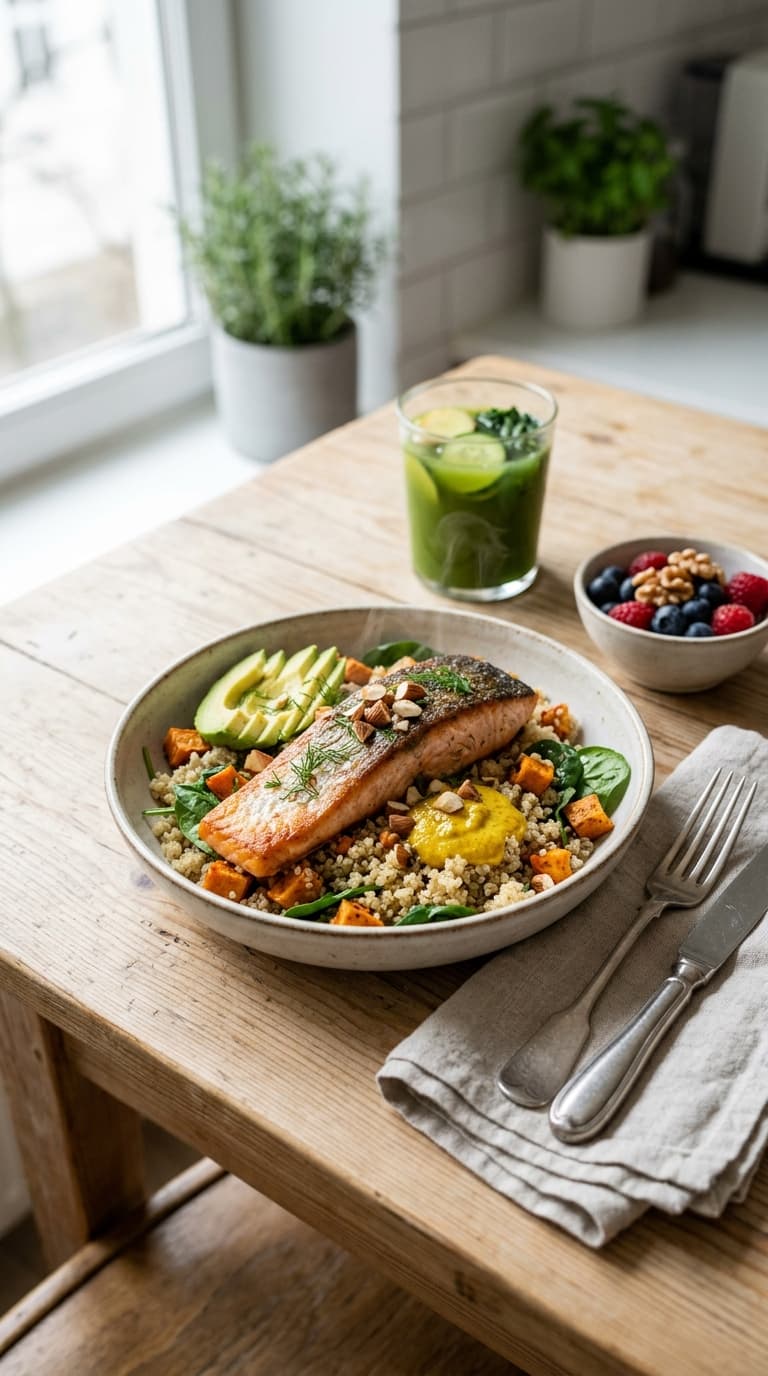
Let’s get into it.
Why Inflammation Causes Anxiety and Brain Fog
Before we jump into the food, it helps to understand why inflammation wrecks your head. When your immune system fires up chronic low-grade inflammation — often from processed foods, sugar, and stress — it triggers cytokines that cross the blood-brain barrier. Those little troublemakers disrupt neurotransmitter function, spike cortisol, and basically put your brain in survival mode 24/7.
The result? Anxiety that won’t quit, memory lapses, poor concentration, and that signature “cotton wool in the skull” feeling. Your brain isn’t broken — it’s inflamed.
The anti-inflammatory diet works by flooding your body with foods rich in omega-3s, antioxidants, polyphenols, and gut-friendly fiber. These calm the immune response, support the gut-brain axis, and help regulate serotonin and dopamine production. FYI — about 90% of your serotonin is made in your gut, so what you eat matters more than most people realize.
The Anti-Inflammatory Foods You’ll Be Using All Week
You don’t need to stock a gourmet kitchen. These are the core ingredients that will show up throughout the week, and they’re all pretty easy to find:
- Fatty fish (salmon, sardines, mackerel) — loaded with EPA and DHA omega-3s
- Leafy greens (spinach, kale, arugula) — packed with magnesium and folate
- Berries (blueberries, strawberries, raspberries) — anthocyanins that protect brain cells
- Turmeric and ginger — powerful natural anti-inflammatories
- Walnuts — brain-shaped for a reason; high in ALA omega-3s
- Olive oil — oleocanthal mimics ibuprofen’s anti-inflammatory action
- Fermented foods (kefir, kimchi, yogurt) — gut microbiome support
- Dark chocolate (70%+) — flavonoids that reduce cortisol (yes, really)
- Avocados — healthy fats that support myelin sheaths around nerve fibers
- Green tea and chamomile — L-theanine and calming compounds that work beautifully for the brain
Speaking of calming drinks, if you want a warm companion to this meal plan, anti-inflammatory tea blends pair perfectly with these meals and amplify the benefits you’ll get from the food.
Day 1: Reset and Rebuild
Breakfast
Start strong with a blueberry and spinach smoothie bowl. Blend frozen blueberries, a handful of spinach, half a banana, and a tablespoon of ground flaxseed with unsweetened almond milk. Top with walnuts and a drizzle of raw honey. This breakfast delivers antioxidants, omega-3s, and slow-release energy all in one go.
Lunch
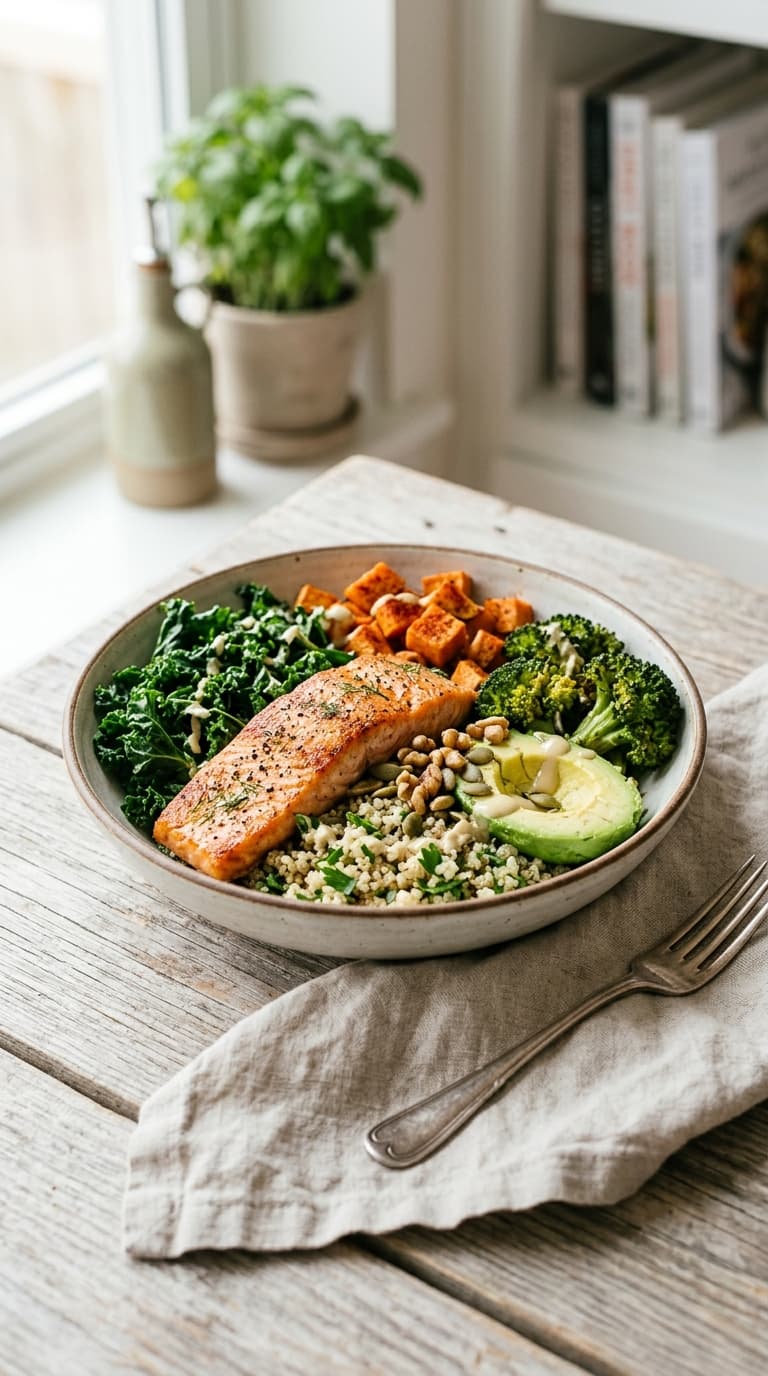
A wild salmon salad with arugula, cucumber, and avocado dressed in olive oil and lemon. Simple, satisfying, and deeply anti-inflammatory. The salmon hits your omega-3 needs hard, and the avocado keeps your blood sugar stable — which is critical for keeping anxiety manageable.
Dinner
Turmeric chicken with roasted sweet potato and steamed broccoli. Season the chicken with turmeric, black pepper (which activates curcumin absorption by 2000%), ginger, and garlic. Roast everything together and you’ve got a one-pan dinner that practically fights inflammation on autopilot.
Snack
A small handful of walnuts and a square or two of dark chocolate. You’re welcome. 🙂
Day 2: Gut-Brain Axis Day
Breakfast
Overnight oats with kefir instead of milk, topped with sliced strawberries and a teaspoon of chia seeds. Kefir delivers live cultures that support a healthy gut lining — and a healthier gut means a calmer, clearer mind.
Lunch
Lentil and vegetable soup with a generous pinch of turmeric, cumin, and a squeeze of lemon. Lentils are rich in folate, which plays a direct role in serotonin synthesis. This is brain food in the most literal sense.
Dinner
Sardines on whole grain toast with sliced tomato, capers, and olive oil. I know, I know — sardines sound unglamorous. But gram for gram, they’re one of the most nutrient-dense anti-inflammatory foods you can eat. Give them a chance.
Snack
Plain Greek yogurt with a handful of raspberries and a tiny drizzle of honey.
Day 3: Omega-3 Overload (In the Best Way)
Breakfast
Smoked salmon and avocado on sourdough with a sprinkle of everything bagel seasoning. Omega-3s for breakfast feels like a power move, and honestly, it is. Your brain runs on DHA — feed it accordingly.
Lunch
Walnut and roasted beet salad with goat cheese, mixed greens, and a balsamic vinaigrette made with olive oil. Beets contain betalains — potent anti-inflammatory compounds that also improve blood flow to the brain. Better circulation equals less fog.
Dinner
Baked mackerel with roasted asparagus and quinoa. Asparagus is rich in folate and glutathione, one of the body’s master antioxidants. Quinoa provides complete protein without spiking blood sugar. This dinner hits on multiple fronts.
Snack
A cup of calming herbal tea and a small bowl of mixed berries. Wind down with intention.
Day 4: Midweek Momentum
By day four, many people start noticing something. Their morning feels a little lighter. The anxious buzz in their chest is a tiny bit quieter. That’s not a coincidence — it’s your body responding to consistent anti-inflammatory nourishment.
Breakfast
Turmeric scrambled eggs with sautéed spinach and half an avocado. Eggs deliver choline, which your brain uses to make acetylcholine — a neurotransmitter essential for memory and focus. Add turmeric and you’ve got a genuinely brain-supporting breakfast.
Lunch
Chickpea and vegetable stir-fry with ginger, garlic, and tamari sauce over brown rice. Chickpeas are high in magnesium, and magnesium deficiency is strongly linked to anxiety. IMO, more people should be eating chickpeas daily.
Dinner
Miso-glazed salmon with edamame and brown rice. Miso is fermented — great for gut health — and salmon keeps your omega-3 intake on track. This is one of those meals that feels indulgent but works hard for your health.
Snack
Sliced apple with almond butter and a small square of dark chocolate.
Day 5: Color and Variety
Breakfast
Acai bowl with frozen acai, banana, and almond milk as the base, topped with sliced kiwi, hemp seeds, and a handful of granola. Acai berries rank among the highest antioxidant foods on the planet. If you haven’t been eating them, now’s a great time to start.
Lunch
Rainbow nourish bowl with roasted red peppers, purple cabbage, grated carrot, edamame, avocado, and brown rice, dressed with tahini and lemon. Eating across the color spectrum means you’re pulling in a wide range of polyphenols and phytonutrients. The more colors, the better the anti-inflammatory coverage.
Dinner
Lemon herb roasted chicken with garlic roasted Brussels sprouts and mashed cauliflower. Brussels sprouts contain sulforaphane — one of the most studied anti-inflammatory compounds in nutrition science. They deserve more love than they get.
Snack
Kefir with a handful of blueberries blended into a quick smoothie. You can also try one of these coffee smoothie recipes if you want something with a bit more energy-boosting kick mid-afternoon.
Day 6: Anti-Anxiety Focused Meals
Certain nutrients specifically target the anxiety pathway. Day six front-loads these — magnesium, L-theanine, B vitamins, and tryptophan — with every single meal.
Breakfast
Banana oat pancakes made with mashed banana, oats, two eggs, and a teaspoon of cinnamon. No flour, no sugar. Top with Greek yogurt and sliced kiwi. Bananas and oats both support tryptophan conversion to serotonin. Start the day calm.
Lunch
Turkey and avocado lettuce wraps with shredded purple cabbage, grated carrot, and a tahini drizzle. Turkey is one of the richest dietary sources of tryptophan. Combined with healthy fats from avocado, the tryptophan absorption improves significantly.
Dinner
Black bean and sweet potato tacos with fermented slaw, sliced avocado, and a squeeze of lime. Black beans deliver magnesium, fiber, and plant protein. The fermented slaw adds gut-friendly cultures. This dinner does a lot of quiet work.
Snack
A cup of herbal tea designed for sleep and relaxation — chamomile or lemon balm work brilliantly. Pair with a small handful of pumpkin seeds, which are exceptionally high in magnesium and zinc.
Day 7: Celebrate and Sustain
You made it to day seven. And more importantly — you probably feel it. This final day is about celebration through nourishment and laying the foundation for making this a sustainable lifestyle rather than a one-week experiment.
Breakfast
Full anti-inflammatory breakfast plate — two poached eggs, half an avocado, smoked salmon, sautéed spinach with garlic, and a slice of sourdough. This is the breakfast that has everything. Omega-3s, healthy fats, leafy greens, fermented benefits from sourdough. Treat yourself properly. :/
Lunch
Mediterranean grain bowl with farro, Kalamata olives, roasted cherry tomatoes, cucumber, red onion, grilled chicken, and feta, dressed generously with olive oil and lemon. The Mediterranean diet consistently ranks as one of the most anti-inflammatory eating patterns ever studied — this bowl embodies it.
Dinner
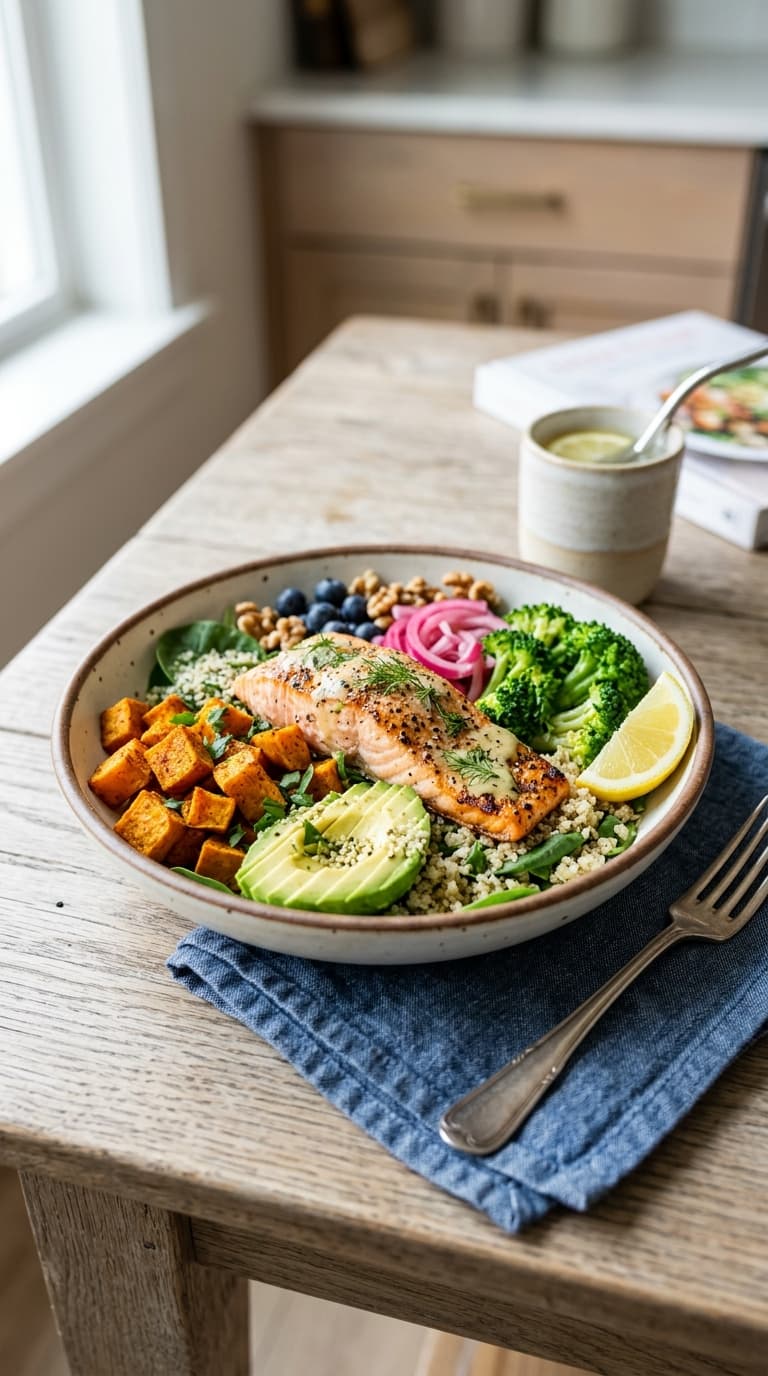
Herb-crusted salmon with asparagus, roasted garlic, and a side of quinoa tabbouleh. End the week how you started — with omega-3s front and center. You’ve built a seven-day foundation for a calmer brain and clearer mind. Don’t waste it.
Snack
Whatever made you happiest this week. For me, it’s always the dark chocolate and walnuts. That combo never gets old.
What to Drink Throughout the Week
Hydration matters enormously for brain function. Beyond water, these are the drinks that actively support your anti-inflammatory goals:
- Green tea — L-theanine promotes calm focus without drowsiness
- Chamomile tea — reduces cortisol and supports sleep quality
- Bone broth — collagen and glycine support gut lining integrity
- Tart cherry juice — melatonin and anthocyanins in one glass
- Turmeric golden milk — curcumin with black pepper and coconut milk before bed
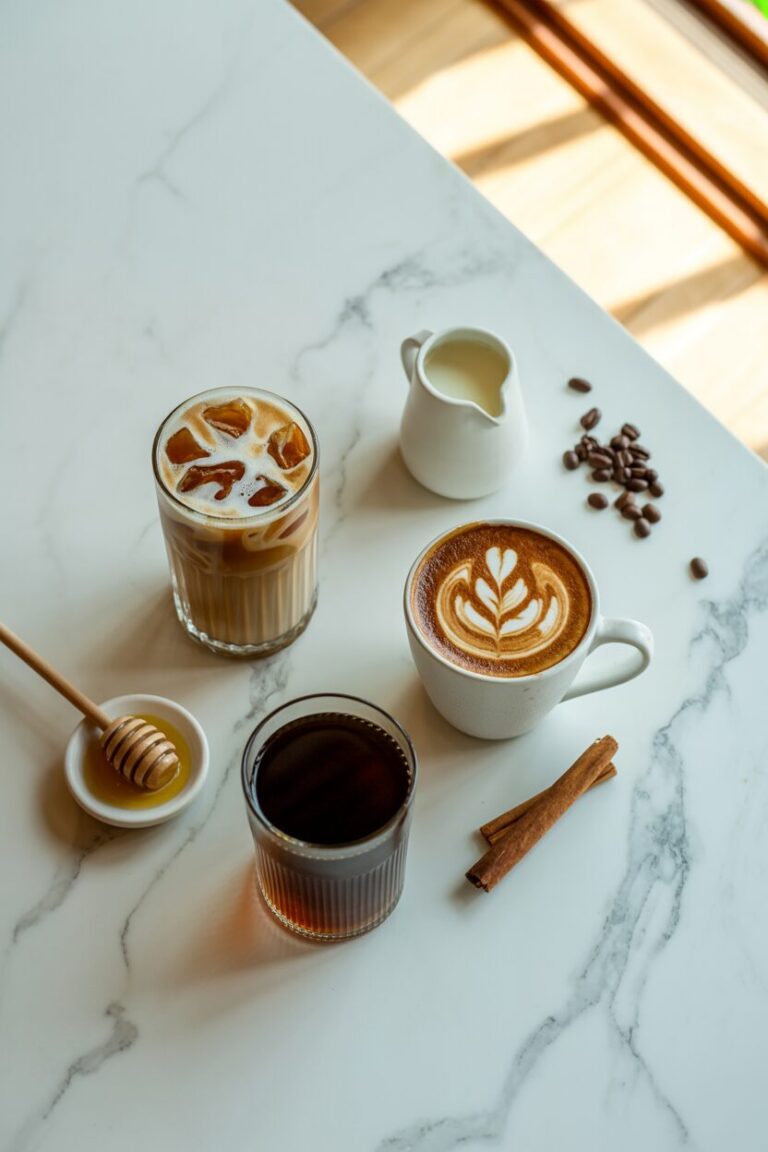
If you’re a coffee drinker wondering how to keep coffee in your life while supporting your brain health, check out these healthy coffee recipes with nut milks and natural sweeteners — they’re genuinely great alternatives to the sugary cafe options that spike inflammation.
Also worth exploring: coffee and tea recipes specifically designed to reduce stress — because what you drink between meals matters just as much as what you eat.
Foods to Cut During This Week (and Beyond)
You don’t need to be perfect, but cutting these during the seven days will make a noticeable difference:
- Refined sugar — directly triggers inflammatory cytokines and crashes blood sugar, worsening anxiety
- Processed seed oils (canola, sunflower, corn oil) — high omega-6 content drives systemic inflammation
- Ultra-processed snacks — preservatives and additives disrupt the gut microbiome
- Alcohol — depletes B vitamins, disrupts sleep architecture, and worsens anxiety the following day
- Gluten-containing foods (if sensitive) — can increase intestinal permeability and trigger brain inflammation in sensitive individuals
Tips to Make This Week Actually Work
Seven days sounds manageable until Wednesday rolls around and you’re tired. Here’s how to stay the course:
- Batch cook on Sunday — pre-roast vegetables, cook a pot of grains, and portion out snacks
- Keep a walnuts-and-berries snack bag ready at all times — the easiest anti-inflammatory snack on the planet
- Prep your smoothie bags — portion frozen fruit and greens into bags the night before
- Make extra dinner — most of these dinners work brilliantly as next-day lunches
- Stay consistent with meal timing — blood sugar stability is a huge factor in managing anxiety
The Science Behind Why This Works
This isn’t guesswork. Research consistently shows that dietary patterns rich in omega-3 fatty acids, polyphenols, and fermented foods reduce circulating inflammatory markers like IL-6, TNF-alpha, and CRP. Lower inflammation means better neurotransmitter production, improved HPA axis regulation (your stress response system), and enhanced neuroplasticity.
A 2019 study published in Nutritional Neuroscience found that participants following an anti-inflammatory diet for four weeks reported significantly lower anxiety scores and improved cognitive function compared to controls. That’s four weeks. Imagine what consistent long-term changes could do.
The gut-brain connection also deserves a special mention here. Your vagus nerve runs directly from your gut to your brain, and the health of your gut microbiome directly influences the signals it sends. Feed your gut well, and your brain follows.
Final Thoughts
Seven days won’t fix everything — let’s be real about that. But seven days of consistent anti-inflammatory eating can genuinely shift your baseline. Anxiety decreases. Brain fog lifts. Energy stabilizes. Sleep improves. And once you feel that shift, going back to the old way of eating becomes a lot less tempting.
Start with day one. Just day one. Eat the salmon salad, make the turmeric eggs, grab the dark chocolate snack. Notice how you feel by the end of the week and let that data guide your next decision.
Your brain is worth feeding properly. And honestly? The food is delicious. That part never hurts.