7 Day Anti-Inflammatory Meal Plan for Hormonal Balance
7 Day Anti-Inflammatory Meal Plan for Hormonal Balance
Your hormones have been running the show behind the scenes your entire life — and honestly, they deserve a little more credit. Or at least a better diet. If you’ve been dealing with mood swings, stubborn weight, fatigue, or skin flare-ups, there’s a solid chance your hormones are waving a red flag. The good news? What you eat can genuinely shift the needle.
This 7-day anti-inflammatory meal plan isn’t about restriction or suffering through bland food. It’s about feeding your body the things it actually needs to calm inflammation, support hormone production, and help you feel like yourself again. Let’s get into it.
Why Inflammation and Hormones Are Basically Frenemies
Before we look at the meals, let’s talk about why inflammation matters so much for hormonal balance. Chronic inflammation messes with your endocrine system — the network of glands that produces hormones like estrogen, cortisol, insulin, and thyroid hormones. When inflammation is high, your body prioritizes the stress response over hormone regulation. Not great.
Foods that drive inflammation — think refined sugar, processed oils, alcohol, and ultra-processed snacks — keep your cortisol elevated and your sex hormones suppressed. Flip the script with anti-inflammatory foods, and you give your body the raw materials it needs to regulate itself properly.
IMO, this is one of the most underrated aspects of women’s (and men’s!) health. Nobody talks about how much diet affects hormones until something goes wrong. Let’s be proactive for once.
The Key Nutrients Your Hormones Are Begging For
Before we map out the meals, here’s a quick look at what your hormones actually need:
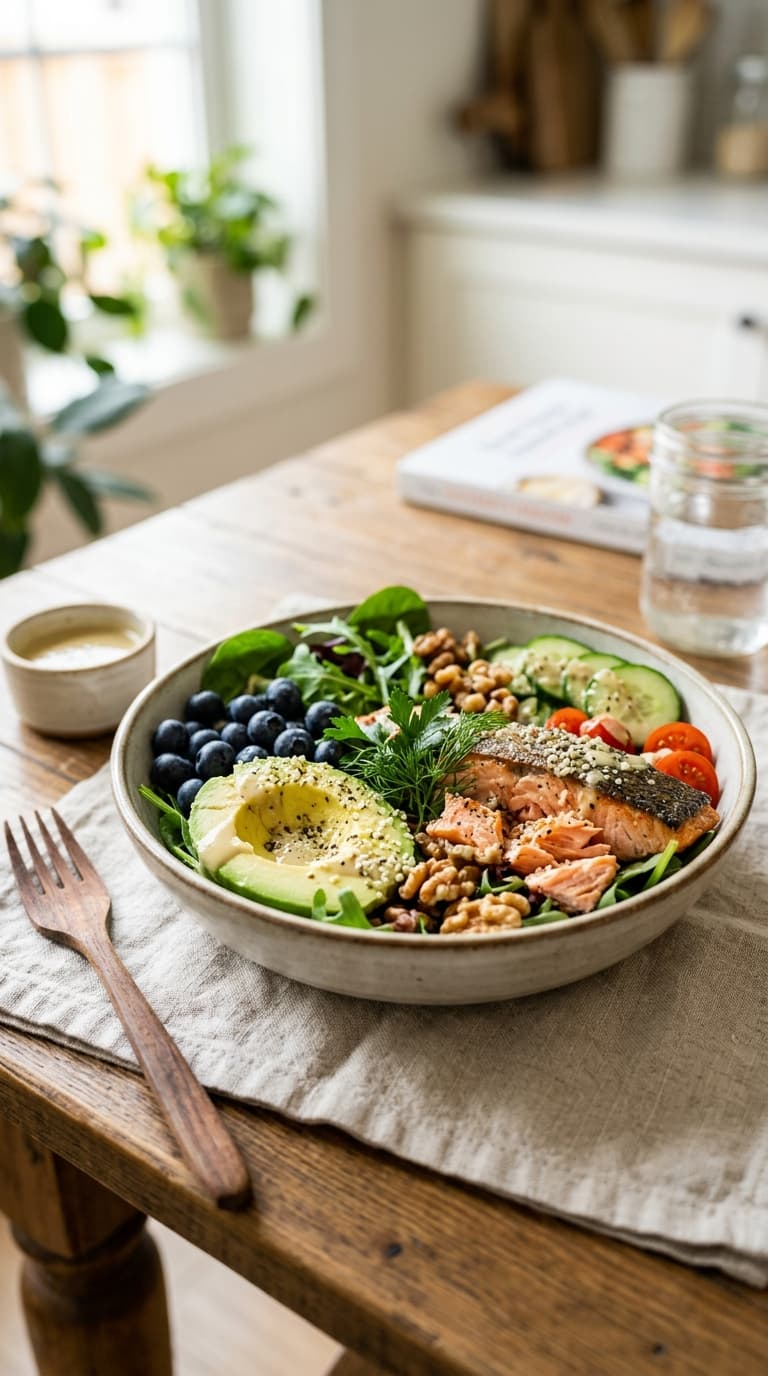
- Omega-3 fatty acids — reduce inflammation and support progesterone production (think salmon, walnuts, flaxseeds)
- Magnesium — helps regulate cortisol and supports sleep (leafy greens, pumpkin seeds, dark chocolate — yes, really)
- Zinc — critical for thyroid health and testosterone balance (pumpkin seeds, chickpeas, beef)
- B vitamins — support estrogen metabolism and energy production (eggs, legumes, whole grains)
- Antioxidants — neutralize free radicals that trigger inflammation (berries, turmeric, green tea)
- Fiber — helps your gut clear excess estrogen (vegetables, legumes, seeds)
Your gut health also plays a massive role here. A disrupted gut microbiome increases circulating estrogen, which throws off your entire hormonal rhythm. Keep that in mind as we move through the week.
If you’re also a coffee drinker, you’ll want to be strategic. Pairing your morning cup with the right foods matters — overly sugary coffee drinks can spike insulin and undo your good work. Try some of these healthy coffee recipes with nut milks and natural sweeteners to keep your morning ritual inflammation-friendly.
Day 1: Reset and Rehydrate
Breakfast
Start simple. Golden turmeric oatmeal with a handful of blueberries, a tablespoon of ground flaxseed, and a drizzle of raw honey. Turmeric contains curcumin, one of the most well-studied anti-inflammatory compounds out there. Flaxseeds give you a hit of plant-based omega-3s and phytoestrogens that help modulate estrogen levels gently.
Lunch
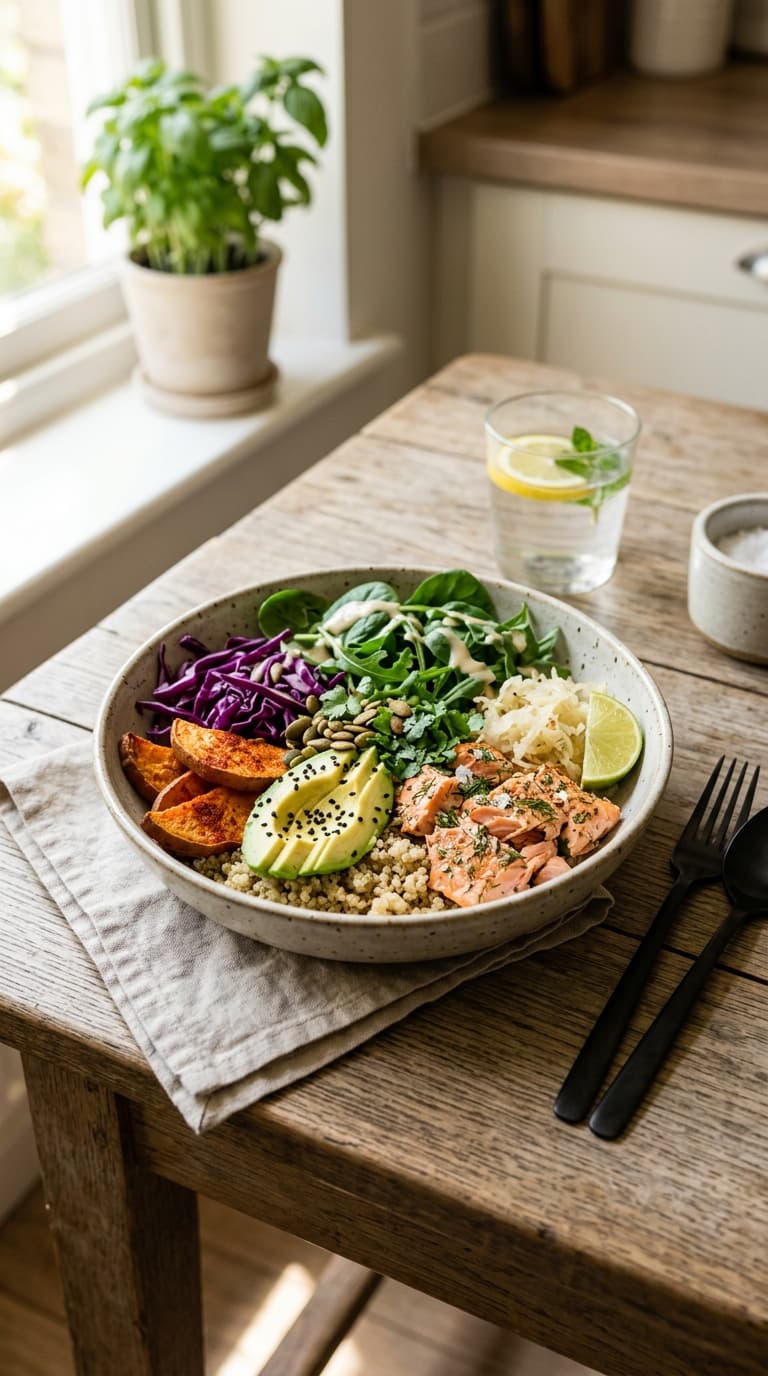
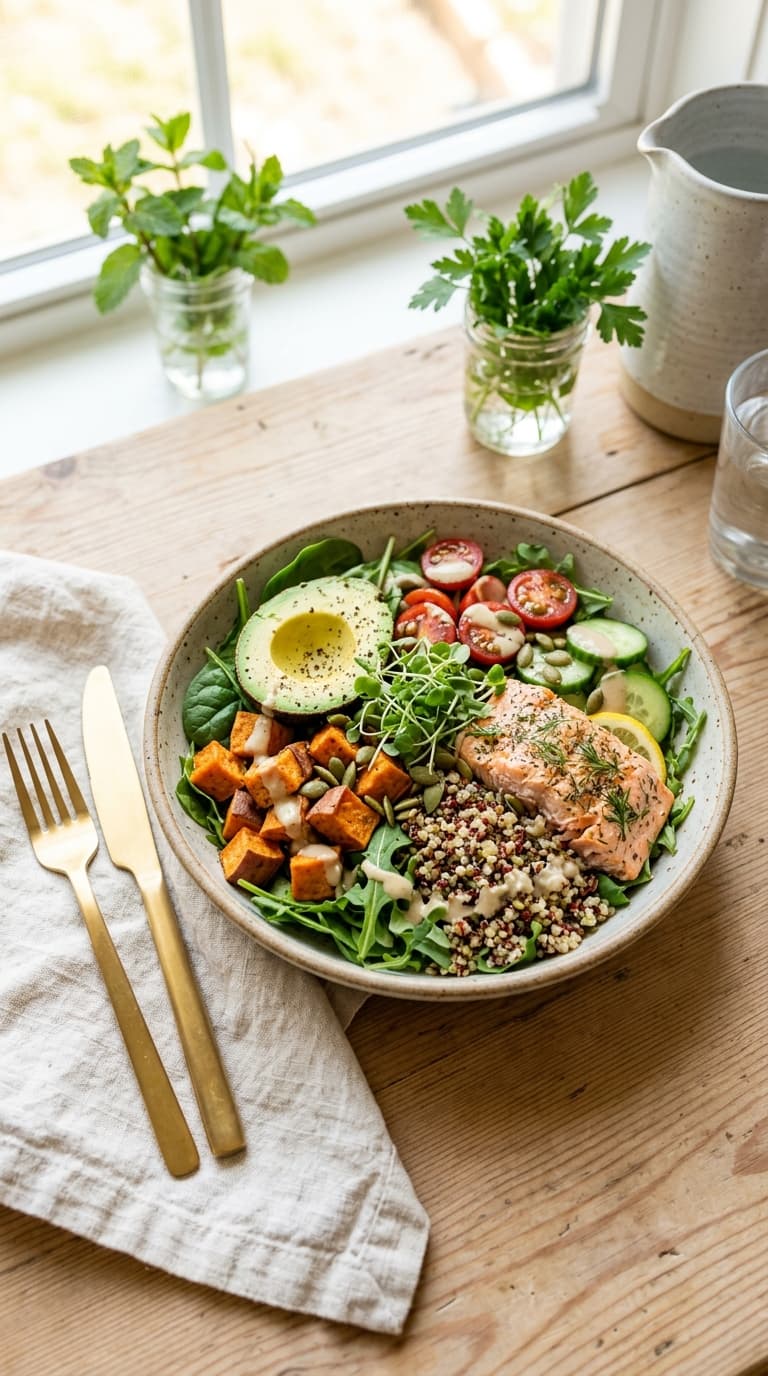
A big leafy green salad with wild salmon, cucumber, avocado, and a lemon-tahini dressing. Don’t skip the avocado — the healthy fats help your body absorb fat-soluble vitamins and support progesterone production.
Dinner
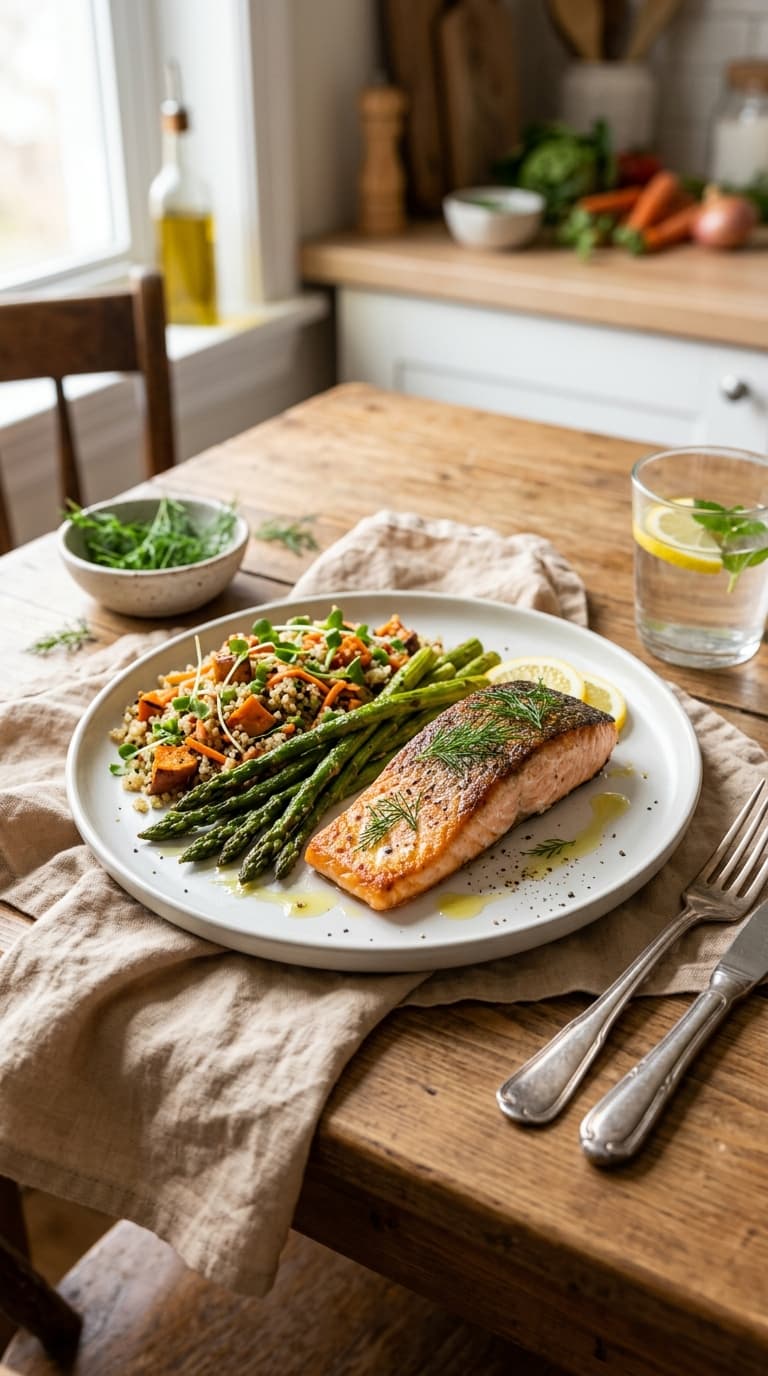
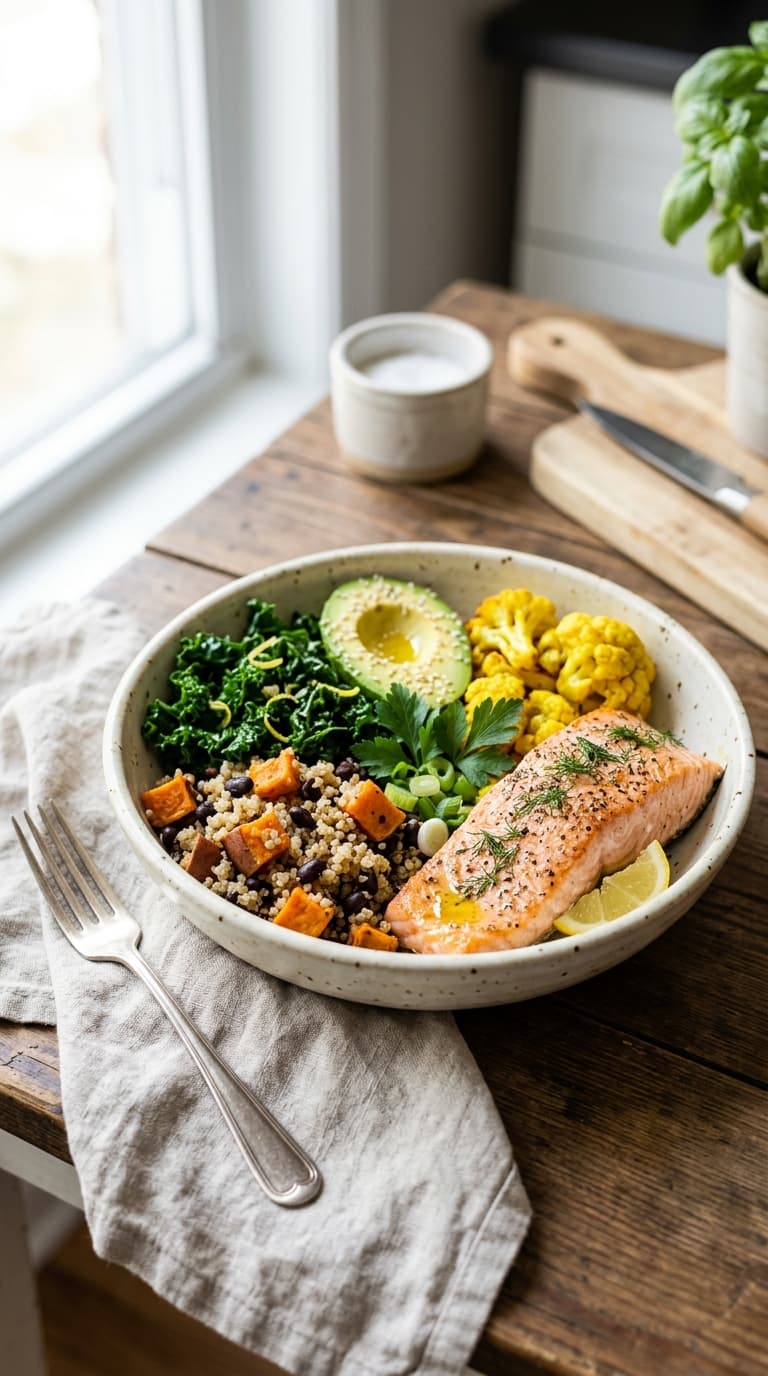
Baked salmon with roasted sweet potato and steamed broccoli. Broccoli contains DIM (diindolylmethane), a compound that supports healthy estrogen metabolism. This combo also hits magnesium, B6, and omega-3s in one shot.
Snack
A small handful of walnuts and a cup of green tea. If you want to explore tea options that specifically target inflammation, these anti-inflammatory tea blends for better health are worth bookmarking.
Day 2: Gut Love Day
Breakfast
Two eggs scrambled with spinach and mushrooms, served on a slice of sourdough. Eggs are a powerhouse for hormonal health — they contain choline, B12, and vitamin D, all of which support hormone synthesis. Sourdough’s fermentation process makes it easier on your gut than regular bread.
Lunch
Lentil soup with turmeric, ginger, and a squeeze of lemon. Lentils are rich in fiber and folate, which help your liver process and eliminate excess estrogen. Ginger adds an extra anti-inflammatory punch.
Dinner
Grass-fed beef stir-fry with bok choy, bell peppers, and brown rice. Grass-fed beef is significantly higher in omega-3s than conventional beef and gives you a solid dose of zinc and B12. Keep the oil to extra-virgin olive oil — it’s full of oleocanthal, a natural anti-inflammatory compound.
Snack
Plain full-fat yogurt with a sprinkle of pumpkin seeds. The probiotics in yogurt support gut health, which directly influences estrogen regulation. Win-win.
Day 3: Plant Power
Breakfast
A berry smoothie bowl made with frozen mixed berries, a banana, a tablespoon of almond butter, and oat milk. Top with hemp seeds and a few slices of kiwi. Berries are loaded with anthocyanins — antioxidants that actively fight inflammation. Hemp seeds deliver a complete amino acid profile and omega-3s.
Lunch
Chickpea and roasted vegetable bowl with quinoa, roasted zucchini, cherry tomatoes, and a tahini drizzle. Chickpeas are rich in zinc and fiber, and quinoa is one of the few plant foods that’s a complete protein. Your hormones need protein to function — don’t underestimate it.
Dinner
Lemon herb baked chicken thighs with cauliflower rice and sautéed kale. Chicken thighs (skin-on, pasture-raised when possible) contain more fat than breast meat, which means better fat-soluble vitamin absorption. Kale provides calcium and vitamin C, which helps your adrenal glands manage cortisol output.
Snack
Apple slices with almond butter. Simple, satisfying, and blood-sugar-stabilizing — which matters enormously for cortisol and insulin balance.
Day 4: Midweek Maintenance
Ever notice that by Wednesday, meal prep motivation hits rock bottom? :/ That’s exactly why this day is designed to be low-effort without being low-nutrition.
Breakfast
Overnight oats made with rolled oats, chia seeds, unsweetened almond milk, and topped with sliced mango and a teaspoon of cinnamon. Chia seeds are an omega-3 hero, and cinnamon helps regulate blood sugar — which keeps insulin levels steady throughout the morning.
Lunch
Leftover lentil soup from Day 2 (told you this would be low-effort) plus a side of sliced cucumber with hummus.
Dinner
Shrimp and vegetable curry with coconut milk served over brown rice. Coconut milk contains medium-chain triglycerides that support brain function and energy. The spices in curry — turmeric, cumin, coriander — are a collective anti-inflammatory bomb. This is genuinely one of my favorite dinners on this plan.
Snack
A small square of 70%+ dark chocolate with a cup of herbal tea. Dark chocolate is legitimately one of the best sources of magnesium, which supports sleep quality and cortisol regulation. These herbal teas that help you sleep better pair perfectly with your evening chocolate treat.
Day 5: Liver Support Focus
Your liver does the heavy lifting when it comes to hormone metabolism — especially estrogen. If your liver is congested, estrogen builds up and throws everything off. Today’s meals focus on liver-loving foods.
Breakfast
A green smoothie with kale, frozen pineapple, ginger, cucumber, half a lemon (squeezed), and water or coconut water. Pineapple contains bromelain, a natural enzyme with anti-inflammatory properties. Ginger supports bile production, which your liver needs to process fats and hormones.
Lunch
Arugula salad with beets, goat cheese, walnuts, and a balsamic vinaigrette. Beets support liver detoxification pathways — specifically, they help your liver convert harmful estrogen metabolites into safer ones. FYI, this combo also happens to taste incredible.
Dinner
Herb-crusted cod with steamed asparagus and wild rice. Asparagus is a natural diuretic that also contains glutathione — one of your liver’s most important detox tools. Cod is a lean, clean source of iodine, which your thyroid needs to produce hormones.
Snack
Celery sticks with guacamole. Avocado again — because your hormones genuinely cannot get enough of those healthy fats.
Day 6: Weekend Prep Mode
Weekends are when most people either nail it or completely fall apart with eating. Let’s make it easy.
Breakfast
Veggie-loaded frittata made with eggs, cherry tomatoes, spinach, onion, and feta cheese. Make a big one — you’ll have leftovers for Day 7 breakfast. Eggs plus vegetables in one dish means you’re hitting multiple micronutrient bases at once.
Lunch
Turkey and avocado lettuce wraps with shredded carrots, cucumber, and a drizzle of coconut aminos. Turkey is rich in tryptophan, which your body uses to produce serotonin — a neurotransmitter that influences mood and sleep, both of which are intertwined with hormonal health.
Dinner
Grilled lamb chops with roasted root vegetables (carrots, parsnips, beets) and a side of tzatziki. Lamb is a red meat that often gets overlooked, but it’s high in zinc, iron, and B12. The roasted root vegetables provide complex carbohydrates that support serotonin production overnight.
Snack
A handful of mixed seeds (sunflower, pumpkin, sesame) with a few dried apricots. These seeds are rich in vitamin E and zinc, which support both progesterone production and skin health.
Day 7: Slow Down and Nourish
The final day is about slowing down, being intentional, and appreciating that you’ve fed your body really well this week.
Breakfast
Leftover frittata from Day 6 with a side of sliced oranges. Easy, nourishing, done.
Lunch
Warming bone broth soup with shredded chicken, kale, carrots, celery, and white beans. Bone broth is loaded with collagen precursors and glycine, which support gut lining integrity. A healthy gut is a non-negotiable for hormonal balance — the two are deeply connected.
Dinner
Wild salmon with a miso glaze, soba noodles, and edamame. Miso is a fermented food that supports gut health. Edamame provides plant-based estrogen compounds that modulate (not overwhelm) estrogen receptors. Soba noodles made from buckwheat contain rutin, which supports circulation and reduces inflammation.
Snack
Chamomile or valerian root tea with a small piece of dark chocolate. Wind down, let your nervous system rest. Hormonal healing happens during sleep just as much as during the day. Browse through some herbal teas for better digestion to find what works best for your evening routine.
Foods to Avoid This Week (And Beyond, Honestly)
Let’s be real — the meal plan works best when you’re also cutting back on the things that drive inflammation:
- Refined sugar and high-fructose corn syrup — spike insulin and increase inflammation markers
- Conventional dairy — can contain synthetic hormones; opt for organic or fermented versions
- Alcohol — directly impairs liver function and hormone metabolism
- Refined vegetable oils (canola, soybean, sunflower) — high in omega-6s that promote inflammation
- Ultra-processed foods — disrupt the gut microbiome almost immediately
- Excessive caffeine — raises cortisol; if you love coffee, pair it smartly and consider low-calorie coffee drinks that don’t come loaded with inflammatory extras
Tips to Make This Week Actually Work
A beautiful meal plan means nothing if it’s impossible to execute. Here’s what helps:
- Batch cook grains and proteins on Sunday so the weekdays take 20 minutes max
- Keep your fridge stocked with easy snacks — boiled eggs, pre-cut veggies, nuts, and dark chocolate (yes, it counts)
- Drink at least 2 liters of water daily — hydration directly affects hormone transport
- Prioritize sleep — cortisol and melatonin regulation depends on consistent sleep cycles
- Manage stress actively — yoga, walks, journaling, or even a quiet cup of tea counts as self-care and hormone care
Wrapping It All Up
Seven days isn’t a cure — but it’s a powerful start. Real hormonal balance comes from consistent habits, not perfection, and this week gives you a genuinely solid foundation. Every meal in this plan works to lower systemic inflammation, support your liver and gut, and give your hormones the nutrients they need to do their job.
The best part? Most of these meals are legitimately delicious. You’re not suffering through celery sticks and sadness. You’re eating salmon, dark chocolate, curry, and frittata. That’s a pretty good deal.
Give this week a real shot, pay attention to how you feel by Day 4 or 5, and let your body show you what it can do when you actually feed it right. You’ve got this. 🙂