25 Anti-Inflammatory Polyphenol Foods to Eat More Of
25 Anti-Inflammatory Polyphenol Foods to Eat More Of
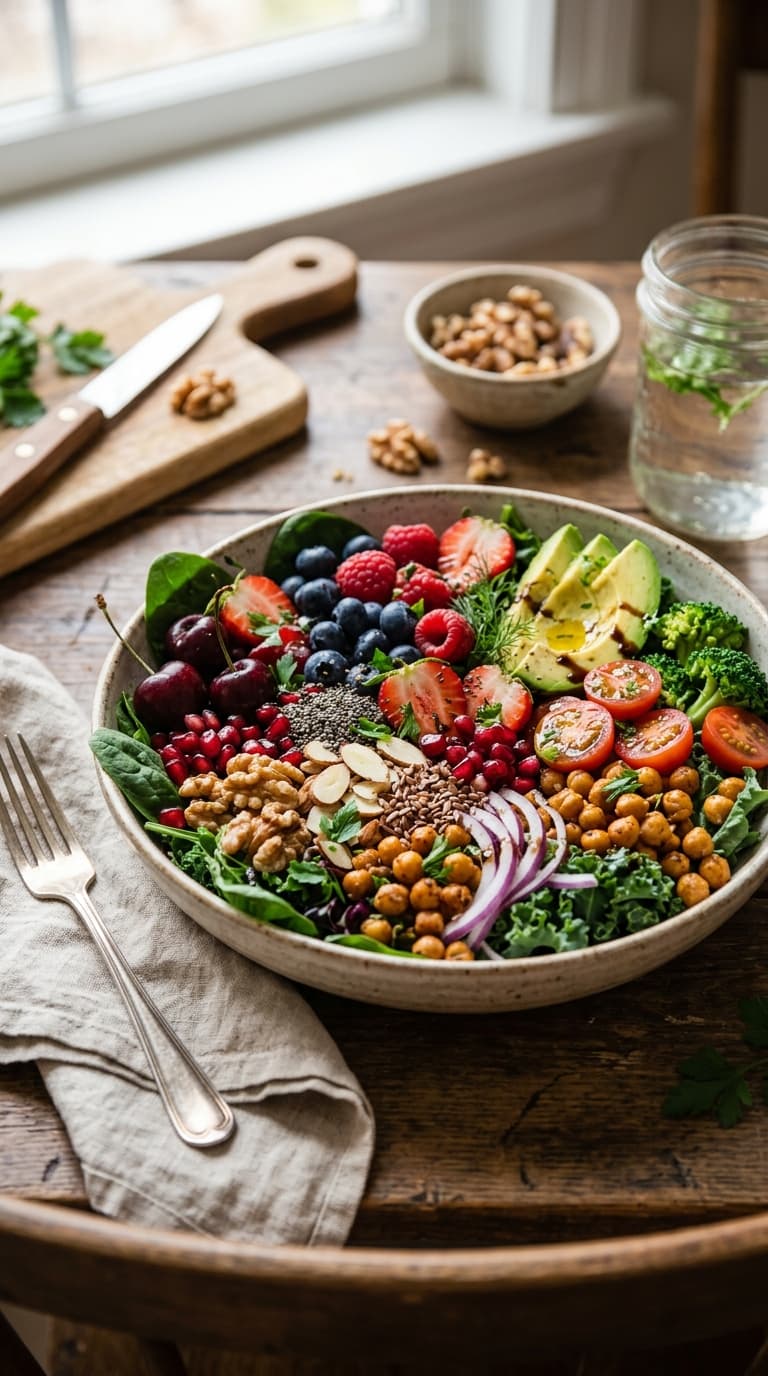
Your body is fighting inflammation every single day — and what you put on your plate either helps or hurts that battle. Polyphenols are the plant-based compounds that genuinely tip the scales in your favor. They’re not some trendy supplement cooked up in a lab; they’re hiding in everyday foods you probably already enjoy. Let me walk you through 25 of the best ones, and why you should be loading your plate with them regularly.
What Are Polyphenols, Anyway?
Before we get into the list, let’s get one thing straight. Polyphenols are naturally occurring micronutrients found in plants, and they pack a serious antioxidant punch. They help neutralize free radicals, reduce oxidative stress, and calm chronic inflammation — the kind that silently contributes to heart disease, diabetes, and a whole lot of other conditions you’d rather avoid.
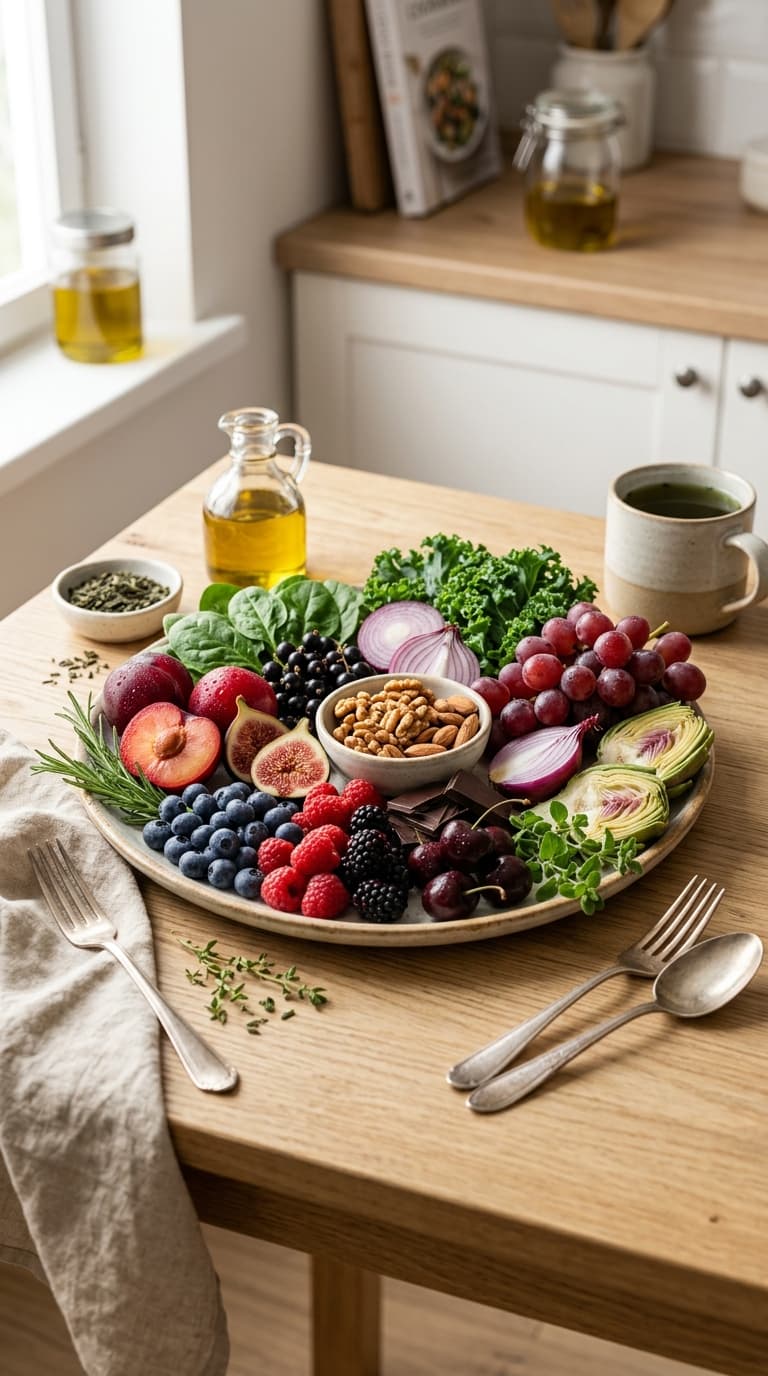
FYI, there are over 8,000 types of polyphenols identified so far. So yeah, variety in your diet really does matter here.
25 Anti-Inflammatory Polyphenol Foods Worth Adding to Your Diet
1. Blueberries
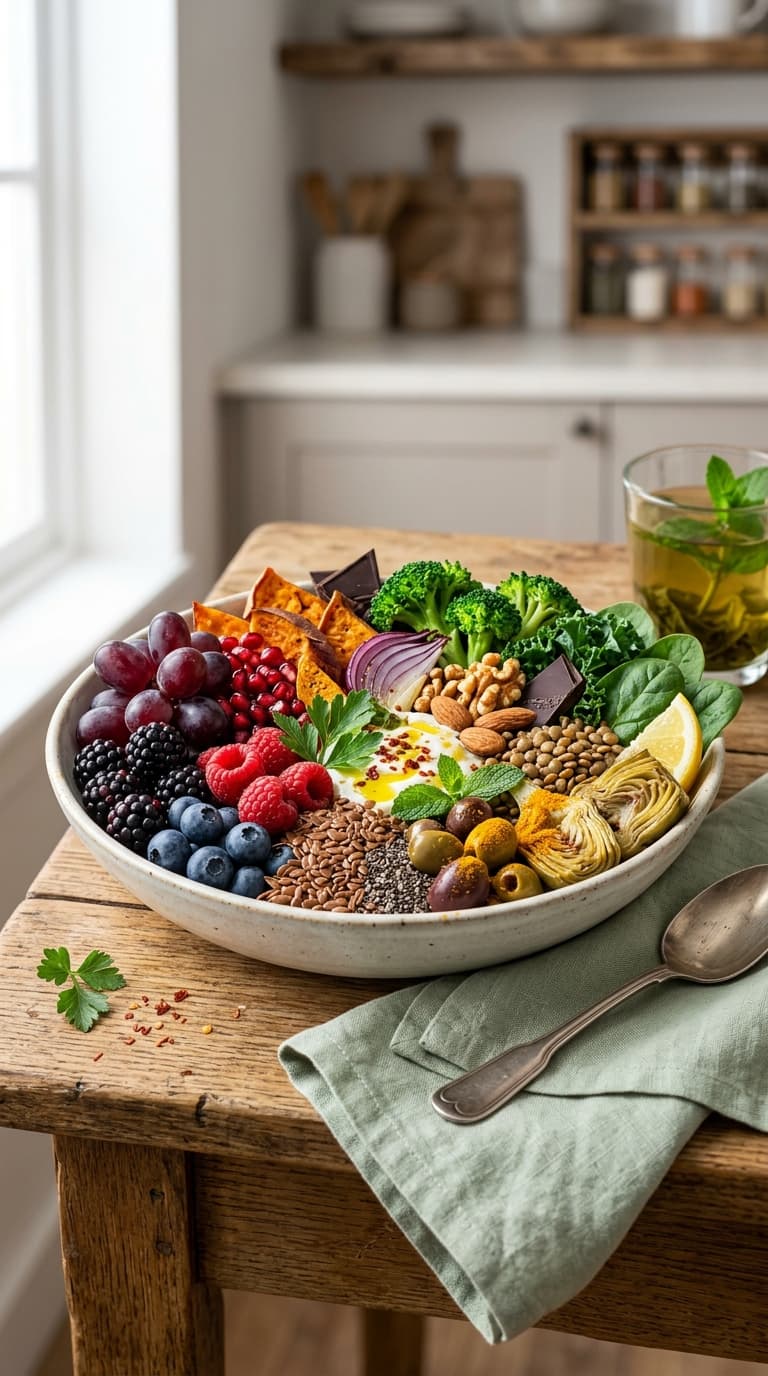
If polyphenols had a poster child, it would be the humble blueberry. Blueberries are loaded with anthocyanins, the pigments that give them their deep blue color and their powerful anti-inflammatory properties. A handful tossed into your morning oatmeal or smoothie is genuinely one of the easiest wins you can make for your health.
2. Dark Chocolate
Yes, really. Before you celebrate too hard — we’re talking 70% cocoa or higher. Dark chocolate contains flavanols that reduce inflammation markers and even support heart health. Consider it a legitimate excuse to keep a bar in your desk. You’re welcome.
3. Green Tea
Green tea is one of the most well-researched polyphenol sources on the planet. It’s rich in catechins, especially EGCG (epigallocatechin gallate), which has been shown to reduce inflammatory cytokines. If you want to explore beyond your usual cup, there are some genuinely delicious anti-inflammatory tea blends for better health worth trying.
4. Extra Virgin Olive Oil
Extra virgin olive oil deserves its own fan club. It contains oleocanthal, a compound that acts similarly to ibuprofen in reducing inflammation — minus the side effects. Use it as your everyday cooking oil and drizzle it generously over salads.
5. Pomegranate
Pomegranates are packed with punicalagins and punicic acid, two polyphenols that are almost exclusively found in this fruit. Studies consistently show they lower inflammatory markers in the blood. Yes, they’re a little annoying to peel — but so worth it.
6. Turmeric
Turmeric contains curcumin, possibly the most famous anti-inflammatory compound in the entire food world. The catch? Curcumin has poor bioavailability on its own. Pair it with black pepper to boost absorption by up to 2,000%. That’s not a typo.
7. Walnuts
Among all nuts, walnuts stand out for their impressive polyphenol content, particularly ellagitannins. They also deliver a solid dose of omega-3 fatty acids, which work alongside polyphenols to fight inflammation from multiple angles. A small handful as a snack genuinely earns its keep.
8. Strawberries
Don’t sleep on strawberries. They’re rich in ellagic acid and anthocyanins, and regular consumption has been linked to lower levels of CRP (C-reactive protein), a key inflammation marker. Plus, they taste incredible — so there’s really no excuse not to eat more of them.
9. Spinach
Spinach brings quercetin and kaempferol to the table — two flavonoids with solid anti-inflammatory credentials. Throw it into a smoothie, wilt it into pasta, or just eat it raw in a salad. Spinach doesn’t demand much, but it delivers a lot.
10. Red Onions
Red onions are one of the richest dietary sources of quercetin, a flavonoid that actively inhibits inflammatory enzymes. Raw red onion in salads or salsas gives you the best polyphenol hit since heat can degrade some of these compounds.
11. Black Beans
Black beans bring anthocyanins and other flavonoids to your legume game. They’re also fiber powerhouses, and gut health is directly linked to inflammation levels in the body. IMO, black beans are one of the most underrated anti-inflammatory foods out there 🙂
12. Cherries
Tart cherries in particular contain high concentrations of anthocyanins and cyanidin, which researchers have studied specifically for their role in reducing exercise-induced inflammation and joint pain. Athletes swear by tart cherry juice for recovery, and honestly, the science backs them up.
13. Broccoli
Broccoli packs kaempferol and sulforaphane — a compound that activates the body’s own antioxidant pathways. It’s one of those vegetables that basically tells your immune system to calm down. Lightly steamed preserves more of its beneficial compounds than boiling it into oblivion.
14. Apples
“An apple a day” turns out to be genuinely good advice, not just something parents say. Apples are rich in quercetin and catechins, particularly in the skin — so don’t peel them. A simple apple with almond butter hits differently when you know it’s working overtime for your health.
15. Black Tea
Black tea contains theaflavins and thearubigins, polyphenols formed during the oxidation process that gives black tea its color. These compounds reduce oxidative stress and show promising anti-inflammatory effects. If you want to upgrade your tea game beyond the basic bag, explore some cozy winter tea recipes that highlight these benefits beautifully.
16. Grapes (Especially Red)
Red grapes are one of the best natural sources of resveratrol, the polyphenol that sparked a whole wave of interest in the Mediterranean diet. Resveratrol directly inhibits inflammatory signaling pathways. Red wine contains it too, but let’s not use that as justification for a second bottle :/
17. Flaxseeds
Flaxseeds offer lignans, a class of polyphenols with both antioxidant and anti-inflammatory properties. Ground flaxseed is easier for your body to absorb than the whole seed. Stir it into yogurt, oatmeal, or smoothies for an easy daily boost.
18. Artichokes
Artichokes are surprisingly rich in cynarin and chlorogenic acid, polyphenols that support liver function and reduce systemic inflammation. They rank among the highest polyphenol-containing vegetables per serving. Roasted, steamed, or added to dips — they deserve more time in your kitchen.
19. Plums and Prunes
Plums contain chlorogenic acid and neochlorogenic acid — polyphenols that reduce oxidative stress and inflammatory markers in clinical studies. Prunes (dried plums) concentrate these benefits further. Don’t let the “grandparent food” reputation put you off; these things are genuinely powerful.
20. Pecans
Pecans punch above their weight in the polyphenol department, delivering ellagitannins alongside healthy fats. Studies have shown that adding pecans to your diet can significantly reduce oxidative stress biomarkers. They also make anything they’re sprinkled on taste better, so really — win-win.
21. Raspberries
Raspberries deliver a potent mix of ellagic acid, anthocyanins, and quercetin. Their seeds alone contain significant concentrations of polyphenols, so unlike some foods where you’re encouraged to skip the seeds, here you want the whole berry. Fresh or frozen, they maintain their polyphenol content well.
22. Coffee
Good news for caffeine lovers: coffee is actually one of the largest sources of polyphenols in the Western diet. It’s loaded with chlorogenic acids, which have strong antioxidant and anti-inflammatory activity. If you want to maximize the health benefits of your daily cup, check out these healthy coffee recipes to boost your metabolism — some of which incorporate anti-inflammatory add-ins like turmeric and cinnamon.
23. Cloves
Cloves are gram-for-gram one of the highest polyphenol-containing spices in existence. They’re rich in eugenol, a compound with powerful anti-inflammatory and antioxidant effects. You don’t need much — a pinch in your chai, baked goods, or spiced dishes goes a long way.
Ever made a homemade spiced chai from scratch? Pair cloves with ginger, cardamom, and black pepper and you’ve basically built an anti-inflammatory powerhouse in a cup. For inspiration, these chai tea recipes to warm your soul are a great place to start.
24. Elderberries
Elderberries are exceptionally rich in anthocyanins, with some of the highest concentrations found in any berry. They’ve been studied for immune-supporting and anti-inflammatory effects, particularly during cold and flu season. Elderberry syrup has become popular for a reason — the research genuinely supports it.
25. Dark Leafy Greens (Kale, Swiss Chard, Arugula)
These greens collectively bring flavonoids, carotenoids, and hydroxycinnamic acids to your plate. Kale alone contains over 45 different flavonoids. The variety in this category means you can rotate through different greens and consistently hit different polyphenol profiles — which is exactly what you want.
How to Actually Eat More of These Foods
Knowing the list is one thing. Building habits around it is another. Here are a few practical ways to work polyphenol-rich foods into your everyday eating:
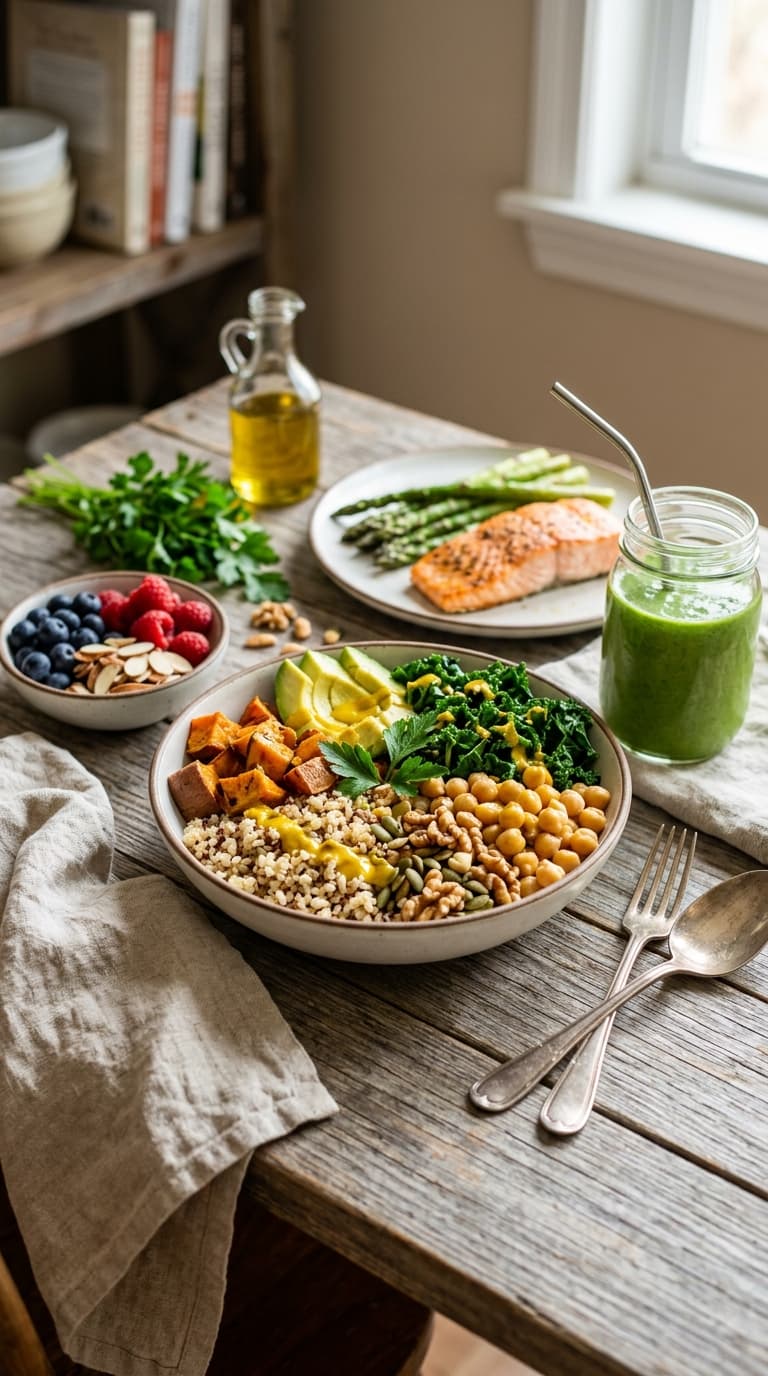
- Start your morning with blueberries and ground flaxseed in oatmeal or yogurt
- Swap your afternoon snack for walnuts, an apple, or a handful of raspberries
- Use olive oil as your default cooking fat instead of refined vegetable oils
- Drink green or black tea alongside or instead of a second coffee
- Add spinach or kale to smoothies — you genuinely can’t taste it
- Cook with turmeric, cloves, and black pepper regularly as pantry staples
- Include black beans or lentils in at least a few meals each week
The goal isn’t perfection. It’s consistency. Even adding three or four of these foods regularly starts to shift your body’s inflammatory baseline over time.
Pairing Polyphenols with the Right Drinks
Here’s something most people don’t think about — what you drink matters as much as what you eat when it comes to polyphenol intake. Green tea, black tea, and coffee are three of the most accessible daily polyphenol sources most people already consume. The trick is optimizing them.
If you want to upgrade your drinks without overcomplicating your routine, explore herbal tea benefits you didn’t know about — there are some genuinely surprising entries on that list that complement a polyphenol-focused diet well. And if you’re already a coffee person, playing around with coffee smoothies for breakfast or an energy boost is a smart way to layer in additional polyphenol-rich ingredients like berries, cacao, and flaxseed all in one go.
A Few Things Worth Knowing
Not all polyphenols behave the same way in the body, and a few factors affect how well you absorb them:
- Fat-soluble polyphenols (like curcumin) absorb better when eaten with healthy fats — hello, olive oil
- Cooking can either preserve or reduce polyphenol content depending on the food and method
- Gut bacteria play a major role in metabolizing polyphenols, which is why fiber intake matters alongside them
- Variety beats volume — a wide range of polyphenol-rich foods is more effective than eating huge amounts of just one
The Bottom Line
Chronic inflammation doesn’t announce itself with a flashing sign — it builds quietly in the background, and diet is one of the most powerful tools you have to manage it. These 25 foods give you a practical, delicious, and genuinely sustainable way to fight back.
You don’t need to overhaul your entire diet overnight. Start with the foods you already enjoy from this list and build from there. Pick up some dark chocolate, brew a better cup of tea, throw some blueberries in your breakfast. Small, consistent changes stack up faster than you’d expect.
What’s your first move going to be?