12 Cold Foam Coffee Recipes That’ll Change Your Morning Routine Forever
Look, I’m not going to pretend that cold foam is some revolutionary culinary breakthrough that’ll solve all your problems. But here’s the thing—once you nail that silky, cloud-like foam sitting on top of your iced coffee, there’s no going back to regular old cream. I learned this the hard way after spending way too much money at coffee shops before realizing I could make this stuff at home in about two minutes flat.
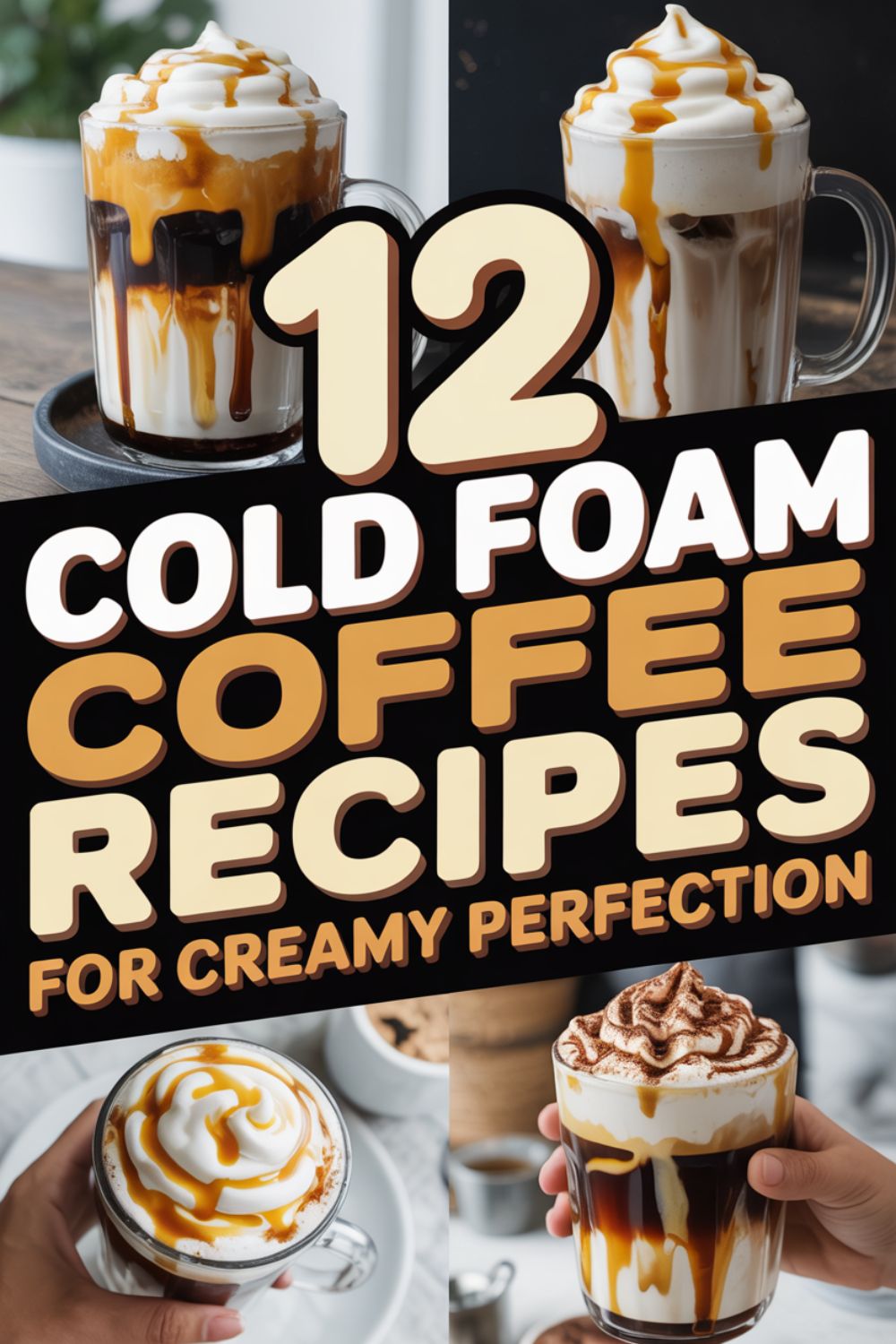
Cold foam is basically frothed milk (or a milk alternative) that’s been whipped into an airy, velvety texture without any heat. Unlike the foamy cap on your cappuccino, this stays cold and creates these dreamy layers when you pour it over iced coffee. The best part? You don’t need fancy equipment or barista training. Just a few simple ingredients and something that can whip air into liquid.
The health angle here is actually pretty interesting. Research shows that moderate coffee consumption can contribute to lower risks of type 2 diabetes and other conditions, and when you make your own cold foam, you control exactly what goes into it—no mystery syrups or excessive sugar. Plus, the protein content in dairy-based foams adds some nutritional value without the calorie bomb of traditional creamers.
Why Cold Foam Actually Matters (And It’s Not Just Instagram Hype)
I used to roll my eyes at the cold foam trend until I tried making it myself. Turns out, it’s not just about aesthetics—though let’s be honest, it does look ridiculously good. The foam changes the entire drinking experience. Each sip becomes this layered situation where you get the bitter coffee, the sweet foam, and everything in between.
From a nutritional standpoint, cold foam made with low-fat milk or unsweetened alternatives contains significantly fewer calories than heavy cream or flavored creamers. A standard serving typically packs around 30-60 calories compared to 100+ for traditional toppings. The protein boost is real too—depending on what you use, you’re looking at anywhere from 2 to 18 grams of protein per serving, which isn’t bad for something that feels like dessert.
Cold brew’s naturally lower acidity levels make it gentler on your stomach, and when paired with cold foam, you get this smooth, less harsh flavor profile that even non-coffee addicts appreciate.
The Essential Tools You Actually Need
Here’s where I’m going to save you some money. You don’t need a $200 milk frother or some complicated contraption. I’ve made cold foam with literally just a mason jar and lid—shake it hard for about 30 seconds and you’re golden.
That said, if you want to make life easier, grab a handheld milk frother. They run about fifteen bucks and take up zero counter space. I keep mine in a drawer and pull it out every morning. The whole process takes maybe 90 seconds from start to finish.
For the coffee itself, cold brew is king. You can batch-brew it in a large French press or one of those dedicated cold brew makers if you’re feeling fancy. I personally just use a big jar with a fine mesh strainer, but do what works for your kitchen situation.
Recipe 1: Classic Vanilla Sweet Cream Cold Foam
This is your starting point—the one that coffee shops charge you an extra two dollars for. Mix 2 tablespoons of heavy cream with 2 tablespoons of 2% milk, add a teaspoon of vanilla extract and a teaspoon of sugar (or sweetener of choice). Froth until you get stiff peaks that hold their shape. Get Full Recipe.
The heavy cream gives you that luxurious texture while the 2% milk keeps it from being too rich. If you want to cut calories, swap the heavy cream for half-and-half. Still delicious, slightly less indulgent. The vanilla is non-negotiable though—it’s what makes this taste like an actual treat instead of just foamy milk.
Recipe 2: Cinnamon Dolce Cold Foam
Take your basic cold foam recipe and add half a teaspoon of cinnamon plus a tablespoon of brown sugar. The cinnamon adds this warm, cozy vibe that works year-round, not just in fall. I’ve been making this version since summer and honestly can’t stop.
Pro move: Toast your cinnamon in a dry pan for like 30 seconds before adding it to the foam. It intensifies the flavor and makes your kitchen smell incredible. Just don’t walk away from the stove—burnt cinnamon is a disaster you can’t come back from.
Recipe 3: Pumpkin Spice Cold Foam (Without the Basic Shame)
Yeah, I know, pumpkin spice gets dragged every autumn. But hear me out—two tablespoons of actual pumpkin puree, a quarter teaspoon of pumpkin pie spice, a tablespoon of maple syrup, and your standard foam base creates something legitimately good. Get Full Recipe.
The pumpkin puree adds fiber and vitamin A while keeping the whole thing from being pure sugar. It’s thicker than regular cold foam, almost like a pumpkin mousse situation. If you’re into those cozy fall morning coffee recipes, this one’s your friend.
Recipe 4: Salted Caramel Cold Foam
Mix your foam base with two tablespoons of caramel sauce and a solid pinch of sea salt. The salt cuts through the sweetness and makes the caramel taste more complex instead of one-note candy.
I use homemade caramel when I’m feeling ambitious (basically just sugar and cream cooked down), but store-bought works fine. Just avoid the artificial stuff that tastes like chemicals. Your tongue knows the difference even if your brain tries to convince you otherwise.
Speaking of sweet variations, you might also love these creative coffee syrups or these creamy coffee recipes without sugar if you’re trying to keep things balanced.
Recipe 5: Mocha Cold Foam
One tablespoon of cocoa powder, one tablespoon of chocolate syrup, and your foam base. Froth it up and suddenly your iced coffee tastes like a dessert you’d order at a restaurant. The cocoa powder adds depth while the syrup gives you that glossy sweetness.
If you want to get weird with it, add a tiny pinch of espresso powder to the foam itself. Coffee on coffee sounds redundant but it actually amplifies the chocolate flavor. Trust me on this one.
Recipe 6: Honey Lavender Cold Foam
Steep a teaspoon of dried lavender in two tablespoons of warm milk for about five minutes. Strain it out, let it cool completely, then add a tablespoon of honey and froth. This sounds fancy but it’s stupid easy and tastes like you went to some boutique coffee shop in a trendy neighborhood.
The floral notes from lavender can be polarizing—some people love it, others think it tastes like soap. Start with a small amount and adjust. You can always add more, but you can’t take it out once it’s in there.
Kitchen Tools That Actually Make Cold Foam Easier
After making approximately a thousand cold foam coffees, here’s what I actually use and recommend:
Physical Products:
- Handheld Electric Milk Frother – The MVP of my morning routine. Ten dollars, zero learning curve, makes foam in 30 seconds flat.
- Glass Cold Brew Pitcher – Batch brew your coffee on Sunday, have it ready all week. The glass won’t absorb flavors like plastic can.
- Mini Food Scale – For when you want to actually measure ingredients instead of eyeballing everything like a chaos agent.
Digital Resources:
- Coffee Recipe eBook Bundle – Collection of 100+ recipes including variations on every cold foam style imaginable.
- Home Barista Video Course – Online tutorial covering foam techniques, latte art basics, and how to dial in your coffee-to-water ratio.
- Monthly Coffee Subscription Service – Delivers different beans to try each month with tasting notes and brewing suggestions.
None of these are necessary—I made cold foam with literally just a jar for months—but they do make the process smoother if you’re doing this daily.
Recipe 7: Maple Cinnamon Cold Foam
Pure maple syrup, a shake of cinnamon, and your foam base. That’s it. The maple brings this earthy sweetness that regular sugar can’t match, and unlike artificial maple flavoring, the real stuff has some actual minerals like manganese and zinc.
This pairs incredibly well with breakfast foods—I’m talking pancakes, waffles, that whole morning carb situation. The flavors just work together in a way that feels cohesive instead of competitive.
Recipe 8: Coconut Cream Cold Foam (Dairy-Free Version)
For anyone avoiding dairy, coconut cream froths up beautifully. Use the thick cream from a can of full-fat coconut milk (stick the can in the fridge overnight so the cream separates and hardens on top). Add a splash of vanilla and your sweetener of choice.
The coconut flavor is subtle, not overwhelming. It adds this tropical hint without making your coffee taste like you’re drinking sunscreen. If you’re exploring more non-dairy coffee recipes, this is a solid entry point.
Recipe 9: Protein-Packed Cold Foam
Mix unflavored protein powder (about one scoop) with cold milk and a tiny bit of sweetener. This is the one time I’ll suggest using a blender bottle instead of a frother because protein powder can be clumpy.
The texture is slightly different—less fluffy, more substantial—but you’re getting 15-20 grams of protein in your coffee. Not bad if you’re rushing out the door and need something that’ll keep you full until lunch. This concept aligns with those high-protein coffee recipes that fitness people are always going on about.
Recipe 10: Brown Sugar Oat Milk Cold Foam
Oat milk froths like a dream. Mix it with brown sugar and a pinch of cinnamon, and you’ve basically got that popular coffee shop drink without the seven dollar price tag. The oat milk has this naturally sweet, almost cookie-like flavor that needs less added sugar than other alternatives.
One heads up: oat milk can separate if you froth it too long or too aggressively. Stop when you see soft peaks forming. If you keep going, you’ll end up with weird grainy foam that nobody wants.
Recipe 11: Hazelnut Chocolate Cold Foam
One tablespoon of hazelnut spread (yeah, like that chocolate stuff you eat with a spoon when nobody’s looking) mixed into your foam base. Add a little cocoa powder if you want to amp up the chocolate factor.
This is dangerously good. Like, might-drink-three-cups-before-noon good. The hazelnut gives it that almost nutty, roasted depth while the chocolate keeps it dessert-like. Definitely not a low-calorie option but worth it for special occasions or when you just need something indulgent.
Recipe 12: Vanilla Bean Cold Foam with a Twist
Scrape half a vanilla bean pod into your foam base along with a tablespoon of condensed milk. The real vanilla bean situation makes this taste exponentially better than extract—you get those little specks throughout the foam and the flavor is just cleaner.
Condensed milk adds richness without watering things down since it’s already thick. This is my go-to when I want coffee that feels like a treat but isn’t loaded with artificial ingredients. Get Full Recipe.
For more morning beverage inspiration beyond coffee, check out these tea recipes or dive into homemade coffee syrups to customize your drinks even further.
The Science Behind Perfect Cold Foam (Without Being Boring About It)
Okay, quick science lesson that’s actually useful: fat content matters. More fat equals richer, thicker foam that holds its shape longer. Less fat means lighter, airier foam that dissipates faster. Neither is better—they’re just different textures for different moods.
Temperature also plays a role. Everything needs to be properly cold for this to work right. If your milk or cream is even slightly warm, the foam will be loose and sad instead of firm and cloud-like. Keep your ingredients chilled and you’ll get better results every single time.
The protein in milk is what actually creates the foam structure. When you froth it, you’re creating tiny air bubbles that get trapped in a network of protein molecules. This is why some plant milks froth better than others—it all comes down to protein content and added stabilizers. Barista-style oat milk and soy milk work great because they’re formulated with this in mind.
Common Cold Foam Mistakes (That I’ve Definitely Made)
Don’t over-froth. I know it’s tempting to keep going until you have a container full of foam, but past a certain point, you’re just making butter. Stop when you see stiff peaks that hold their shape but still look glossy.
Using warm ingredients is a recipe for disappointment. Cold foam is called cold foam for a reason. Everything needs to come straight from the fridge, or you’re just making warm foam, which is basically just…regular foam.
Adding too much sweetener makes the foam dense and syrupy instead of light and airy. Start with less than you think you need. You can always add more sugar to your actual coffee if needed, but you can’t un-sweeten foam that’s already too sweet.
Frequently Asked Questions
Can I make cold foam without a frother?
Absolutely. Use a mason jar with a tight-fitting lid and shake vigorously for 30-60 seconds, or use a whisk and put some elbow grease into it. A small blender works too, though you’ll get slightly different texture. The frother just makes things faster and easier, but it’s not mandatory.
How long does homemade cold foam last in the fridge?
Fresh cold foam is best used immediately, but you can store it for 2-3 days in an airtight container. It’ll separate somewhat, so give it a quick re-froth before using. The texture won’t be quite as perfect as fresh, but it’s still totally usable for weekday mornings when you’re rushing.
What’s the difference between cold foam and regular milk foam?
Temperature and texture. Regular milk foam is made with hot or steamed milk, creating larger bubbles and a lighter consistency. Cold foam is denser, silkier, and stays layered on top of cold drinks instead of mixing in immediately. The cold version also holds its shape longer and doesn’t water down your iced coffee.
Can I use skim milk for cold foam?
You can, but the results will be less creamy and the foam won’t hold as well. Skim milk has minimal fat content, which means less structure in the foam. For better results, use at least 2% milk or add a splash of heavy cream to skim milk to give it more body and stability.
Is cold foam healthier than regular coffee creamer?
Generally yes, especially if you’re making it yourself. A serving of homemade cold foam typically has 30-60 calories compared to 100+ for flavored creamers, and you control all the ingredients. Plus, if you use milk or protein powder, you’re adding nutritional value instead of just sugar and artificial flavors. That said, it depends entirely on what you put in it—a heavily sweetened cold foam isn’t automatically healthier.
Final Thoughts on the Cold Foam Situation
Here’s the bottom line: cold foam is ridiculously easy to make at home, costs almost nothing compared to coffee shop prices, and genuinely improves your iced coffee situation. You don’t need fancy equipment or complicated ingredients—just cold liquid and something to whip air into it.
Start with the basic vanilla version and branch out from there. Maybe you’ll become one of those people who makes a different flavor every day, or maybe you’ll find your favorite and stick with it forever. Either way works.
The best part about making your own is the customization. You control the sweetness, the texture, the flavor intensity—everything. No more asking for “light foam” or “extra vanilla” and hoping the barista interprets it correctly. You’re the barista now, and your kitchen is the coffee shop.
IMO, learning to make cold foam at home ranks up there with learning to cook a perfect scrambled egg—one of those small skills that feels fancy but is actually incredibly simple once you do it a few times. Give it a shot, mess it up once or twice, and then enjoy the fact that you never have to pay extra for foam again.