14-Day Anti-Inflammatory Meal Plan for Beginners
14-Day Anti-Inflammatory Meal Plan for Beginners
So you’ve heard the word “inflammation” thrown around a lot lately, and honestly, same. It’s everywhere — health blogs, doctor’s offices, your aunt who just discovered turmeric lattes. But here’s the thing: chronic inflammation is actually one of the sneakiest culprits behind fatigue, joint pain, brain fog, and a whole list of other issues that people just chalk up to “getting older.” Spoiler: it doesn’t have to be that way.
I started paying attention to anti-inflammatory eating after a solid few months of feeling like a run-down laptop with 47 browser tabs open. Not sick exactly, just… not well. Switching up my food choices made a noticeable difference within two weeks. So I put together this beginner-friendly 14-day meal plan to help you get started without feeling overwhelmed.
What Exactly Is Inflammation (And Why Should You Care)?
Let’s keep this simple. Inflammation is your body’s natural defense system — it kicks in when you get a cut, fight off a cold, or stub your toe at 2 AM. That kind of inflammation? Totally fine, actually helpful.
The problem is chronic inflammation — the low-grade, ongoing kind that simmers in the background for months or years. This type is often triggered by poor diet, stress, lack of sleep, and environmental factors. It’s linked to conditions like heart disease, type 2 diabetes, arthritis, and even depression.
The good news? What you eat has a massive impact on your body’s inflammatory response. And you don’t need to go full wellness-guru to make it work.
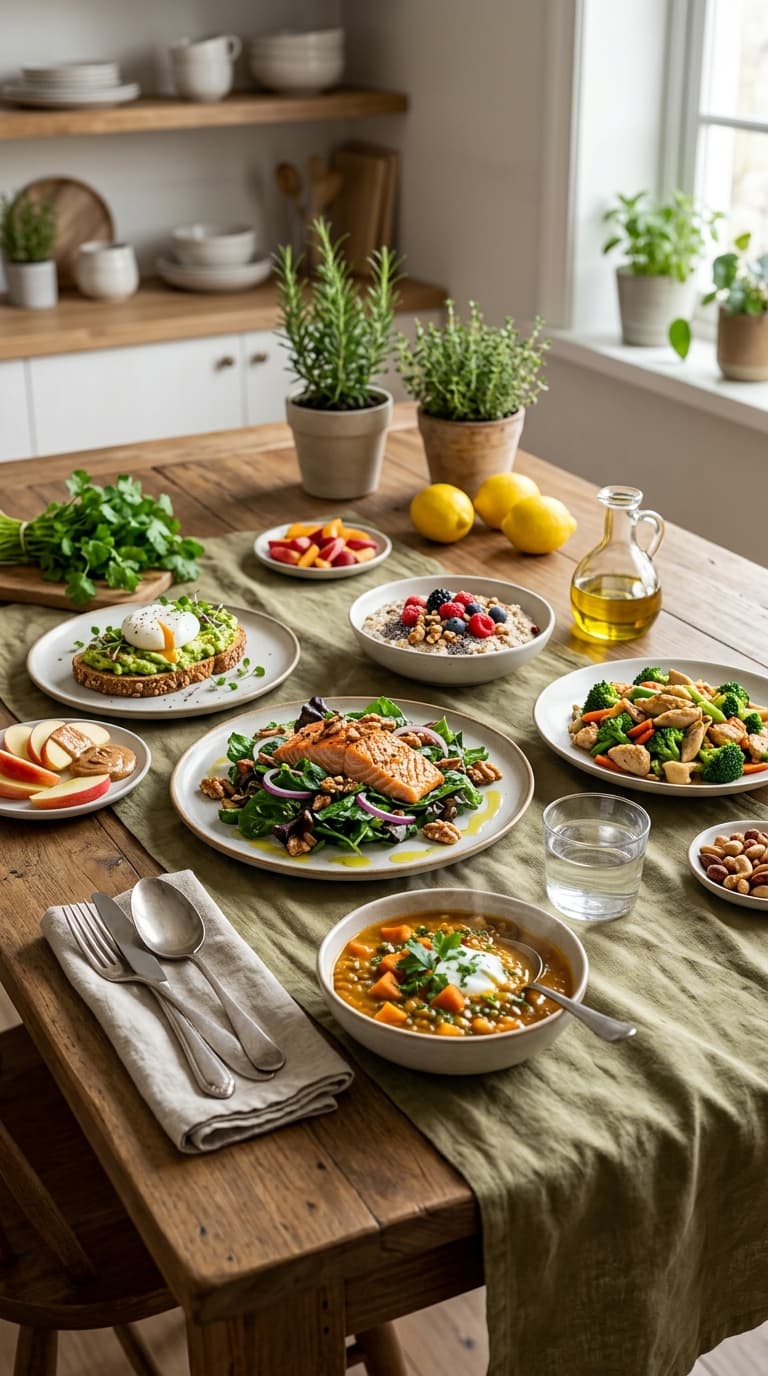
Foods That Fight Inflammation (Your New Grocery List)
Before we get to the actual meal plan, you need to know what you’re working with. Think of these as your anti-inflammatory MVPs.
Load up on:
- Fatty fish (salmon, sardines, mackerel) — rich in omega-3 fatty acids
- Leafy greens (spinach, kale, arugula) — packed with antioxidants
- Berries (blueberries, strawberries, cherries) — high in flavonoids
- Nuts and seeds (walnuts, chia seeds, flaxseeds) — healthy fats and fiber
- Olive oil — a cornerstone of the Mediterranean diet for good reason
- Turmeric and ginger — two of the most well-researched anti-inflammatory spices
- Whole grains (quinoa, brown rice, oats) — better than refined carbs by a mile
- Legumes (lentils, chickpeas, black beans) — fiber-rich and gut-friendly
Cut back on:
- Processed and packaged foods
- Refined sugars and white flour
- Trans fats and heavily fried foods
- Excessive alcohol
- Processed meats
FYI, you don’t need to eliminate everything at once. This plan is designed to crowd out the bad stuff naturally as you fill your plate with better options.
Week 1: The Foundation
Days 1–3: Getting Comfortable
Start simple. Don’t try to cook gourmet anti-inflammatory feasts on day one. Your goal this week is to swap the obvious offenders and build a routine.
Day 1
- Breakfast: Overnight oats with blueberries, chia seeds, and a drizzle of honey
- Lunch: Lentil soup with crusty whole grain bread
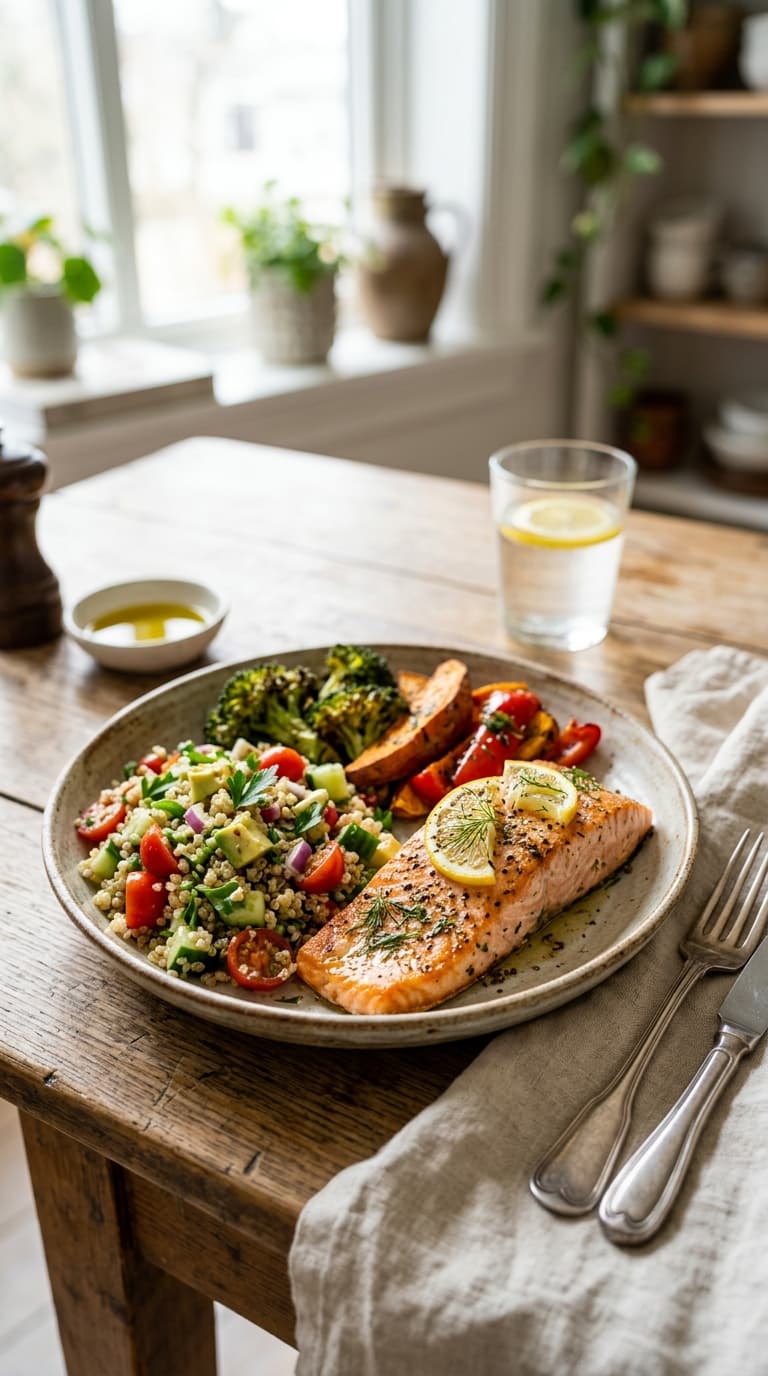
- Dinner: Baked salmon with roasted sweet potato and steamed broccoli
- Snack: A small handful of walnuts
Day 2
- Breakfast: Smoothie with spinach, frozen mango, banana, and almond milk
- Lunch: Quinoa salad with cucumber, cherry tomatoes, olive oil, and lemon
- Dinner: Stir-fried tofu with mixed vegetables and brown rice
- Snack: Apple slices with almond butter
Day 3
- Breakfast: Scrambled eggs with sautéed spinach and whole grain toast
- Lunch: Chickpea and vegetable soup
- Dinner: Grilled chicken thighs with roasted zucchini and a side salad
- Snack: Handful of mixed berries
One thing I learned early on — meal prepping on Sunday saves you from Tuesday takeout decisions. Cook your grains in bulk and chop vegetables ahead of time. Future you will be very grateful.
Days 4–7: Building Momentum
By day four, your taste buds start adjusting. You might even stop missing the extra sugar in your morning coffee — though I won’t pretend it happens overnight. :/
Day 4
- Breakfast: Greek yogurt parfait with granola, strawberries, and a sprinkle of flaxseed
- Lunch: Tuna salad (with olive oil, not mayo) stuffed in whole grain pita with greens
- Dinner: Black bean tacos with avocado, salsa, and cabbage slaw
- Snack: Celery sticks with hummus
Day 5
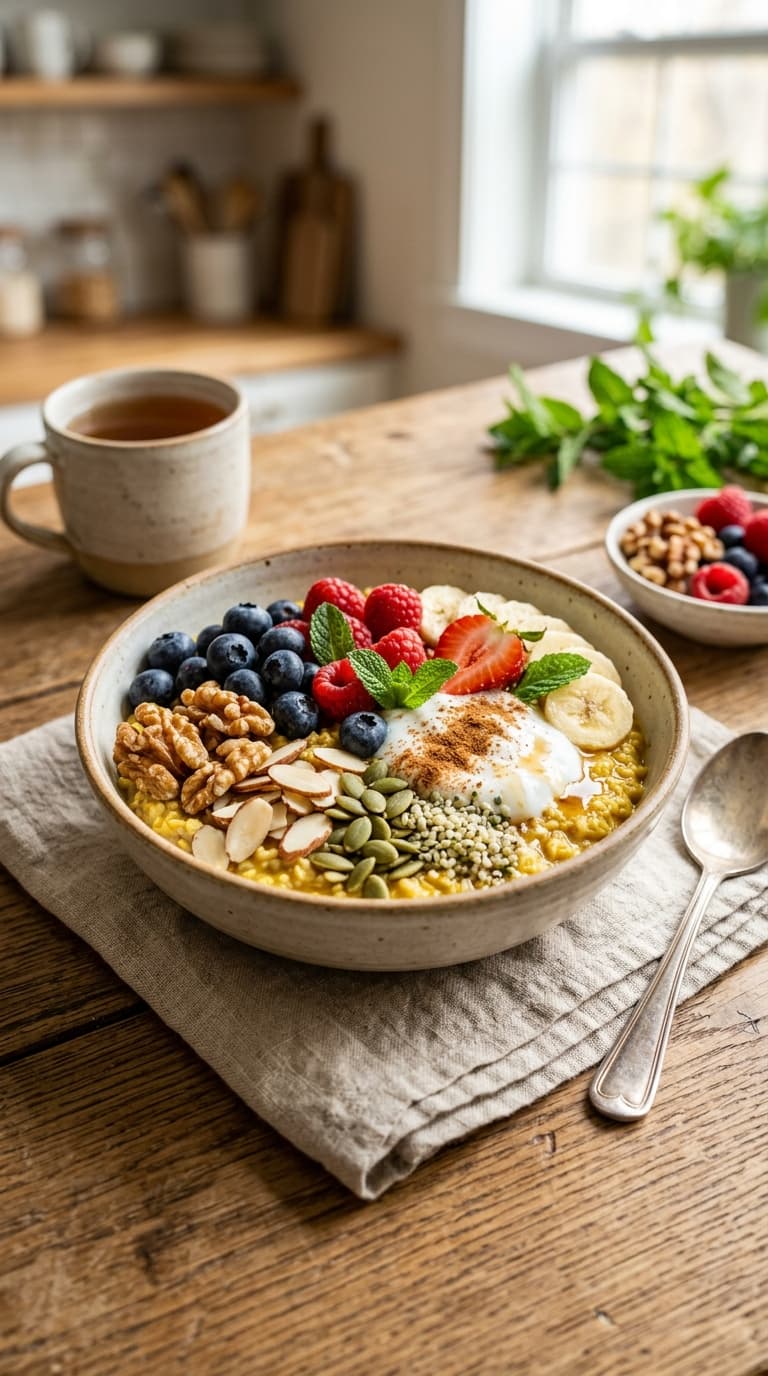
- Breakfast: Turmeric golden oats with banana and cinnamon
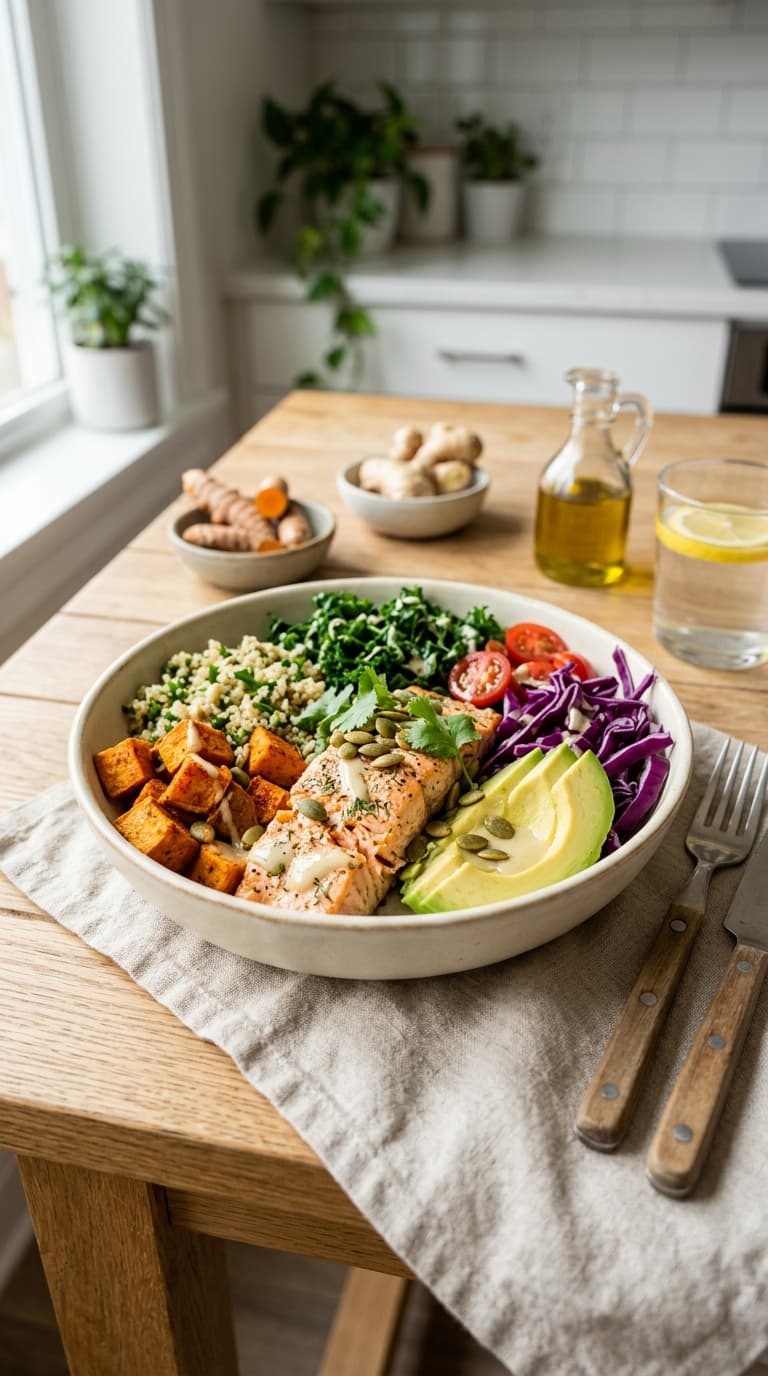
- Lunch: Large kale salad with salmon, avocado, pumpkin seeds, and lemon-tahini dressing
- Dinner: Lemon herb baked cod with roasted asparagus and quinoa
- Snack: A small piece of dark chocolate (70% or above — yes, this is medicine)
Day 6
- Breakfast: Avocado toast on sourdough with a poached egg and red pepper flakes
- Lunch: Leftover baked cod with a fresh green salad
- Dinner: Slow cooker turkey and vegetable stew with barley
- Snack: Orange and a few almonds
Day 7 (Rest & Reset)
- Breakfast: Smoothie bowl — blend açaí or blueberries with banana, top with granola and seeds
- Lunch: Homemade vegetable and lentil curry with brown rice
- Dinner: Grilled shrimp skewers with a Mediterranean-style salad and hummus
- Snack: Cucumber slices with tzatziki
End of week one. How do you feel? Even small changes — like more energy in the afternoon or fewer sugar cravings — are signs this is already working.
Week 2: Leveling Up
Days 8–10: Expanding Your Palette
By now, you’re in the groove. Week two is about variety — introducing new flavors and ingredients so you don’t hit a wall of boredom. Because let’s be honest, eating the same spinach salad every day sounds great on day one and miserable on day nine.
Day 8
- Breakfast: Chia seed pudding made with coconut milk, topped with mango and kiwi
- Lunch: Roasted beet and goat cheese salad with walnuts and balsamic glaze
- Dinner: Teriyaki salmon bowl with edamame, brown rice, and pickled ginger
- Snack: Trail mix with unsalted nuts and dried tart cherries
Day 9
- Breakfast: Warm oatmeal with sliced pear, ginger, and a tablespoon of almond butter
- Lunch: White bean and vegetable soup with a slice of whole grain bread
- Dinner: Chicken and vegetable stir-fry with ginger-garlic sauce over buckwheat noodles
- Snack: Fresh berries with a dollop of coconut yogurt
Day 10
- Breakfast: Two-egg veggie omelette with mushrooms, spinach, and tomatoes
- Lunch: Buddha bowl with roasted chickpeas, sweet potato, avocado, quinoa, and tahini
- Dinner: Grilled mackerel with roasted fennel and a cucumber-dill salad
- Snack: Sliced bell peppers with guacamole
Days 11–14: The Home Stretch
You’re close. And IMO, this is where the real magic happens — the habits you’ve built over the past 10 days start to feel natural rather than forced. You stop thinking of this as a “plan” and start thinking of it as just… how you eat.
Day 11
- Breakfast: Smoothie with kale, pineapple, ginger, turmeric, and coconut water
- Lunch: Sardine toast on whole grain bread with arugula and lemon
- Dinner: Slow-cooked lamb and lentil stew with herbs and a side of roasted cauliflower
- Snack: Handful of pistachios
Day 12
- Breakfast: Buckwheat pancakes with fresh blueberry compote (no syrup needed)
- Lunch: Mediterranean grain bowl with farro, olives, roasted tomatoes, and feta
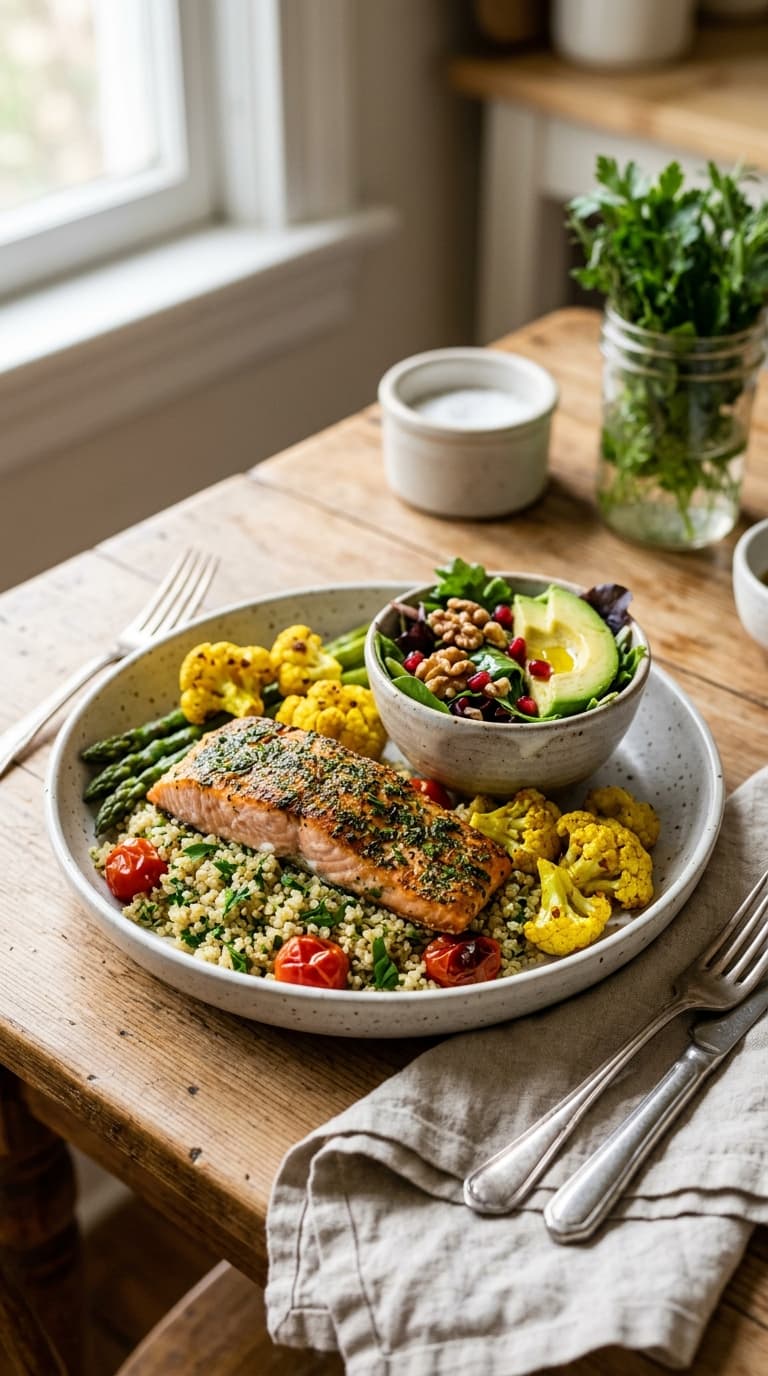
- Dinner: Pan-seared salmon with turmeric cauliflower rice and wilted kale
- Snack: Apple and a small handful of cashews
Day 13
- Breakfast: Overnight chia oats with raspberries, hemp seeds, and vanilla
- Lunch: Spiced chickpea and spinach wrap in a whole grain tortilla
- Dinner: Baked chicken thighs with roasted root vegetables and rosemary
- Snack: Dark chocolate with a few walnuts 🙂
Day 14 (Celebration Day)
- Breakfast: Full anti-inflammatory brunch — scrambled eggs with smoked salmon, avocado, and a green smoothie
- Lunch: Your favorite meal from the past two weeks — because you earned it
- Dinner: Grilled wild-caught fish of your choice with roasted seasonal vegetables and brown rice pilaf
- Snack: Fresh fruit platter with mint and a squeeze of lime
Drinks That Support Your Anti-Inflammatory Goals
What you drink matters just as much as what you eat. Cut back on sugary sodas and opt for drinks that actively help your body. Here are a few worth adding to your daily routine:
- Green tea — one of the most antioxidant-rich drinks available
- Turmeric latte (golden milk) — warming and genuinely effective
- Ginger-lemon hot water — simple, cheap, and great first thing in the morning
- Herbal teas are another brilliant option — if you’re looking to explore, there are some incredible anti-inflammatory tea blends for better health worth trying. You can also check out these detox tea recipes you can make in 10 minutes on days when you want something quick and cleansing.
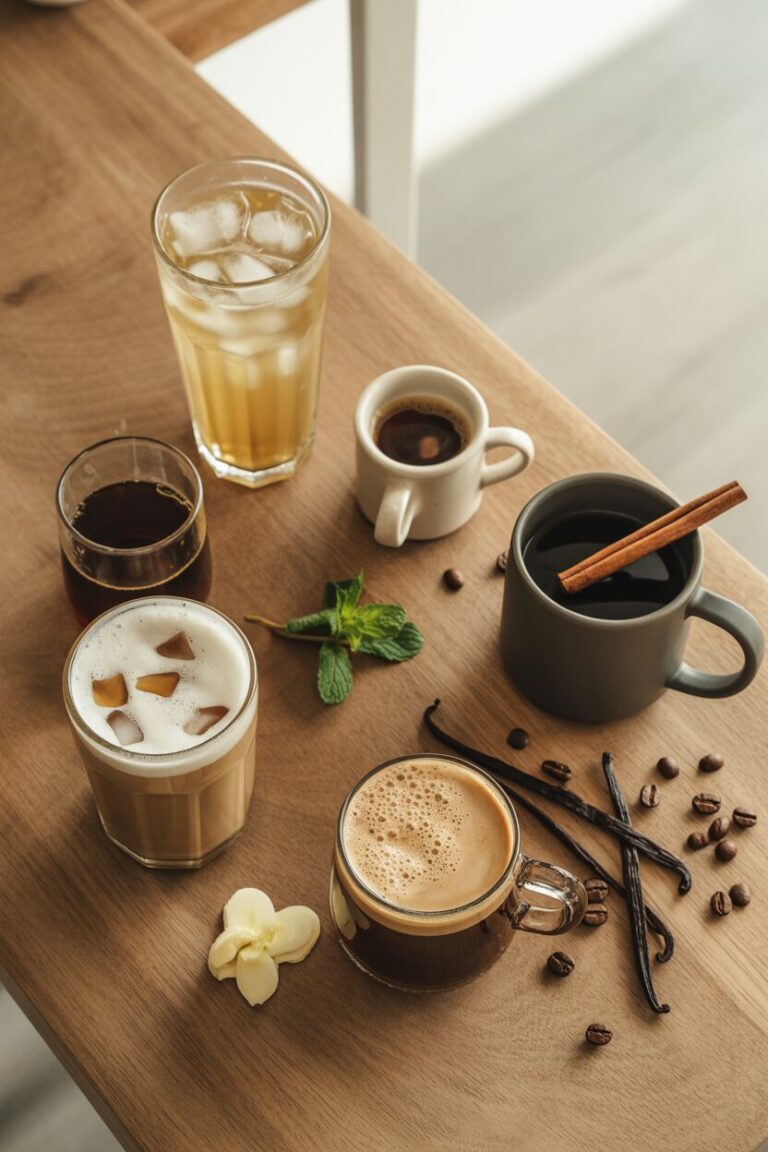
And if you’re a coffee person — no need to panic. Black coffee in moderation is actually anti-inflammatory, thanks to its polyphenol content. Just skip the flavored syrups and sugary creamers. If you want to keep your coffee habit but make it work with your goals, these healthy coffee recipes with nut milks and natural sweeteners are a great starting point. You might also love these coffee recipes to boost metabolism naturally to keep things interesting.
Tips to Make This Plan Actually Work
Ever start a healthy eating plan on Monday with full enthusiasm and end up ordering pizza by Thursday? Yeah. Here’s how to avoid that.
Practical tips that actually help:
- Batch cook grains and proteins on weekends — it cuts daily cooking time significantly
- Keep anti-inflammatory snacks visible — bowl of fruit on the counter, nuts in your bag
- Read labels on sauces and condiments — hidden sugars and seed oils are everywhere
- Don’t aim for perfection — one “off” meal doesn’t derail two weeks of progress
- Eat slowly and mindfully — your digestive system genuinely functions better this way
- Stay hydrated — sometimes what feels like hunger or fatigue is just dehydration
Also, if you’re someone who needs a little more structure around your morning drinks, these herbal teas for better digestion pair beautifully with this meal plan, especially on days when your gut needs a little extra support.
What to Expect After 14 Days
Results vary from person to person, and I’ll be straight with you — this isn’t a magic cure. But most people who follow an anti-inflammatory eating plan consistently report:
- Reduced bloating and digestive discomfort
- More stable energy levels throughout the day (no more 3 PM crashes)
- Clearer skin — this one genuinely surprised me
- Improved sleep quality
- Less joint stiffness, particularly in the morning
- Better mood — gut health and mental health are deeply connected
The science here is solid. Research consistently links diets rich in whole foods, omega-3s, and phytonutrients with lower levels of inflammatory markers like C-reactive protein (CRP) in the blood. You’re not just eating better; you’re literally changing how your body operates at a cellular level. Pretty cool, right?
A Few Final Thoughts
Getting through 14 days of intentional, anti-inflammatory eating is genuinely doable — even if you’re starting from a place of ordering takeout four nights a week (no judgment, I’ve been there). The goal isn’t deprivation. It’s replacing foods that quietly harm you with foods that actively help you.
You don’t need to overhaul your entire life on day one. Start with one meal. Then another. Build habits slowly and they actually stick.
And after day 14? You might find you actually want to keep going — not because you feel obligated to, but because your body feels good enough that going back doesn’t sound appealing. That’s the real win here.
So — what are you waiting for? Your two-week reset starts with the next meal you eat.