
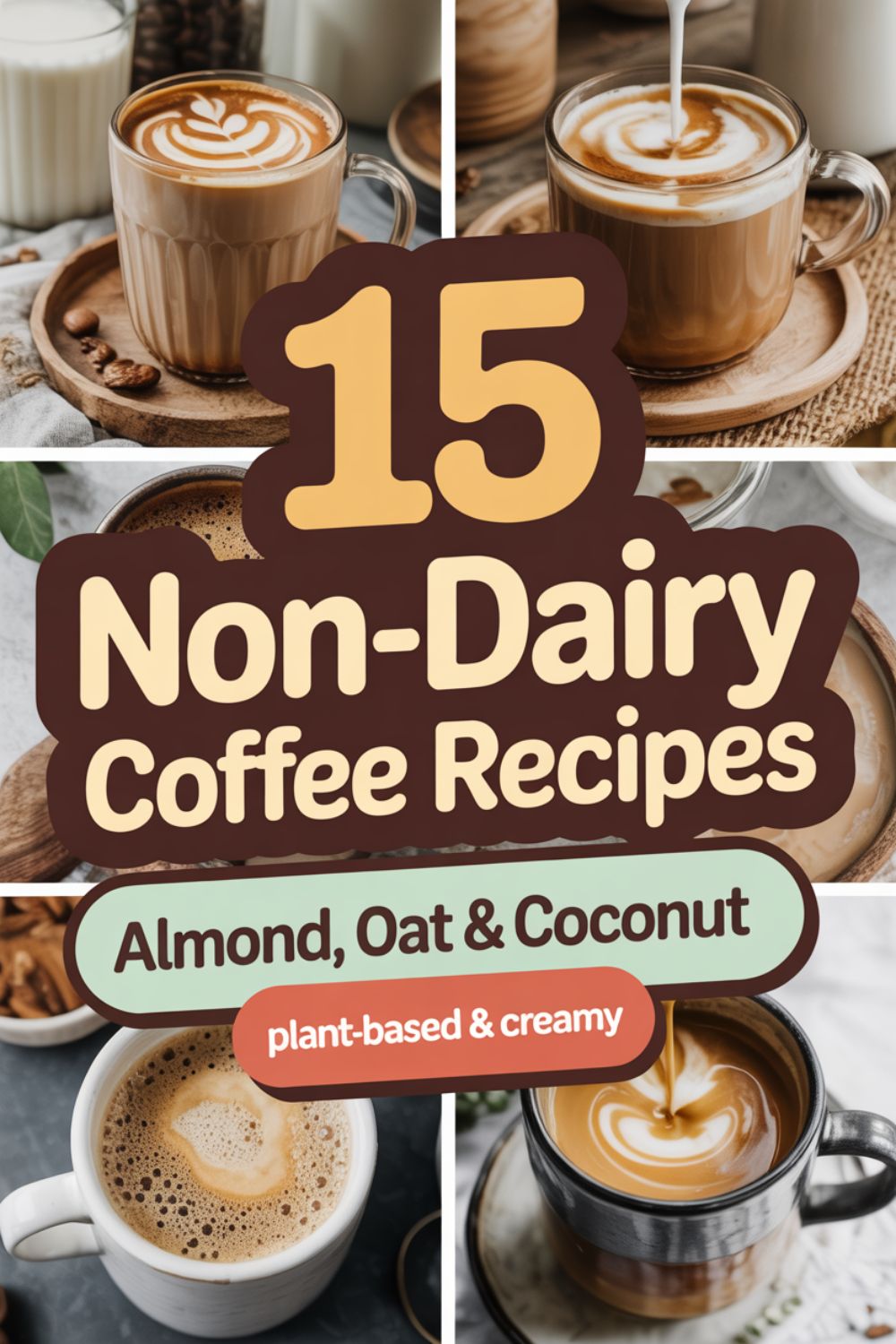
15 Non-Dairy Coffee Recipes (Almond, Oat, Coconut)
Look, I’m not here to convince you that dairy is evil or that plant milk is some kind of magic elixir. But after years of experimenting with non-dairy options in my morning coffee—sometimes out of necessity, sometimes out of curiosity—I’ve learned a thing or two about what actually works.
The truth is, switching from dairy to non-dairy milk in your coffee isn’t just about lactose intolerance or following trends. It’s about discovering flavors you didn’t know existed, finding textures that might actually improve your favorite drinks, and yeah, maybe doing something slightly better for your gut. Plus, according to research on plant-based milk alternatives, options like oat and soy can foam nearly as well as dairy while offering their own nutritional benefits.
I’ve curdled more almond milk than I care to admit, watched coconut cream separate into weird oil slicks, and discovered that not all oat milk is created equal. But I’ve also stumbled onto combinations that genuinely made me forget about dairy altogether. These 15 recipes aren’t just “dairy-free versions” of classics—they’re drinks that stand on their own.
Why Non-Dairy Milk Actually Works in Coffee
Here’s something most people don’t realize: dairy milk works in coffee because it has the perfect ratio of fat, protein, and natural sugars. When you remove dairy, you’re not just swapping ingredients—you’re rebuilding that entire structure from scratch.
Almond milk brings a subtle nuttiness that can either complement or clash with your beans, depending on the roast. Oat milk? It’s basically the people-pleaser of the plant milk world—creamy, slightly sweet, and it actually froths. Coconut milk adds richness and a hint of tropical flavor that works surprisingly well with darker roasts. Research shows that coconut milk contains medium-chain triglycerides (MCTs) which may support metabolism and provide quick energy—perfect for your morning routine.
The secret? Choosing the right milk for the right drink. You wouldn’t use the same beans for espresso and cold brew, right? Same logic applies here.
The Almond Milk Collection
1. Classic Almond Milk Latte
This is your gateway drink into non-dairy coffee. I use a milk frother that actually gets almond milk foamy enough to feel luxurious. The trick is using barista blend almond milk—the regular stuff from the cereal aisle just doesn’t cut it.
Brew a double shot of espresso or strong coffee, froth your almond milk until it’s doubled in volume, and pour it over slowly. The nutty undertones actually enhance medium roasts better than dairy ever did. If you’re into exploring more coffee variations beyond just lattes, check out these easy homemade coffee recipes that’ll expand your repertoire.
2. Vanilla Almond Iced Coffee
Summer afternoons call for this one. Cold brew concentrate, vanilla extract, almond milk, and ice. That’s it. The simplicity is the point.
I make my cold brew in this cold brew maker every Sunday night. By Monday morning, I’ve got enough concentrate to last the week. Add a teaspoon of vanilla extract and enough almond milk to lighten it to your preference. For more cold coffee inspiration, you’ll want to see these cold brew variations.
“I was skeptical about almond milk in coffee until I tried the vanilla iced version. Now I make it every morning and haven’t looked back. Lost 8 pounds just by switching from my sugary Starbucks habit!” – Rachel M., from our reader community
3. Almond Milk Caramel Macchiato
This drink convinced my dairy-loving partner to try plant milk. No joke.
Layer your glass: ice, almond milk, espresso shots, and a drizzle of sugar-free caramel syrup. The layering isn’t just for Instagram—it actually creates this cool gradient effect where each sip tastes slightly different. Get Full Recipe for exact measurements and timing.
4. Almond Milk Mocha
Chocolate and almond is a classic combo for a reason. I add a tablespoon of cocoa powder to my espresso before frothing the almond milk. Some people use chocolate syrup, but good quality cocoa powder gives you that deep, complex chocolate flavor without the sugar crash.
Top it with cacao nibs if you’re feeling fancy. They add a nice crunch and make you look like you know what you’re doing.
5. Honey Almond Milk Cortado
Cortados are criminally underrated. Equal parts espresso and steamed milk, but we’re using almond milk here and sweetening it with a tiny drizzle of honey.
The honey cuts through any bitterness from the beans and plays beautifully with almond’s natural sweetness. Serve it in small glass cortado cups—presentation matters when you’re making coffee this good.
Speaking of breakfast drinks, these coffee smoothies are perfect when you want something more substantial than just coffee.
The Oat Milk Favorites
Oat milk has basically taken over coffee shops, and honestly? I get it. Research indicates that oat milk contains more fiber than most other non-dairy alternatives and typically comes fortified with calcium and vitamin D, making it nutritionally comparable to dairy.
6. Oat Milk Flat White
This is the drink that made me a believer in oat milk. The way it steams, the microfoam it creates, the way it pours—it’s almost identical to whole milk.
Double espresso shots, steamed oat milk with perfect microfoam. That’s your flat white. The key is getting your milk temperature right—between 140-150°F. Any hotter and you’ll scorch it. I use a milk thermometer to nail it every time.
7. Cinnamon Oat Milk Latte
Cinnamon and oats are basically childhood breakfast nostalgia in liquid form. I add a half teaspoon of cinnamon directly to my coffee grounds before brewing. It infuses the coffee with spice without that gritty texture you get from sprinkling it on top. Get Full Recipe with detailed brewing instructions.
Froth your oat milk, pour it over, and dust the top with a tiny bit more cinnamon if you’re feeling it. Perfect for those mornings when you want something cozy without the actual commitment of making breakfast.
8. Iced Oat Milk Matcha Latte
Okay, technically not coffee, but bear with me. When you need a break from caffeine but still want that ritual, this is your answer.
Whisk matcha powder with a splash of hot water until smooth, add ice and oat milk. The creaminess of oat milk makes matcha actually enjoyable instead of tasting like grass clippings. I got a matcha whisk set that makes the whole process way easier.
For more ways to switch up your morning routine, try these iced coffee drinks or explore latte recipes you can make without fancy equipment.
9. Oat Milk Pumpkin Spice Latte
Yes, I’m that person. But here’s the thing—homemade PSL with oat milk is infinitely better than the coffee shop version.
Mix real pumpkin puree (not the pie filling) with pumpkin pie spice, a touch of maple syrup, espresso, and steamed oat milk. The oat milk’s natural sweetness means you can cut the sugar way down. No more sugar crash by 11 AM.
10. Oat Milk Vietnamese Coffee
Traditional Vietnamese coffee uses sweetened condensed milk, which seems impossible to replicate with plant milk. Except it’s not.
Brew strong coffee through a Vietnamese phin filter, sweeten your oat milk with a bit of brown sugar and vanilla, and pour the coffee over ice with the sweetened milk. It’s not identical to the original, but it’s damn close. For even more international coffee inspiration, check out these coffee pairings from around the world.
The Coconut Milk Creations
Coconut milk gets a bad rap because people use the wrong kind. You need the barista blend or the beverage version, not the thick canned stuff you cook with. According to nutritional research, coconut milk contains lauric acid which has antimicrobial properties and may support immune function—a nice bonus for your morning coffee.
11. Coconut Milk Cold Foam Cold Brew
This is my summer go-to. The coconut milk creates this incredibly stable foam that sits on top of your cold brew like a cloud.
Use a handheld frother to whip coconut milk until it’s thick and foamy. Pour your cold brew over ice, top with the foam, and watch it slowly sink through the coffee. It’s weirdly satisfying to watch and even better to drink.
12. Coconut Milk Maple Latte
The subtle sweetness of coconut milk pairs perfectly with maple syrup. I’m talking real maple syrup here, not the fake stuff.
Stir a tablespoon of maple syrup into your hot espresso, steam your coconut milk, and combine. The maple brings out these caramel notes in the coffee that you don’t get with regular sugar. If you’re interested in more natural sweeteners for coffee, explore these healthy coffee recipes with natural sweeteners.
“The coconut maple latte is my new obsession. I used to add so much sugar to my coffee, but the maple syrup and coconut milk combination is naturally sweet enough. Game changer!” – Marcus T., reader
13. Coconut Milk Turmeric Latte
Golden milk meets coffee. This one’s polarizing—you’ll either love it or think I’ve lost my mind.
Mix turmeric, black pepper (trust me, it activates the turmeric), honey, and espresso. Heat coconut milk and whisk everything together. The black pepper is essential—without it, you’re just making yellow coffee. With it, you’ve got this earthy, warming drink that somehow works.
14. Thai Iced Coffee with Coconut Milk
Strong coffee, cardamom, sugar, and coconut milk over ice. If you’ve never had Thai iced coffee, prepare to wonder where it’s been all your life.
Brew your coffee strong—I mean really strong—and add a pinch of cardamom and sugar while it’s hot. Let it cool, pour over ice, and top with coconut milk. The spices and coconut transport you somewhere tropical even if you’re just standing in your kitchen. Get Full Recipe for proper Thai-style preparation.
15. Coconut Milk Nitro Coffee
If you’ve got a nitro coffee maker, this is your chance to use it. If not, this is your excuse to get one.
Nitro cold brew with coconut milk creates this cascading effect that’s mesmerizing to watch. The nitrogen bubbles make the coffee incredibly smooth, and the coconut milk adds just enough richness. It’s fancy coffee shop quality at home.
Looking for more quick coffee ideas? These 3-ingredient coffee drinks are perfect when you’re short on time, and these 5-minute coffee drinks prove you don’t need hours to make something delicious.
Essential Tools & Resources for Non-Dairy Coffee
After testing countless gadgets and burning through more plant milk than I care to admit, these are the tools that actually earned their spot on my counter.
Barista-Grade Milk Frother
I’ve tried the cheap ones. They break. This one creates actual microfoam that rivals coffee shop quality, and it works with every type of plant milk I’ve thrown at it. Worth every penny.
Temperature-Controlled Kettle
Different plant milks need different temperatures to avoid curdling. This kettle lets you dial in exactly what you need. My almond milk hasn’t separated once since I got it.
Glass Milk Storage Bottles
Plant milk tastes better and lasts longer when stored in glass. These bottles are the right size for opened cartons and they stack perfectly in the fridge. Simple upgrade, big difference.
Complete Plant-Based Coffee Guide (Digital Download)
This downloadable guide walks you through pairing different plant milks with specific coffee roasts. Saved me months of trial and error. Includes foam troubleshooting and flavor pairing charts.
Barista Skills Video Course
Learning to steam and pour plant milk is different from dairy. This course shows you exactly how. The latte art section alone made it worth it—finally nailing those pours.
Recipe Collection: 50 Non-Dairy Coffee Drinks
When you’ve mastered these 15 recipes and want more, this collection has you covered. Seasonal drinks, international favorites, and some truly creative combinations I never would have thought of.
The Real Talk About Switching to Non-Dairy
Let’s be honest—your first few non-dairy coffees might disappoint you. If you’re used to dairy, plant milk tastes different. Not worse, just different.
I spent two weeks hating almond milk before I realized I was using it wrong. Another week thinking all coconut milk tasted like sunscreen until I tried a different brand. Oat milk worked immediately, but I still missed the richness of whole milk for a while.
The adjustment period is real. Give it time. Your taste buds will adapt, and suddenly you’ll notice flavors in coffee you never tasted before because the dairy was masking them. Plus, studies on plant-based milk alternatives show they’re often fortified with vitamins A, D, and calcium, making them nutritionally comparable to dairy while being easier on sensitive stomachs.
Also, you don’t have to go all-in immediately. Use non-dairy for your morning latte, stick with dairy for your afternoon cappuccino if that’s what you need. There are no plant milk police coming to check your fridge.
For those days when you want something more than just coffee, these coffee desserts pair beautifully with any of these non-dairy drinks. And if you’re curious about expanding beyond coffee, check out these tea recipes for calmer mornings.
Troubleshooting Common Non-Dairy Coffee Disasters
Everyone screws up plant milk coffee at first. Here’s how to avoid the most common mistakes I see people make.
Curdling: This happens when cold plant milk hits hot coffee too fast. Warm your milk first, or let your coffee cool slightly. Some plant milks are more acid-sensitive than others—looking at you, soy and almond.
Watery texture: You’re probably using “light” versions of plant milk. Stop. Get the full-fat barista blends. Yes, they have more calories. They also actually taste like something.
Weird aftertaste: Could be your coffee, could be your milk, could be the combination. Dark roasts generally pair better with coconut and oat milk. Lighter roasts work better with almond. Medium roasts are most forgiving.
Foam disaster: Not all plant milks foam equally. Oat and soy foam best. Almond needs to be barista blend. Coconut creates more of a cold foam situation. Work with your milk’s strengths instead of fighting them.
If you’re making coffee for a crowd, these coffee and snack pairings will help you plan the perfect spread. And for special occasions, don’t miss these coffee cocktails.
Frequently Asked Questions
Which non-dairy milk is closest to regular milk in coffee?
Oat milk, hands down. It has the closest texture and mouthfeel to dairy milk, froths almost identically, and has a mild enough flavor that it won’t compete with your coffee. Barista blend oat milk specifically is formulated to mimic dairy’s performance in coffee drinks. If you’re transitioning from dairy, start here.
Can you froth almond milk like regular milk?
You can, but you need barista blend almond milk—the regular stuff from the cereal aisle won’t foam properly. Even then, almond milk creates larger, less stable bubbles than dairy or oat milk. The trick is to froth it cold for iced drinks or heat it gently (not too hot) for hot drinks. It’ll never match dairy’s microfoam, but it works well enough.
Why does my plant milk separate in coffee?
Temperature shock and acidity are usually the culprits. When cold plant milk hits very hot, acidic coffee, the proteins can coagulate and separate. Fix it by warming your milk first or letting your coffee cool for 30-60 seconds before adding the milk. Some coffees are more acidic than others, so switching to a less acidic roast can help too.
Is coconut milk in coffee healthy?
It depends on what you’re looking for. Coconut milk contains MCTs (medium-chain triglycerides) which some research suggests may support metabolism and provide quick energy. It’s higher in saturated fat than other plant milks but lower in protein. If you’re counting calories, the beverage-style coconut milk (in cartons) is much lighter than canned coconut milk. IMO, any plant milk is fine in moderation—just pick what tastes good to you.
Do I need special equipment to make non-dairy coffee drinks at home?
Not really. A basic milk frother helps, but you can make most of these drinks with just a saucepan for heating milk and a whisk for foam. A French press works surprisingly well for frothing plant milk too—just pump it vigorously. The fancy equipment makes things easier and more consistent, but it’s not required to start experimenting with non-dairy coffee drinks.
Final Thoughts
Non-dairy coffee isn’t a compromise—it’s just different. Once you stop trying to replicate dairy exactly and start appreciating plant milks for what they bring to the table, your morning coffee gets a lot more interesting.
These 15 recipes are starting points. Adjust the ratios, swap the sweeteners, experiment with different roasts. The best non-dairy coffee drink is the one you actually want to drink, not the one someone on the internet told you was “optimal.”
Will you nail every drink the first time? Probably not. Will you discover combinations you love more than what you were drinking before? If you give it a fair shot, yeah, you probably will.
Now stop reading and go make something. Your coffee’s getting cold.
Similar Posts
17 Anti-Inflammatory Toast Topping Ideas for Morning
17 Anti-Inflammatory Toast Topping Ideas for Morning Your toast doesn’t have to be boring. Seriously — white bread with butter is practically a crime against your immune system at this point. If you’re dealing with joint pain, brain fog, or just want to feel less like a soggy noodle every morning, anti-inflammatory toppings are the…
19 Anti-Inflammatory Buddha Bowl Recipes for Lunch
19 Anti-Inflammatory Buddha Bowl Recipes for Lunch Lunch should actually excite you — not make you dread opening the fridge. If you’ve been eating the same sad desk salad on repeat, let me introduce you to your new obsession: anti-inflammatory Buddha bowls. These beautiful, colorful, nutrient-packed bowls are everything your body has been quietly begging…
20 Coffee Drinks Under 100 Calories
20 Coffee Drinks Under 100 Calories | Plateful Life 20 Coffee Drinks Under 100 Calories Look, I get it. You want that creamy, dreamy coffee shop experience without your jeans screaming at you by Thursday. The good news? You don’t have to choose between flavor and fitting into your favorite pants. I’ve spent way too…
10 Dark Roast Coffee Recipes You’ll Actually Want to Wake Up For
10 Dark Roast Coffee Recipes You’ll Actually Want to Wake Up For 10 Dark Roast Coffee Recipes You’ll Actually Want to Wake Up For Look, I get it. You’re not one of those people who sips pale, fruity coffee and pretends to taste hints of blueberry and lemongrass. You want coffee that tastes like coffee—bold,…
25 Anti-Inflammatory Sushi and Rice Bowl Lunches
25 Anti-Inflammatory Sushi and Rice Bowl Lunches That Actually Taste Amazing Let’s be honest — most of us have been told at some point to “eat more anti-inflammatory foods,” and then we stare blankly at a bowl of plain steamed broccoli wondering why healthy eating has to feel like punishment. Well, it doesn’t. Not even…
20 Coffee and Dessert Pairings That Will Blow Your Mind
20 Coffee and Dessert Pairings That Will Blow Your Mind 20 Coffee and Dessert Pairings That Will Blow Your Mind Look, I’ll be straight with you—coffee and dessert isn’t just about cramming sugar and caffeine into your face after dinner. There’s actual science behind why certain combinations make your taste buds do a little happy…