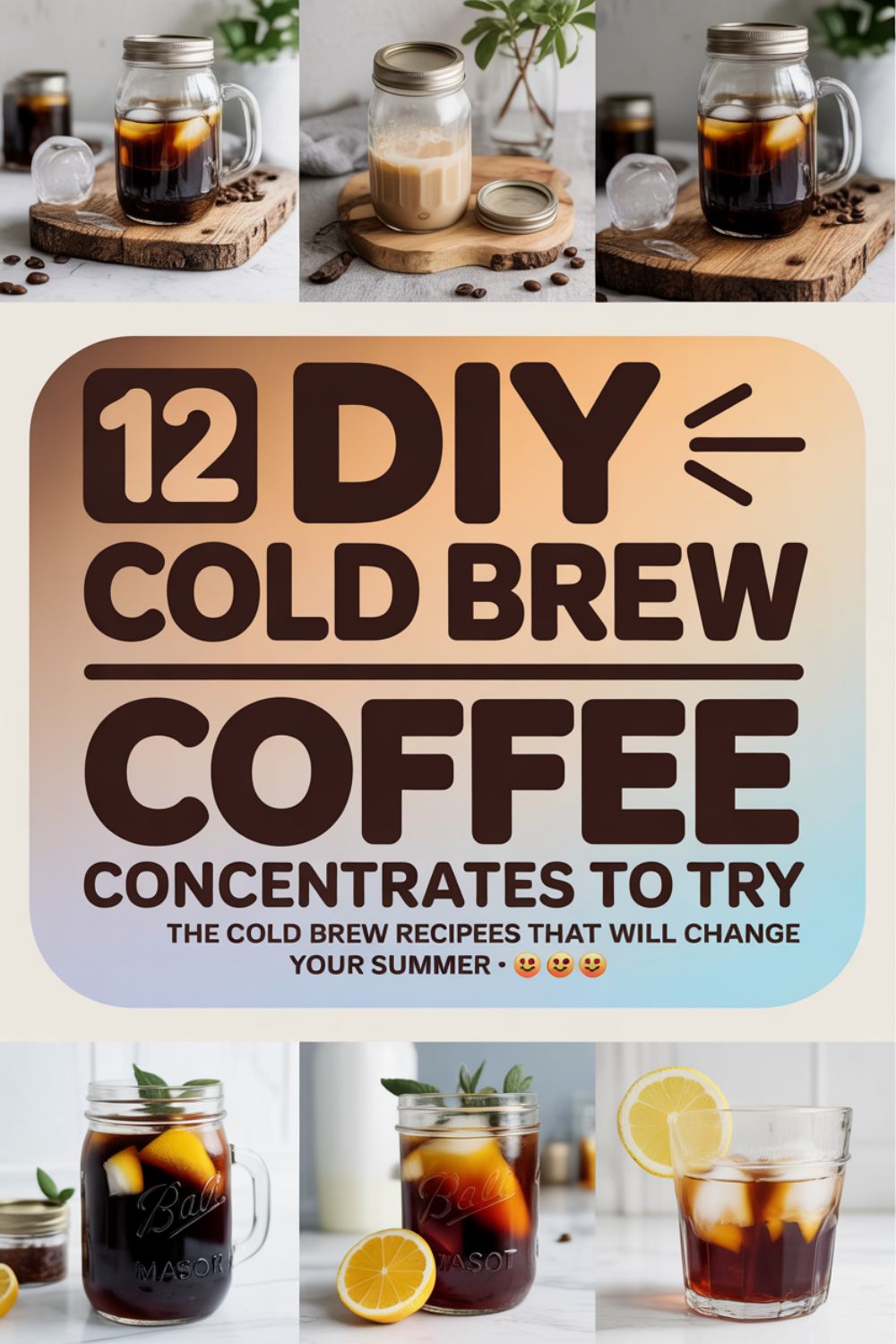
12 DIY Cold Brew Coffee Concentrates to Try
You know that feeling when you walk into a coffee shop, order a cold brew, and immediately wonder if you just accidentally paid your electric bill? Yeah, me too. Here’s the thing though—making cold brew concentrate at home isn’t just cheaper; it’s actually ridiculously simple. Like, embarrassingly simple considering how much we’ve all been shelling out for it.
I stumbled into the cold brew game a few summers back when my regular coffee routine was making me sweat before I even left the house. Cold brew changed everything. The smooth, less acidic flavor profile? Chef’s kiss. The fact that you can make a huge batch and have it ready in your fridge for a week? Even better.
What really sold me was realizing that cold brew concentrate is basically coffee’s version of meal prep. You make it once, dilute it however you want throughout the week, and suddenly you’re that person who has their life together. Or at least appears to.
Why Cold Brew Concentrate Is Worth Your Time
Before we dive into the actual recipes, let’s talk about why concentrate specifically is the move. Regular cold brew is great, but concentrate takes it to another level. You’re basically creating a coffee syrup that you can customize every single time you pour a cup.
Want it strong? Add less water. Feeling fancy? Mix it with some oat milk and call it a latte. The versatility factor alone makes it worth the minimal effort. Plus, research suggests that cold brew coffee offers similar health benefits to regular coffee, including potentially lowering the risk of heart disease and type 2 diabetes, while being gentler on your stomach due to its lower acidity.
The science behind it is actually pretty cool. When you steep coffee grounds in cold water for 12-24 hours, you’re using time instead of heat to extract all those delicious compounds. According to Harvard’s School of Public Health, this process creates a brew that’s over 60% less acidic than hot coffee, which is why so many people with sensitive stomachs can finally enjoy coffee without the heartburn.
Use a coffee-to-water ratio of 1:4 for concentrate (that’s 1 cup of grounds to 4 cups of water). When you’re ready to drink it, dilute with equal parts water, milk, or whatever you’re into. This gives you way more control than pre-diluted cold brew.
Speaking of cold brew variations for summer, there are so many ways to customize your concentrate that you’ll never get bored. That’s what these 12 recipes are all about.
The Classic Cold Brew Concentrate
Let’s start with the OG. This is your baseline, your foundation, your coffee concentrate 101. Master this and everything else is just playing around with flavors.
What You’ll Need
- Coarse ground coffee: 1 cup (stick with medium roast if you’re just starting out)
- Cold filtered water: 4 cups
- A large jar or pitcher: I use these half-gallon mason jars because they’re perfect for the job and you can see exactly what’s happening
- A fine mesh strainer or coffee filter: For the smoothest results, I double-strain mine using this ultra-fine nut milk bag
Combine your grounds and water in your jar, give it a good stir to make sure everything’s saturated, cover it, and stick it in the fridge. Wait 12-18 hours. That’s literally it. The hardest part is remembering you made it.
When it’s ready, strain out the grounds. First pass through your regular strainer, then do a second pass through a coffee filter if you want it super clean. Store in the fridge for up to two weeks, though honestly, it never lasts that long in my house.
Vanilla Bean Cold Brew Concentrate
This one’s for everyone who’s been dropping extra cash on vanilla-flavored cold brew at cafes. You’re about to save so much money it’s not even funny.
Take your classic recipe and add one whole vanilla bean, split lengthwise, to the grounds before you add water. If you don’t have vanilla beans (because who keeps those lying around?), you can use 2 teaspoons of pure vanilla extract, but add it after straining, not before. The real bean gives you those little specks that make it look professional though.
The vanilla adds this subtle sweetness that means you might not even need to add sugar. It’s smooth, slightly floral, and honestly makes you feel like you’re doing something fancy even though you’re just drinking coffee in your pajamas.
Save your used vanilla beans! Rinse them, let them dry completely, and toss them in your coffee or sugar container for ongoing vanilla flavor. Waste not, want not.
Cinnamon Spice Concentrate
Fall vibes year-round? Yes please. This concentrate is basically autumn in a jar, and I’m not mad about it.
Start with your base recipe and add 2 cinnamon sticks and a quarter teaspoon of ground cinnamon to the grounds. If you’re feeling adventurous, throw in a couple whole cloves and a tiny pinch of nutmeg. Just don’t go overboard on the spices or you’ll end up with potpourri instead of coffee.
The cinnamon doesn’t just add flavor—it actually pairs beautifully with coffee’s natural chocolatey notes. Plus, cinnamon has its own health benefits, including helping regulate blood sugar levels, which is a nice bonus when you’re drinking something caffeinated.
For those who want more creative coffee syrups to sweeten your morning, this concentrate is the perfect base. You can make a simple cinnamon syrup separately and layer the flavors.
Chocolate Hazelnut Concentrate
This is basically Nutella in coffee form, and I will not be taking questions at this time.
Add 3 tablespoons of cocoa powder and 2 tablespoons of hazelnut syrup (or a handful of crushed hazelnuts if you’re going the natural route) to your grounds before steeping. The cocoa powder gives it this rich, almost dessert-like quality that makes your morning coffee feel like a treat.
Fair warning: the cocoa powder can make straining a bit more challenging. Use cheesecloth or a reusable coffee filter for the smoothest results. It’s worth the extra step, trust me.
Coconut Cream Cold Brew
This one’s for my dairy-free friends, but honestly, everyone should try it because it’s ridiculously good.
Make your standard concentrate, but when you’re ready to drink it, dilute it with coconut milk or coconut cream instead of regular water or milk. The coconut adds this creamy, tropical sweetness that transforms the whole experience. It’s like vacation coffee, but you’re still at home dealing with your regular life.
If you want to go full tropical mode, add a splash of coconut extract to the grounds during steeping. Just a splash though—coconut extract is potent and will absolutely take over if you’re not careful.
Looking for more options? Check out these vegan coffee creamer recipes you can make at home to complement your cold brew perfectly.
Maple Bourbon Concentrate (Non-Alcoholic Version)
Before you get excited, the bourbon flavor comes from bourbon vanilla extract, not actual bourbon. Though if you want to add actual bourbon to your finished coffee, I’m not going to stop you. You’re an adult.
Add 3 tablespoons of pure maple syrup and 1 teaspoon of bourbon vanilla extract to your grounds. The maple and vanilla combination creates this warming, almost caramel-like flavor that’s perfect for cold mornings when you want something comforting.
The maple syrup also adds a touch of sweetness without being overwhelming, and it blends way better than regular sugar since it’s already liquid. Plus, it makes your kitchen smell amazing during the steeping process.
Essential Gear for Cold Brew Success
After making cold brew for years, here’s what actually makes a difference versus what’s just marketing hype. These are the tools I actually use, not just recommend:
Cold Brew Maker with Built-in Filter
Saves you the hassle of straining. Just lift out the filter basket when it’s done steeping. Worth every penny if you make cold brew weekly.
Burr Coffee Grinder
Consistent coarse grounds = better extraction. Blade grinders create uneven pieces that over-extract and make your brew bitter. This was a game-changer for me.
Glass Storage Bottles with Pour Spouts
Makes portioning your concentrate so much easier. Plus they look good in your fridge, which shouldn’t matter but somehow does.
Cold Brew Recipe Guide
Detailed recipes and ratios for every variation you can imagine. Saves you from the trial-and-error phase I went through.
Latte Recipes Without a Machine
Turn your concentrate into café-quality drinks without buying expensive equipment. These techniques actually work.
Quick Coffee Drink Guide
Perfect for those mornings when you have zero time but still want something better than instant coffee.
Mocha Mint Concentrate
This tastes like those Girl Scout cookies we all pretend we buy to support the kids but really just want for ourselves.
Add 3 tablespoons of cocoa powder, 1 teaspoon of peppermint extract, and a handful of fresh mint leaves to your coffee grounds before steeping. The combination of chocolate and mint is classic for a reason—it just works.
The fresh mint leaves add a brightness that extract alone can’t achieve. Don’t skip them if you can help it. I grow mint on my windowsill specifically for this purpose because it’s literally impossible to kill and always available. Seriously, mint grows like a weed. A delicious, coffee-enhancing weed.
When you’re ready to serve, this pairs incredibly well with a milk frother to create that foamy top layer. Makes it feel extra special even though it took basically no effort.
Caramel Macchiato Concentrate
Starbucks who? You’re about to make your own version that’s arguably better and definitely cheaper.
This one requires making a quick caramel sauce first, but it’s worth it. Heat 1/2 cup of brown sugar with 1/4 cup of water until it dissolves, let it cool, then add it to your coffee grounds along with 1 teaspoon of vanilla extract. The brown sugar creates a deeper, more complex sweetness than white sugar or regular caramel syrup.
When serving, drizzle some extra caramel on top and sprinkle a tiny bit of sea salt. The salt amplifies all the flavors and makes it taste way more sophisticated than it actually is.
If you’re into this kind of thing, you’ll love these iced coffee drinks that are better than Starbucks. No shade to Starbucks, but there’s something satisfying about making it yourself.
Almond Joy Concentrate
Chocolate, coconut, almond. The holy trinity of candy bar flavors, now in coffee form.
Add 2 tablespoons of cocoa powder, 2 tablespoons of shredded unsweetened coconut, and 1 teaspoon of almond extract to your grounds. The coconut will settle at the bottom during steeping, which is fine—it all gets strained out anyway.
This concentrate is particularly good when you dilute it with almond milk instead of regular milk or water. It reinforces the almond flavor and makes the whole drink feel more cohesive. Plus, almond milk tends to be naturally slightly sweet, so you might not need to add any additional sweetener.
For anyone concerned about nut allergies, you can skip the almond extract and just focus on the chocolate-coconut combo. Still delicious, just different.
Orange Cardamom Concentrate
This is for people who want to feel fancy without actually trying that hard. Orange and cardamom together create this Middle Eastern-inspired flavor profile that’s completely different from your standard coffee shop offerings.
Add the zest of one orange (just the zest, not the pith—that white part is bitter) and 4-5 crushed cardamom pods to your grounds. Cardamom is one of those spices that sounds intimidating but is actually super easy to work with. Just smash the pods a little with the back of a spoon to release the seeds.
The orange brings brightness and acidity that balances coffee’s natural bitterness, while the cardamom adds this warm, slightly floral note. It’s sophisticated without being pretentious, which is exactly my speed.
When you’re serving this, consider adding it to these coffee smoothies for breakfast or an energy boost. Get Full Recipe for the smoothie base and just substitute this concentrate for regular cold brew.
Save your citrus peels! After zesting for this recipe, dry out the peels and add them to your cold brew jar during steeping for an extra layer of flavor. They add subtle oils without the bitterness of fresh zest.
Honey Lavender Concentrate
Fair warning: this one is polarizing. You’ll either love it or think it tastes like drinking perfume. There’s not much middle ground. But for those of us who love it? It’s absolute magic.
Add 3 tablespoons of honey and 1 tablespoon of dried culinary lavender to your coffee grounds. Make sure you’re using culinary lavender, not the stuff from the craft store or your neighbor’s garden. There’s a difference, and you’ll definitely taste it if you use the wrong kind.
The honey and lavender create this floral, almost tea-like quality to your coffee that’s incredibly soothing. I make this concentrate specifically for Sunday mornings when I want something calming rather than energizing. The caffeine’s still there, obviously, but the flavor profile feels gentler somehow.
When serving, this pairs beautifully with oat milk or regular dairy milk. The creaminess balances the floral notes and makes the whole thing feel more rounded out.
Pumpkin Spice Concentrate (Because Obviously)
Look, I know pumpkin spice is everywhere and maybe we’re all tired of it, but there’s a reason it became a thing. It’s delicious. Fight me.
Add 3 tablespoons of pumpkin puree, 1 teaspoon of pumpkin pie spice, 2 tablespoons of maple syrup, and a tiny pinch of salt to your grounds. The pumpkin puree makes straining a little more involved, but the flavor is so worth it. Use a nut milk bag for the final strain and squeeze it really well to get all the good stuff out.
Unlike the pumpkin drinks you get at coffee shops, this actually tastes like pumpkin, not just vague autumn spices. The real pumpkin puree adds body and a subtle earthiness that makes the whole thing feel more substantial.
Serve it with whipped cream (or coconut whipped cream if you’re dairy-free) and a sprinkle of cinnamon on top. Yes, it’s basic. Yes, it’s still good. These two things can coexist.
If you’re all about seasonal flavors, these coffee recipes for a cozy fall morning will give you even more options to work with.
Salted Caramel Concentrate
This is the last recipe because I wanted to end on a high note. Salted caramel is objectively one of the best flavor combinations ever created, and putting it in cold brew concentrate was a stroke of genius. Not mine, obviously, but whoever thought of it first.
Make the same caramel sauce from the Caramel Macchiato recipe, but this time add 1/2 teaspoon of sea salt to the mixture. The salt is crucial here—it’s what separates this from being just sweet to being complex and interesting.
Add the salted caramel sauce to your coffee grounds along with 1 teaspoon of vanilla extract. After steeping and straining, you’ll have this incredible concentrate that’s sweet, salty, and just slightly bitter from the coffee. It’s balanced in a way that makes you wonder why all coffee isn’t like this.
When serving, I like to dilute it with cold foam made from whole milk or oat milk. The foam adds this luxurious texture that makes it feel like you’re drinking something from a high-end café, not your kitchen at 6 AM in your bathrobe.
Speaking of making café-quality drinks at home, if you’re looking for more ways to use your concentrates, check out these healthy coffee recipes with nut milks and natural sweeteners. They’re perfect for turning your concentrate into actual meals or substantial snacks.
Making Cold Brew Work for Your Lifestyle
Here’s the thing about cold brew concentrate that nobody tells you until you’ve been making it for a while: it’s not just about the coffee. It’s about building a system that works for your actual life, not some idealized version of yourself who has unlimited time and energy.
I make a big batch every Sunday night. Takes me maybe 5 minutes of actual work—the rest is just waiting. Then throughout the week, I have ready-to-go coffee that I can customize based on how I’m feeling. Some mornings I want it strong and simple. Other days I’m adding flavored coffee ice cubes and making it into a whole thing.
The flexibility is what makes it sustainable. You’re not committed to drinking the same thing every day just because that’s what you made. You’ve got a blank canvas sitting in your fridge, and that’s powerful.
Also, let’s be real: there’s something deeply satisfying about making your own coffee supplies instead of being dependent on coffee shops. Not that there’s anything wrong with coffee shops—I still go plenty—but having this option at home means I’m choosing to go out for coffee because I want to, not because I need to. That shift in mindset matters.
Customization Tips That Actually Matter
After making hundreds of batches of cold brew concentrate, here’s what I’ve learned about customizing recipes:
- Start subtle: You can always add more flavor to your cup when you’re serving it. You can’t take it out once it’s in the concentrate. Begin with smaller amounts of add-ins and work your way up.
- Quality matters for extracts: Cheap vanilla or almond extract tastes exactly like cheap vanilla or almond extract. Spring for the good stuff if you’re using extracts. The difference is noticeable.
- Fresh > Dried for some things: Fresh mint, basil, and citrus zest give you brighter, more vibrant flavors than dried versions. But dried spices like cinnamon and cardamom are fine—sometimes even better.
- Sweeteners behave differently: Liquid sweeteners (maple syrup, honey, agave) incorporate way better in cold brew than granulated sugar, which doesn’t dissolve well in cold liquid. If you’re using sugar, make a simple syrup first.
For more ideas on how to sweeten things up, these quick coffee drinks with 3 ingredients or less prove you don’t need complicated recipes to make something delicious.
The Science Behind Why This Works
I’m not a scientist, but the basic chemistry of cold brew is actually pretty interesting. When you use hot water to brew coffee, you’re extracting compounds quickly and aggressively. This gets you lots of flavor fast, but it also pulls out more of the bitter, acidic compounds that can make coffee harsh.
Cold brewing is the exact opposite approach. The extraction process happens slowly over many hours, pulling out the sweeter, more nuanced flavors while leaving behind a lot of the compounds that cause bitterness and acidity. According to research on coffee chemistry, this method results in a brew that’s significantly smoother and easier on your digestive system.
The longer steeping time also means you’re getting more caffeine per ounce in your concentrate compared to regular hot coffee. That’s why dilution is so important—if you drink cold brew concentrate straight, you’re basically mainlining caffeine. Not recommended unless you’re trying to achieve time travel.
Temperature plays a huge role too. Cold water extracts compounds differently than hot water, which is why cold brew tastes fundamentally different from iced coffee (which is just hot coffee poured over ice). They’re not interchangeable, and anyone who tells you they are is lying to you.
Common Mistakes and How to Avoid Them
Everyone messes up their first few batches of cold brew. It’s basically a rite of passage. Here’s what usually goes wrong and how to prevent it:
Using the wrong grind size: This is the biggest one. If your grounds are too fine, you’ll end up with muddy, over-extracted coffee that’s impossible to strain properly. Use a coarse grind, similar to what you’d use for French press. If you’re buying pre-ground coffee (no judgment), look for French press grind or ask your local coffee shop to grind it coarse for you.
Not steeping long enough: I get it, you’re impatient. But 4-6 hours isn’t enough. You need at minimum 12 hours, and 18-24 is better. Set it up before bed and deal with it in the morning, or start it in the morning and strain it before dinner. Make it part of your routine.
Forgetting to dilute: This sounds dumb, but I’ve done it. You make your concentrate, pour a full glass, drink it, and then wonder why your heart is trying to escape your chest. Concentrate is meant to be diluted. Usually 1:1 with water or milk, but adjust based on your preferences.
Using tap water that tastes like tap water: If your tap water has a strong chlorine taste or mineral flavor, that’s going to come through in your coffee. Use filtered water if possible. It makes more of a difference than you’d think.
Label your jars with the date and flavor before you put them in the fridge. Future you will thank present you when you’re half-asleep trying to remember if this is the vanilla batch or the cinnamon one.
Storage and Shelf Life
Cold brew concentrate lasts about two weeks in the fridge if you store it properly. Properly means in an airtight container, preferably glass, away from strong-smelling foods. Coffee absorbs odors like nobody’s business, and you really don’t want your coffee tasting like last night’s leftover curry.
I use these swing-top glass bottles because they seal well and look nice, but regular mason jars with tight lids work just fine too. The key is minimizing air exposure to prevent oxidation, which makes coffee taste stale.
You can also freeze cold brew concentrate in ice cube trays, which is actually genius for portion control. Pop out a few cubes, add hot water or milk, and you’ve got instant iced coffee whenever you want it. The concentrate cubes last for months in the freezer without losing flavor.
Want to pair your cold brew with actual food? These coffee pairings with breakfast foods will give you ideas for making your morning routine feel more complete.
Beyond the Basic Cup
Once you’ve got your concentrate situation sorted, you can start using it for things that aren’t just drinking it straight. Cold brew concentrate is incredibly versatile.
I use it in smoothies as a base liquid. Gives you caffeine plus whatever other nutrition you’re packing in there. Works especially well with chocolate or vanilla protein powder—basically makes your smoothie taste like a milkshake but with benefits.
It’s also fantastic in baking. Swap it for some of the liquid in brownie batter, add it to chocolate cake recipes, or use it in tiramisu. The concentrated coffee flavor really comes through and intensifies the chocolate in ways that regular brewed coffee can’t match.
You can make coffee cocktails with it too. Espresso martinis are the obvious choice, but cold brew concentrate works in pretty much any coffee-based cocktail. Just be aware that you’re combining two things that will keep you awake, so maybe not a bedtime drink unless you’re planning an all-nighter.
For more creative applications, check out these delicious coffee cocktails to impress your friends. Fair warning: they will absolutely ask you for the recipes.
Making It Work Year-Round
People assume cold brew is just a summer thing, but that’s limiting yourself unnecessarily. I make it all year because the concentrate is so versatile.
In winter, dilute it with hot water or steamed milk instead of cold. You get the smooth, low-acid benefits of cold brew with the warmth you want on a freezing morning. It’s different from regular hot coffee—smoother, less sharp—but in a good way.
The concentrate also works great in all those cozy winter coffee drinks. Add it to hot chocolate for a mocha. Mix it with steamed milk and cinnamon for a simple latte. Use it as a base for these coffee drinks to warm your winter mornings. The possibilities are basically endless.
Plus, making concentrate year-round means you’re never out of practice. You develop a feel for what you like, how strong you prefer it, which flavors work best for different times of year. It becomes second nature instead of something you have to relearn every summer.
Cost Breakdown: Is It Actually Worth It?
Let’s talk money for a second. A cold brew from a coffee shop runs anywhere from $4 to $6, depending on where you live and how fancy the place is. If you’re buying one every day, that’s $120-$180 a month. That’s not nothing.
Making it at home? A pound of decent coffee costs around $12-$15 and makes about 8-10 batches of concentrate, depending on your ratio. Each batch gives you roughly 6-8 servings. So you’re looking at maybe $0.25-$0.50 per serving. Even if you add expensive flavorings and high-quality milk, you’re still probably under $1.50 per drink.
The savings are real. Like, actually meaningful over the course of a year. Plus you’re getting exactly what you want every time, not whatever the barista decided “extra vanilla” means today.
The initial investment in equipment is minimal too. You probably already have mason jars. A coffee grinder is the only thing you might need to buy, and even then, you can ask your local coffee shop to grind beans for you. Most places will do it for free.
Related Recipes You’ll Love
Frequently Asked Questions
How long can I store cold brew concentrate in the fridge?
Cold brew concentrate stays fresh for about two weeks when stored in an airtight container in the refrigerator. After that, it starts losing flavor and can develop off tastes. If it smells weird or tastes flat, toss it and make a fresh batch. Trust your senses on this one.
Can I use regular ground coffee instead of coarse ground?
Technically yes, but you really shouldn’t. Fine or medium grinds will over-extract and make your coffee bitter and muddy. They’re also much harder to strain effectively, leaving you with gritty coffee. Coarse grounds are essential for good cold brew. If you’re buying pre-ground, specifically ask for French press grind or grind it coarse yourself.
What’s the ideal coffee-to-water ratio for concentrate?
For concentrate, use 1:4 (one part coffee to four parts water). This creates a strong concentrate that you’ll dilute before drinking. For ready-to-drink cold brew, use 1:8. The concentrate method gives you more flexibility and takes up less fridge space, which is why I recommend it.
Do I need special equipment to make cold brew?
Nope. You can absolutely make cold brew with just a jar, coffee, water, and something to strain with. Fancy cold brew makers are convenient but not necessary. I made cold brew for years with just mason jars and a fine mesh strainer. Equipment makes it easier, but it’s not required to get good results.
Why does my cold brew taste weak or watery?
Usually this means you didn’t steep it long enough, used too much water for the amount of coffee, or over-diluted it when serving. Make sure you’re steeping for at least 12 hours, using the right ratio (1:4 for concentrate), and diluting appropriately when you drink it. Also check that your grind isn’t too coarse—if the pieces are huge, they won’t extract properly.
Final Thoughts
Making your own cold brew concentrate isn’t revolutionary. It’s not going to change your life or solve all your problems. But it will save you money, give you better coffee than most shops, and provide you with this weirdly satisfying feeling of self-sufficiency.
The best part? Once you nail down your basic technique, everything else is just playing around. Try different beans, experiment with flavors, mess up a batch or two. It’s coffee, not brain surgery. The stakes are incredibly low, and even your failures are still drinkable.
These 12 recipes are just starting points. Take what works, skip what doesn’t, and make them your own. Add more cinnamon, skip the vanilla, try that weird flavor combination you’ve been thinking about. The beauty of making it yourself is that you’re in complete control.
And honestly? There’s something really nice about waking up knowing you’ve got good coffee waiting in the fridge. It’s one less decision to make, one less thing to stress about, one small part of your day that’s already handled. In a world where everything feels complicated and overwhelming, that’s worth a lot.
So grab some coffee, a jar, and give it a shot. Worst case scenario, you’re out a cup of coffee grounds and 12 hours of waiting. Best case? You’ve just unlocked a new skill that’ll serve you well for years to come. Those odds seem pretty good to me.