14 Day Anti-Inflammatory Meal Plan for Autoimmune Conditions
14 Day Anti-Inflammatory Meal Plan for Autoimmune Conditions
If your immune system has basically decided to wage war on your own body — welcome to the club nobody asked to join. Living with an autoimmune condition is exhausting, confusing, and honestly a little unfair. But here’s something that actually helps: what you eat matters more than most people realize.
I’m not talking about some miracle cure (spoiler: there isn’t one). I’m talking about a real, practical 14 day anti-inflammatory meal plan that can reduce flare-ups, ease joint pain, improve gut health, and help you feel like a functioning human being again. Sound good? Let’s get into it.
Why Food Matters So Much for Autoimmune Conditions
Ever wondered why two people with the same diagnosis feel completely different day to day? A huge chunk of that answer lives in the gut. About 70% of your immune system lives in your digestive tract, so what you feed it matters enormously.
Chronic inflammation is the common thread running through most autoimmune conditions — whether that’s rheumatoid arthritis, lupus, Hashimoto’s, Crohn’s, or psoriasis. Certain foods pour fuel on that fire. Others genuinely calm it down. The goal of this plan is to load your plate with the calming ones and quietly sideline the troublemakers.
IMO, this is one of the most empowering things you can do when so much of autoimmune life feels completely out of your control.
Foods to Embrace (and Foods to Ditch)
Before we map out the actual meal plan, let’s get clear on the ground rules.
Anti-Inflammatory Foods to Prioritize
- Fatty fish (salmon, sardines, mackerel) — loaded with omega-3s that directly reduce inflammatory markers
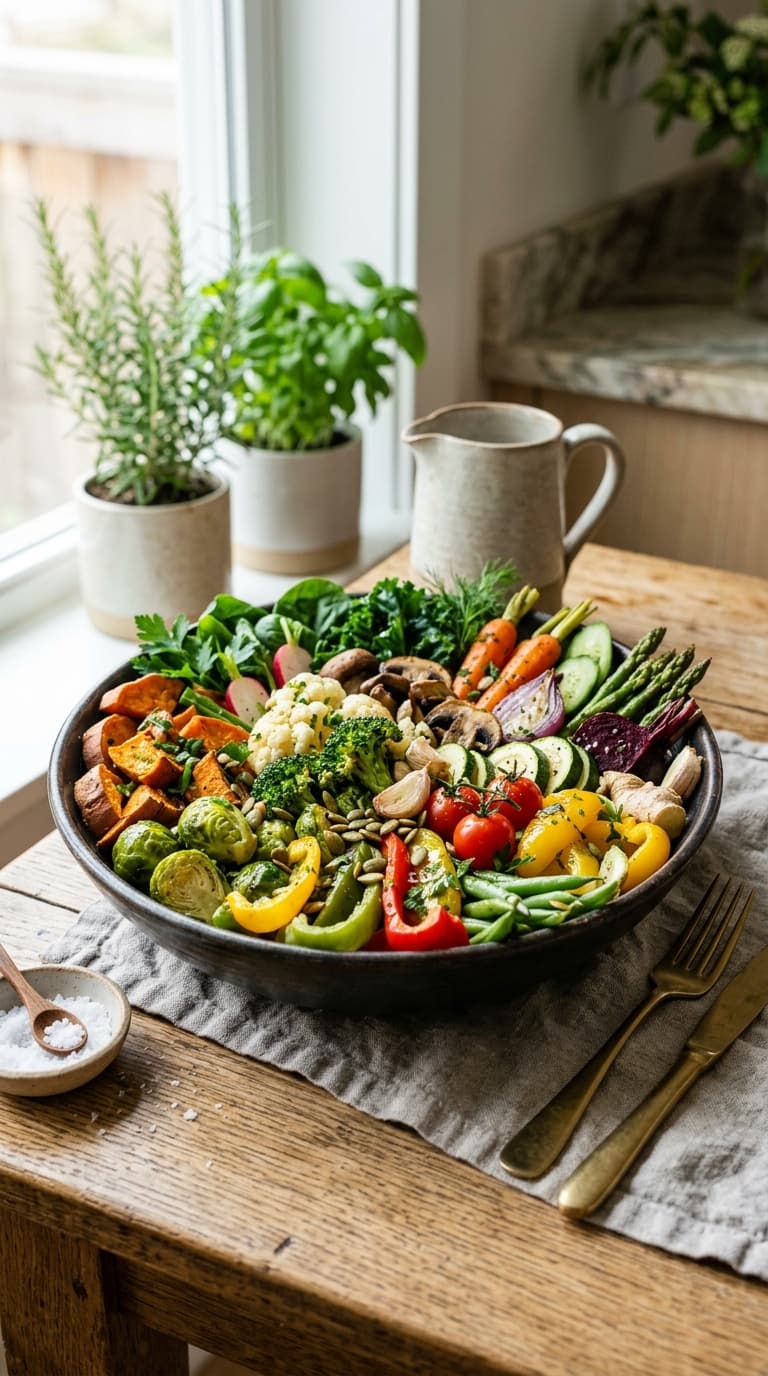
- Leafy greens (spinach, kale, arugula) — rich in antioxidants and magnesium
- Berries (blueberries, strawberries, cherries) — packed with flavonoids that fight oxidative stress
- Turmeric and ginger — these two spices are basically nature’s anti-inflammatory dream team
- Olive oil — specifically extra virgin; it contains oleocanthal, which works similarly to ibuprofen
- Sweet potatoes and squash — gentle on digestion, high in beta-carotene
- Nuts and seeds (walnuts, flaxseed, chia) — great sources of healthy fats and plant-based omega-3s
- Bone broth — supports gut lining repair, which is critical for autoimmune health
- Fermented foods (sauerkraut, kimchi, kefir) — promote a healthier gut microbiome
Foods to Avoid During This 14 Days
- Gluten (wheat, barley, rye) — a major trigger for many autoimmune conditions
- Refined sugar — feeds inflammation almost immediately
- Processed vegetable oils (canola, soybean) — high in pro-inflammatory omega-6s
- Dairy (for many people) — can trigger immune responses, especially if your gut is already compromised
- Alcohol — stresses the liver and disrupts gut bacteria
- Nightshades (tomatoes, peppers, eggplant) — controversial, but worth eliminating during this trial period
- Processed and packaged foods — basically everything with an ingredient list longer than your arm
The 14 Day Anti-Inflammatory Meal Plan
Here we go. This plan focuses on simplicity, flavor, and real ingredients. You don’t need a culinary degree — just a willingness to cook a little more intentionally.
Week One: Building the Foundation
Day 1
Breakfast: Turmeric golden smoothie — blend coconut milk, banana, frozen mango, a teaspoon of turmeric, a pinch of black pepper, and fresh ginger.
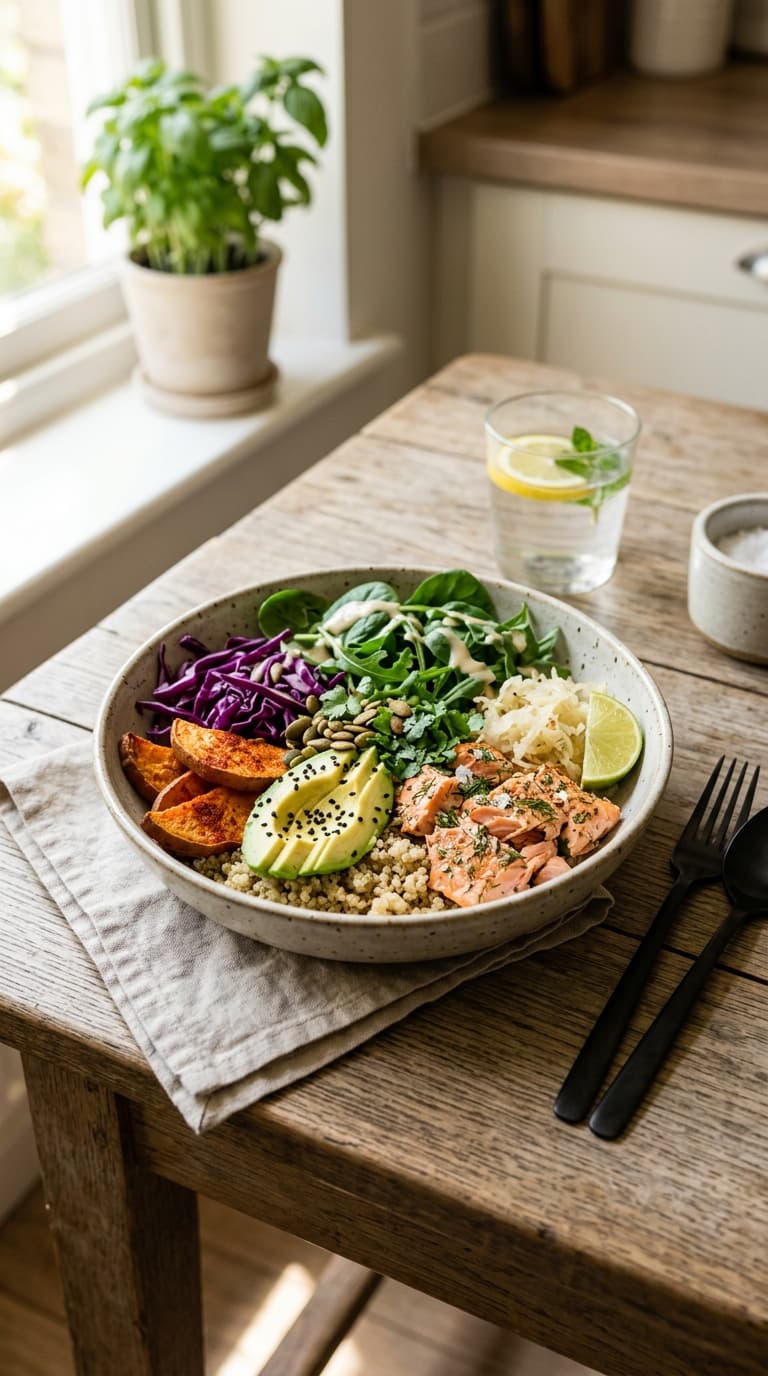
Lunch: Large salad with wild salmon, avocado, cucumber, arugula, and a lemon-olive oil dressing.
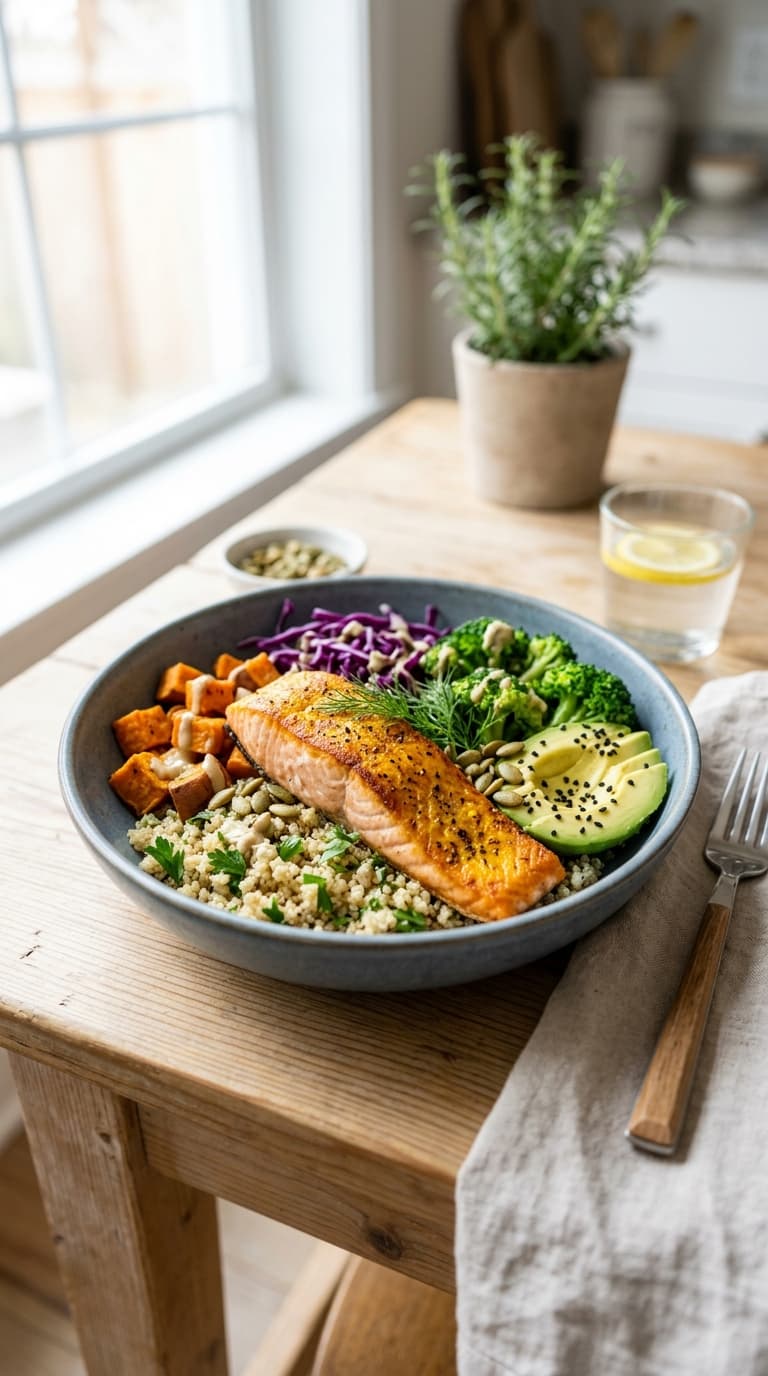
Dinner: Baked salmon with roasted sweet potato and steamed broccoli drizzled with olive oil and garlic.
Snack: Handful of walnuts and a cup of blueberries.
Pair your day with a calming herbal tea — something like chamomile or ginger. If you want ideas, these anti-inflammatory tea blends for better health are genuinely worth exploring.
Day 2
Breakfast: Overnight chia pudding made with unsweetened almond milk, topped with mixed berries and a drizzle of raw honey.
Lunch: Bone broth soup with shredded chicken, zucchini noodles, spinach, and fresh herbs.
Dinner: Grass-fed beef stir-fry with bok choy, carrots, and coconut aminos over cauliflower rice.
Snack: Apple slices with almond butter.
Day 3
Breakfast: Two eggs scrambled in coconut oil with sautéed spinach and avocado.
Lunch: Lentil soup with turmeric, cumin, and kale — hearty and incredibly anti-inflammatory.
Dinner: Herb-crusted cod with roasted asparagus and mashed cauliflower with ghee.
Snack: Celery sticks with sunflower seed butter.
Day 4
Breakfast: Warm quinoa porridge with coconut milk, cinnamon, sliced banana, and chia seeds.
Lunch: Arugula salad with roasted beets, pumpkin seeds, avocado, and apple cider vinegar dressing.
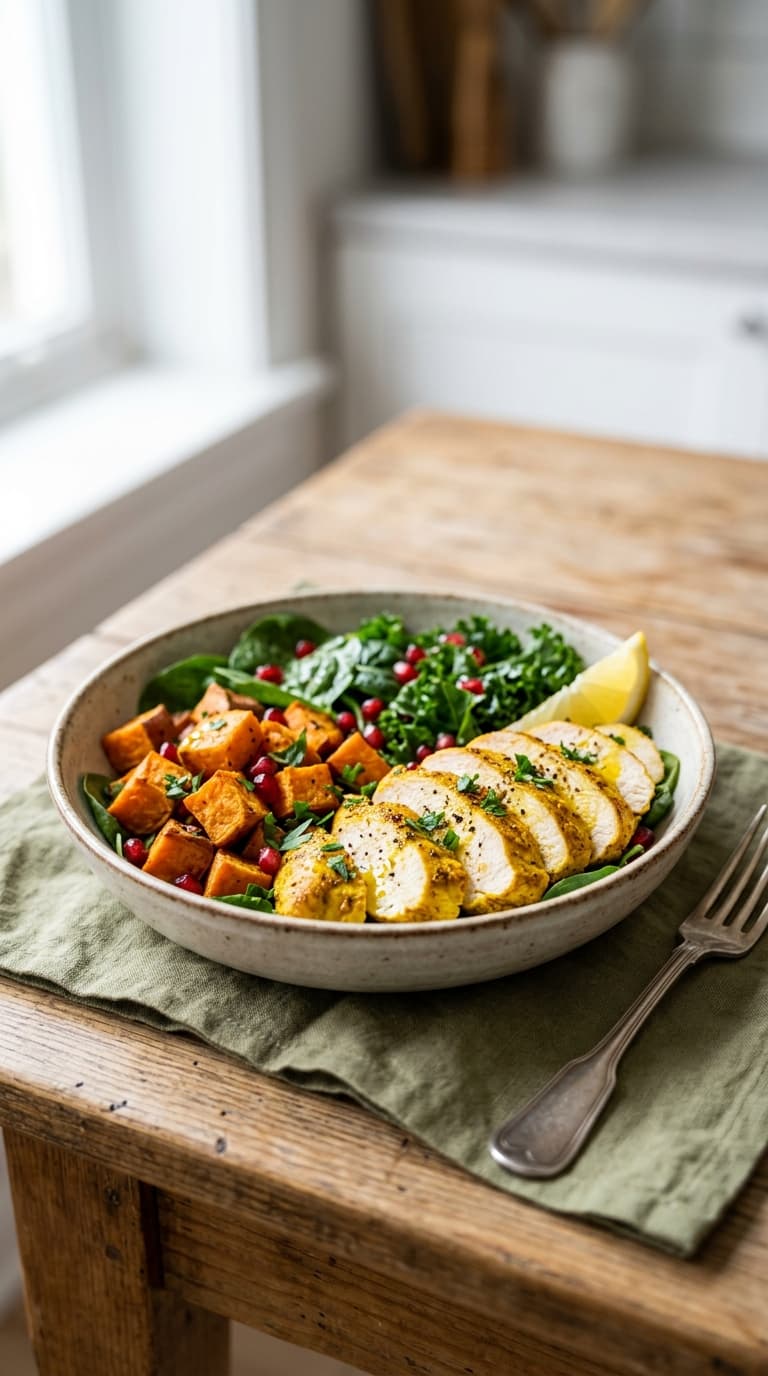
Dinner: Slow-cooked chicken thighs with turmeric, garlic, ginger, and sweet potato chunks.
Snack: A small bowl of mixed olives.
Day 5
Breakfast: Smoothie with spinach, frozen cherries, flaxseed, unsweetened coconut milk, and a thumb of ginger.
Lunch: Lettuce wraps filled with ground turkey, shredded carrots, cucumber, and coconut aminos.
Dinner: Baked mackerel with steamed green beans and a side of sauerkraut.
Snack: Handful of almonds and a cup of herbal tea.
These herbal teas for better digestion are especially helpful on days when your gut feels a little unsettled — worth keeping a few varieties on hand.
Day 6
Breakfast: Grain-free banana pancakes (two eggs, one banana, mashed together) cooked in coconut oil, topped with fresh berries.
Lunch: Leftover slow-cooked chicken with a big green salad and olive oil dressing.
Dinner: Shrimp and vegetable curry with turmeric, coconut milk, cauliflower, and spinach over steamed rice.
Snack: Kiwi fruit and a handful of pumpkin seeds.
Day 7
Breakfast: Overnight oats (use certified gluten-free oats) with almond milk, blueberries, and flaxseed.
Lunch: Bone broth with roasted root vegetables and fresh thyme.
Dinner: Grilled salmon with mango salsa (fresh mango, lime juice, cilantro, red onion) and steamed bok choy.
Snack: A square or two of 70%+ dark chocolate — yes, this counts as an anti-inflammatory snack. You’re welcome 🙂
Week Two: Deepening the Habit
By now you should start noticing something — maybe a little less bloating, slightly better energy, or joints that aren’t screaming at you quite as loudly. Week two builds on that momentum.
Day 8
Breakfast: Turmeric scrambled eggs with sautéed kale, served alongside half an avocado.
Lunch: Warm roasted vegetable bowl with chickpeas, tahini dressing, and a squeeze of lemon.
Dinner: Herb-roasted whole chicken thighs with roasted carrots, parsnips, and garlic.
Snack: Sliced cucumber with guacamole.
Day 9
Breakfast: Berry smoothie with frozen mixed berries, coconut yogurt, chia seeds, and unsweetened almond milk.
Lunch: Sardines on cucumber rounds with lemon juice, capers, and fresh dill. (I know — try it before you judge.)
Dinner: Ground turkey and vegetable stuffed zucchini boats baked with olive oil and herbs.
Snack: Walnuts and a few Medjool dates.
Day 10
Breakfast: Sweet potato hash with two fried eggs, cooked in avocado oil with onion and herbs.
Lunch: Massaged kale salad with roasted chickpeas, avocado, and lemon-tahini dressing.
Dinner: Slow-cooked beef bone broth soup with root vegetables, parsley, and sea salt.
Snack: Rice cakes with almond butter and sliced banana.
Day 11
Breakfast: Coconut milk chia pudding with passion fruit, shredded coconut, and a sprinkle of cinnamon.
Lunch: Lettuce-wrapped turkey burger patties with avocado, onion, and mustard.
Dinner: Baked cod in a ginger-coconut sauce with steamed broccoli and cauliflower rice.
Snack: A cup of warm detox tea and a handful of raw almonds.
Day 12
Breakfast: Warm golden milk oatmeal with turmeric, cinnamon, coconut milk, and honey.
Lunch: Roasted beet and walnut salad with mixed greens, goat cheese (if tolerated), and balsamic glaze.
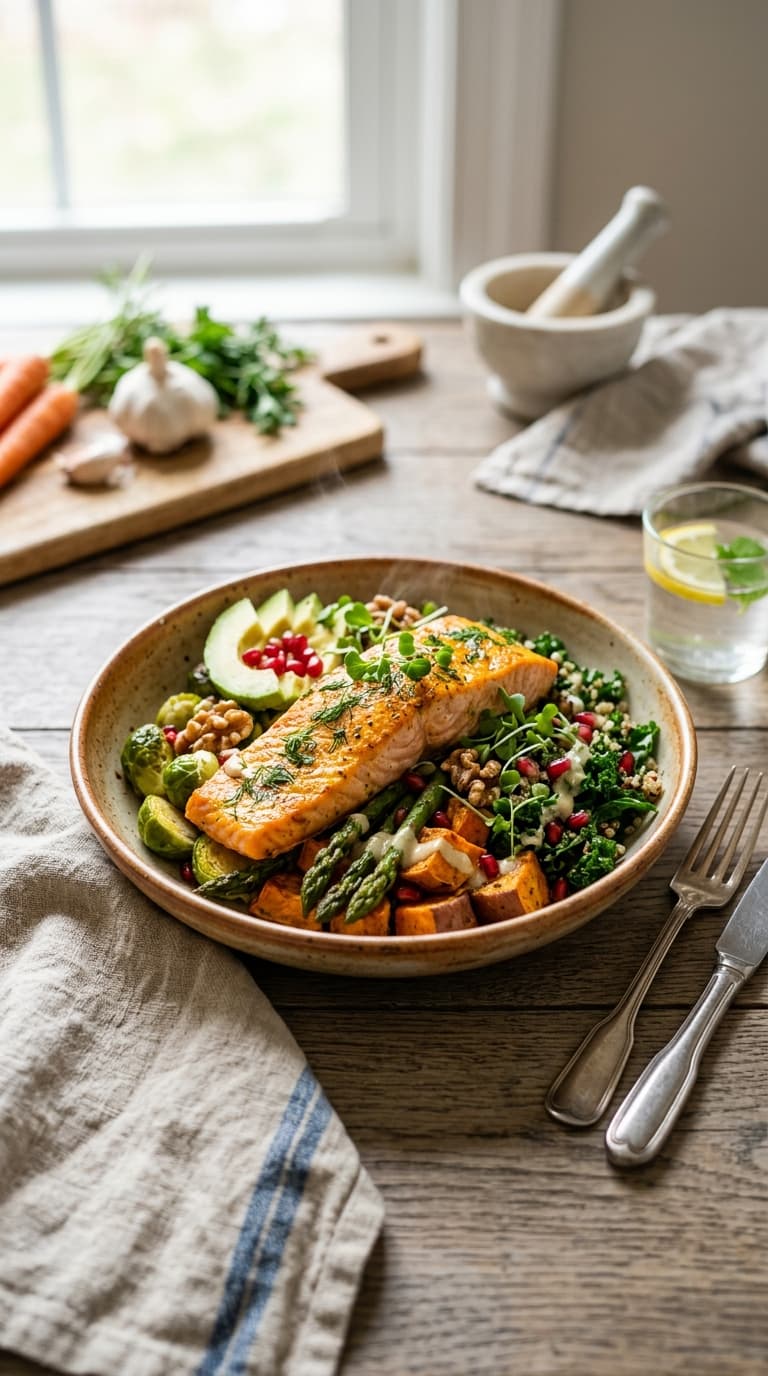
Dinner: Pan-seared salmon with a herb crust, served with roasted Brussels sprouts and mashed sweet potato.
Snack: Blueberries and a tablespoon of sunflower seed butter.
Day 13
Breakfast: Two-egg veggie omelette with spinach, mushrooms, and fresh herbs cooked in olive oil.
Lunch: Warming lentil and vegetable stew with turmeric, cumin, and a squeeze of lime.
Dinner: Grilled chicken thighs marinated in ginger, garlic, olive oil, and lemon — served with roasted zucchini and sweet potato.
Snack: A small bowl of kimchi alongside cucumber slices. FYI, fermented foods are seriously underrated for autoimmune support.
Day 14
Breakfast: Big smoothie bowl — blend frozen mango, spinach, coconut milk, and ginger. Top with chia seeds, blueberries, and a drizzle of honey.
Lunch: Warm quinoa and roasted vegetable bowl with lemon-herb tahini dressing.
Dinner: Celebratory baked salmon with roasted asparagus, sautéed spinach with garlic, and a side of sauerkraut. You made it. Treat yourself properly.
Snack: Dark chocolate and a cup of chamomile tea. End on a high note.
Tips to Make This Plan Actually Work
Here’s the part most meal plan articles skip — the practical stuff that keeps you from giving up by day four.
- Batch cook on Sundays. Roast a big tray of vegetables, cook a pot of lentils or quinoa, and poach a few chicken breasts. Half your week’s lunches are done.
- Keep your freezer stocked with wild-caught fish and frozen berries. These are your emergency anti-inflammatory meals.
- Invest in good olive oil. It genuinely makes a difference both in flavor and anti-inflammatory effect.
- Drink water consistently. Sounds boring. Matters enormously for inflammation and kidney function.
- Track how you feel, not just what you eat. Keep a simple journal noting energy, pain levels, digestion, and sleep quality. The patterns will surprise you.
- Don’t aim for perfection. If you eat something off-plan, you haven’t failed. Just get back to it the next meal.
The Role of Anti-Inflammatory Drinks
Food gets most of the attention, but what you drink plays a huge supporting role. Herbal teas are especially powerful here. Ginger, turmeric, licorice root, and nettle all have documented anti-inflammatory properties.
If you want to level up your tea game during these 14 days, exploring immune-boosting tea recipes can help you find options that actually taste good and support your body at the same time.
Bone broth sipped between meals is another underrated option — it supports gut lining integrity, which is essential for anyone dealing with autoimmune issues.
What to Expect After 14 Days
Let’s be honest — this isn’t a magic reset button. Some people feel dramatically better by day 10. Others notice subtle improvements that build over weeks. What you’re doing here is reducing the inflammatory load on your body consistently, and that takes time to show up fully.
Most people report:
- Less bloating and digestive discomfort within the first week
- Reduced joint stiffness by days 7–10
- More stable energy throughout the day
- Clearer skin in some cases
- Improved sleep quality
The key is continuing beyond 14 days — this works best as a lifestyle shift, not a short detox. After this initial plan, reintroduce foods one at a time to identify your personal triggers.
A Final Thought
Living with an autoimmune condition already asks a lot of you. But this is one area where you genuinely hold some power — and that’s worth something. You don’t have to overhaul everything overnight. Start with week one. Cook a few of these meals. Notice how your body responds.
Your plate can’t fix everything, but it can do a whole lot more than most people expect. Fourteen days from now, you might just be surprised at what a difference real, intentional eating makes. Give it a real shot — your body has been working hard enough. Time to work with it instead of against it. :/