20 Coffee Latte Recipes You Can Make Without a Machine
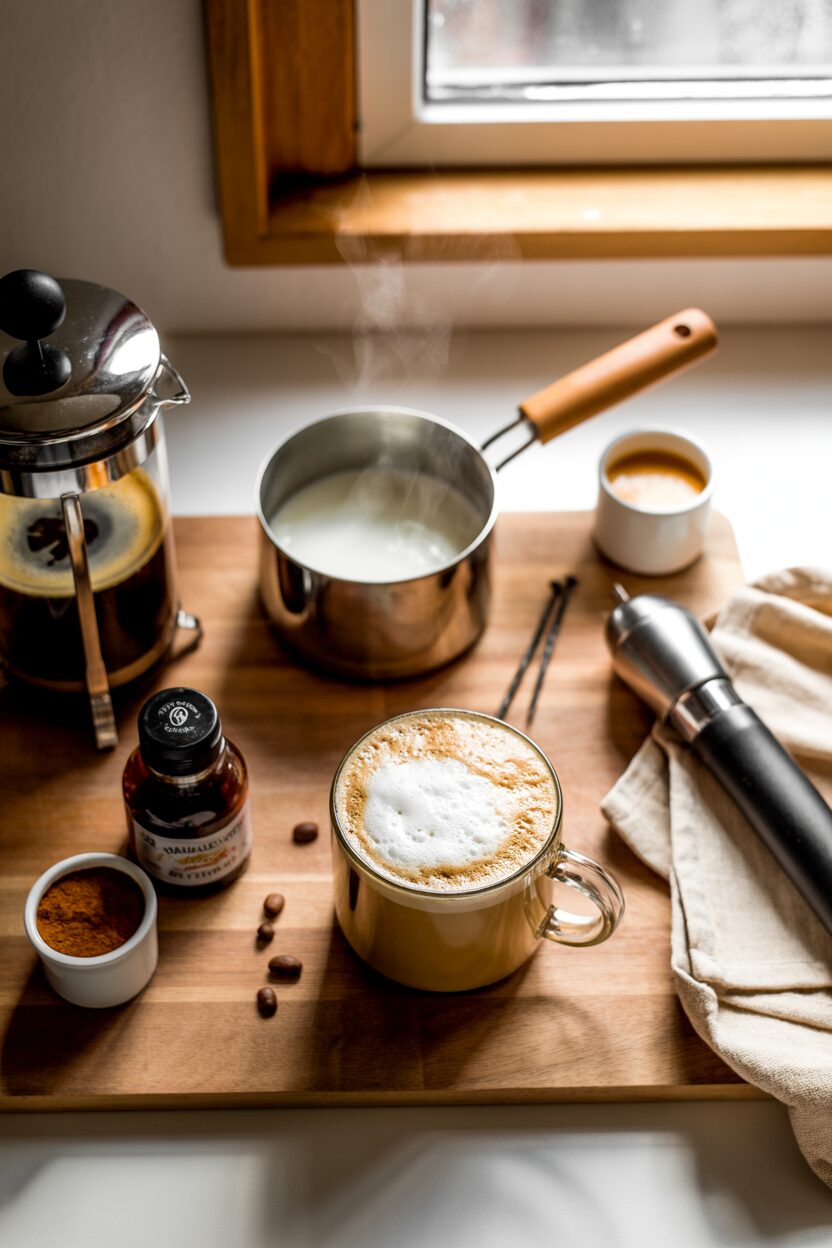
Here’s something nobody tells you when you’re drooling over fancy coffee drinks: you don’t need a $500 espresso machine to make legitimate lattes at home. I spent years thinking I couldn’t make proper coffee drinks without commercial equipment, which is exactly what coffee companies want you to believe. Turns out, some of the best lattes I’ve ever made came from a basic French press, a small saucepan, and a fifteen-dollar hand frother.
The secret isn’t expensive machinery—it’s understanding what makes a latte actually work. Strong coffee plus steamed milk plus a little foam on top. That’s it. You can achieve all three elements with basic kitchen tools you probably already own. Sure, it takes slightly more effort than pressing a button, but we’re talking an extra two minutes of your time for drinks that rival anything from a coffee shop.
These 20 recipes prove that great lattes are about technique and creativity, not equipment cost. Whether you’re working with instant coffee, a French press, or a Moka pot, you can make drinks that’ll make your friends ask where you learned to be a barista. Spoiler: you’re about to teach yourself.
Understanding Latte Basics Without Fancy Equipment
Let’s break down what actually makes a latte before we start throwing recipes at you. A traditional latte is one part espresso to three parts steamed milk with a thin layer of milk foam on top. The milk should be hot, smooth, and slightly sweet from the heating process—not burnt, not thin, not bubbly like a cappuccino.
You don’t need an espresso machine to make strong coffee. A Moka pot produces concentrated coffee that’s nearly espresso-strength. A French press with less water creates bold, rich coffee that works perfectly in lattes. Even instant espresso powder dissolved in hot water can produce acceptable results in a pinch.
Steaming milk without a steam wand is easier than you’d think. Heat milk gently in a small saucepan until it reaches 150-160°F—hot enough to be steamy but not so hot it scalds. A kitchen thermometer eliminates guesswork here. Then froth it with a handheld frother, a French press, or even a mason jar with a tight lid. Each method works; they just create slightly different textures.
According to research on coffee and milk combinations from Healthline, heating milk properly preserves its natural sweetness and nutritional value while creating the smooth texture essential for lattes. The key is patience—rushing either the coffee brewing or milk heating creates subpar results.
Essential Tools You Actually Need
Before we get into recipes, let’s talk about the minimal equipment that’ll set you up for success. None of this is expensive, and most items serve multiple purposes beyond just making lattes.
For Making Strong Coffee
Pick one based on what you already own or what fits your budget. A Moka pot costs around twenty-five dollars and makes coffee closest to espresso—it’s my personal favorite for machine-free lattes. French presses are even cheaper and work great if you use coarse grounds and brew with less water than normal.
An AeroPress falls somewhere between the two—it makes concentrated, smooth coffee with minimal fuss and cleanup takes thirty seconds. I’ve traveled with mine and made excellent lattes in hotel rooms using just an electric kettle.
For Heating and Frothing Milk
Any small saucepan works for heating milk—you probably already have one. The handheld battery-powered frothers cost ten to fifteen dollars and last for years. I’ve had the same basic milk frother for almost four years now, using it daily, and it still works perfectly.
If you don’t want to buy a frother, a French press creates excellent foam. Pour heated milk into the press and pump the plunger rapidly for thirty seconds. The foam won’t be quite as fine as an electric frother creates, but it’s totally serviceable and costs nothing if you already own a French press.
Mason jars with tight lids work too—heat your milk, pour it into the jar filling it halfway, seal it, and shake vigorously for a minute. The foam is bubbly rather than microfoam, but some drinks actually benefit from that texture.
Nice But Not Essential
A kitchen thermometer helps nail the ideal milk temperature consistently. Too hot and you get scalded, burnt-tasting milk; too cool and it won’t integrate properly with coffee. A simple digital thermometer removes all guesswork.
Keep some glass mugs around if you want your lattes to look impressive. Seeing the layers of coffee and milk is half the appeal of making fancy drinks at home. Plus they’re useful for tea, hot chocolate, and basically any hot beverage situation.
Classic Latte Recipes
These are the foundations—master these basics and everything else becomes variations on a theme. They’re simple, reliable, and exactly what you need when you just want a good latte without fuss.
1. Traditional Latte
Brew strong coffee using your preferred method—aim for about two ounces of concentrated coffee. Heat eight ounces of whole milk to 150°F, then froth it until you get smooth microfoam. Pour the milk over your coffee, holding back the foam with a spoon, then spoon foam on top. The ratio of coffee to milk creates that signature latte taste—strong enough to taste coffee, mellow enough to drink comfortably. Get Full Recipe.
2. Vanilla Latte
Add half an ounce of vanilla syrup to your coffee before pouring in steamed milk. Real vanilla extract works too—just use less, maybe a quarter teaspoon, because it’s more concentrated. The vanilla should enhance the coffee rather than drowning it out. I make vanilla syrup in batches by simmering equal parts sugar and water with vanilla beans, but store-bought syrup works fine if you’re not feeling ambitious.
3. Caramel Latte
Drizzle caramel sauce in your mug, add coffee, then top with steamed milk and foam. Real caramel sauce—made from actual caramelized sugar—tastes significantly better than caramel-flavored syrup. It’s richer, less cloying, with complex butterscotch notes that complement coffee beautifully. Finish with more caramel drizzle across the foam for that coffee shop aesthetic. Get Full Recipe.
4. Mocha Latte
Mix a tablespoon of cocoa powder with your hot coffee until smooth, add a touch of sugar if needed, then top with steamed milk. The cocoa should blend completely—no clumps or grittiness. Using quality cocoa powder makes a noticeable difference here. I prefer Dutch-process cocoa for its smoother, less acidic flavor profile.
5. Cinnamon Dolce Latte
Make cinnamon syrup by simmering cinnamon sticks with sugar and water for ten minutes. Add an ounce to your coffee, top with steamed milk, and dust with ground cinnamon. The cinnamon flavor should be warming and aromatic, not overwhelming. This drink basically tastes like liquid snickerdoodle cookies, which isn’t a complaint.
If you’re into cinnamon-spiced recipes, you might enjoy these healthy breakfast bowls with cinnamon or these cinnamon protein smoothies that use similar warming spices for different meal situations.
Flavored Latte Variations
Once you’ve nailed the basics, flavor variations let you recreate coffee shop favorites and experiment with combinations that actually work. These recipes take maybe thirty seconds longer than plain lattes and provide significantly more interesting results.
6. Honey Lavender Latte
Infuse honey with dried culinary lavender by gently warming them together, then strain. Add a tablespoon to your coffee before adding milk. The floral notes are subtle and sophisticated when balanced correctly—too much lavender tastes like perfume, but the right amount adds intriguing complexity.
7. Maple Latte
Real maple syrup creates naturally sweet, complex lattes with caramel and vanilla undertones. Use grade A dark maple syrup—it’s more robust than lighter grades and stands up better to coffee’s bitterness. Start with one tablespoon and adjust to taste. The maple flavor should be present but not overwhelming.
8. Hazelnut Latte
Hazelnut syrup or even a small amount of hazelnut liqueur adds nutty sweetness that pairs exceptionally well with coffee. This is one of those flavor combinations that just works—the roasted nuttiness complements coffee’s natural notes without fighting them. Get Full Recipe.
9. Coconut Latte
Use coconut milk instead of dairy and add a small amount of coconut syrup or coconut cream. The trick is finding barista-blend coconut milk that actually froths—regular coconut milk often separates and doesn’t create good texture. The coconut flavor should be creamy and tropical, not overpowering.
10. Brown Sugar Cinnamon Latte
Dissolve brown sugar in your hot coffee, add a pinch of cinnamon, then top with steamed milk. The molasses notes in brown sugar add depth that white sugar lacks. This combination tastes warm and cozy—perfect for fall mornings or whenever you need comfort in a mug.
Iced Latte Recipes
Making iced lattes without a machine is arguably easier than hot lattes because you skip the careful temperature monitoring. Just brew strong coffee, let it cool slightly, and pour over ice with cold milk. Simple and refreshing.
11. Classic Iced Latte
Brew concentrated coffee and let it cool for five minutes—you don’t want it hot enough to immediately melt all your ice. Fill a glass with ice, add coffee, then pour in cold milk. The ratio should be about one part coffee to three parts milk. Stir well to combine. Cold milk doesn’t need frothing for iced lattes, which eliminates a whole step.
12. Vanilla Sweet Cream Iced Latte
Make sweet cream by mixing heavy cream, milk, and vanilla with a touch of sugar. Pour cold coffee over ice, then add the sweet cream and watch it cascade through the drink. The visual effect is mesmerizing, and the taste is even better—rich, creamy, and perfectly balanced. Get Full Recipe.
13. Caramel Iced Latte
Drizzle caramel sauce around the inside of your glass before adding ice—it creates those pretty streaks you see in coffee shop drinks. Add cold coffee and milk, then drizzle more caramel on top. The caramel should swirl through the drink as you sip, creating different intensities of sweetness.
14. Iced Mocha Latte
Mix cocoa powder with a small amount of hot coffee to create a smooth paste, add sugar, then combine with cold coffee and pour over ice. Top with cold milk. The chocolate should be properly dissolved—lumpy iced mochas are disappointing. I sometimes add a splash of chocolate milk instead of regular milk for extra chocolate intensity.
15. Iced Cinnamon Dolce Latte
Add cinnamon syrup to cold coffee, pour over ice, top with cold milk, and dust with cinnamon. The spice level should be warming even though the drink is cold—cinnamon has this wonderful ability to taste cozy regardless of temperature. This is my go-to afternoon pick-me-up during summer.
For more iced coffee inspiration, check out these 15 iced coffee drinks that are better than Starbucks that use similar cold-brewing techniques and flavor profiles.
International Latte Inspirations
Different cultures have created their own spins on coffee-and-milk combinations, and many translate beautifully to machine-free preparation. These recipes bring global coffee traditions into your kitchen with minimal equipment.
16. Café con Leche
This Spanish and Latin American standard uses equal parts strong coffee and scalded milk. Scald the milk by heating it just until it forms a skin on top—this process creates natural sweetness and fuller flavor. Mix with strong coffee and add sugar to taste. It’s simpler than a latte but somehow just as satisfying.
17. Flat White
Technically an Australian and New Zealand creation, flat whites use less milk than lattes and focus on microfoam texture. Make very strong coffee, heat and froth milk until it’s silky and smooth with tiny bubbles, then pour it over coffee with minimal foam on top. The drink should be primarily coffee with creamy milk texture—IMO, it’s what lattes should be.
18. Café au Lait
The French version uses drip coffee or French press instead of espresso, mixed with hot milk in equal proportions. It’s milder than an espresso-based latte, making it perfect for larger servings. Traditionally served in a bowl rather than a mug, which feels pretentious until you realize it’s actually quite practical for morning dunking of pastries.
19. Vietnamese Coffee Latte
Strong coffee mixed with sweetened condensed milk creates something that’s half latte, half dessert. The condensed milk adds both sweetness and creaminess in one ingredient, which is efficient and delicious. Traditionally made with a phin filter, but any method of making very strong coffee works. Add ice for the iced version, which might be even better than hot.
20. Cortado
This Spanish drink uses equal parts espresso and steamed milk—no foam. It’s smaller than a latte, more focused, with the milk cutting espresso’s intensity without diluting its flavor. Make concentrated coffee, add an equal amount of steamed milk, and you’re done. Simple, balanced, and perfect when you want coffee flavor to dominate. Get Full Recipe.
Advanced Techniques for Better Texture
The difference between good lattes and great lattes often comes down to milk texture. You can’t get exactly the same microfoam as a commercial steam wand creates, but you can get close enough that most people won’t notice the difference.
The Whirlpool Technique
When frothing milk with a handheld frother, position the wand just below the surface at an angle. Move it in small circles to create a whirlpool effect. This incorporates air evenly and creates finer bubbles than just stabbing the frother straight down in the middle. Keep the milk moving for thirty seconds after you think it’s done—this breaks down larger bubbles.
Tapping and Swirling
After frothing, tap your milk container firmly on the counter a few times to pop large surface bubbles. Then swirl it gently—this integrates the foam with the liquid milk and creates that silky texture you’re looking for. The milk should look glossy and flow like wet paint when poured.
Temperature Precision
Get your milk between 150-160°F consistently and your lattes will improve dramatically. Below 150°F and the milk tastes thin and doesn’t develop proper sweetness. Above 160°F and you start scalding it, which creates burnt flavors and destroys that natural sweetness. A thermometer makes this foolproof.
The Pour Matters
Pour from higher up initially to mix the milk and coffee, then lower your pour as the cup fills to let foam flow onto the surface. This creates better integration while still maintaining that foam layer on top. Don’t overthink the latte art—even professional baristas mess it up regularly. Focus on taste and texture first.
Milk Alternatives That Actually Work
Not everyone drinks dairy, and honestly, some non-dairy milks work shockingly well in lattes. Others create disappointing, watery drinks that separate immediately. Here’s what actually works based on extensive testing.
Oat Milk
Hands down the best non-dairy option for lattes. Barista-blend oat milk froths almost as well as whole milk, tastes naturally sweet, and doesn’t separate or curdle. Brands matter here—some oat milks are significantly better than others. Look for ones specifically labeled for coffee use.
Soy Milk
Works well but can curdle if your coffee is too acidic or hot. Let coffee cool slightly before adding soy milk, and use barista-blend versions when possible. The flavor is slightly beany, which some people love and others find off-putting. It froths reasonably well and creates decent texture.
Coconut Milk
Barista-blend coconut milk works much better than regular coconut milk for lattes. It adds subtle coconut flavor and froths adequately. The canned stuff you use for cooking absolutely does not work—it’s too thick, too oily, and separates immediately.
Almond Milk
This is controversial, but almond milk makes mediocre lattes. It’s thin, doesn’t froth well, and often tastes watery in coffee. If it’s your only option, use the sweetened, barista-blend versions and accept that the texture won’t be creamy. According to nutritional research from the National Institutes of Health, different milk alternatives offer varying protein and nutrient profiles, so choose based on both taste preferences and dietary needs.
Common Mistakes and How to Fix Them
I’ve made every possible latte mistake, so learn from my caffeinated failures. Fixing these common issues will immediately improve your results.
Coffee Too Weak
Lattes need concentrated coffee to maintain flavor once you add all that milk. If your lattes taste like warm milk with a hint of coffee, brew stronger. Use less water, more grounds, or switch to a method that makes more concentrated coffee. A latte should still taste distinctly like coffee despite the milk.
Milk Too Hot or Burnt
Burnt milk tastes terrible and there’s no fixing it—you have to start over. Heat milk gently and remove it from heat around 155°F. It’ll continue rising a few degrees from residual heat. Rushing this step creates drinks that taste like hot, slightly coffee-flavored milk instead of proper lattes.
Foam Too Bubbly
Big bubbles aren’t what you want—they pop quickly and create texture that’s more cappuccino than latte. Froth longer, at a slight angle, keeping the wand just below the surface. The foam should look thick and creamy, almost like shaving cream, not like dish soap bubbles.
Wrong Coffee-to-Milk Ratio
A proper latte is about one part coffee to three parts milk. Too much coffee and it’s just coffee with a splash of milk. Too much milk and you’ve made warm milk with coffee flavoring. Measure your ratios until you internalize what they look like, then you can eyeball it.
Making Lattes a Sustainable Habit
The financial incentive for making lattes at home is enormous. Coffee shop lattes average five to seven dollars. Homemade versions cost maybe seventy-five cents—fifty cents for coffee, twenty-five cents for milk and flavorings.
If you buy one latte daily, you’re spending roughly $2,000 annually. Making them at home drops that to under $300 yearly, including the cost of equipment. Even buying every tool mentioned in this article—Moka pot, frother, thermometer, French press—you break even within six weeks of daily latte drinking.
Time investment is minimal once you’ve practiced a few times. My morning latte takes about five minutes from start to cleanup. That’s competitive with driving anywhere to buy coffee, definitely faster than waiting in line, and you’re drinking it fresh rather than letting it sit while you commute home.
Batch prep makes it even easier. Make flavored syrups on Sunday, store them in squeeze bottles, and you’ve got instant flavor additions all week. Keep your coffee-making tools clean and organized so setup is quick. Develop a routine and stick to it—muscle memory makes the process faster than conscious thought.
Final Thoughts
The whole “you need an espresso machine for real lattes” thing is marketing more than reality. Sure, commercial equipment makes certain things easier, but it doesn’t make them possible—there’s a crucial difference. These 20 recipes prove you can create legitimate, delicious lattes with basic tools that cost a fraction of fancy machines.
Start with the classic latte recipe, master that technique, then branch out into flavored variations once you’re comfortable with the basics. The skills transfer across all the recipes—strong coffee, properly heated and frothed milk, good ratios. Get those elements right and you can make virtually any latte you can imagine.
The best part about making lattes without a machine is the flexibility. You’re not locked into specific drink sizes, specific milk types, or specific flavors. Want a small, extra-strong latte with oat milk and maple syrup? Make it. Want a giant, mildly sweet vanilla latte with whole milk? That too. You’re the barista, which means you get exactly what you want, every single time, without explaining your order to someone who’s definitely judging your complicated modifications. That freedom alone makes learning these techniques worthwhile.