Anti-Inflammatory Meal Plan for Beginners — Week 1 Only
Anti-Inflammatory Meal Plan for Beginners — Week 1 Only
Let’s be real — you’ve probably heard “eat anti-inflammatory foods” thrown around so many times that it’s starting to sound like a lifestyle brand rather than actual advice. But here’s the thing: chronic inflammation is genuinely behind a lot of the fatigue, joint pain, brain fog, and digestive issues that so many of us just shrug off as “getting older.” Spoiler alert: it doesn’t have to be that way. I started my own anti-inflammatory journey after realizing my body was basically staging a silent protest every single day, and Week 1 was honestly the turning point. So let me walk you through exactly what to eat, why it works, and how to actually stick with it — no complicated recipes or fancy equipment required.
What Does “Anti-Inflammatory” Actually Mean?
Before we get into the meal plan, let’s quickly clear up what we’re actually talking about. Inflammation isn’t always the enemy — your body uses it to fight infections and heal injuries. The problem is chronic inflammation, which happens when your immune system stays switched on even when there’s no real threat.
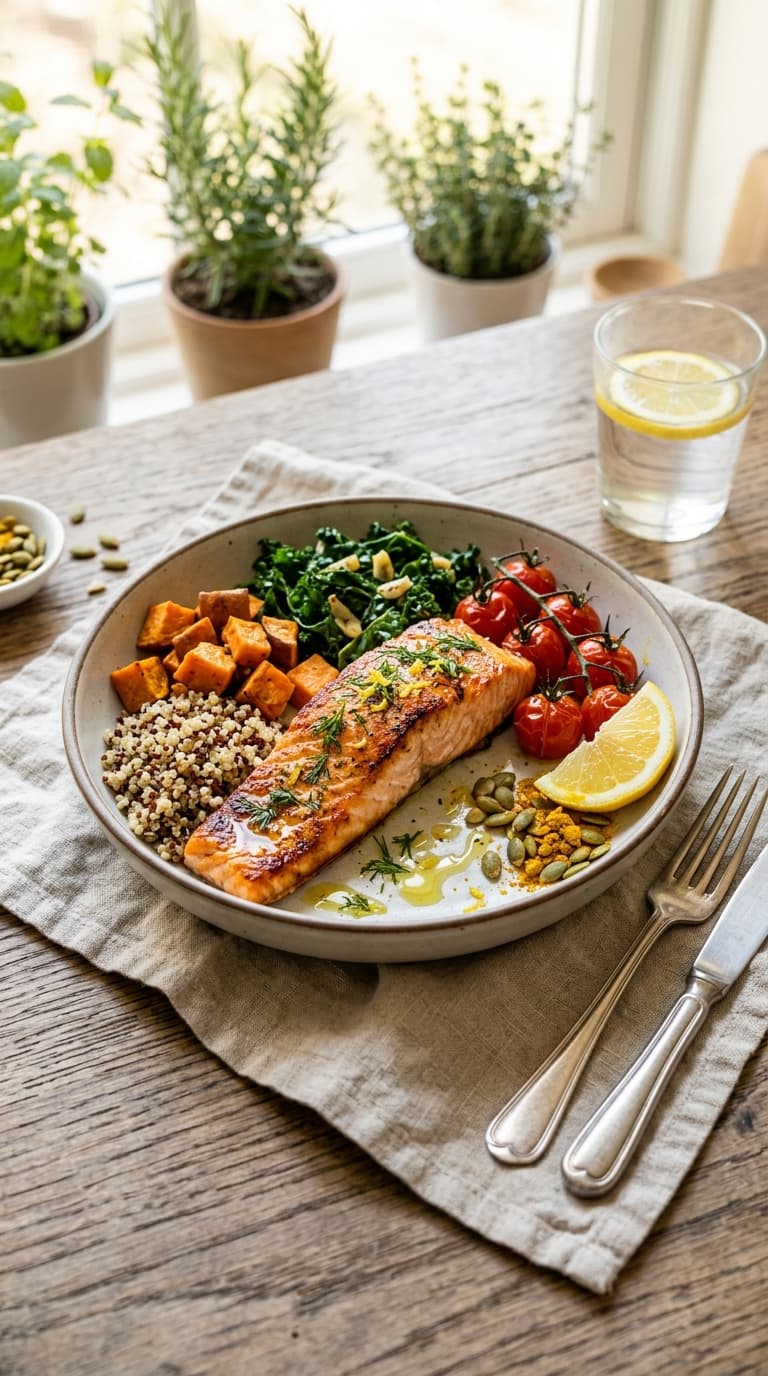
This low-grade, ongoing inflammation is linked to conditions like heart disease, type 2 diabetes, arthritis, and even depression. The good news? What you eat has a massive impact on your body’s inflammatory response. Certain foods calm it down, while others (yes, I’m looking at you, processed snacks and refined sugar) fan the flames.
The anti-inflammatory diet isn’t a fad diet with strict calorie counting. Think of it more as a food philosophy — one that prioritizes whole, nutrient-dense foods that your body actually recognizes and appreciates.
Foods to Embrace and Foods to Ditch
The Anti-Inflammatory All-Stars
These are your new best friends. Stock up on them before Week 1 begins:
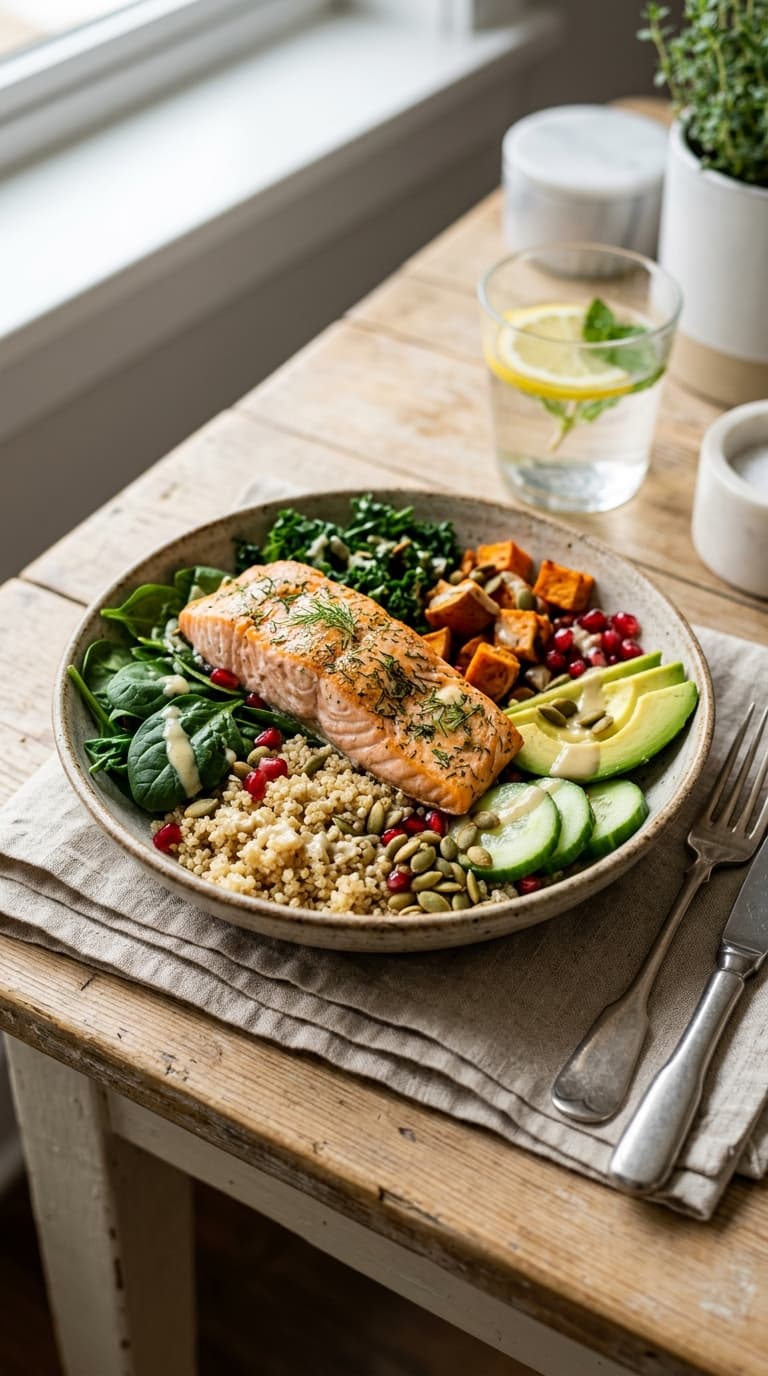
- Fatty fish (salmon, sardines, mackerel) — loaded with omega-3 fatty acids
- Leafy greens (spinach, kale, arugula) — packed with antioxidants and vitamins
- Berries (blueberries, strawberries, raspberries) — high in flavonoids that reduce oxidative stress
- Olive oil — especially extra virgin; it contains oleocanthal, which works similarly to ibuprofen
- Nuts and seeds (walnuts, chia seeds, flaxseeds) — great sources of healthy fats and fiber
- Turmeric and ginger — two of nature’s most powerful anti-inflammatory compounds
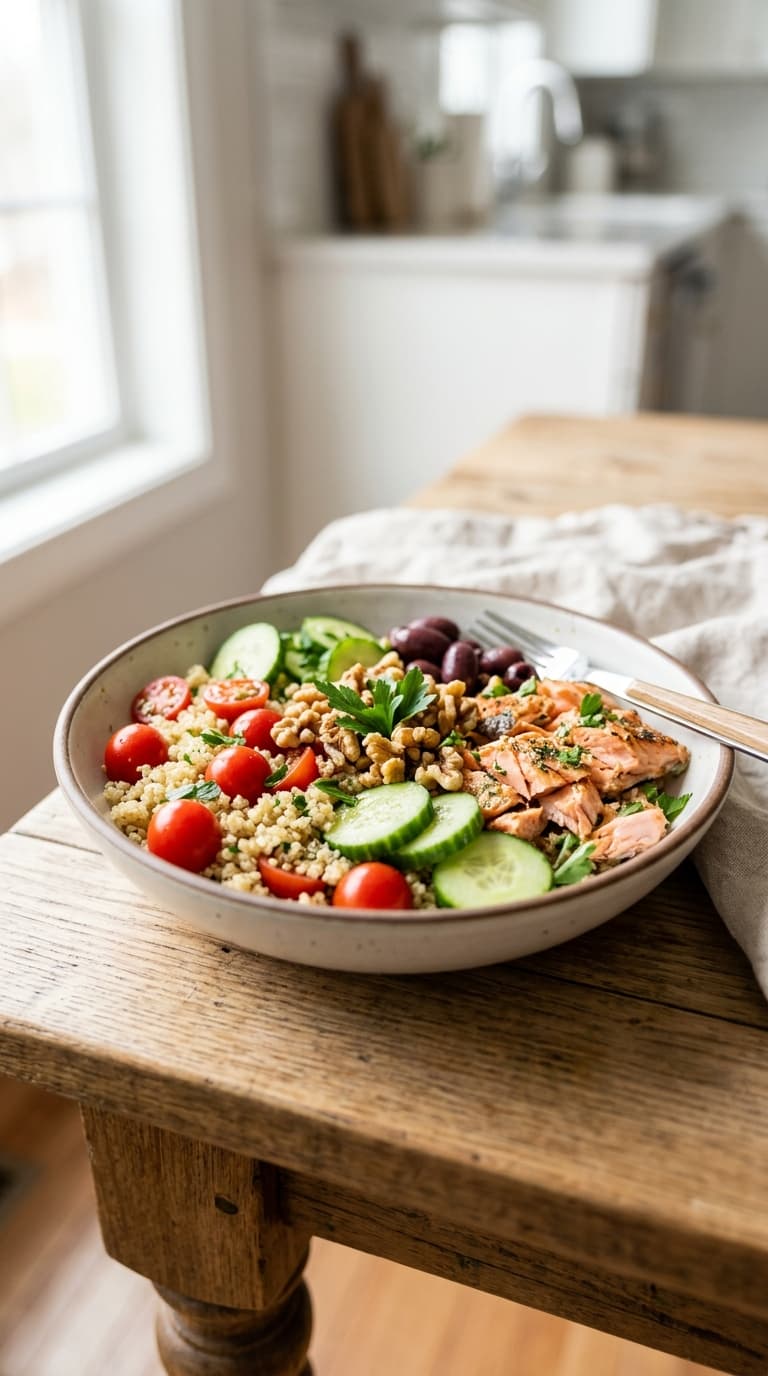
- Whole grains (quinoa, brown rice, oats) — lower glycemic index means less blood sugar spiking
- Legumes (lentils, chickpeas, black beans) — fiber-rich and incredibly versatile
Foods to Pull Back On
You don’t have to go cold turkey on everything, but reducing these during Week 1 will make a noticeable difference:
- Refined sugar and artificial sweeteners
- Processed and ultra-processed foods
- White bread, white pasta, and white rice
- Trans fats and vegetable oils high in omega-6 (like corn oil and soybean oil)
- Alcohol — yes, even the weekend glass of wine :/
- Processed meats like hot dogs and deli slices
Your Week 1 Anti-Inflammatory Meal Plan
Here’s the part you’ve been waiting for. This plan is designed to be practical, flexible, and genuinely delicious — because nobody sticks with a meal plan they hate. Each day follows a simple structure: a nourishing breakfast, a satisfying lunch, a wholesome dinner, and a smart snack or two.
Monday — Start Strong
Breakfast: Overnight oats with blueberries, chia seeds, and a drizzle of honey. Prep this the night before and your Monday morning self will thank you immensely.
Lunch: Big spinach salad with roasted chickpeas, cucumber, cherry tomatoes, and a lemon-tahini dressing. IMO, this dressing is life-changing.
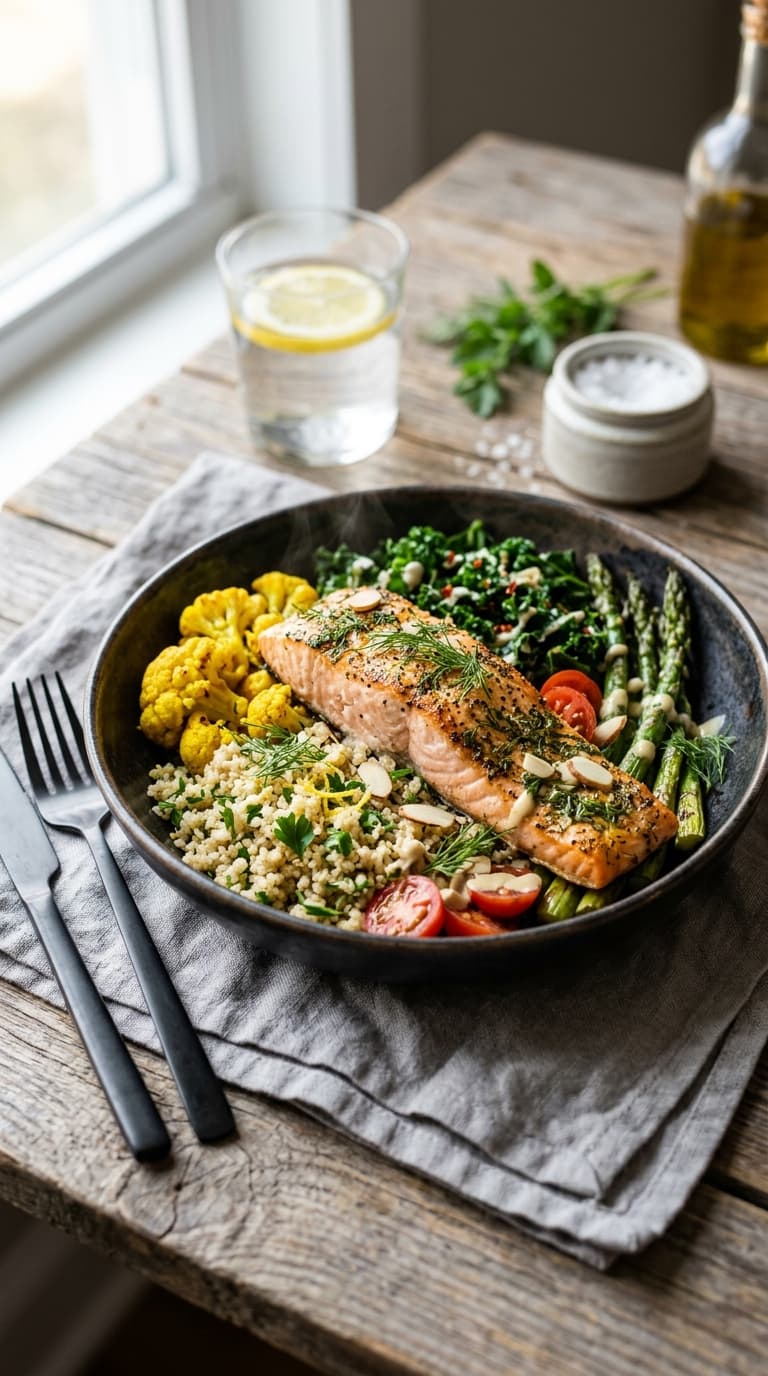
Dinner: Baked salmon with roasted sweet potatoes and steamed broccoli. Simple, fast, and your omega-3s are sorted for the day.
Snack: A small handful of walnuts and a green tea. Speaking of which — if you’re looking to make your drinks work harder for you, these anti-inflammatory tea blends for better health are worth bookmarking right now.
Tuesday — Green Day (No, Not the Band)
Breakfast: Green smoothie with spinach, banana, frozen mango, flaxseeds, and unsweetened almond milk. Blend it up and go.
Lunch: Lentil soup with a side of whole grain bread. Lentils are a fiber powerhouse, and this soup is stupidly easy to batch cook.
Dinner: Stir-fried tofu with kale, bell peppers, garlic, ginger, and brown rice. The ginger here isn’t just for flavor — it’s actively fighting inflammation while you eat. Pretty cool, right?
Snack: Sliced apple with almond butter.
Wednesday — Midweek Reset
Breakfast: Scrambled eggs with sautéed spinach, turmeric, and a slice of whole grain toast. Eggs get a bad reputation sometimes, but when paired with turmeric and greens, they’re genuinely anti-inflammatory.
Lunch: Quinoa bowl with roasted vegetables (zucchini, red onion, bell pepper), avocado, and a drizzle of olive oil and lemon.
Dinner: Baked cod with herbed cauliflower rice and a side of steamed green beans. Lighter than salmon but still packed with lean protein.
Snack: Herbal tea and a small square of dark chocolate (70%+ cacao). Yes, dark chocolate counts. You’re welcome.
If you want to upgrade your evening wind-down ritual, check out these herbal tea blends for relaxation and sleep — some of them genuinely work better than melatonin gummies.
Thursday — Power Through
Breakfast: Chia pudding made with coconut milk, topped with raspberries and a sprinkle of hemp seeds. Make this the night before — it takes literally five minutes.
Lunch: Grilled chicken wrap in a whole wheat tortilla with romaine lettuce, avocado, tomato, and a yogurt-based dressing instead of mayo.
Dinner: Turmeric lentil curry with brown rice. This one is a meal prep hero — make a big batch and you’ve got lunch sorted for Friday too.
Snack: Carrot sticks with hummus.
Friday — Treat Yourself (the Right Way)
Breakfast: Whole grain pancakes topped with mixed berries and a tablespoon of natural nut butter. Friday mornings deserve a little extra love.
Lunch: Nicoise-style salad with canned tuna, hard-boiled eggs, olives, green beans, and cherry tomatoes over arugula.
Dinner: Salmon tacos in corn tortillas with shredded purple cabbage, mango salsa, avocado, and a squeeze of lime. This one looks impressive but takes under 30 minutes — FYI, it’s also a crowd-pleaser if you have people over.
Snack: A handful of mixed berries and a few almonds.
Saturday — Slow Morning Energy
Breakfast: Avocado toast on whole grain bread with poached eggs, red pepper flakes, and a squeeze of lemon. Pair it with a clean, nutrient-rich drink — these healthy coffee recipes with nut milks and natural sweeteners are a great alternative to your usual latte if you still want your morning caffeine fix without the inflammatory dairy or refined sugar.
Lunch: Minestrone soup packed with kidney beans, spinach, diced tomatoes, zucchini, and whole grain pasta.
Dinner: Herb-crusted baked chicken thighs with roasted asparagus and a quinoa pilaf with lemon zest and parsley.
Snack: Greek yogurt (unsweetened) with a drizzle of raw honey and walnuts.
Sunday — Prep and Rest
Sunday is your meal prep day — use it wisely. Cook a big batch of quinoa or brown rice, roast a tray of mixed vegetables, prep overnight oats for Monday, and portion out your snacks for the week.
Breakfast: Veggie-packed frittata with eggs, spinach, red onion, cherry tomatoes, and feta cheese. Slice it up and you’ve got breakfast for a couple of days.
Lunch: Big grain bowl with leftover quinoa, roasted veggies, chickpeas, and tahini dressing.
Dinner: Slow-cooked chicken and vegetable stew with turmeric, cumin, and fresh herbs. Serve over brown rice or with a side of crusty whole grain bread.
Snack: A warm mug of ginger and lemon tea. Seriously, if you haven’t tried ginger tea specifically for digestion and inflammation, these herbal teas for better digestion will show you exactly how to make the most of it.
Tips to Actually Stick With This in Week 1
Knowing the plan is one thing. Following through when life gets busy is another beast entirely. Here’s what actually helps:
Batch Cook Like Your Future Self Depends On It
Spend 1–2 hours on Sunday prepping staples. Cook grains, roast vegetables, make dressings, and pre-portion snacks. When healthy food is already ready in the fridge, you’re far less likely to reach for something inflammatory at 7 PM on a Tuesday.
Don’t Overthink the Snacks
Your snacks don’t need to be gourmet. A handful of walnuts, some carrot sticks with hummus, a piece of fruit — simple is sustainable. The moment you start making anti-inflammatory eating complicated, you’ve already lost the battle.
Hydration Is Part of the Plan
Drink plenty of water throughout the day, and swap out some of your usual beverages for anti-inflammatory options. Green tea, ginger tea, and turmeric golden milk are all fantastic choices. If you’re a coffee drinker who isn’t ready to give it up (honestly, same), try swapping to low-calorie coffee drinks that skip the syrupy, inflammatory additions.
Eat the Rainbow — Actually
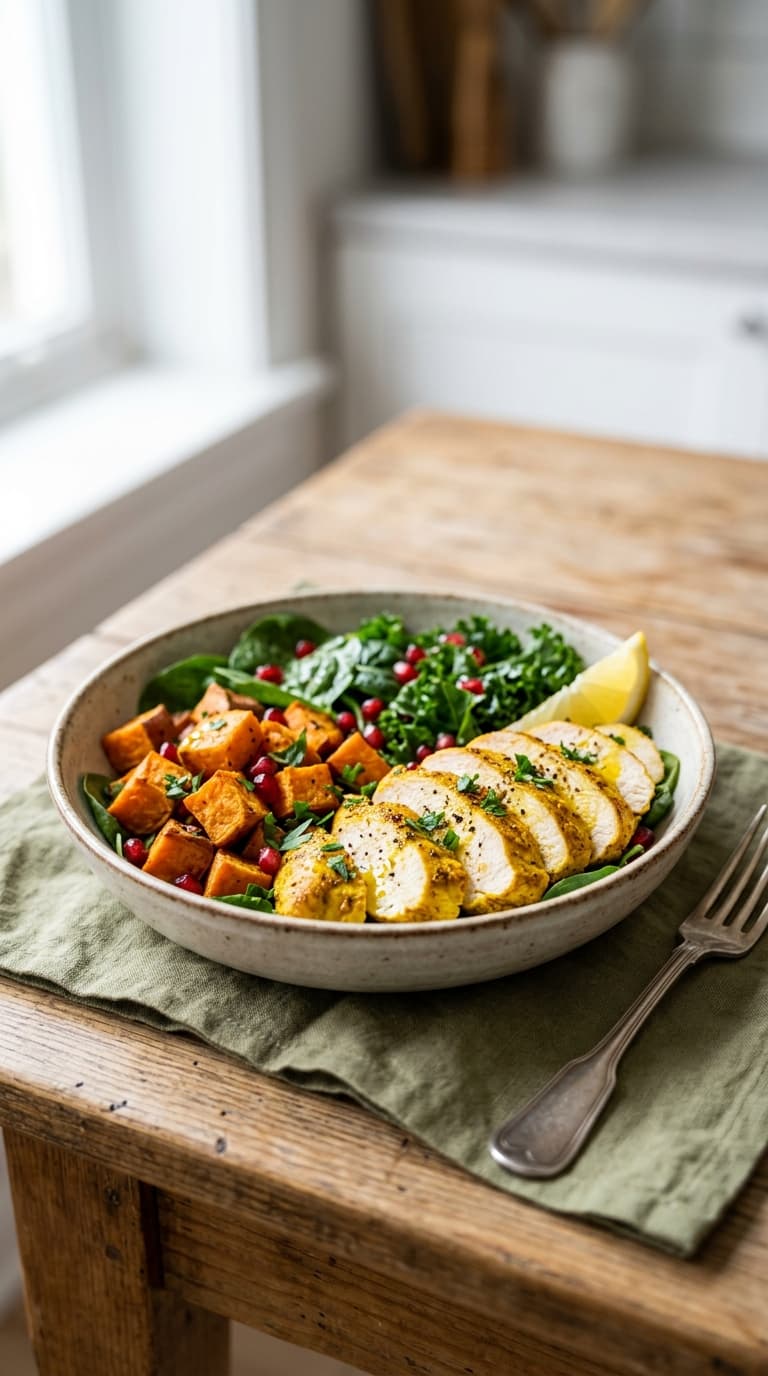
This sounds like something a nutritionist puts on a motivational poster, but it’s genuinely useful advice. The more colors on your plate, the broader the range of antioxidants and phytonutrients you’re consuming. Purple cabbage, orange sweet potato, green spinach, red tomatoes — variety is the whole point.
Be Flexible Without Falling Off
Missed a meal? Had a slice of birthday cake at the office? That’s fine. One off-meal doesn’t undo your progress. Anti-inflammatory eating is a lifestyle shift, not a punishment regime. The goal is consistency over perfection — always.
What You Might Notice By the End of Week 1
Here’s where it gets exciting. Most people who commit to even one week of anti-inflammatory eating report some pretty noticeable shifts:
- Less bloating and improved digestion — the fiber from legumes, greens, and whole grains gets things moving
- More stable energy — no more sugar crashes mid-afternoon 🙂
- Clearer skin — inflammation often shows up on your face before anywhere else
- Reduced joint stiffness — especially noticeable if you wake up feeling achy
- Better sleep — nutrient-dense food supports better hormone balance, which directly affects sleep quality
These aren’t magic overnight results, but one week is genuinely enough time to start feeling a difference. And once you feel it, going back to your old habits feels way less appealing.
A Word on Drinks
Your food choices matter enormously, but what you drink is just as important. Sugary drinks, energy drinks, and excessive alcohol all trigger inflammatory responses. During Week 1, try to lean on:
- Water with lemon or cucumber
- Green tea or matcha
- Herbal teas — especially those with chamomile, ginger, or turmeric
- Black coffee in moderation (without heavy cream and sugar)
If you’re used to sweetened drinks and need something that still feels like a treat, these tea recipes to boost your immune system hit the sweet spot between enjoyable and genuinely good for you.
Final Thoughts — Week 1 Is Just the Beginning
Look, nobody overhauls their entire diet in a week. But Week 1 of an anti-inflammatory meal plan is about building momentum, not perfection. You’re training your taste buds to enjoy whole foods, giving your gut microbiome a reset, and proving to yourself that eating this way is actually enjoyable — not a chore.
The meals above aren’t rabbit food. They’re flavorful, filling, and satisfying. And the more you cook this way, the more intuitive it becomes. You start reaching for the blueberries instead of the chips without even thinking about it.
Start this Sunday with a simple grocery run and a bit of batch cooking. By the following Sunday, I promise your body will be telling you something different than it did before. And honestly? That’s the only motivation you’ll ever need to keep going.