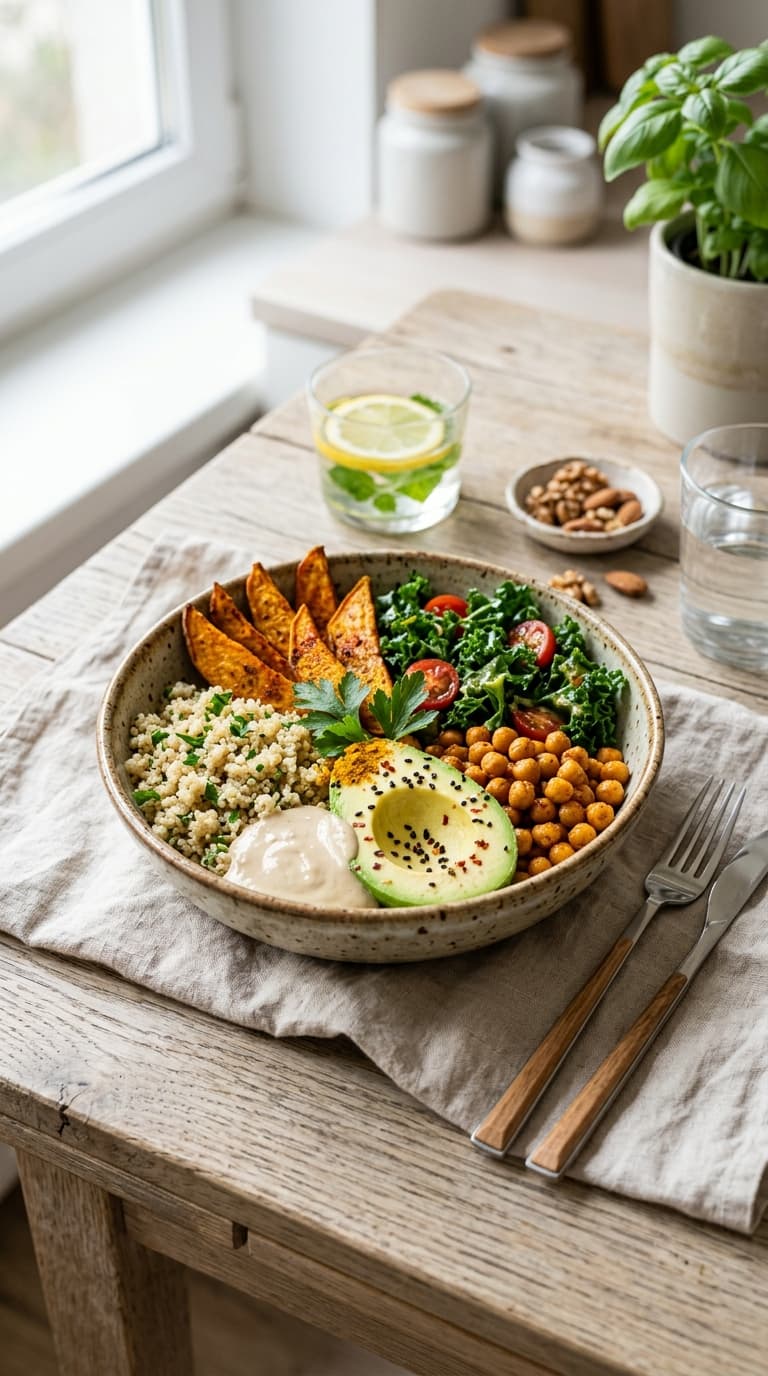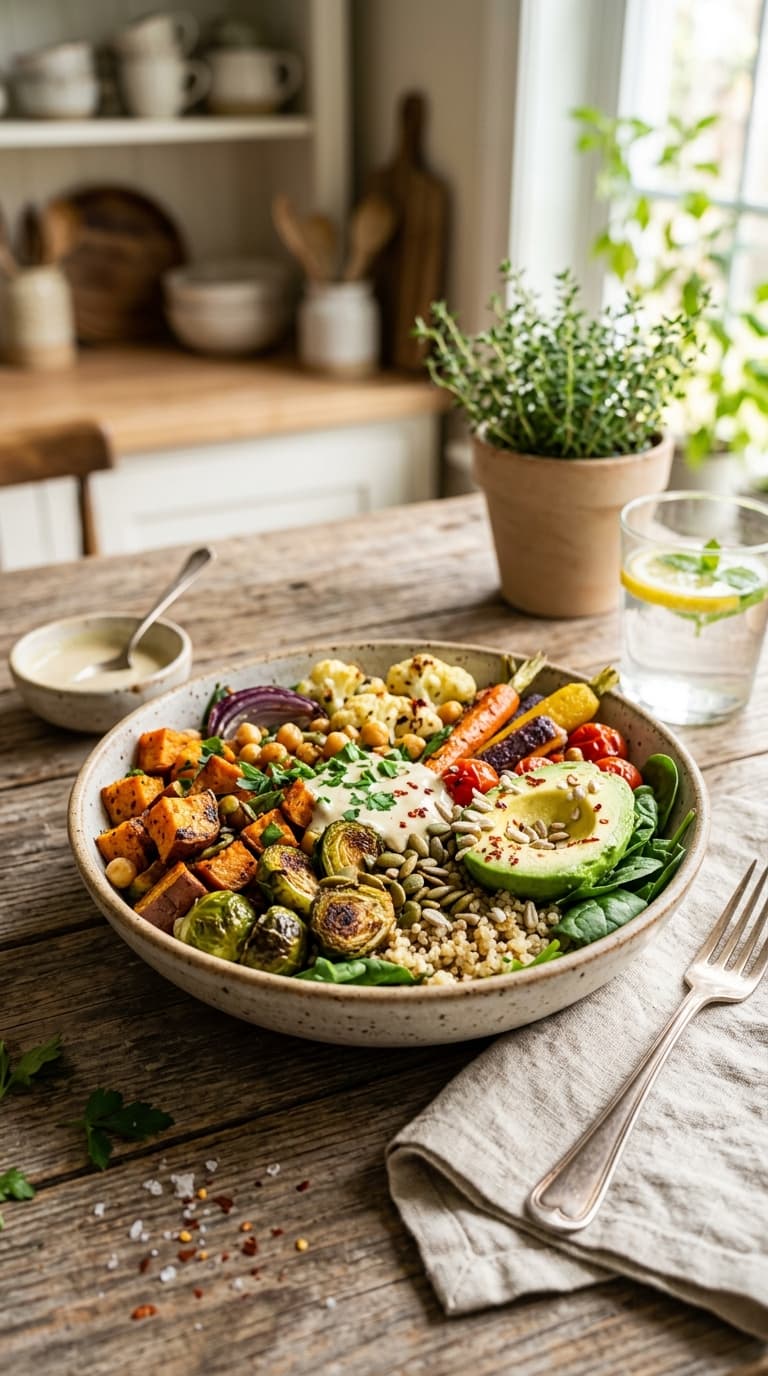
7 Day Anti-Inflammatory Meal Plan for Diabetes
7 Day Anti-Inflammatory Meal Plan for Diabetes
Managing diabetes feels overwhelming sometimes — between tracking blood sugar, counting carbs, and trying to actually enjoy your food, it’s a lot. But here’s the thing: eating well doesn’t have to be boring or complicated. What if your meals could fight inflammation, stabilize blood sugar, and taste amazing all at once? Spoiler: they absolutely can. This 7-day anti-inflammatory meal plan for diabetes is your no-stress starting point for real, sustainable change.
Why Anti-Inflammatory Eating Matters for Diabetes
You might already know that chronic inflammation plays a huge role in type 2 diabetes. But let’s make that crystal clear — inflammation doesn’t just make you feel lousy; it actively worsens insulin resistance. When your body stays in a constant state of low-grade inflammation, your cells stop responding to insulin properly. That’s a problem.
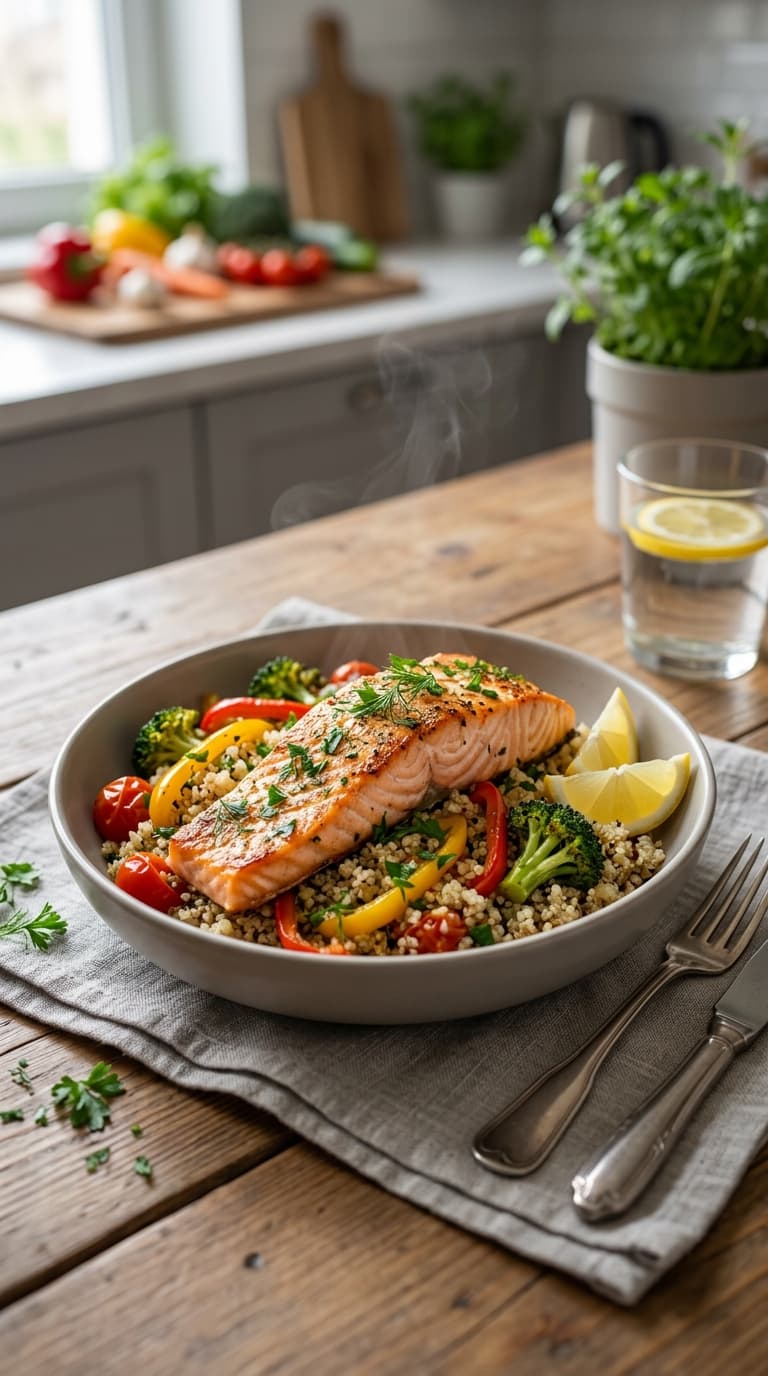
The good news? Certain foods actively fight that inflammation. We’re talking colorful vegetables, healthy fats, fiber-rich grains, and lean proteins. These aren’t just “diet foods” — they’re genuinely delicious when you cook them right. And this plan shows you exactly how to do that.
IMO, the anti-inflammatory approach is one of the most underrated strategies for managing blood sugar long-term.
The Core Principles of This Meal Plan
Before we jump into the daily breakdown, let’s set a few ground rules. These principles make the whole plan work together.
- Prioritize low-glycemic foods — Foods that raise blood sugar slowly are your best friends
- Load up on omega-3 fatty acids — Think salmon, walnuts, flaxseeds
- Eat plenty of fiber — Fiber slows glucose absorption and feeds healthy gut bacteria
- Cut refined sugar and processed carbs — Yes, this includes white bread (sorry, not sorry)
- Use anti-inflammatory spices generously — Turmeric, ginger, cinnamon are flavor powerhouses
- Stay hydrated — Water, herbal teas, and unsweetened drinks keep everything running smoothly
Speaking of hydration — if you’re sipping on anti-inflammatory tea blends alongside your meals, you’re doubling down on your body’s defense system in the tastiest way possible.
Day 1: Reset and Refresh
Breakfast
Start strong with a turmeric oatmeal bowl. Cook rolled oats in unsweetened almond milk, stir in a half teaspoon of turmeric and a pinch of black pepper (black pepper activates turmeric’s benefits — neat trick, right?), then top with fresh blueberries and a tablespoon of ground flaxseed. It’s warm, filling, and your blood sugar will thank you.
Lunch
A big spinach and chickpea salad with olive oil, lemon, garlic, cherry tomatoes, and a handful of pumpkin seeds. Chickpeas bring protein and fiber, and that olive oil dressing hits differently when you realize it’s actually fighting inflammation.
Dinner
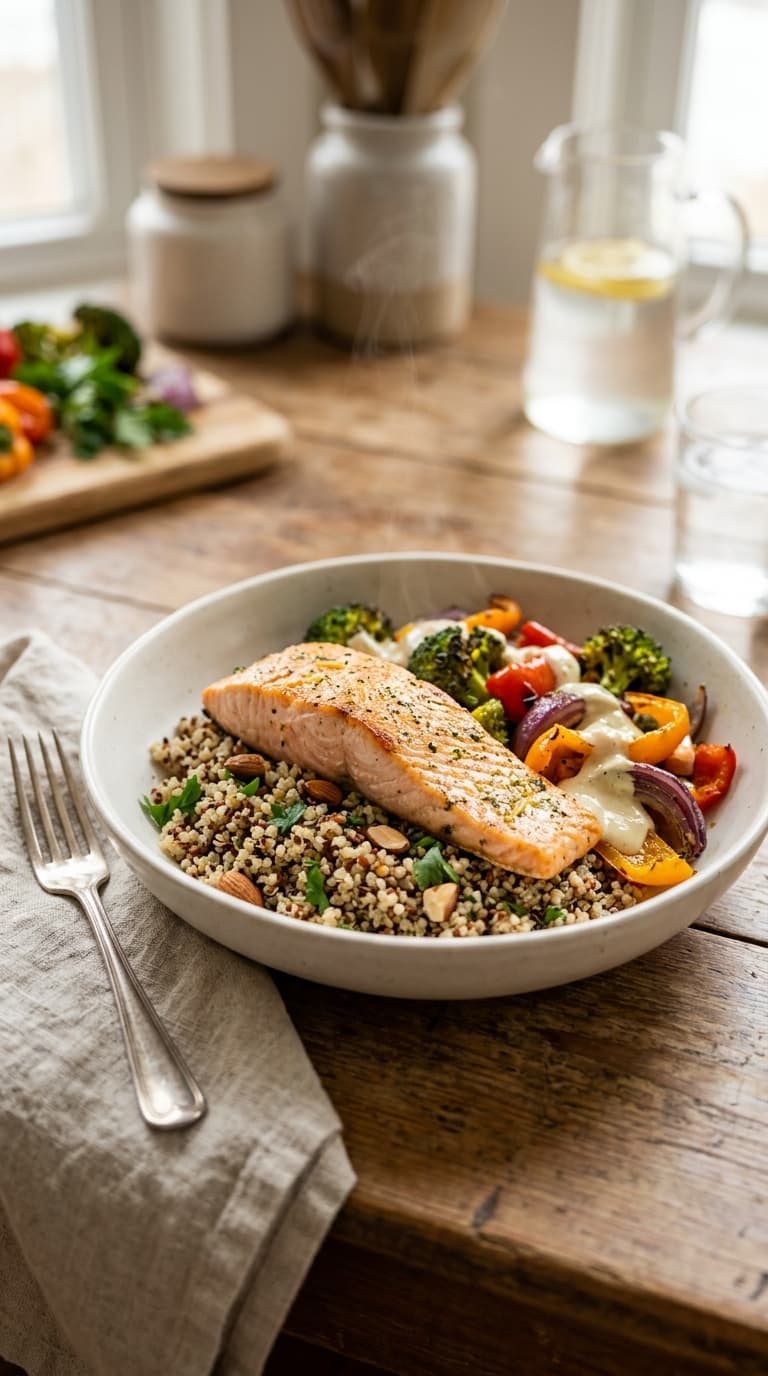
Baked salmon with roasted broccoli and quinoa. Salmon is your omega-3 MVP. Season it with herbs, a squeeze of lemon, and a little garlic. Quinoa gives you complete protein without spiking blood sugar — it’s a win-win.
Day 2: Color on Your Plate
Breakfast
A berry and spinach smoothie with unsweetened almond milk, frozen mixed berries, a handful of spinach (you won’t taste it, promise), chia seeds, and a small banana. Blend until smooth. This is your inflammation-fighting fuel in a glass.
Lunch
Lentil soup with crusty whole grain bread. Lentils are packed with fiber and plant-based protein. Add cumin, coriander, and turmeric to the pot — your kitchen will smell incredible and your gut microbiome will do a happy dance.
Dinner
Stir-fried tofu with bok choy, bell peppers, and brown rice. Use a sauce made from tamari (low-sodium), fresh ginger, garlic, and a touch of sesame oil. Colorful, quick, and genuinely satisfying.
Day 3: Midweek Power-Up
Ever hit that midweek slump where you just want to order pizza? Yeah, been there. Day 3 is designed to keep you energized and on track without making you feel like you’re suffering.
Breakfast
Avocado and egg on whole grain toast with a sprinkle of chili flakes and hemp seeds. The healthy fats from avocado help slow glucose absorption — plus it’s just really good. Add a cup of herbal tea for better digestion on the side to keep your gut happy.
Lunch
Grilled chicken and roasted vegetable wrap in a whole grain tortilla with hummus, cucumber, and arugula. Meal prep this in advance and you’ve got lunch handled in five minutes flat.
Dinner
Cauliflower and black bean tacos with cabbage slaw, fresh salsa, and a drizzle of tahini. These are so good you’ll forget they’re technically “healthy.” The black beans add fiber, and cauliflower keeps the carb count manageable.
Day 4: Lean Into Legumes
Breakfast
Overnight chia pudding made with unsweetened coconut milk, a tablespoon of honey substitute like stevia, and topped with sliced kiwi and pomegranate seeds. Prep it the night before and breakfast basically makes itself. 🙂
Lunch
White bean and kale soup. This soup is simple, hearty, and loaded with anti-inflammatory compounds. Beans stabilize blood sugar, kale brings vitamins K and C, and the whole thing takes about 30 minutes to make.
Dinner
Herb-crusted baked chicken thighs with sweet potato mash and steamed green beans. Sweet potato is lower glycemic than regular potato and brings a natural sweetness that pairs beautifully with savory herbs like rosemary and thyme.
Day 5: Fish Forward
Breakfast
Smoked salmon and cream cheese on rye crispbread with thinly sliced cucumber and capers. This feels fancy but takes literally five minutes. More omega-3s before 9 AM? Yes please.
Lunch
Tuna and avocado salad bowl with mixed greens, olives, red onion, and a lemon-olive oil vinaigrette. FYI — canned tuna is one of the most affordable anti-inflammatory proteins out there, so don’t sleep on it.
Dinner
Miso-glazed cod with sesame bok choy and soba noodles. Miso is a fermented food, which means it supports gut health alongside being absolutely delicious. The combination of umami-rich miso and flaky cod is genuinely restaurant-level good.
Day 6: Plant-Based Power Day
Going mostly plant-based one day a week gives your system a break and floods your body with phytonutrients. Don’t worry — you won’t feel deprived.
Breakfast
Savory chickpea scramble with spinach, red bell pepper, turmeric, cumin, and nutritional yeast for a cheesy flavor. Eat it with a warm cup of herbal tea that helps with calm and focus to set a grounded tone for the day.
Lunch
Stuffed bell peppers with wild rice, black beans, corn, and diced tomatoes, seasoned with smoked paprika and oregano. These are colorful, filling, and genuinely beautiful on the plate.
Dinner
Butternut squash and red lentil dahl with brown basmati rice. This is pure comfort food with serious anti-inflammatory credentials. Turmeric, ginger, cumin, and coriander all make an appearance here. It’s warming, satisfying, and perfect for batch cooking.
Day 7: Finish Strong
Breakfast
Whole grain pancakes with fresh strawberries and a drizzle of raw honey. You made it to day seven — you deserve a celebratory breakfast that still keeps blood sugar in check. Whole grain flour and the fiber from strawberries slow glucose release.
Lunch
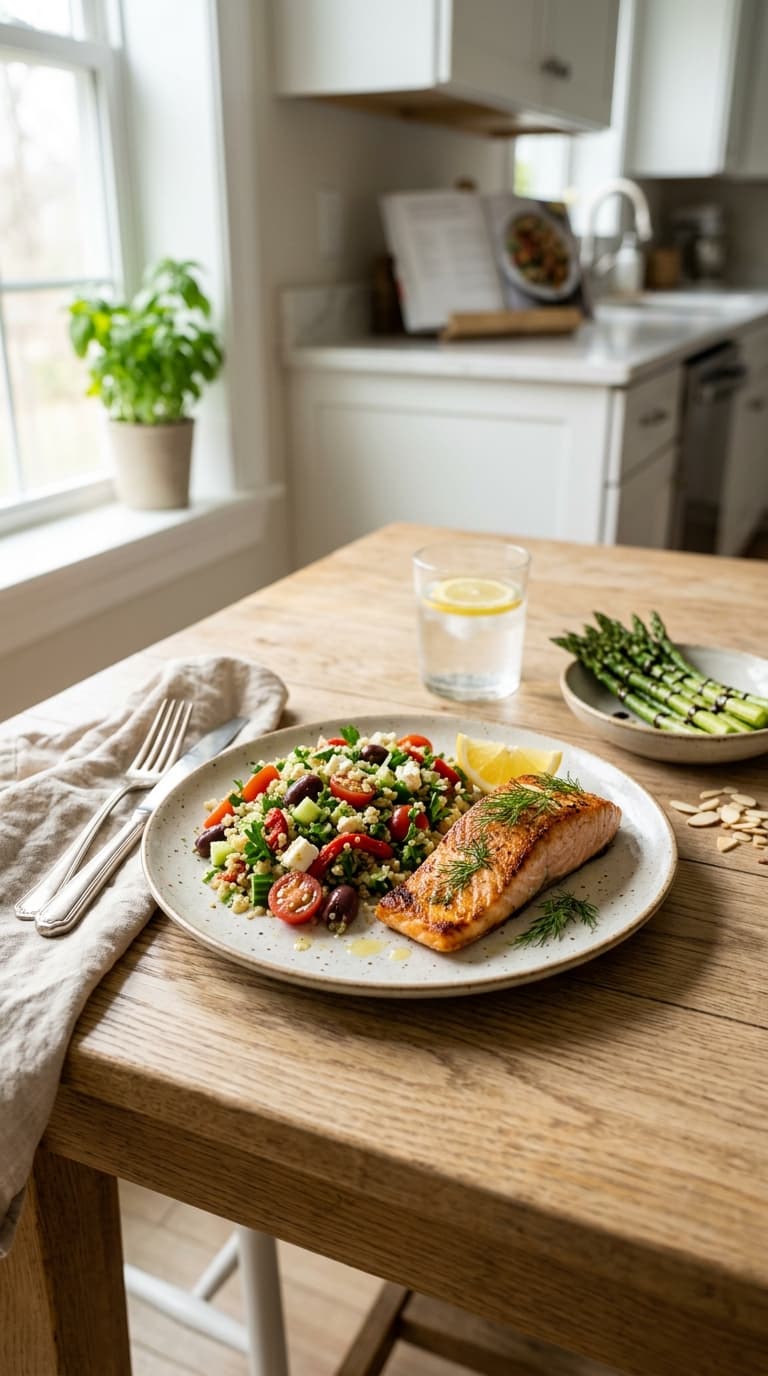
Greek-style quinoa salad with cucumber, cherry tomatoes, Kalamata olives, red onion, feta cheese, and a lemon-herb dressing. Mediterranean eating patterns consistently show up in research as protective against both inflammation and blood sugar spikes.
Dinner
Sheet pan lemon garlic shrimp with asparagus and cherry tomatoes over cauliflower rice. Quick, impressive, and genuinely low-carb without being sad about it. Shrimp brings lean protein and selenium, asparagus is a prebiotic powerhouse, and cauliflower rice keeps things light.
Smart Snacking Between Meals
Snacking strategically keeps blood sugar stable between meals — the goal is to avoid those energy crashes that send you straight to the vending machine. Here are some solid options:
- A small handful of walnuts or almonds — great for omega-3s and healthy fats
- Apple slices with almond butter — fiber plus protein equals steady energy
- Carrot sticks with hummus — crunchy, satisfying, blood-sugar-friendly
- A hard-boiled egg — simple, portable, and packed with protein
- Plain Greek yogurt with a few berries — probiotics plus antioxidants in one shot
Drinks That Support the Plan
What you drink matters just as much as what you eat. Here’s what to reach for:
- Water — aim for 8+ glasses daily
- Green tea — antioxidant-rich and metabolism-supportive; check out some metabolism-boosting herbal teas for variety
- Turmeric golden milk — warm, anti-inflammatory, and a lovely evening ritual
- Sparkling water with lemon — if plain water bores you :/
- Unsweetened herbal teas — herbal teas for better sleep are especially helpful at night, since poor sleep spikes cortisol and blood sugar
Stay far, far away from sugary sodas, fruit juices, and sweetened coffee drinks. They spike blood sugar faster than almost anything else.
Foods to Load Up On vs. Foods to Limit
Let’s make this even clearer with a quick breakdown:
Eat more of:
- Fatty fish (salmon, mackerel, sardines)
- Leafy greens (spinach, kale, arugula)
- Berries (blueberries, strawberries, raspberries)
- Legumes (lentils, chickpeas, black beans)
- Nuts and seeds (walnuts, flaxseed, chia seeds)
- Olive oil and avocado
- Whole grains (oats, quinoa, brown rice, farro)
- Anti-inflammatory spices (turmeric, ginger, cinnamon)
Limit or avoid:
- White bread, white rice, and refined pasta
- Sugary drinks and desserts
- Processed snack foods
- Trans fats and vegetable oils high in omega-6
- Alcohol (especially in large amounts)
- Full-fat processed meats like bacon and sausage
Meal Prep Tips to Make This Week Easier
Let’s be real — sticking to any meal plan gets much easier when you’re not scrambling at 6 PM after a long day.
Batch cook these on Sunday:
- A big pot of brown rice or quinoa (stores well for 5 days)
- Roasted vegetables — just toss whatever you have in olive oil and roast at 400°F
- A batch of lentil soup or bean stew
- Hard-boiled eggs for the week
Prep these in advance:
- Overnight chia pudding or overnight oats for easy breakfasts
- Washed and chopped salad vegetables stored in airtight containers
- Portioned snack bags of nuts and seeds
Small amounts of weekly prep make a genuinely massive difference. Once it becomes a habit, you’ll wonder how you managed without it.
The Bigger Picture
A 7-day anti-inflammatory meal plan for diabetes isn’t just a quick fix — it’s the beginning of a totally different relationship with food. The goal isn’t perfection. If you grab a slice of birthday cake on day four, the world doesn’t end. What matters is the consistent direction you’re heading.
Every meal you choose from this plan reduces inflammation, supports insulin sensitivity, and nourishes your body at a cellular level. That’s not nothing — that’s actually everything when it comes to managing diabetes for the long haul.
Start simple. Pick three or four meals from this plan this week and build from there. You don’t need to overhaul your entire life on Monday morning. Small, consistent shifts compound into big results over time — and that’s the kind of change that actually sticks.