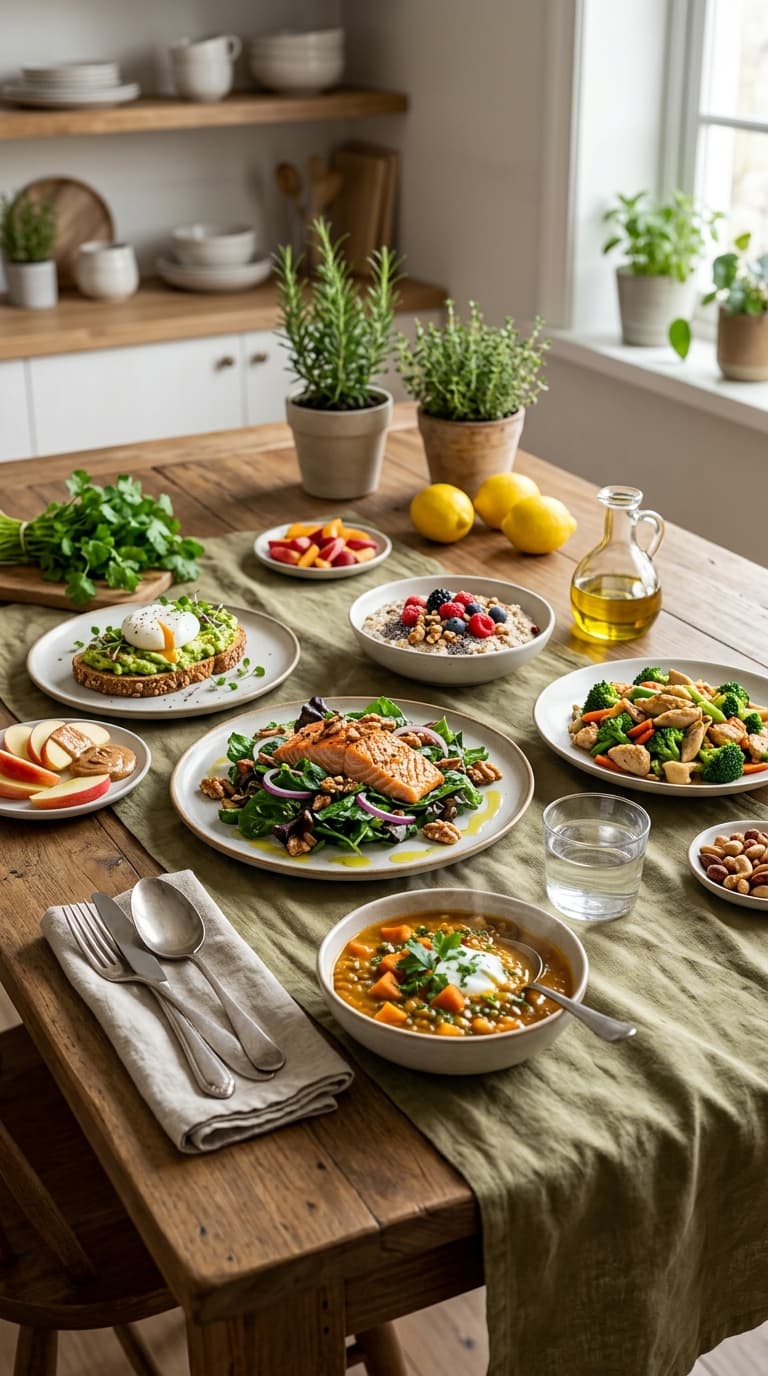
7 Day Anti-Inflammatory Meal Plan for Thyroid Health
7 Day Anti-Inflammatory Meal Plan for Thyroid Health
Your thyroid is basically the CEO of your body — it runs your metabolism, energy levels, mood, and about a hundred other things you don’t think about until they stop working. And just like any overworked CEO, it needs the right fuel to perform. The problem? Most of us are unknowingly feeding it foods that cause inflammation, which is one of the sneakiest triggers for thyroid dysfunction.
I spent months tweaking my own diet after my thyroid levels went haywire, and let me tell you — what you eat makes a massive difference. This 7-day anti-inflammatory meal plan is designed specifically to support thyroid health, reduce inflammation, and honestly, just make you feel like a human being again. Let’s get into it.
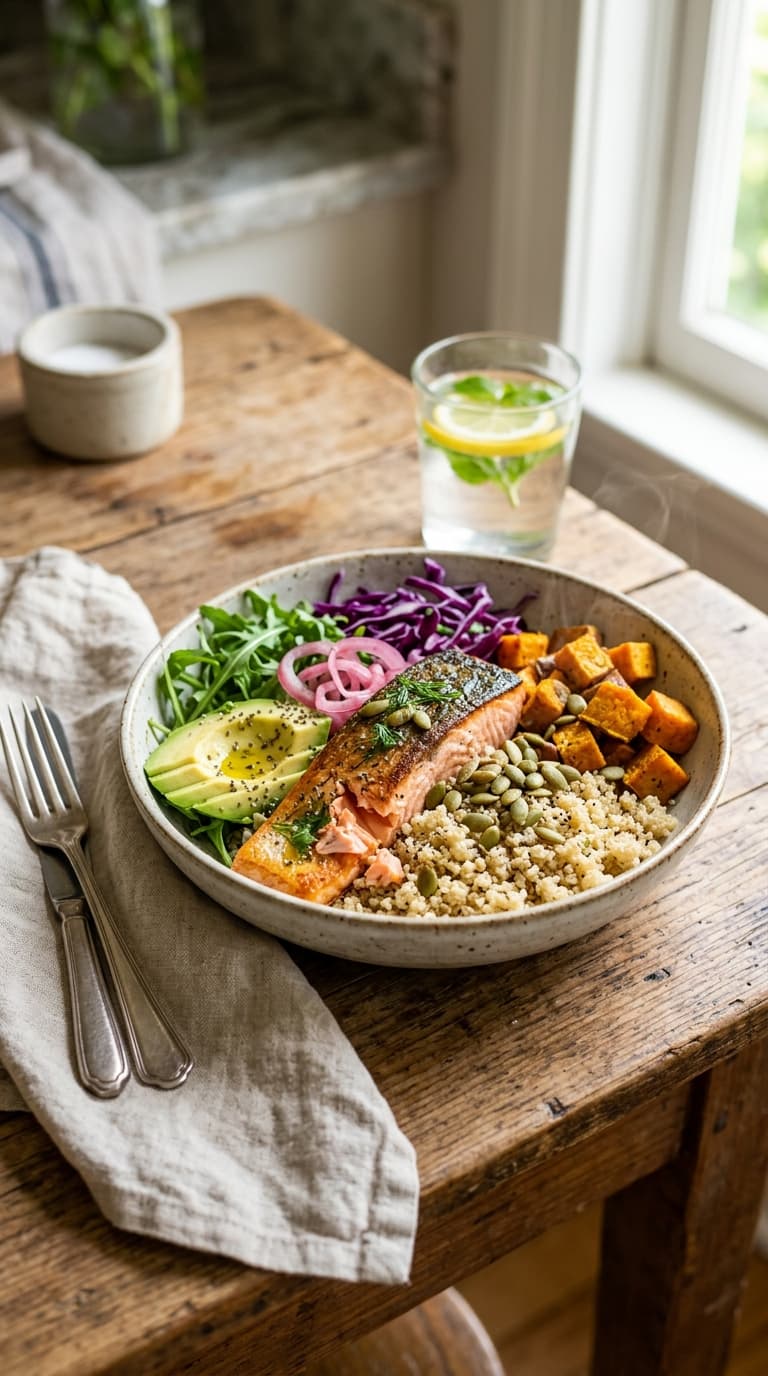
Why Inflammation Is Your Thyroid’s Worst Enemy
Before we get to the food, let’s talk about why inflammation matters so much here. Chronic inflammation can disrupt thyroid hormone production, interfere with how your cells respond to those hormones, and even trigger autoimmune conditions like Hashimoto’s thyroiditis.
Think of inflammation as that one coworker who derails every meeting. Your thyroid is trying to do its job, and inflammation keeps throwing obstacles in the way. The good news is that an anti-inflammatory diet can genuinely calm things down at a cellular level.
Key nutrients your thyroid actually needs:
- Selenium — protects the thyroid from oxidative damage
- Zinc — supports hormone conversion
- Iodine — essential for hormone production (but don’t go overboard)
- Omega-3 fatty acids — reduce systemic inflammation
- Vitamin D — supports immune regulation
What to Eat (and What to Ditch)
Foods That Support Thyroid Health
Load up on these:
- Fatty fish like salmon, sardines, and mackerel
- Leafy greens — spinach, kale, arugula
- Brazil nuts (just 2–3 a day for selenium — seriously, don’t eat the whole bag)
- Berries of all kinds
- Sweet potatoes and other colorful vegetables
- Eggs
- Avocado
- Olive oil
- Bone broth
Foods to Avoid or Minimize
This is where it gets a little uncomfortable because some of these are everyone’s favorites — sorry :/
- Gluten — particularly problematic for Hashimoto’s patients
- Processed sugar — feeds inflammation hard
- Vegetable and seed oils (canola, soybean, sunflower)
- Alcohol — disrupts hormone balance
- Highly processed foods — basically anything with a 40-ingredient label
- Raw cruciferous vegetables in large quantities — they’re healthy, but cooking them reduces their goitrogenic compounds that can interfere with thyroid function
The 7-Day Anti-Inflammatory Meal Plan
Day 1 — Reset and Refresh
Breakfast: Scrambled eggs with spinach, cherry tomatoes, and a drizzle of olive oil. Simple, quick, and loaded with selenium and vitamin D.
Lunch: Wild salmon salad over arugula with cucumber, avocado, lemon juice, and olive oil dressing.
Dinner: Baked chicken thighs with roasted sweet potato and steamed broccoli (lightly cooked — remember the cruciferous thing).
Snack: A small handful of Brazil nuts and blueberries.
Drink tip: Swap your usual beverage for something soothing. Anti-inflammatory tea blends work beautifully here — ginger and turmeric are especially powerful for reducing inflammation.
Day 2 — Omega-3 Focus
Breakfast: Chia seed pudding made with unsweetened coconut milk, topped with mixed berries and a sprinkle of hemp seeds.
Lunch: Sardines on cucumber rounds with a squeeze of lemon and fresh herbs. (Yes, sardines. They’re the unsung heroes of thyroid nutrition — give them a chance.)
Dinner: Beef and vegetable soup made with bone broth, carrots, zucchini, celery, and turmeric.
Snack: Sliced apple with almond butter.
Drink tip: Try swapping afternoon coffee for one of these herbal teas for better digestion — your gut and thyroid are more connected than most people realize.
Day 3 — Gut Health Day
Ever thought about the gut-thyroid connection? Your gut microbiome directly influences how well your thyroid hormones get absorbed and converted. A happy gut means a happier thyroid. IMO, this is one of the most underrated aspects of thyroid care.
Breakfast: Smoothie with frozen wild blueberries, spinach, coconut yogurt, ginger, and a scoop of collagen peptides.
Lunch: Lentil and vegetable soup with turmeric, cumin, and a squeeze of lemon.
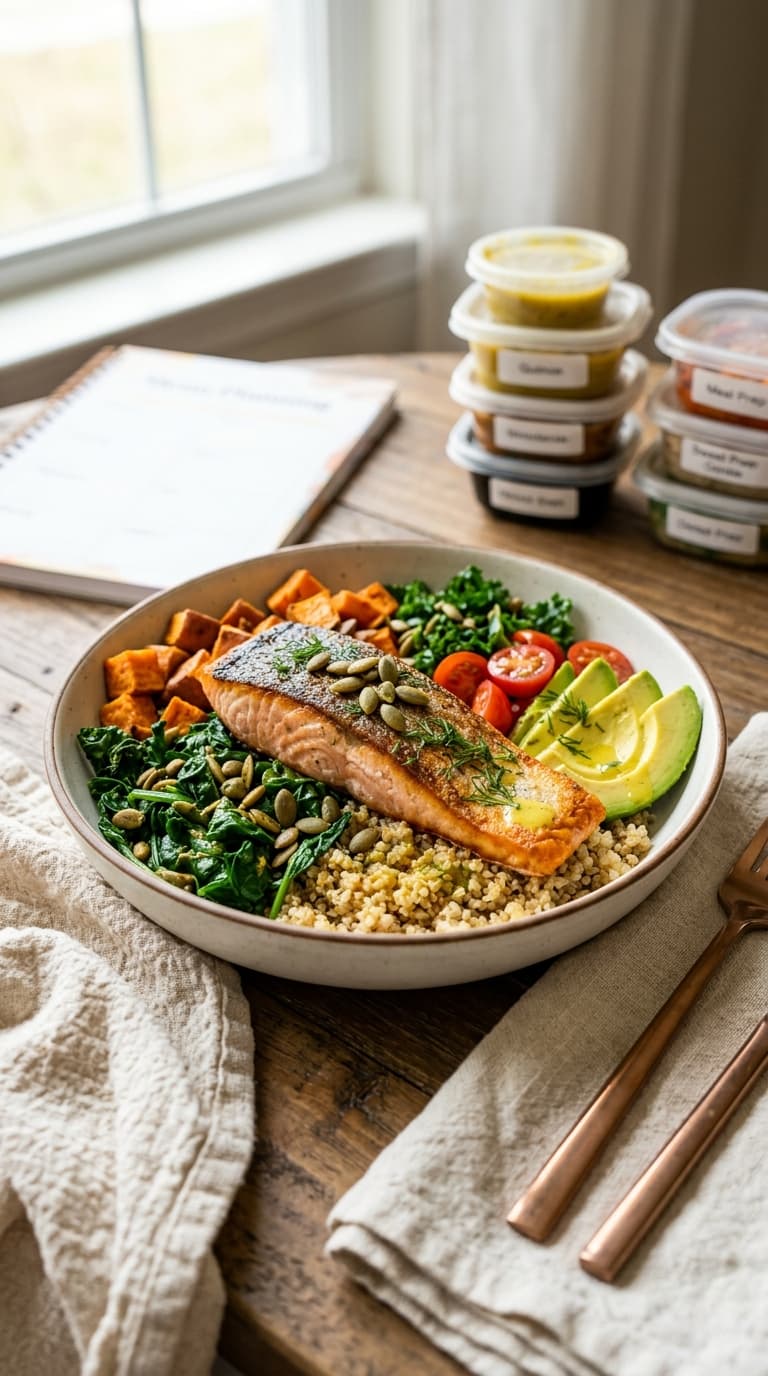
Dinner: Pan-seared salmon with cauliflower rice and a side of sautéed kale with garlic and olive oil.
Snack: Fermented foods like sauerkraut or kimchi (small portion) alongside carrot sticks.
Day 4 — Midweek Power Up
We’re at the halfway point — how are you feeling? If you’ve been consistent, you might already notice a slight shift in energy or bloating. That’s not a coincidence.
Breakfast: Sweet potato hash with two fried eggs, red onion, and bell peppers cooked in coconut oil.
Lunch: Turkey lettuce wraps with avocado, shredded carrots, cucumber, and a drizzle of tahini.
Dinner: Baked cod with roasted asparagus and a side of quinoa tossed with lemon and herbs.
Snack: A small bowl of mixed berries with a few walnuts.
Drink tip: If you’re a coffee person and want something that supports your metabolism alongside this plan, check out these coffee recipes to boost metabolism naturally — some work surprisingly well alongside an anti-inflammatory lifestyle.
Day 5 — Anti-Inflammatory All-Stars
Breakfast: Turmeric golden milk oatmeal — cook rolled oats in coconut milk, stir in turmeric, cinnamon, ginger, and top with sliced banana and a drizzle of raw honey.
Lunch: Big grain-free salad bowl with mixed greens, roasted beets, pumpkin seeds, avocado, cucumber, and grilled chicken. Dress with olive oil and apple cider vinegar.
Dinner: Slow-cooked lamb and vegetable stew with bone broth, sweet potato, rosemary, and garlic.
Snack: Celery sticks with guacamole.
FYI — turmeric’s active compound curcumin is one of the most studied natural anti-inflammatory agents out there. Pairing it with black pepper increases absorption dramatically, so don’t skip that pinch of pepper in your cooking.
Day 6 — Keep It Simple
By day six, you probably don’t want to spend three hours in the kitchen. Good news — you don’t have to.
Breakfast: Two boiled eggs with half an avocado and a small handful of cherry tomatoes. Done.
Lunch: Leftover stew from Day 5, reheated with a fresh squeeze of lemon. Easy win.
Dinner: Grilled shrimp skewers with a colorful veggie stir-fry — bell peppers, snap peas, zucchini, bok choy — cooked in coconut aminos instead of soy sauce.
Snack: A few squares of 70%+ dark chocolate and some raspberries. Yes, this counts as a health food in this context. You’re welcome.
Drink tip: If you want something calming to wind down, herbal teas that help you sleep better are a great option — quality sleep is actually critical for thyroid hormone regulation.
Day 7 — Finish Strong
Breakfast: Smoked salmon with scrambled eggs, capers, and sliced cucumber on the side.
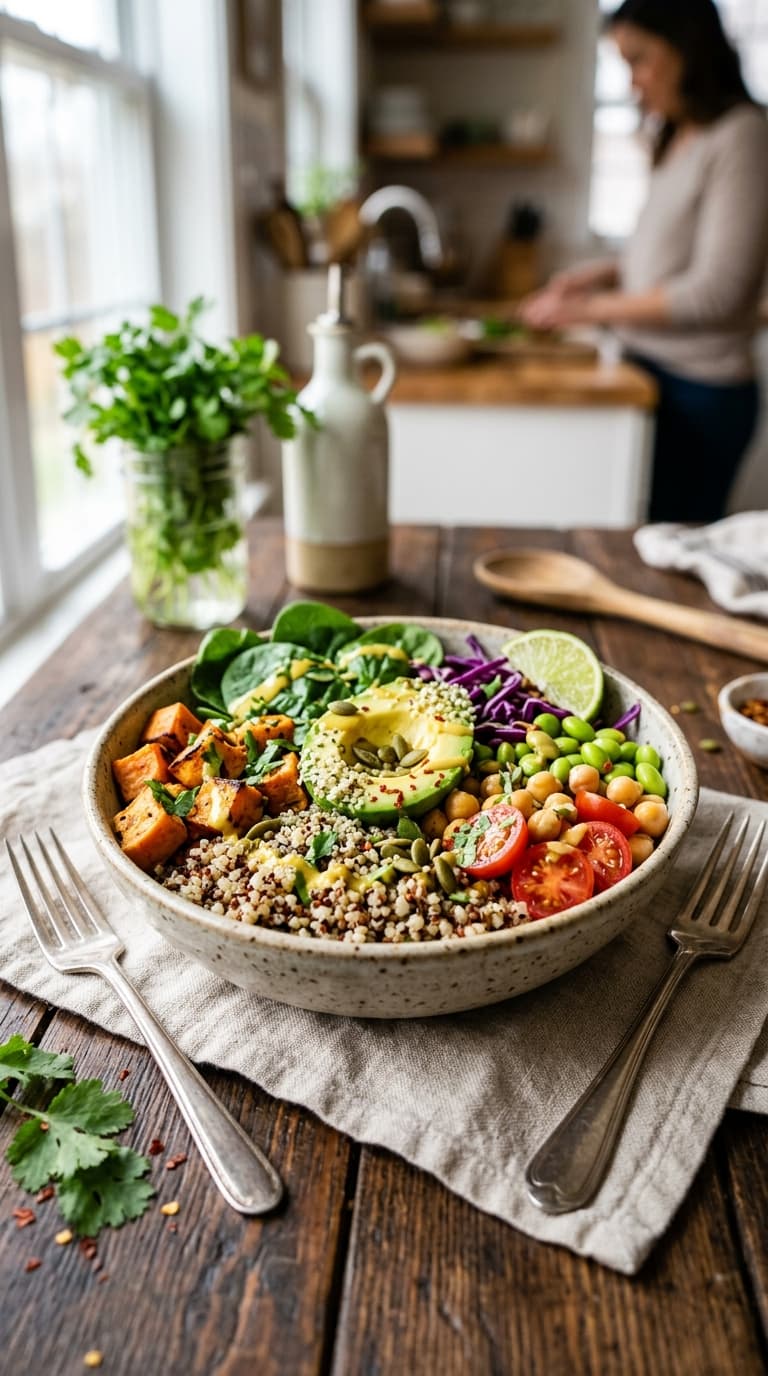
Lunch: Roasted vegetable and chickpea bowl with tahini dressing and a sprinkle of za’atar.
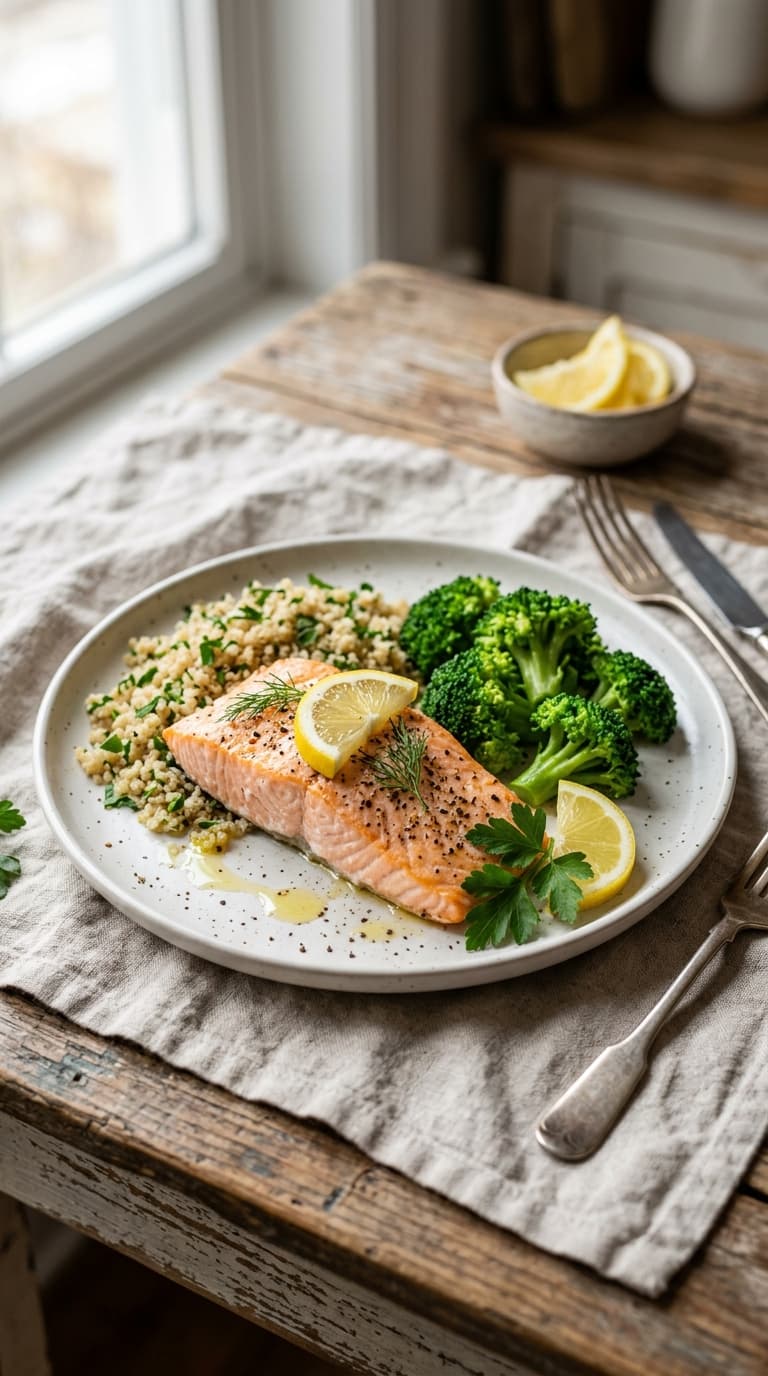
Dinner: Herb-crusted baked salmon with roasted carrots, parsnips, and a side salad dressed in olive oil and lemon.
Snack: Coconut yogurt with a tablespoon of chia seeds and mixed berries.
Drink tip: Celebrate finishing the week with something fun — these detox tea recipes take less than 10 minutes and make a genuinely satisfying end-of-week ritual.
Lifestyle Habits That Work Alongside This Meal Plan
Food is huge, but it’s not the only piece of the puzzle. Thyroid health responds to your whole lifestyle, not just what’s on your plate.
- Manage stress actively — chronic stress raises cortisol, which directly suppresses thyroid function. Yoga, meditation, walks — pick something and actually do it.
- Sleep 7–9 hours — your thyroid does a lot of its repair work while you sleep.
- Move your body gently — intense exercise can backfire if your thyroid is struggling. Walking, swimming, and light strength training are your friends.
- Get tested regularly — don’t guess. Ask your doctor to test TSH, Free T3, Free T4, and thyroid antibodies for a complete picture.
- Limit screen time before bed — blue light interferes with melatonin, which affects cortisol, which affects your thyroid. It’s all connected.
Supplements Worth Discussing With Your Doctor
I want to be upfront here — always talk to a healthcare provider before starting supplements. That said, several nutrients commonly come up in the context of thyroid health:
- Selenium (200 mcg) — the most well-supported supplement for Hashimoto’s
- Magnesium glycinate — supports sleep and stress response
- Vitamin D3 with K2 — many thyroid patients are deficient
- Zinc — supports T4 to T3 conversion
- Ashwagandha — an adaptogen that can help regulate cortisol (but check with your doctor if you have autoimmune conditions)
Common Mistakes People Make on an Anti-Inflammatory Diet
Let’s be real for a second. People jump into these plans with great intentions and then accidentally undermine themselves. Sound familiar? 🙂
Watch out for these:
- Eating too many raw goitrogens — raw kale smoothies every day aren’t actually helping your thyroid. Cook your crucifers.
- Overdoing iodine — more isn’t better here. Too much iodine can actually worsen autoimmune thyroid conditions.
- Ignoring blood sugar — blood sugar spikes drive inflammation. Pair carbs with protein and fat at every meal.
- Relying on “health foods” that aren’t — many gluten-free packaged foods are loaded with inflammatory starches and seed oils. Read the labels.
- Quitting after a few days — anti-inflammatory eating works over time, not overnight. Give it at least 4–6 weeks to see real changes.
A Note on Coffee and Thyroid Medication
If you take thyroid medication like levothyroxine, you need to wait at least 30–60 minutes before having coffee. Coffee can significantly reduce medication absorption, which basically defeats the whole purpose of taking it. If you’re a morning coffee lover and want to make that wait more enjoyable, these quick coffee drinks you can make in under 5 minutes are worth bookmarking for when your medication window is up.
Final Thoughts
Seven days isn’t a cure — let’s be completely honest about that. But it is a powerful starting point that can genuinely shift how your body feels, how your thyroid performs, and how much energy you bring to each day. The goal isn’t perfection; it’s consistency.
Start with Day 1. Don’t obsess over getting every meal exactly right. Focus on crowding out inflammatory foods with nourishing ones, staying hydrated, sleeping well, and managing stress. Your thyroid has been working hard — often under really difficult conditions — and it deserves the support.
Come back to this plan whenever you need a reset. Share it with someone who might need it. And remember — small, sustainable changes beat dramatic short-term overhauls every single time. Your body knows how to heal. You just need to give it the right conditions to do so.