7 Day Anti-Inflammatory Meal Plan for PCOS
7 Day Anti-Inflammatory Meal Plan for PCOS
Let’s be honest — managing PCOS feels like a full-time job nobody hired you for. The bloating, the fatigue, the hormonal chaos… it’s a lot. But here’s the thing: what you eat genuinely moves the needle. And no, I’m not talking about some sad, flavorless “health food” situation. I mean real, satisfying meals that actually fight the inflammation that makes PCOS symptoms so miserable.
I’ve spent a lot of time researching and experimenting with anti-inflammatory eating for PCOS, and this 7-day meal plan is the result of that work. Think of it as your friendly roadmap — not a rigid diet, but a flexible guide that helps your body chill out (literally) and start working with you instead of against you.
Why Inflammation and PCOS Are Basically Frenemies
Chronic low-grade inflammation is one of the core drivers of PCOS. It messes with insulin sensitivity, ramps up androgen production, and generally makes everything worse. Research consistently shows that women with PCOS have higher inflammatory markers — things like C-reactive protein — compared to those without it.
The good news? Food is one of the most powerful tools you have to lower that inflammation. Certain ingredients actively calm your immune system’s overreaction. Others — hello, refined sugar and processed junk — pour gasoline on the fire.
So the goal of this meal plan isn’t deprivation. It’s strategic eating that gives your hormones a fighting chance.
The Anti-Inflammatory Superstars You’ll Use All Week
Before we jump into the actual plan, let’s talk about the ingredients doing the heavy lifting. You’ll see these pop up throughout the week — and for good reason.
- Fatty fish (salmon, sardines, mackerel) — loaded with omega-3s that directly reduce inflammatory cytokines
- Leafy greens (spinach, kale, arugula) — packed with antioxidants and magnesium, which many PCOS women are deficient in
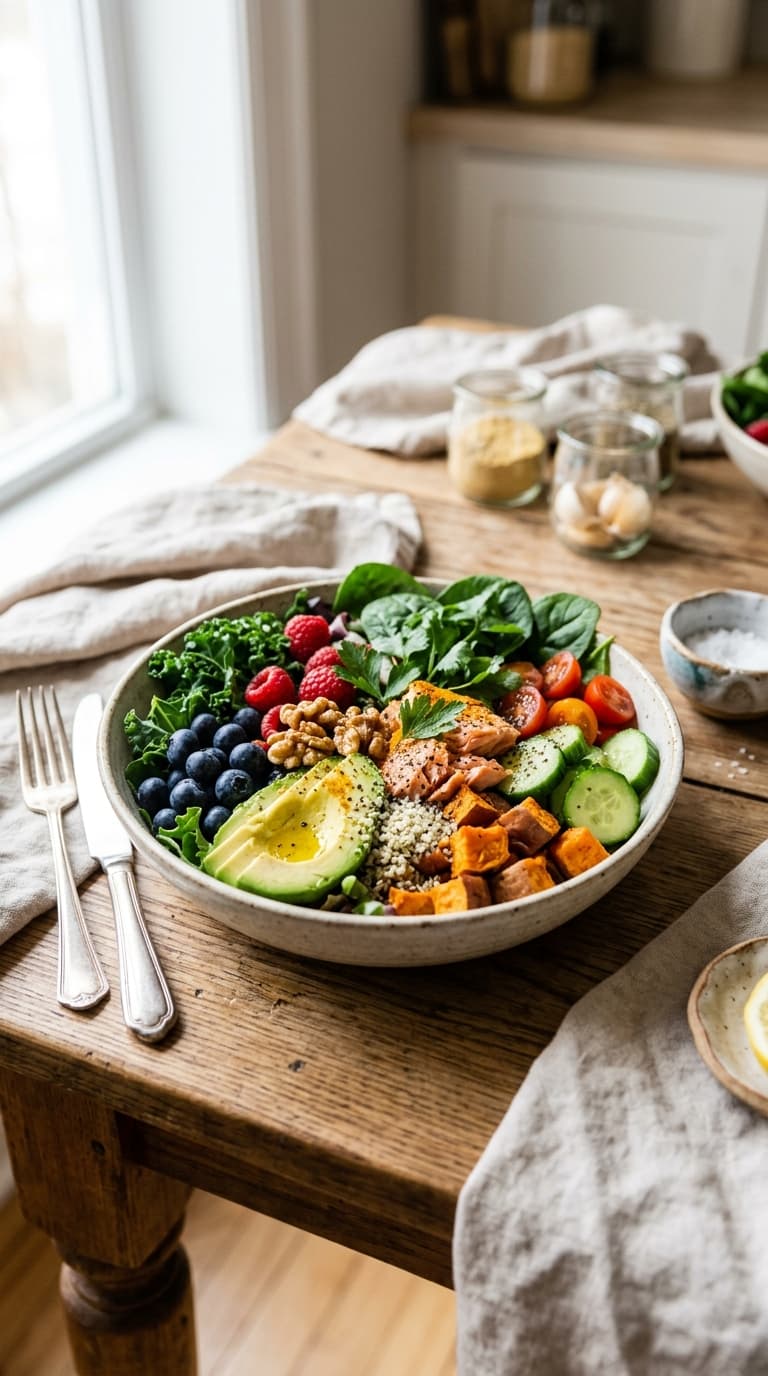
- Berries — blueberries, strawberries, raspberries are low-glycemic and bursting with flavonoids
- Turmeric and ginger — nature’s anti-inflammatory dream team; seriously underrated
- Legumes (lentils, chickpeas, black beans) — slow-digesting carbs that keep blood sugar stable
- Olive oil — oleocanthal in extra virgin olive oil works similarly to ibuprofen as an anti-inflammatory (wild, right?)
- Seeds (flaxseeds, chia seeds) — great for hormone balance and gut health
- Whole grains (quinoa, oats, brown rice) — keep insulin spikes manageable
You’ll also want to sip on some anti-inflammatory tea blends throughout the day — things like green tea, ginger tea, and turmeric blends are genuinely helpful additions to this plan.
Day 1: Starting Strong
Breakfast
Golden oat bowl — Cook rolled oats in unsweetened almond milk, stir in a teaspoon of turmeric and cinnamon, and top with blueberries and a tablespoon of ground flaxseeds. This combo hits blood sugar regulation and inflammation at the same time. Not bad for 8 AM, right?
Lunch
Lentil and spinach soup with a slice of whole grain sourdough. Lentils are one of the best foods for PCOS — high fiber, high protein, low glycemic index. This soup keeps you full for hours and your gut will genuinely thank you.
Dinner
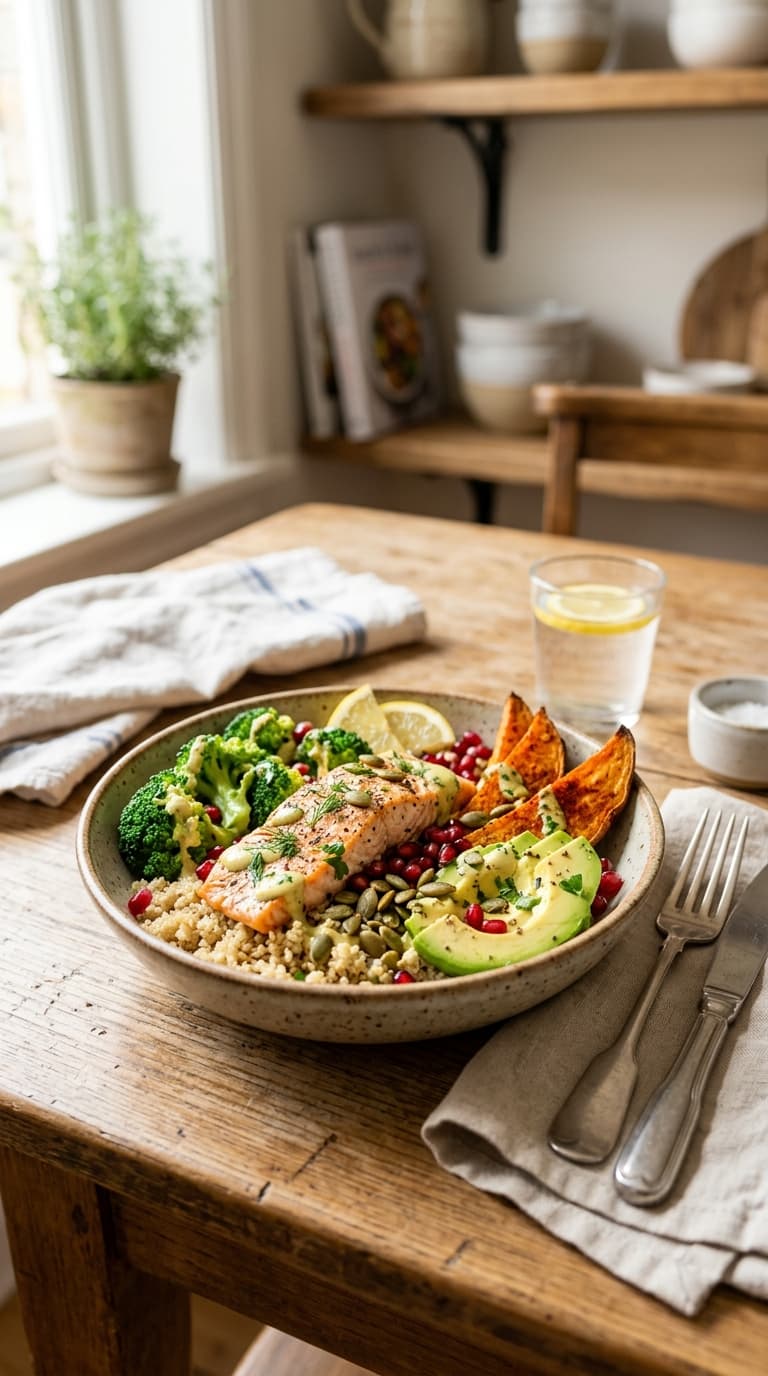
Baked salmon with roasted broccoli and quinoa. Season the salmon with olive oil, lemon, and garlic. Roast the broccoli until crispy (the only way to eat it, IMO). Quinoa gives you complete protein without the blood sugar spike of white rice.
Snack
A small handful of walnuts and a few strawberries. Simple, but walnuts are an exceptional omega-3 source for days when you’re not eating fish.
Day 2: Keeping the Momentum
Breakfast
Chia seed pudding made with coconut milk, topped with mango and a sprinkle of hemp seeds. Make it the night before and your morning self will be so grateful. Chia seeds are rich in alpha-linolenic acid, a plant-based omega-3 that supports hormone balance.
Lunch
Big arugula salad with sliced avocado, cherry tomatoes, cucumber, pumpkin seeds, and a lemon-olive oil dressing. Don’t be stingy with the olive oil — it’s medicine at this point.
Dinner
Chicken and vegetable stir-fry with a ginger-tamari sauce served over brown rice. Ginger here isn’t just for flavor — it actively lowers prostaglandins linked to inflammation and pain. If PCOS gives you painful periods, this one’s especially worth keeping in rotation.
Snack
Sliced apple with almond butter. The fiber in the apple slows sugar absorption, and almond butter adds healthy fat and magnesium. 🙂
Day 3: Midweek Check-In
You’re halfway through the week — how are you feeling? If you’re noticing less bloating or more stable energy, that’s the inflammation calming down. It’s not your imagination.
Breakfast
Two-egg veggie scramble with spinach, mushrooms, and cherry tomatoes cooked in olive oil. Eggs get a bad rap sometimes, but they’re nutrient-dense and the choline in them supports liver detoxification — crucial for estrogen metabolism in PCOS.
Lunch
Chickpea and roasted red pepper wrap in a whole grain tortilla with hummus and arugula. Chickpeas bring both fiber and plant-based protein. This one travels well if you’re eating at work.
Dinner
Turmeric-spiced lentil dal with cauliflower rice. This dish is basically a hug for your endocrine system. Pair it with a warming cup of ginger or turmeric herbal tea after dinner to support digestion.
Snack
Greek yogurt (full-fat, unsweetened) with a drizzle of raw honey and raspberries. Probiotics in the yogurt support gut health, which — surprise — is directly connected to hormone regulation.
Day 4: Flavor-Forward Thursday
Breakfast
Smoothie bowl with frozen mango, spinach, half a banana, and unsweetened coconut milk blended thick. Top with granola, sliced kiwi, and chia seeds. This is one of those breakfasts that feels like a treat while doing genuinely good things for your body.
If you want to add a little caffeine kick without spiking cortisol, one of these coffee smoothie recipes for breakfast could work beautifully here — especially the ones using cold brew in small amounts.
Lunch
Stuffed bell peppers with black beans, brown rice, corn, and salsa. This is high-fiber, high-flavor, and pretty much impossible to mess up. Bell peppers are also rich in vitamin C, which supports adrenal health.
Dinner
Baked cod with asparagus and sweet potato mash. Sweet potatoes are a better carb choice for PCOS than regular potatoes — higher in fiber and packed with beta-carotene. Asparagus supports liver function and helps your body flush excess hormones.
Snack
Carrot sticks with guacamole. Avocado is genuinely one of the best foods for hormone health — the monounsaturated fats help your body produce steroid hormones properly.
Day 5: Friday Feels
Breakfast
Overnight oats with almond milk, a tablespoon of nut butter, sliced banana, and cinnamon. Prep this Thursday night and Friday morning becomes a lot less chaotic. Cinnamon deserves a special mention here — it improves insulin sensitivity, which is a core PCOS issue for many women.
Lunch
Warm grain bowl with farro, roasted beets, goat cheese, walnuts, and a balsamic glaze. Beets support liver detox pathways and have a naturally sweet flavor that doesn’t spike blood sugar. This bowl is honestly a restaurant-quality meal you can make at home.
Dinner
Shrimp and vegetable skewers with a turmeric-coconut dipping sauce, served with a big green salad. Shrimp are a lean, high-protein option that works great for those days when you want something lighter. The coconut sauce adds healthy fat and makes this feel indulgent.
Snack
A small dark chocolate square (70%+ cacao) with a few almonds. Yes, dark chocolate is anti-inflammatory. You’re welcome. FYI, the flavonoids in dark chocolate reduce inflammatory markers — so this isn’t a cheat, it’s basically homework.
Day 6: Weekend Cooking Mode
Weekends are when I actually enjoy spending time in the kitchen. No rushing, no sad desk lunches — just real food made with care. This day’s meals are slightly more involved but totally worth it.
Breakfast
Smashed avocado on whole grain toast with sliced radishes, microgreens, a soft-boiled egg, and a sprinkle of red pepper flakes. It’s the kind of breakfast that makes you feel like you have your life together.
Lunch
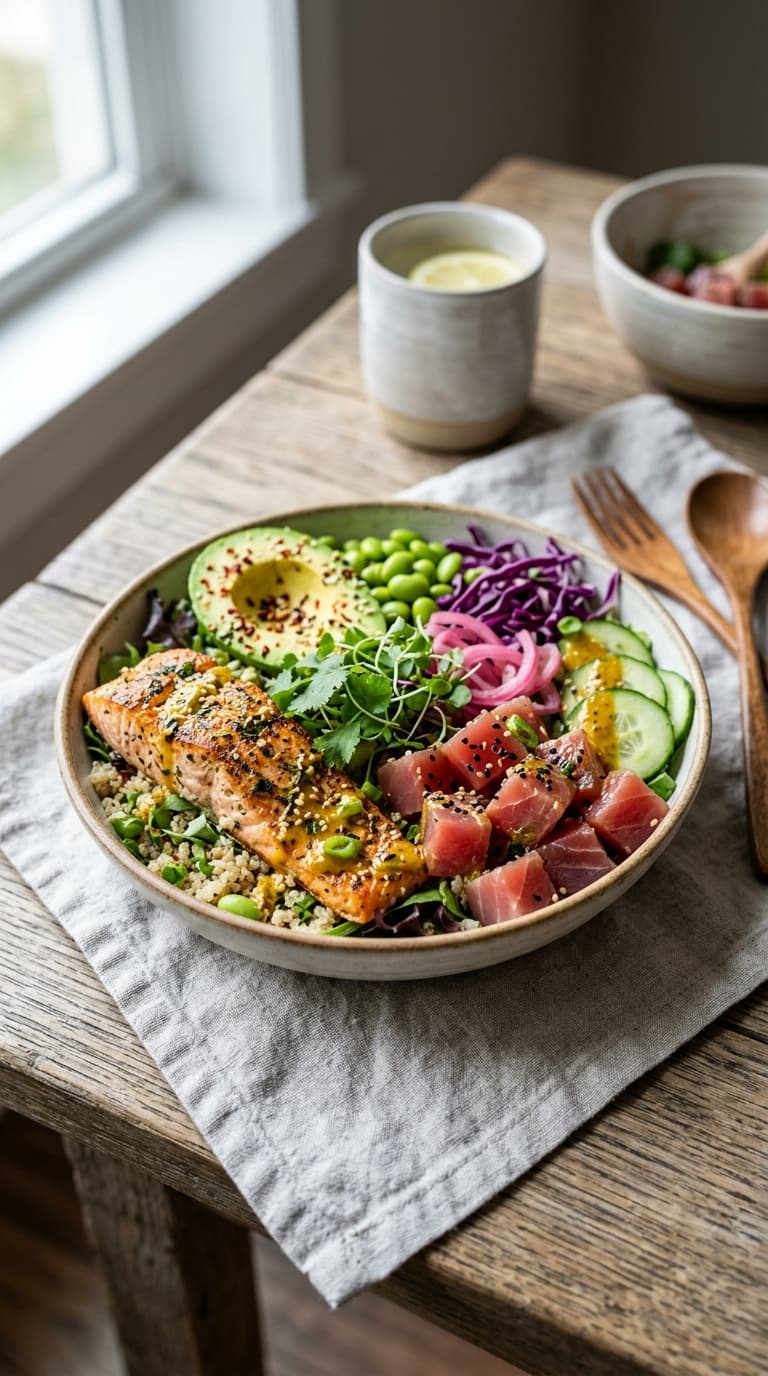
Homemade salmon and avocado rice bowl with shredded purple cabbage, edamame, cucumber, and a sesame-ginger dressing. Purple cabbage is incredibly rich in anthocyanins — plant pigments with serious anti-inflammatory credentials.
Dinner
Slow-cooked chicken and vegetable stew with white beans, kale, and rosemary. This is pure comfort food that happens to be genuinely nourishing. The white beans add creaminess and fiber without any dairy. Make a double batch — it freezes beautifully.
After dinner, wind down with one of these herbal teas that help you sleep better — sleep is massive for PCOS and cortisol regulation, and most people overlook it.
Snack
Roasted spiced chickpeas. Toss canned chickpeas with olive oil, smoked paprika, and cumin, then roast at 400°F until crispy. Way more satisfying than chips, and your hormones won’t hate you afterward :/
Day 7: Finishing Strong
Breakfast
Buckwheat pancakes with fresh berries and a drizzle of pure maple syrup. Buckwheat is gluten-free, high in rutin (an antioxidant that reduces inflammation), and actually keeps you full. Top with mixed berries for maximum antioxidant power.
Lunch
Mediterranean quinoa salad with kalamata olives, cherry tomatoes, cucumber, red onion, parsley, and a lemon-olive oil dressing. This is one of those meals you can prep on Sunday and eat all week. It actually gets better as it sits.
Dinner
Herb-crusted baked trout with roasted root vegetables (parsnips, carrots, beets) and sautéed garlic spinach. A beautiful, satisfying end to the week. Trout is as omega-3-rich as salmon and often more affordable.
Snack
A warm mug of golden milk — almond milk heated with turmeric, black pepper, cinnamon, and a touch of honey. This is one of my personal favorites. It tastes indulgent, but it’s basically an anti-inflammatory supplement in a mug.
What to Drink All Week
Hydration matters more than people realize for PCOS. Water is obviously your best friend, but you’ve got other great options:
- Green tea — lowers androgens and supports insulin sensitivity
- Spearmint tea — shown in studies to reduce testosterone levels in PCOS women (yes, really)
- Ginger tea — anti-inflammatory and great for digestion
- Turmeric latte — the golden milk mentioned above works any time of day
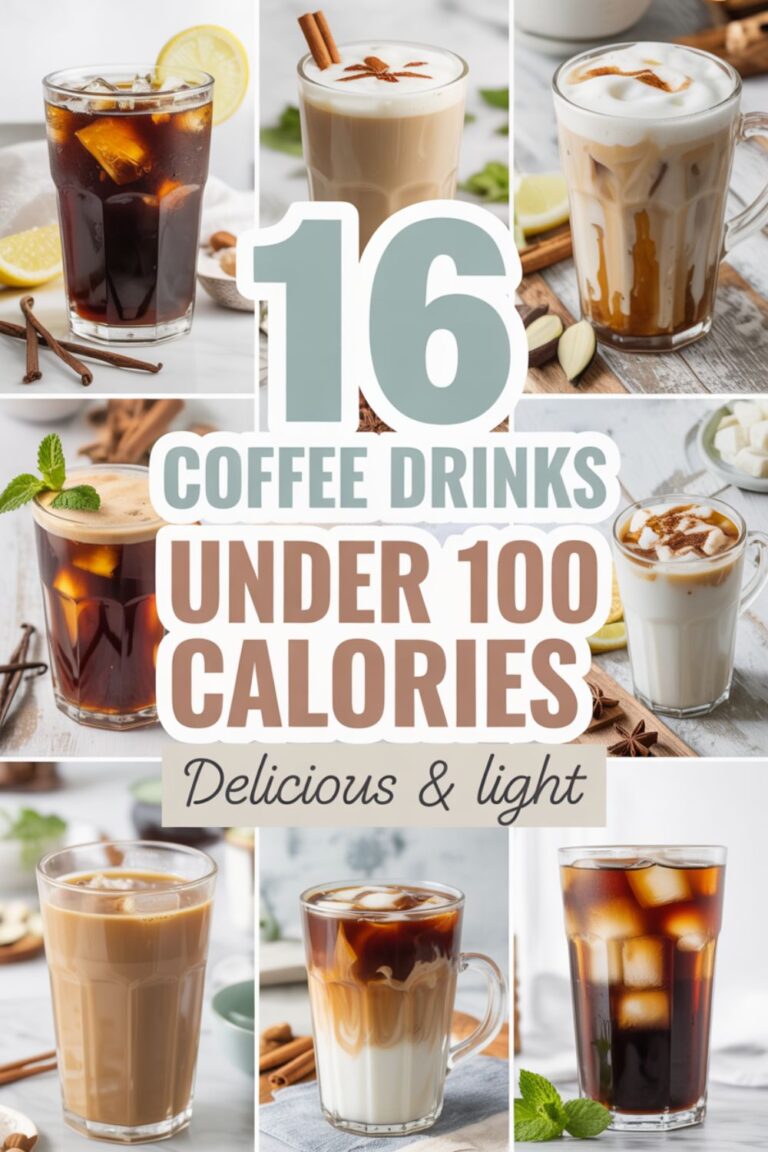
You can explore some detox tea recipes that take under 10 minutes to keep your drink rotation interesting. And if you want a little morning coffee, that’s fine — just pair it with food, avoid sugar-loaded syrups, and consider low-calorie coffee drink options that won’t spike your insulin.
Foods to Avoid (Or At Least Minimize)
I won’t be preachy about this, but you should know what works against you:
- Refined sugar — directly drives inflammation and insulin resistance
- White bread, white rice, white pasta — high glycemic, disrupt blood sugar fast
- Dairy (for some women) — can increase IGF-1 and worsen acne/cyst formation; watch how your body responds
- Processed vegetable oils (canola, soybean, corn oil) — high in omega-6, fuels inflammation
- Alcohol — stresses the liver, which needs to process excess hormones
- Highly processed snacks — the combo of refined carbs, bad fats, and additives is basically a PCOS nightmare
Practical Tips to Make This Work
A meal plan is only useful if you can actually follow it. Here’s what helps:
- Batch cook grains on Sunday — quinoa, brown rice, and farro keep in the fridge for 5 days
- Pre-wash and chop vegetables so they’re grab-and-go ready
- Keep frozen berries and fish on hand for days when fresh isn’t available
- Make your dressings ahead — a simple lemon-olive oil dressing covers most salads in this plan
- Don’t stress about perfection — if one meal goes off-plan, it doesn’t undo everything. Just pick back up at the next meal.
Wrapping It Up
Here’s the bottom line: anti-inflammatory eating for PCOS isn’t about restriction — it’s about strategy. You’re choosing foods that lower inflammation, stabilize blood sugar, support liver detox, and give your hormones the raw materials they need to function properly. That’s it. No magic pills, no dramatic cleanses.
Seven days of consistent, intentional eating can genuinely shift how you feel. And once you start feeling the difference — less bloating, more energy, clearer skin, better moods — you won’t want to go back to the old patterns.
Start with Day 1. See how you feel by Day 4. And remember: your body isn’t fighting you. It’s just waiting for the right support. Give it that, and it will surprise you. 🙂