7 Day Anti-Inflammatory Meal Plan for Gut Healing
7 Day Anti-Inflammatory Meal Plan for Gut Healing
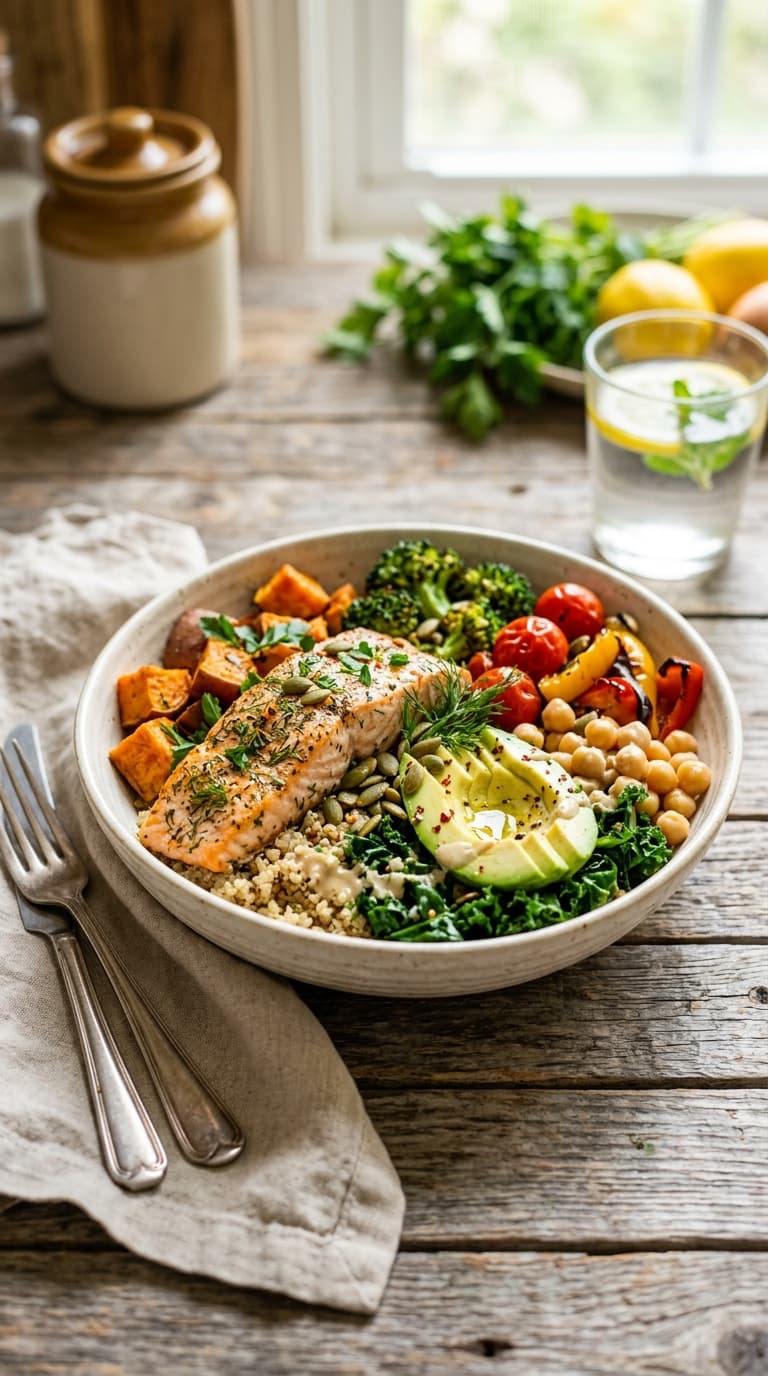
Your gut has been through a lot. Between the stress, the late-night snacks, the coffee-on-an-empty-stomach mornings (we’ve all been there), it’s no wonder your digestive system is staging a quiet protest. Bloating, sluggishness, skin flare-ups — these aren’t random. They’re your body waving a red flag. The good news? Food is one of the most powerful tools you have to turn things around. A solid anti-inflammatory meal plan can genuinely transform how you feel from the inside out, and this 7-day guide is your starting point.
What Does “Anti-Inflammatory” Actually Mean?
Let’s clear this up before we get into the meal plan, because “anti-inflammatory” gets thrown around a lot these days. Inflammation isn’t always bad — your immune system uses it to fight off infections. The problem is chronic, low-grade inflammation, which quietly damages your gut lining, disrupts your microbiome, and contributes to issues like IBS, fatigue, skin conditions, and even mood swings.
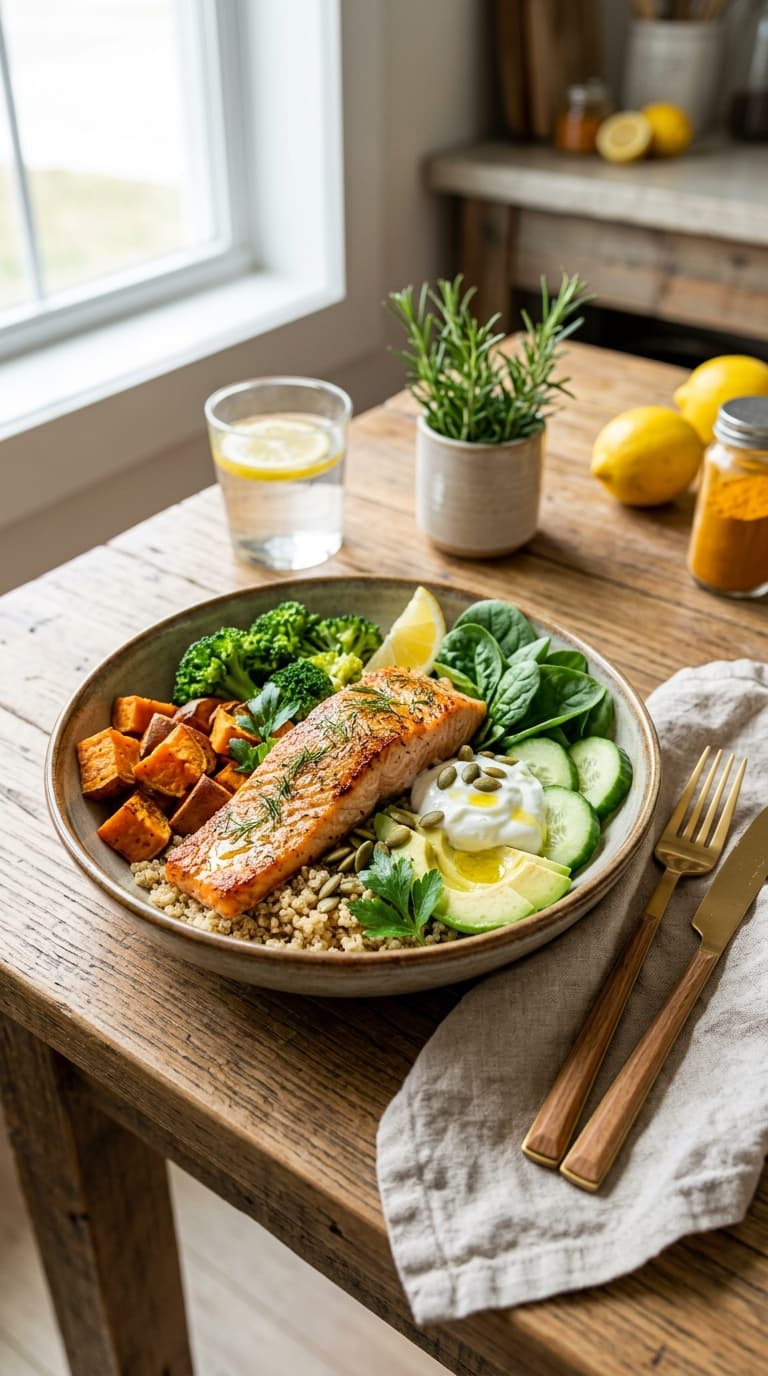
An anti-inflammatory diet focuses on whole, nutrient-dense foods that calm this internal fire. Think colorful vegetables, healthy fats, quality proteins, and fermented foods. And just as importantly, it cuts out the stuff that fans the flames — refined sugar, processed oils, alcohol, and ultra-processed foods.
The gut-inflammation connection is real. When your gut lining is compromised (hello, leaky gut), inflammatory compounds can slip into your bloodstream and cause chaos throughout your body. Healing your gut is step one.
Foods to Eat and Foods to Avoid
Gut-Healing Superstars
Before the meal plan, you need to know what’s on the “yes” list:
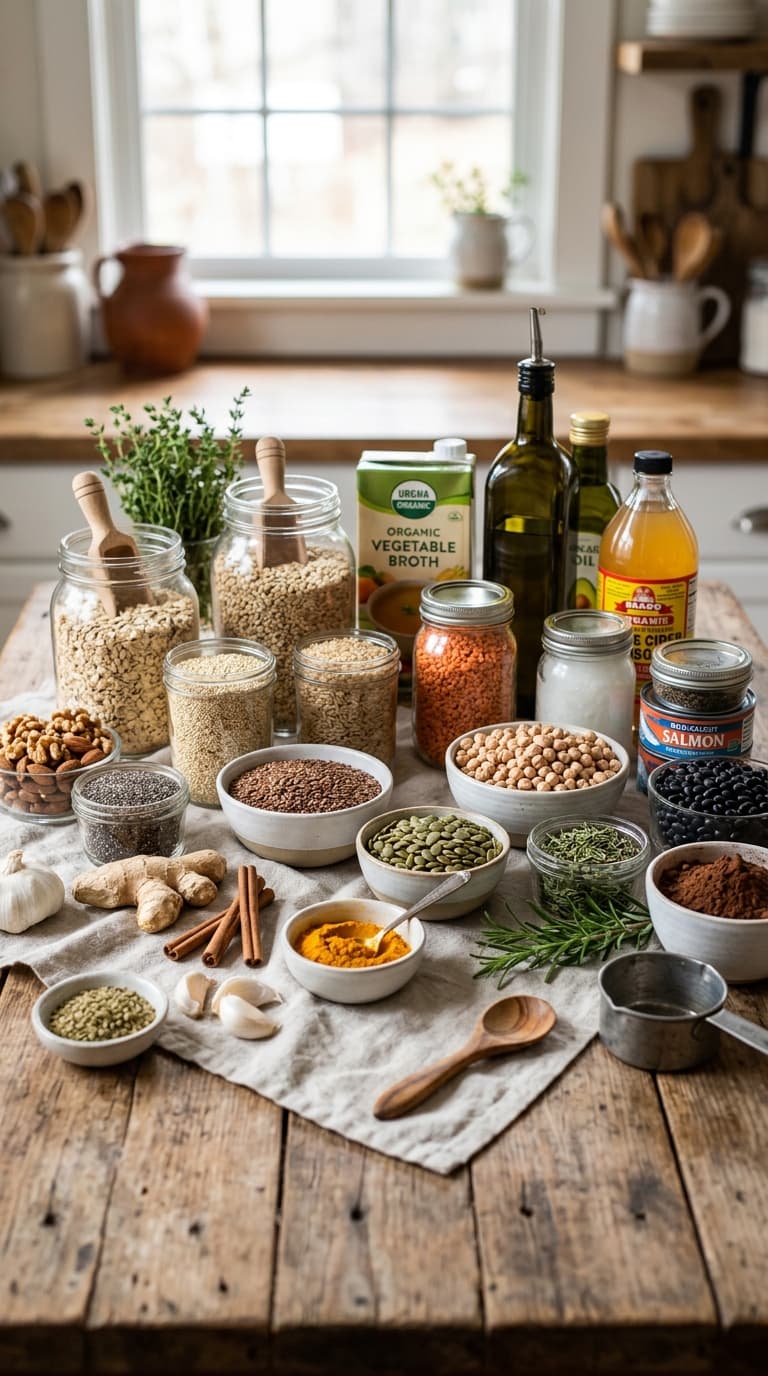
- Leafy greens — spinach, kale, arugula (fiber + antioxidants)
- Fatty fish — salmon, sardines, mackerel (omega-3s that actively reduce inflammation)
- Berries — blueberries, raspberries, strawberries (polyphenols that feed good gut bacteria)
- Fermented foods — kefir, sauerkraut, kimchi, plain yogurt (probiotics for microbiome repair)
- Olive oil — extra virgin only, please (oleocanthal works like a natural anti-inflammatory)
- Turmeric and ginger — these two are basically inflammation’s worst enemies
- Bone broth — rich in collagen and amino acids that literally patch up your gut lining
- Legumes — lentils, chickpeas, black beans (prebiotic fiber to feed your good bacteria)
- Whole grains — brown rice, oats, quinoa (keep blood sugar stable, reduce inflammatory spikes)
Foods That Sabotage Your Gut
And the “no” list — at least for these 7 days:
- Refined sugar and artificial sweeteners
- Processed vegetable oils (canola, soybean, sunflower in excess)
- Gluten (for sensitive individuals — pay attention to how you feel)
- Alcohol
- Fried and ultra-processed foods
- Conventional dairy in large amounts
Day 1: Reset and Rebuild
Start simple. Your gut doesn’t need you to go full gourmet chef on day one.
- Breakfast: Warm oatmeal with blueberries, a drizzle of raw honey, and a sprinkle of ground flaxseed. Pair it with a cup of anti-inflammatory herbal tea — ginger or turmeric blends work beautifully here.
- Lunch: Big leafy green salad with grilled salmon, cucumber, avocado, and a lemon-olive oil dressing.
- Dinner: Lentil and vegetable soup made with bone broth, garlic, turmeric, and a handful of kale stirred in at the end.
- Snack: A small bowl of plain kefir with a few walnuts.
Why this works: You’re loading fiber, omega-3s, and probiotics right from day one, while giving your digestive system something easy to process.
Day 2: Build the Momentum
Ever notice how you feel weirdly energized on day two of eating clean? That’s not placebo — that’s your body sighing with relief 🙂
- Breakfast: Two eggs scrambled with spinach and a slice of sourdough bread (yes, sourdough is actually easier on the gut due to fermentation). Black coffee if you must, but honestly, a cup of herbal tea for better digestion might serve you better right now.
- Lunch: Quinoa bowl with roasted sweet potato, black beans, red cabbage, and tahini dressing.
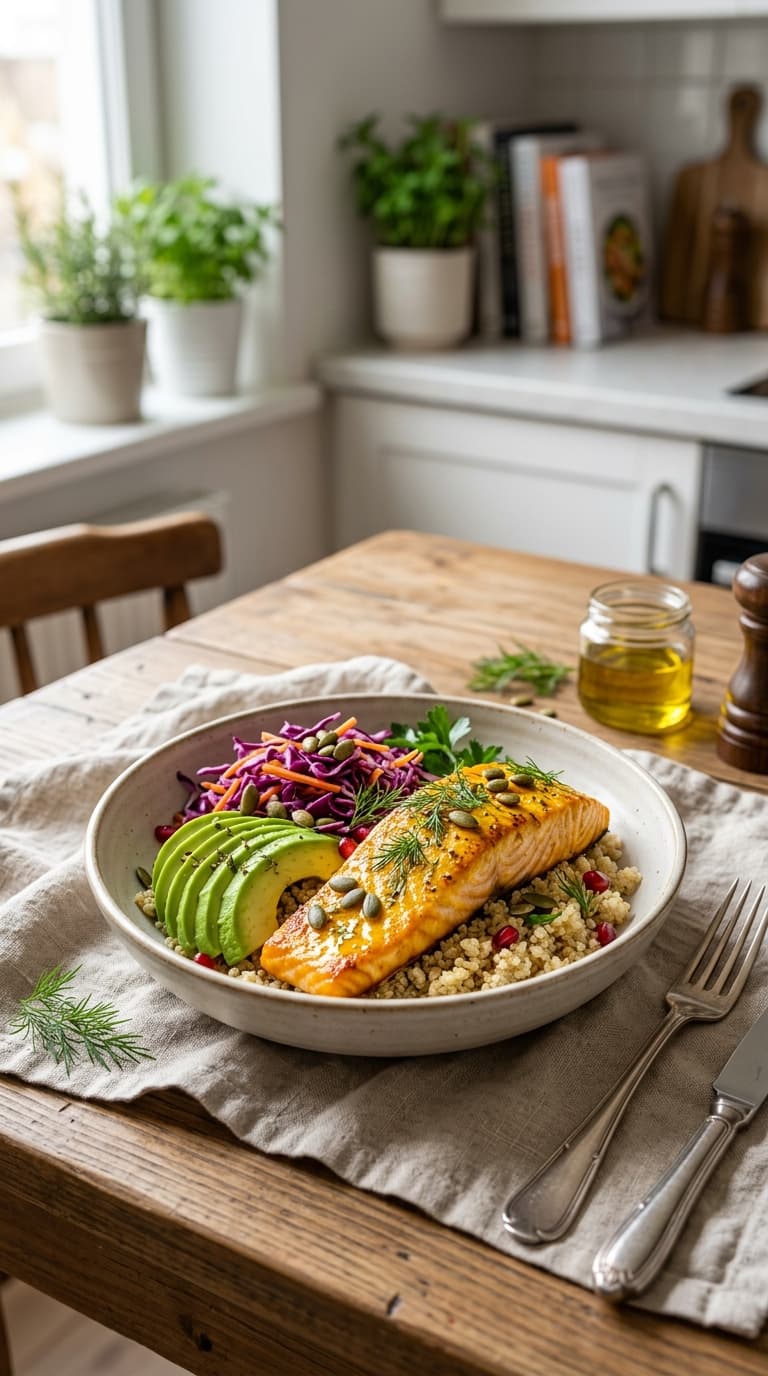
- Dinner: Baked salmon with a turmeric-ginger glaze, steamed broccoli, and brown rice.
- Snack: Sliced apple with almond butter.
Tip: Don’t skip the tahini. Sesame is loaded with lignans — plant compounds with serious anti-inflammatory properties.
Day 3: Halfway There, Gut Feeling Good
By day three, some people notice their bloating starts to ease. Others feel a little worse before they feel better — especially if your diet was pretty processed before this. That’s totally normal. Your microbiome is reshuffling.
- Breakfast: Smoothie with frozen mango, spinach, banana, coconut milk, and a teaspoon of turmeric. Quick, easy, and genuinely delicious.
- Lunch: Sardines on whole grain crackers with sliced avocado and lemon. (IMO, sardines are wildly underrated for gut health.)
- Dinner: Stir-fry with tempeh, bok choy, snap peas, ginger, and tamari sauce served over brown rice.
- Snack: A small handful of mixed berries and pumpkin seeds.
Tempeh is fermented soy, which means it’s a probiotic food and a complete protein. Double win.
Day 4: Midweek Power-Up
You’re at the halfway point. How are you feeling? If you’re sleeping a little better or your energy has picked up, that’s your gut talking back — in a good way.
- Breakfast: Chia seed pudding made overnight with coconut milk, topped with kiwi slices and a drizzle of honey.
- Lunch: Lentil and roasted veggie wrap in a whole grain tortilla with hummus and arugula.
- Dinner: Chicken and vegetable soup made from scratch with bone broth, carrots, celery, parsley, and garlic.
- Snack: Plain Greek yogurt with a few walnuts and a pinch of cinnamon.
Chia seeds deserve a spotlight moment. They’re rich in omega-3 fatty acids, soluble fiber, and they form a gel in your gut that soothes the intestinal lining. Keep them around long after this week ends.
Day 5: Get Creative in the Kitchen
By day five, you’ve got the rhythm. Let’s add a little fun.
- Breakfast: Savory oatmeal with a soft-boiled egg, sautéed mushrooms, and a drizzle of olive oil. Sounds weird, tastes amazing, trust me.
- Lunch: Big bowl of homemade gazpacho (blended raw tomatoes, cucumber, bell pepper, garlic, olive oil) with a side of whole grain bread.
- Dinner: Baked cod with a herb crust, roasted asparagus, and a side of sauerkraut. Don’t skip the sauerkraut — it’s doing the heavy lifting for your gut bacteria tonight.
- Snack: Sliced bell pepper with guacamole.
Raw fermented foods like sauerkraut and kimchi deliver live cultures to your gut. Heat destroys them, so keep them as a cold side rather than cooking them in.
Day 6: The Feel-Good Day
Most people hit a wall somewhere around days 3-4, then break through by day 6 feeling genuinely great. If that’s you right now — great, keep going. If not, no stress. Everyone’s gut heals at a different pace.
- Breakfast: Buckwheat pancakes (buckwheat is gluten-free and gut-friendly) topped with fresh raspberries and a spoonful of coconut yogurt.
- Lunch: Grilled mackerel with a quinoa tabbouleh salad — lots of parsley, lemon, cucumber, and olive oil.
- Dinner: Slow-cooked chicken thighs with roasted root vegetables, rosemary, and garlic. Simple, warming, deeply nourishing.
- Snack: A small cup of herbal tea for stress and calm — chamomile or lemon balm work well here, especially in the evening.
FYI, sleep is part of your gut healing plan too. Poor sleep spikes cortisol, which directly disrupts your gut microbiome. So wind down properly on night six.
Day 7: Celebrate and Sustain
You made it to day seven. Your gut has had a full week of anti-inflammatory, microbiome-supporting, inflammation-cooling foods. Let’s finish strong.
- Breakfast: Acai bowl with frozen berries, banana, almond milk, topped with granola, hemp seeds, and coconut flakes.
- Lunch: Warm bowl of miso soup with tofu, seaweed, and scallions alongside a simple cucumber and sesame salad. Miso is fermented — it counts as a probiotic food.
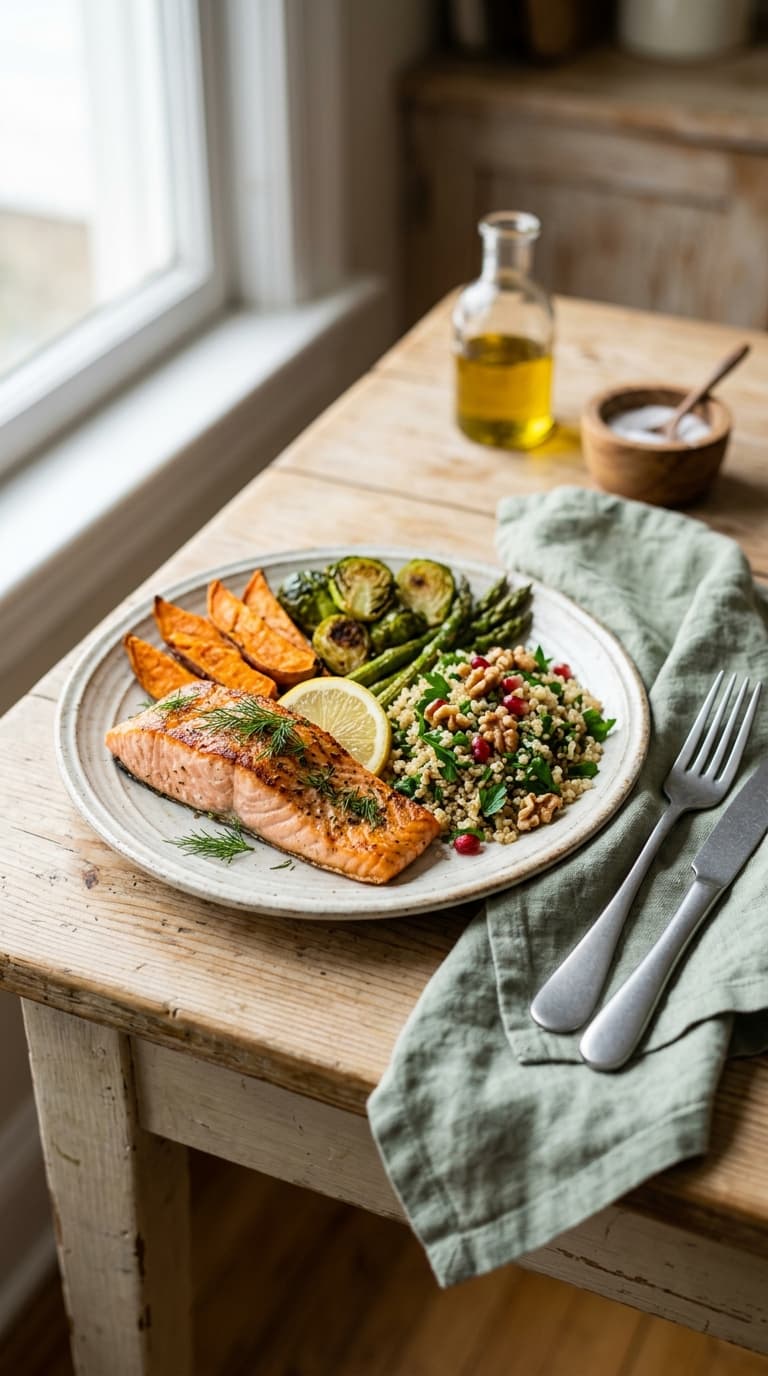
- Dinner: Herb-roasted salmon with sweet potato mash (made with olive oil, not butter) and a big side of wilted spinach with garlic.
- Snack: Dark chocolate (85%+ cocoa) with a few almonds. Yes, dark chocolate is anti-inflammatory. You’re welcome.
Drinks That Support Gut Healing
What you drink matters just as much as what you eat. Plain water is the obvious answer, but there’s a whole world of gut-supportive drinks worth exploring.
Herbal teas are genuinely fantastic during this week. Ginger tea eases digestive discomfort, peppermint calms spasms, and licorice root supports the gut lining. If you want a deeper look, check out these herbal teas specifically for digestion — some of the blends are seriously impressive.
Bone broth sipped as a warm drink is another game-changer. It delivers glycine, glutamine, and collagen — all of which repair the gut lining directly.
Coffee is a bit of a gray area. It can stimulate gut motility (which some people need), but it also spikes cortisol and can irritate a sensitive gut lining. If you love your morning cup and can’t function without it, keep it — just drink it after food and consider trying low-acid coffee options that are gentler on the stomach.
Avoid alcohol completely this week if you can. It’s one of the most well-documented disruptors of gut bacteria diversity.
Tips to Make This Week Actually Work
Because knowing the plan and sticking to the plan are two different things entirely.
- Batch cook on Sunday. Make a big pot of lentil soup, cook a batch of brown rice, and roast a tray of vegetables. Your future self will thank you on Wednesday evening.
- Read labels. Hidden sugars and seed oils sneak into the most “innocent” packaged foods. If the ingredient list has more than five items and you can’t pronounce three of them, put it back.
- Chew your food slowly. Digestion starts in the mouth. Chewing properly reduces the workload on your gut and improves nutrient absorption.
- Don’t stress about perfection. One “off” meal doesn’t wreck the week. Chronic stress is itself inflammatory — so stressing about food choices is somewhat counterproductive :/
- Hydrate consistently. Aim for at least 2 liters of water daily. Fiber only does its job properly when you’re well hydrated.
- Consider a quality probiotic supplement. Food-based probiotics are ideal, but a good multi-strain supplement can help accelerate gut repair, especially if your microbiome is significantly depleted.
What Happens After Day 7?
Here’s the truth: 7 days is a jumpstart, not a cure. Gut healing is a longer process, especially if you’ve had issues for years. The goal of this week is to prove to yourself that food really does change how you feel, and to build habits that carry forward.
After day 7, you don’t need to follow this plan rigidly. But you should aim to keep the core principles in place — fermented foods most days, plenty of fiber, omega-3 rich foods several times a week, minimal processed sugar, and hydration as a non-negotiable.
Think about what you’re adding to your diet rather than obsessing over what you’re removing. When you crowd your plate with anti-inflammatory foods, there’s naturally less room for the junk.
A Final Thought
Healing your gut isn’t glamorous. It doesn’t happen overnight, and it requires more consistency than it does perfection. But this 7-day plan gives you a real foundation to work from — real foods, real benefits, and a gut that actually gets a chance to breathe.
Start tomorrow morning. Make the oatmeal. Sip the ginger tea. Give your gut the week it deserves. You might be surprised how quickly your body responds when you actually listen to it.