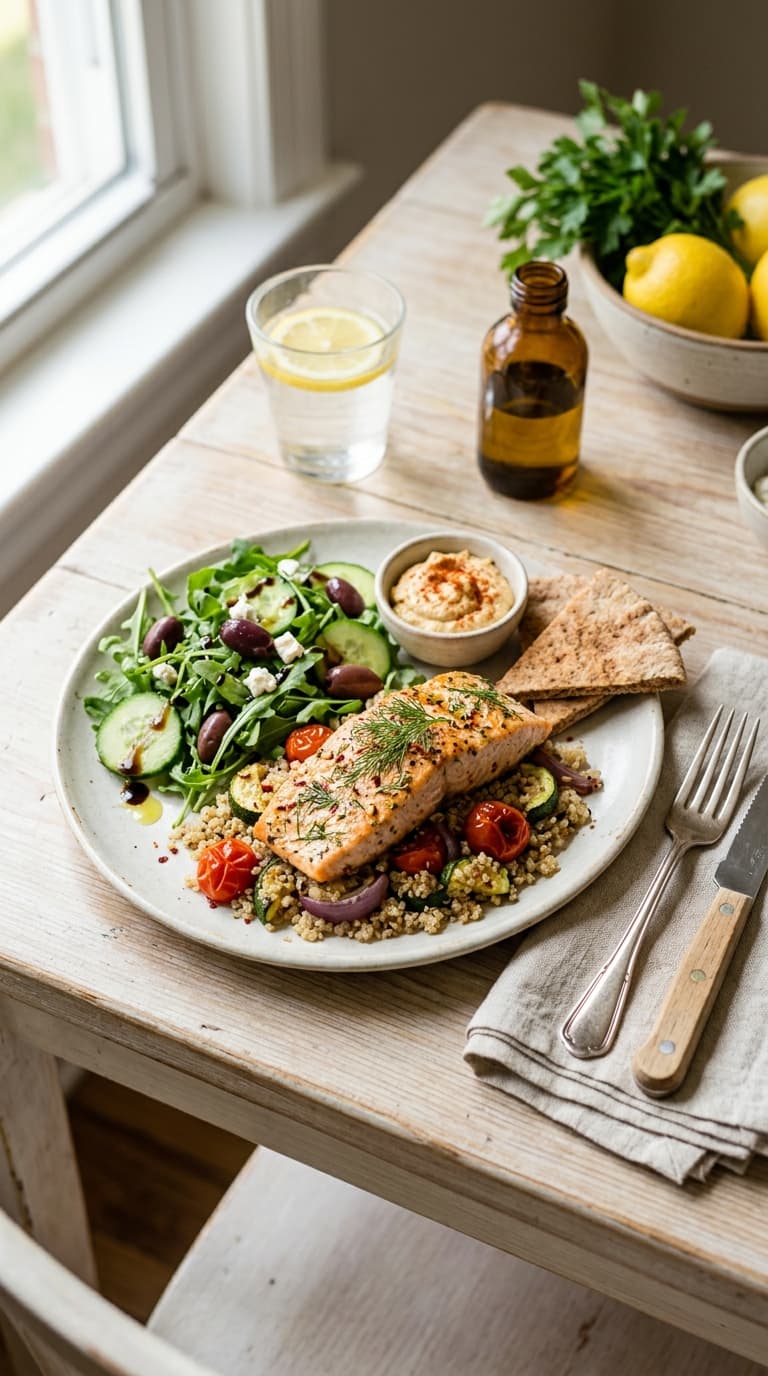
21 Day Anti-Inflammatory Mediterranean Diet Meal Plan
21 Day Anti-Inflammatory Mediterranean Diet Meal Plan
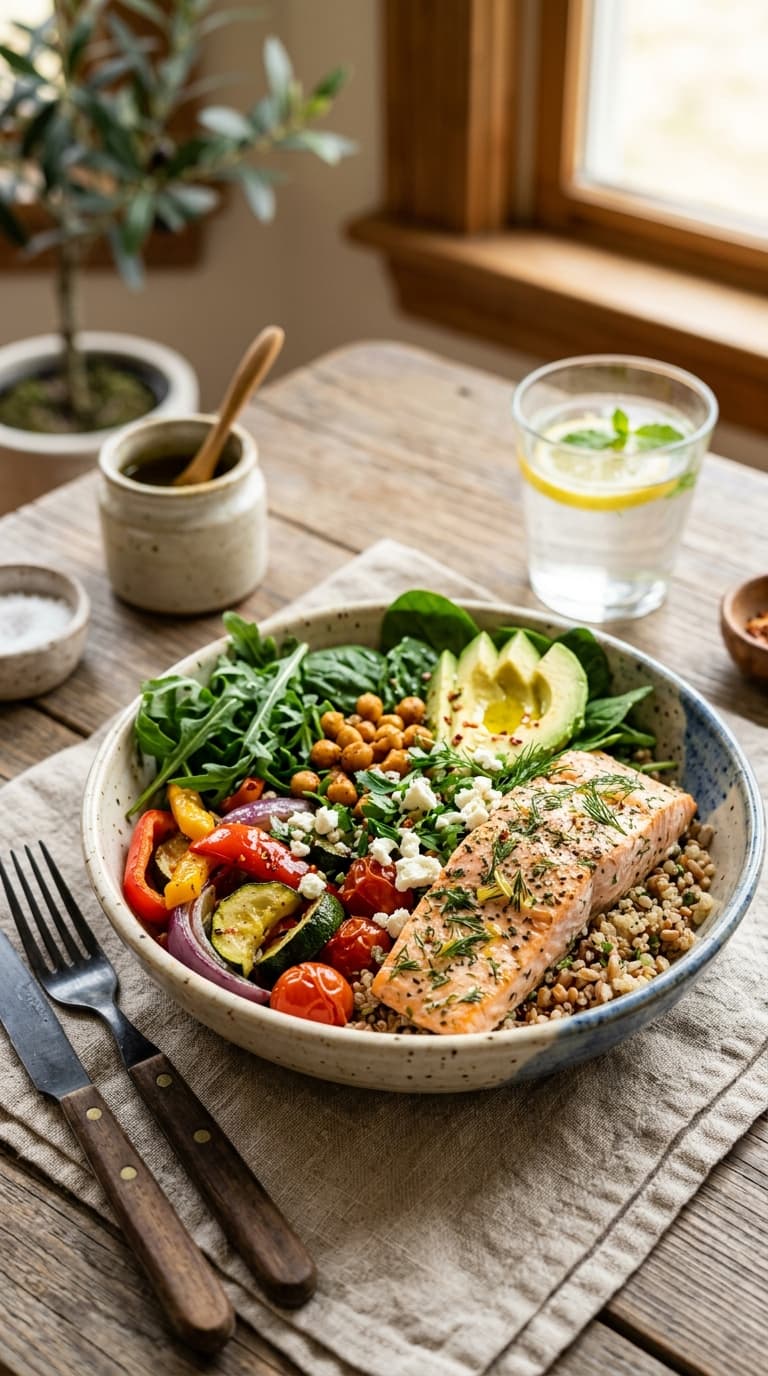
So you’ve heard the buzz about the Mediterranean diet, and now you’re wondering if it actually lives up to the hype. Spoiler: it does. I started this journey after dealing with chronic joint pain and low energy that no amount of coffee could fix — and trust me, I tried. Three weeks on an anti-inflammatory Mediterranean meal plan genuinely changed how I felt from the inside out. Not in a dramatic, overnight way, but in that quiet, satisfying way where you suddenly realize your knees don’t ache when you climb stairs anymore.
This isn’t about deprivation or counting every calorie. It’s about eating real, colorful, delicious food that your body actually wants to work with. Let’s get into it.
What Makes the Mediterranean Diet Anti-Inflammatory?
Before we jump into the meal plan itself, it helps to understand why this diet works so well. Inflammation isn’t always the enemy — your body needs it to heal. But chronic, low-grade inflammation is a different beast. It quietly contributes to heart disease, diabetes, arthritis, and even depression.
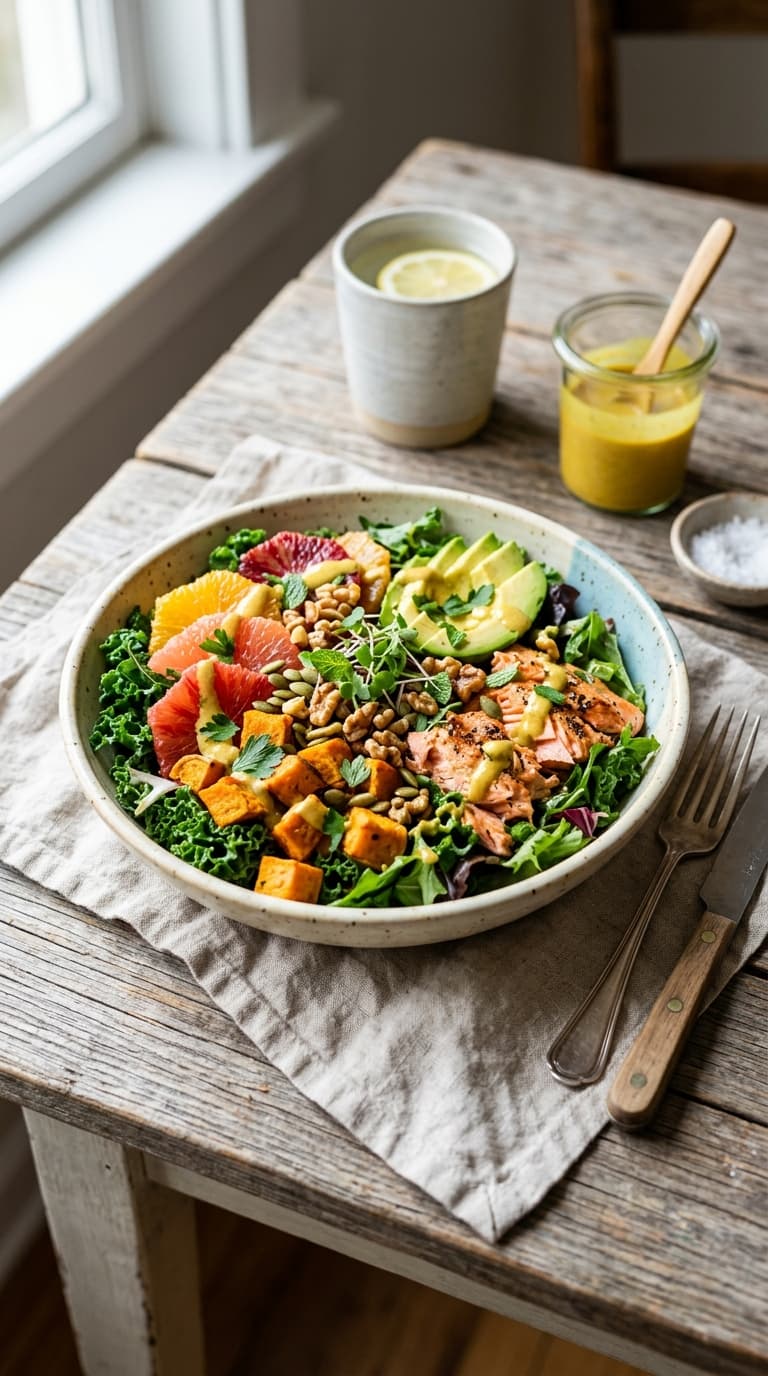
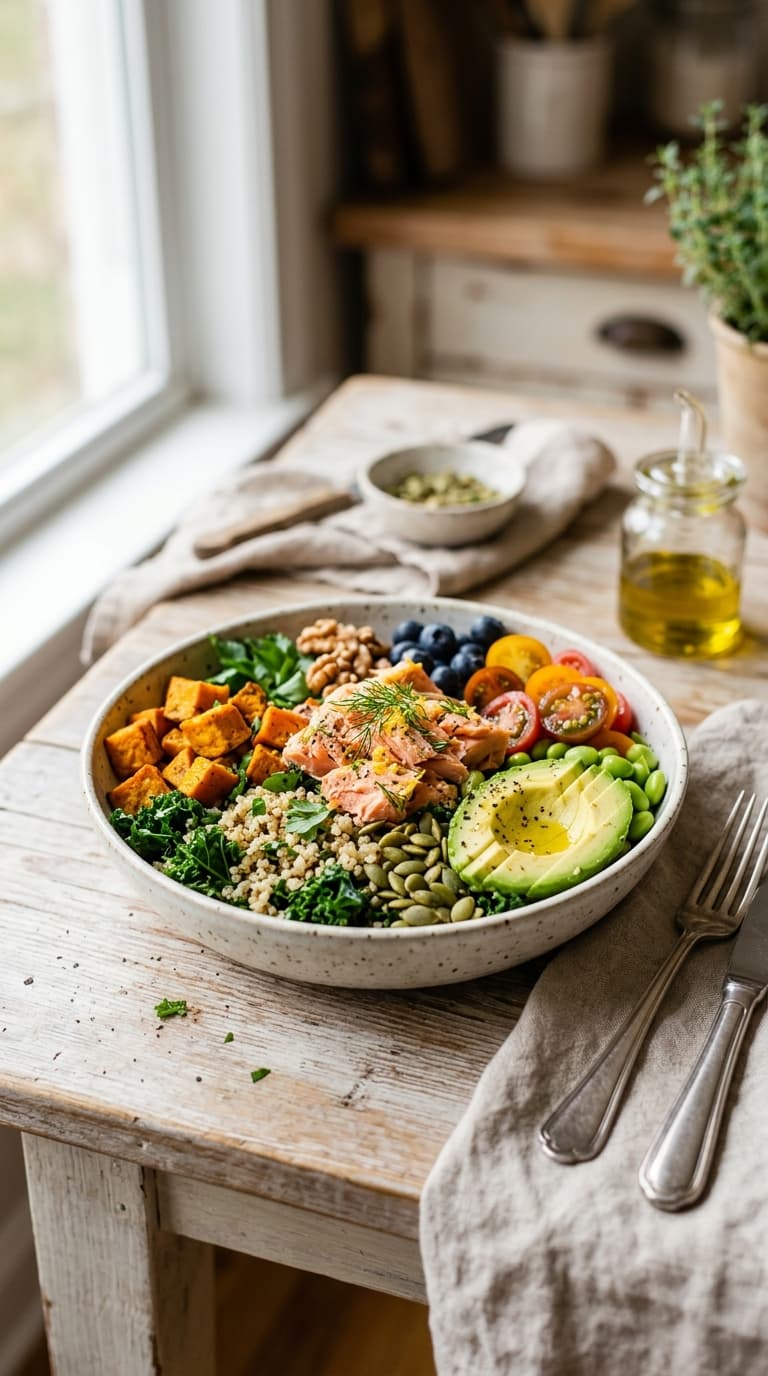
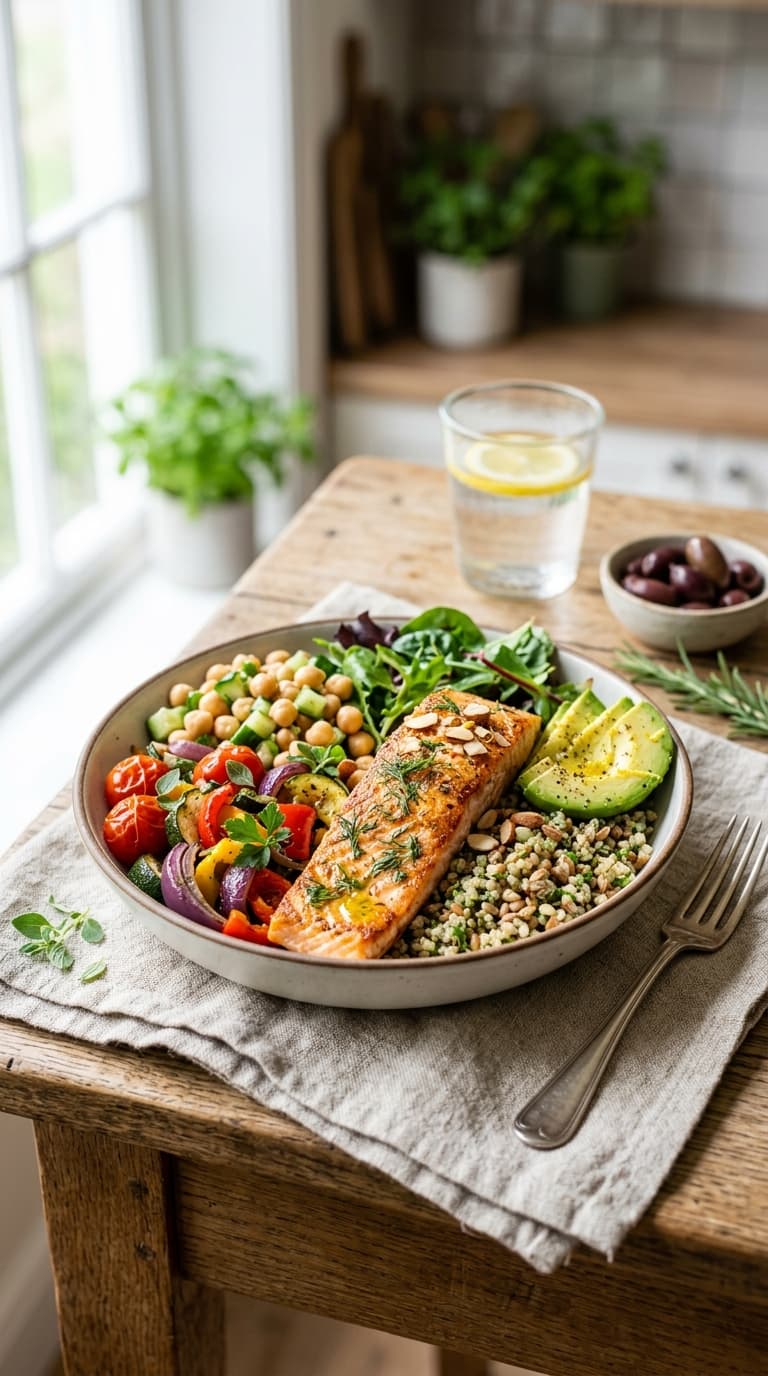
The Mediterranean diet fights this by loading up on foods rich in antioxidants, omega-3 fatty acids, fiber, and polyphenols. Think olive oil, fatty fish, leafy greens, legumes, and colorful vegetables. These foods essentially tell your immune system to calm down — in the best possible way.
- Olive oil — packed with oleocanthal, a natural anti-inflammatory compound
- Fatty fish (salmon, sardines, mackerel) — loaded with omega-3s
- Leafy greens — kale, spinach, and arugula fight oxidative stress
- Berries — blueberries and strawberries are antioxidant powerhouses
- Legumes — chickpeas and lentils provide fiber and plant-based protein
- Whole grains — farro, quinoa, and brown rice support gut health
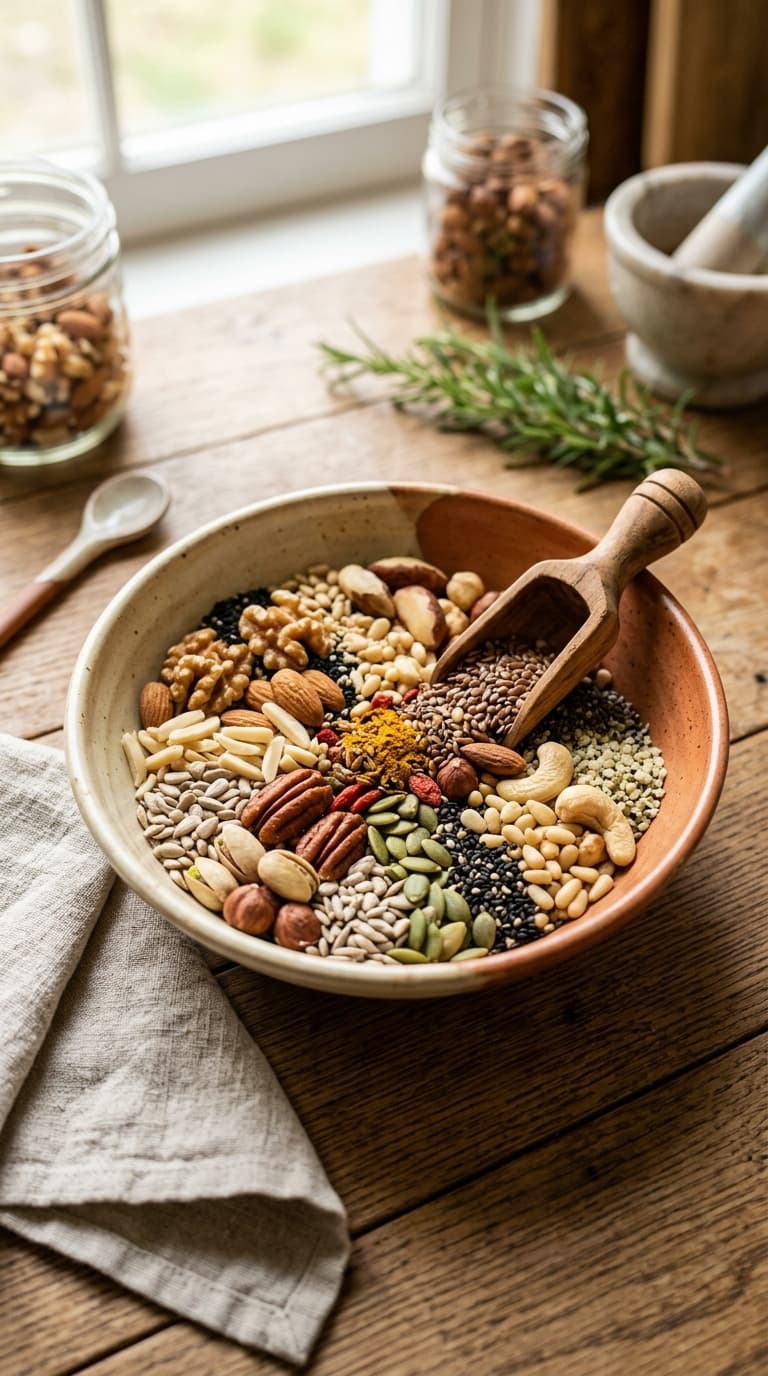
- Nuts and seeds — walnuts especially are linked to reduced inflammation markers
What to Eat (and What to Skip)
Foods to Embrace
This diet is genuinely generous. You’re not going to feel like you’re eating cardboard. IMO, one of the best things about this approach is that olive oil is not only allowed — it’s encouraged. How refreshing.
- Fresh vegetables in every color you can find
- Fruits, especially berries, citrus, and stone fruits
- Whole grains like oats, farro, bulgur, and quinoa
- Legumes: lentils, chickpeas, black beans, white beans
- Fatty fish at least two to three times per week
- Extra virgin olive oil as your primary fat
- Nuts and seeds: walnuts, almonds, flaxseeds, chia seeds
- Fresh herbs and spices: turmeric, ginger, garlic, rosemary
Foods to Minimize
You don’t have to be perfect. But these foods actively promote inflammation, so pulling back on them matters.
- Refined sugars and ultra-processed snacks
- White bread, pastries, and refined carbohydrates
- Red meat (occasional is fine; daily is not)
- Processed meats like sausage and deli cold cuts
- Vegetable oils high in omega-6 (corn oil, soybean oil)
- Alcohol beyond the occasional glass of red wine
- Fast food and anything fried in low-quality oils
The 21 Day Meal Plan: Week One
Days 1–3: Building the Foundation
Day 1
- Breakfast: Greek yogurt with blueberries, walnuts, and a drizzle of honey
- Lunch: Large arugula salad with chickpeas, cherry tomatoes, cucumber, and lemon-tahini dressing
- Dinner: Baked salmon with roasted asparagus and a side of farro
- Snack: A small handful of almonds
Day 2
- Breakfast: Overnight oats with chia seeds, sliced banana, and cinnamon
- Lunch: Lentil soup with crusty whole grain bread
- Dinner: Grilled chicken thighs with roasted bell peppers, zucchini, and olive oil
- Snack: Hummus with sliced cucumber and carrots
Day 3
- Breakfast: Two scrambled eggs with sautéed spinach, tomatoes, and a drizzle of olive oil
- Lunch: Whole grain pita stuffed with falafel, lettuce, cucumber, and tzatziki
- Dinner: Baked cod with a white bean and tomato stew
- Snack: Fresh orange slices and a few walnuts
Days 4–7: Getting into the Rhythm
By day four, you’ll start noticing something shifts. The brain fog starts lifting. Your energy feels more even throughout the day instead of crashing at 3 PM. At least, that’s exactly what happened to me around this mark — and yes, I was as surprised as you probably are.
Day 4
- Breakfast: Smoothie with spinach, frozen mango, banana, flaxseed, and almond milk
- Lunch: Tabbouleh with grilled shrimp
- Dinner: Stuffed bell peppers with quinoa, black beans, tomatoes, and feta cheese
- Snack: Apple slices with almond butter
Day 5
- Breakfast: Avocado toast on whole grain bread with a poached egg and red pepper flakes
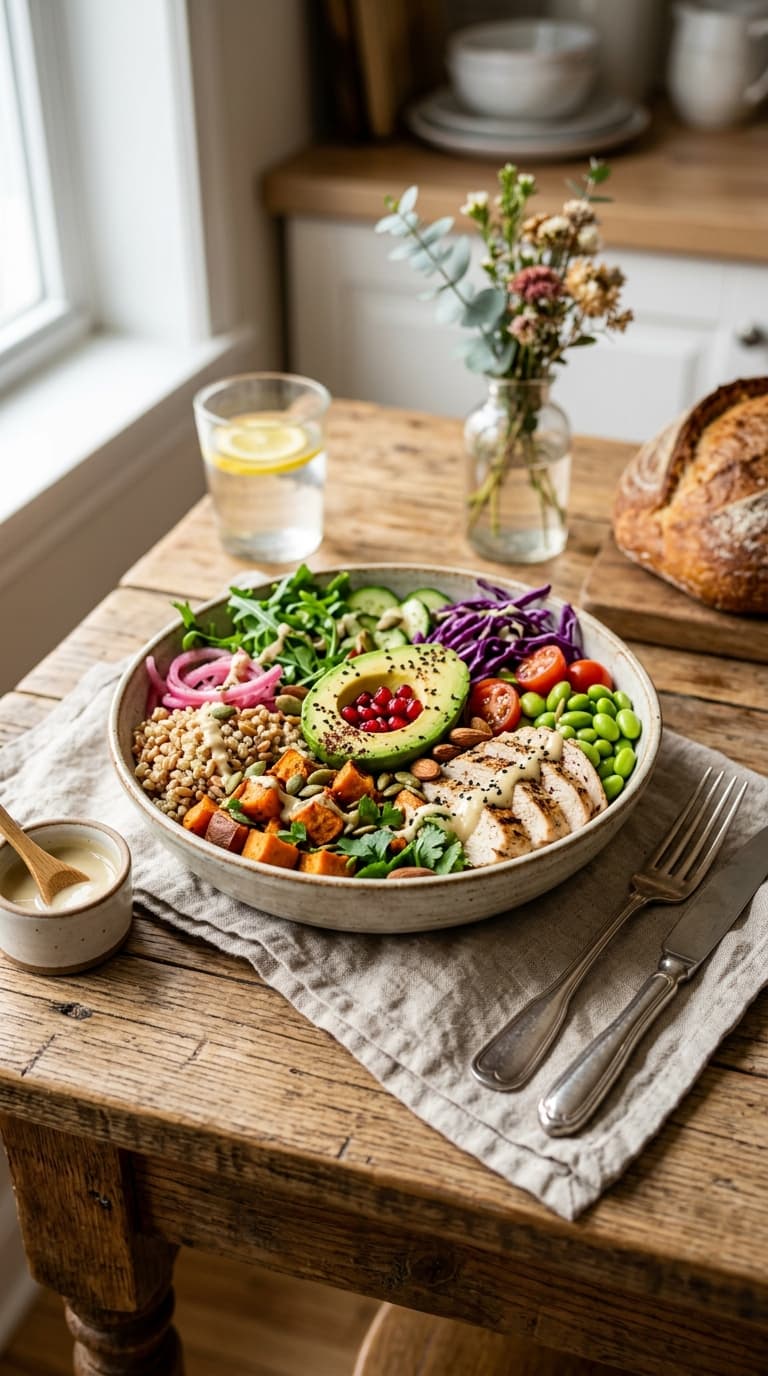
- Lunch: Mediterranean grain bowl — farro, roasted veggies, olives, and hummus
- Dinner: Sardines on whole grain crackers with a big Greek salad
- Snack: A small bunch of grapes
Day 6
- Breakfast: Warm oatmeal with sliced strawberries, ground flaxseed, and a pinch of turmeric
- Lunch: Tomato and lentil soup with a side of whole grain pita
- Dinner: Herb-roasted chicken breast with a side of roasted sweet potato and steamed broccoli
- Snack: A handful of mixed nuts
Day 7 (Rest Day — Treat Yourself):
- Breakfast: Shakshuka — eggs poached in a spiced tomato and pepper sauce
- Lunch: Grilled halloumi with watermelon, mint, and arugula salad
- Dinner: Whole wheat pasta with olive oil, garlic, roasted cherry tomatoes, capers, and sardines
- Snack: Dark chocolate (70% or above) with a cup of one of these anti-inflammatory tea blends that genuinely support your health
The 21 Day Meal Plan: Week Two
Days 8–14: Deepening the Commitment
Week two is where most people start to feel the real physical changes. Bloating decreases. Sleep improves. Joint stiffness tends to ease. Your taste buds also recalibrate — you’ll start actually craving the salads and fish instead of forcing yourself.
Day 8
- Breakfast: Greek yogurt parfait with pomegranate seeds, crushed walnuts, and raw honey
- Lunch: Roasted red pepper and tomato soup with a side salad
- Dinner: Grilled mackerel with roasted eggplant and a side of bulgur wheat
- Snack: Edamame with sea salt
Day 9
- Breakfast: Two eggs fried in olive oil with sliced tomatoes and fresh herbs
- Lunch: Chickpea and spinach stew over brown rice
- Dinner: Shrimp stir-fried with garlic, olive oil, and roasted zucchini noodles
- Snack: Sliced bell peppers with hummus
Day 10
- Breakfast: Smoothie bowl with acai, frozen berries, banana, and a sprinkle of hemp seeds
- Lunch: Warm farro salad with roasted beets, arugula, goat cheese, and walnuts
- Dinner: Baked trout with a lemon-herb crust and steamed green beans
- Snack: A small bowl of mixed olives
Day 11
- Breakfast: Whole grain toast with ricotta, sliced figs, and a drizzle of honey
- Lunch: Black bean and vegetable soup
- Dinner: Grilled chicken kebabs with a yogurt-based marinade, served with tabbouleh
- Snack: Orange and walnut mix
Day 12
- Breakfast: Chia pudding with coconut milk, kiwi, and mango
- Lunch: Mediterranean tuna salad with white beans, olives, capers, and mixed greens
- Dinner: Slow-cooked lamb (small portion) with roasted root vegetables and herbed quinoa
- Snack: Cucumber rounds with tzatziki
Day 13
- Breakfast: Veggie frittata baked in the oven with zucchini, onion, and feta
- Lunch: Roasted vegetable and hummus grain bowl
- Dinner: Baked salmon with a miso-ginger glaze and sesame-dressed cucumber salad
- Snack: A square of dark chocolate and herbal tea
Day 14
- Breakfast: Warm turmeric golden milk oatmeal topped with sliced almonds and blueberries
- Lunch: Lentil and vegetable curry served over brown rice
- Dinner: Roasted whole chicken thighs with olives, capers, tomatoes, and garlic
- Snack: Handful of pistachios
If you’re finding yourself wanting something comforting to sip in the evenings, try swapping your usual routine for something like a detox herbal tea that you can whip up in under 10 minutes — it pairs surprisingly well with this lifestyle.
The 21 Day Meal Plan: Week Three
Days 15–21: Locking It In
By week three, this should start feeling less like a “plan” and more like just… how you eat. That’s the goal. Sustainable habits beat short-term restrictions every single time. And honestly, when the food is this good, it doesn’t feel like sacrifice at all 🙂
Day 15
- Breakfast: Açai bowl with granola, sliced banana, and a sprinkle of chia seeds
- Lunch: Grilled vegetable and hummus flatbread on whole grain pita
- Dinner: Herb-crusted baked cod with roasted potatoes and garlic green beans
- Snack: Apple with almond butter
Day 16
- Breakfast: Two eggs scrambled with smoked salmon, capers, and dill
- Lunch: Warm chickpea and roasted tomato salad over farro
- Dinner: Baked chicken with preserved lemon, olives, and a side of couscous
- Snack: Mixed nuts and dried apricots
Day 17
- Breakfast: Overnight oats with pomegranate, pistachios, and orange zest
- Lunch: Spiced red lentil soup with lemon and cilantro
- Dinner: Grilled sardines with roasted cherry tomatoes and a simple arugula salad
- Snack: Sliced avocado with sea salt and lemon
Day 18
- Breakfast: Greek yogurt with crushed walnuts, honey, and fresh raspberries
- Lunch: Roasted beet, spinach, and goat cheese salad with balsamic dressing
- Dinner: Mediterranean-style baked shrimp with tomatoes, feta, and fresh herbs over quinoa
- Snack: Whole grain crackers with olive tapenade
Day 19
- Breakfast: Turmeric scrambled eggs with sautéed mushrooms and whole grain toast
- Lunch: Whole wheat pasta salad with roasted red peppers, olives, capers, and fresh basil
- Dinner: Baked mackerel with fennel, lemon, and a side of white bean salad
- Snack: A small handful of mixed berries
Day 20
- Breakfast: Smoothie with kale, pineapple, ginger, flaxseed, and coconut water
- Lunch: Stuffed grape leaves (dolmas) with a side of Greek salad
- Dinner: Roasted chicken with herbs and roasted seasonal vegetables
- Snack: Dark chocolate and herbal tea
Day 21 — Celebration Day:
- Breakfast: Full Mediterranean spread — fresh bread, labneh, olives, cucumber, tomatoes, and boiled eggs
- Lunch: Mezze platter with hummus, baba ganoush, pita, tabbouleh, and falafel
- Dinner: Whole baked sea bass with roasted vegetables and lemon herb sauce
- Dessert: Fresh fruit salad with honey and mint, finished with a cup of your favorite herbal tea blend for relaxation
Tips to Make This Plan Actually Work
Meal Prep is Your Best Friend
FYI — you don’t have to cook from scratch every single day. Batch cooking on Sundays saves so much energy during the week. Cook a big pot of lentils or grains, roast a sheet pan of vegetables, and prep your protein. Then mix and match throughout the week.
Stock Your Pantry First
Before week one even begins, load up on these staples:
- Extra virgin olive oil (go for a good quality one)
- Dried lentils, chickpeas, and various beans
- Whole grains: farro, quinoa, bulgur, brown rice
- Canned tomatoes and sardines
- Tahini and a quality hummus
- Nuts: walnuts, almonds, pistachios
- Spices: turmeric, cumin, coriander, smoked paprika, oregano
Hydration Matters More Than You Think
Water is non-negotiable, but herbal teas also count toward your fluid intake and many actively support the anti-inflammatory goals of this diet. Something like these herbal teas known for better digestion can complement your meals beautifully — especially after heavier dinners.
Common Questions and Honest Answers
Can I Still Have Coffee?
Yes, absolutely. Coffee in moderate amounts actually contains antioxidants and isn’t inflammatory for most people. Just skip the sugary syrups and processed creamers. If you want options that align with this lifestyle, there are some genuinely great healthy coffee recipes made with nut milks and natural sweeteners worth exploring.
What If I Hate Fish?
Okay, fair. Not everyone loves sardines staring back at them :/ You can absolutely get your omega-3s from walnuts, flaxseeds, chia seeds, and hemp seeds. Supplement with algae-based omega-3s if needed — that’s where the fish actually get theirs from anyway.
Will I Lose Weight?
Possibly. But this plan focuses on reducing inflammation, improving energy, and supporting long-term health — not on weight loss as the primary goal. Many people do lose weight as a side effect because they’re eating less processed food and more whole foods. But it’s not a crash diet, nor should it be treated like one.
Is This Expensive?
It can be, if you’re buying wild-caught salmon every day. But legumes, canned fish, seasonal vegetables, and whole grains are among the most affordable foods at the grocery store. Prioritize quality olive oil and fatty fish — and let legumes carry the protein load on budget days.
The Science Behind Why This Works
The Mediterranean diet has been studied more than almost any other dietary pattern in the world. Research consistently links it to reduced markers of inflammation like C-reactive protein (CRP) and interleukin-6. Studies published in journals like The New England Journal of Medicine and The Lancet have shown significant reductions in cardiovascular disease risk among consistent Mediterranean diet followers.
The anti-inflammatory magic comes from the synergy of the foods together — not any single ingredient. Olive oil’s oleic acid works with the omega-3s in fish, while the fiber from legumes feeds beneficial gut bacteria that in turn regulate immune function. It’s a full ecosystem approach to nutrition, not a supplement or a hack.
Wrapping It All Up
Twenty-one days sounds like a lot when you’re standing at day one, staring at a grocery list. But here’s the thing — by week two, you stop thinking about it as a structured plan and start thinking about it as just good food you genuinely enjoy. The joint pain eases, the energy returns, the brain fog clears, and suddenly you understand why people in Sardinia and Crete are still sprinting around at 90 years old.
Start with week one. Prep your pantry. Don’t aim for perfection — aim for consistency. Even if you eat a slice of your friend’s birthday cake on day five, the world won’t end. Just get back to the plan at the next meal.
This isn’t a temporary fix. It’s a template for how to eat for the rest of your life, and honestly, once you get there, you won’t want to go back.