1-Week Anti-Inflammatory Diet for Joint Pain Relief
1-Week Anti-Inflammatory Diet for Joint Pain Relief
Your knees ache when you climb stairs. Your fingers feel stiff every morning. And somewhere between the ibuprofen and the heating pad, you’ve started wondering if there’s a better way. Spoiler alert: there is. And it starts in your kitchen, not your medicine cabinet.
I’ve been there — that frustrating cycle of popping pain relievers and hoping for the best. When I finally decided to take food seriously as medicine, the difference was genuinely surprising. This 7-day anti-inflammatory meal plan isn’t a magic cure, but it gives your body the tools it actually needs to calm the fire happening in your joints. Let’s get into it.
Why Food Actually Matters for Joint Pain
Here’s something most people don’t think about: every single thing you eat either fans the flames of inflammation or helps put them out. That’s not an exaggeration. Chronic inflammation is the root cause of most joint-related pain, including osteoarthritis and rheumatoid arthritis flare-ups.
Processed foods, refined sugars, and seed oils constantly trigger your body’s inflammatory response. Meanwhile, whole foods packed with antioxidants, omega-3 fatty acids, and polyphenols work hard to bring that response down. The goal this week is to tip the scale firmly in the right direction.
The Anti-Inflammatory Superfoods You’ll Rely On
Before we get to the actual meal plan, let me introduce your new best friends. These are the foods doing the heavy lifting all week long.
- Fatty fish (salmon, sardines, mackerel) — loaded with omega-3s that actively reduce inflammatory markers
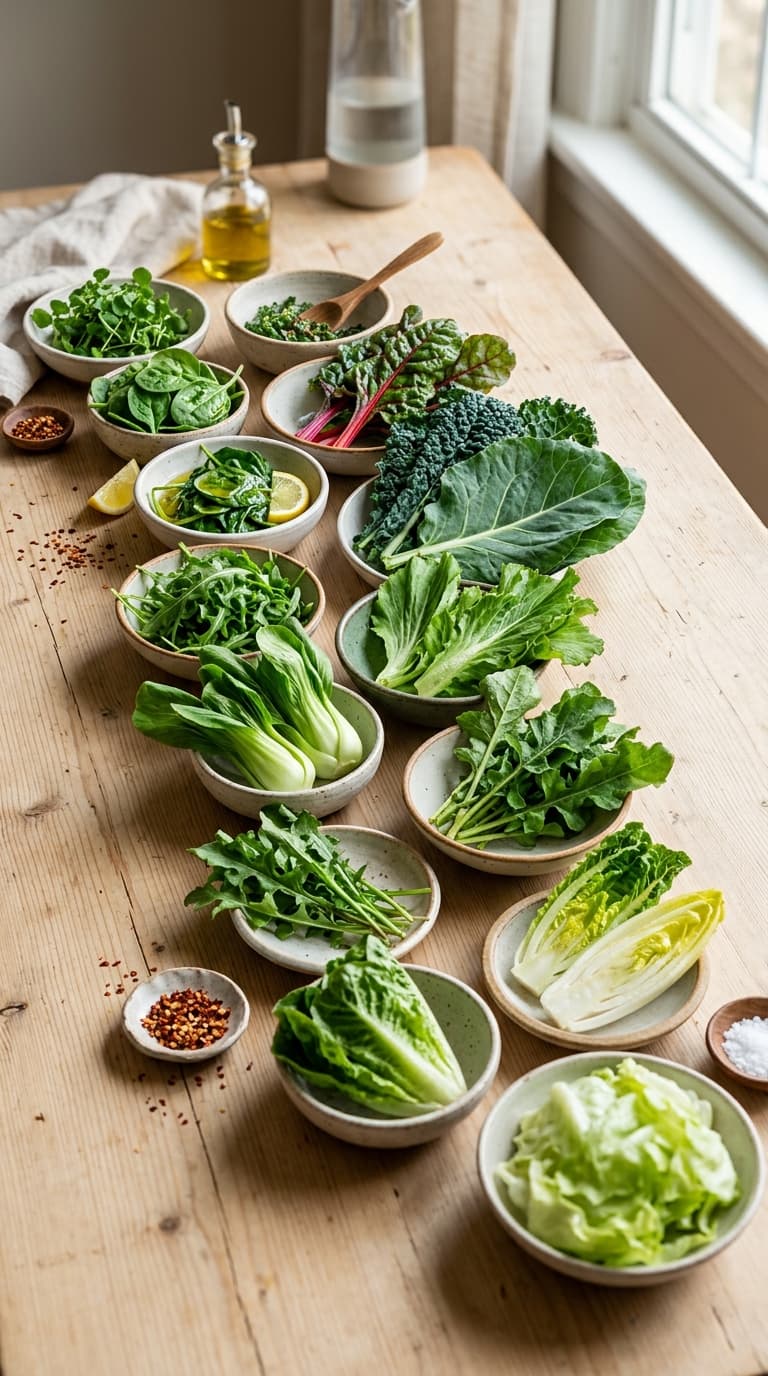
- Leafy greens (spinach, kale, Swiss chard) — rich in vitamin K and antioxidants
- Berries (blueberries, strawberries, cherries) — packed with anthocyanins that target inflammation at the cellular level
- Turmeric — contains curcumin, one of the most studied natural anti-inflammatory compounds
- Ginger — works similarly to turmeric but also helps with joint mobility
- Olive oil — the healthy fat that Mediterranean populations have trusted for centuries
- Nuts and seeds (walnuts, flaxseeds, chia seeds) — another great omega-3 source
- Whole grains (quinoa, oats, brown rice) — fiber-rich and far less inflammatory than refined grains
Stock these up before Day 1. You’ll thank yourself later.
What to Ditch This Week
IMO, this part is harder than adding the good stuff — but it matters just as much. Cutting inflammatory foods is non-negotiable if you want real results.
- Refined sugar and sugary drinks
- White bread, white pasta, white rice
- Processed snacks (chips, crackers, packaged cookies)
- Fried foods and fast food
- Vegetable and seed oils (canola, sunflower, corn oil)
- Alcohol (yes, really — even the weekend glass)
- Processed meats like hot dogs and deli meat
I know, I know. That last one hurts :/. But it’s only a week, and your joints will genuinely notice the difference.
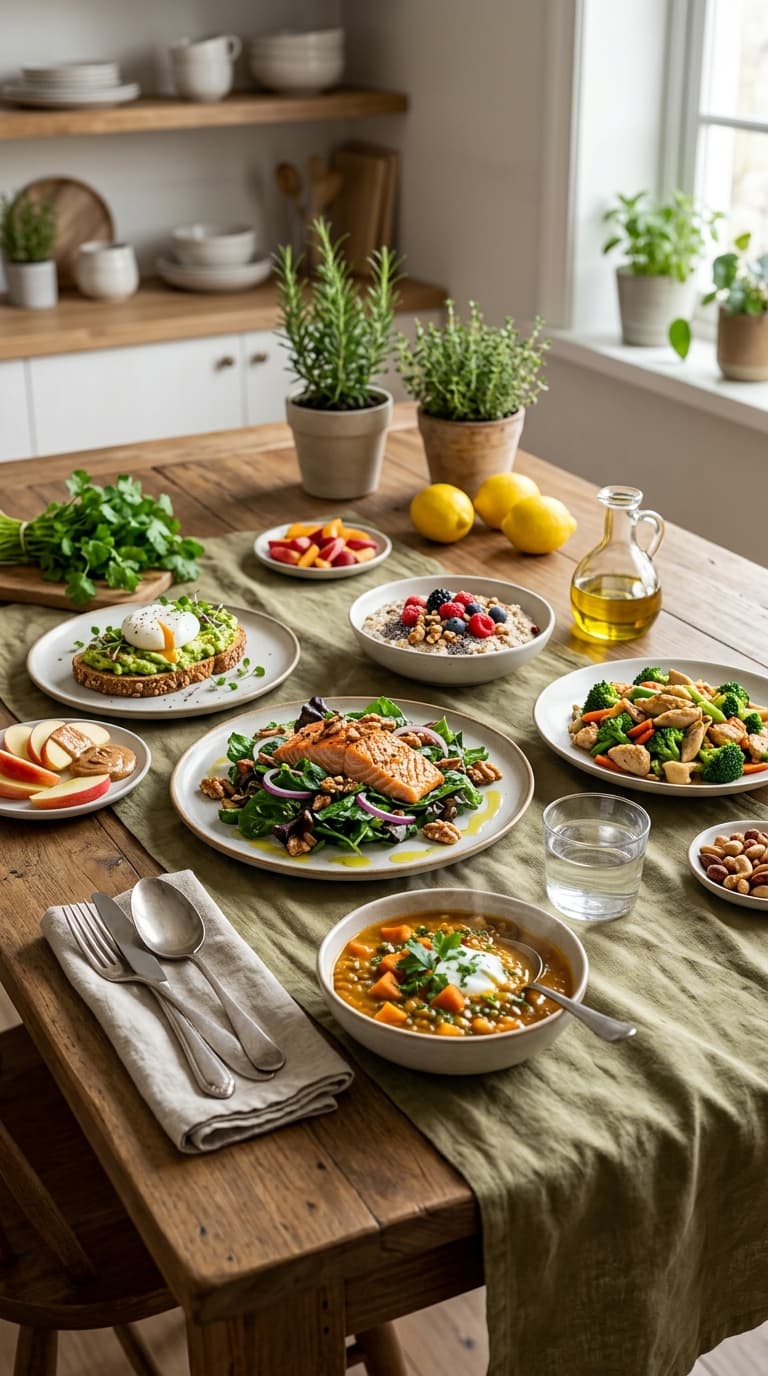
The 7-Day Anti-Inflammatory Meal Plan
Day 1: Start Strong
Breakfast: Overnight oats with blueberries, chia seeds, and a drizzle of raw honey
Lunch: Big spinach salad with grilled salmon, walnuts, and olive oil lemon dressing
Dinner: Turmeric-spiced lentil soup with a side of quinoa
Snack: A handful of almonds and fresh cherries
Day 1 sets the tone. You’re loading up on omega-3s, fiber, and antioxidants right from the jump. The turmeric in that soup is doing serious heavy lifting for your joints by evening.
Day 2: Gut-Joint Connection
Breakfast: Greek yogurt (plain, full-fat) with strawberries and flaxseeds
Lunch: Sardine and avocado wrap in a whole grain tortilla with mixed greens
Dinner: Baked mackerel with roasted sweet potato and steamed broccoli
Snack: Carrot sticks with hummus
Here’s a fun fact — your gut health and joint inflammation are directly connected. A healthier gut microbiome produces fewer pro-inflammatory compounds. The yogurt and fiber-rich vegetables today support exactly that.
Day 3: Midweek Power-Up
Breakfast: Smoothie bowl with spinach, frozen mango, ginger, and topped with pumpkin seeds
Lunch: Quinoa bowl with roasted chickpeas, cucumber, cherry tomatoes, and tahini dressing
Dinner: Ginger-garlic stir-fry with tofu and mixed vegetables over brown rice
Snack: A small handful of walnuts and a square of dark chocolate (70%+ cocoa)
Yes, dark chocolate made the list. Flavonoids in high-cocoa chocolate actually have anti-inflammatory properties. Don’t say I never gave you anything :).
Day 4: Keep Your Momentum
Breakfast: Poached eggs on whole grain toast with sliced avocado and a sprinkle of turmeric
Lunch: Kale and white bean soup with olive oil and lemon
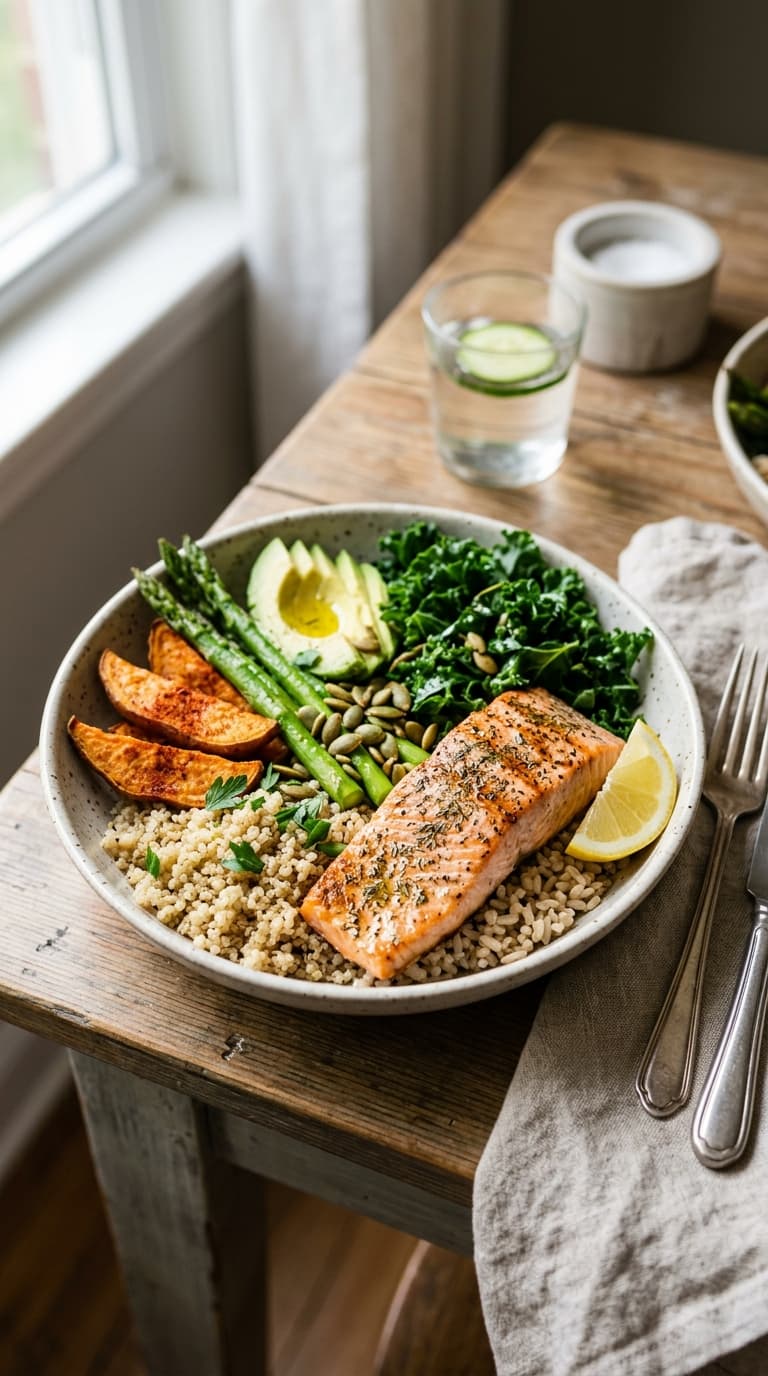
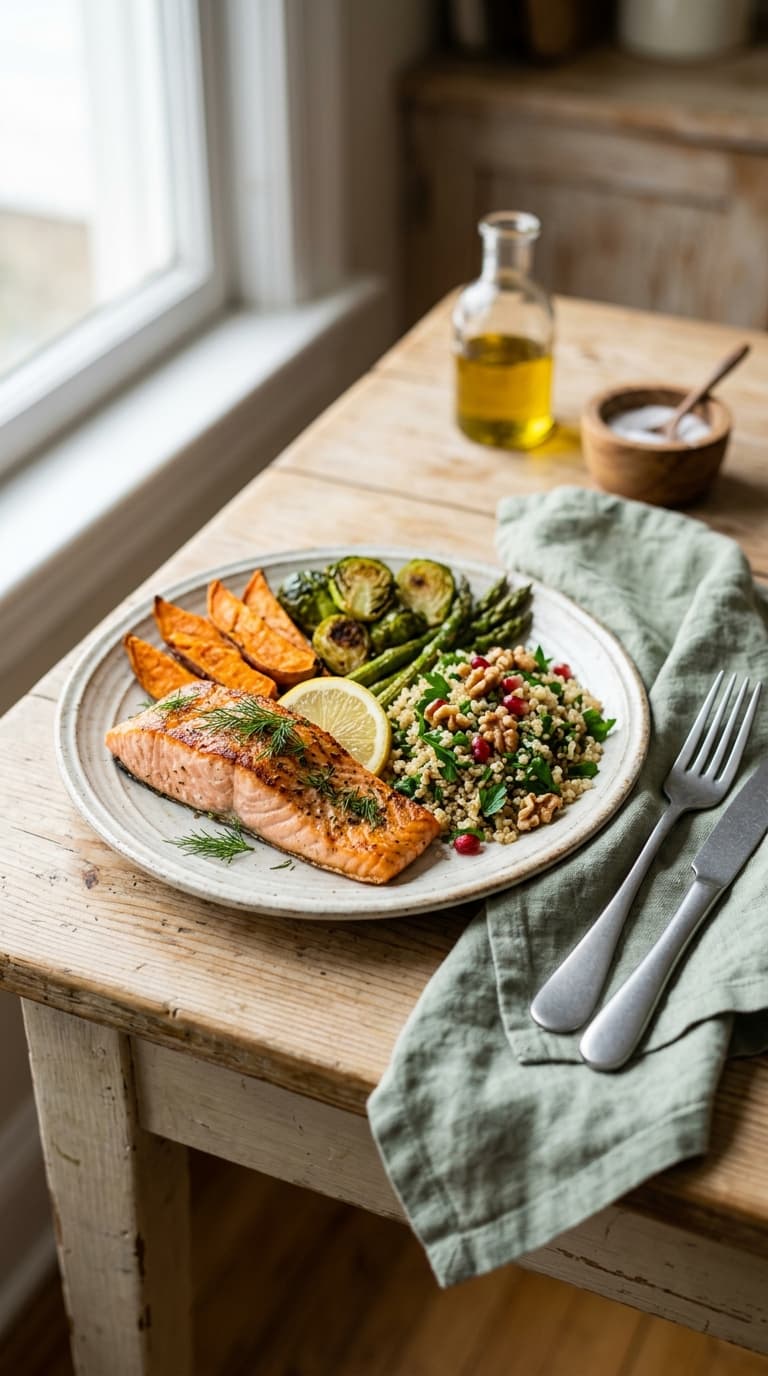
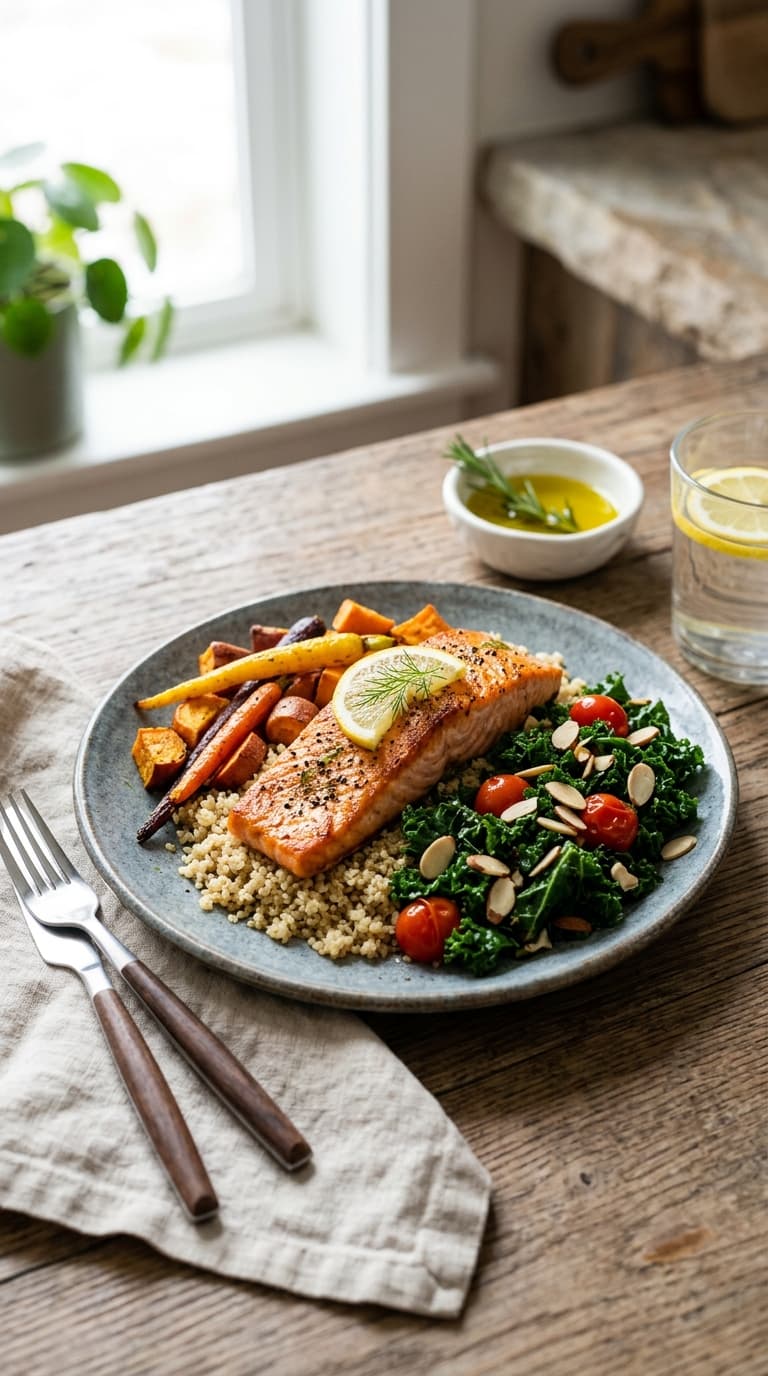
Dinner: Grilled salmon with asparagus and a side of wild rice
Snack: Apple slices with almond butter
Day 4 is often where people stall mentally. You’re past the easy excitement of Day 1 but not yet feeling dramatic results. Push through — the cumulative effect of anti-inflammatory eating takes a few days to build. Stay consistent.
Day 5: Flavor Without Compromise
Breakfast: Turmeric golden milk oatmeal with banana and pecans
Lunch: Mediterranean-style tuna salad with olives, cherry tomatoes, and olive oil over arugula
Dinner: Slow-cooked chicken and vegetable stew with rosemary and garlic
Snack: Fresh berries with a small dollop of Greek yogurt
By Day 5, many people start noticing their morning stiffness easing up a bit. It’s not dramatic, but it’s real. Your body is responding to consistent, quality nutrition.
Day 6: Anti-Inflammatory Indulgence
Breakfast: Chia seed pudding made with coconut milk, topped with mango and shredded coconut
Lunch: Roasted beet and lentil salad with goat cheese and walnuts
Dinner: Herb-crusted baked cod with roasted Brussels sprouts and garlic mashed cauliflower
Snack: Handful of mixed nuts and dried tart cherries
Tart cherries specifically deserve a spotlight here. Research shows that tart cherry consumption measurably lowers uric acid levels and reduces joint pain markers — particularly helpful for gout sufferers.
Day 7: Finish Strong
Breakfast: Veggie-packed omelet with spinach, tomatoes, and feta cheese
Lunch: Large Buddha bowl with roasted sweet potato, edamame, avocado, quinoa, and miso dressing
Dinner: Turmeric and coconut milk poached salmon with steamed bok choy
Snack: Green tea with a small handful of almonds
You made it to Day 7. And if your joints feel even slightly better than they did on Day 1, that’s your body telling you something important.
Drinks That Work For You, Not Against You
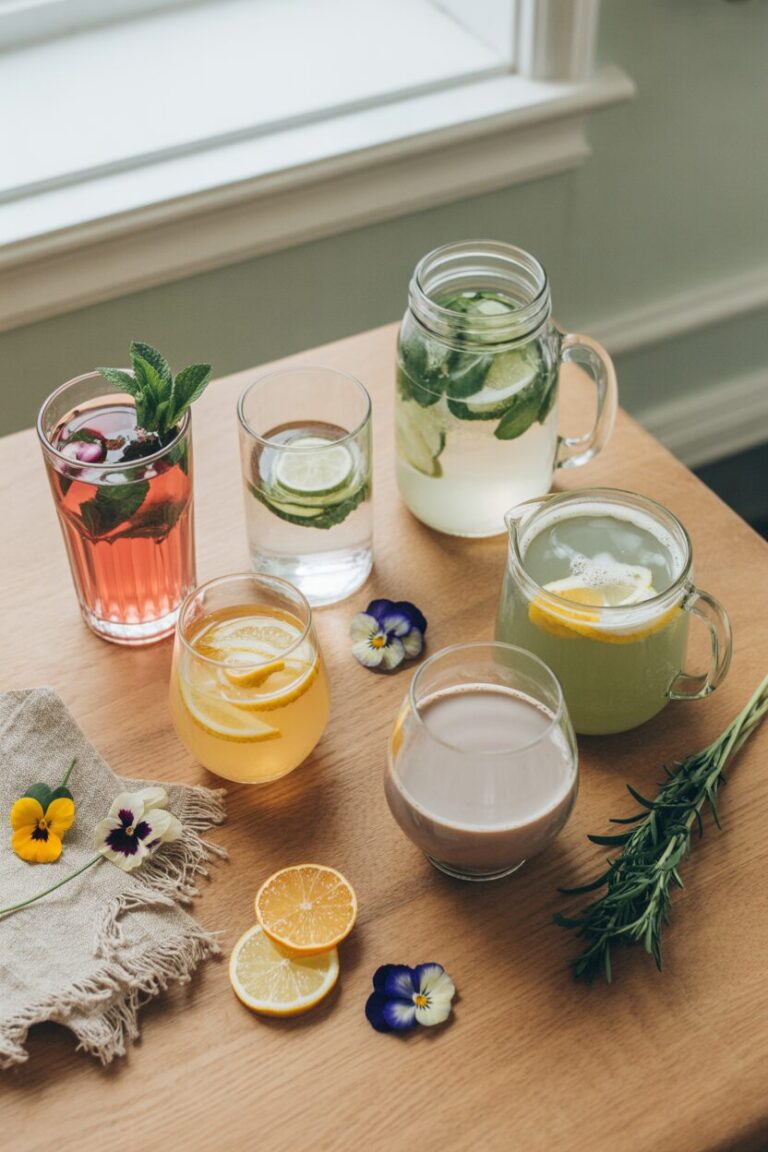
What you drink matters just as much as what you eat. Hydration keeps joint cartilage lubricated, and certain drinks actively fight inflammation.
Top drinks to prioritize:
- Water (aim for 8–10 glasses daily — no skimping)
- Green tea — EGCG compounds target inflammatory enzymes directly
- Ginger tea — excellent for joint mobility and reducing stiffness
- Tart cherry juice (unsweetened)
- Golden milk (turmeric latte with black pepper and coconut milk)
If you’re a tea lover, you might already know that anti-inflammatory tea blends can be a game-changer alongside a structured meal plan like this one. Pairing your diet with the right teas amplifies the results significantly.
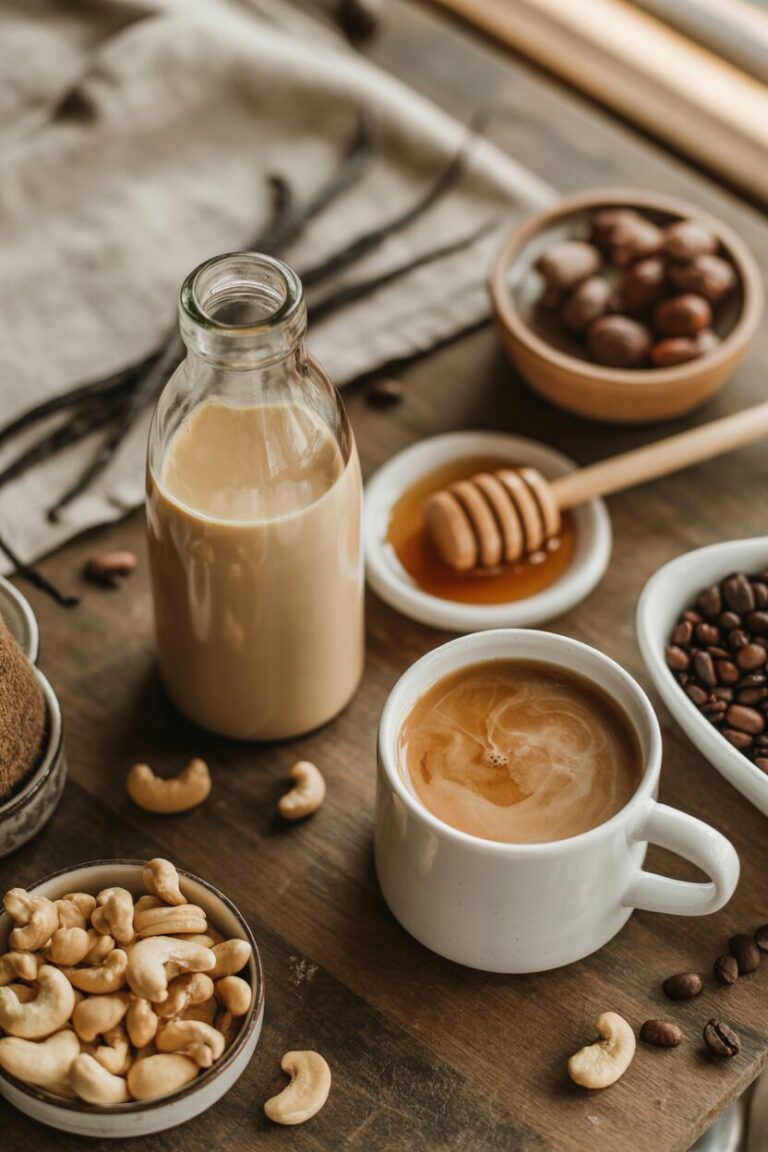
And if you’re someone who relies on a morning coffee ritual to function like a human being, FYI — black coffee in moderation is actually fine on this plan. Just skip the sugary syrups. If you want to keep your morning coffee interesting without the inflammatory additives, there are some brilliant healthy coffee recipes with nut milks and natural sweeteners worth exploring.
The Role of Spices — Small But Mighty
Don’t underestimate what’s sitting in your spice rack. A few key spices actively suppress the same inflammatory pathways that medications target — just without the side effects.
- Turmeric + black pepper: The piperine in black pepper increases curcumin absorption by up to 2,000%. Always pair them.
- Ginger: Inhibits prostaglandins and leukotrienes, which are key drivers of joint inflammation.
- Cinnamon: Reduces C-reactive protein, a major inflammation marker.
- Cloves: Contain eugenol, a natural anti-inflammatory compound more potent than most people realize.
- Rosemary: Carnosic acid in rosemary actively fights oxidative stress in joint tissue.
Use these generously all week. They’re not just flavor — they’re functional medicine in your spice cabinet.
How to Manage Your Morning Tea Ritual
If you’re someone who finds tea calming and restorative (good taste, honestly), this week gives you a perfect excuse to upgrade that habit. Starting your mornings with herbal teas that help you sleep better at night and detox teas in the morning creates a complementary rhythm that supports your body’s natural repair processes.
Good morning options include:
- Ginger and lemon tea
- Turmeric and honey tea
- Green tea with mint
- Rooibos (naturally caffeine-free and rich in antioxidants)
And if you want something calming and focused in the afternoon, try pairing your tea with foods that promote mental clarity — your brain and joints both benefit from reduced oxidative stress.
Quick Tips to Make This Week Actually Work
Real talk: a meal plan is only useful if you can stick to it. Here’s what actually helps.
Meal prep on Sunday (or whenever Day 1 starts):
- Cook a big batch of quinoa or brown rice upfront
- Roast a tray of mixed vegetables for easy lunches
- Make overnight oats the night before
- Pre-portion snacks so you’re not making bad decisions when you’re hungry
Smart swaps when life happens:
- No time to cook fish? Canned salmon or sardines work perfectly
- Skip the Buddha bowl if you’re rushing — a handful of nuts and a piece of fruit beats a drive-through
- Frozen berries and vegetables are just as nutritious as fresh
Consistency beats perfection. If you slip up on Day 3 and eat something that wasn’t on the plan — just get back on track at the next meal. One meal doesn’t undo six days of great choices.
What to Expect After 7 Days
Let’s set realistic expectations, because over-promising helps nobody. Most people don’t experience complete pain elimination after one week — but that’s not the goal here.
What you might realistically notice:
- Reduced morning stiffness — this is often the first thing people mention
- Less puffiness around affected joints, especially in fingers
- More consistent energy levels throughout the day
- Improved digestion (all that fiber and fermented food does real work)
- Better sleep quality, which itself reduces inflammation
The bigger wins come at weeks 3 and 4. But this first week plants the seeds. And the habits you build this week — reaching for berries instead of chips, choosing olive oil over butter, drinking ginger tea in the evening — these compound over time into something genuinely transformative.
A Final Thought Worth Sitting With
Here’s the thing nobody tells you about anti-inflammatory eating: it stops feeling like a “diet” pretty quickly. Once your joints feel even a little better, the motivation shifts. You’re not eating salmon because someone told you to — you’re eating it because you feel worse when you don’t.
Food is information for your body. Every meal sends signals that either promote healing or promote damage. This week, you’re choosing healing. That’s not a small thing.
Start with Day 1. Make the overnight oats tonight. Grab the turmeric. And give your joints a genuine fighting chance — because they’ve been fighting hard enough on their own already.