21 Anti-Inflammatory Vegetables to Eat More Of
21 Anti-Inflammatory Vegetables to Eat More Of
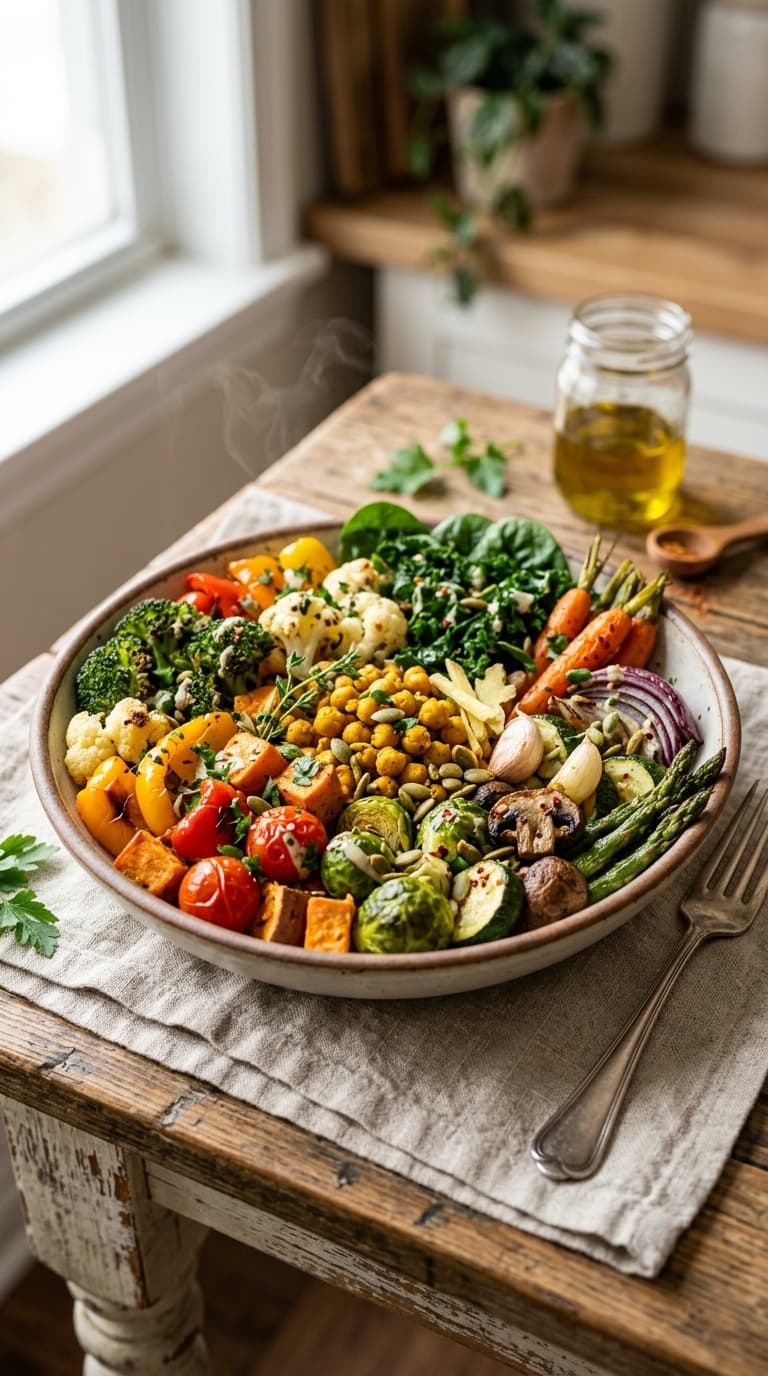
Inflammation is sneaky. It sits quietly in the background, messing with your energy, your joints, your skin, and honestly your whole vibe — and most people don’t even realize their diet is making it worse. The good news? You don’t need a fancy supplement stack or a $90 wellness powder to fight back. Sometimes the most powerful medicine is already sitting in the produce section.
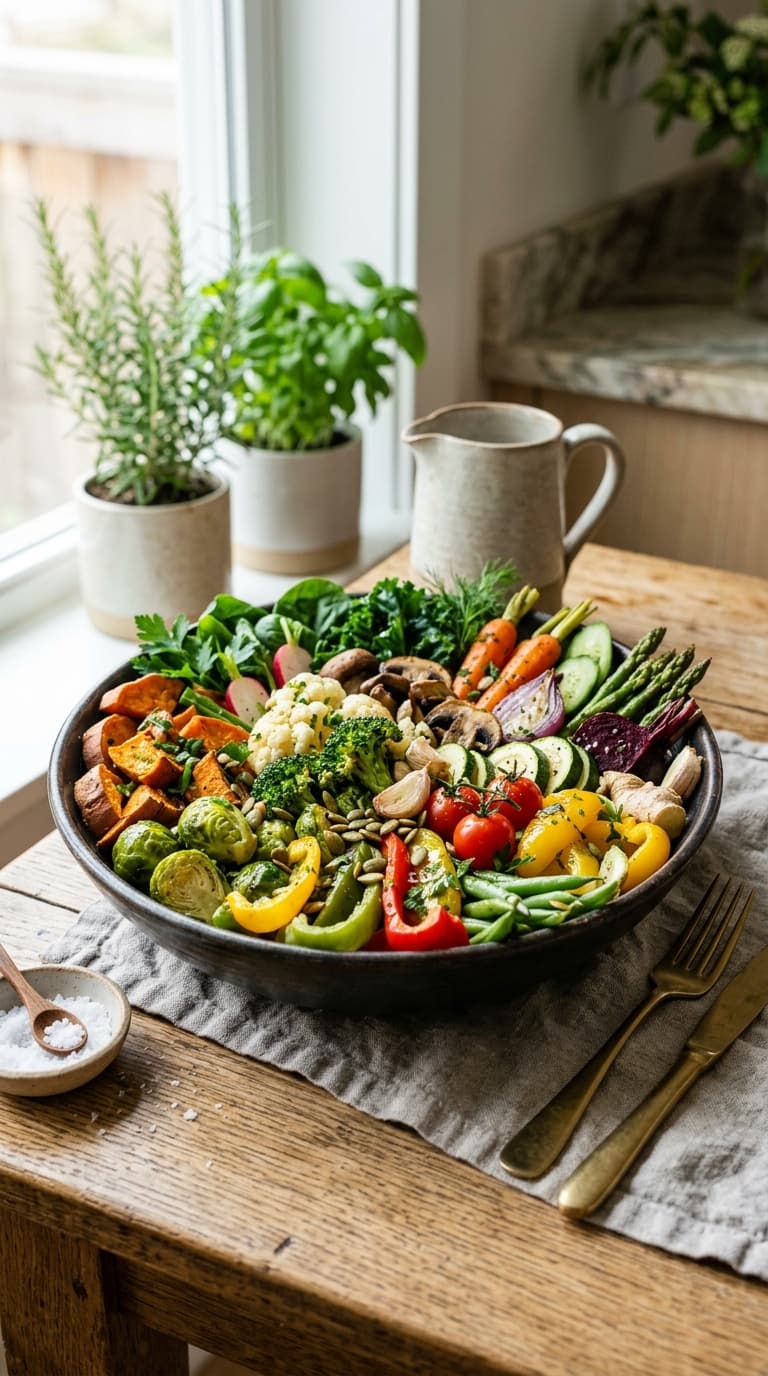
I’ve been obsessed with anti-inflammatory eating for a few years now, and the biggest shift for me wasn’t cutting things out — it was adding more of the right vegetables in. So let’s talk about 21 vegetables that actively work to calm inflammation in your body, and why you should be stacking your plate with them regularly.
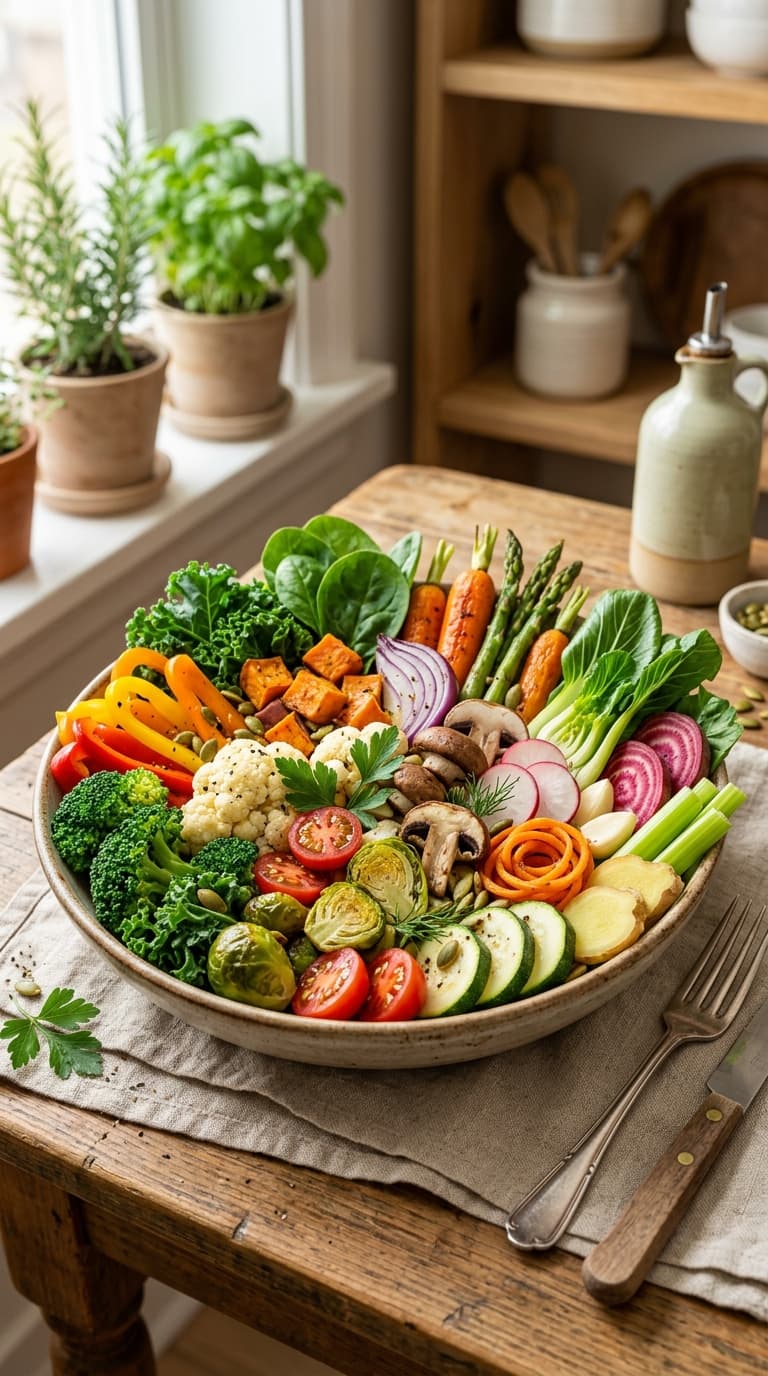
Why Anti-Inflammatory Vegetables Actually Matter
Before we get into the list, here’s a quick reality check. Chronic inflammation is linked to a long list of health problems — arthritis, heart disease, gut issues, brain fog, and more. Certain vegetables contain compounds like antioxidants, polyphenols, flavonoids, and specific vitamins that help your body reduce inflammatory markers at a cellular level.
This isn’t just wellness blog talk. The science behind food and inflammation is solid, and the vegetables below have real research backing them up. Ready? Let’s get into it.
1. Spinach
Spinach is one of those vegetables that quietly does everything right. It’s loaded with vitamin K, vitamin E, and flavonoids — all of which have documented anti-inflammatory effects. I throw a handful into smoothies almost every morning and honestly can’t taste it, so there’s zero excuse not to eat it.
It also contains quercetin, a plant compound that blocks some of the enzymes that trigger inflammation. Eat it raw, sauté it with garlic, or stuff it into whatever you’re cooking. Spinach doesn’t fight you on flavor.
2. Kale
Kale gets a lot of eye-rolls — and look, I get it. But kale contains sulforaphane and kaempferol, two compounds that researchers have studied specifically for their ability to reduce inflammatory cytokines. That’s a fancy way of saying: it genuinely calms your immune system’s overreactions.
Massage it with olive oil and lemon for a salad that actually tastes good, or roast it into chips. Don’t just let it die in your crisper drawer :/
3. Broccoli
Broccoli is basically the MVP of this list. Sulforaphane — the same compound in kale — is especially concentrated in broccoli, and it’s one of the most well-researched anti-inflammatory plant chemicals in existence. It also supports liver detox pathways, which indirectly helps reduce systemic inflammation.
Steam it lightly rather than boiling it to death. Overcooking broccoli destroys a lot of the good stuff. Light steam, quick roast, or raw with hummus — all great options.
4. Brussels Sprouts
These little guys are crucifix vegetables, which means they pack the same sulforaphane punch as broccoli and kale. Brussels sprouts are also rich in vitamin C and antioxidants that protect cells from oxidative stress — a major driver of inflammation.
Roast them at high heat with olive oil and a little sea salt and they become completely addictive. If you still think you hate Brussels sprouts, you’ve probably just been eating them wrong.
5. Beets
Beets contain betalains — the pigments that give them their deep red color — and these compounds have powerful anti-inflammatory and antioxidant properties. Studies have shown beets can reduce markers like C-reactive protein (CRP), which doctors use to measure inflammation in the body.
Roast them, juice them, or slice them raw into salads. They’re also great paired with something slightly bitter like arugula to balance their natural sweetness.
6. Red Bell Peppers
Here’s something most people don’t know: red bell peppers have more vitamin C than oranges. Vitamin C is a key antioxidant that fights oxidative stress and supports immune function — both crucial for managing inflammation. They also contain quercetin and capsanthin, both anti-inflammatory.
Eat them raw as a snack, roast them, or toss them into stir-fries. They add sweetness, color, and a serious nutritional punch. FYI, the red ones are more nutritious than green ones — they’ve had more time to ripen.
7. Sweet Potatoes
Sweet potatoes are rich in beta-carotene, which your body converts to vitamin A — an antioxidant that plays a major role in reducing inflammation, especially in the gut and skin. They’re also high in fiber, which feeds your gut bacteria and supports a balanced immune system.
Bake them whole, slice into wedges, or cube and roast with spices. They’re one of the most satisfying anti-inflammatory foods you can eat, and they actually feel like a treat.
8. Garlic
Garlic deserves its own fan club. It contains allicin, a sulfur compound that forms when you chop or crush garlic, and allicin has been studied extensively for its ability to reduce inflammation and support immune health. It also lowers some inflammatory markers at the gene expression level — which is kind of wild for something that costs 30 cents at the grocery store.
Crush it and let it sit for a few minutes before cooking to maximize allicin production. Add it to literally everything.
9. Onions
Onions and garlic are close cousins in the anti-inflammatory world. Onions are high in quercetin and anthocyanins — particularly red onions, which carry extra antioxidant power from their deep purple pigment. These compounds directly inhibit the release of histamines and other inflammatory chemicals.
Eat them raw in salads, caramelize them for depth of flavor, or pickle them. Red onions especially are worth adding to your rotation more consistently.
10. Turmeric (Yes, It Counts as a Vegetable Root)
Okay, turmeric is technically a rhizome — a root vegetable — so it earns its spot here. Curcumin, the active compound in turmeric, is arguably the most researched anti-inflammatory plant compound in the world. The evidence is genuinely impressive.
The catch? Curcumin has poor bioavailability on its own. Pair it with black pepper (which contains piperine) to dramatically boost absorption. Grate fresh turmeric into soups, smoothies, or stir-fries for the most potent effect. If you’re looking for more ways to use anti-inflammatory ingredients in your drinks, these anti-inflammatory tea blends are worth bookmarking too.
11. Ginger
Another root vegetable that earns its place on this list without apology. Ginger contains gingerols and shogaols, two compounds with strong anti-inflammatory and antioxidant effects. Research shows ginger can reduce muscle soreness, joint pain, and gut inflammation particularly well.
Grate it into stir-fries, steep it in hot water with lemon for a simple tea, or blend it into smoothies. It’s one of the easiest anti-inflammatory ingredients to add daily without any effort. Speaking of which, if you love using ginger in warm drinks, these herbal teas for better digestion have some great combinations worth trying.
12. Avocado
Avocados are loaded with oleocanthal, a compound that researchers have compared to ibuprofen in its ability to inhibit inflammatory enzymes. They’re also rich in monounsaturated fats and vitamin E, both of which support an anti-inflammatory diet in a big way.
IMO, avocado is one of the easiest vegetables (yes, it’s technically a fruit, but let’s not do this today) to eat more of. On toast, in salads, blended into sauces — they work everywhere.
13. Cauliflower
Cauliflower doesn’t get nearly enough credit. It contains indole-3-carbinol and sulforaphane — the same family of anti-inflammatory compounds found in broccoli. It’s also high in vitamin C and choline, which supports healthy cellular function.
Roast it until golden, rice it, mash it, or use it as a base for sauces. Cauliflower is genuinely one of the most versatile anti-inflammatory vegetables out there.
14. Swiss Chard
Swiss chard is rich in syringic acid, a flavonoid that’s been shown to help regulate blood sugar and reduce inflammation. It also contains high levels of vitamins K, A, and C — a trio that consistently shows up in anti-inflammatory research.
Sauté it with olive oil and garlic for one of the fastest, most nutritious side dishes you’ll ever make. The rainbow varieties are especially beautiful on a plate if you care about that kind of thing (and you should — eating with your eyes matters).
15. Arugula
Arugula is a peppery leafy green that contains glucosinolates — plant chemicals that break down into anti-inflammatory compounds during digestion. It’s also high in vitamin K and nitrates, which support cardiovascular health and blood flow.
Use it as a salad base, pile it on pizza after baking, or blend it into a pesto. Its bitter edge pairs beautifully with sweeter vegetables like roasted beets or sweet potato.
16. Celery
Celery is mostly water, but don’t let that fool you. It contains apigenin and luteolin, two flavones that researchers have specifically connected to reduced neurological inflammation and oxidative stress. It also provides natural sodium in a form your body actually uses well.
Eat it as a snack with almond butter, add it to soups and broths, or juice it. It’s one of the most underrated anti-inflammatory vegetables on this list.
17. Asparagus
Asparagus is one of the best plant sources of folate and glutathione — an antioxidant that your body produces internally and that plays a huge role in fighting inflammation and supporting liver detox. It also acts as a prebiotic, feeding the beneficial bacteria in your gut.
Roast it with olive oil and lemon, grill it, or shave it raw over salads. It cooks quickly and tastes great simply prepared.
18. Cabbage
Cabbage — especially red cabbage — is rich in anthocyanins, the same pigments found in blueberries and red onions that give the vegetable its purple hue and serious antioxidant power. It’s also one of the most affordable anti-inflammatory vegetables you can buy.
Ferment it into sauerkraut or kimchi for an extra probiotic bonus that doubles down on gut-driven inflammation reduction. Raw, roasted, braised, or fermented — cabbage works in every form.
19. Zucchini
Zucchini is mild, versatile, and packed with vitamin C, manganese, and plant-based antioxidants that help your body manage oxidative stress. It’s not the flashiest vegetable on this list, but it shows up consistently and quietly does good work — kind of like the unsung hero of your vegetable drawer.
Slice it into noodles, roast it, grill it, or shred it into baked goods. It absorbs flavors well and adds bulk to meals without adding much caloric load.
20. Peas
Don’t sleep on peas. They contain saponins, polyphenols, and carotenoids — all compounds with demonstrated anti-inflammatory effects. They’re also a good plant-based protein source, which helps with muscle recovery and reduces exercise-related inflammation.
Add them to rice, soups, curries, or pasta. Frozen peas retain most of their nutrients and are just as effective as fresh. Keep a bag in the freezer and you’ll always have an easy anti-inflammatory addition ready to go.
21. Leeks
Leeks belong to the same family as onions and garlic, and they bring kaempferol and allicin to the party — both of which fight inflammation at a cellular level. They’re also high in prebiotics, which support a diverse gut microbiome and reduce gut-driven inflammation.
Sauté them gently in olive oil until soft, add them to soups, or bake them whole. They have a milder flavor than onions, which makes them a great option for people who want the benefits without the intensity. 🙂
How to Actually Eat More of These Vegetables
Knowing which vegetables are anti-inflammatory is one thing. Actually getting them into your diet consistently is another. Here are a few practical strategies:
- Batch roast two or three vegetables on Sunday so you have them ready throughout the week
- Add leafy greens to smoothies — spinach and arugula disappear completely in a fruit-based blend
- Swap your usual snacks for raw bell peppers, celery, or avocado with hummus
- Build meals around a vegetable base rather than treating vegetables as a side thought
- Use garlic, onion, and leeks as flavor foundations in everything you cook — they double as seasoning and medicine
The best anti-inflammatory diet is one you can actually stick to. You don’t need to eat all 21 of these vegetables every week. Even adding 4 or 5 of them consistently will make a noticeable difference in how you feel over time. And if you’re pairing your meals with anti-inflammatory drinks, these herbal teas that support your immune system are a genuinely great complement.
A Few Tips to Get the Most Out of Anti-Inflammatory Vegetables
- Don’t overcook them — high heat for too long destroys heat-sensitive compounds like vitamin C and sulforaphane
- Pair fat-soluble nutrients with healthy fats — beta-carotene and vitamin K absorb much better with olive oil or avocado
- Eat a variety of colors — different pigments represent different antioxidant families, so a colorful plate means broader coverage
- Buy organic where it matters — for vegetables like spinach, kale, and bell peppers that frequently appear on the dirty dozen list
Final Thoughts
Eating more anti-inflammatory vegetables isn’t about perfection — it’s about consistent, intentional choices that add up over time. Your body is remarkably responsive to what you feed it, and the research on these 21 vegetables is genuinely encouraging.
Start where you are. Add one or two new vegetables from this list to your grocery haul this week. Build from there. Your joints, your gut, your energy levels, and your future self will all appreciate it. And honestly? Once you start noticing how much better you feel, adding more vegetables becomes a whole lot easier than it used to be.
Now go eat some broccoli. You’ve got no more excuses.