25 Anti-Inflammatory Probiotic Foods for Gut-Based Inflammation
25 Anti-Inflammatory Probiotic Foods for Gut-Based Inflammation
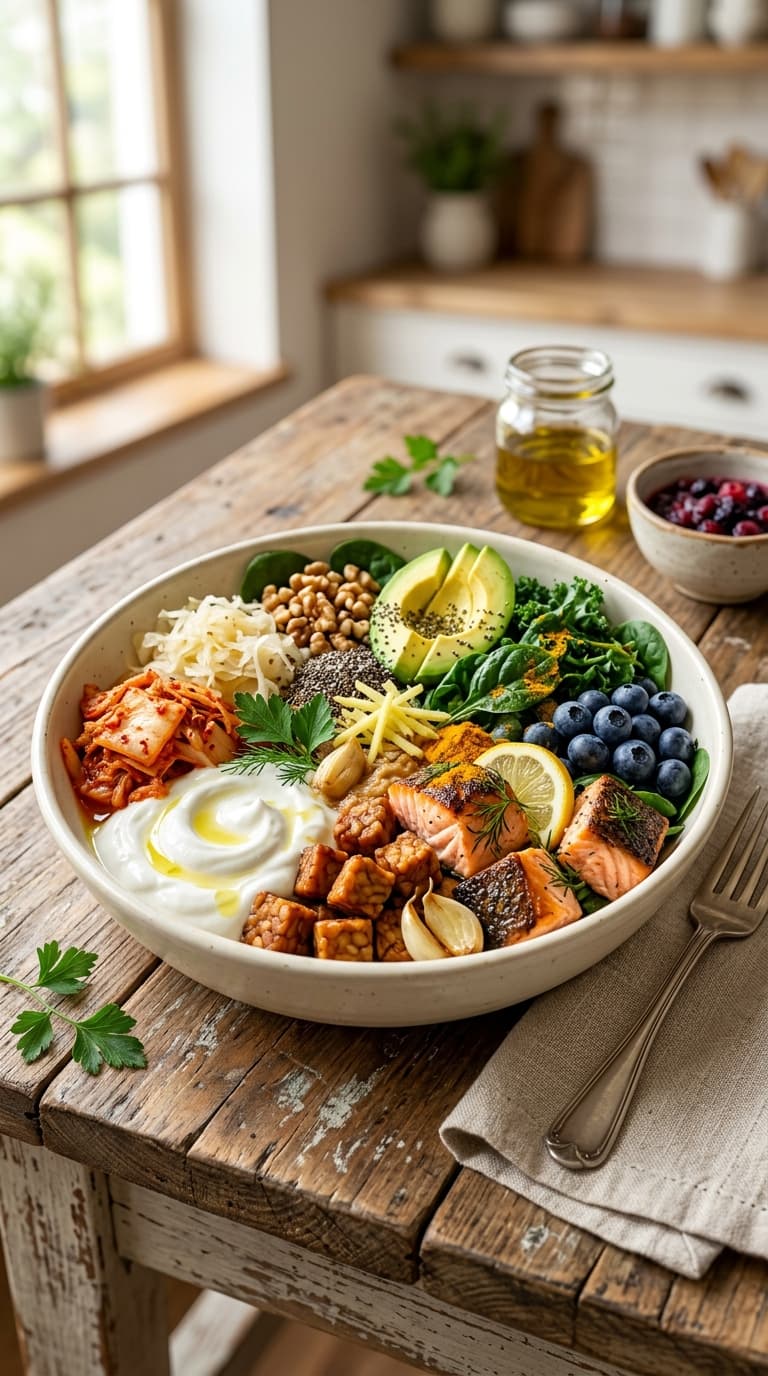
Your gut has been quietly running the show this whole time, and most of us have been completely ignoring it. If you’ve been dealing with bloating, fatigue, brain fog, or that general “blah” feeling you can’t quite explain, gut-based inflammation might be the culprit. The good news? You don’t need a pharmacy to fix it. You need your kitchen.
I got seriously into this topic after years of random digestive issues that doctors kept brushing off. Turns out, what I was eating was either feeding the fire or putting it out. Spoiler: a lot of junk was feeding the fire. Once I started adding probiotic-rich, anti-inflammatory foods consistently, the difference was real and noticeable. Let me walk you through 25 foods that actually work.
Why Gut Inflammation Even Happens
Before we get into the list, let’s talk about what’s actually going on in there. Gut-based inflammation happens when your intestinal lining gets irritated — by processed foods, stress, antibiotics, alcohol, or just a consistently poor diet. Your gut microbiome, which is essentially the community of trillions of bacteria living in your digestive tract, gets thrown off balance.
When bad bacteria outnumber the good ones, your immune system kicks into overdrive. That’s inflammation. And it doesn’t just stay in your gut — it ripples outward, affecting your skin, your joints, your mood, even your sleep. Ever wondered why fixing your gut often fixes five other problems at once? That’s exactly why.
The Difference Between Probiotics and Anti-Inflammatory Foods
Here’s where people get a little confused. Probiotics are live bacteria that replenish your gut microbiome. Anti-inflammatory foods reduce the inflammatory response in your body. When a single food does both? That’s the jackpot.
Some foods on this list are primarily probiotic — they introduce beneficial bacteria directly. Others are anti-inflammatory powerhouses that create a better environment for good bacteria to thrive. The smartest approach is eating a mix of both, consistently, over time.
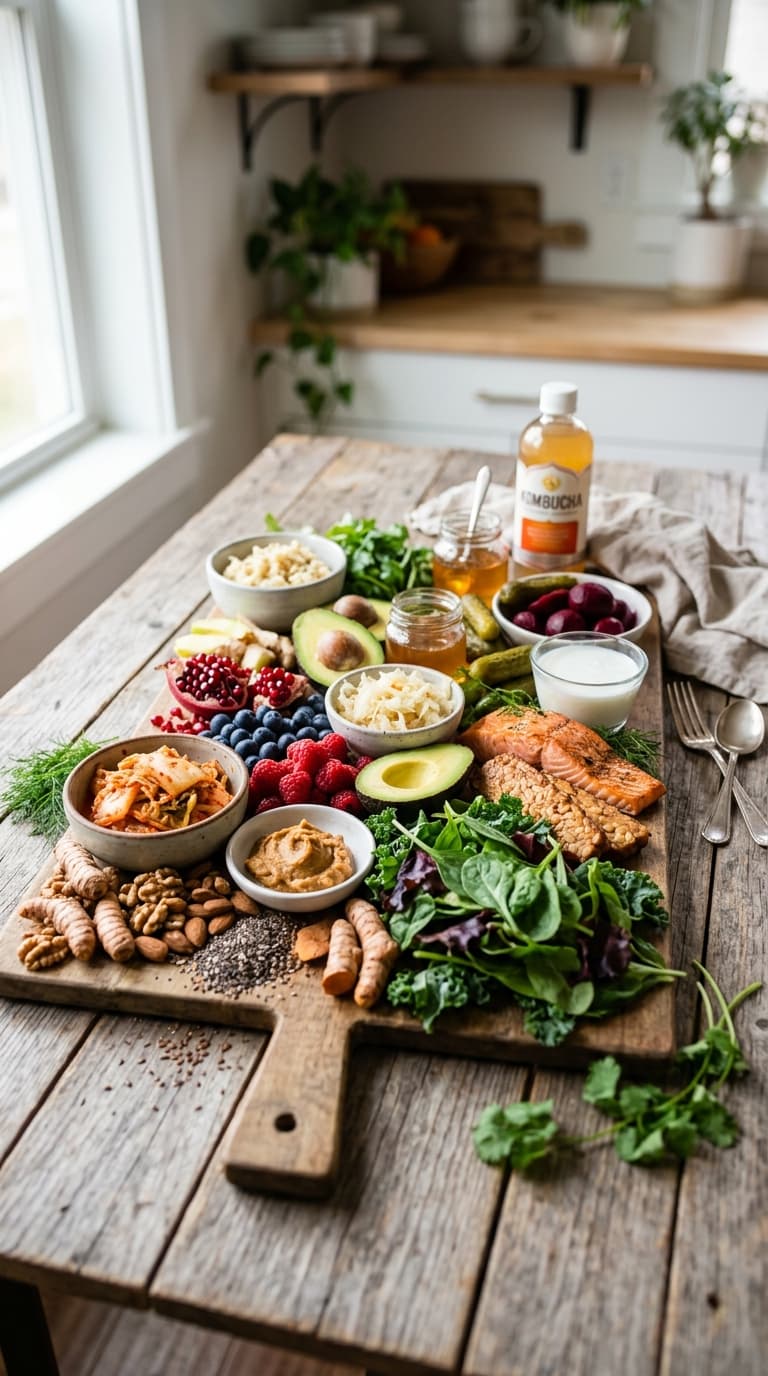
25 Anti-Inflammatory Probiotic Foods Worth Eating Every Week
1. Yogurt (Plain, Full-Fat)
This is the one most people already know, but they’re buying the wrong kind. Plain, full-fat yogurt with live active cultures is what you want. The flavored stuff is basically dessert with a health halo. Look for Lactobacillus and Bifidobacterium on the label — those are the strains that actually do the work.
2. Kefir
IMO, kefir is the underrated MVP of the probiotic world. It’s a fermented milk drink that contains up to 61 strains of bacteria and yeasts — that’s significantly more diversity than most yogurts. It’s tangy, slightly fizzy, and pairs surprisingly well with smoothies. If dairy bothers you, there are coconut and water kefir options too.
3. Sauerkraut
Fermented cabbage. I know, I know — but hear me out. Raw, unpasteurized sauerkraut is loaded with Lactobacillus bacteria and vitamin C. The pasteurized stuff in jars at the regular grocery store doesn’t count — heat kills the probiotics. You want the refrigerated kind with nothing but cabbage and salt in the ingredients.
4. Kimchi
Kimchi is sauerkraut’s spicy Korean cousin, and it brings even more to the table. Beyond the probiotics from fermentation, the garlic, ginger, and chili peppers in kimchi are all anti-inflammatory in their own right. It’s genuinely one of the most powerful combinations on this entire list.
5. Miso
Miso is a fermented paste made from soybeans, and it’s been a staple in Japanese cuisine for centuries for good reason. It’s rich in probiotics, antioxidants, and contains compounds that actively reduce inflammatory markers. A simple miso soup in the morning or evening is one of the easiest gut-supporting habits you can build.
6. Tempeh
Tempeh is fermented soybeans pressed into a firm cake, and it works better than tofu as a probiotic food because the fermentation process actually makes it easier to digest. It’s also packed with protein and contains isoflavones, which research links to reduced inflammation. Slice it, pan-fry it with a little coconut aminos, and you’ve got a solid meal base.
7. Natto
Okay, natto is an acquired taste — I’ll be honest with you. It’s fermented soybeans with a sticky, stringy texture and a pretty intense smell :/ . But if you can get past that, natto is one of the most probiotic-dense foods on the planet, plus it’s rich in vitamin K2, which supports both heart health and reduced inflammation.
8. Kombucha
Kombucha is fermented tea, and it’s gone from health food store novelty to mainstream grocery staple. It contains live cultures, B vitamins, and organic acids that support gut lining integrity. Choose low-sugar varieties — some brands pack in so much sweetener that the anti-inflammatory benefits get cancelled out pretty fast.
If you enjoy tea as part of your wellness routine, pairing kombucha with intentional herbal tea blends for relaxation is a genuinely nice way to build a gut-friendly evening wind-down habit.
9. Kvass
Kvass is a traditional Eastern European fermented drink made from rye bread. It’s less well-known in Western households but worth seeking out. It contains beneficial bacteria and enzymes that support digestion and reduce gut inflammation, particularly in the colon.
10. Lassi
A traditional Indian yogurt-based drink, lassi is essentially a probiotic in a glass. The plain or salted version is far better for your gut than the sweet mango version. The live cultures in lassi help restore microbial balance, especially after meals heavy in spices or rich foods.
11. Aged Cheese (Gouda, Cheddar, Gruyère)
Fermented cheeses that aren’t heavily processed actually contain live probiotic cultures. Gouda in particular has shown up in research for its Lactobacillus content. Pair aged cheeses with fiber-rich foods to help those bacteria thrive once they hit your gut.
12. Fermented Pickles (Brine-Cured, Not Vinegar)
Not all pickles are created equal. Vinegar-brined pickles are not probiotic — they’re just sour. What you want are naturally fermented pickles made with salt and water, where actual lacto-fermentation happens. Look for them in the refrigerated section, not the shelf-stable aisle.
13. Sourdough Bread
Real sourdough — made through slow fermentation with a live starter — contains organic acids and some residual beneficial bacteria that support gut health. It’s also lower on the glycemic index than regular bread, which matters because blood sugar spikes drive inflammation. Just make sure it’s actual sourdough and not regular bread with “sourdough flavoring.”
14. Turmeric
Turmeric doesn’t contain probiotics, but it earns its spot on this list because curcumin, its active compound, is one of the most well-researched natural anti-inflammatory agents we know of. It directly suppresses inflammatory pathways at a cellular level. Add it to golden milk, soups, or scrambled eggs with a pinch of black pepper to boost absorption significantly.
15. Ginger
Fresh ginger root is another non-probiotic anti-inflammatory all-star. It contains gingerols and shogaols, compounds that inhibit pro-inflammatory enzymes. It also helps with gut motility — meaning it keeps things moving through your digestive system the way they should. FYI, raw ginger in warm water first thing in the morning is one of the simplest gut-health habits you can start today.
Speaking of which, herbal teas that help with digestion often feature ginger as a star ingredient — and for excellent reason.
16. Garlic
Garlic is a prebiotic — meaning it feeds your existing good bacteria rather than introducing new ones. Raw garlic contains inulin and fructooligosaccharides, both of which are like fertilizer for your gut microbiome. It also has allicin, a natural antibacterial compound that targets harmful bacteria without wiping out the good ones.
17. Onions
Like garlic, onions are rich in inulin and quercetin. Quercetin is a flavonoid with strong anti-inflammatory and antioxidant properties that specifically helps reduce inflammatory markers in the gut lining. Red onions pack the highest quercetin content, so use those when you can.
18. Leeks
Leeks belong to the same family as garlic and onions, and they bring similar prebiotic benefits. They’re particularly rich in fructooligosaccharides, which feed Bifidobacterium strains in your colon. The mild flavor makes them easy to sneak into soups, stews, and stir-fries.
19. Jerusalem Artichoke
This one surprises people. Jerusalem artichokes (also called sunchokes) contain the highest natural concentration of inulin of almost any vegetable. They’re excellent prebiotic fuel for your gut bacteria. Fair warning: start small. Too much inulin too fast can cause serious bloating while your gut adjusts.
20. Asparagus
Asparagus is both a prebiotic and an anti-inflammatory food. It contains inulin, folate, and saponins — compounds that reduce gut permeability (aka “leaky gut”) and support the growth of beneficial bacteria. Roast it with olive oil and you’ve got a genuinely gut-friendly side dish with zero effort.
21. Bananas (Slightly Unripe)
Here’s an interesting one. Slightly unripe bananas contain resistant starch, which acts as a prebiotic — it passes through your small intestine undigested and feeds the bacteria in your colon. The riper a banana gets, the more that resistant starch converts to sugar. So actually, the greenish ones you usually ignore? Those are the gut-health gold.
22. Oats
Oats contain beta-glucan, a type of soluble fiber that feeds beneficial gut bacteria and actively reduces inflammatory markers, including C-reactive protein. Steel-cut or rolled oats are the best options. Skip the instant packets with flavoring — they usually contain enough added sugar to undo the benefits.
23. Flaxseeds
Flaxseeds are loaded with alpha-linolenic acid (ALA), a plant-based omega-3 fatty acid that directly reduces systemic inflammation, including in the gut. They also contain lignans, which act as antioxidants, and soluble fiber that feeds your microbiome. Always grind them before eating — whole flaxseeds pass right through without being absorbed.
24. Wild-Caught Salmon
Salmon earns its anti-inflammatory reputation through high concentrations of EPA and DHA omega-3 fatty acids, which actively suppress the production of inflammatory cytokines. It’s not a probiotic food, but in the context of gut-based inflammation, it’s one of the most effective dietary interventions backed by solid research.
Interestingly, if you enjoy pairing your wellness foods with something comforting and warm, some people love sipping anti-inflammatory tea blends alongside meals built around anti-inflammatory proteins.
25. Extra Virgin Olive Oil
Last but absolutely not least. Extra virgin olive oil contains oleocanthal, a compound with anti-inflammatory effects comparable to low-dose ibuprofen, according to some studies. It also supports a diverse gut microbiome by promoting the growth of beneficial bacteria and reducing harmful ones. Use it as your primary cooking fat and you’re doing your gut a consistent, daily favor.
How to Actually Eat These Foods (Without Losing Your Mind)
The list looks long, but you don’t need to eat all 25 every day. That’s not realistic, and honestly, it’s not necessary. Aim for variety over quantity. A few fermented foods daily, consistent prebiotic fiber intake, and regular omega-3 rich foods will move the needle significantly.
Here’s a simple daily structure that works:
- Morning: Plain yogurt or kefir + oats with flaxseeds
- Midday: A salad with raw garlic, onions, olive oil + a side of fermented pickles or kimchi
- Evening: Salmon or tempeh with asparagus or leeks + miso soup
- Anytime: Kombucha as a drink swap for soda
That’s not complicated. That’s genuinely doable.
What to Avoid While You’re at It
Adding gut-healing foods is only half the equation. Processed sugar, refined grains, alcohol, and artificial sweeteners actively disrupt your gut microbiome and drive inflammation. You don’t have to be perfect — nobody is — but if you’re loading up on probiotics in the morning and then eating ultra-processed snacks all afternoon, you’re fighting yourself.
Think of your gut microbiome like a garden. You can plant the best seeds, but if you keep pouring herbicide on the soil, nothing grows 🙂
The Bottom Line
Your gut is one of the most powerful systems in your body, and it responds remarkably well to the right foods. These 25 anti-inflammatory probiotic foods give you a real, practical toolkit — not a trendy supplement stack, not a $90 protocol, just real food that works.
Start with two or three foods from this list that you actually enjoy. Build from there. Consistency over perfection, always. Your gut doesn’t need a dramatic overhaul — it needs steady, daily support. Give it that, and you’ll be genuinely surprised how much better everything else starts to feel.