25 Anti-Inflammatory Fruits Ranked by Antioxidant Level
25 Anti-Inflammatory Fruits Ranked by Antioxidant Level
Let’s be real — most of us don’t think about inflammation until our joints start aching or our energy tanks for no obvious reason. But here’s the thing: what you eat every single day either fights inflammation or feeds it. And fruits? They’re honestly one of the most underrated weapons in your anti-inflammatory arsenal.
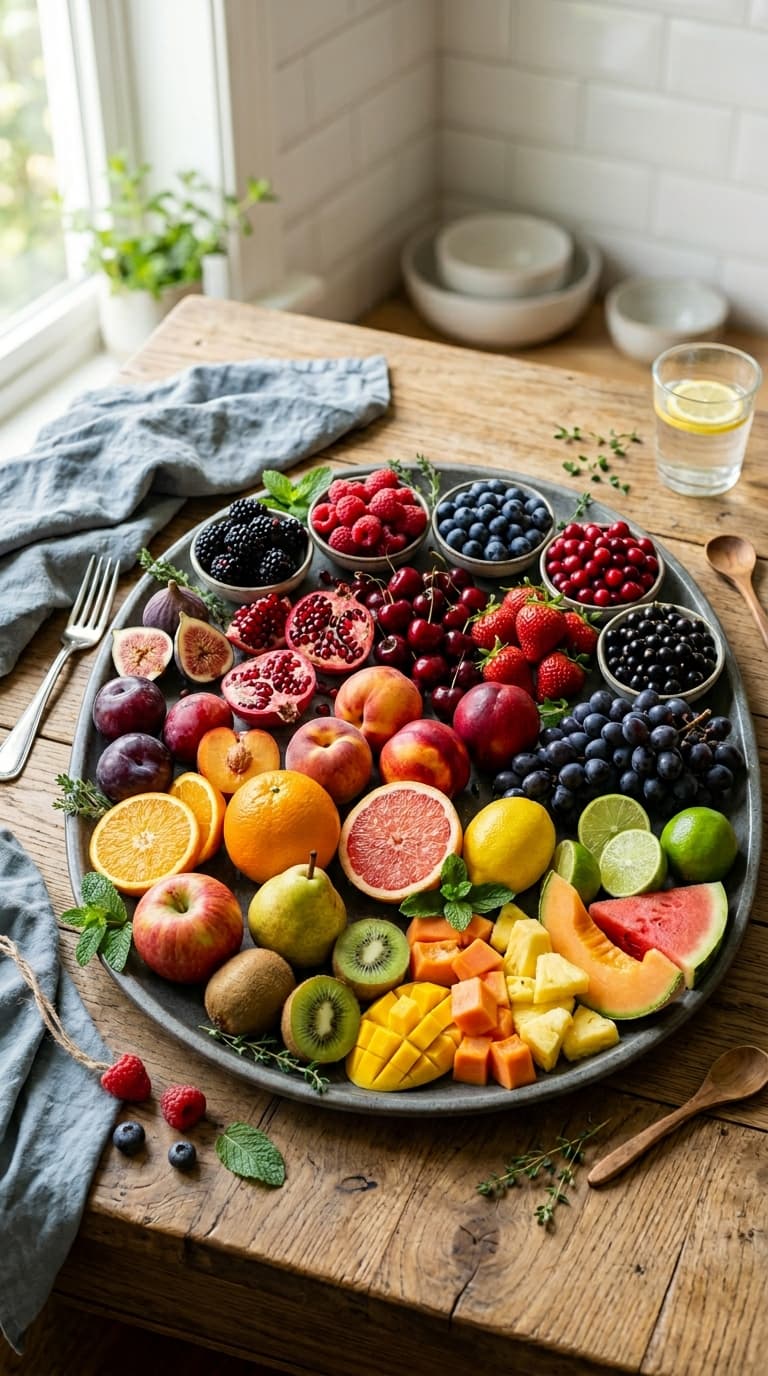
I’ve spent a lot of time reading labels, comparing ORAC scores, and yes, eating a ridiculous amount of berries in the name of “research.” So let me walk you through the 25 best anti-inflammatory fruits, ranked by antioxidant level — from solid performers all the way up to the absolute powerhouses.
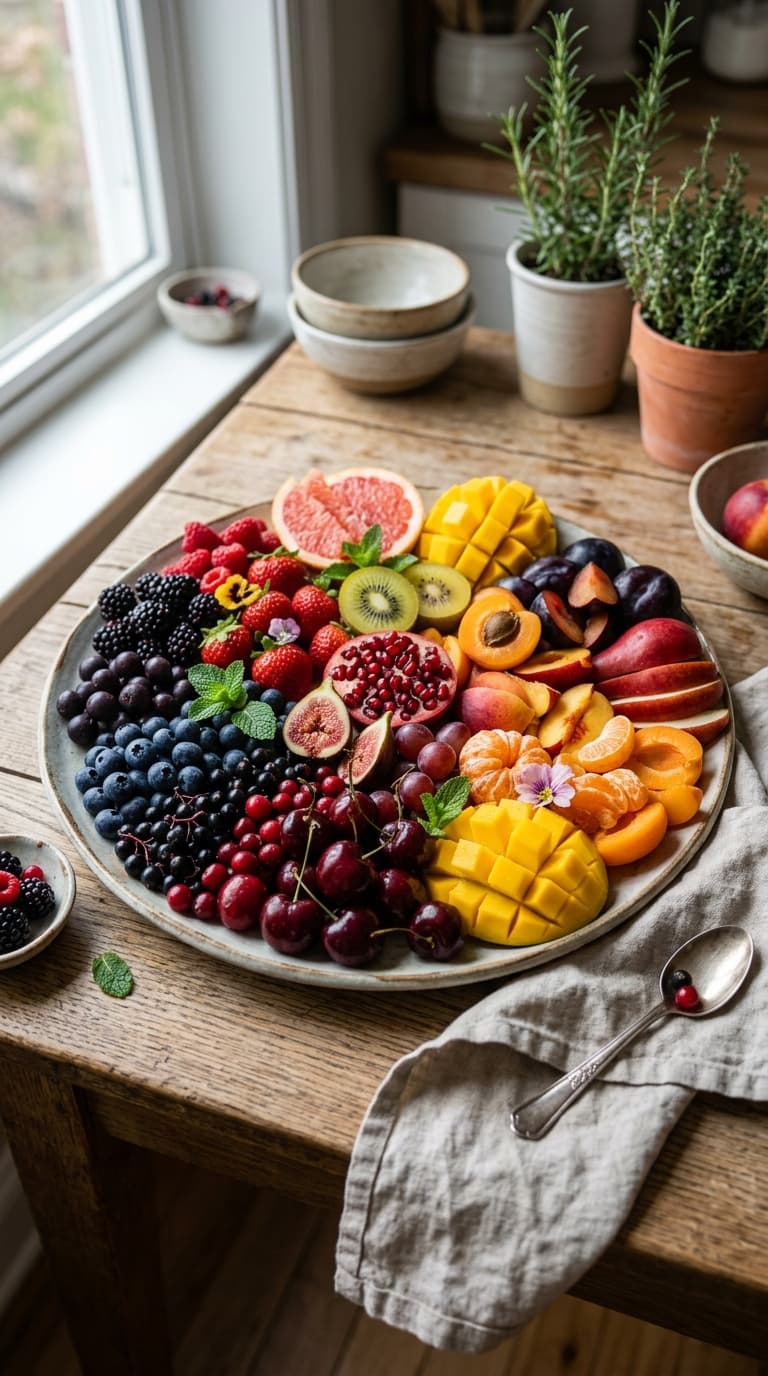
What Even Is an Antioxidant Level?
Before we jump in, let’s get one thing straight. Antioxidant level in fruits is often measured by ORAC (Oxygen Radical Absorbance Capacity) scores, which tell you how well a food neutralizes free radicals in your body. The higher the ORAC score, the more antioxidant punch that fruit packs.
Free radicals cause oxidative stress, which triggers chronic inflammation — the kind linked to heart disease, diabetes, and arthritis. So eating high-antioxidant fruits isn’t just trendy. It’s genuinely one of the smartest things you can do for your long-term health.
The Bottom Tier — Still Great, Just Not Superstars
25. Watermelon
Watermelon sits at the bottom of this list, but don’t sleep on it. It contains lycopene, a powerful carotenoid that reduces oxidative stress and supports heart health. Its high water content also helps flush inflammatory toxins from your system. It’s refreshing, it’s cheap, and it does more than just taste amazing at a summer BBQ.
24. Pineapple
Pineapple brings bromelain to the table — a unique enzyme with proven anti-inflammatory properties, especially useful for reducing swelling after injury or exercise. Its antioxidant content isn’t off the charts, but that bromelain factor earns it a solid spot here. FYI, most of the bromelain lives in the core, so don’t toss it.
23. Mango
Mangoes are loaded with beta-carotene and vitamin C, both of which combat oxidative damage. They also contain mangiferin, a compound that research suggests may reduce inflammation at the cellular level. Plus, they taste like a tropical vacation. Honestly, what’s not to love?
22. Kiwi
Kiwi packs more vitamin C per gram than oranges — and that’s not a typo. Vitamin C is a frontline antioxidant that neutralizes free radicals directly. Kiwi also contains vitamin E and polyphenols that work together to reduce inflammatory markers. Tiny fruit, big impact.
21. Papaya
Papaya contains papain, another digestive enzyme with anti-inflammatory properties, alongside a healthy dose of beta-carotene and vitamin C. It’s especially useful for gut-related inflammation, which — if you’ve ever had digestive issues — you know is no joke.
Mid-Tier Performers — Serious Antioxidant Action
20. Orange
Oranges are the classic go-to for vitamin C, and for good reason. They also contain flavonoids like hesperidin, which studies link to reduced blood pressure and lower inflammatory markers. They’re cheap, widely available, and genuinely effective. Sometimes the basics earn their reputation.
19. Grapefruit
Grapefruit contains naringenin, a flavonoid with impressive anti-inflammatory and antioxidant activity. It also helps regulate blood sugar, which indirectly reduces inflammation. Just watch out if you’re on certain medications — grapefruit has a reputation for interfering with drug metabolism. :/
18. Pomegranate Seeds (Arils)
Here’s where things start getting interesting. Pomegranate arils contain punicalagins and punicic acid, two compounds found almost nowhere else in the plant kingdom. These supercharge your body’s antioxidant capacity in ways that most fruits simply can’t match. Pair them with some anti-inflammatory tea blends and you’ve got yourself a serious wellness combo.
17. Grapes (Red and Black)
Red and black grapes contain resveratrol, the famous compound linked to heart health and longevity. They’re also rich in quercetin and anthocyanins, giving them a solid antioxidant profile. Resveratrol in particular has been shown to suppress inflammatory pathways at the molecular level. Small but mighty.
16. Cherries (Sweet)
Sweet cherries are genuinely underrated as an anti-inflammatory food. They contain anthocyanins that directly inhibit the same inflammatory pathways targeted by common over-the-counter pain relievers — without the side effects. Athletes swear by tart cherry juice for muscle recovery, and for good reason.
15. Plums
Plums — and their dried counterpart, prunes — are surprisingly high in chlorogenic acid and neochlorogenic acid, potent antioxidant compounds. These reduce oxidative stress in cells and support liver function, which plays a huge role in systemic inflammation. They deserve way more attention than they get.
14. Apples (Red)
“An apple a day” — yeah, it’s cliché, but there’s something to it. Red apples are loaded with quercetin, a flavonoid that blocks histamine release and reduces inflammatory cytokines. The skin holds most of the antioxidants, so always eat it with the peel on. Don’t peel your apples. I’m serious.
Upper Mid-Tier — Now We’re Talking
13. Figs
Fresh and dried figs contain polyphenols including gallic acid and rutin, which carry significant antioxidant activity. They’re also rich in fiber, which feeds beneficial gut bacteria — and a healthy gut microbiome is one of your best defenses against chronic inflammation. This one surprised me when I first looked into it.
12. Apricots
Apricots are dense in beta-carotene and lycopene, especially when dried. Your body converts beta-carotene into vitamin A, which plays a crucial role in immune regulation and inflammation control. Three dried apricots can deliver a meaningful antioxidant hit without a ton of calories.
11. Tart Cherries
We already covered sweet cherries, but tart cherries deserve their own entry because they operate on a completely different level. Tart cherries have ORAC scores significantly higher than sweet varieties, and their anti-inflammatory effect is so pronounced that they’re now studied for use in gout, arthritis, and post-exercise recovery. These are genuinely special.
10. Cranberries
Cranberries are absolute antioxidant machines. They contain proanthocyanidins, quercetin, myricetin, and ursolic acid — a whole cocktail of compounds that fight inflammation and oxidative stress simultaneously. Most people only think of cranberries for UTIs, but they offer so much more. Just go easy on the sugary cranberry juice; it’s not the same thing.
The Elite Tier — True Anti-Inflammatory Powerhouses
9. Blackberries
Blackberries hit hard with anthocyanins, ellagic acid, and resveratrol all packed into those dark little drupelets. Their ORAC score puts them well ahead of most other common fruits. IMO, they’re the most underrated berry in the grocery store — people walk right past them for strawberries, and that’s a mistake.
8. Raspberries
Raspberries carry ellagitannins that your gut bacteria convert into urolithins — compounds that reduce inflammation and may protect against certain cancers. They’re also rich in quercetin and vitamin C. Fresh or frozen, they retain their antioxidant power well, making them easy to work into daily meals.
7. Strawberries
Don’t let their mainstream status fool you. Strawberries contain fisetin, a flavonoid that recent research suggests may have remarkable anti-inflammatory and even anti-aging properties. They’re also one of the richest fruit sources of vitamin C, which your body uses to rebuild collagen and fight oxidative damage. Pair them with a coffee smoothie for breakfast and you’re setting your day up right.
6. Pomegranate Juice (Whole Fruit)
While the arils ranked at 18, consuming the whole pomegranate — including the compounds in its juice — pushes it into a completely different league. Pomegranate has one of the highest antioxidant capacities of any food tested, with studies showing it outperforms red wine and green tea in head-to-head comparisons. If you’re serious about reducing inflammation, pomegranate deserves a permanent spot in your kitchen.
5. Acai Berries
Acai has earned its superfood status, and this time the hype is justified. These small Amazonian berries contain anthocyanins at concentrations far exceeding most other fruits, along with oleic acid and plant sterols that add to their anti-inflammatory effect. Fresh acai is hard to find outside Brazil, but frozen pulp retains most of its potency.
4. Elderberries
Elderberries have been used medicinally for centuries, and modern science is catching up to explain why. They’re extraordinarily rich in anthocyanins and flavonols, and studies show they reduce levels of pro-inflammatory cytokines — the same signaling molecules that cause the miserable symptoms of colds and flu. These aren’t just folklore. They’re the real deal.
3. Goji Berries
Goji berries earn their spot near the top through sheer polysaccharide and zeaxanthin content, alongside impressive levels of vitamins A and C. They’ve been used in traditional Chinese medicine for thousands of years for a reason. Research shows they significantly reduce oxidative stress markers after regular consumption. They taste a bit like a raisin crossed with a cranberry — not everyone’s first love, but worth the effort.
2. Black Chokeberries (Aronia)
You might not have heard of aronia berries, but they quietly hold some of the highest ORAC scores ever recorded for a fruit — we’re talking 16,000+ per 100 grams. They’re absolutely packed with anthocyanins and proanthocyanidins. They’re also extremely astringent raw, which is probably why they haven’t caught on in mainstream supermarkets. But as a juice or supplement? Genuinely remarkable anti-inflammatory potential. The kind of thing that makes you wonder why it’s not everywhere.
1. Wild Blueberries
Wild blueberries take the top spot, and it’s not particularly close. Compared to cultivated blueberries — which are already excellent — wild blueberries contain nearly double the antioxidant content per gram. Their smaller size means more skin-to-flesh ratio, and the skin is where the anthocyanins live. They fight inflammation at the neurological level too, with research linking regular consumption to better cognitive function and reduced risk of neurodegenerative disease. Frozen wild blueberries are widely available and retain their full antioxidant punch.
How to Actually Eat These Fruits Regularly
Knowing this list is great. Using it is better. Here are some easy ways to work these fruits into your routine:
- Blend a daily smoothie with wild blueberries, raspberries, and acai
- Snack on tart dried cherries instead of reaching for chips
- Add pomegranate arils to salads, yogurt, or oatmeal
- Keep frozen elderberries and aronia in the freezer for easy additions to sauces
- Throw goji berries and blackberries into overnight oats
And if you’re already big on herbal teas for better digestion, combining those with a diet rich in these fruits is a genuinely powerful approach to managing inflammation naturally.
A Note on Synergy
Here’s something worth knowing: antioxidants work better together than in isolation. Eating a variety of these fruits — rather than obsessing over just one — gives your body a broader spectrum of phytonutrients that complement and amplify each other’s effects. No single fruit does it all, but a diverse diet of high-antioxidant fruits comes close.
Wrapping It Up
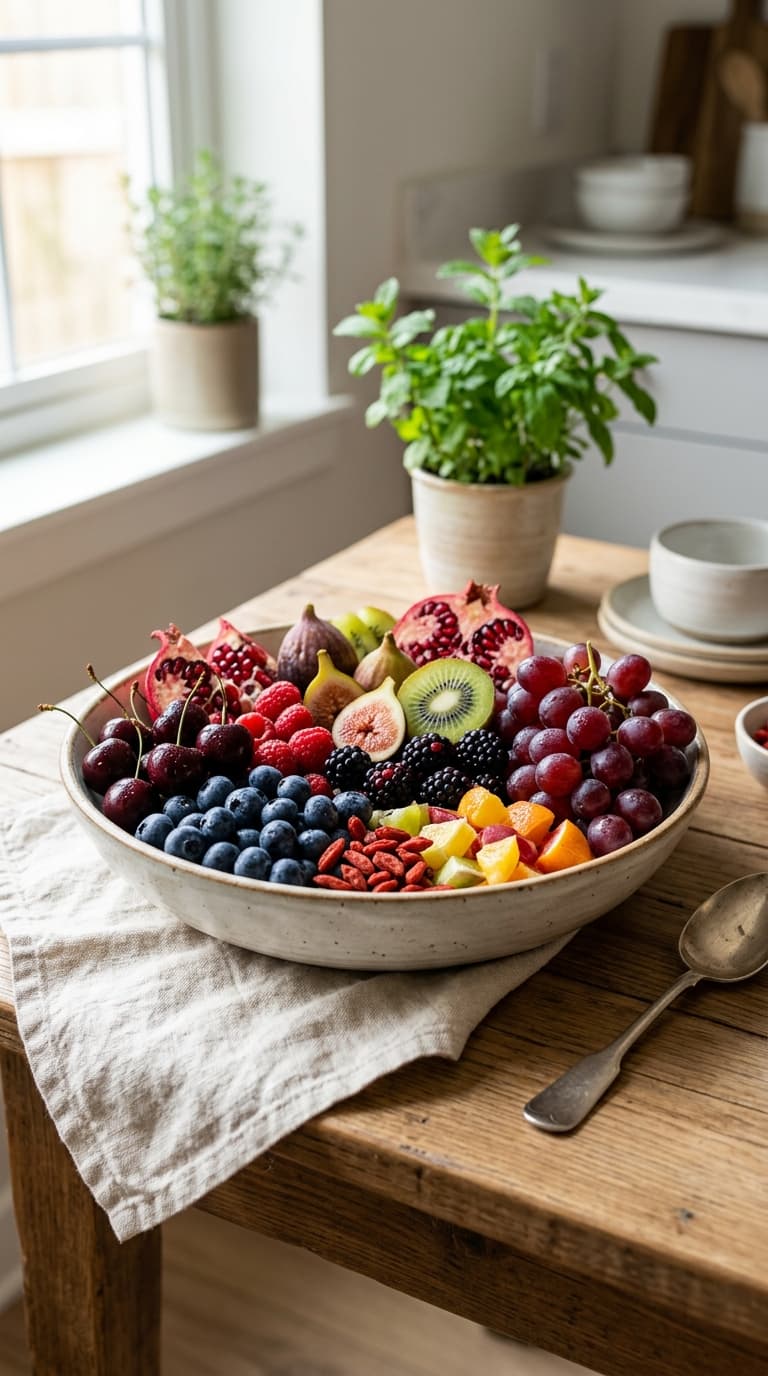
So there you have it — 25 anti-inflammatory fruits ranked by antioxidant level, from watermelon’s modest lycopene boost all the way to wild blueberries’ extraordinary polyphenol density. The common thread? Color, diversity, and consistency. The darker and more vibrantly colored a fruit, the more likely it is to carry serious anti-inflammatory firepower.
You don’t need to overhaul your entire diet overnight. Start by swapping one snack a day for something from the top ten on this list. Your joints, your gut, and your future self will genuinely thank you for it. 🙂
Now go eat some wild blueberries. Your inflammation never stood a chance.