19 Anti-Inflammatory Fish and Seafood Options Ranked
19 Anti-Inflammatory Fish and Seafood Options Ranked
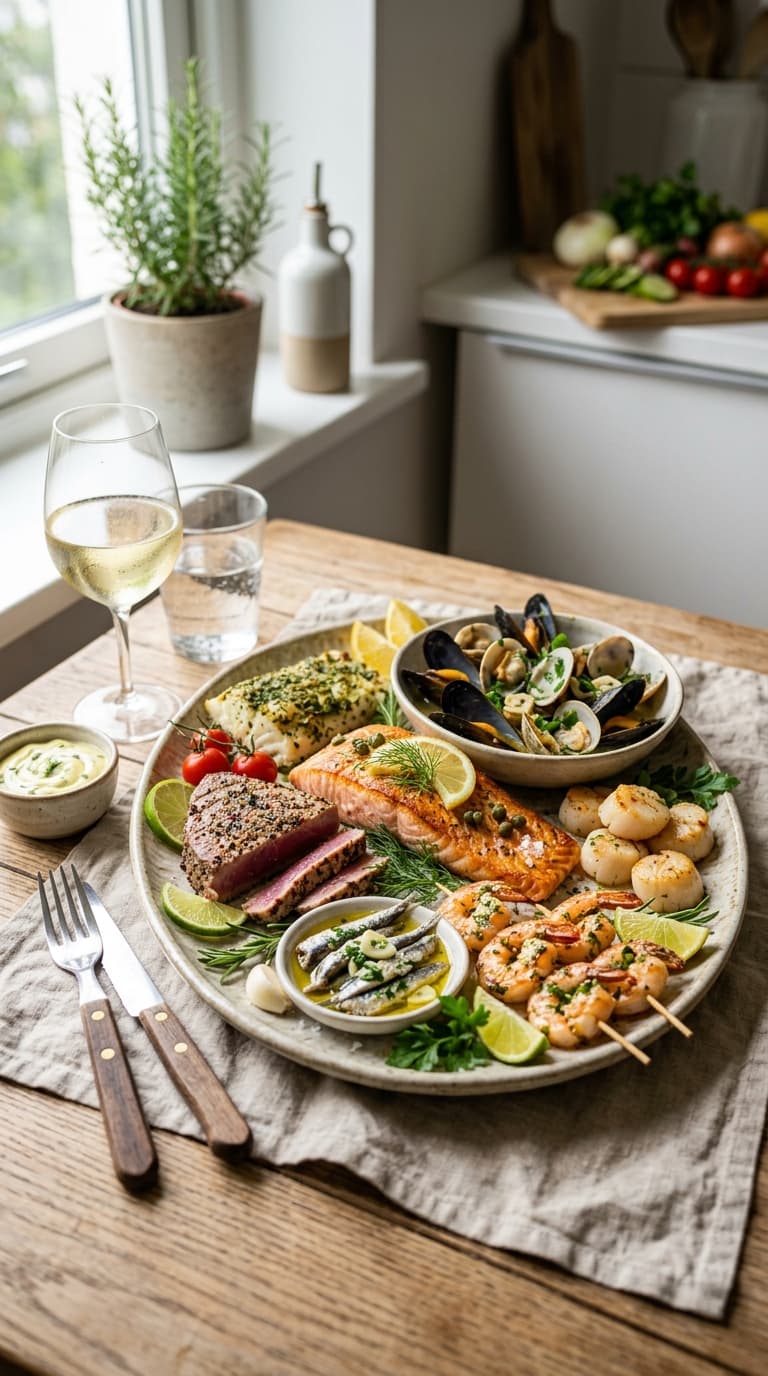
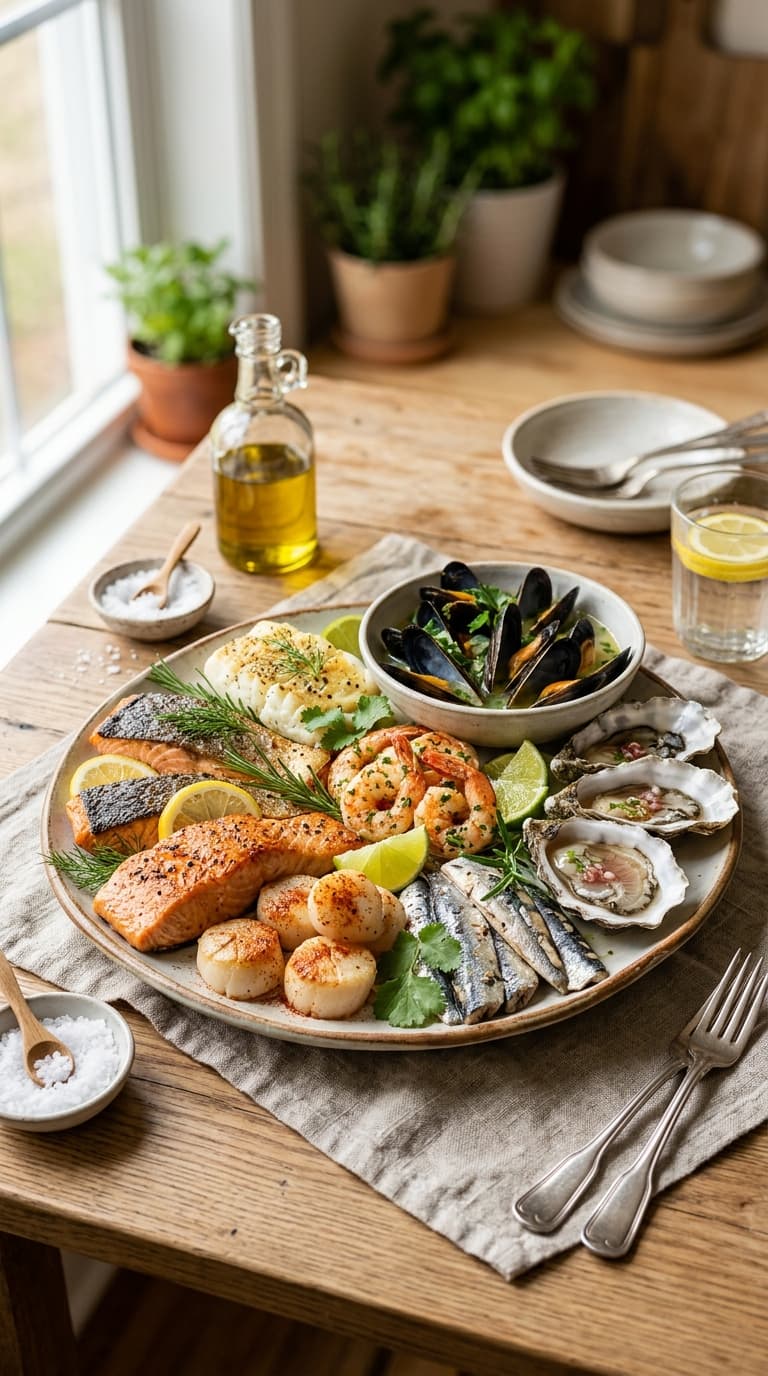
Let’s be honest — most of us know we should eat more fish, but somewhere between the grocery store and the dinner table, we lose our nerve. What do I even buy? How do I cook it? Will my family actually eat it? Sound familiar? If chronic inflammation has been on your radar lately (joint pain, fatigue, brain fog — the usual suspects), seafood might just be the most underrated weapon in your kitchen. I’ve spent a lot of time experimenting with different fish and seafood, and today I’m breaking down the 19 best anti-inflammatory options, ranked by how much omega-3 power, nutrient density, and real-world usability they pack. Let’s get into it.
Why Fish Fights Inflammation So Well
Before we rank anything, it helps to understand why seafood works so well against inflammation. The short answer: omega-3 fatty acids, specifically EPA and DHA. These compounds actively signal your body to reduce inflammatory responses. Most of us eat way too many omega-6 fats (hello, processed foods) and not nearly enough omega-3s, which throws the whole system off balance.
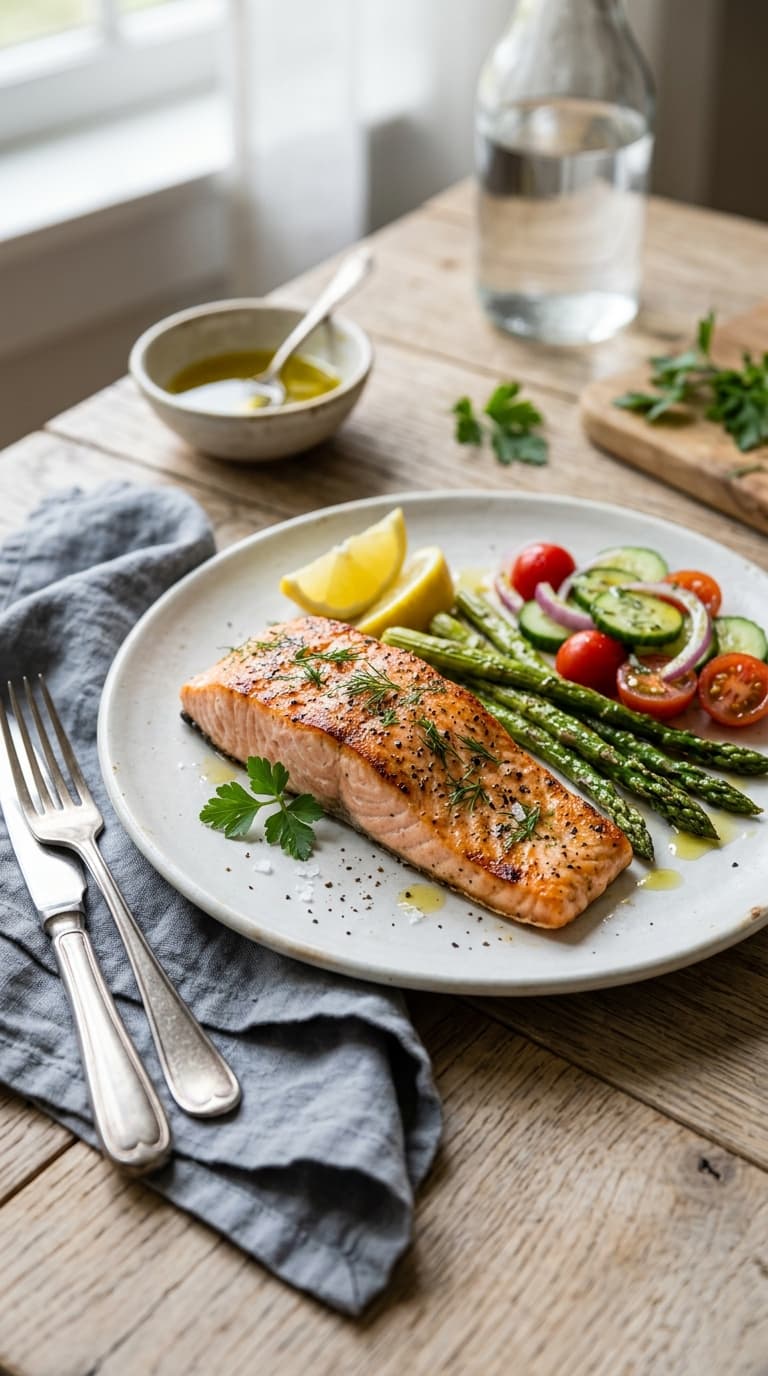
Fish also deliver astaxanthin, selenium, vitamin D, and zinc — all nutrients that support your immune system and help tame inflammatory pathways. IMO, no supplement stack competes with just eating good seafood regularly. And pairing your seafood meals with anti-inflammatory teas can seriously amplify the benefits.
The Ranking Criteria
Here’s how I ranked these 19 options:
- Omega-3 content per serving
- Mercury levels (lower is safer, especially for everyday eating)
- Bioavailability of nutrients
- Accessibility and affordability
- Versatility in cooking
Higher-ranked fish score well across all five. Lower-ranked ones still earn a spot because they offer something useful — just not the full package.
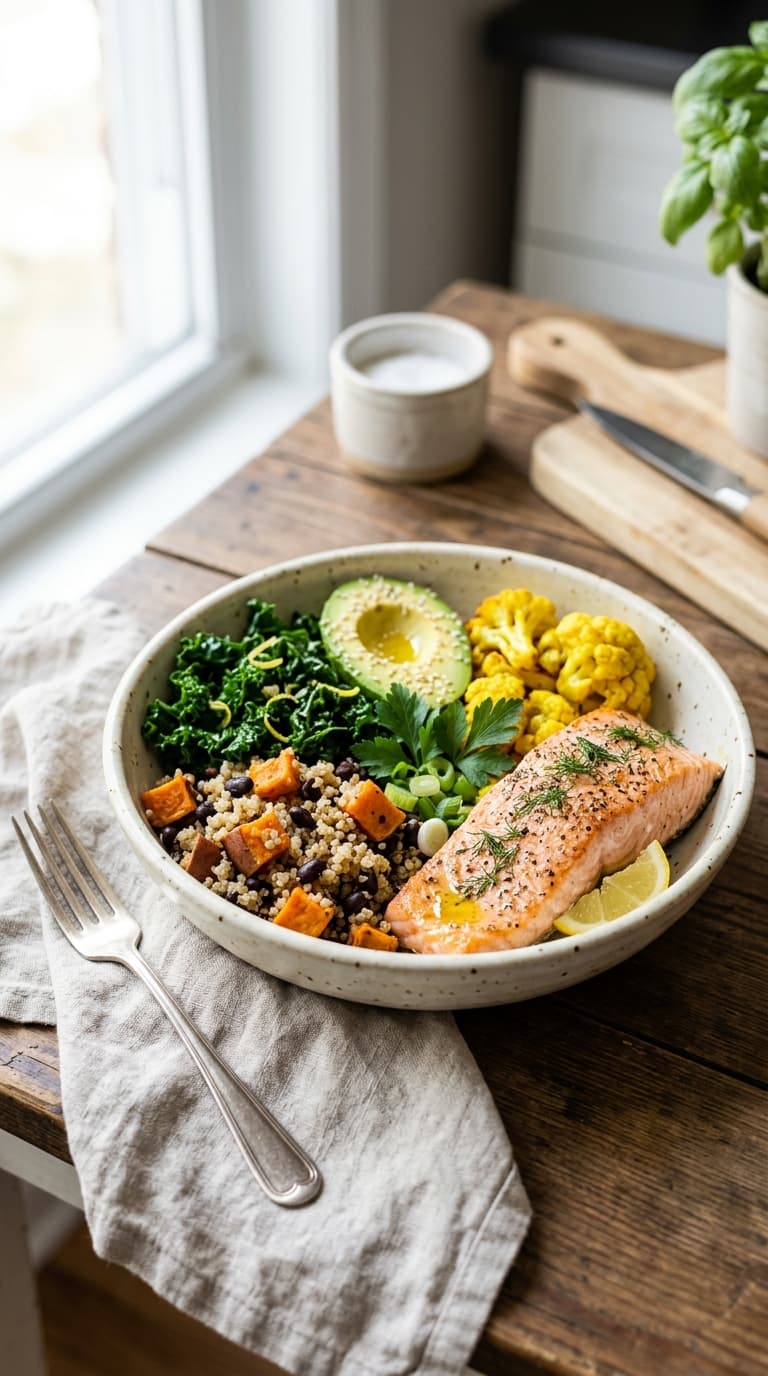
1. Wild-Caught Salmon
The undisputed heavyweight. Wild-caught salmon delivers somewhere between 1,500 and 2,500 mg of omega-3s per 3-ounce serving, depending on the variety. Sockeye tends to be the most nutrient-dense, while Atlantic wild salmon comes in close. It’s also rich in astaxanthin, a carotenoid that gives it that gorgeous pink color and fights oxidative stress directly.
I cook salmon at least twice a week. Roasted with olive oil and lemon? Perfect. Honestly, it’s hard to mess up.
2. Mackerel
Mackerel doesn’t get nearly the respect it deserves. Atlantic mackerel packs over 2,600 mg of omega-3s per serving, putting it ahead of most salmon varieties by weight. It’s also inexpensive, which makes it one of the best everyday anti-inflammatory seafood choices out there.
The flavor is stronger and more “fishy” than salmon, which turns some people off — but if you grill it with fresh herbs and a squeeze of citrus, it transforms completely. Don’t sleep on mackerel 🙂
3. Sardines
Here’s where I tell you sardines are basically a superfood and you roll your eyes. But seriously — sardines offer omega-3s, calcium (when you eat the bones), vitamin B12, and selenium all in one small can. They’re also one of the lowest-mercury fish you can eat, making them safe for daily consumption.
Eat them on whole grain toast, mix them into pasta, or pile them on a salad. They’re infinitely more versatile than people give them credit for.
4. Herring
Herring is a staple in Scandinavian and Northern European diets for good reason. It delivers around 1,700 mg of omega-3s per serving and comes loaded with vitamin D — a nutrient most people are chronically deficient in, especially those of us not living in sunshine year-round.
Pickled herring is the most common form, and while the texture is an acquired taste, smoked herring fillets are genuinely delicious. Think of it as the underdog that’s been quietly winning the whole time.
5. Anchovies
Tiny but mighty. Anchovies are packed with omega-3s, calcium, and iron in a form your body absorbs extremely well. They’re also a fantastic source of CoQ10, an antioxidant that supports heart health and fights cellular inflammation.
Most people only think of anchovies as a pizza topping, but they dissolve beautifully into sauces, dressings, and braises. A couple of anchovy fillets in your tomato sauce? Game-changer.
6. Rainbow Trout
Rainbow trout is one of the cleanest, most sustainable fish you can buy, and it’s incredibly high in omega-3s relative to its size. Farmed rainbow trout, specifically, is well-regulated and scores low on mercury and contaminants. It tastes mild and buttery — closer to salmon than most white fish.
If you’re trying to get someone new to eating fish, trout is your gateway option.
7. Albacore Tuna (Canned, in Water)
Yes, canned tuna makes the list. Albacore tuna contains significantly more omega-3s than skipjack, though it does carry higher mercury levels, so moderation matters here — a few servings per week is the sweet spot for most adults. Still, as a convenient, affordable, anti-inflammatory protein, it earns its spot.
Toss it into a quick grain bowl, mix it with avocado instead of mayo, and you’ve got a solid anti-inflammatory lunch in five minutes.
8. Skipjack Tuna
Lower in mercury than albacore and perfectly fine for more frequent eating, skipjack tuna is what most canned “light tuna” actually is. It’s got fewer omega-3s than albacore, but the accessibility and affordability keep it high on this list. Great for people building the habit of eating more seafood without overthinking it.
9. Oysters
Switching lanes to shellfish — oysters are extraordinary for inflammation because of their zinc content. Zinc directly regulates immune function and inflammatory signaling. They also provide omega-3s, vitamin B12, and copper in significant amounts.
Six raw oysters deliver more zinc than almost any other food on earth. If you love them raw, perfect. If not, baked or roasted oysters with garlic butter are genuinely hard to resist.
10. Mussels
Mussels are among the most nutrient-dense and environmentally sustainable shellfish available. They’re rich in omega-3s, selenium, manganese, and vitamin C — a combination that tackles inflammation from multiple angles. They’re also remarkably affordable when you buy them fresh.
Steam them in white wine and garlic and serve with crusty bread. Honestly one of the best meals you can make for under ten dollars.
11. Clams
Clams deserve more love. They’re one of the highest natural sources of vitamin B12, which supports nerve function and helps regulate inflammatory responses at the cellular level. They also provide iron and omega-3s in a form that’s highly bioavailable.
Clam chowder, linguine alle vongole, or simply steamed with butter and herbs — clams work in so many contexts. FYI, canned clams retain most of their nutrition and make weeknight cooking a lot easier.
12. Shrimp
Shrimp lands in the middle of the ranking because it’s low in fat overall, which means lower omega-3 content per serving compared to fatty fish. That said, it delivers astaxanthin, iodine, selenium, and a solid dose of anti-inflammatory antioxidants. It’s also the most widely consumed seafood in the world, which means it’s accessible and versatile.
The catch? Quality matters enormously with shrimp. Wild-caught or sustainably farmed is worth the extra cost.
13. Crab
Crab is rich in omega-3s, selenium, and zinc, and it offers a unique mix of anti-inflammatory compounds that differ slightly from fin fish. Blue crab and Dungeness crab are both excellent choices. The main downside is cost and availability — fresh crab isn’t always easy to source.
Canned crab meat is a solid alternative that keeps the nutrition largely intact. Toss it into crab cakes or stir it into scrambled eggs for a quick anti-inflammatory breakfast.
14. Lobster
Lobster ranks a little lower simply because most people don’t eat it regularly :/. But nutritionally, it delivers meaningful selenium, zinc, and omega-3 fatty acids, plus it’s a lean, high-protein food that supports muscle health alongside its anti-inflammatory benefits. When you do eat it, skip the clarified butter bath and enjoy the actual flavor of the meat.
15. Halibut
Halibut is a lean white fish with a respectable omega-3 profile and excellent selenium content. It’s firmer than most white fish, which makes it great for grilling or pan-searing without falling apart. Pacific halibut tends to be the more sustainable choice — worth checking labels when you shop.
It doesn’t hit the top ten simply because its omega-3 content is lower than fatty fish, but its nutrient density otherwise is impressive.
16. Cod
Cod is mild, widely available, and a good source of selenium and B vitamins that support immune regulation. It’s low in fat — which again means fewer omega-3s — but it remains a solid choice for people who need a gentle introduction to eating more seafood. Baked cod with herbs and olive oil is genuinely delicious and ridiculously easy to make.
17. Tilapia
Tilapia gets a bad reputation, some of it deserved. The omega-3 to omega-6 ratio in tilapia isn’t as favorable as fatty fish, which means it contributes less actively to reducing inflammation. That said, it provides lean protein, selenium, and B vitamins, and it’s one of the most affordable fish options available. Quality sourcing matters — look for tilapia from well-regulated farms.
18. Scallops
Scallops offer magnesium, zinc, and omega-3s in a mild, sweet package that even picky eaters tend to love. They’re not as potent as fatty fish on the omega-3 front, but their magnesium content is a genuine bonus — magnesium plays a key role in regulating the inflammatory response and is something most people don’t get enough of. Seared scallops with a simple lemon-herb sauce? That’s a fancy-looking meal that takes about eight minutes.
19. Imitation Crab (Surimi)
Look, I’m including this because people eat it constantly — in sushi rolls, seafood salads, crab rangoon. But surimi is processed pollock that loses much of its nutritional value during manufacturing. It contains added starch, sodium, and artificial flavoring. It’s not terrible for you, but it’s the weakest anti-inflammatory option on this list by a significant margin. If you’re eating it for the taste, enjoy. Just don’t count it as your omega-3 serving for the day.
How to Actually Eat More of These Fish
Knowing the list is one thing. Getting these foods into your weekly rotation is another. Here’s what works:
- Batch cook salmon or trout on Sunday and use it throughout the week in salads, grain bowls, or wraps
- Keep canned sardines, anchovies, and tuna stocked in your pantry for quick, zero-effort meals
- Buy frozen wild-caught fish — it’s often fresher than “fresh” fish at the counter and significantly cheaper
- Try one new seafood option per week instead of overhauling your diet overnight
And if you’re building a bigger anti-inflammatory lifestyle, pairing seafood with calming herbal teas and whole foods makes a real difference in how you feel day to day.
A Few Things to Watch Out For
Even the best seafood comes with caveats:
- Mercury accumulates in larger, longer-lived fish like swordfish, king mackerel, and tilefish — limit those, especially if you’re pregnant
- Farmed vs. wild matters — wild-caught is generally higher in omega-3s and lower in contaminants for fatty fish
- Preparation kills the benefits — deep-frying fish or drowning it in inflammatory sauces defeats the entire purpose. Keep it simple.
The Bottom Line
If you want to fight inflammation with food, seafood is one of the most effective tools available — and this list gives you 19 solid options to work with, from the omega-3 powerhouses at the top to the decent-but-limited choices at the bottom. You don’t need to eat all 19. Pick three or four that genuinely appeal to you, learn a couple of simple preparations, and make them a real habit.
Wild salmon, mackerel, sardines, and oysters should probably anchor your rotation. Everything else is a welcome addition when you feel like mixing it up. And hey — your joints, your brain, and your heart will all quietly thank you for making the effort. That’s a pretty good return on a Tuesday night dinner, if you ask me.