23 Anti-Inflammatory Oils — Which One to Cook With and Why
23 Anti-Inflammatory Oils — Which One to Cook With and Why
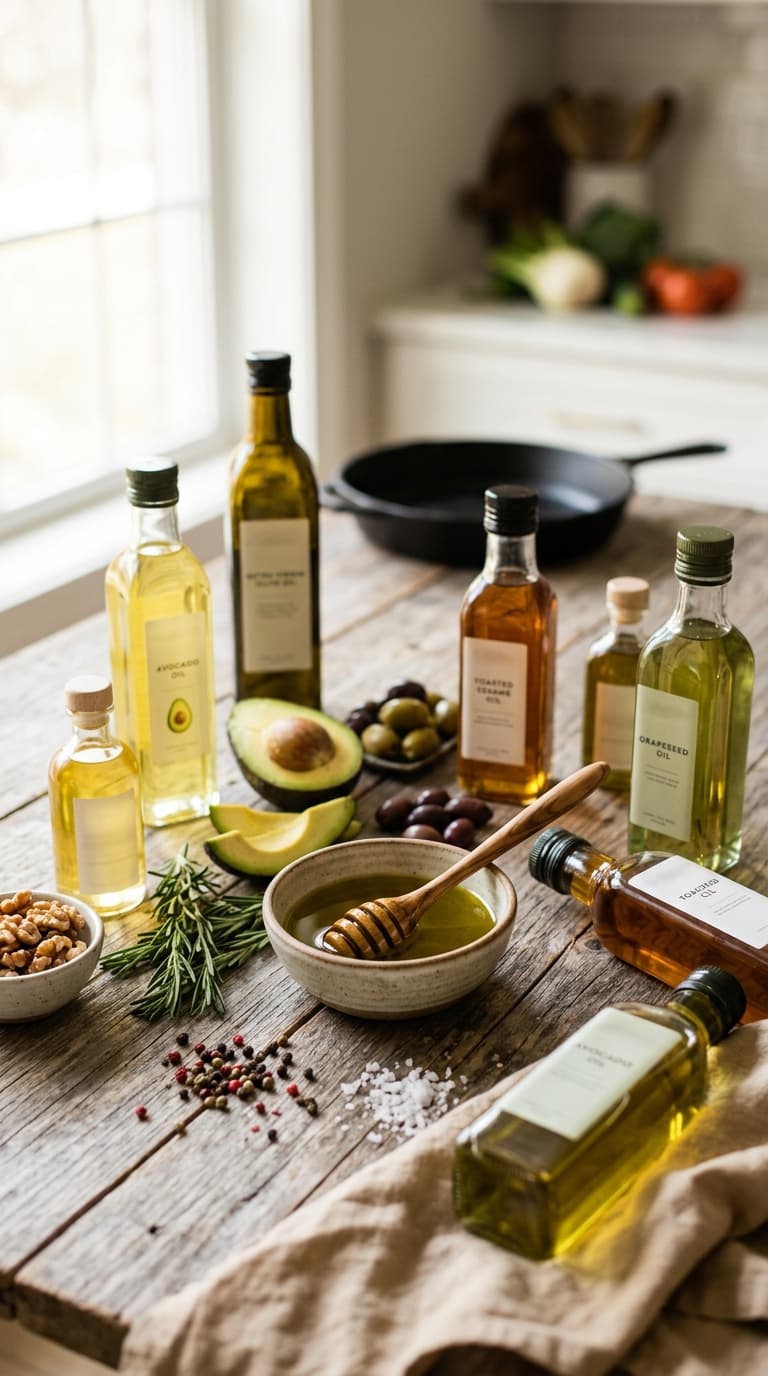
Let’s be honest — the cooking oil aisle is a complete disaster zone. You’ve got about forty different bottles staring you down, all of them claiming to be “heart-healthy” or “cold-pressed” or “the secret to eternal youth.” 🙂 So which ones actually fight inflammation, and which ones are just riding the wellness trend? I spent a lot of time testing, reading, and honestly, a lot of cooking to figure this out for you.
Here’s the thing — inflammation is at the root of so many health problems. Choosing the right oil for your pan isn’t just about flavor. It’s about whether your meal is quietly working for you or against you.
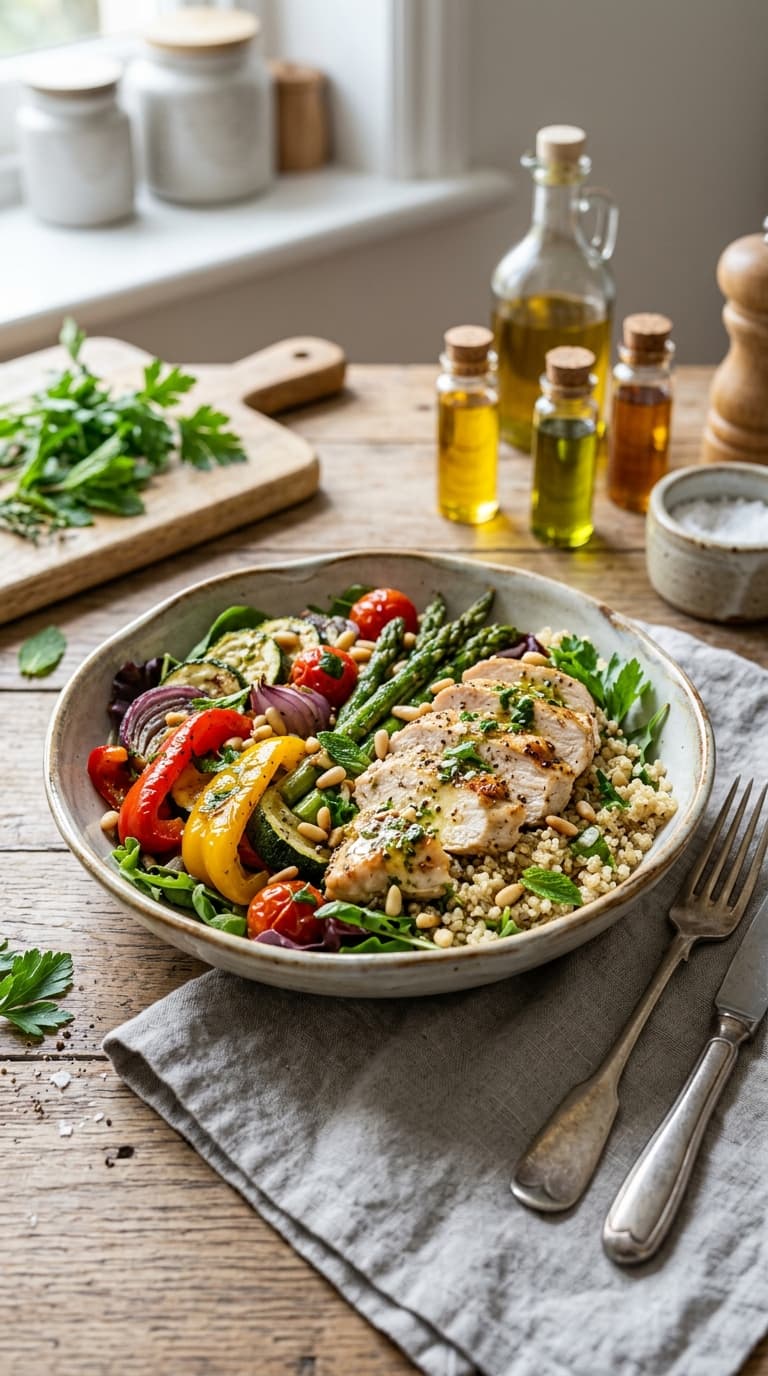
Why Your Cooking Oil Actually Matters
Most people think oil is just oil. Pour it in, cook the food, done. But the type of fat in your oil, its smoke point, and its polyphenol content all play a massive role in whether that oil helps calm inflammation or kick it into overdrive.
Oils rich in omega-3 fatty acids and monounsaturated fats tend to calm inflammatory pathways. Oils loaded with omega-6 fatty acids — especially when overheated — can do the opposite. And when you heat any oil past its smoke point, you’re creating harmful compounds that nobody wants in their dinner.
So yeah, the oil you choose matters. A lot.
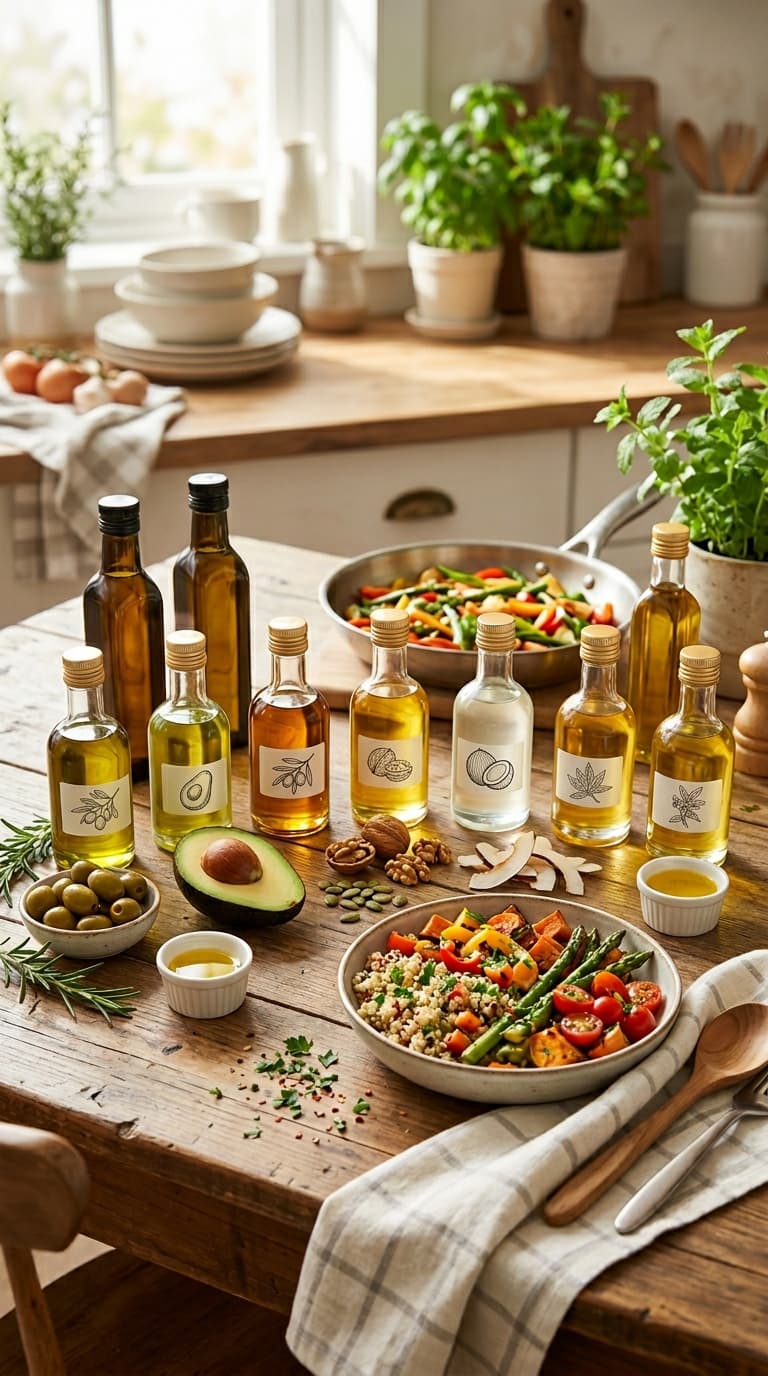
The Top Anti-Inflammatory Oils and How to Use Them
1. Extra Virgin Olive Oil (EVOO)
The gold standard. EVOO is packed with oleocanthal, a compound that works similarly to ibuprofen in blocking inflammatory enzymes. IMO, this is the one oil everyone should have in their kitchen, no debate.
Use it for:
- Drizzling over salads
- Light sautéing at medium heat
- Finishing pastas and soups
Don’t use it for: high-heat frying. It has a smoke point of around 375°F, and you’ll lose those precious polyphenols if you torch it.
2. Avocado Oil
If EVOO is the reliable old friend, avocado oil is the overachiever. It has a smoke point up to 520°F, which means it’s one of the few genuinely healthy oils you can use for high-heat cooking. It’s rich in oleic acid — the same monounsaturated fat that makes EVOO great.
Use it for:
- Stir-frying and grilling
- Roasting vegetables
- Pan-searing proteins
It’s a little pricier than most, but worth every penny.
3. Flaxseed Oil
Flaxseed oil is basically liquid omega-3s. It has the highest alpha-linolenic acid (ALA) content of any cooking oil, which your body converts (partially) into anti-inflammatory EPA and DHA. The catch? Never cook with it. Heat destroys all its benefits instantly.
Use it for:
- Smoothies (just a teaspoon works)
- Salad dressings
- Drizzling over oatmeal
Store it in the fridge and use it fast — it goes rancid quickly.
4. Walnut Oil
Walnut oil doesn’t get nearly enough love. It’s rich in ALA omega-3s and has a gorgeous, nutty flavor that makes salads genuinely exciting. Like flaxseed oil, it’s a no-cook situation — heat kills its nutritional benefits and ruins the taste anyway.
Use it for:
- Cold dressings
- Drizzling over roasted beets or grain bowls
- Pairing with mild cheeses
5. Hemp Seed Oil
Hemp seed oil has the near-perfect omega-3 to omega-6 ratio (1:3), which makes it a strong anti-inflammatory player. It also delivers gamma-linolenic acid (GLA), which has solid research backing for reducing inflammation.
Use it for:
- Cold applications only
- Hummus and dips
- Blended into dressings
6. Black Seed Oil (Nigella Sativa)
Ever heard of thymoquinone? It’s the active compound in black seed oil, and researchers have been pretty excited about its anti-inflammatory and antioxidant properties. It has a strong, slightly bitter flavor — so a little goes a long way.
Use it for:
- Adding a few drops to smoothies
- Mixing into dressings
- Taking as a supplement (one teaspoon a day)
Just FYI — don’t cook with it. The flavor gets even more intense, and the heat degrades its compounds.
7. Sesame Oil
Toasted sesame oil is a flavor bomb and a health booster. It contains sesamol and sesamin, two lignans with potent anti-inflammatory effects. The light (untoasted) version handles moderate heat better, while the toasted version is strictly a finishing oil.
Use it for:
- Asian-inspired stir-fries (light version, medium heat only)
- Finishing noodles and rice bowls (toasted version)
- Marinades
8. Coconut Oil
Here’s where things get a little complicated :/. Coconut oil is high in medium-chain triglycerides (MCTs), which some research suggests have anti-inflammatory benefits. However, it’s also high in saturated fat, which other research flags as pro-inflammatory at high quantities.
My take? Use it in small amounts for specific recipes where you want that flavor, but don’t drown everything in it.
Use it for:
- Baking
- Sautéing at medium heat
- Curries
9. Macadamia Nut Oil
Macadamia nut oil is quietly one of the best cooking oils you’ve probably never tried. It’s rich in monounsaturated fats (even higher than EVOO), has a nice smoke point around 410°F, and a buttery, mild flavor that works with almost everything.
Use it for:
- Sautéing vegetables
- Baking as a butter substitute
- Salad dressings
10. Pumpkin Seed Oil
This deep, dark green oil is loaded with antioxidants and phytosterols that support a healthy inflammatory response. It’s also a great source of zinc and vitamin E. The flavor is bold and earthy — think of it as a gourmet finishing oil.
Use it for:
- Drizzling over soups (especially pumpkin or squash-based ones)
- Salad dressings
- Yogurt bowls
11. Algae Oil
Algae oil is one of the most exciting options on this list. It delivers DHA omega-3s directly — the same type found in fish oil — without any fishy taste. It’s also vegan, sustainably produced, and has a high smoke point around 485°F.
Use it for:
- High-heat cooking
- Frying and roasting
- Everyday cooking if you’re plant-based
12. Perilla Oil
Common in Korean cuisine, perilla oil has an incredibly high ALA content — even higher than flaxseed oil. It’s gaining attention in the wellness community for good reason. The flavor is somewhere between sesame and mint, which sounds odd but works beautifully in the right dish.
Use it for:
- Cold applications
- Korean-style salads
- Finishing soups
13. Camelina Oil
Camelina oil is an underdog with impressive credentials. It has a good omega-3 to omega-6 ratio, a moderate smoke point (around 475°F for refined versions), and a pleasant, slightly nutty taste. It’s also very sustainable to grow.
Use it for:
- Roasting
- Sautéing
- Salad dressings
14. Sunflower Oil (High-Oleic Version Only)
Standard sunflower oil is a hard no — it’s omega-6 heavy and inflammatory at high heat. But high-oleic sunflower oil is a completely different story. It’s been bred to be rich in oleic acid, making it far more stable and anti-inflammatory.
Use it for:
- High-heat frying (it can handle up to 450°F)
- Baking
- Roasting
Just make sure the label specifically says “high-oleic” — regular sunflower oil doesn’t make the cut.
15. Hazelnut Oil
Hazelnut oil is rich in vitamin E and monounsaturated fats, and it has a beautiful, nutty flavor that pairs incredibly well with desserts and roasted vegetables. It handles moderate heat reasonably well.
Use it for:
- Baking
- Salad dressings
- Drizzling over dark chocolate desserts
16. Almond Oil
Think of almond oil as a lighter, more neutral cousin of macadamia nut oil. It’s high in monounsaturated fats, contains vitamin E, and has a smoke point around 420°F. The flavor is mild and slightly sweet.
Use it for:
- Baking (great for delicate cakes)
- Stir-frying at medium-high heat
- Dressings
17. Grapeseed Oil
Grapeseed oil is tricky. It has a high smoke point and a neutral flavor, which makes it popular — but it’s also high in omega-6 polyunsaturated fats, which can be pro-inflammatory when consumed in excess. It’s not the worst option if you need a high-heat neutral oil occasionally, but it shouldn’t be your daily driver.
Use it for:
- High-heat searing
- Neutral-flavored dressings
- Occasional use only
18. Pistachio Oil
Pistachio oil is a luxury ingredient that happens to be rich in monounsaturated fats and antioxidants. The flavor is rich and intensely nutty — a little goes a long way.
Use it for:
- Finishing pasta
- Drizzling over cheese boards
- Elegant salad dressings
19. Ghee (Clarified Butter)
Technically not an oil, but ghee deserves a spot on this list. It’s rich in short-chain butyric acid, which research links to reduced gut inflammation and a healthier microbiome. It also has a very high smoke point (around 485°F), making it excellent for high-heat cooking.
Use it for:
- High-heat searing and roasting
- Indian-style cooking
- Bullet coffee (if that’s your thing)
20. Red Palm Oil (Unrefined)
Unrefined red palm oil is packed with beta-carotene and tocotrienols (a form of vitamin E), both with notable antioxidant and anti-inflammatory properties. Avoid the refined white version — it loses most of those benefits in processing.
Use it for:
- African and Caribbean cooking
- Medium-heat sautéing
- Adding color and nutrition to stews
21. Rice Bran Oil
Rice bran oil contains gamma-oryzanol, a compound with demonstrated anti-inflammatory effects. It has a high smoke point (around 450°F) and a neutral flavor. It’s very popular in Asian cooking for good reason.
Use it for:
- Deep frying
- Stir-frying
- Everyday cooking in Asian cuisines
22. Pomegranate Seed Oil
Pomegranate seed oil is rare, expensive, and absolutely worth knowing about. It contains punicic acid, a unique omega-5 fatty acid with strong anti-inflammatory and antioxidant properties. You’ll mostly find it in health stores or online.
Use it for:
- Cold applications only
- Mixing into smoothies
- Skincare (seriously — it’s incredible topically too)
23. Sacha Inchi Oil
Sacha inchi oil comes from Peru and is having a quiet wellness moment. It’s one of the highest plant-based sources of ALA omega-3s and has a pleasant, slightly nutty flavor. Like flaxseed and hemp oils, it’s a cold-use ingredient.
Use it for:
- Salad dressings
- Blending into smoothies
- Drizzling over grain bowls
How to Pick the Right Oil for the Right Job
Not sure where to start? Here’s a simple breakdown:
High-heat cooking (above 400°F):
- Avocado oil, algae oil, ghee, high-oleic sunflower oil, rice bran oil
Medium-heat cooking (300–400°F):
- EVOO, sesame oil (light), coconut oil, macadamia nut oil, almond oil
Cold applications only:
- Flaxseed oil, walnut oil, hemp seed oil, black seed oil, perilla oil, pomegranate seed oil, sacha inchi oil
Finishing oils (drizzle after cooking):
- Toasted sesame oil, pistachio oil, pumpkin seed oil, EVOO
What to Look for on the Label
When shopping, don’t just grab the cheapest bottle. Look for:
- “Cold-pressed” or “expeller-pressed” — means the oil wasn’t extracted with heat or chemical solvents
- “Unrefined” or “virgin” — more nutrients intact
- Dark glass bottles — oils degrade in clear plastic bottles exposed to light
- Harvest or pressing dates — fresher is better, especially for delicate oils like flaxseed
Quick Note on Balance
Even the best anti-inflammatory oils won’t undo a diet that’s otherwise full of ultra-processed food. But pairing great oils with whole foods — vegetables, legumes, whole grains — creates a genuinely powerful combination. If you’re already someone who thinks about what you eat and drink, you probably enjoy exploring healthy choices across the board.
The same mindset that leads you to choose EVOO over vegetable oil is the same one that might have you looking at anti-inflammatory tea blends for better health or herbal teas that help with digestion. It all connects. What you sip matters just as much as what you cook with.
The Bottom Line
Here’s what I want you to walk away with: there is no single perfect oil for every situation. The best approach is keeping a small rotation — an EVOO for everyday use, an avocado or algae oil for high-heat cooking, and a cold-use oil like flaxseed or hemp for raw applications.
Stop stressing over every bottle. Pick a few high-quality options, learn their smoke points, and use them consistently. Your body will notice the difference over time — even if your dinner guests won’t.
And hey, if you’re already sipping herbal teas with anti-inflammatory benefits alongside your meals, you’re already ahead of the curve. Keep it up. 🙂