19 Anti-Inflammatory Herbs to Add to Every Meal
19 Anti-Inflammatory Herbs to Add to Every Meal
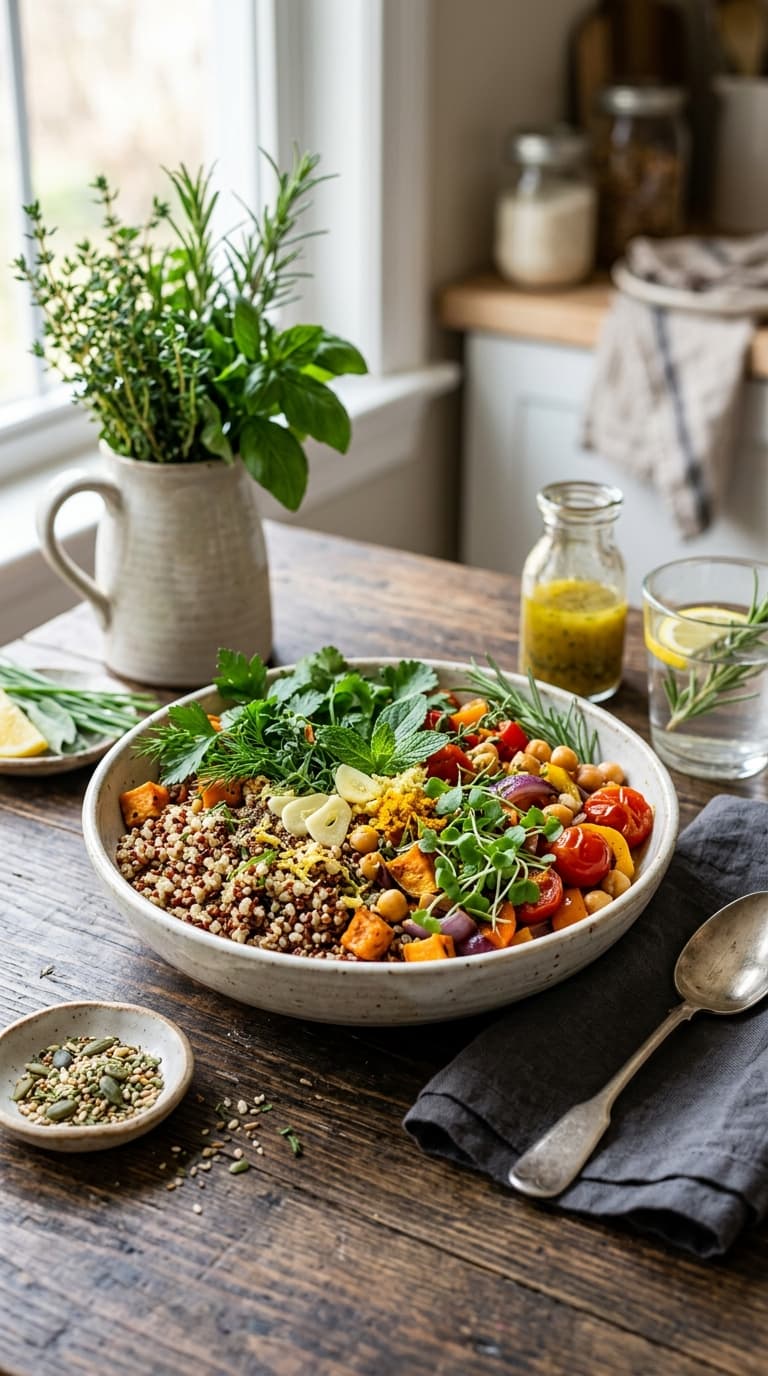
Your joints ache, your energy crashes by 2 PM, and somehow your body feels like it’s been running on cheap fuel for years. Sound familiar? Chronic inflammation is sneaky — it doesn’t always announce itself dramatically. Sometimes it just quietly wrecks your day, your sleep, and your long-term health. The good news? Your kitchen might already hold some of the best medicine nature offers. These 19 anti-inflammatory herbs are so easy to add to your meals that skipping them would honestly be a little embarrassing. Let’s get into it.
Why Anti-Inflammatory Herbs Actually Matter
Before we jump into the list, let’s get one thing straight — this isn’t about replacing your doctor or your medication. It’s about stacking your daily meals with ingredients that work for your body instead of against it.
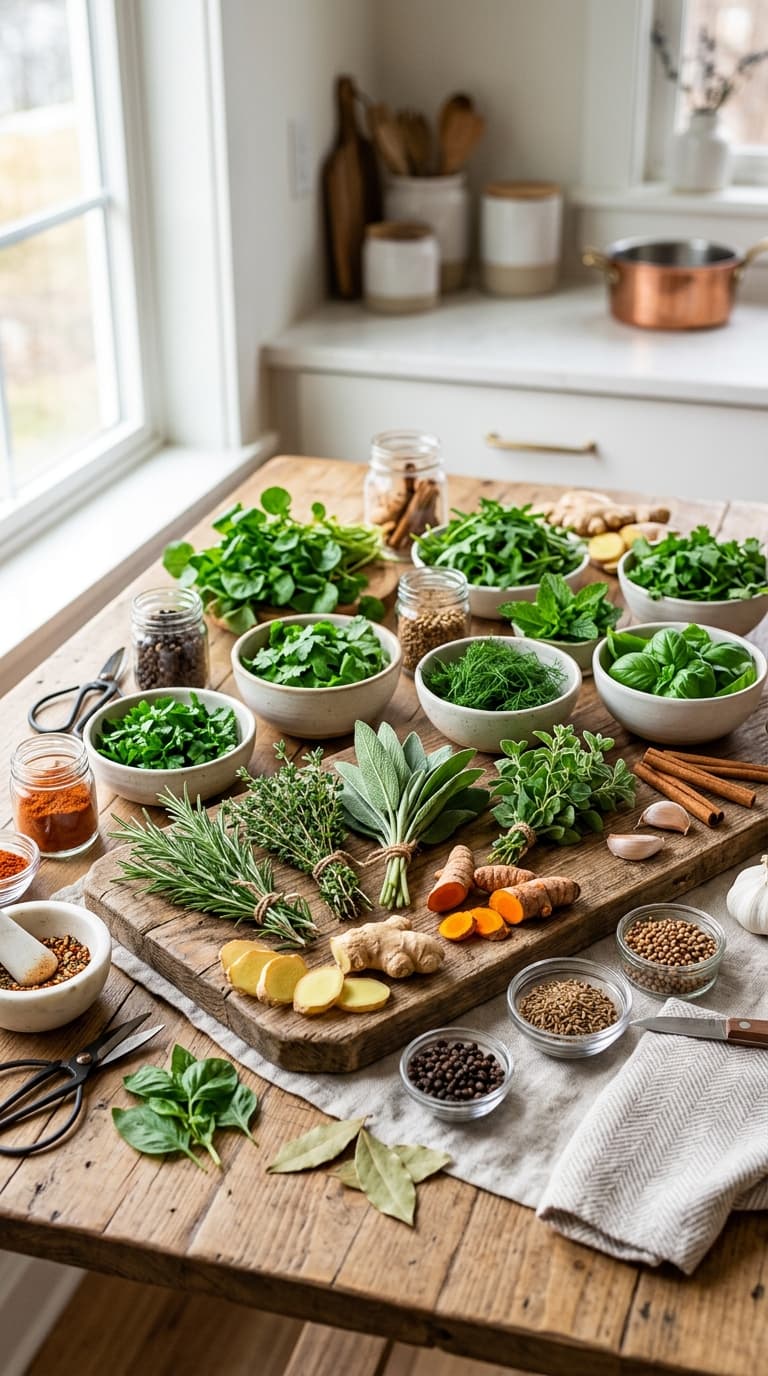
Chronic inflammation has been linked to everything from heart disease and diabetes to fatigue and brain fog. And while nobody’s saying a sprinkle of oregano will cure all your problems (:/), consistently eating anti-inflammatory foods and herbs genuinely adds up over time.
IMO, the smartest health move you can make is making these herbs a habit — not an occasional Pinterest experiment.
1. Turmeric — The Golden MVP
If herbs were a sports team, turmeric would be the captain, the coach, and the mascot. Curcumin, turmeric’s active compound, is one of the most studied anti-inflammatory agents in natural medicine.
Add it to scrambled eggs, soups, rice, or golden milk lattes. The trick most people miss? Always pair it with black pepper — piperine in black pepper boosts curcumin absorption by up to 2,000%. Yeah, that number is real.
I personally throw half a teaspoon into my morning oats. It sounds weird. It tastes fine. Your inflammation doesn’t care about your skepticism.
2. Ginger — The One That Fixes Everything
Ginger is the herb that your grandmother swore by, and honestly, she was right. It contains gingerols and shogaols, compounds that directly block inflammatory pathways in the body.
- Great in stir-fries, marinades, teas, and smoothies
- Helps with nausea, digestion, and muscle soreness
- Works fresh, dried, or as a powder
Speaking of teas — if you haven’t tried pairing ginger with other healing blends, check out these anti-inflammatory tea blends for better health — some of those combinations are genuinely next-level.
3. Rosemary — More Than a Roast Chicken Herb
Rosemary deserves way more credit than it gets. Most people reach for it only when they’re roasting potatoes, but rosmarinic acid and carnosol — two compounds in rosemary — show powerful anti-inflammatory and antioxidant effects.
Chop it fresh into salad dressings, infuse it into olive oil, or stir it into soups. It pairs beautifully with garlic and lemon for a simple marinade that makes any protein taste like you actually tried.
4. Oregano — The Pizza Herb With a Secret Life
You probably associate oregano with pizza and pasta, but this herb punches way above its weight. Carvacrol and thymol — oregano’s main bioactive compounds — have demonstrated measurable anti-inflammatory effects in multiple studies.
Fresh oregano is stronger than dried, but dried works perfectly well in everyday cooking. Sprinkle it on roasted vegetables, add it to bean dishes, or stir it into tomato-based sauces. It’s one of those herbs where the effort-to-benefit ratio is almost unfairly good.
5. Basil — Sweet, Fresh, and Fighting Inflammation
Ever wondered why a Caprese salad feels so refreshing? Part of it is the basil. Eugenol, a compound in basil, inhibits enzymes that trigger inflammation — the same enzymes that many over-the-counter pain relievers target.
- Use fresh basil in salads, pestos, and pasta
- Add to soups right before serving to preserve the flavor
- Grow it on your windowsill — it’s basically maintenance-free
Fresh basil also pairs brilliantly with coffee in certain summer drinks, FYI — if that sounds wild, browse some of these refreshing iced coffee drink ideas and you’ll find some surprising herb-forward combinations.
6. Thyme — Tiny Leaves, Serious Power
Thyme contains thymol, which gives it both its signature aroma and its anti-inflammatory properties. It’s also antibacterial, antifungal, and supports respiratory health — this little herb is genuinely overachieving.
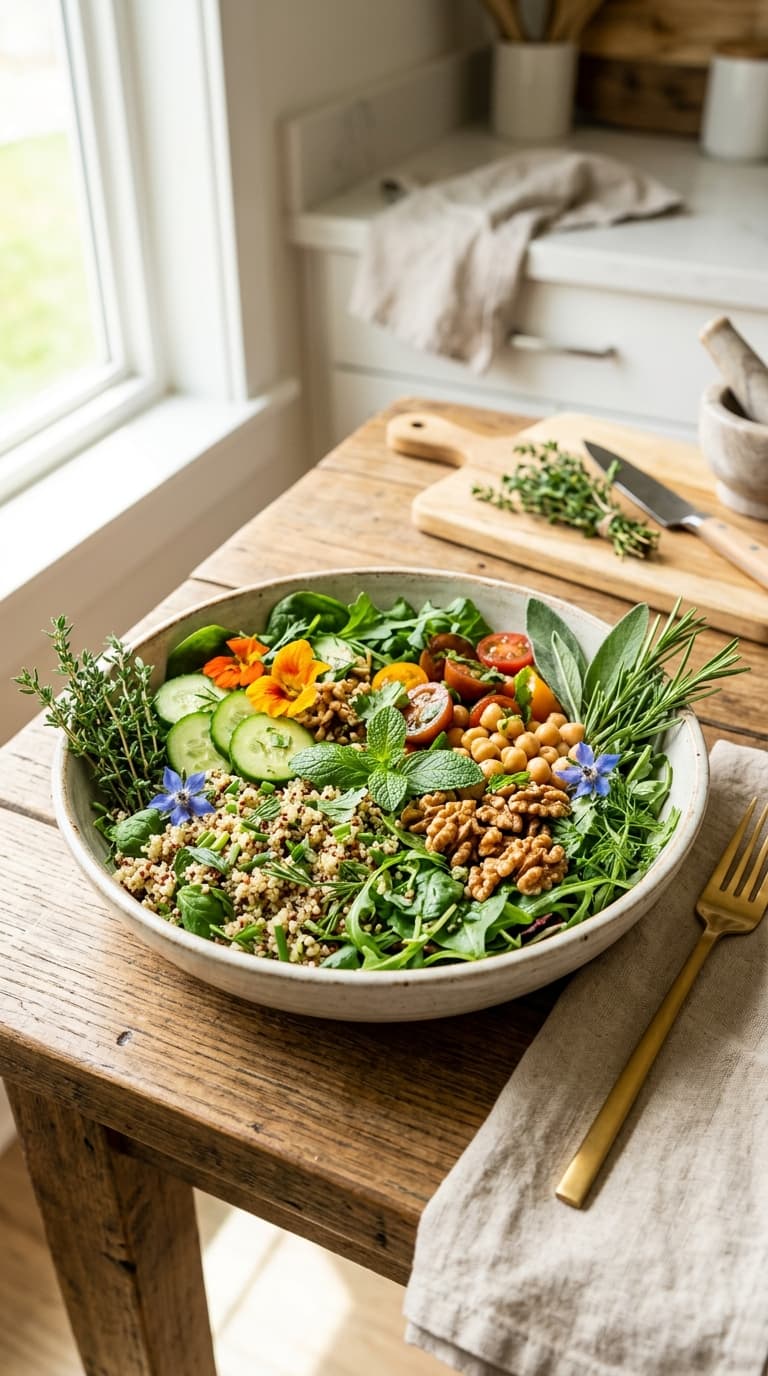
Toss fresh thyme into roasted vegetables, lentil soups, or grain bowls. It works beautifully in slow-cooked dishes where the heat has time to draw out all its compounds. Don’t let the small leaves fool you — thyme brings serious flavor and function.
7. Cinnamon — The Spice That Belongs in Every Cupboard
Cinnamon might surprise you here, but Ceylon cinnamon in particular contains cinnamaldehyde — a compound that actively reduces inflammation at the cellular level. It also helps regulate blood sugar, which itself reduces inflammatory spikes.
Add it to oatmeal, coffee, yogurt, or roasted sweet potatoes. Use Ceylon cinnamon rather than Cassia cinnamon if you’re having it daily — Cassia contains higher levels of coumarin, which in large amounts can stress the liver. Small detail, but worth knowing.
If you’re already adding cinnamon to your morning drink, you might love these healthy coffee recipes that naturally boost metabolism — several of them use warming spices like cinnamon and work really well.
8. Garlic — Yes, It Counts as a Herb
Technically it’s a bulb, but garlic earns its place on this list without question. Allicin, the compound released when you crush or chop garlic, is one of nature’s most powerful anti-inflammatory agents. The trick? Let crushed garlic sit for about 10 minutes before cooking — this maximizes allicin production.
Add garlic to literally everything. Sautéed greens, soups, dressings, dips, marinades. There’s almost no savory dish that doesn’t benefit from garlic, and your immune system will thank you quietly every single day.
9. Cloves — The Underused Powerhouse
Cloves rank among the highest antioxidant-containing spices on earth, and their active compound eugenol shares anti-inflammatory properties with basil. Most people only use cloves during the holidays, which is honestly a missed opportunity.
- Add a pinch of ground cloves to chai blends or spiced coffees
- Use in slow-cooked lentil or bean dishes
- Works well in spiced rice, tagines, and pickles
If you love warming spiced drinks, these chai tea recipes use cloves beautifully and your inflammation won’t know what hit it.
10. Cayenne Pepper — Turn Up the Heat, Turn Down the Inflammation
Capsaicin — the compound that makes cayenne hot — actually blocks Substance P, a neuropeptide involved in sending inflammatory signals. The burn you feel? That’s it working.
Start small if you’re not used to spice. A pinch in soups, scrambled eggs, or grain bowls goes a long way. Over time, your tolerance builds and so does your anti-inflammatory habit. It also speeds up metabolism slightly, which is a nice bonus on top of everything else.
11. Sage — The Forgotten Kitchen Hero
Sage tends to get overshadowed by flashier herbs like basil and oregano, but rosmarinic acid and luteolin in sage give it real anti-inflammatory credentials. It’s also particularly noted for supporting brain health and reducing oxidative stress.
Fry sage leaves in a little butter or olive oil until crispy — they become incredible as a topping for pasta, risotto, or roasted squash. You can also use sage in herbal teas, especially combined with other calming herbs.
12. Peppermint — Cool on the Outside, Fierce on the Inside
Peppermint contains menthol and rosmarinic acid, both of which show anti-inflammatory activity. It’s particularly effective for digestive inflammation — if your gut tends to flare up after meals, peppermint is your friend.
Fresh peppermint works great in salads, grain bowls, and cold drinks. Dried peppermint makes excellent tea, especially when combined with other digestive herbs. If you want to explore that angle, take a look at these herbal teas that support better digestion — your gut deserves that kind of attention.
13. Licorice Root — Surprising But Legit
This one catches people off guard. Glycyrrhizin, found in licorice root, has demonstrated significant anti-inflammatory effects — particularly for gut and liver inflammation. It’s not the candy (sorry to disappoint), but the actual root.
You’ll find it most easily in herbal tea blends. It has a naturally sweet, slightly anise-like flavor that balances well with stronger herbs. It’s worth adding to your rotation, especially if you deal with digestive or respiratory inflammation regularly.
14. Fenugreek — A Staple Worth Stealing From South Asian Kitchens
Fenugreek seeds and leaves contain saponins and alkaloids that reduce inflammatory markers and help regulate blood sugar. South Asian and Middle Eastern cuisines have used this herb for centuries, and modern research is finally catching up to what those traditions already knew.
Add fenugreek leaves (methi) to lentil dishes, scrambled eggs, or flatbreads. The seeds work well in spice blends and curries. The flavor is slightly bitter and nutty — it grows on you fast.
15. Holy Basil (Tulsi) — The Adaptogen Herb
Holy basil is different from sweet basil and deserves its own spotlight. Also called Tulsi, it contains ursolic acid and eugenol, both of which reduce inflammation and stress hormones simultaneously. It functions as an adaptogen, meaning it helps your body manage stress — and since stress itself drives inflammation, this is a two-for-one.
Tulsi makes a wonderful tea on its own or blended with ginger. If you’re looking to build a calming tea routine, these herbal tea blends for relaxation and sleep are a great starting point — several of them feature Tulsi.
16. Cardamom — The Spice That Elevates Everything
Cardamom contains cineole and terpinene, compounds that reduce inflammatory cytokines — the molecules your immune system releases when it’s in overdrive. It’s also antioxidant-rich and supports digestive health.
Use cardamom in spiced coffee, baked goods, rice dishes, and chai. It pairs exceptionally well with cinnamon, cloves, and ginger — basically the whole anti-inflammatory dream team. A little goes a long way since the flavor is bold, so start with a pinch and adjust from there.
17. Black Seed (Nigella Sativa) — The Ancient Remedy Making a Comeback
Thymoquinone, the main bioactive compound in black seed, has been studied extensively for its anti-inflammatory, antioxidant, and immune-modulating effects. This one has a long history in traditional medicine across South Asia, the Middle East, and North Africa.
Sprinkle black seeds on flatbreads, salads, or roasted vegetables. They have a slightly bitter, peppery flavor that works well in savory applications. Black seed oil is also available and can be added in small amounts to dressings or smoothies.
18. Dill — Light, Fresh, and Quietly Powerful
Dill doesn’t get nearly enough credit in the anti-inflammatory conversation. It contains flavonoids and monoterpenes that demonstrate anti-inflammatory activity, along with vitamins C and A that support immune function.
Fresh dill works beautifully in yogurt-based dips, potato salads, fish dishes, and egg recipes. It’s mild enough to use generously and makes any dish taste brighter and fresher. If you’re not currently keeping fresh dill in your kitchen, that’s something worth changing this week.
19. Parsley — The Garnish That’s Actually Doing Real Work
Most people treat parsley like decorative table furniture. That is a mistake. Apigenin and luteolin — two flavonoids abundant in parsley — actively reduce inflammatory markers in the body. It’s also loaded with vitamin K, vitamin C, and folate.
Chop it generously into salads, grain bowls, soups, and sauces. Make tabbouleh. Blend it into green smoothies. Stop treating it like a garnish you push to the side of your plate and start treating it like the nutritional workhorse it actually is.
How to Actually Use These Herbs Every Day
Knowing the list is one thing. Building the habit is another. Here’s how to make it practical:
- Batch prep herb oils — blend fresh herbs with olive oil and freeze in ice cube trays for instant flavor bombs
- Keep 3-4 dried herbs on your stovetop so they’re visible and easy to reach
- Make herbal teas a daily ritual — combining ginger, tulsi, peppermint, or licorice root turns your tea break into a genuinely therapeutic moment. These herbal teas that help with sleep are worth bookmarking for evenings
- Add to drinks too — cinnamon in coffee, ginger in smoothies, mint in iced drinks all count
Final Thoughts — Small Herbs, Big Impact
Here’s the thing — you don’t need to overhaul your entire diet overnight. Adding two or three of these herbs consistently is more valuable than trying all 19 for a week and burning out.
Pick the ones that already appeal to your cooking style and start there. Turmeric in your morning eggs. Ginger in your tea. Garlic in everything (because of course). Over weeks and months, these small additions genuinely shift how your body feels — less puffy, more energized, and quietly better in ways you might not even notice until you stop.
Your body doesn’t need perfection. It just needs consistent effort and a well-stocked spice cabinet. 🙂 So go raid that kitchen, add some green things to your plate, and let nature do a little of the heavy lifting for you.