17 Anti-Inflammatory Foods for Skin Clarity and Glow
17 Anti-Inflammatory Foods for Skin Clarity and Glow
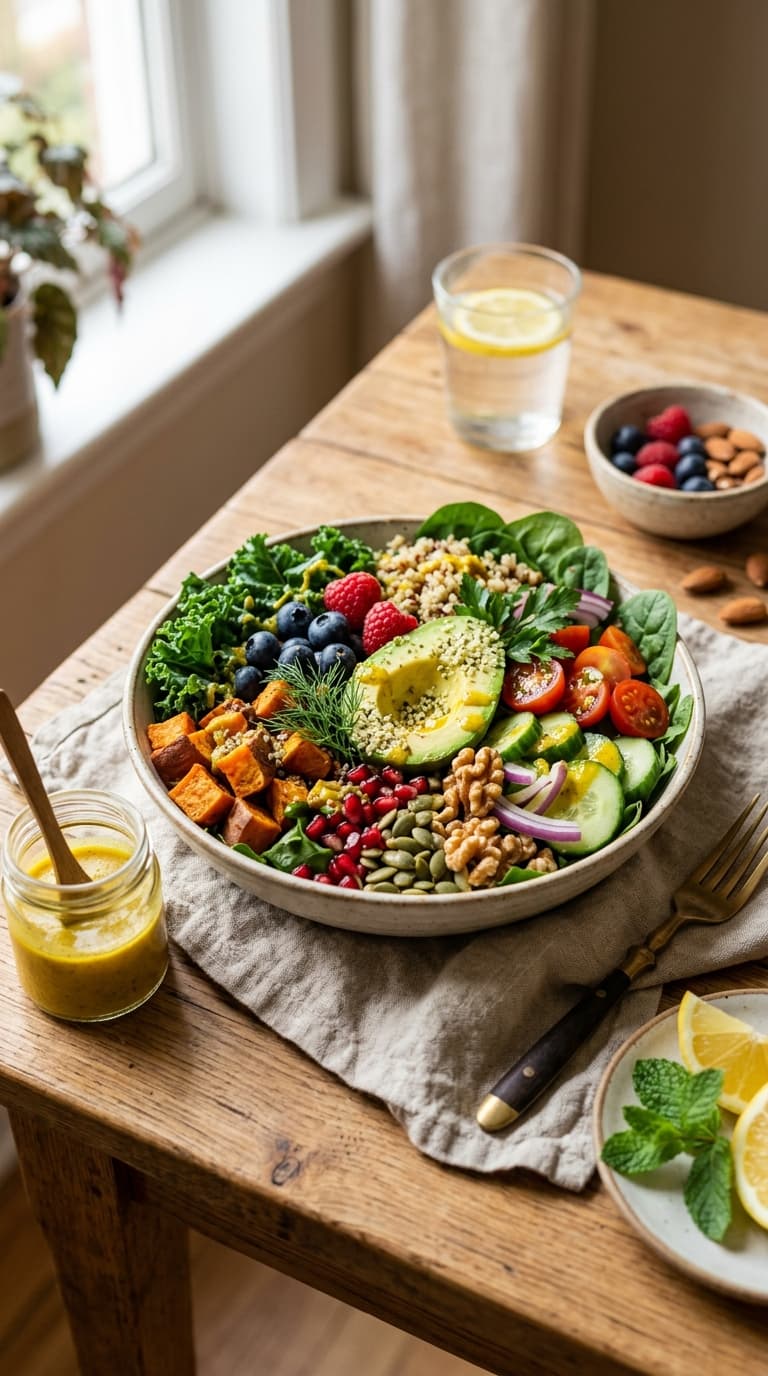
Your skin is basically a mood board for everything happening inside your body. Breakouts, redness, dullness — most of the time, chronic inflammation is the culprit quietly running the show. The good news? What you eat has a massive impact on how your skin looks and feels. And no, I’m not talking about some complicated elimination diet or a $200 supplement stack.
I’ve spent a good chunk of time obsessing over the connection between food and skin health, and honestly, the results speak for themselves. Adding the right anti-inflammatory foods to your daily meals can genuinely transform your complexion — we’re talking fewer breakouts, more glow, and that “what’s your skincare routine?” energy.
Let’s get into the 17 best anti-inflammatory foods that your skin will absolutely thank you for.
1. Fatty Fish
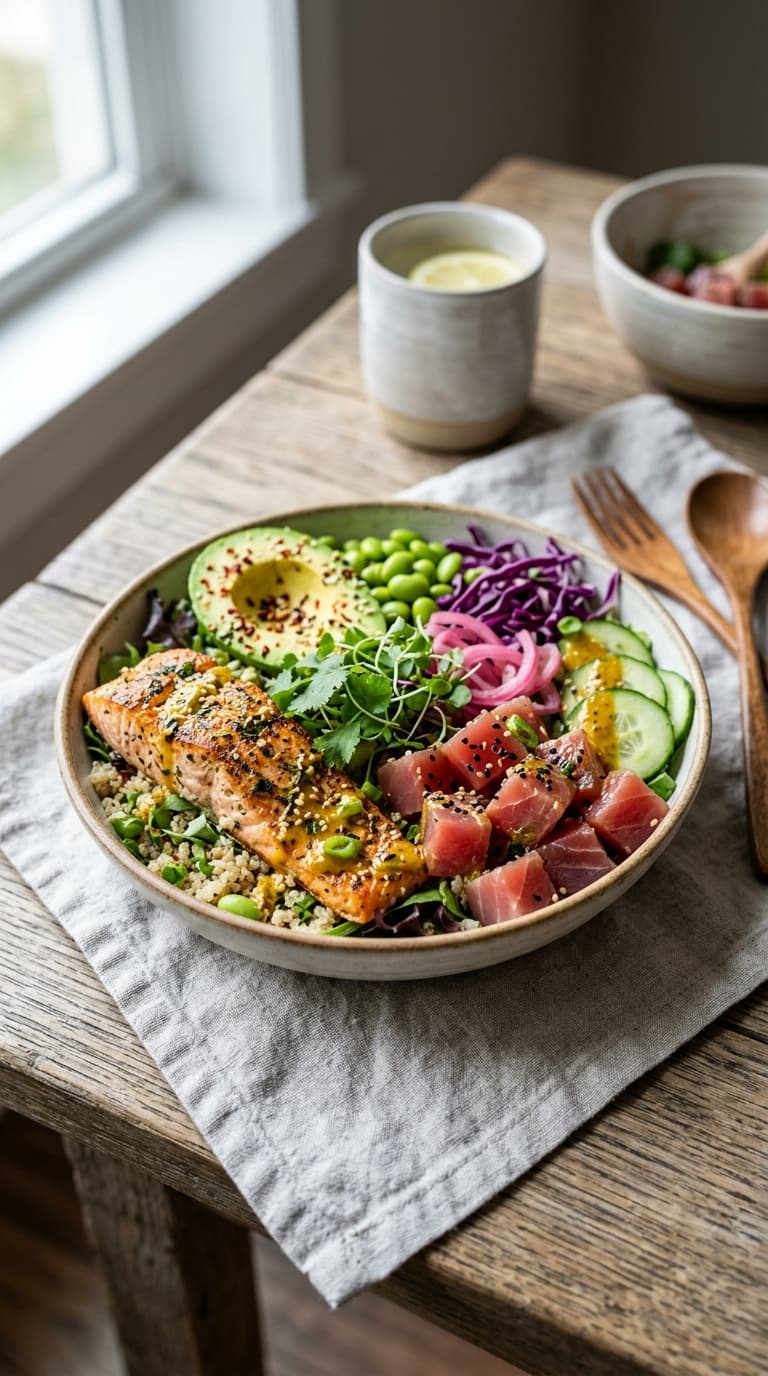
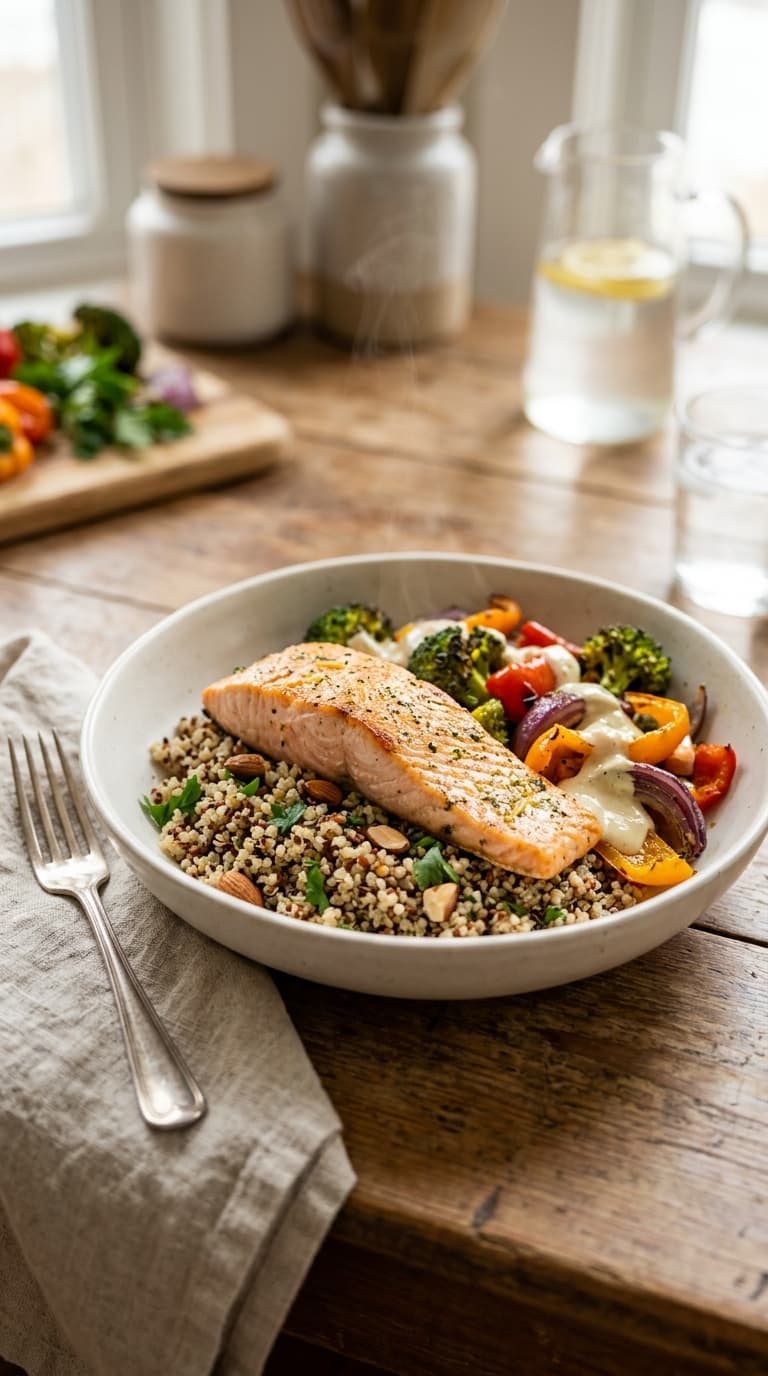
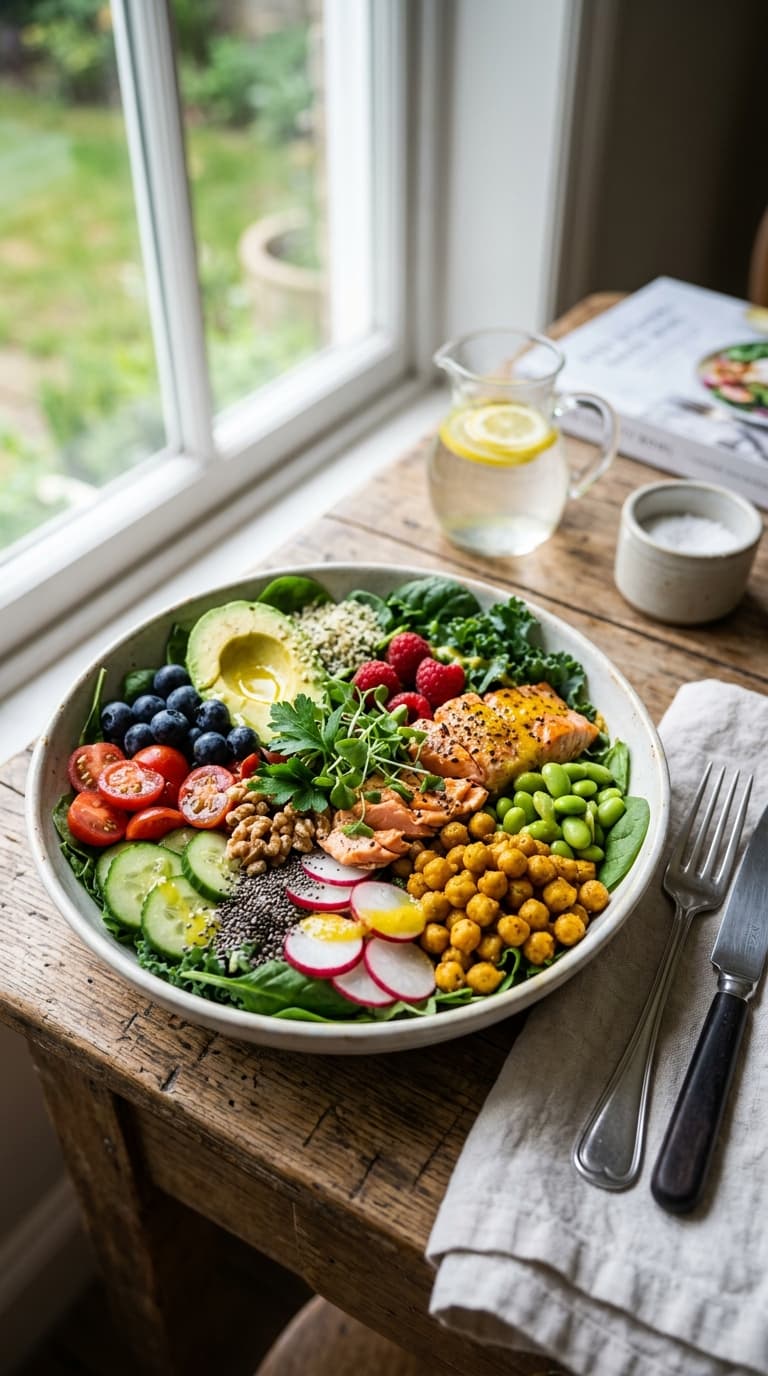
Salmon, mackerel, and sardines are basically skin food in their purest form. They’re loaded with omega-3 fatty acids, which fight inflammation at a cellular level and keep your skin barrier strong and moisturized.
Omega-3s also help reduce the production of inflammatory compounds that trigger acne and redness. If you’re not eating fatty fish at least twice a week, your skin might be missing out big time. IMO, salmon is the easiest upgrade you can make to your diet.
2. Avocado
Creamy, delicious, and ridiculously good for your skin — avocados are packed with healthy monounsaturated fats and vitamin E, both of which protect skin from oxidative stress and inflammation.
They also contain biotin, which supports healthy cell regeneration. Basically, avocados do a lot of quiet heavy lifting for your complexion. Add them to salads, toast, or just eat them straight from the shell like the skin-conscious person you are.
3. Blueberries
These tiny powerhouses punch way above their weight. Blueberries are rich in anthocyanins — antioxidants that neutralize free radicals and reduce inflammation that contributes to premature aging and skin dullness.
They also support collagen synthesis, which keeps skin firm and plump. A handful of fresh or frozen blueberries daily is one of the simplest, most effective things you can do for your skin. Plus, they taste incredible, so there’s really no excuse.
4. Turmeric
Okay, let’s talk about the golden superstar of anti-inflammatory ingredients. Curcumin, the active compound in turmeric, is one of the most studied natural anti-inflammatories in the world. It actively calms redness, reduces acne-related inflammation, and supports an even skin tone.
The trick is pairing it with black pepper, which contains piperine and dramatically increases curcumin absorption. If you want to explore how turmeric fits into a broader anti-inflammatory wellness routine, check out these anti-inflammatory tea blends for better health — some of them pair beautifully with your daily skin goals.
5. Leafy Greens
Spinach, kale, Swiss chard — your green leafy vegetables are absolutely stacked with vitamins C, E, and K, plus folate and a range of phytonutrients that fight inflammation from multiple angles.
Vitamin C in particular is critical for collagen production and protecting skin against UV-induced damage. The darker the green, the more nutrient-dense it tends to be. So if you’ve been avoiding kale because of the taste — fair enough, but your skin is silently begging you to reconsider 🙂
6. Green Tea
Green tea deserves its own fan club. It contains EGCG (epigallocatechin gallate), a powerful antioxidant that reduces inflammation, controls sebum production, and even helps protect against UV damage.
Drinking green tea regularly has been linked to improved skin texture and reduced acne. You can also use cooled green tea as a face mist for a quick topical hit. If you’re looking for more ideas to work healing teas into your routine, these herbal tea benefits you didn’t know about are a solid starting point.
7. Walnuts
Ever wondered why skin experts are so obsessed with walnuts? It comes down to their unique fatty acid profile — they contain both omega-3 and omega-6 fatty acids in a ratio that actively supports skin health and reduces inflammation.
Walnuts also deliver zinc, which plays a key role in skin healing and reducing inflammatory acne. A small handful daily is enough to make a noticeable difference. They’re genuinely one of the most underrated skin foods on this list.
8. Extra Virgin Olive Oil
This one’s a Mediterranean diet staple for good reason. Extra virgin olive oil is rich in oleocanthal, a compound with anti-inflammatory properties comparable to ibuprofen — yes, really. It also contains squalene, a natural moisturizing compound that keeps skin hydrated and supple.
Use it as your primary cooking oil or drizzle it over salads and roasted vegetables. The key is going for cold-pressed, high-quality extra virgin — not the cheap stuff that’s been sitting on the shelf for two years.
9. Tomatoes
Tomatoes bring lycopene to the table, and lycopene is a carotenoid antioxidant that does serious work protecting skin from UV damage and reducing oxidative inflammation. Interestingly, cooked tomatoes actually deliver more bioavailable lycopene than raw ones.
So that pasta sauce or roasted tomato situation you’ve been making? Your skin is into it. Pair tomatoes with a little olive oil to maximize lycopene absorption — it’s fat-soluble, so the combination works particularly well.
10. Dark Chocolate
Yes, you read that right. Dark chocolate (70% cacao or higher) is genuinely good for your skin — and not just as an excuse to eat it (though, same). It’s loaded with flavanols that improve skin hydration, protect against sun damage, and reduce inflammatory markers.
The cacao compounds also improve blood flow to skin tissue, which translates to that natural, healthy glow everyone’s chasing. FYI — milk chocolate doesn’t cut it here. The higher the cacao percentage, the better the anti-inflammatory benefits.
11. Broccoli
Broccoli contains sulforaphane, a powerful compound that activates your body’s own antioxidant defense systems. It also delivers vitamins A, C, and K, plus zinc and lutein — basically a full skin-support package in one vegetable.
Sulforaphane has shown particularly impressive results in reducing UV-induced skin damage in research studies. Lightly steam it rather than boiling to preserve the most nutrients. Your skin will notice the difference before your taste buds do.
12. Sweet Potatoes
Beta-carotene is the star here — your body converts it into vitamin A, which regulates skin cell turnover, reduces sebum production, and keeps your skin barrier functioning properly. One medium sweet potato gives you well over your daily recommended vitamin A intake.
Sweet potatoes also provide a steady source of complex carbohydrates, which support stable blood sugar levels. Why does that matter for skin? Because blood sugar spikes drive insulin-related inflammation, which is a major trigger for acne. So yes, this humble vegetable is doing double duty.
13. Ginger
Fresh ginger is a phenomenal anti-inflammatory food that often gets overshadowed by turmeric, but honestly, it deserves equal credit. Gingerols and shogaols — the active compounds in ginger — actively suppress inflammatory pathways and reduce skin redness and irritation.
Ginger also supports gut health, and the gut-skin connection is very real. When your digestive system is inflamed or imbalanced, your skin tends to reflect that. Add fresh ginger to smoothies, teas, or stir-fries for a consistent daily dose. Pairing it with warming chai tea recipes is honestly one of the coziest anti-inflammatory habits you can build.
14. Pomegranate
Pomegranates contain punicalagins and punicic acid — antioxidants so potent they actually outperform red wine and green tea in terms of antioxidant activity. These compounds reduce inflammation, protect collagen from breakdown, and support skin cell repair.
Pomegranate juice or fresh seeds work well, but make sure you’re not drowning them in added sugar — that would defeat the purpose entirely. Regular consumption has been linked to visibly firmer, more radiant skin over time.
15. Flaxseeds
If you’re not into fish, flaxseeds are your best plant-based source of alpha-linolenic acid (ALA), an omega-3 fatty acid that helps manage inflammation and support a healthy skin barrier. They’re also rich in lignans, which have antioxidant and hormone-balancing properties.
Ground flaxseeds are easier to digest than whole ones, so grind them fresh and add to oatmeal, smoothies, or yogurt. Even a tablespoon daily adds up to meaningful skin benefits over weeks. Small change, real results.
16. Fermented Foods
Here’s where gut health and skin health literally meet in the middle. Yogurt, kefir, kimchi, sauerkraut, and miso all contain live probiotics that support a diverse, balanced gut microbiome. And a balanced gut means lower systemic inflammation — which shows up directly on your skin.
Research increasingly links poor gut microbiome diversity with conditions like acne, eczema, and rosacea. Adding fermented foods to your daily meals is one of the most effective long-term strategies for skin clarity. It’s not glamorous, but it absolutely works.
17. Matcha
Matcha is essentially concentrated green tea — so all those EGCG benefits we talked about earlier? They’re even more potent here. One serving of matcha delivers roughly 137 times the antioxidants of regular brewed green tea. That’s not a typo.
Matcha also contains L-theanine, which reduces cortisol levels. High cortisol equals more inflammation, more breakouts, and faster skin aging. So reducing stress through matcha is genuinely a skin strategy. Swap your afternoon coffee for a matcha latte and watch your complexion respond. You can easily explore healthy coffee and tea recipes to boost metabolism while keeping the anti-inflammatory angle intact.
How to Build These Into Your Daily Routine
You don’t need to overhaul your entire diet overnight — that’s a recipe for burnout, not glowing skin :/
Here’s a simple approach:
- Breakfast: Add blueberries, flaxseeds, and a matcha or green tea
- Lunch: Build a salad with leafy greens, olive oil dressing, and avocado
- Dinner: Include fatty fish or walnuts, roasted broccoli or sweet potato, and fresh ginger
- Snacks: Dark chocolate, pomegranate seeds, or a small handful of walnuts
- Daily drinks: Green tea, ginger tea, or a turmeric-based drink
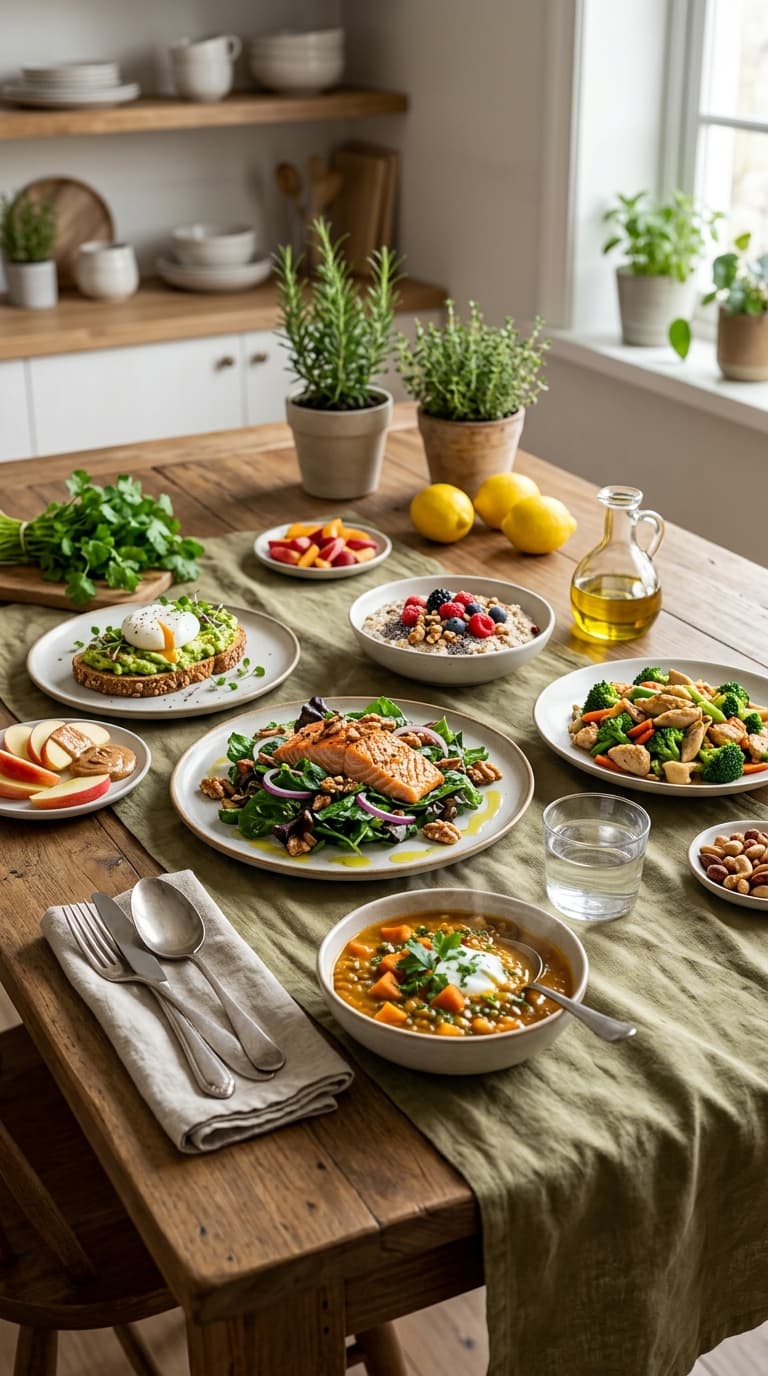
Consistency beats perfection every single time. Eating these foods regularly over weeks creates the kind of cumulative anti-inflammatory effect that actually changes how your skin looks and behaves.
What to Reduce Alongside These Additions
Adding anti-inflammatory foods works best when you’re also dialing back the obvious skin saboteurs:
- Refined sugar — spikes insulin, drives sebum production and acne
- Processed vegetable oils — high in omega-6 fatty acids that promote inflammation
- Excessive alcohol — dehydrates skin and disrupts gut microbiome balance
- Ultra-processed snacks — loaded with additives that trigger systemic inflammation
You don’t have to be perfect. Just move the needle in the right direction consistently, and your skin will reflect it.
The Bottom Line
Chronic inflammation is one of the biggest drivers of skin problems — from acne to premature aging to that persistent dullness that no serum seems to fix. The 17 foods on this list give your body the tools to fight that inflammation from the inside out.
Your skin is genuinely the last place your body sends nutrients, so it tends to show deficiencies and inflammatory stress first. The flip side is also true — when you consistently eat anti-inflammatory foods, your skin is often one of the first places where positive changes become visible.
Start with three or four foods from this list that you actually enjoy and work outward from there. Build the habit slowly, stay consistent, and give your body at least four to six weeks to show meaningful changes. Trust the process — glowing skin really does start on your plate.