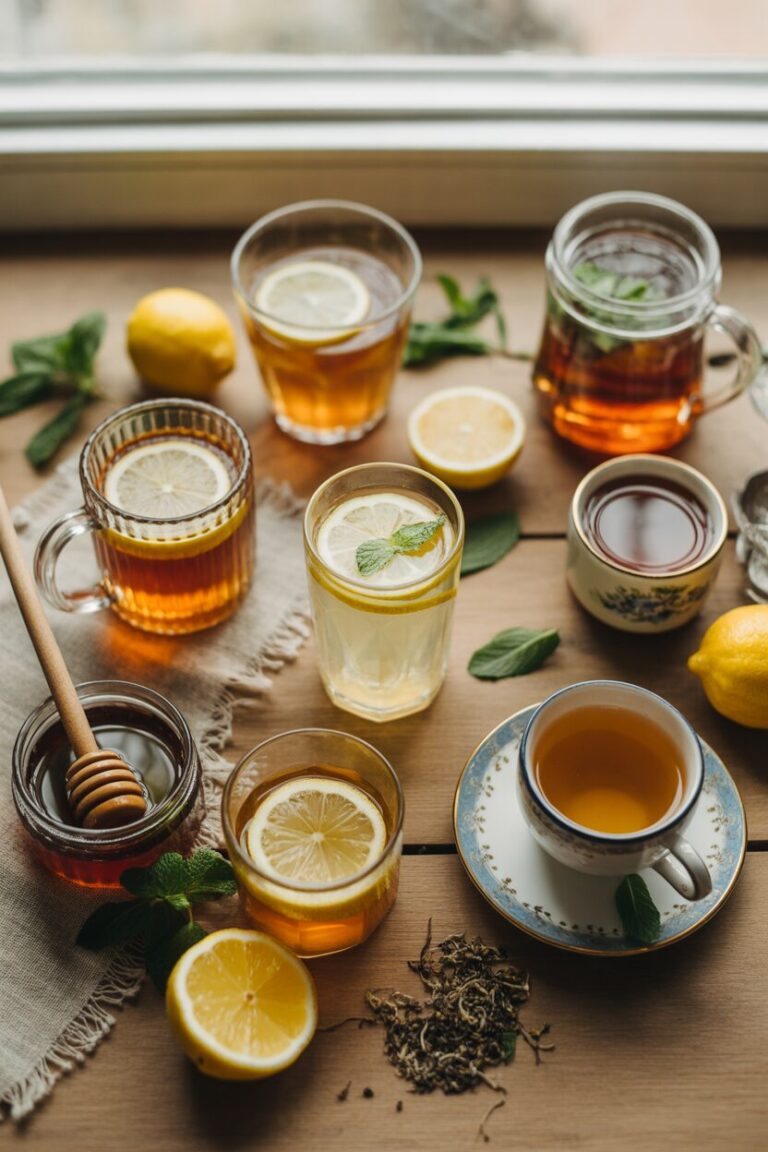
25 Best Herbal Tea Blends for Relaxation and Sleep
Look, I’m not going to sugarcoat it—sleep can be a real pain in the neck. You’re lying there at 2 AM, staring at the ceiling, counting sheep that apparently went on strike. But here’s the thing: before you reach for those heavy-duty sleep meds, maybe it’s time we talked about something your grandmother probably knew all along. Herbal tea isn’t just some hippy-dippy trend—it’s backed by actual science and centuries of use.
I’ve spent years experimenting with different herbal tea blends, and honestly, some nights they work like magic, other nights they’re just a warm hug in a mug. But isn’t that better than nothing? The beauty of herbal teas is that they’re gentle, non-habit-forming, and you won’t wake up feeling like you got hit by a truck.
So grab your favorite mug (you know, the one that says something quirky), and let’s dive into 25 herbal tea blends that might just be your ticket to dreamland. Some you’ve probably heard of, others might surprise you. Either way, we’re about to make bedtime a whole lot cozier.

Why Herbal Tea Actually Works for Sleep
Before we get into the good stuff, let me explain why these teas aren’t just placebo magic. Research shows that herbal teas work by interacting with neurotransmitters in your brain—specifically GABA (gamma-aminobutyric acid), which is basically your brain’s chill-out button.
When you sip on certain herbal teas, compounds like apigenin from chamomile or valerenic acid from valerian root bind to receptors in your brain that promote drowsiness and reduce anxiety. It’s not voodoo; it’s biochemistry. And honestly, that makes me trust it even more.
Plus, there’s the whole ritual aspect. According to Cleveland Clinic experts, the behavioral component of brewing and sipping tea signals to your body that it’s time to wind down. Your brain starts associating that warm mug with relaxation, and before you know it, you’ve Pavlov’d yourself into better sleep.
Pro Tip: Steep your bedtime tea for at least 5-7 minutes to extract the maximum beneficial compounds. Weak tea is just flavored water—you want the good stuff.
📖 Sleep & Relaxation Tea Recipe eBook
50+ Herbal Tea Blends for Better Sleep, Stress Relief & Evening Rituals
If you’re serious about improving your sleep naturally, I’ve put together a comprehensive guide with 50+ tested herbal tea recipes specifically designed for relaxation and deep sleep. This isn’t just a list—it includes detailed brewing instructions, the science behind each herb, and customizable blends for different sleep issues (racing mind, physical tension, stress-induced insomnia, etc.).
- ✓ Beginner-friendly recipes with easy-to-find ingredients
- ✓ Advanced blends for chronic insomnia sufferers
- ✓ Monthly tea ritual calendar to track what works for you
- ✓ Sourcing guide for high-quality organic herbs
The Classic Sleepy-Time Heroes
1. Chamomile Tea – The OG Sleep Aid
Let’s start with the most obvious one. Chamomile is like that reliable friend who always shows up when you need them. It contains apigenin, a flavonoid that binds to benzodiazepine receptors in your brain. That’s fancy talk for “makes you drowsy.”
I keep a loose-leaf chamomile tin on my counter at all times. The taste is mild, slightly sweet, and honestly comforting. Studies have shown that chamomile improves sleep quality and helps people with insomnia function better during the day.
2. Valerian Root – The Heavy Hitter
Valerian root smells like old socks, let’s just be honest. But if you can get past that, this stuff is powerful. It increases GABA levels in your brain and has been used since ancient Rome to treat insomnia.
I usually blend valerian with other herbs to mask the smell. My go-to combo? Valerian with peppermint and a touch of honey. Works like a charm, and I actually fall asleep faster than with chamomile alone.
3. Lavender Tea – Pretty AND Functional
Lavender isn’t just for fancy soaps and your aunt’s potpourri collection. When brewed as tea, it genuinely helps with anxiety and sleep quality. Research on postpartum women found that lavender tea reduced fatigue and depression—that’s no small feat.
I brew mine in a glass teapot so I can watch the purple flowers swirl around. It’s weirdly therapeutic, and the aroma alone starts to calm me down before I even take a sip.
“I was skeptical about lavender tea at first, but after two weeks of drinking it nightly, my sleep tracker showed I was falling asleep 20 minutes faster on average. It’s become my non-negotiable bedtime ritual.” – Emily, 34, graphic designer
4. Passionflower Tea – The Anxiety Buster
Passionflower is one of those herbs that doesn’t get enough credit. It boosts GABA production naturally and has been shown to reduce restlessness and anxiety. If your mind races at night (guilty as charged), this one’s for you.
The taste is mild and slightly earthy. I usually mix it with chamomile for a double whammy of relaxation. Speaking of calming beverages, if you’re looking for more ways to unwind throughout the day, check out these quick coffee drinks for your morning routine—because good sleep starts with a balanced day.
5. Lemon Balm – The Mood Lifter
Lemon balm belongs to the mint family and works as both an anxiety reducer and a sleep promoter. It has a light, citrusy flavor that’s actually enjoyable, which is more than I can say for valerian.
I grow lemon balm in my garden (it’s ridiculously easy to grow, FYI), and there’s something special about brewing tea from fresh leaves. If you’re not into gardening, dried works just fine.
Creative Blends You Haven’t Tried Yet
6. Chamomile + Lavender + Honey
This is my personal favorite combo. The chamomile provides the sleep foundation, lavender adds aromatic relaxation, and honey brings natural sweetness while supporting your immune system. It’s like a lullaby in liquid form.
I use a mesh tea infuser ball to steep this blend—makes cleanup stupid easy, and you can adjust the strength by how long you let it sit.
7. Valerian + Peppermint + Chamomile
Remember how I said valerian smells weird? Peppermint completely masks that. This trio is powerful for those nights when your brain won’t shut up. The peppermint also helps with digestion, which is a bonus if you ate too late.
8. Passionflower + Lemon Balm + Vanilla
This blend is like dessert therapy. The vanilla adds a comforting sweetness without any sugar, and the combination of passionflower and lemon balm tackles both anxiety and sleep issues from multiple angles.
Quick Win: Prep your tea blend in small mason jars on Sunday night for the whole week. No thinking required when you’re already exhausted at 10 PM.
9. Chamomile + Rose Petals + Cinnamon
This one’s for the romantics. Rose petals add a delicate floral note, while cinnamon brings warmth and helps regulate blood sugar—important for preventing those 3 AM wake-ups from blood sugar crashes.
I keep my rose petals in a vintage glass jar because it looks pretty on my counter and makes me feel like I have my life together (even when I don’t).
10. Hibiscus + Chamomile + Orange Peel
If you’re not a fan of super floral teas, this tangy blend might be your thing. Hibiscus is tart, orange peel adds brightness, and chamomile rounds it all out with gentle sedation. Plus, hibiscus is loaded with antioxidants.
For more creative drink combinations that won’t keep you up at night, you might enjoy these vegan coffee creamer recipes for your morning coffee ritual.
The Underrated Sleep Helpers
11. Rooibos + Vanilla + Chamomile
Rooibos (red bush tea) is naturally caffeine-free and tastes slightly sweet on its own. It’s loaded with antioxidants and minerals that support overall health. Mixed with vanilla and chamomile, it’s comfort in a cup.
12. Magnolia Bark Tea
This traditional Chinese herb might sound exotic, but it’s worth hunting down. Magnolia bark contains honokiol, which reduces the time it takes to fall asleep by binding to GABA receptors. It’s strong stuff, so start with small amounts.
13. Holy Basil (Tulsi) + Chamomile
Holy basil is an adaptogen, meaning it helps your body manage stress. When you combine it with chamomile, you get stress relief plus sleep promotion. It has a slightly spicy, peppery taste that’s surprisingly pleasant.
14. Catnip Tea (Yes, Really)
Before you laugh, hear me out. Catnip makes cats go bonkers, but in humans, it has the opposite effect. It’s a mild sedative that’s been used for centuries. The taste is minty and mild. Just don’t tell your cat you’re drinking their favorite herb.
15. Ashwagandha + Chamomile + Cinnamon
Ashwagandha is another adaptogen that lowers cortisol (your stress hormone). Combined with chamomile’s sedative effects and cinnamon’s warmth, this blend is perfect for those dealing with stress-related insomnia.
I measure mine with a tiny measuring spoon set because precision matters with powerful herbs like ashwagandha—you don’t want to overdo it.
“As someone who works night shifts, my sleep schedule was a disaster. After incorporating these herbal blends into my routine, I noticed I could fall asleep faster even when my body clock was confused. Game changer.” – Marcus, 41, nurse
Fruity and Floral Sleep Blends
16. Apple + Chamomile + Cinnamon
This blend smells like fall and tastes even better. Dried apple pieces add natural sweetness, chamomile brings the sleepy vibes, and cinnamon warms everything up. It’s like apple pie without the calories or the effort.
17. Peach + Lavender + Vanilla Rooibos
Fruity, floral, and functional. Peach adds sweetness, lavender calms the nerves, and rooibos provides a caffeine-free base. This is my go-to when I want something that tastes indulgent but won’t mess with my sleep.
If you’re into experimenting with flavors, these creative coffee syrups can also work in your evening herbal teas for added sweetness without refined sugar.
18. Cherry + Valerian + Vanilla
Cherries naturally contain melatonin, so this blend is basically a sleep powerhouse. The vanilla masks valerian’s funkiness, and the result is a tea that tastes like dessert but works like medicine.
19. Blueberry + Chamomile + Lemon Balm
Blueberries are antioxidant bombs, and when dried, they make tea taste incredible. This blend is light, fruity, and perfect for people who find pure herbal teas too “earthy.”
20. Strawberry + Rose + Chamomile
This one’s pretty enough to serve at a tea party but effective enough to knock you out (gently, of course). The combination of strawberry sweetness and rose elegance makes bedtime feel like self-care.
I steep this in my ceramic teapot with built-in infuser—no mess, no fuss, and it keeps the tea hot for ages while I sip slowly.
Spicy and Warming Night Teas
21. Ginger + Chamomile + Honey
Ginger aids digestion and has anti-inflammatory properties. When you mix it with chamomile and honey, you get a tea that settles your stomach and your mind. Perfect for those nights when dinner didn’t sit quite right.
Pro Tip: Use fresh ginger slices instead of dried for a more potent kick. Just peel and slice thin—your taste buds will thank you.
22. Cardamom + Chamomile + Vanilla
Cardamom is aromatic, slightly sweet, and surprisingly relaxing. This Middle Eastern-inspired blend is exotic enough to feel special but familiar enough to be comforting.
23. Turmeric + Ginger + Chamomile
Golden milk’s sleepy cousin. Turmeric is anti-inflammatory, ginger soothes, and chamomile sedates. Add a splash of warm milk (dairy or plant-based) and a pinch of black pepper to enhance turmeric absorption.
24. Cinnamon + Star Anise + Rooibos
This blend tastes like Christmas but works year-round. Star anise has digestive benefits and a unique licorice-like flavor. Combined with cinnamon’s warmth and rooibos’ sweetness, it’s cozy incarnate.
25. Fennel + Chamomile + Peppermint
Our final blend is perfect for digestive issues that keep you awake. Fennel reduces bloating, peppermint soothes the stomach, and chamomile calms the mind. It’s functional and tasty—what more could you want?
Before bed, you want to avoid anything too stimulating. But if you’re curious about energizing beverages for earlier in the day, check out these coffee smoothies for breakfast that’ll give you morning energy without the afternoon crash.
How to Brew the Perfect Bedtime Tea
Alright, so you’ve got your herbs—now what? Brewing technique actually matters, folks. Here’s what I’ve learned through trial and error (mostly error, if I’m being honest).
Water Temperature: Most herbal teas do best with water that’s just below boiling—about 200-208°F. Boiling water can destroy some beneficial compounds. I use an electric kettle with temperature control to nail it every time.
Steeping Time: Generally, 5-10 minutes is the sweet spot. Longer for roots like valerian (up to 15 minutes), shorter for delicate flowers like chamomile (5-7 minutes). The stronger you brew it, the more potent the effects—but also the more bitter the taste.
Ratio: Use about 1-2 teaspoons of dried herbs per cup of water. When making blends, I usually do equal parts of each herb unless one is particularly strong (looking at you, valerian).
Cover While Steeping: This traps the aromatic oils that want to escape with the steam. Those oils contain beneficial compounds you don’t want to lose. I just put a small plate over my mug—no fancy equipment needed.
Quick Win: Make a big batch of your favorite blend and store it in an airtight container. I use a glass storage jar with a bamboo lid—looks nice on the counter and keeps herbs fresh for months.
📊 Sleep Quality Tracker & Herbal Tea Journal
Track Your Sleep Patterns, Tea Blends & Find What Actually Works
You know what changed the game for me? Actually tracking which teas worked and which ones were just nice-tasting placebos. This printable sleep tracker helps you log your nightly tea ritual, sleep quality, wake times, and how you feel in the morning. After 30 days, you’ll have clear data on what blends genuinely improve your sleep versus what’s just hype.
- ✓ 90-day sleep and tea tracking sheets
- ✓ Weekly reflection prompts for sleep patterns
- ✓ Herb effectiveness rating system
- ✓ Custom blend creation worksheets
When to Drink Your Sleep Tea
Timing is everything. I learned this the hard way after drinking a huge mug of tea right before bed and spending half the night running to the bathroom. Not ideal for sleep quality, as you might imagine.
The sweet spot is 45-60 minutes before you want to be asleep. This gives the compounds time to kick in and gives you time to, uh, deal with the liquid intake before lights out.
Also, make it part of your wind-down routine. Turn off screens, dim the lights, maybe do some light stretching while your tea steeps. Your brain will start associating these activities with sleep, and over time, it becomes a powerful signal that it’s time to shut down for the night.
Glass Teapot with Removable Infuser & Warmer
The Only Teapot You’ll Ever Need for Perfect Herbal Brews
This is the teapot that changed my entire tea game. It’s borosilicate glass (so you can watch your tea steep—oddly mesmerizing), comes with a stainless steel infuser basket that actually holds enough herbs, and includes a tea warmer base to keep your brew hot for up to an hour. Game. Changer.
For a complete relaxation routine, you might also enjoy these cozy fall morning recipes that can help you establish healthy rituals at both ends of your day.
Combining Tea with Other Sleep Strategies
Look, I’m not going to sit here and tell you that tea is a magic bullet. If your bedroom is 85 degrees, your mattress is a medieval torture device, and you’re scrolling TikTok until midnight, no amount of chamomile is going to save you.
But when you combine herbal tea with other good sleep hygiene practices, the results can be pretty impressive. Keep your bedroom cool (60-67°F is ideal), invest in a decent mattress topper if your bed is uncomfortable, use blackout curtains, and for the love of all that is holy, put your phone away.
Some people swear by adding magnesium supplements to their nighttime routine along with tea. I personally take a magnesium glycinate supplement about an hour before bed—it seems to amplify the relaxation effects of the tea.
Magnesium Glycinate Sleep Support Supplement
The Perfect Companion to Your Herbal Tea Ritual
Real talk: combining herbal tea with magnesium glycinate is like sleep hack level 100. This highly absorbable form of magnesium calms your nervous system, relaxes muscles, and doesn’t cause digestive issues like cheaper magnesium forms. I take 400mg about 45 minutes before my tea, and the difference is noticeable.
“I started drinking valerian tea three months ago as part of a complete sleep overhaul. Combined with a new bedtime routine and cutting out late-night snacks, I’ve gone from averaging 5 hours a night to 7-8. The tea alone wouldn’t have fixed everything, but it was definitely a crucial piece of the puzzle.” – Jennifer, 52, accountant
Safety and Considerations
Real talk: just because something is natural doesn’t mean it’s automatically safe for everyone. I’m not a doctor, and you should definitely talk to yours if you’re pregnant, nursing, taking medications, or dealing with serious sleep disorders.
Some herbs can interact with medications. Valerian, for instance, can amplify the effects of sedatives or anti-anxiety meds. Chamomile can interact with blood thinners. If you’re on prescription meds, get the green light from your healthcare provider before going wild with herbal teas.
Also, if you have allergies to plants in the daisy family (ragweed, chrysanthemums), avoid chamomile. It’s a member of that family and could trigger reactions.
Start with small amounts and see how your body responds. Some people are super sensitive to certain herbs and need less than the typical dose. Others (like me) need a stronger brew to feel any effects. You’ve got to find your personal sweet spot.
Buying Quality Herbs
Not all herbal teas are created equal. Some of the stuff at regular grocery stores has been sitting on shelves for who knows how long, and the quality can be questionable.
I usually buy from specialty tea shops or reputable online retailers. Look for organic when possible—you don’t want pesticides in your relaxation ritual. The herbs should smell fragrant when you open the package. If they smell like nothing or like stale cardboard, they’re probably past their prime.
Premium Organic Herbal Sleep Tea Sampler Set
12 Different Blends to Discover Your Perfect Nighttime Ritual
After testing dozens of tea brands, this sampler set is hands down the best way to start your sleep tea journey. You get 12 pre-blended organic herbal teas (chamomile lavender, valerian mint, passionflower dreams, and more) in individual sachets. No commitment to a huge bag of something you might not like—just pure exploration.
Loose-leaf is generally better than tea bags because it’s less processed and you can see what you’re actually getting. Plus, you can customize your blends more easily. I store all my loose herbs in amber glass jars to protect them from light degradation.
If you’re into exploring unique flavor profiles, these homemade coffee recipes offer similar opportunities to experiment with different ingredients and find your perfect blend.
Making It a Sustainable Habit
Here’s the thing about sleep tea—it’s most effective when you’re consistent with it. One cup on a random Tuesday isn’t going to transform your sleep life. But drinking it every night as part of a routine? That’s where the magic happens.
I’ve been doing this for about three years now, and honestly, I look forward to my nighttime tea ritual. It’s become my signal to myself that work is done, screens are off, and it’s time to prioritize rest.
Some nights I still struggle with sleep—life happens, stress happens, sometimes my brain just won’t cooperate. But even on those nights, the tea and the ritual help more than not doing it at all.
Keep it simple enough that you’ll actually stick with it. If preparing elaborate blends feels like homework, just pick two herbs you like and rotate between them. The best sleep routine is the one you’ll actually follow.
🌙 30-Day Bedtime Ritual Planner
Complete Evening Routine Guide with Tea Rituals, Wind-Down Activities & Sleep Hygiene Tips
Here’s the truth: tea alone won’t fix your sleep if everything else is chaos. This 30-day planner combines herbal tea rituals with proven sleep hygiene practices, evening meditation prompts, and screen-free activities. It’s basically a step-by-step guide to reclaiming your nights and actually enjoying bedtime instead of dreading it.
- ✓ Daily tea recommendations paired with evening activities
- ✓ Progressive relaxation techniques for each week
- ✓ Screen-time reduction challenges with alternatives
- ✓ Sleep environment optimization checklist
Frequently Asked Questions
How long does it take for herbal tea to help with sleep?
Most people notice effects within 30-60 minutes of drinking sleep-promoting herbal teas. However, for maximum benefits, consistency is key—you’ll likely see the best results after drinking the tea nightly for at least 2-3 weeks. Your body needs time to adjust and recognize the ritual as a sleep signal.
Can I drink multiple cups of herbal tea before bed?
While you can drink more than one cup, I’d recommend sticking to 1-2 cups maximum to avoid nighttime bathroom trips that’ll disrupt your sleep. The liquid volume matters just as much as the herbs themselves. If you want stronger effects, brew your tea longer or use more herbs rather than drinking more volume.
Are there any side effects to drinking herbal sleep teas?
Most herbal teas are safe for the majority of people, but some can cause drowsiness that lingers into the morning, especially valerian root. Others might cause digestive upset if you’re sensitive. Always start with small amounts, and if you’re on medication or have health conditions, check with your doctor first since some herbs can interact with prescriptions.
Can I give herbal sleep tea to children?
Some gentle herbs like chamomile are generally considered safe for children over 6 months old in small amounts, but you should always consult your pediatrician first. Stronger herbs like valerian root are typically not recommended for kids. When in doubt, stick to very mild options and much smaller doses than you’d use for adults.
Do I need to use fresh herbs or are dried herbs just as good?
Dried herbs are actually more concentrated than fresh, so they’re perfectly fine—and often better—for tea making. Fresh herbs can be wonderful if you grow them yourself, but they require about 3 times the volume to get the same potency. Dried herbs are also more convenient, have longer shelf life, and are easier to find year-round.
Sweet Dreams Ahead
So there you have it—25 herbal tea blends that might just transform your relationship with bedtime. From classic chamomile to exotic magnolia bark, there’s something here for every taste preference and sleep struggle.
The beauty of herbal teas is that they’re forgiving. You can experiment, mix and match, find your favorites through trial and error. Some nights you’ll want something floral and delicate, other nights you’ll need the heavy artillery like valerian. That’s the point—you’re building a toolkit of options.
Remember that good sleep isn’t just about what you drink; it’s about creating an entire environment and routine that supports rest. But a warm mug of the right herbal blend? That’s a pretty solid foundation to build on.
Start with one or two teas that sound appealing to you. Give them a few weeks of consistent use. Pay attention to how you feel, how you sleep, how you wake up. Adjust as needed. This isn’t rocket science—it’s just about finding what works for your body and your life.
Now if you’ll excuse me, I’m going to go brew myself a cup of chamomile-lavender blend because writing about sleep tea has made me incredibly ready for bed. Here’s to better sleep, fewer sheep-counting sessions, and the simple pleasure of a really good cup of tea.