19 Herbal Teas for Stress Relief That You’ll Actually Want to Drink Every Day
Because your nervous system deserves better than another doom-scroll session and a third cup of coffee.
Stress is basically a subscription service nobody signed up for. It just keeps arriving, renewal after renewal, whether it’s work deadlines, sleep issues, or the sheer chaos of being a person alive in this decade. If you’ve tried the journaling, the meditation apps, and the “just breathe” advice people like to hand out freely — and still feel wound up — let’s talk about something that’s been quietly working for centuries: herbal tea.
Before you roll your eyes, hear me out. This isn’t about magic. It’s about real botanical compounds that interact with your nervous system in genuinely measurable ways. The National Center for Complementary and Integrative Health has documented research on several of these herbs, and the results are solid enough to take seriously. So consider this your friendly guide to 19 herbal teas for stress relief — no fluff, no snake oil, just teas that actually pull their weight.
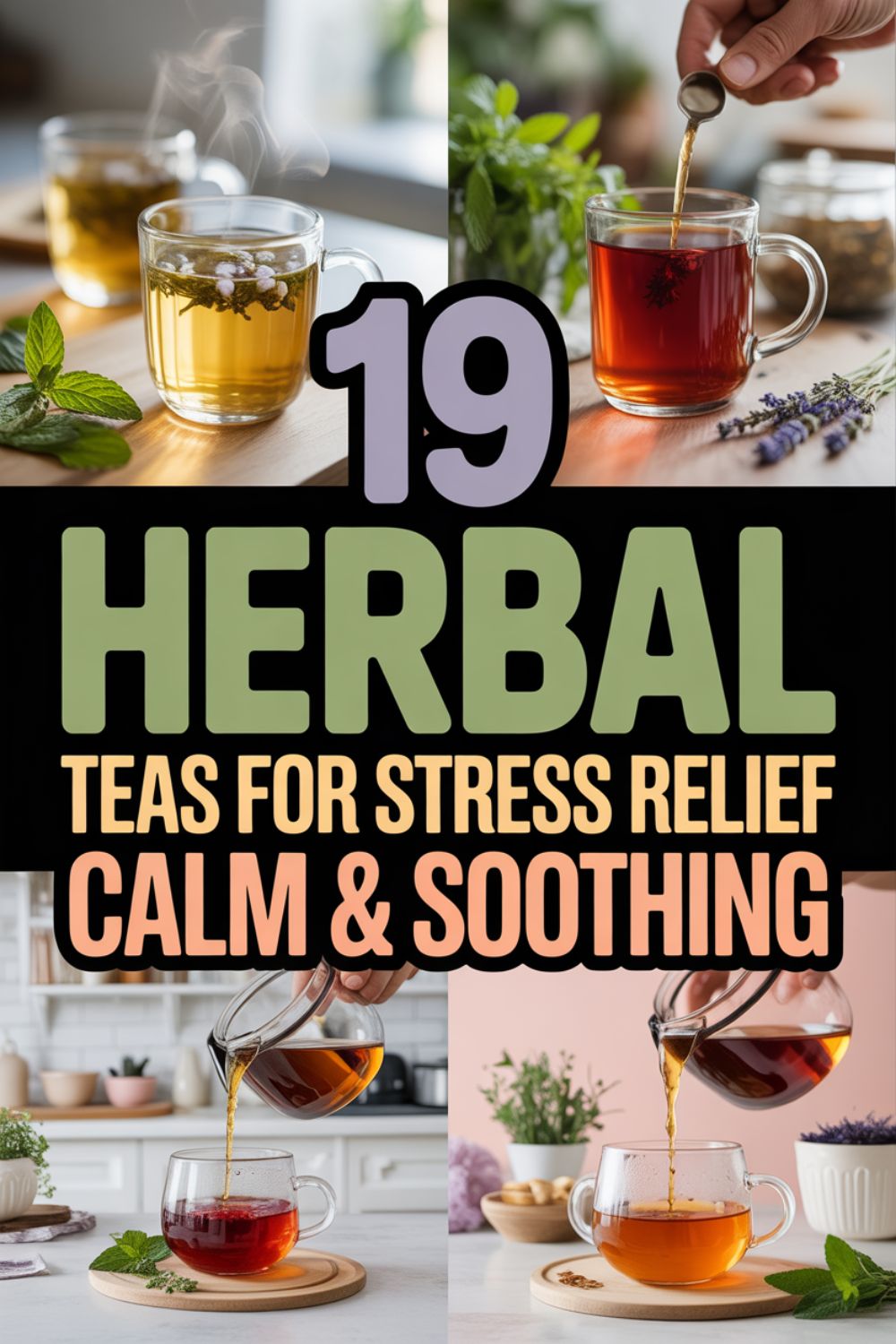
The Classic Calming Teas You Already Know (And Should Use More)
Chamomile Tea
Chamomile is basically the patron saint of stress relief teas, and for good reason. It contains apigenin, a flavonoid that binds to benzodiazepine receptors in the brain — which is a fancy way of saying it helps quiet down the noise in your nervous system without making you groggy. A 2024 systematic review published in Clinical Nutrition Research found consistent evidence that oral chamomile consumption meaningfully reduced anxiety scores across multiple clinical trials.
It’s naturally caffeine-free, widely available, and pairs beautifully with a small drizzle of raw honey. If you’re looking for a tea that also helps with sleep, chamomile is your first stop.
- Best time: 30–60 minutes before bed
- Steep time: 5–7 minutes, covered (keeps the volatile oils in)
- Pairs well with: a few drops of organic chamomile extract for extra potency
Lavender Tea
Most people know lavender as a scent, but drinking it as a tea is a different, deeply pleasant experience. Research published in PubMed found that lavender herbal tea consumption reduced both anxiety and depression scores in elderly participants over a controlled trial period. The active compound, linalool, is thought to modulate the central nervous system — calming without sedating. It tastes floral, slightly sweet, and nothing at all like the lavender candle on your bathroom shelf.
Blend it with chamomile if you want something that really doubles down on the evening unwind. A high-quality loose-leaf lavender blend makes a noticeable difference over cheap tea bags here.
Lemon Balm Tea
Lemon balm (Melissa officinalis) is the quiet overachiever of the herbal tea world. It works by inhibiting the enzyme that breaks down GABA in the brain — meaning more of your own calming neurotransmitter sticks around longer. A pilot trial published in the Mediterranean Journal of Nutrition and Metabolism showed participants with mild-to-moderate anxiety experienced significant improvement after lemon balm supplementation. As a tea it’s light, slightly citrusy, and genuinely pleasant even without sweetener.
- Great for: afternoon stress dips, pre-meeting nerves, exam anxiety
- Combine with: peppermint for a brighter flavour profile
Always steep herbal teas covered with a lid or saucer — the aromatic oils that carry most of the calming benefit evaporate with the steam. Cover it, and you keep them in the cup where they belong.
The Underrated Ones That Deserve More Attention
Ashwagandha Tea
Ashwagandha is an adaptogen, which means it helps your body adapt to stress rather than just mask the symptoms. It works on the HPA axis — the hormonal system that controls your cortisol response — and several human trials have shown it meaningfully lowers perceived stress scores and morning cortisol levels. It tastes earthy and slightly bitter, so most people blend it with warm milk or oat milk and a little cinnamon. Worth it.
A note: ashwagandha isn’t recommended during pregnancy, and it can interact with thyroid medications — worth a quick check with your doctor if either applies.
- Best as: a warm latte-style blend with ashwagandha root powder and frothed oat milk
- Timing: morning or early afternoon works best for cortisol regulation
Passionflower Tea
Passionflower is regularly overlooked, and that’s a shame because it’s one of the more evidence-backed options for anxiety and stress relief. Like lemon balm, it works by increasing GABA activity, and some small studies have compared it favourably to low-dose benzodiazepine treatments for generalised anxiety. The tea itself is mild, grassy, and easy to drink. It’s also genuinely good for stress-related insomnia — the kind where your mind won’t stop replaying a conversation you had three days ago.
Valerian Root Tea
Valerian root has a reputation problem. It smells peculiar (earthy, slightly funky — I’ll be honest), but its calming effects are among the most studied in herbal medicine. A 2020 systematic review and meta-analysis found valerian root improved sleep quality and reduced anxiety markers across multiple studies. It works by increasing GABA in the brain — similar mechanism to several anti-anxiety medications, minus the prescription cost. Blend it with something aromatic like lavender or peppermint to offset the smell. It works. You’ll get over it.
Holy Basil (Tulsi) Tea
Tulsi is sacred in Ayurvedic tradition for good reason — it’s an adaptogen that also has anti-inflammatory and immune-supportive properties. For stress specifically, it helps regulate cortisol and has demonstrated anti-anxiety effects in human trials. The flavour is warm, slightly spicy, and clove-like. It makes a genuinely lovely morning tea as an alternative to coffee, and unlike coffee, it won’t spike your anxiety two hours later.
Teas That Work on Digestion and Stress Together
Here’s something worth knowing: your gut and your nervous system are in constant conversation via the vagus nerve. When you’re stressed, your digestion suffers. When your digestion is off, you feel more anxious. A few of the best herbal teas for stress relief actually address both at once — which is just smart work.
Peppermint Tea
Peppermint tea relaxes smooth muscle — in your gut and elsewhere. That physical release of tension is part of why it feels calming after a stressful meal or a high-tension afternoon. Menthol also has mild analgesic and muscle-relaxant properties, and the refreshing scent alone has been shown to reduce anxiety in clinical settings. It’s caffeine-free, sharp, clean, and takes about 90 seconds to steep before it’s perfect. Keep a tin of loose-leaf peppermint on your desk. You’ll reach for it constantly.
Ginger Tea
Ginger won’t knock you out the way valerian will, but its anti-inflammatory properties reduce the physical symptoms of stress — tight muscles, upset stomach, elevated cortisol inflammation — meaningfully. It’s warming, slightly spicy, and incredibly easy to make from fresh root. Slice a thumb-sized piece, steep in hot water for 10 minutes, add honey and lemon. That’s it. That’s the recipe. Check out the full guide on herbal teas for better digestion if ginger resonates with you — there’s a whole world of gut-calming options in there.
Fennel Tea
Fennel is an underdog. It contains anethole and other compounds that relax smooth muscle, making it excellent for stress-related stomach cramps, bloating, and that tight-gut feeling you get after a terrible day. The flavour is anise-like and warming, and it’s wonderful with a small slice of orange peel in the mug. If your stress lives primarily in your stomach, fennel tea should absolutely be in your rotation.
Licorice Root Tea
Licorice root has a cortisol-modulating effect — it slows the breakdown of cortisol, which sounds counterproductive until you understand that some people under chronic stress actually burn through cortisol too fast, leaving them exhausted and still anxious. A small amount of licorice root tea can help rebalance that. The flavour is naturally very sweet, which means most people don’t need any added sugar. Go easy with quantity — one cup daily is plenty, and it’s not recommended for those with high blood pressure.
Catnip Tea
Yes, really — catnip tea for humans is a thing, and no, it won’t make you behave like your cat. Nepetalactone, the compound responsible for the feline chaos, has a mild sedative effect in humans rather than a stimulating one. It’s been used traditionally for nervous tension, irritability, and stress headaches. The taste is slightly minty and herbaceous. It’s not the most exciting cup you’ll ever have, but as a before-bed wind-down tea it genuinely does its job quietly.
Batch-brew a 1-litre jug of herbal tea on Sunday night. Refrigerate it. Drink it throughout the week either cold or reheated. Stress management doesn’t need to be a daily ceremony — just a habit you actually keep.
Floral and Antioxidant-Rich Teas for Stress and Overall Wellbeing
Hibiscus Tea
Hibiscus is stunning in a cup — deep crimson, tart, slightly cranberry-like in flavour. It’s loaded with anthocyanins and antioxidants that help lower blood pressure (a classic stress response marker) and reduce oxidative stress in the body. Research has consistently shown hibiscus lowers systolic blood pressure in hypertensive adults, and since blood pressure spikes are one of the most measurable physical effects of chronic stress, this matters. It’s also one of the more refreshing teas on this list, excellent iced in summer.
Rose Petal Tea
Rose petal tea is more than just something pretty in your Instagram feed — it’s a legitimate stress remedy. A Taiwanese randomized controlled trial found rose tea provided relief from menstrual pain and emotional distress in adolescents. The flavour is delicate, mildly floral, and beautiful blended with hibiscus or lemon. A whole dried rose petal blend will give you a much more nuanced cup than the crushed powder versions.
Jasmine Tea
Jasmine’s scent alone has measurable effects — research has shown that jasmine tea aroma inhibits the increase of salivary chromogranin-A (a stress biomarker) during stressful tasks. Drinking it compounds the benefit. Jasmine is often blended with green tea as a base, so you do get a small amount of caffeine, but also L-theanine — the amino acid that promotes calm alertness rather than jangled stimulation. FYI, this makes it a strong candidate for your morning stress support routine if you don’t want to cut caffeine entirely.
Rooibos Tea
Rooibos is naturally caffeine-free, loaded with antioxidants (including aspalathin, unique to this plant), and has a warm, slightly sweet, almost vanilla-caramel flavour that makes it one of the most pleasant daily drinkers on this entire list. It supports adrenal function and helps reduce cortisol, and unlike many herbal teas it’s safe during pregnancy. It also contains no oxalates, making it a solid choice for those who are sensitive to other plant teas. Brew it strong with a splash of oat milk creamer for a genuinely satisfying evening alternative to caffeinated drinks.
Powerful Adaptogens and Calming Blends to Round Out Your Collection
Rhodiola Rosea Tea
Rhodiola is one of the most studied adaptogens for stress and fatigue, with roots in traditional Russian and Scandinavian medicine. It works by regulating the stress response at the hormonal level while simultaneously improving mental endurance — meaning it doesn’t just calm you down, it helps you stay sharp while calmer. It has a slightly bitter, rose-like flavour that’s pleasant enough on its own or blended with hibiscus. If your stress comes with cognitive fog and exhaustion, Rhodiola is worth trying seriously. You can find it as a loose herbal tea blend with Rhodiola and hibiscus that makes the bitterness pretty approachable.
Skullcap Tea
Skullcap is not as well-known as chamomile, but herbalists have used it for centuries specifically for nervous tension, anxiety, and overactive minds. It works on GABA receptors (noticing a theme here?) and also has mild antispasmodic properties that address the physical muscle tension that often accompanies stress. The flavour is earthy and slightly bitter — blend it with lemon balm and a teaspoon of honey and it becomes significantly more approachable. It’s one of the more effective options for people who find that stress lives in their shoulders and jaw rather than just their head.
Oat Straw Tea
Oat straw (Avena sativa) is made from the green stems and leaves of the oat plant, not the oats themselves. It’s rich in B vitamins, magnesium, and compounds that nourish the nervous system — making it particularly useful for long-term stress recovery rather than acute moments of anxiety. If you’ve been under sustained pressure for weeks or months, oat straw is the kind of tea that quietly rebuilds your resilience rather than just putting a lid on the symptoms. Brew it long (15–20 minutes) to extract the full mineral content, and use a good stainless steel loose-leaf strainer because the plant material is finer than most teas.
Tools & Resources That Make Your Tea Practice Easier
Things I actually use and genuinely recommend — in a friend-to-friend, no-hard-sell kind of way.
Cast Iron Teapot (Tetsubin)
Keeps tea hot longer, adds trace iron to your brew, and looks beautiful on any counter. A cast iron tetsubin with infuser is the one kitchen item that makes daily tea feel like a real ritual.
Glass Loose-Leaf Infuser Mug
When you can watch the herbs steep and the water change colour, it’s legitimately relaxing before you’ve even taken a sip. A double-wall glass infuser mug keeps your tea hot without burning your hands.
Herbal Tea Sampler Set
Before committing to a pound of anything, get a sampler. A stress-blend herbal tea sampler with 8–12 varieties lets you figure out what actually works for your body and taste preferences.
Herbal Tea Brewing Guide (PDF)
Steep times, temperatures, and flavour pairing charts for 30+ herbs. A good reference to keep saved on your phone.
Calm App (Meditation + Sleep)
Pairs well with an evening herbal tea routine. The guided breathing sessions are genuinely useful alongside your cup.
Tea Journal Template
A printable Notion or PDF template to track which teas you tried, how they made you feel, and which blends worked best for different types of stress days.
Build a two-tea daily system: one morning adaptogen (ashwagandha, tulsi, or rhodiola) to regulate cortisol, and one evening GABA-supportive tea (chamomile, valerian, or passionflower) to wind down. That’s already more consistent than most people manage with supplements.
A Quick Note on How These Teas Actually Work
The reason herbal teas produce measurable stress relief isn’t mysterious. Most of these plants contain compounds that interact with your GABA receptors (the brain’s natural braking system), modulate your HPA axis (the cortisol machine), or reduce inflammatory markers that spike under chronic stress. According to Healthline’s review of research on teas for stress, herbs like chamomile, lemon balm, and lavender have the strongest clinical backing among the calming tea category, with studies ranging from pilot trials to double-blind randomised controlled designs.
It’s also worth noting that the ritual itself matters. The act of preparing a cup of tea — stepping away from a screen, heating water, watching the colour bloom, wrapping both hands around a warm mug — is a small but real act of nervous system regulation. That’s not woo-woo; that’s parasympathetic activation. Your body reads that slow, deliberate sequence as a signal that it can stand down. The herbs are the bonus.
If you’re dealing with severe or persistent anxiety, always speak with a healthcare provider. These teas support wellbeing; they don’t replace professional care. And some herbs — valerian, ashwagandha, kava — can interact with medications, so a quick check matters.
Frequently Asked Questions
Which herbal tea is best for immediate stress relief?
Chamomile and lemon balm are the most reliably fast-acting for most people. Both work on GABA receptors and can produce a noticeable calming effect within 20–30 minutes of drinking a properly steeped cup. Peppermint is a close runner-up, especially if stress is showing up as physical tension or stomach tightness.
Can I drink herbal teas for stress every day?
Most of the teas on this list — chamomile, lemon balm, peppermint, rooibos, hibiscus, ginger, holy basil — are safe for daily use by healthy adults. A few, like licorice root and valerian, are best used more occasionally or under short-term conditions. Always check interactions if you’re on medications.
Do herbal teas for stress actually work or is it a placebo?
Both, and that’s not a cop-out. The botanical compounds in herbs like chamomile, passionflower, and ashwagandha have measurable pharmacological effects on the nervous system. The ritual of brewing and drinking tea also activates the parasympathetic nervous system independently. You get the compound benefits of both — and honestly, a placebo that consistently works is still working.
What is the best herbal tea for stress and anxiety at night?
For nighttime stress and sleep support, the most effective trio is valerian root, passionflower, and chamomile — alone or blended together. They each increase GABA activity through slightly different pathways, so combining them is more effective than any single one. Many commercial “sleep blend” teas use exactly this combination.
How long does it take for herbal tea to reduce stress?
For acute stress, you may notice effects within 20–45 minutes of drinking a potent, properly steeped cup. For longer-term benefits — reduced baseline anxiety, better cortisol regulation, improved sleep quality — plan on a consistent daily habit for two to four weeks before making a full judgement. Adaptogens like ashwagandha and rhodiola in particular show their strongest results over sustained use.
Your Cup of Calm Is Already Within Reach
Stress isn’t going anywhere — but your response to it can absolutely change. The 19 herbal teas in this guide represent centuries of botanical wisdom backed by a growing body of modern research. Some will work better for your particular nervous system than others, and that’s fine. The whole point is to experiment, pay attention, and build a small daily ritual that gives your body permission to slow down.
Start with two or three from the list — maybe chamomile at night, peppermint in the afternoon, and something adaptogenic in the morning. Give it two weeks of actual consistency. What you’re building isn’t just a tea habit; it’s a physical cue that signals safety to your nervous system, repeatedly, until it actually believes it.
And if nothing else, at least your evenings will smell really good while you figure it out.