17 Herbal Tea Blends for Relaxing Weekends
Because you deserve two full days that feel like an exhale — and the right cup makes all the difference.
Saturday mornings have a specific kind of energy. No alarms, no urgent emails, no one demanding anything from you. The question is whether you reach for the same old teabag you grabbed on autopilot Tuesday, or whether you actually do something intentional with those quiet hours. If you’ve been defaulting to mediocre chamomile from a cardboard box for the last three years — no judgment, truly — this article is your nudge to level up.
Herbal tea blending is one of those small-effort, high-reward weekend hobbies that sounds fancy but is actually just you dumping dried flowers into a mason jar. Spending ten minutes on a Sunday afternoon setting up a couple of blends means you have a whole week of something genuinely comforting waiting for you. FYI, most of these ingredients cost next to nothing at a local bulk food store, and the ritual itself becomes part of the relaxation.
Here are 17 herbal tea blends built specifically for the slow, restorative energy of weekends — from sleepy floral combinations to lightly spiced afternoon sippers. We’ll also get into the tools that make blending easier, the science behind why some of these herbs actually work, and a few combinations you probably haven’t tried yet.
Why Weekend Tea Blending Hits Different
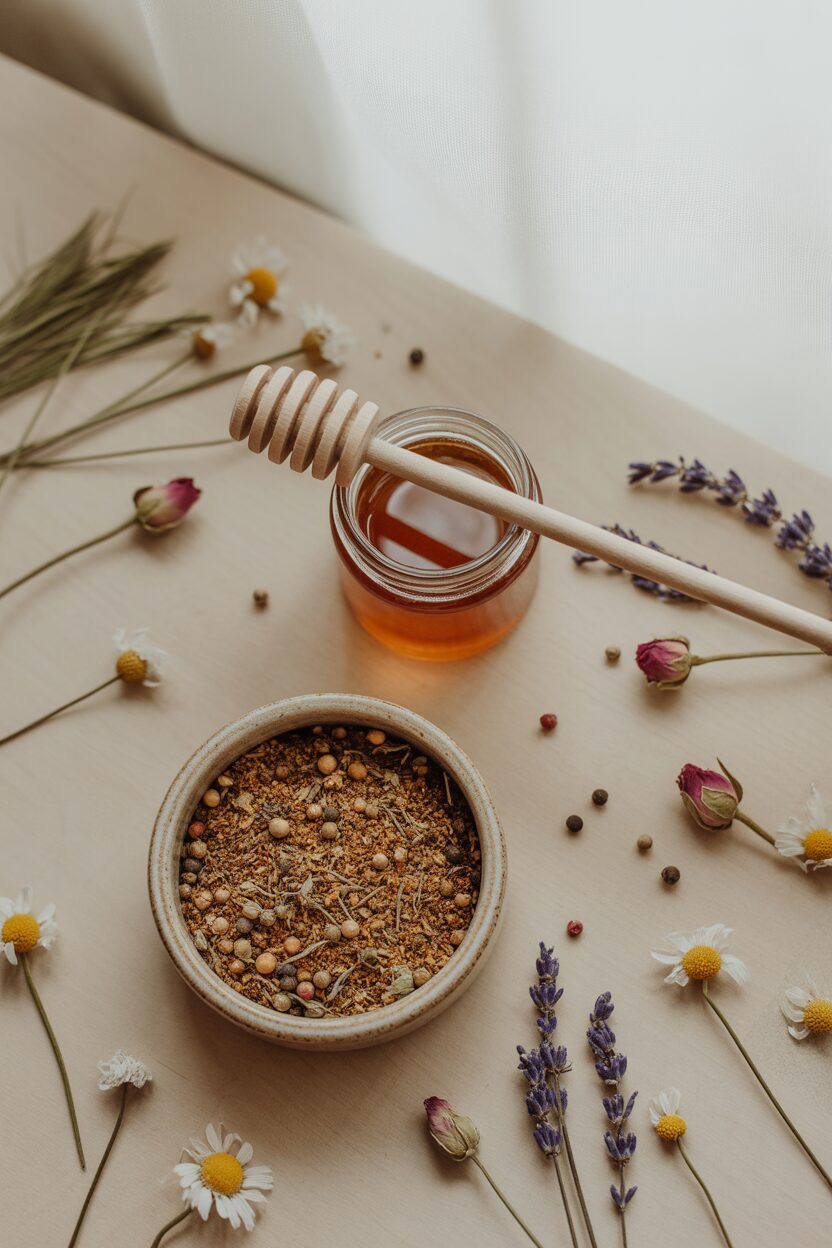
There is something deeply specific about making a tea blend from scratch versus tearing open a teabag. Part of it is sensory — the smell of dried lavender when you open a jar, the way chamomile looks like tiny suns in a bowl. But a larger part of it is intentionality. You decided to do this. You made something. And now you get to drink it.
Research from Harvard Health confirms that ingredients like chamomile contain flavonoids including apigenin, which binds to receptors in the brain associated with reducing anxiety and promoting drowsiness. This isn’t folklore — there’s actual chemistry behind why grandmothers have been pushing chamomile tea on anxious grandchildren for generations.
That said, the ritual matters just as much as the ingredients. The act of brewing, warming your hands around a mug, and slowing down is itself a form of stress regulation. Cleveland Clinic notes that there is both a chemical and a behavioral component to why bedtime teas work — the herbs contribute sedative effects, but the routine signals your nervous system that it is time to wind down.
Weekend mornings are the perfect time to build that kind of ritual. If you’re already exploring warm morning drinks, check out these 12 tea recipes to make you feel calm and focused — a great companion piece to what we’re building here.
Batch your blends on Friday evening. Five minutes of measuring and jarring means your entire weekend has a ready-to-brew ritual waiting. Future you will be insufferably smug about this.
The Blending Basics You Need Before You Start
You don’t need a degree in herbalism to make a good tea blend, but a few foundational ideas will save you from accidentally creating something that tastes like lawn clippings. The classic structure is a base, a supporting herb, and an accent. The base is usually a milder, neutral herb that makes up the bulk of the blend — think chamomile, lemon balm, or rooibos. The supporting herb adds the character. The accent is the wildcard: a spice, a flower petal, a citrus peel.
Ratios are loose guidelines, not rules. A common starting point is 3 parts base to 2 parts supporting herb to 1 part accent. But some blends work better with stronger accent flavors — lavender, for instance, can be overpowering at high ratios, so you want it playing a supporting role rather than front and center.
Storage matters more than most people think. Loose dried herbs need an airtight container, away from direct sunlight and heat. A good amber glass jar with a tight-seal lid is the right move here — light degrades volatile oils in herbs faster than most people realize, and you want those oils intact for both flavor and benefit.
Label your blends with the date you made them. Most dried herb blends hold peak flavor for about six months. A piece of masking tape and a marker costs you thirty seconds and saves you from mystery tea in February.
17 Herbal Tea Blends for Your Most Restful Weekends
These blends are organized loosely from morning-appropriate to evening and bedtime. Some lean floral, some go spicy, and a couple of them are a little unexpected. All of them are worth trying.
Morning Blends to Start Slow
Lemon Balm & Mint Revival
This one is bright without being buzzy. Lemon balm carries a mild lemony sweetness and has been used for centuries to lift mood and ease restlessness. Peppermint adds clarity without the jitter of caffeine. It’s the blend you want when you want to feel awake but not wired.
- 3 parts dried lemon balm
- 2 parts dried peppermint
- 1 part dried lemon verbena (optional, for extra citrus brightness)
Steep for 6–8 minutes in water just under boiling. Add a thin slice of fresh lemon if you have it. Get Full Recipe
Rosehip & Hibiscus Morning Glow
Tart, fruity, and a color that looks like something from a magazine shoot. Rosehip is packed with vitamin C and has a gentle sour flavor that wakes up the palate. Hibiscus deepens the tartness and adds anthocyanins — the same antioxidants that make blueberries worth the hype. This is a caffeine-free alternative that gives you a similar sensory hit to a citrus-forward morning drink.
- 3 parts dried rosehip pieces
- 2 parts dried hibiscus flowers
- 1 part dried orange peel
Steep 8–10 minutes. Sweeten lightly with raw honey. Get Full Recipe
Tulsi & Ginger Grounding Blend
Tulsi (holy basil) is an adaptogenic herb, meaning it helps the body respond to physical and emotional stress rather than just masking it. Paired with ginger, you get warmth, a mild digestive assist, and a slightly spiced flavor that makes mornings feel more purposeful. IMO this is underrated among weekend blends — most people sleep on tulsi until they try it.
- 3 parts dried tulsi leaves
- 2 parts dried ginger pieces or 1 tsp ground ginger
- 1 part dried cinnamon pieces
Steep 7–10 minutes. A small drizzle of maple syrup is excellent here. Get Full Recipe
Chamomile & Apple Weekend Sipper
Classic chamomile gets a subtle apple sweetness when you add dried apple pieces or apple peel. It rounds out the slightly grassy notes of chamomile and creates something that feels like a cozy Saturday morning in tea form. Gentle, approachable, and genuinely pleasant even for people who claim they don’t like herbal tea.
- 3 parts dried chamomile flowers
- 2 parts dried apple pieces
- 1 part dried rose petals
Steep 5–7 minutes. No sweetener needed. Get Full Recipe
Spearmint & Lemon Peel Freshener
Spearmint is softer and sweeter than peppermint, which makes it an excellent morning companion rather than a mid-afternoon wake-up call. Lemon peel adds a gentle bitterness that balances the mint’s sweetness. This is the blend for people who want something clean and bright without the intensity of straight peppermint.
- 3 parts dried spearmint
- 1 part dried lemon peel
- 1 part dried elderflower
Steep 5 minutes. Serve cold as an iced tea too. Get Full Recipe
Afternoon Blends for the In-Between Hours
Lavender & Oat Straw Calm-Down
Lavender needs a patient hand in blending — use too much and every sip tastes like a soap bar. At the right ratio, it adds a quiet floral note that genuinely soothes. Oat straw, the dried green tops of the oat plant, adds a light, hay-like sweetness and has a long history in folk herbalism as a nervous system tonic. Together they make an afternoon cup that encourages you to actually sit down for five minutes.
- 3 parts dried oat straw
- 1 part dried lavender buds
- 1 part dried passionflower
Steep 8 minutes. A touch of honey makes this bloom. Get Full Recipe
Rooibos, Vanilla & Cardamom Chai-ish
Rooibos is one of those base herbs that plays well with nearly everything. It’s naturally sweet, completely caffeine-free, and carries a warm, slightly woody flavor that holds up to spicing. Add vanilla bean and crushed cardamom and you’ve got something that approximates a chai latte without any caffeine whatsoever — which, for a lazy Saturday afternoon, might be exactly what you need.
- 3 parts rooibos
- 1 part crushed cardamom pods
- Half a vanilla bean, scraped (or 1 tsp dried vanilla pieces)
- Half part dried clove buds (go easy — these are punchy)
Steep 10 minutes. Outstanding with warm oat milk. Get Full Recipe
Peppermint, Fennel & Licorice Root Digestive
If you’ve eaten a large weekend brunch — and if you’re making specialty herbal tea blends, the odds are good you’re also the kind of person who commits to a full brunch — this is the post-meal cup. Fennel and licorice root are both classic digestive herbs, and peppermint relaxes the muscles of the gut to relieve that uncomfortable pressure after eating. This one doesn’t have a complicated flavor profile; it’s anise-adjacent, slightly sweet, and genuinely useful. You can also explore these herbal teas for better digestion if you want more options in this category.
- 2 parts dried peppermint
- 2 parts dried fennel seeds (lightly crushed)
- 1 part dried licorice root
Steep 7 minutes. No sweetener — the licorice takes care of that. Get Full Recipe
Hibiscus, Rosemary & Black Pepper Kick
This one surprises people. Black pepper in a tea blend sounds like a dare, but just a few cracked peppercorns add a dry, warm heat that plays off hibiscus’s tartness brilliantly. Rosemary brings an herbal, slightly resinous note and has some research backing it as a mood-lifting, focus-supporting herb. A small mortar and pestle is genuinely useful here for cracking the peppercorns without grinding them to dust.
- 3 parts dried hibiscus flowers
- 1 part dried rosemary
- Half part cracked black peppercorns (about 6–8 whole peppercorns per cup)
Steep 8 minutes. Try it iced with a splash of sparkling water. Get Full Recipe
Chamomile, Calendula & Honey Bush Comfort
Calendula flowers look stunning in a blend — bright orange petals swirled in with chamomile’s pale whites. Beyond aesthetics, calendula has anti-inflammatory properties and a mild, slightly tangy flavor. Honey bush adds a natural sweetness and pairs beautifully with chamomile’s apple-honey undertones. This is the blend you make when you want to feel looked after.
- 3 parts dried chamomile flowers
- 1 part dried calendula petals
- 1 part honey bush
Steep 6–8 minutes. Stir in a little raw honey before drinking. Get Full Recipe
Elderflower, Lemon Balm & White Peony
Elderflower has a delicate, almost muscat-like floral quality that makes even plain hot water taste like something from a fancy spa menu. Combined with lemon balm’s mild citrus sweetness and the subtle complexity of white peony (bai mu dan), this blend is one of the more elegant options on this list. It does cost a little more to assemble, but it’s worth it for a quiet Sunday afternoon. Pair this with something from our tea and biscuit pairings guide for a genuinely restorative couple of hours.
- 2 parts dried elderflower
- 2 parts dried lemon balm
- 1 part white peony tea (loose leaf)
Steep 4–5 minutes at 80°C — not boiling. Get Full Recipe
“I was so skeptical about blending my own teas — it felt like something that required more commitment than I had. But I tried the rooibos vanilla cardamom blend from a similar recipe list and now I make a batch every other Sunday. It’s honestly one of the things I look forward to most about weekends.”
— Mara T., reader from our communityEvening & Bedtime Blends for Deep Rest
Valerian, Passionflower & Hops Sedative Blend
Let’s be direct: this is the “I need to actually sleep tonight” blend. Valerian root is one of the most studied herbal sedatives, and passionflower has been shown to increase levels of GABA — a neurotransmitter that calms neural activity — in the brain. Hops, yes, the same ones used in beer, have mild sedative properties when dried and brewed. Together this blend is powerful enough that you shouldn’t make it for a 3pm cup if you have plans later.
- 2 parts dried valerian root
- 2 parts dried passionflower
- 1 part dried hops
- 1 part dried lavender (to soften valerian’s earthy aroma)
Steep 10–12 minutes. Drink 30–60 minutes before bed. Valerian smells funky raw — trust the process. Get Full Recipe
Ashwagandha, Cinnamon & Warm Milk Tea Blend
Ashwagandha is an adaptogenic root with a growing body of research behind it for stress reduction and sleep quality improvement. On its own it has an earthy, slightly bitter flavor — definitely an acquired taste. But mixed with cinnamon and a splash of warm milk alternative, it transforms into something that tastes vaguely like a chai cousin. A handheld milk frother will turn this into a proper latte-style drink with zero effort.
- 2 parts ashwagandha root powder (or dried root pieces)
- 2 parts dried cinnamon pieces
- 1 part dried cardamom
- Half part dried nutmeg pieces
Steep 12 minutes. Strain well and top with frothed oat milk. Get Full Recipe
Lavender, Lemon Balm & Chamomile Classic
The holy trinity of relaxation herbs, and for good reason. This is the blend that every tea blending guide eventually lands on because it genuinely works. Lavender calms, chamomile soothes, lemon balm lifts. It’s not a particularly exciting combination to describe, but it’s the kind of thing that makes you set your phone down and actually enjoy the evening. Sometimes the classics are classic for a reason.
- 3 parts dried chamomile flowers
- 2 parts dried lemon balm
- 1 part dried lavender buds
Steep 7–8 minutes. Honey optional but lovely. Get Full Recipe
Skullcap, Lemon Balm & Rose Petal Nervine
Skullcap is an underused herb in home blending circles — most people have never heard of it, which is a shame because it’s one of the more effective nervine herbs available. Nervines are herbs that specifically support the nervous system, and skullcap has a long history of use for anxiety, tension headaches, and restlessness. Combined with lemon balm and rose petals, it makes a blend that’s simultaneously relaxing and genuinely tasty. Store this in a labeled glass canister — you’ll want to make it regularly once you try it.
- 3 parts dried lemon balm
- 2 parts dried skullcap
- 1 part dried rose petals
Steep 8–10 minutes. Particularly good after a tense week. Get Full Recipe
Reishi, Cacao & Cinnamon Night Blend
Reishi mushroom in a tea blend is the kind of thing that sounds like wellness-influencer territory until you actually try it. Reishi has a bitter, woody flavor that, when paired with the slight bitterness of raw cacao and the warmth of cinnamon, becomes something that tastes vaguely like a dark hot chocolate but without the sugar. It’s genuinely complex, slightly surprising, and one of those blends that makes people ask what you’re drinking. For brewing, a dedicated tea steeping pot with a built-in infuser basket makes this kind of heavier-ingredient blend much easier to manage.
- 2 parts dried reishi mushroom slices (or reishi powder)
- 2 parts raw cacao nibs
- 2 parts cinnamon pieces
- Half part dried vanilla bean
Steep or simmer 15 minutes. Strain through a fine-mesh strainer. Get Full Recipe
Mugwort, Rosehip & Passionflower Dream Blend
Mugwort has a long folkloric history as a dream-enhancing herb — many herbalists use it specifically for vivid, memorable dreaming. Whether you believe that or not, it adds a slight bitterness and complexity to a blend that elevates it beyond ordinary sleepy tea. Combined with rosehip’s tartness and passionflower’s calming effect, this is a weekend bedtime blend worth making at least once out of sheer curiosity. Use it sparingly if pregnant or on any kind of medication — and it’s a good idea to check with a healthcare provider before using mugwort regularly. For more evening tea ideas that support genuine rest, the guide to making tea time more mindful is worth bookmarking alongside this article.
- 2 parts dried passionflower
- 2 parts dried rosehip
- 1 part dried mugwort (use a light hand)
Steep 8 minutes. Drink with intention. Get Full Recipe
Tools & Resources That Make Tea Blending Easier
These are the things I actually use and reach for when building a new blend — physical tools that make the process smoother, and a few digital resources for going deeper.
Loose Leaf Tea Scale
A small digital scale that reads in 0.1g increments is a game changer for replicating blends you love. Eyeballing works until you make something incredible and can’t remember the ratios.
Shop This ToolFine Mesh Tea Strainer Set
Loose herbs need a proper strainer. A set of stainless fine-mesh strainers in two sizes handles everything from chamomile flowers to powdered reishi. Silicone infuser baskets work too but often trap flavors over time.
Shop This ToolAmber Glass Storage Jars (Set of 6)
The amber glass protects volatile oils in dried herbs from light degradation. Wide-mouth jars mean you can easily scoop your blend without spilling chamomile flowers all over the counter — again.
Shop This ToolThe Herbal Academy Online Course
If these 17 blends have you genuinely curious about herbalism, the Herbal Academy offers beginner-to-advanced courses on formulation, herb safety, and blending theory. Well-structured and genuinely educational.
Explore CourseLoose Leaf Tea Blend Recipe Journal (Printable)
A printable PDF journal designed for recording your tea blend experiments — notes on ratios, tasting impressions, steeping times. Ideal for building a personal blend library over time.
Download PDFHerb Safety & Interactions Reference Guide
A downloadable quick-reference guide for herb-drug interactions and contraindications. Not exciting to read, but genuinely important if you’re blending adaptogens or stronger nervines regularly.
Get the Guide“I started making the valerian and passionflower blend after months of waking up at 3am. I’m not saying it’s a miracle cure, but I’ve been sleeping through the night more consistently than I have in years. The ritual of making it before bed seems to matter as much as the herbs themselves.”
— James W., from our wellness communityMaking the Most of Your Weekend Tea Ritual
There’s a difference between drinking tea and having a tea ritual, and the difference matters more than it probably should. The ritual version involves actually sitting somewhere comfortable, not answering messages, and giving the process your full attention for ten minutes. It sounds like a small ask until you realize how rarely most people do it.
Water temperature is one of those variables that gets ignored until you accidentally boil a delicate elderflower blend to death. Most floral teas do best between 80–90°C. Roots, barks, and heavier ingredients like valerian or cinnamon can handle a full boil and often benefit from a longer steep — 10 to 15 minutes. If you want to go deeper into brewing mechanics, this tea brewing guide for the perfect cup every time covers water chemistry, steeping vessels, and the reasoning behind temperature windows.
Sweeteners change the experience significantly. Raw honey adds a floral complexity and also has mild antimicrobial properties that don’t survive high temperatures — so let your tea cool slightly before stirring it in if you care about preserving those. Maple syrup works better with spiced blends. Some blends (the digestive ones in particular) are genuinely better without sweetener, where the bitterness is part of the benefit.
Cold-steep floral blends overnight for a completely different flavor profile. Elderflower, rose petal, and hibiscus all cold-steep beautifully — just combine herbs and cold water in a jar, refrigerate for 8–12 hours, strain, and drink. Softer, more delicate, and surprisingly refreshing even in cooler months.
A few more things worth having on hand: a gooseneck pour kettle with temperature control is genuinely useful if you find yourself blending with temperature-sensitive herbs regularly. You can hit 80°C precisely instead of guessing. And a ceramic tea tray with water drainage turns the brewing process into something that actually looks intentional rather than just functional.
If you enjoy pairing your tea with something, the unexpected tea and savory food pairings guide has some combinations that will genuinely surprise you — particularly the hibiscus with sharp cheese suggestion, which is strange on paper and excellent in practice.
Frequently Asked Questions
How long do homemade herbal tea blends last?
Most dried herb blends hold peak flavor and potency for about six months when stored in an airtight container away from light and heat. They won’t go “bad” in a dangerous sense after that, but the volatile oils that carry both flavor and benefit do degrade over time. Label your jars with the date you made the blend — it takes thirty seconds and saves you from detective work later.
Can I mix any herbs together in a tea blend?
Most common culinary and well-known herbal ingredients are safe to combine, but some herbs interact with medications or have contraindications for specific health conditions. Valerian, mugwort, ashwagandha, and anything in the adaptogen category warrant some research before regular use — especially if you take prescription medications or are pregnant. When in doubt, check with a healthcare provider before adding potent herbs to your daily routine.
Where do you buy quality dried herbs for blending?
Bulk food stores, natural food co-ops, and reputable online herb suppliers like Mountain Rose Herbs are your best bets. The key thing to look for is sourcing transparency — you want herbs that are organically grown and harvested with care, because pesticide residue on dried flowers is not a flavor profile anyone needs. Avoid supermarket “herbal tea” loose leaf unless it clearly states organic sourcing.
Do herbal teas actually help with sleep and relaxation?
The evidence varies by herb. Chamomile, passionflower, and valerian have reasonable research support for mild sleep and anxiety benefits. Others rely more heavily on traditional use than clinical trials. The ritual component — slowing down, breathing steam, warming your hands around a mug — also has measurable effects on stress hormones. Think of herbal teas as a complement to good sleep habits rather than a standalone solution.
Can I make herbal tea blends as gifts?
Absolutely, and they make genuinely thoughtful, personal gifts. Jar them in amber glass with a hand-written label that includes the blend name, ingredients, and steeping instructions. A small tag with flavor notes and the best time of day to drink it adds a nice touch. For more ideas in this direction, the DIY tea gift ideas guide covers packaging, pairings, and presentation in much more detail.
Your Weekend Cup Is Waiting
Seventeen blends is a lot to start with, so don’t try to make them all at once — unless you’re the kind of person who goes all-in on a Sunday afternoon, in which case, respect. Pick two or three that fit your weekend mood: maybe the Lemon Balm Mint Revival for Saturday morning and the Lavender Lemon Balm Chamomile Classic for winding down Sunday night. See how the ritual changes how the hours feel.
The larger point here is that intentionality with small things compounds. A thoughtfully made cup of tea at 8am doesn’t solve anything, but it starts the day with a decision you made for yourself — and that has a quiet kind of power. Start with whatever ingredients you already have, build from there, and don’t take the ratios too seriously. Blending is an experiment, and the worst outcome is a slightly weird cup of tea that teaches you something for next time.
Enjoy your weekends. You’ve earned them.